Oct 21, 20265 min read
10 Places from Greek Mythology That You Can Actually VisitSep 9, 2026
13 MIN READ

Writer
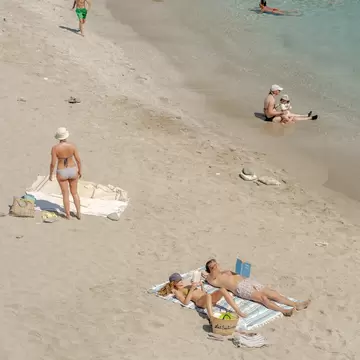
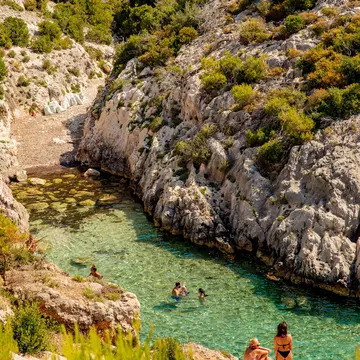
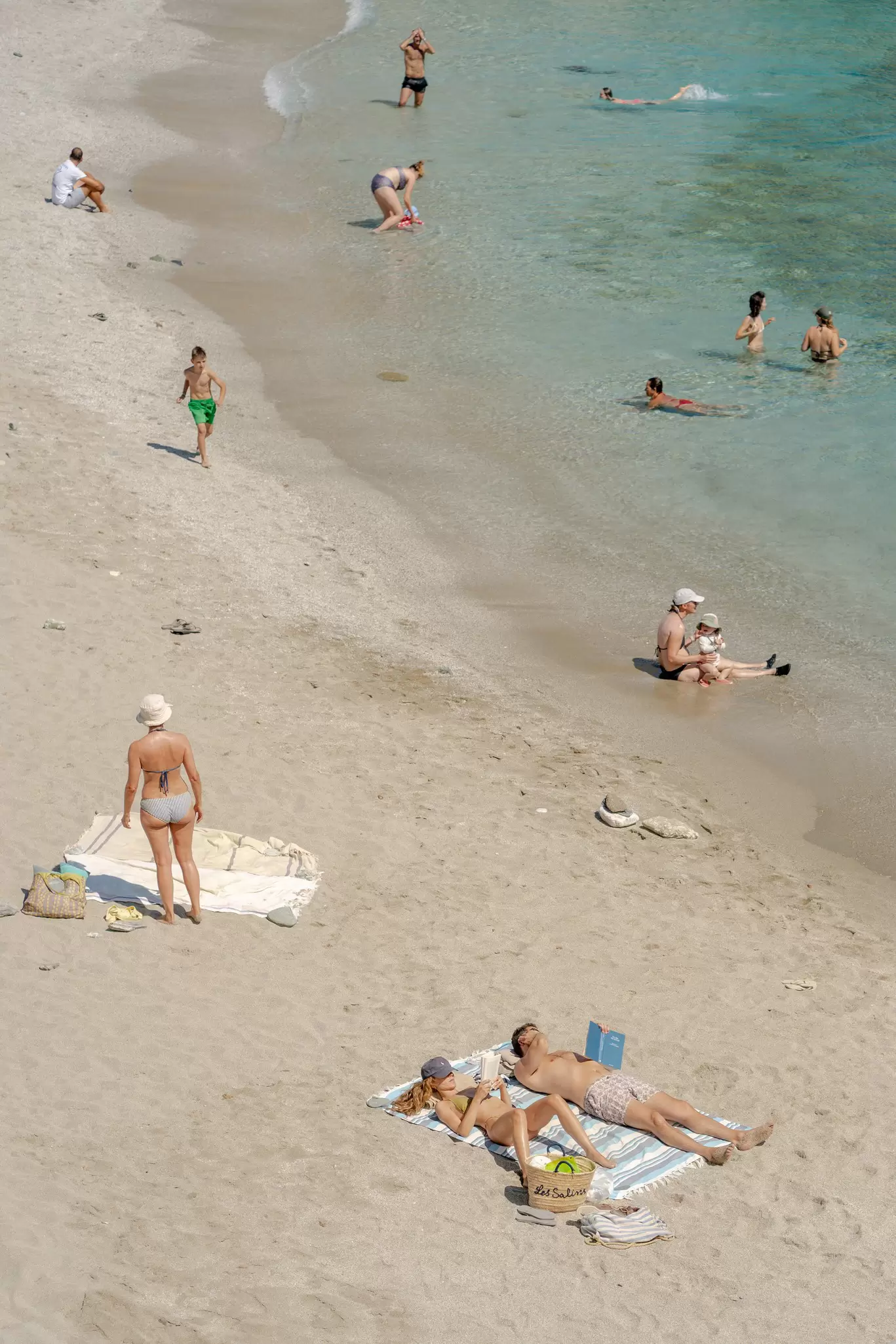
Enjoying the beach on Folegandros Island, Greece. Danielle Amy for Lonely Planet
Writer
Highlights
Writer Alexis Averbuck rounds up 16 top Greece experiences from ancient ruins to beaches.
For ancient drama, visit Athens' Acropolis and scale the stone spires of Meteora.
Chase famed sunsets on Santorini, then unwind on Crete's beaches at Falasarna or Elafonisi.
History buffs should head to Delphi's oracle site and Thessaloniki's Byzantine upper town.
Lonely Planet may earn a commission from affiliate links on our site. All recommendations and reviews reflect our own independent opinions.
Greece is the stuff of Mediterranean dreams: azure seas, tavernas poised by the water in charming island villages, myriad beaches and the stone skeleton of the Acropolis, shining on a hill overlooking fascinating Athens. You just know the best things to do in Greece are going to be good!
This wonderful country, from mountaintop to city street, lives up to its reputation. The top spots in Greece will satisfy travelers looking for adventure, history and mythology, the great outdoors, relaxing seaside escapes and immersive cultural experiences. Indeed, Greece has something to inspire anyone who lands on its shores, and attention is only growing with the release of Christopher Nolan's The Odyssey.
But with 227 inhabited islands and more wonders spread across the Greek mainland, whittling down your list of spots to visit can be a challenge. To help you out, here is our pick of the 16 most memorable things to do in Greece, from exploring ancient ruins to culinary highlights and island escapes.

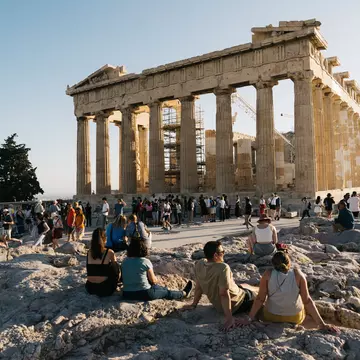
There’s a reason the Acropolis remains the quintessential landmark of Western civilization; even after 2500 years, it is still simply spectacular. In addition to this towering icon, the streets of central Athens are dotted with myriad remnants of the civilizations that have marauded through this corner of the Aegean over the centuries. Indeed, every construction project in the city (like excavating the metro!) unearths more finds.
From the Ottoman houses of the Plaka neighborhood edging the Acropolis, you can head further back in time to the Roman Agora with its intricately carved Tower of the Winds. Afterward, stop off at the Ancient Agora, the commercial counterpoint to the religious activity in the Acropolis in Ancient Greek times.
Planning tip: With more time, many more monuments and snippets of history await in Athens. Devote some time to world-class museums such as the Acropolis Museum, the National Archaeological Museum, the Byzantine and Christian Museum and the Museum of Cycladic Art. Pick your favorite and just keep on exploring.

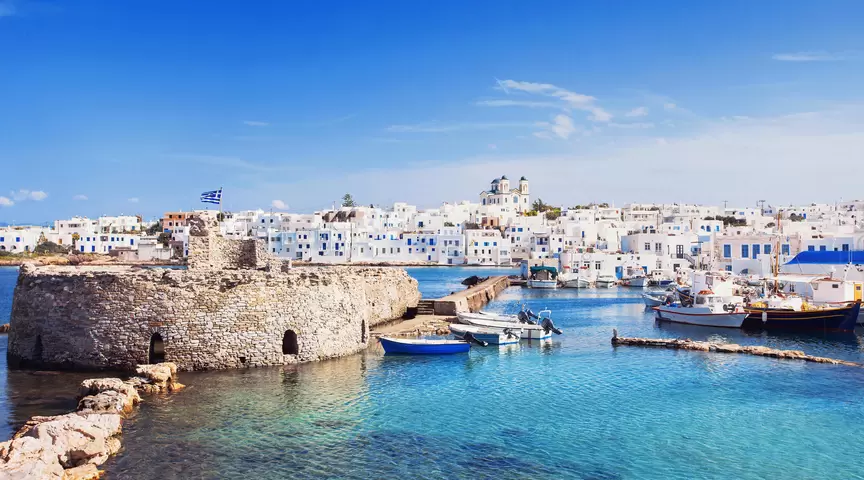
You've probably heard of the biggest Greek islands: Santorini, Mykonos, Rhodes, Crete and Corfu. But the beauty of the Greek island experience is that each of the 227 major inhabited islands that make up the Greek archipelago has its own distinct character, with thousands more uninhabited islands and islets calling out to be explored.
To start, figure out which is the perfect Greek island for you. Pick a zone, say the Ionian Islands or the Dodecanese, and get around by chugging between ports on the country's ubiquitous ferries. If you love a sailboat, charter one and sail from island to island on your own. You could also pick a theme and explore several islands; for a party, head to Mykonos and Ios; for peaceful communing with wild nature, try Kefallonia, Andros and Crete.
Planning tip: Research the ferry schedules in advance – some island routes are seasonal, and demand can be heavy during the peak summer season. Key mainland ports include Piraeus, Rafina and Lavrio near Athens (for ferries to the Cyclades, Dodecanese, Saronic Islands and Crete), and Kyllini, Patras and Igoumenitsa (for the Ionian Islands).
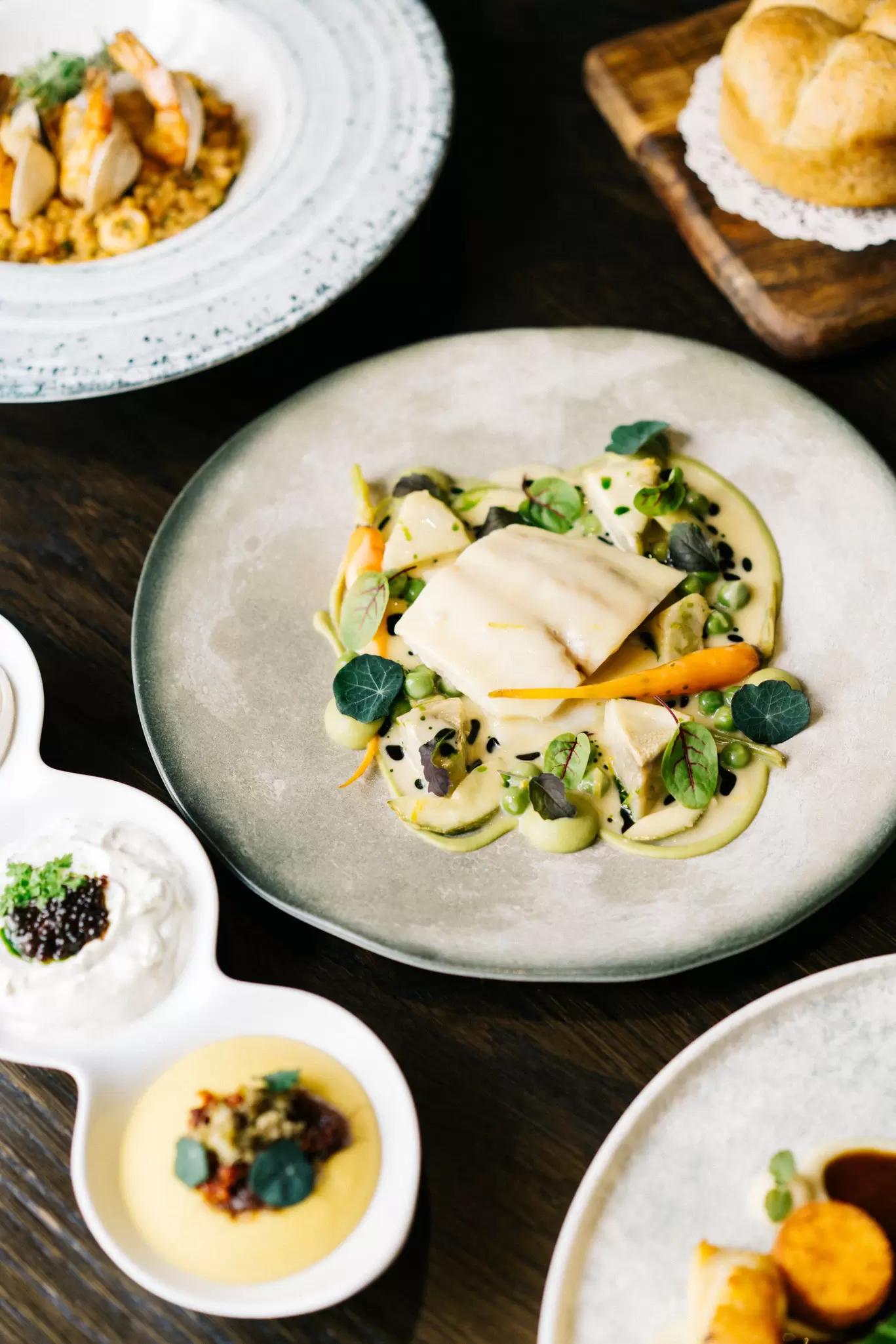
From mornings that kick off with a strong Greek coffee and a tasty bougatsa (a flaky pastry filled with sweet or savory cheese) to nights fueled with ouzo, souvlaki kebabs and calamari, Greece offers an astounding range of delectable treats to tempt your palate.
Many of the country's unique dishes are hailed for their sun-kissed flavors and healthiness - the Mediterranean diet has an enviable reputation. Imagine plates infused with fresh-pressed olive oil and herbs plucked from the dry hills, salads of sweet in-season tomatoes and copious quantities of seafood. But there’s also plenty of decadence – slow-cooked roasts, crumbly village cheeses and honeyed-layered baklava.
Planning tip: Every region has its specialties, so for the best experience of local dishes, ask people living in the area what they recommend, and which of the local tavernas and psistarias (grill-houses) serve the best versions. A tip: it often won't be the touristy spots on the waterfront.
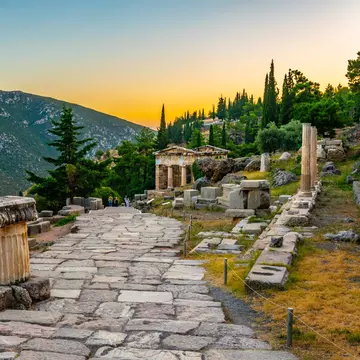
The Sanctuary of Apollo at Delphi was once the bright light at the center of the ancient Greek world. Today, its dramatic ruins lie perched on a hillside with sweeping views of the Gulf of Corinth. This is where ancient pilgrims would travel to hear prophecies from the god Apollo, delivered through his oracle (a local woman, identified through divine provenance).
There are more intact ancient cities in Greece, but Delphi's layered history and mythology, combined with the sweeping mountain and valley views, make this site near the modern town of Arachova feel extra special. There's plenty more to see and do in the area around Mt Parnassos, from rugged hikes to museums and monasteries.
Planning tip: It’s worth visiting the Delphi ruins at the very beginning or end of the day to catch the soft light of morning on the temples’ sides or the golden glow of sunset. The archaeological site is open from 8am to 8pm during the summer season (April to October).

Almost unbelievable to the eye, the six ancient Orthodox monasteries of Meteora seem like something from an epic movie. In fact, the site stood in as a villain's hideout in the James Bond epic For Your Eyes Only, and it was used as the backdrop for the Eyrie of House Arryn in Game of Thrones.
It's hard to top the mind-blowing rock pinnacles that form the foundations of these 14th-century monasteries. Climb the stairs carved into the edges of the stone spires to explore and snap photos, and spare a thought for the monks and stonemasons once hauled up the sheer cliffs in nets made from knotted rope.
Planning tip: Get to Meteora via the village of Kalabaka. You can get here by bus (in several stages) from Athens; coming on a guided tour is logistically easier, but staying locally in Kalabaka means you can get to the monasteries before the tour groups arrive.
One of the great treats of being in Greece is leaving behind the frantic pace of life back home and merging with the slow and easy pace of life here. Sit quay-side or street-side, sip a coffee, a cocktail or a glass of local wine, and watch the world go by. Better yet, bring friends, and settle in for a serious afternoon or morning of backgammon and conversation.
Planning tip: You'll find local-style cafes in every backlane in Greece, but head to the village or town square to find the best spots for people-watching. Locals tend to take their coffee sweet – ask for metrio for just a little sugar, sketo for no sugar, or glyko if you're ready for the full sugar hit.
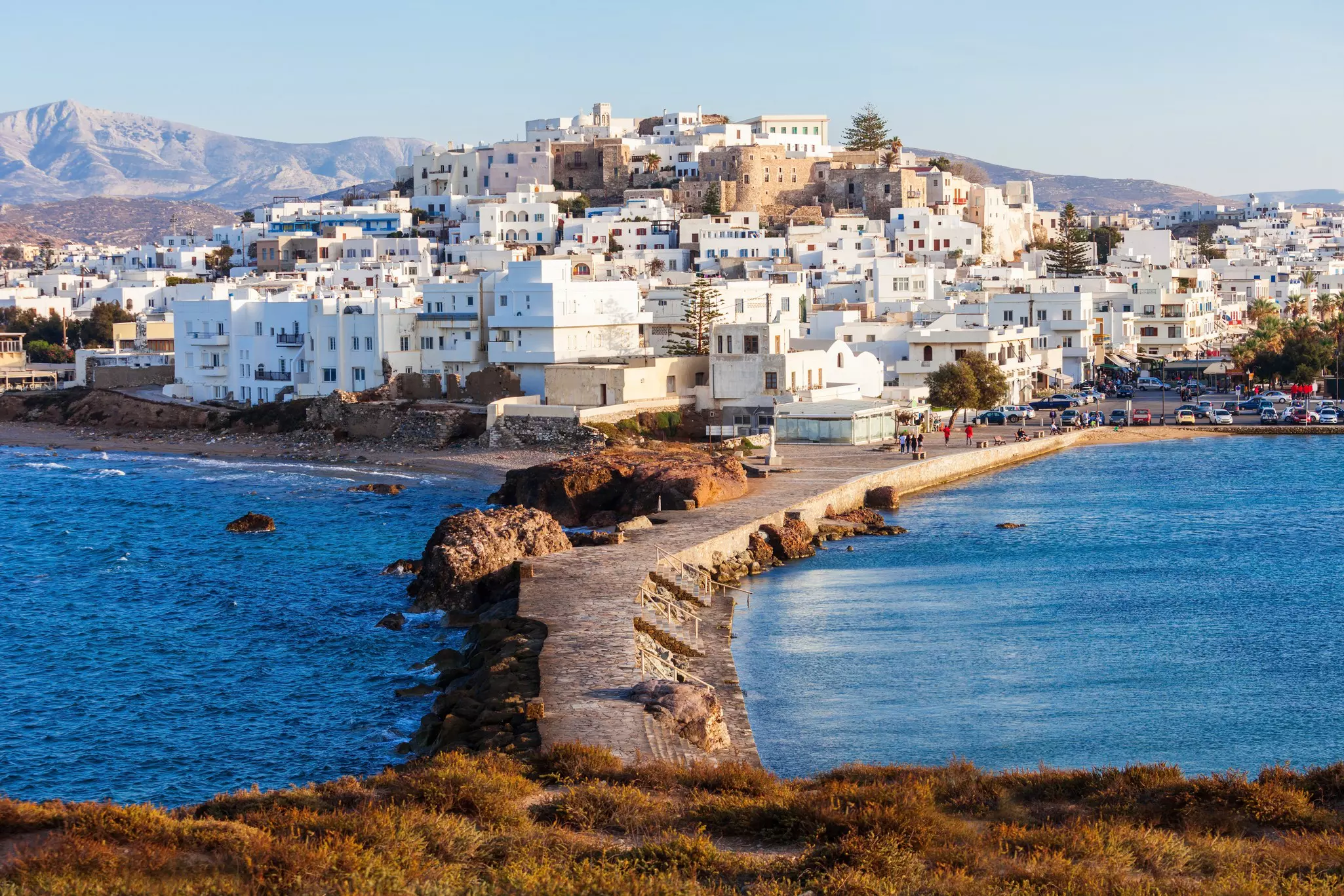
With its famed sunsets and dramatic volcanic bowl topped by whitewashed villages, Santorini is the belle of the Cyclades islands. But for more island magic without the crowds, strike out further to catch equally beautiful sunset views on islands such as Milos, a calmer volcanic isle, or Naxos, with its untamed coasts and Temple of Demeter. The holy island of Tinos is draped in carved marble, while Andros offers a slew of wonderful walking trails.
Planning tip: Ferries to the Cyclades run from Piraeus, Rafina and Lavrio, but travel times vary depending on your destination; traveling to Andros from Rafina or to Kea from Lavrio takes just an hour, but it's a trip of at least 5 hours from Piraeus to Santorini.
One of the great expressions in Thessaloniki is halara, roughly translated as “take it easy” or “it’s all good.” This laid-back city by the sea unfurls its pleasures in the form of lively markets, quality dining, vibrant student culture, and plenty of art and nightlife.
The upper town is a Byzantine maze, and lovers of ancient eras can tour the truly magnificent riches of the Tomb of Philip II of Macedon at nearby Vergina. Beaches such as Peraia and the scenic peninsulas of Halkidiki complete the package in a Greek city that offers a bit of everything.
Planning tip: Thessaloniki is a handy base for the 2-day hike up Mt Olympus, Greece's highest mountain and the mythical home of the ancient Greek gods. The most popular trailhead for the ascent of this UNESCO-listed peak is Litochoro, accessible from Thessaloniki by bus or train in around 1.5 hours.

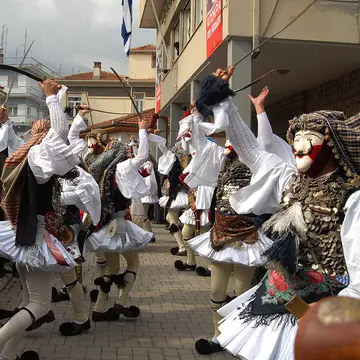
It’s hard to grasp just how rich and vibrant the Greek Orthodox Easter week is until you experience it. Villages, towns and cities come to life in one long crescendo leading up to Easter Sunday. Held in villages, towns and cities across the country, the celebrations range from moody candlelit processions to brilliant firework displays, lamb roasts and dancing in the streets. If you visit at this time, ask your accommodation for tips on the best places to join in the festivities.
Planning tip: This is the biggest religious festival of the year, celebrated with utter reverence and almost total participation. Book accommodations and transport well in advance and aim to arrive early in the week; you don’t want to miss a thing!
Rare is the land without cars, but the island of Hydra, with its soft bowl of marble stairways and terracotta-tiled seafarers’ houses, is one such place. Sail in from Piraeus near Athens or one of the mainland ports closer to the island, and stay a while to people-watch on the chic harbor front, walk on the rough mountain trails and swim in the sea on beaches tucked into rocky coves.
Planning tip: Fast ferries run to Hydra from Piraeus, taking just over an hour, but the shortest ferry trip is from Ermioni, a few hours south of Athens, where speedboats complete the crossing in just 25 minutes.
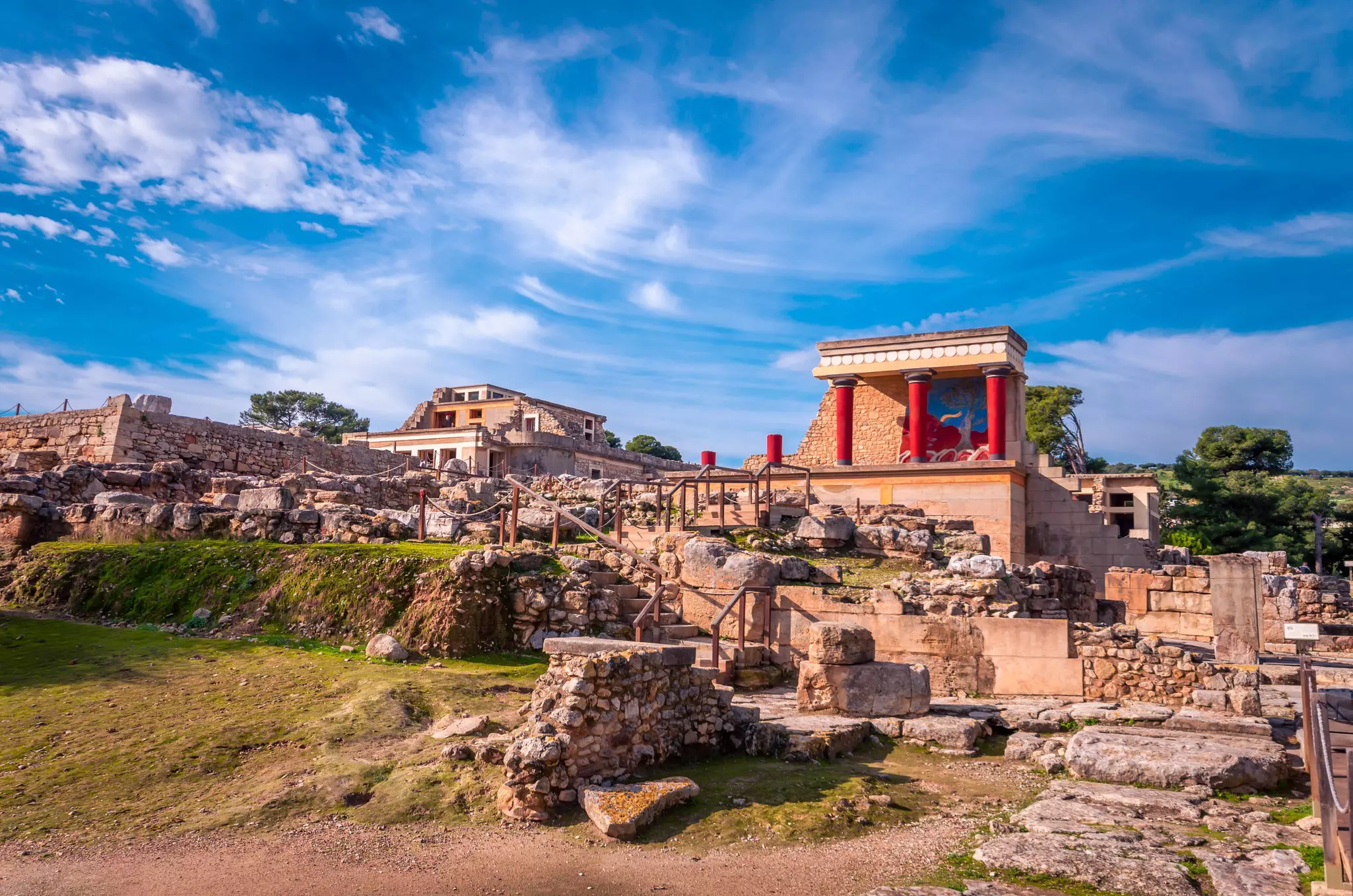
History loves a mystery, and few are more enticing than the story of the Minoan civilization in Crete – destroyed by natural disasters and invasions around 1450 BCE. The advanced society of the Minoans is still only partly understood by historians, but the Minoan love of bull-leaping – and their veneration of bull symbols – almost certainly gave rise to the myth of the Minotaur.
For the best introduction to Minoan culture, make for the Palace of Knossos, a 4000-year-old Bronze Age capital, said to be the site of the Minotaur's labyrinth. The partly restored ruins are best paired with the fascinating treasures showcased in Heraklion's Archaeological Museum.
Planning trip: Many visitors drive to Knossos, but it's also easy to get here on the No 2 bus from Heraklion's port, which will drop you by the ruins in about 30 minutes.
The island of Crete – Greece's largest –is almost a country in itself. As you explore its plethora of villages with unique cuisine, don't miss the chance to spend a day or two on the beach. From the soft cream sands at Falasarna to the pink, coral-tinged arcs of Elafonisi, you can’t go wrong with a beach day on this sand-blessed island. Consider stunning Preveli, brushed by the Libyan Sea, backed by a palm forest, and topped by an elegant monastery.
Planning tip: Be sure to bring a sunhat and slap on the sunscreen – the Mediterranean sun beams down on Crete for 300 days per year.
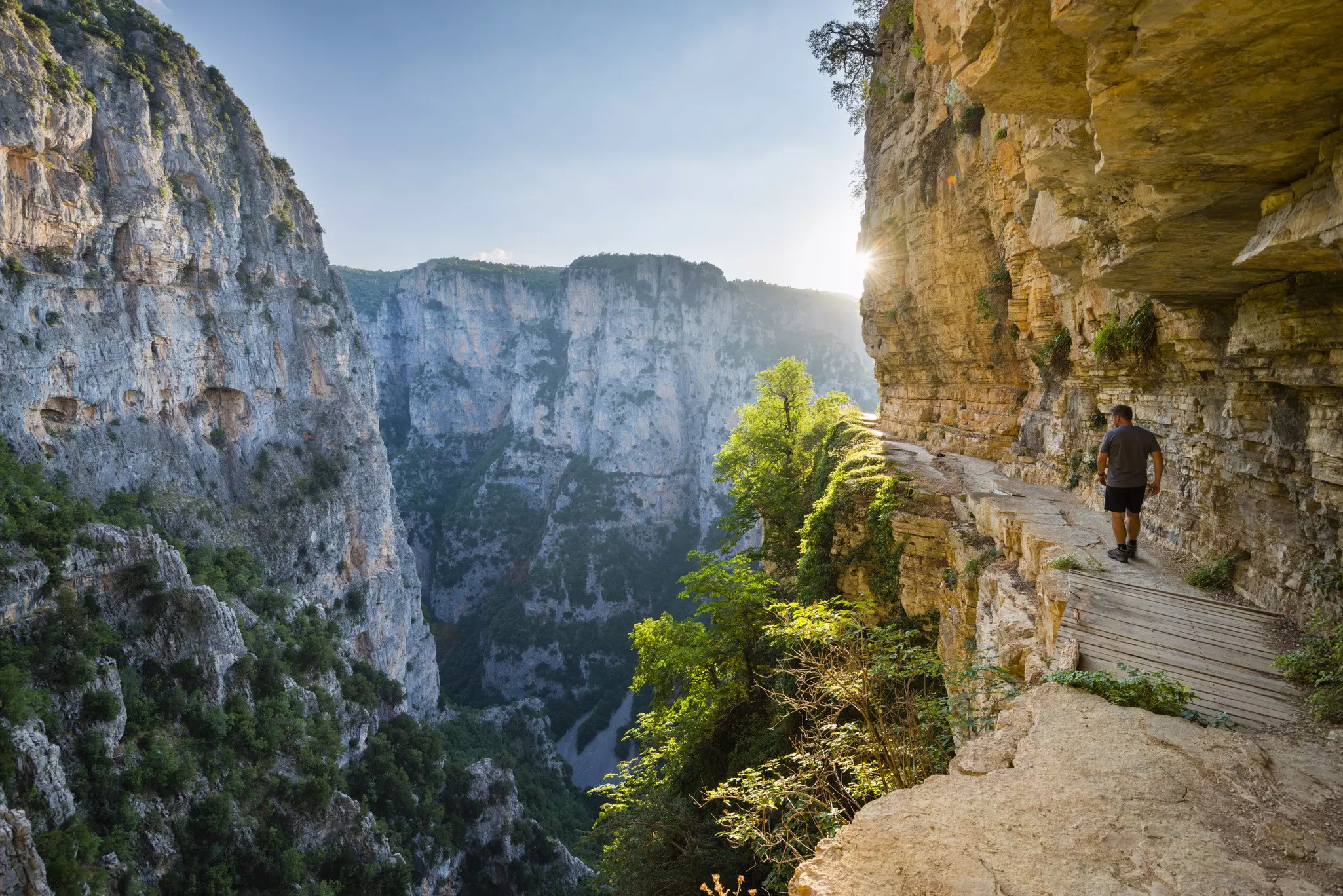
If elves lived in Greece, Zagorohoria is where you’d find them. This constellation of quaint stone villages in the mountains lies on the southern edge of the sweeping Vikos Gorge in Northern Pindos National Park, on the mainland north of Ioannina. Connected by a network of walking paths, the villages make for superb bases for hiking the gorge's splendid natural landscapes in the warmer months, and offer cozy snuggling by the fire in winter.
Planning tip: The full Vikos Gorge hike covers 12.5km between the villages of Monodentri and Vikos. If you don't want to tackle the full route, try the shorter out-and-back hike from Vikos to the springs on the Voidomatis River (about 2–3 hours return).
In Corfu Town, a traveler's favorite on the islands of the same name, a 14th-century Venetian fortress guards the shorefront of the UNESCO-listed Old Town. The area inland from the fort is a captivating warren of honey-hued homes, hidden plateia (plazas) and exalting arcaded terraces, such as scenic Liston.
Corfu's Italian-influenced cuisine is another solid incentive to stay awhile – must-try dishes to seek out include pastitsada (a tomato-rich stew with hints of cinnamon and cloves), sofrito (veal cooked with white wine, garlic and parsley) and bourdeto (a spicy stew of tomato and scorpionfish).
Planning tip: The streets of the Old Town get busy with day-trippers from the island's resorts. Stay overnight in Corfu Town or come early in the morning to avoid the midday throngs.
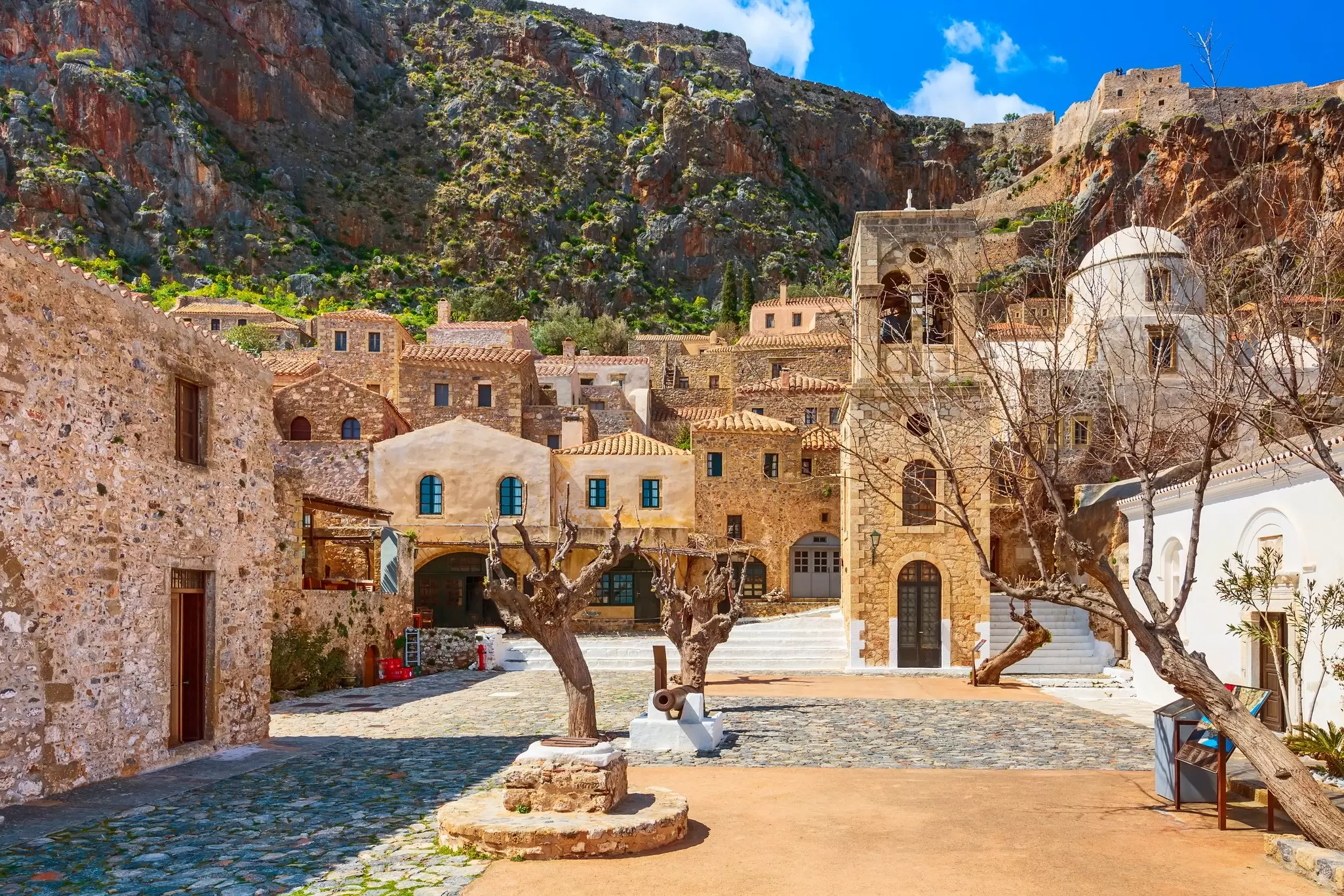
Southwest of Athens, the giant Peloponnese landmass somehow falls off the radar of most tourists. You can explore it for weeks and see only a fraction of the tourists who throng other parts of the country. Adventure from the lovely seaside Venetian city of Nafplio to extraordinary and important ruins such as the Byzantine city of Mystras, Mycenae (ruled most famously by Agamemnon) and Epidavros, with its ancient theater.
Alternatively, head for even lesser-known spots, such as the wild Mani peninsula and the fortified town of Monemvasia on its tombolo-connected islet. The Peloponnese is also prime territory for finding interesting local culture and delicious homemade food, so take your time exploring.
Planning tip: Buses run from Athens to larger towns in the Peloponnese, but it's better to come with a hire car so you can roam around at leisure.
While you’re in the Peloponnese, don’t miss the site of the very first Olympic Games, held in ancient Olympia from 776 BCE to 394 CE. Set in a fertile valley, the ruins of the stadium and accompanying buildings where the athletes lived and practiced are particularly lovely in the springtime, when the trees are in flower. Swing into the excellent Archaeological Museum to see monumental sculptures such as the Hermes of Praxiteles.
Planning tip: It's best to stay in one of the hotels or guesthouses close to the ruins, so you can enjoy the site in the morning, before day-trippers arrive from the cruise ship port at Katakolo.
Book your Greece trip with Lonely Planet Journeys
See Greece how it's meant to be seen
Accommodations, activities and ground transportation all taken care of, so you can focus on the fun part. Tell us what your dream trip to Greece looks like, and our local experts will build it from scratch. Or start with one of our itineraries and make it your own.

Explore related stories