Jun 5, 20267 min read
7 of the Best Beaches in MauritiusMar 23, 2026
9 MIN READ

Writer
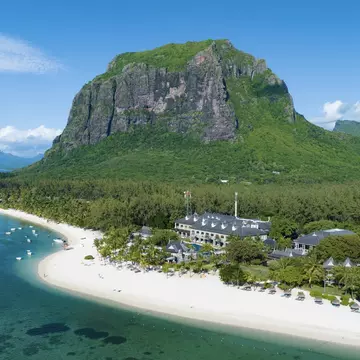
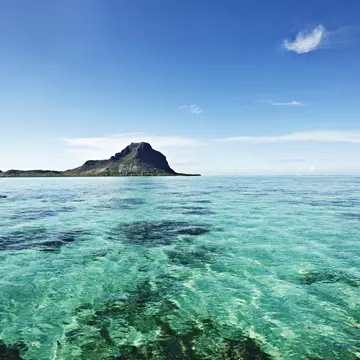
Resorts along the beach in front of Le Morne Brabant, Mauritius. Lostsurf/Shutterstock.

Writer
Highlights
Writer Anthony Ham rounds up 15 Mauritius experiences, from beach resorts to wild Rodrigues.
Climb UNESCO-listed Le Morne Brabant, hike Black River Gorges or dive reefs off Flic en Flac.
Try Creole feasts at Chamarel's Palais de Barbizon or fresh seafood at Trou aux Biches.
Fly to unhurried Rodrigues, 90 minutes away, then hike to Trou d'Argent, Mauritius' prettiest beach.
Lonely Planet may earn a commission from affiliate links on our site. All recommendations and reviews reflect our own independent opinions.
The stunning Indian Ocean island of Mauritius appeals to all travelers: families, adventure seekers, couples on honeymoon...just about anyone, really.
Here, nature delivers drama: Mauritius rises from the Indian Ocean like a vision. You can easily imagine how early seafarers must have felt when they first laid eyes on its beaches and palm trees, forests and mountains, reefs and wild horizons.
Mauritius was also a prototype for multifaceted island tourism, combining the escapist pleasures of luxury resorts by the sea with rich cultural depth beyond the front gates. As well as its superb beaches, visitors can dive into Mauritius’ intriguing history, unique conservation success stories and sizzling-hot culinary experiences.
Here are 15 ways to get the most out of your next trip Mauritius.
The shallow waters of the stunning lagoon that surrounds Mauritius are picture-perfect in their own right, with spectacular diving at the reefs along the lagoon rim. Along Mauritius’ west coast, the waves break out near the horizon, and the drop-off where the lagoon meets the open ocean is a world of underwater cliffs populated by an astonishing array of marine life. Delightfully named Flic en Flac is the starting point for many of the best dives, including La Cathédrale, a fine spot to see scuttling lobsters.
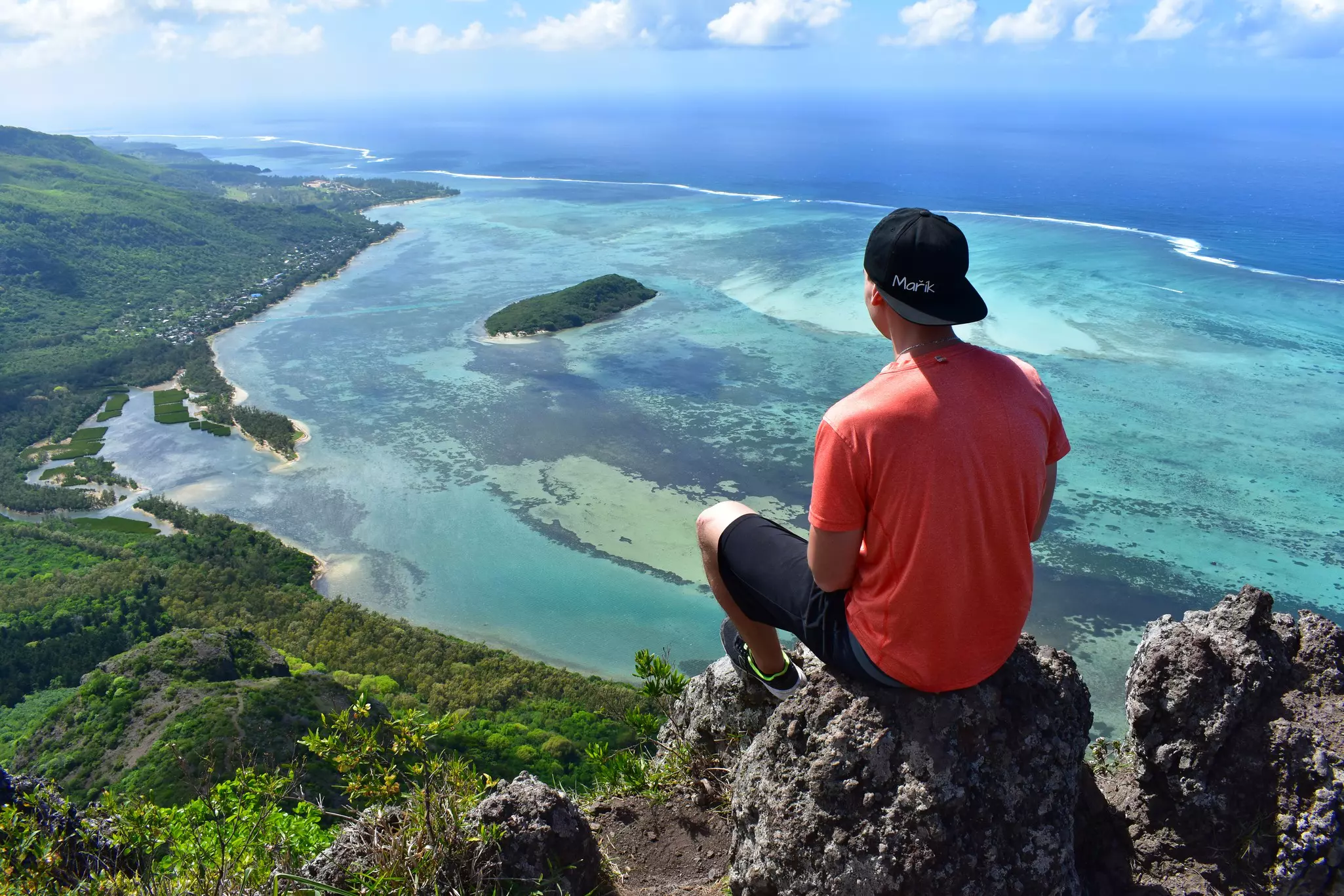
The dramatic peak rising abruptly from the southwest shore of Mauritius, Le Morne Brabant is a UNESCO World Heritage–listed site that served as a home for a group of people dubbed the Maroons, who escaped from slavery and took refuge on this once-remote peninsula. Upon learning that a group of officers was heading to their camp, the Maroons leaped to their deaths rather than be captured again – even though legend has it that the officers were dispatched to inform the community that slavery had been abolished. After a tough but thrilling climb up this poignant peak, you can take in of most of the island from the top. A humbling monument commemorating the people who died is at the base of the mountain.
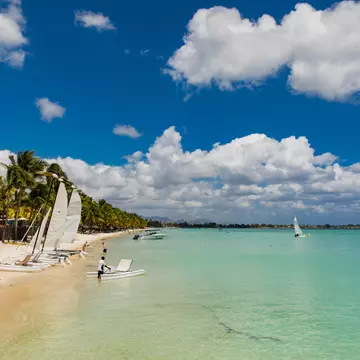
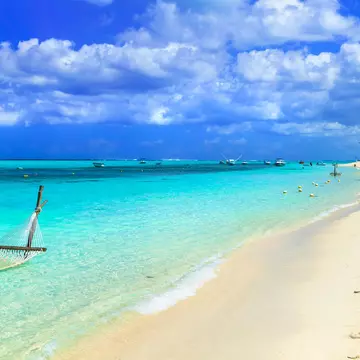
The beaches for which Mauritius is famed encircle the island like a garland. While each resort has its own beach, there’s so much sand around that you’re never far from a peaceful public strand where you can share the sea with picnicking local families rather than visiting tourists. The richest choices lie along the east coast; southern beaches are quieter and wilder; and the west coast is better for those looking for activity out on the water.
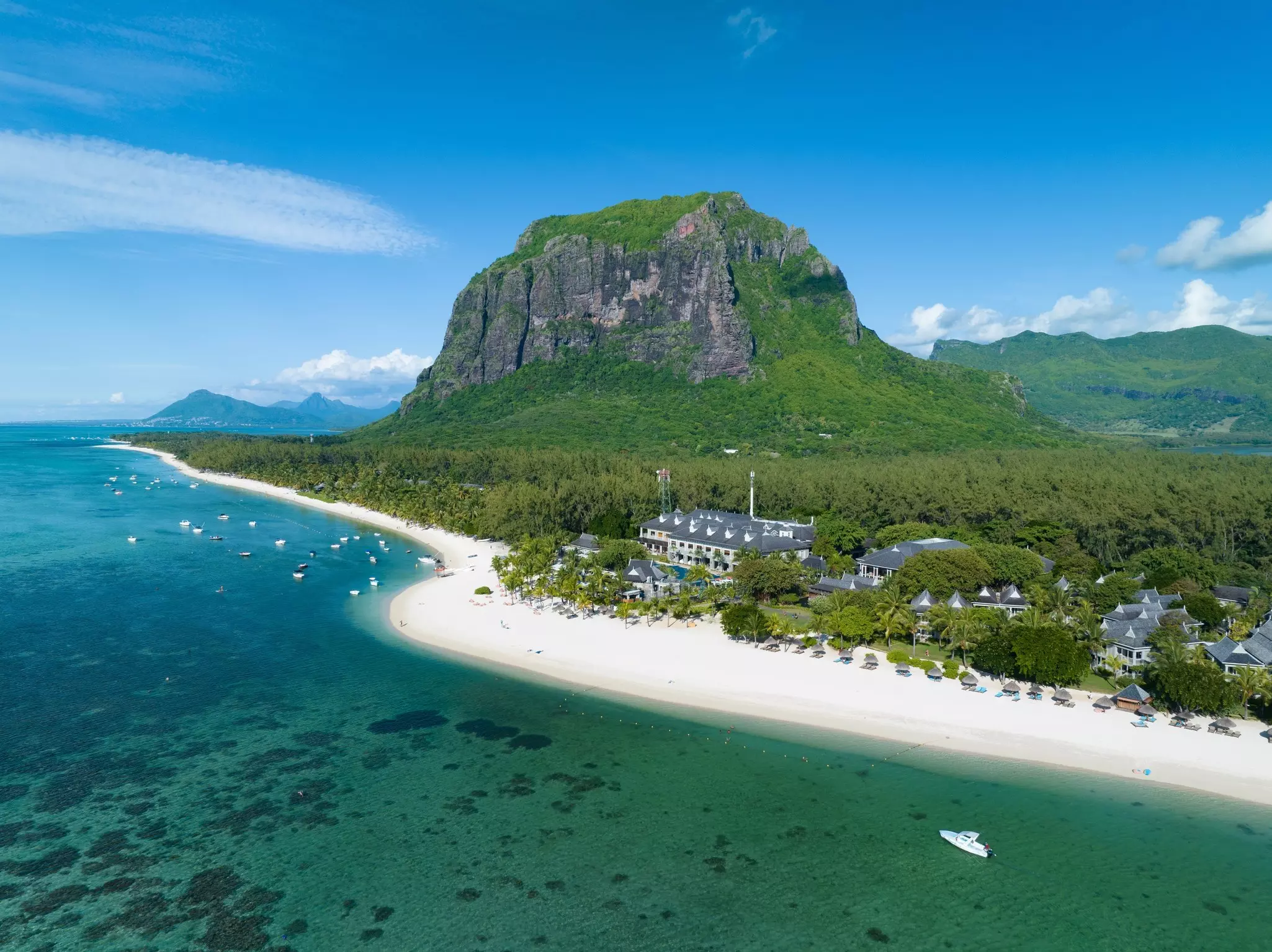
If you’re looking to unwind and unplug by the water, the beach resorts of Mauritius have few peers. Some resorts are the height of exclusivity – if you’re staying at one of these lavish properties on a honeymoon or luxury break, you may never want to leave the resort grounds. Other resorts cater wonderfully to families, with kids’ clubs, water sports and more. Whichever secluded corner of the island you head to, you’ll find abundant resorts to choose from. Expect large and luxurious rooms, multiple swimming pools, ample gardens, world-class restaurants, organized activities and perhaps a no-indulgence-spared spa.
Lonely planet’s trusted travel insurance provider
Travel with confidence. Protect your trip and your wallet.
We don’t represent World Nomads, we receive a fee from quotes using this link. This is not a recommendation to buy travel insurance.
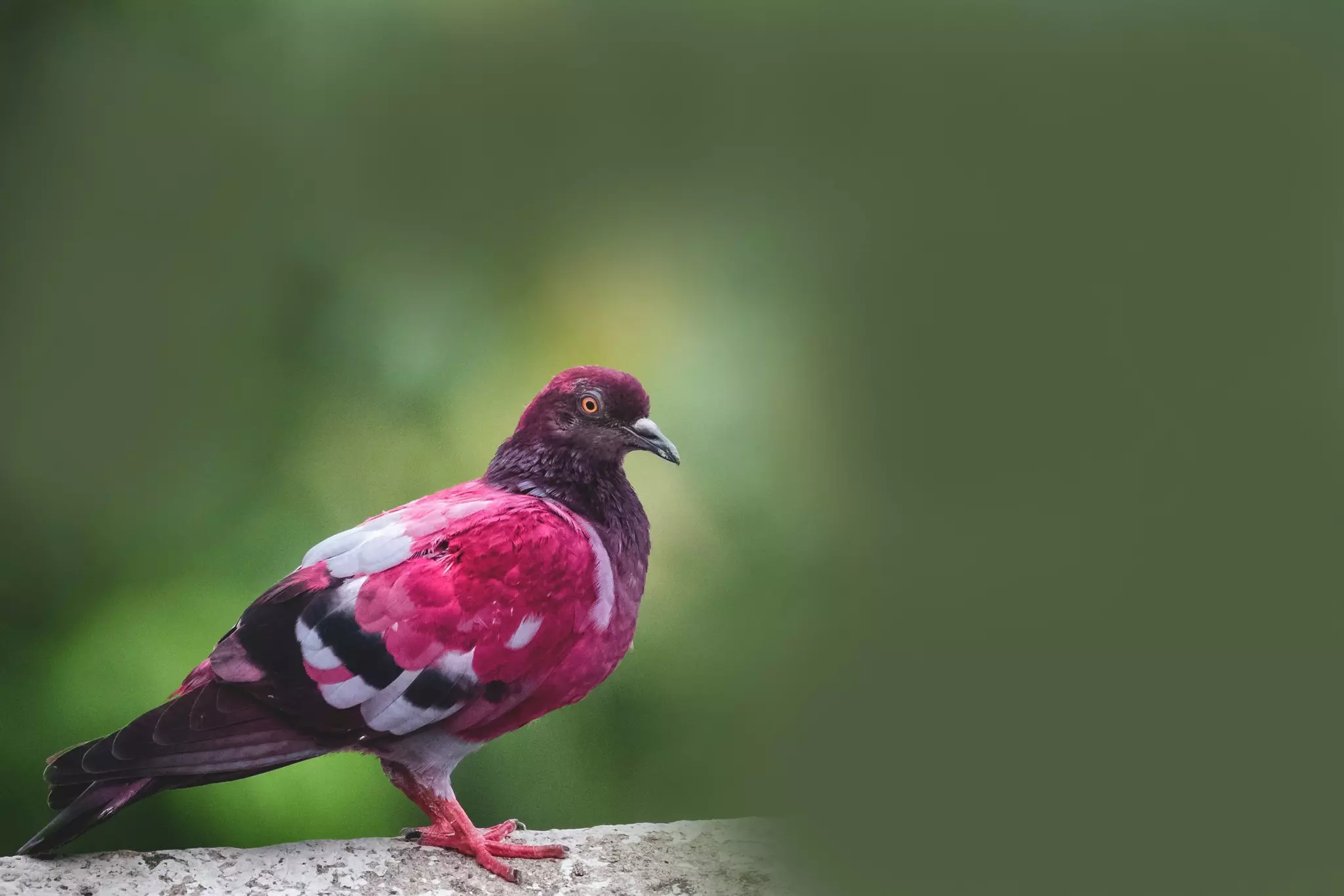
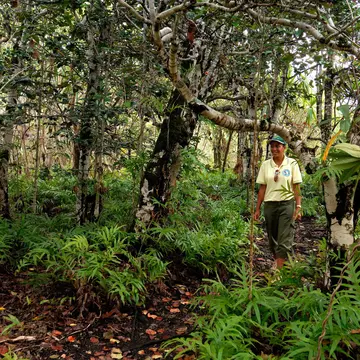
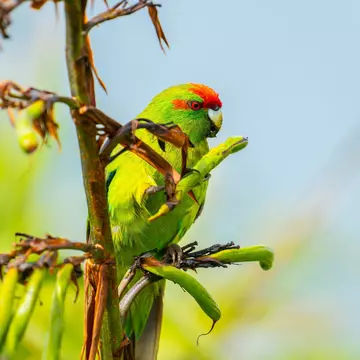
In the forested interior of Mauritius, Black River Gorges National Park is a precious and protected wilderness that’s somehow only 30 minutes from the beach. Its dense forest is home to many native species of flora and fauna, including three endangered bird species: the Mauritius kestrel, the echo parakeet and the pink pigeon. As you hike through forests and past waterfalls, watch out for white-tailed tropic birds flying high above the gorges or pink pigeons hanging out near the trail.

Diversity is a defining feature of Mauritian life, and the island’s cultural melting pot is most apparent (and tastiest) in its cuisine. Indian, Chinese, Franco-Mauritian and Creole influences come together in Mauritian kitchens – making dining here at once a genuine pleasure and a globe-trotting adventure. The island boasts world-renowned chefs and endless places to sample local delicacies and staples. If we had to pick one place to try, it would be the stellar home-style cooking of Chef Marie-Ange at the informal Palais de Barbizon in Chamarel.
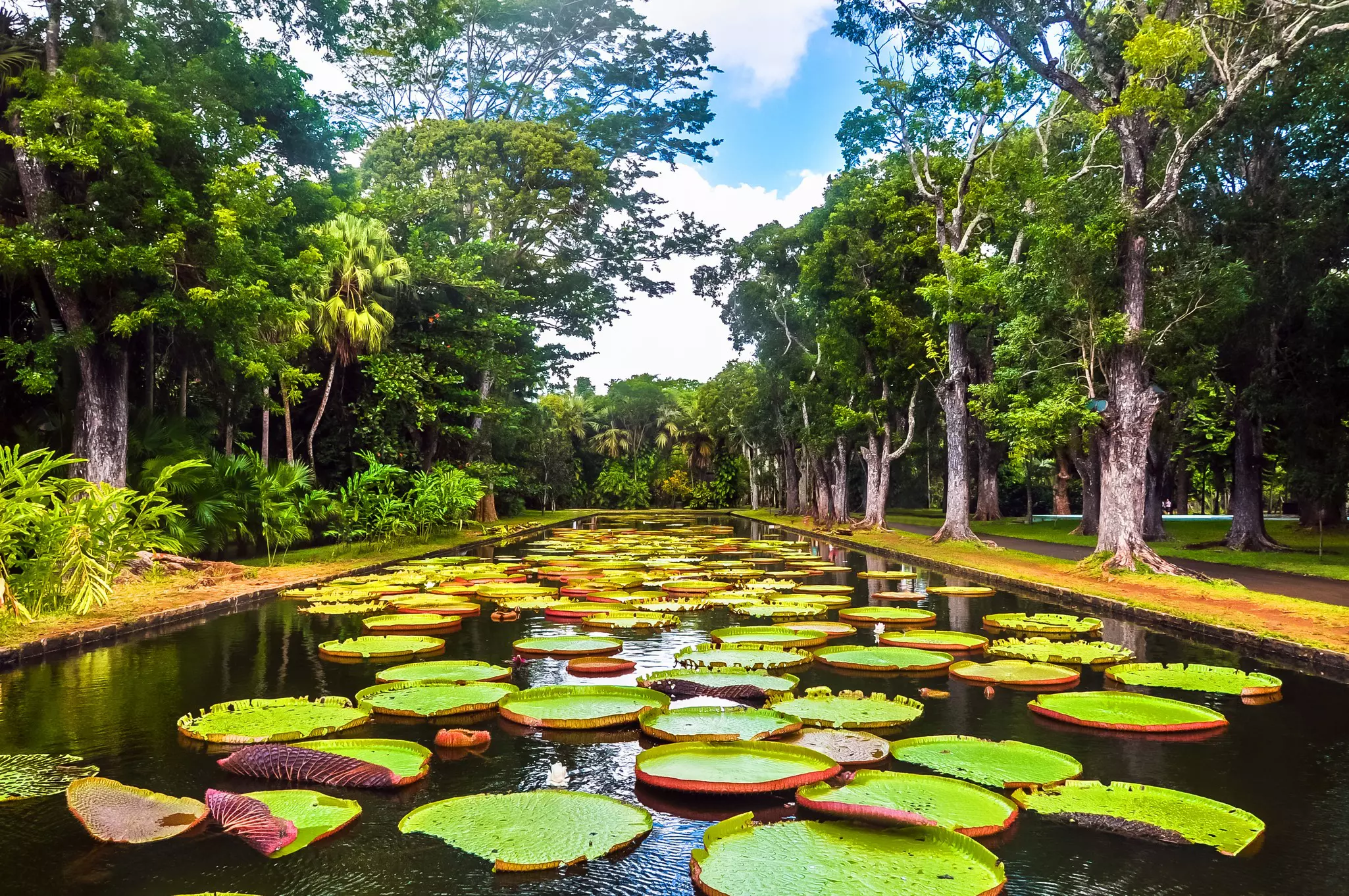
There are times in Mauritius when it seems the wild tangle of tropical vegetation is visibly growing larger before your very eyes. Nowhere is this truer than at the Sir Seewoosagur Ramgoolam Botanical Gardens at Pamplemousses, whose original plantings, in 1735, served as the vegetable garden for the nearby Château de Mon Plaisir. The garden has expanded considerably from its original footprint, and the stars of this gargantuan show are today the giant Victoria amazonica water lilies and soulful giant tortoises. There are so many head-turning, magnificent specimens to take that you’ll need a few hours to explore.
Among Mauritius’ many worthwhile inland excursions, a trip to Chamarel might be the most rewarding. High in the hills and with glorious views down toward the coast in places, Chamarel has become a culinary hot spot thanks to a growing number of casual family-run dining rooms and fine-dining restaurants hidden away among the trees. Other reasons to come include the famous colored sands of Terres de 7 Couleurs, Mauritius’ quirky museum of illusions, and the Rhumerie de Chamarel, a fascinating, eco-friendly rum distillery.
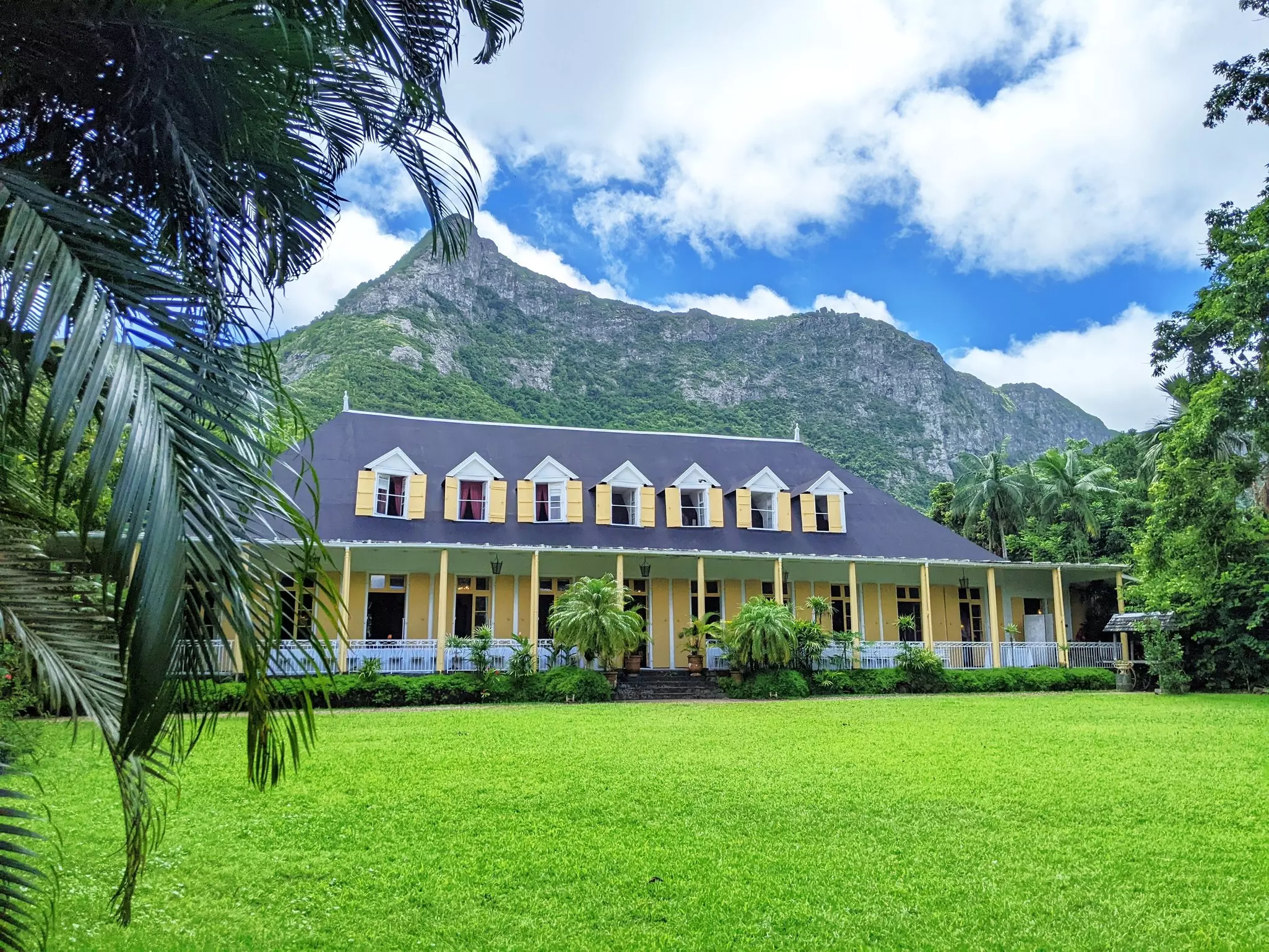
Uninhabited until European colonizers arrived in the 17th century, Mauritius was at various times an outpost of the Dutch, French and British before it gained independence in 1968. Under European rule, giant sugar and tea estates filled every available acre of the Mauritian interior; the centerpieces of these lucrative plantations were French-style colonial mansions, which today are some of the Indian Ocean’s greatest architectural treasures.
Like mini châteaux adapted to the tropics, these stately homes have gorgeous gardens, high ceilings, ornate verandas and cantilevered windows to catch the breeze. Check out Eureka House in Moka or Château Labourdonnais near Pamplemousses for fine examples of the style.
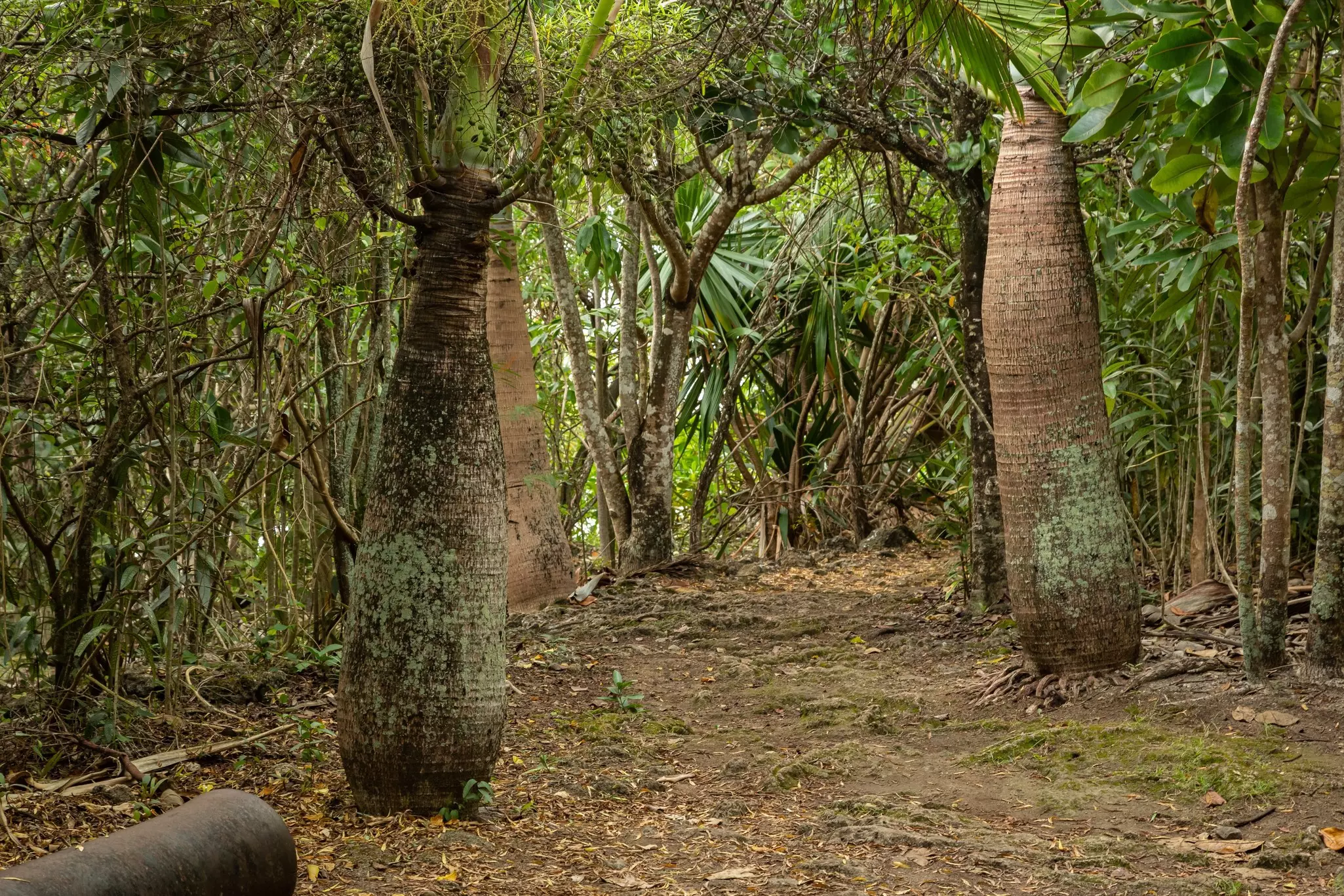
On the edge of the lagoon just off Mauritius’ pristine southeastern coast, Île aux Aigrettes offers a vision of the ancient and wild land that greeted early explorers. The old-growth ebony forest here is a microcosm of to the island’s ecosystem before the arrival of the Europeans in the 16th century. Restored as part of a government-backed conservation project, the forest today shelters all manner of endangered bird and other wildlife species. Just be careful not to trip over a Mauritian giant tortoise.
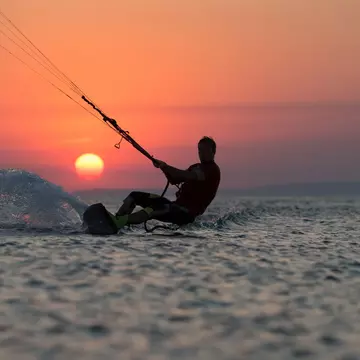
If east coast Mauritius is known for its resorts, the west coast is all about getting out on and under the water. Spinner or bottlenose dolphins are frequently sighted in the lagoon off Tamarin Beach – and you can avoid the free-for-all by going to see them with Dolswim, which follows strict rules to ensure the dolphins are not disturbed. From July to October or November, humpback whales migrate down through the open ocean off the west coast and can be spotted breaching beyond the lagoon.
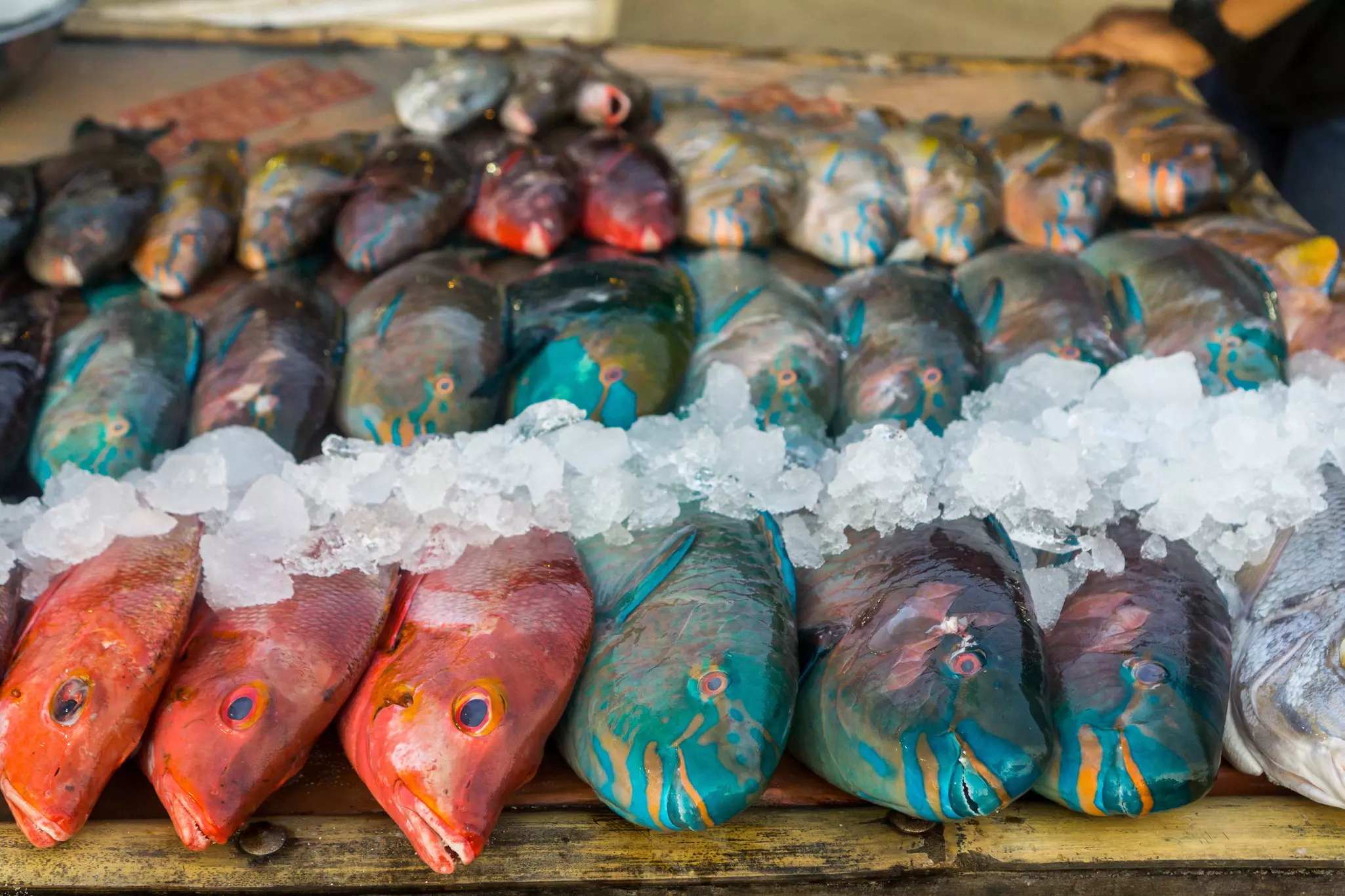
Global culinary influences and celebrity resort chefs lie at one end of Mauritius’ culinary spectrum. On the other, there’s no finer dining experience than grabbing a table at a beachfront shack in Trou aux Biches on the north coast, or St François in Rodrigues, and ordering the freshest seafood imaginable. Take your pick from lobster, prawns, octopus, grilled fish, calamari and more, deciding whether you want it served grilled or smothered in a red Creole sauce. Then sit back, and enjoy a seafood feast with a view.
While Mauritius itself and remote Rodrigues get all the attention, there’s an often-missed archipelago of inner islands within a day’s boat trip of the main island. To the east are Île des Deux Cocos and Île aux Cerfs – crowded in parts, but offering some gorgeous quiet corners. Pretty Île aux Bénitiers lies off the west coast; away to the north, there’s even more choice: Coin de Mire, Île Plate and Îlot Gabriel are all delightful. Combine exploring with time spent snorkeling and a picnic lunch, and you have one fine Mauritius day.
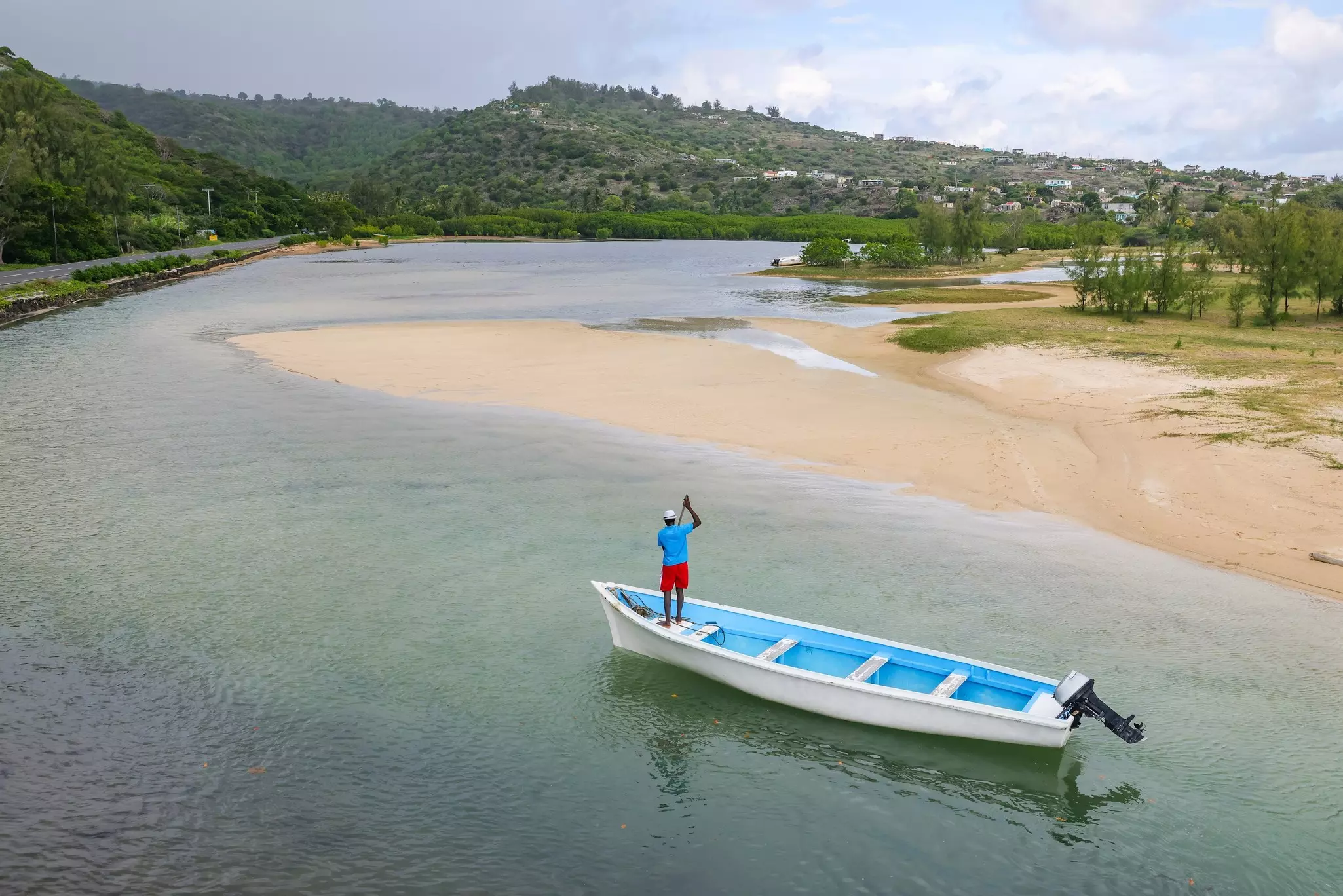
One of Mauritius’ most remote quarters, Rodrigues – a speck in the Indian Ocean some 600km away from the main island – feels like it occupies a different time and space altogether. Life in this peaceful outpost is focused on the pleasure of day-to-day living and connecting with the land and the people. Spend your days taking boat trips to outlying islands, communing with giant tortoises, perusing the Saturday market at Port Mathurin, or diving and snorkeling off the south coast or around La Passe St François. While there’s plenty to do, a big part of Rodrigues’ charm comes from something altogether simpler: slowing down, and savoring the joy of just being here. Note that to enjoy Rodrigues’ pleasures, you’ll need to catch a 90-minute flight on Air Mauritius.
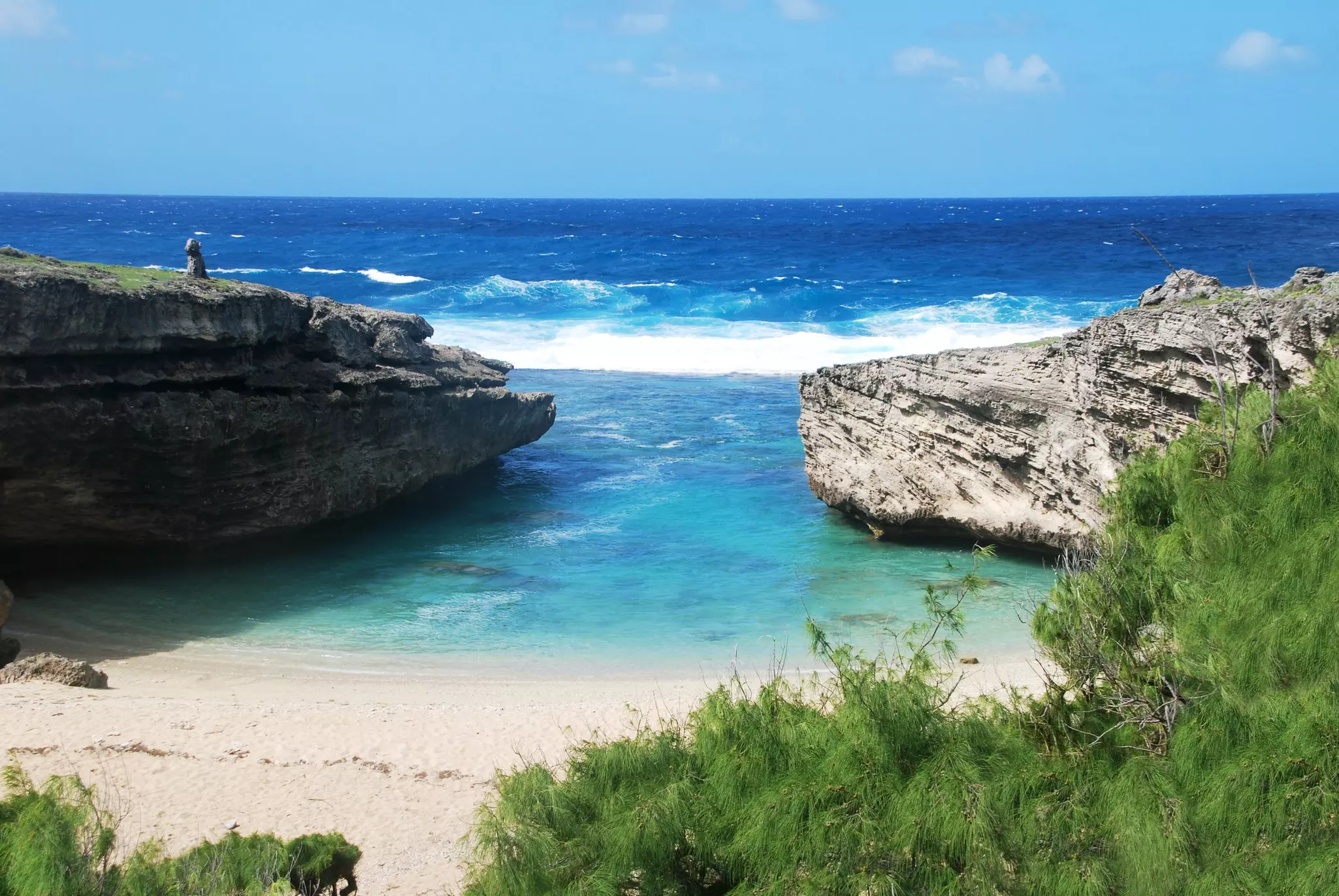
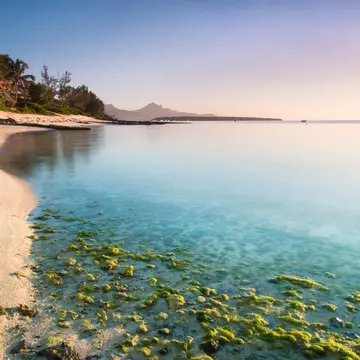
Rodrigues already feels like the end of the earth – and the coastal walk from Graviers to St François just confirms it. Save for the occasional cloud or passing seabirds, there’s nothing to interrupt the views over the ocean to the distant horizon – and the silence has to be experienced to be believed. Best of all, it’s the only way to reach Trou d’Argent, which must be Mauritius’ prettiest beach.
Explore related stories