Jul 10, 202611 min read
23 of Berlin's Best Clubs: Where to Go and What to ExpectDec 9, 2025
7 MIN READ
Writer
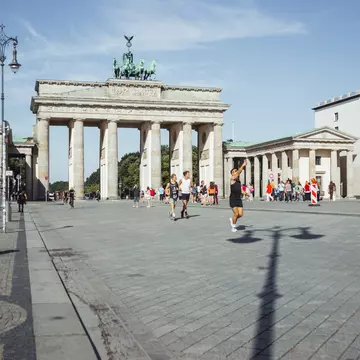
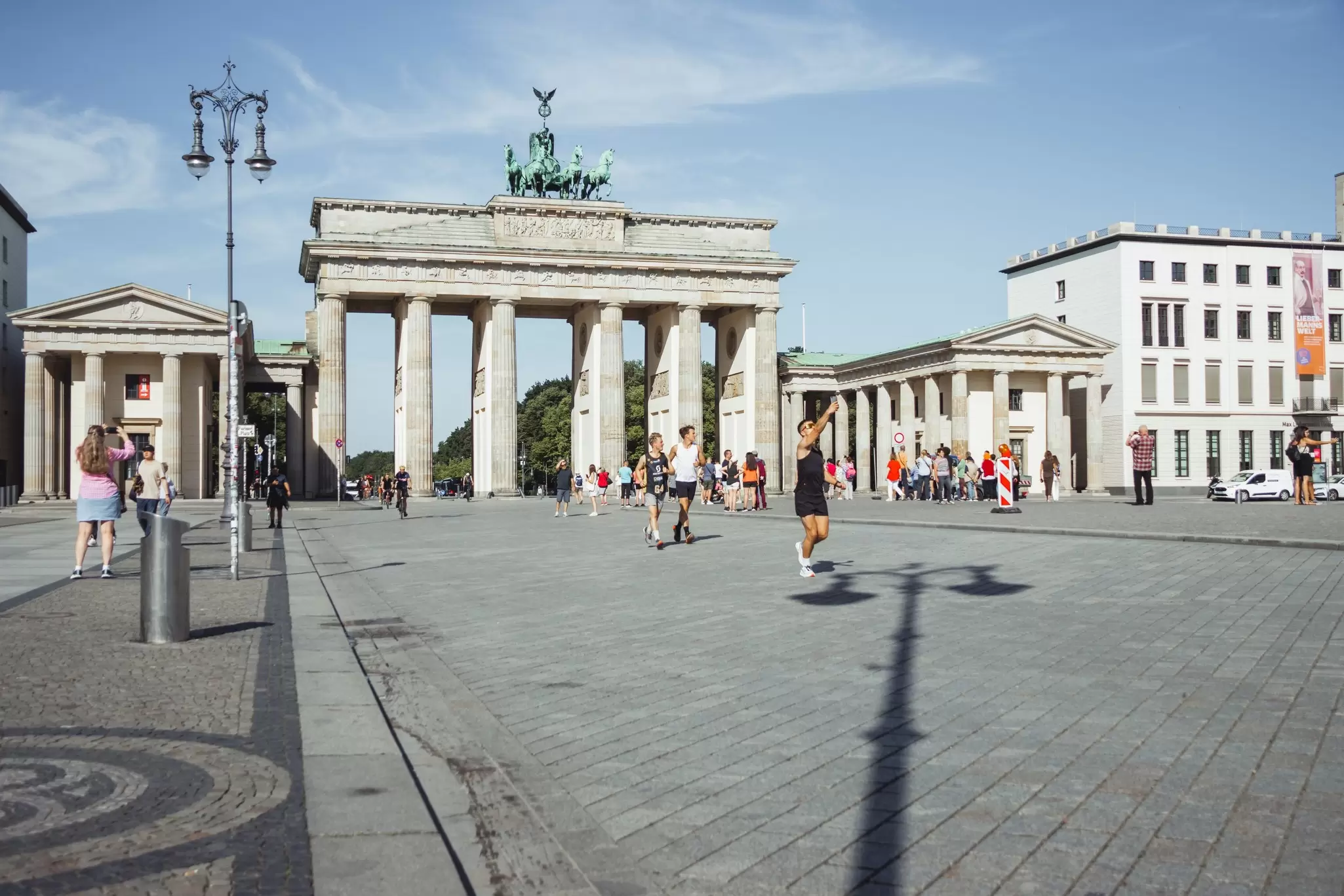
Pariser Platz in front of the Brandenburg Gate, Berlin, Germany. Matthew Figg/Shutterstock
Writer
Highlights
Writer Juan Martinez shares 10 Berlin tips on timing, transport, etiquette and safety.
Avoid summer crowds and book the Reichstag, Berliner Philharmonie and top restaurants months ahead.
Dress authentically – Berlin has no fashion rules – and greet people with Guten Tag.
Hold bags in front on public transit; steer clear of dealers near Görlitzer Park.
Lonely Planet may earn a commission from affiliate links on our site. All recommendations and reviews reflect our own independent opinions.
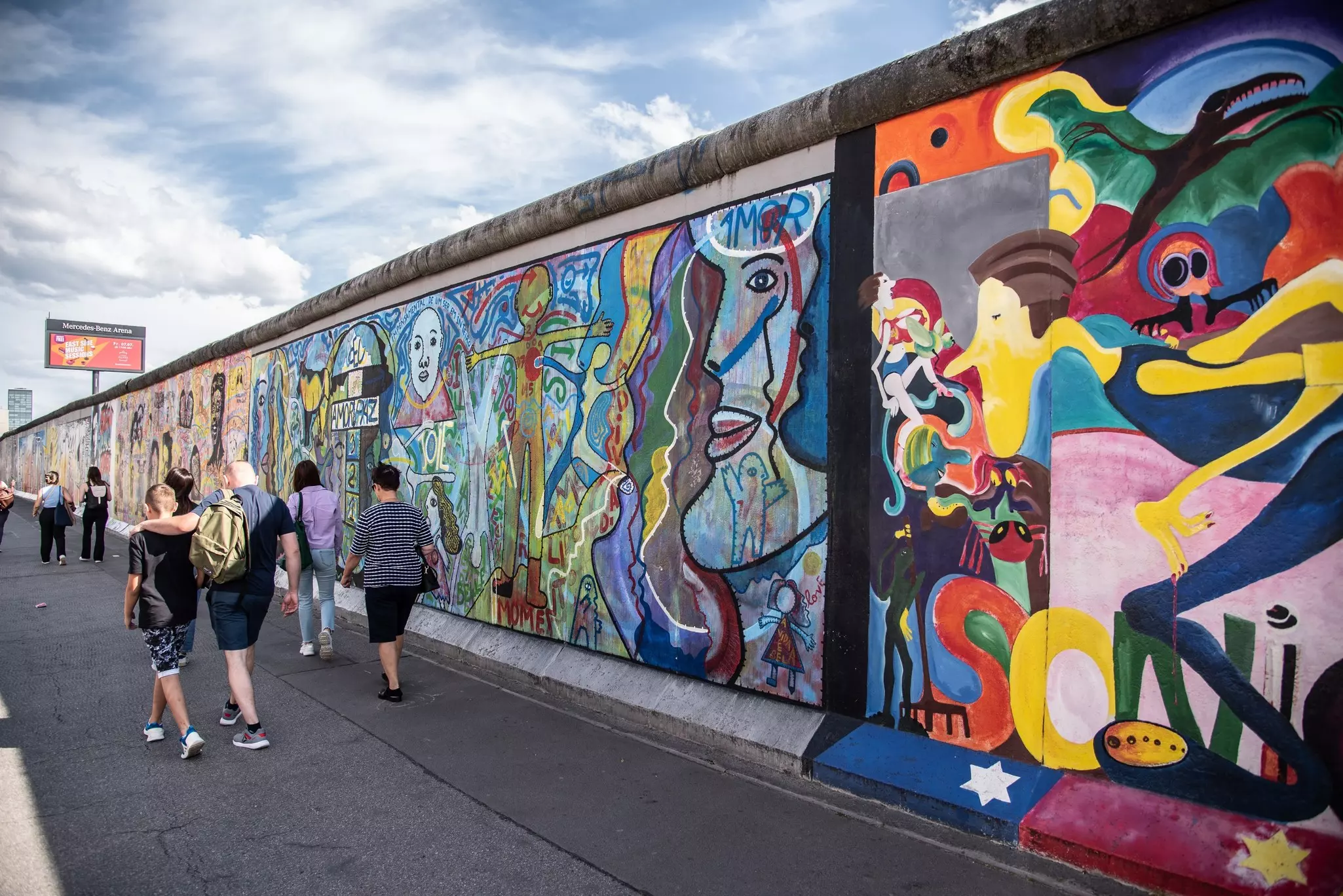
Looking at Berlin today, it's hard to imagine that the city was divided by barricades for nearly 3 decades during the Cold War.
After living for several years in the German capital, I've learned the unspoken language of the city: how to behave in certain circumstances, how to avoid uncomfortable situations, and the dos and don’ts when the sun goes down.
Berlin is full of magic, positive energy and excitement – but there are places where a little caution is wise. Here are the top things you need to know before a visit to Berlin.
Berlin is Germany's top tourist destination, and there's a lot of competition for hotel rooms and transport at peak times. The city is always busy during the summer season from June to September; visiting either side of this period means cooler weather but smaller crowds and slightly lower prices.
Things also get very busy during Oktoberfest and at Christmas – unless you're sold on crowds and long waits for drinks, you'll have an easier, cheaper trip at other times of the year.
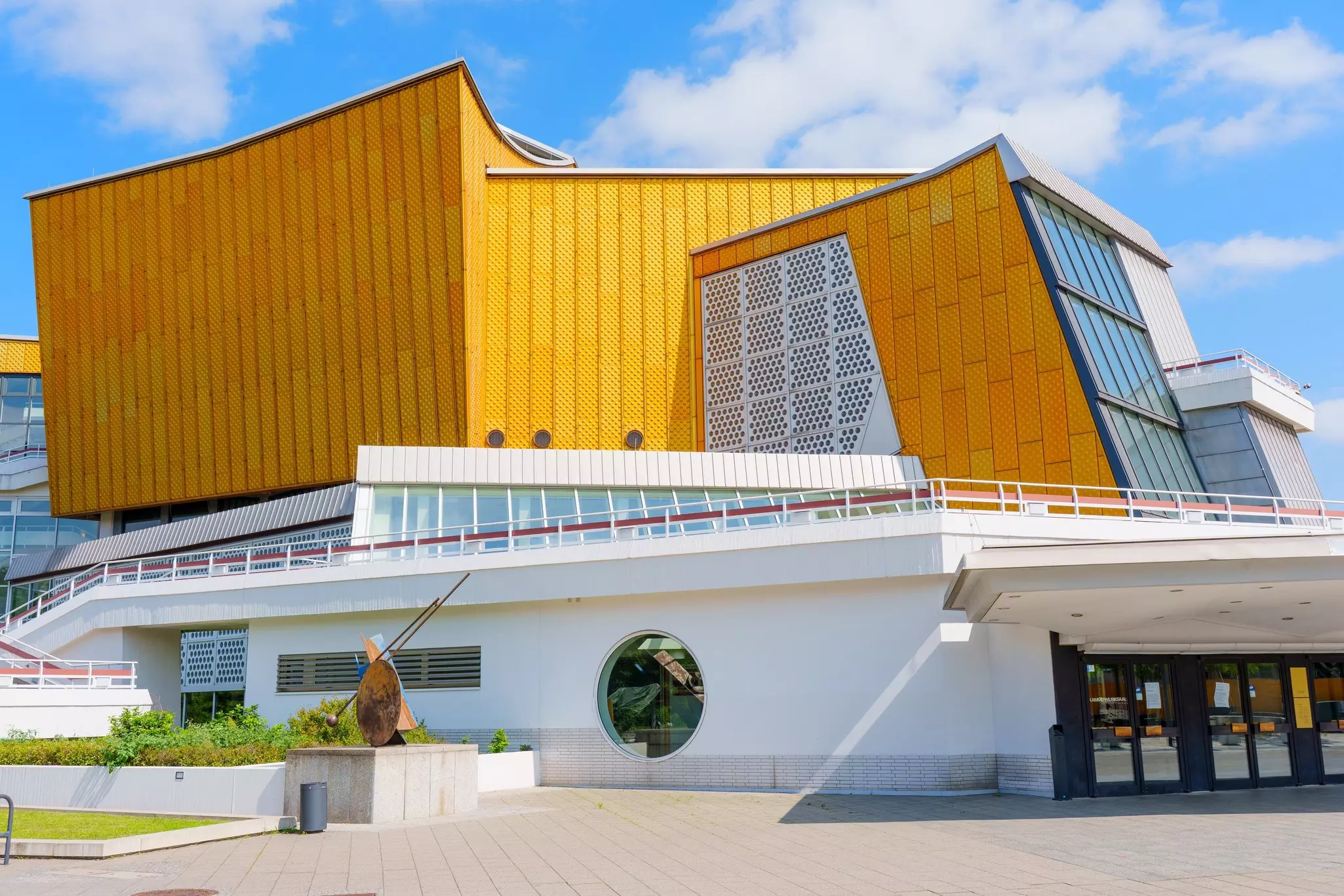
It's a good idea to book tickets or make reservations ahead of time for major sights, particularly if you want to tour the Neues Museum or Reichstag. You can try your luck for a space after you arrive by dropping by the Reichstag Visitors' Centre on Scheidemannstrasse, but it's very popular. Also book tickets for the Berliner Philharmonie, the Staatsoper, Sammlung Boros and top-flight events 2 to 3 months in advance.
The book-ahead rule also applies to reservations at prestigious restaurants such as Coda, Rutz or Horváth.
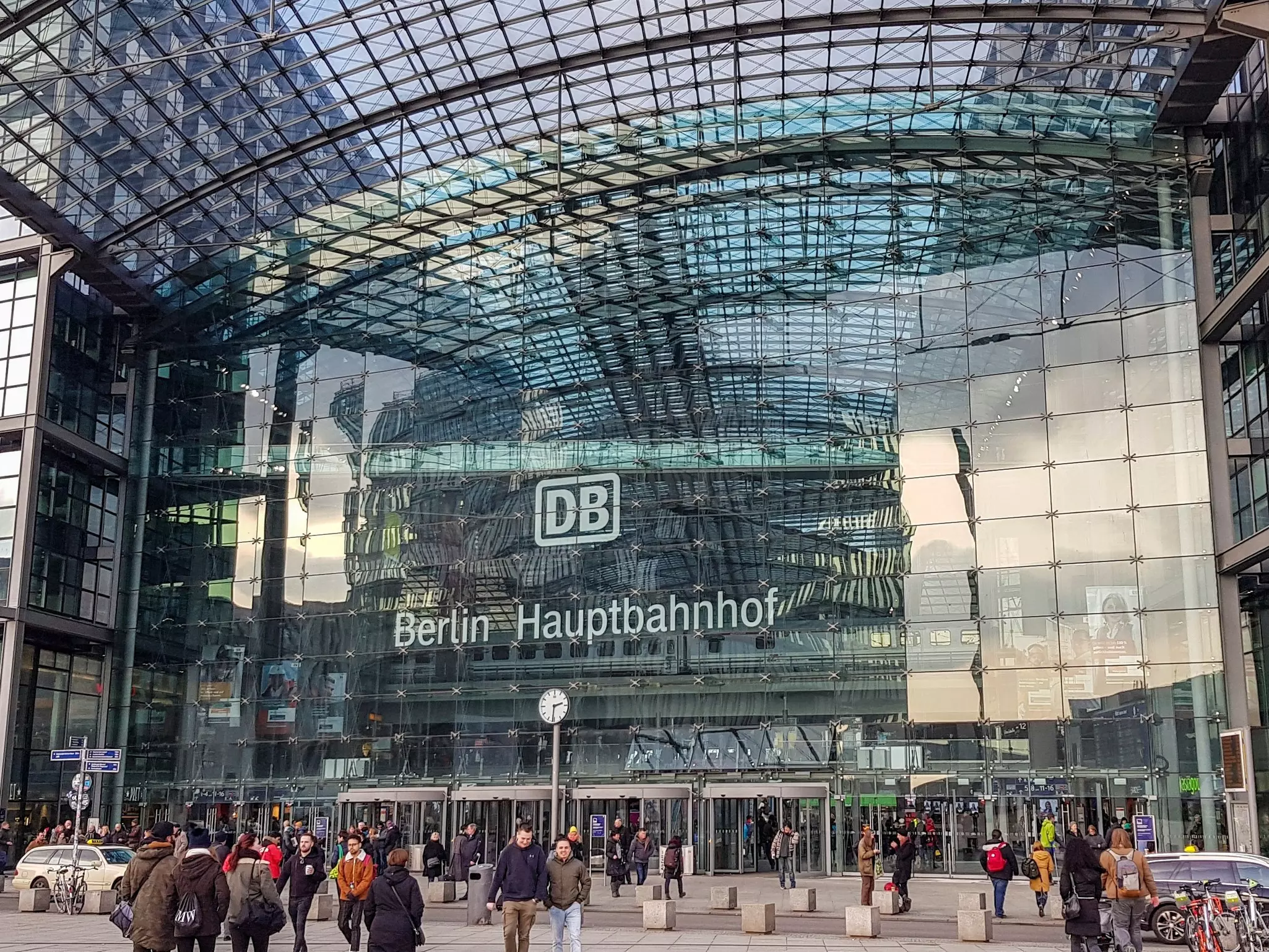
Traveling from the gleaming new Berlin Brandenburg Airport to the center by taxi is expensive. Instead, take either the FEX Airport Express train, Deutsche Bahn train RE7 or RB14, or the slower S-Bahn 9 train to Hauptbahnhof station in central Berlin; the train station is in Terminal 1.
If you plan to use public transport in Berlin, it's worth downloading the BVG Tickets app for Berlin's public transport company, Berliner Verkehrsbetriebe, before you come.
You can use it to buy a 24-Stunden-Karte (day pass), which covers all forms of public transport for 24 hours. The Berlin Welcome tourist card covers public transport and discounted entry to sights; buy it online to save even more euros.
Pack a good pair of walking shoes, because many parts of Berlin are best explored on foot. The historic area around Museumsinsel and Alexanderplatz packs most of eastern Berlin’s trophy sights into a compact frame and is great for walking in the daytime when museums and shops are open. Similarly compact are the sites around Potsdamer Platz, including the adjacent Kulturforum museum complex, the Diplomatic Quarter just to the west, and Tiergarten park to the north.
For many Berliners, though, the preferred way to get around town is by bicycle. Rent your own or make use of the ubiquitous bike-share schemes. The city has a large network of bike lanes and off-road paths. Bicycles are also allowed in specially marked U-Bahn, S-Bahn and tram carriages. Note that bicycle theft is a perennial problem in Berlin. Use a good lock and fasten your bike to a rack or a lamp post.
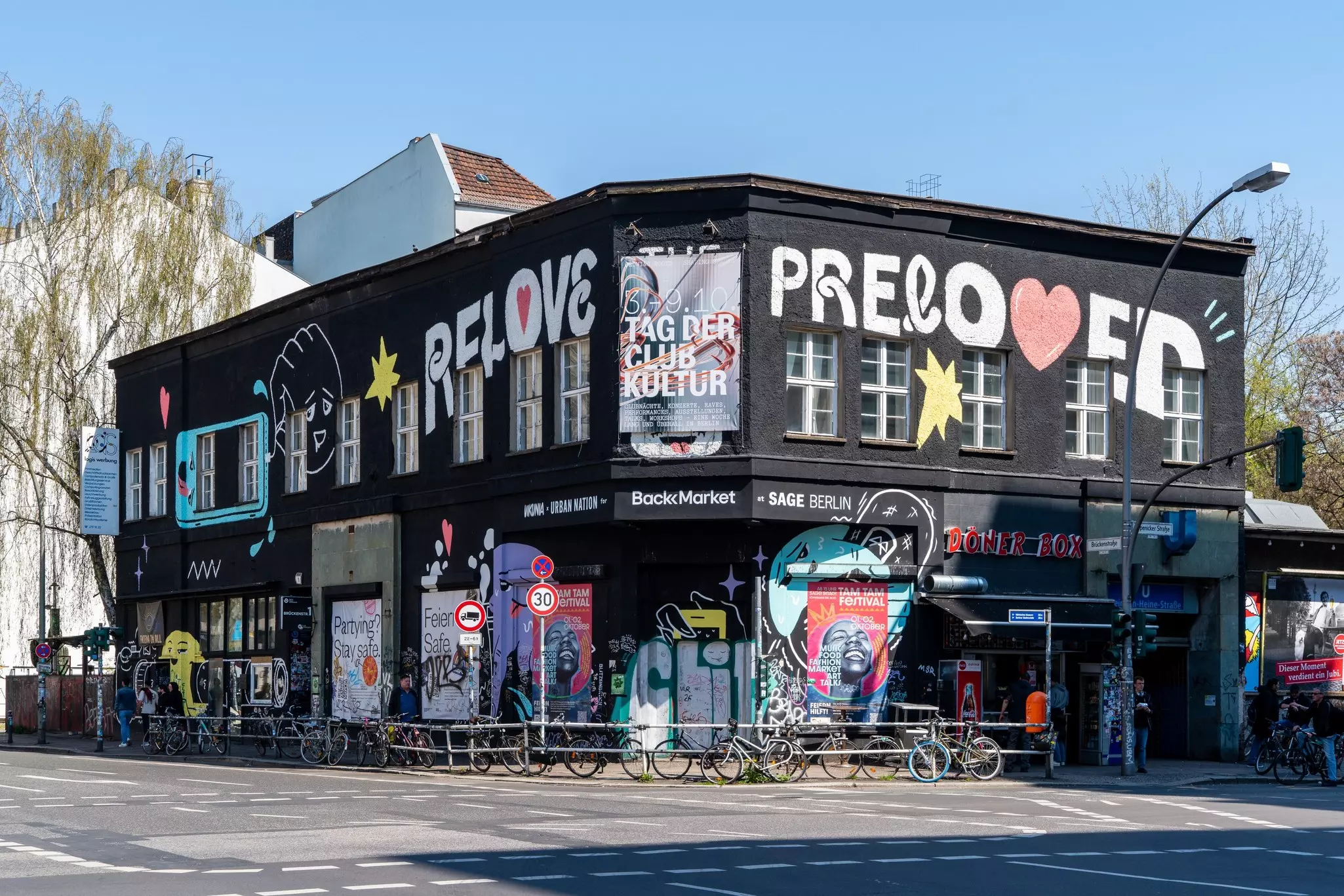
Unlike the rest of Germany, where smart casual dress dominates, Berlin is a city with no rules when it comes to fashion. Whether you wear a tight leather suit or a floral crown, you'll be welcomed with open arms.
Trends change depending on which district you visit. In Charlottenburg and Mitte, people tend to wear fancier and more elegant clothing, while in laid-back Kreuzberg or Neukölln, you’ll rarely find anyone showing off the latest catwalk collection.
Techno culture has significantly influenced the dress code in Berlin. Dark clothes with rips or holes, leather and combat boots are the standard when wandering around Berlin’s coolest districts. However, travelers trying to imitate this style to enter Berlin’s most famous techno clubs may end up being rejected.
Berlin accepts everything and everyone, but when it comes to fashion, what counts is being authentic. I once went to a renowned techno club in Berlin wearing just my sleeping attire. Be yourself, and you'll usually get a warm welcome.
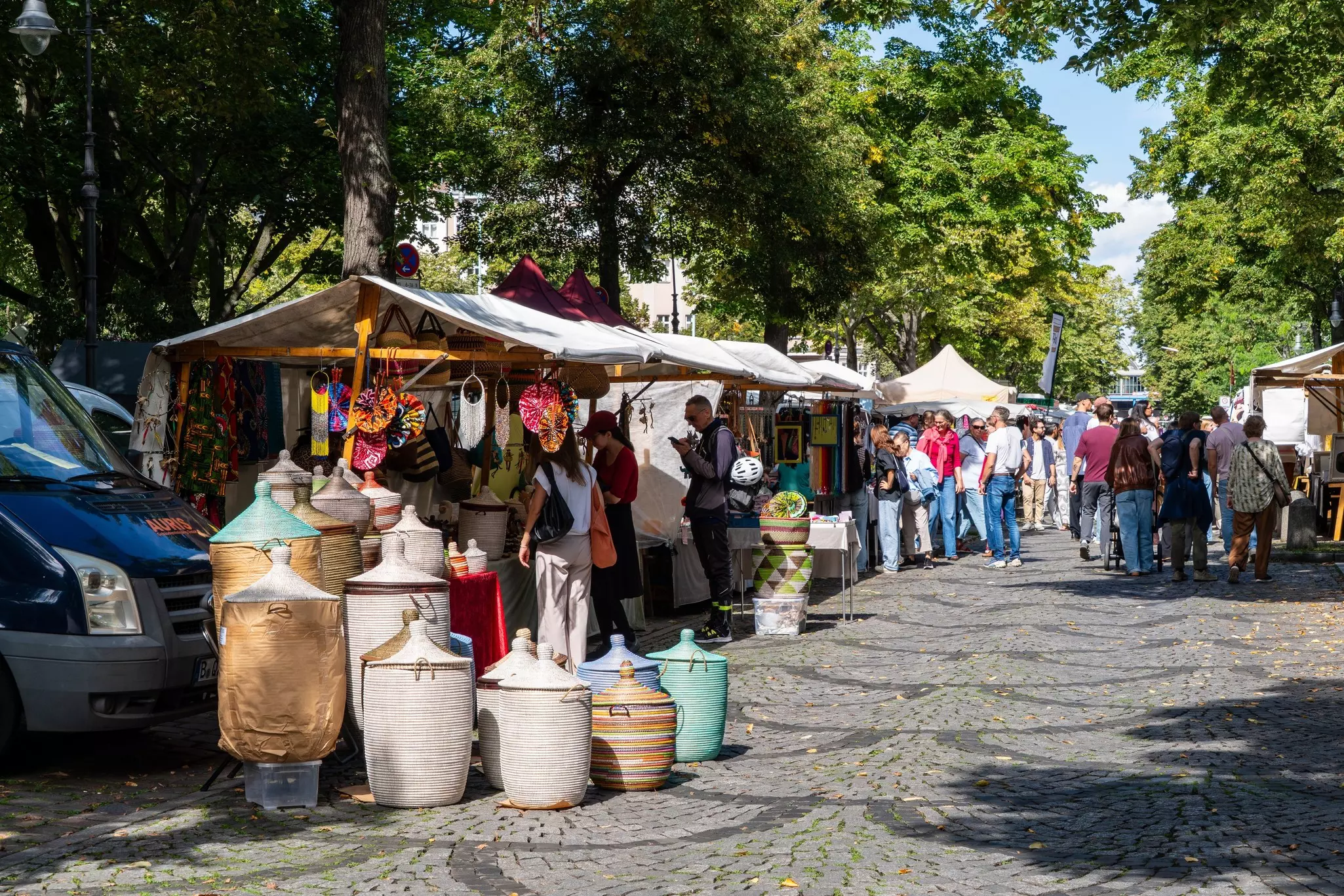
Berliners are a relaxed bunch, but manners are important. Etiquette when meeting new people is to shake hands and say Guten Morgen before noon, Guten Tag between noon and 6pm, or Guten Abend after 6pm. Germans use the same word – Entschuldigung – to say “excuse me” (to attract attention) and “sorry” (to apologize).
At the table, say Guten Appetit before digging in. To signal that you have finished eating, lay your knife and fork parallel across your plate. If drinking wine, the proper toast is Zum Wohl – with beer, it's Prost.
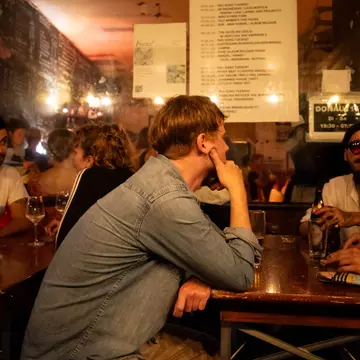
In most pubs and bars, it’s common practice to place orders with a server rather than pick up your own drinks at the bar. Only do the latter if that’s what everyone does or if you see a sign saying Selbstbedienung (self-service). Among Germans it is not expected (or customary) to buy entire rounds for everyone at the table.
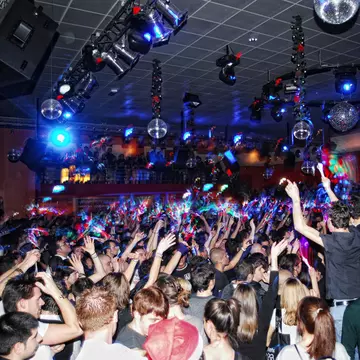
According to millions of party people, Berlin’s nightlife is the best in the world. From iconic techno clubs, such as Berghain and Tresor, to smaller and more intimate venues outside the Ringbahn, nightlife in the German capital goes all night long – and it's often assisted by the use of illegal substances.
Dealers loitering next to Warschauer Strasse, Kottbuser Tor and Görlitzer Park offer all kinds of substances out in the open. Many of the drugs sold on the streets to tourists are altered or laced with dangerous ingredients, however. If you don’t know what you’re taking, it can lead to dangerous complications. You'll have fewer hassles all around if you steer clear of drugs and stick instead to Germany's excellent beers.
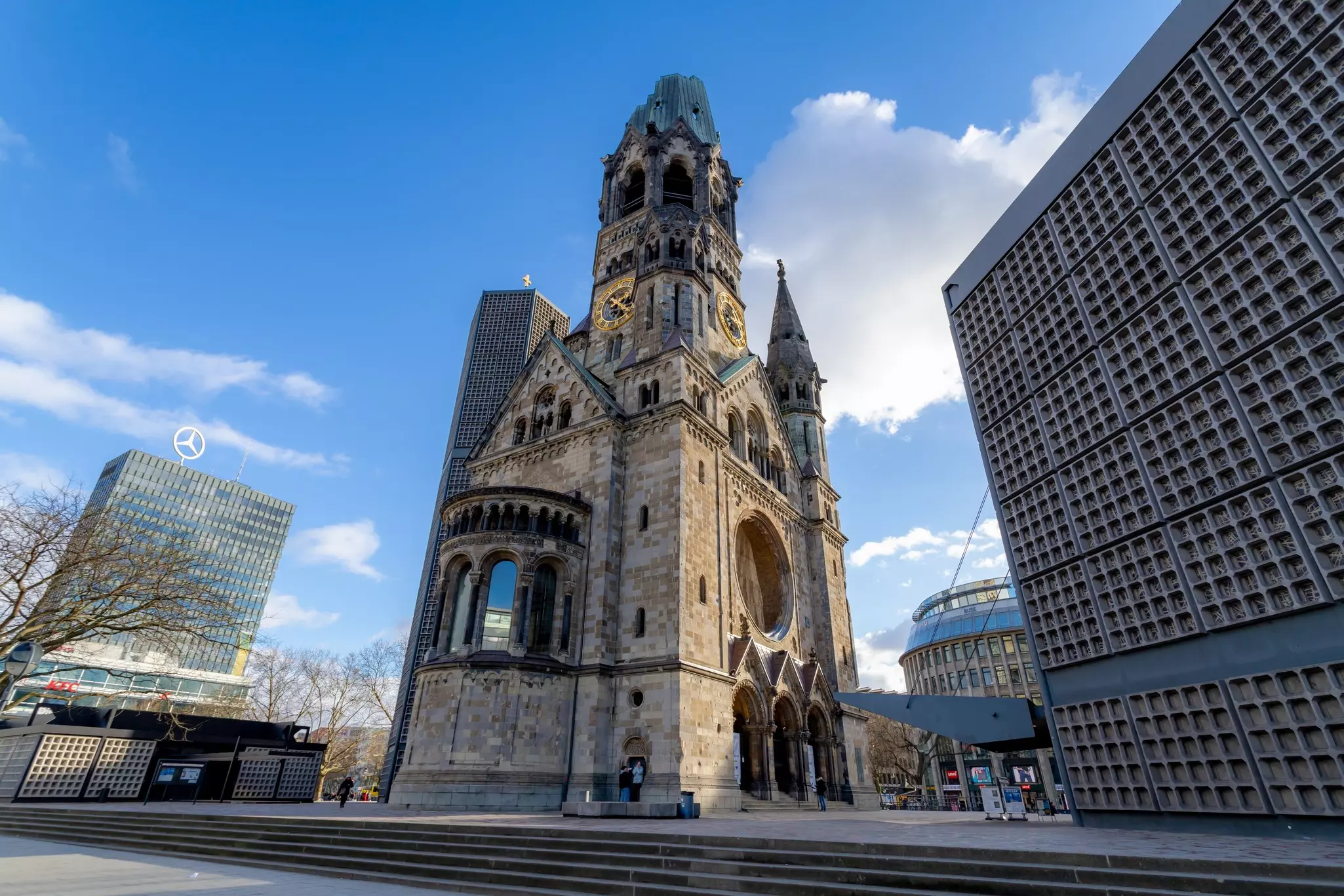
Germans are still very ashamed of the country's 20th-century history; it’s a sensitive topic, and locals tend to avoid talking about it.
This said, while older generations are tired of having to explain themselves and answer uncomfortable questions, younger Berliners are more willing to confront the events that occurred during this dark time and help travelers to understand it better.
Nevertheless, this is a topic that you should broach carefully. Jokes about Hitler or the Nazis are intolerable – Berliners understand the curiosity of most travelers and are often willing to carefully talk about the past, but treat the topic with respect and try not to offend anyone by accident.
Nazi symbols are banned by authorities nationwide, and displaying flags or using a certain kind of rhetoric or specific Nazi gestures can lead to heavy fines and even imprisonment.
Protesting is considered one of the most important rights in Germany, and usually a positive atmosphere pervades. Berlin is filled with young, well-educated and liberal people, so there’s usually some kind of protest every week, demanding action on issues as diverse as climate change, human rights and global politics.
While most protests are peaceful and friendly, they can be crowded and intense; in some cases, marches can turn violent. Scuffles have been a common feature of Labor Day (May 1) protests since the 1980s, and the marches have become a symbol of Berlin’s rebellious identity. What starts out as a friendly party in the districts of Prenzlauer Berg, Friedrichshain or Kreuzberg can turn violent if clashes break out between activists and the police.
As in any major city, pickpocketing is a common problem in Berlin. Beware of stealthy thieves in busy touristy areas. Places like Alexanderplatz, Zoo-Berlin and Mitte are frequented by opportunists looking for an easy target, and the Berliner S-Bahn and U-Bahn are notorious for pickpockets during rush hour.
Reduce the risks by keeping your valuables in your backpack and holding it in front of you on transport. Keep a tight grip on your bags in large crowds – especially on the U-Bahn and S-Bahn. Avoid falling asleep while taking public transport; dozing travelers are a favorite target for pickpockets stealing wallets and phones at night.
German police are generally helpful to tourists. Most officers speak English and should be your first port of call if you are lost, robbed or encounter any uncomfortable situation.
Explore related stories