Dec 23, 20258 min read
The Best Time to Visit TunisiaDec 16, 2025
7 MIN READ

Writer
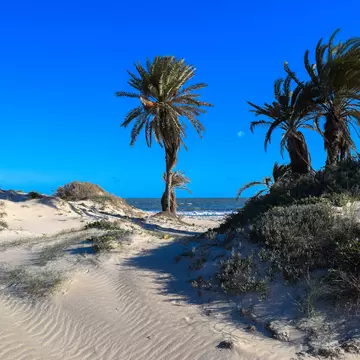
Palm trees and seaside dunes in Djerba. Authentic travel/Shutterstock

Writer
Highlights
Editors round up five crowd-free beaches along Tunisia's 1400km coastline.
Blue-and-white Sidi Bou Said suits sunset lovers; Kelibia shines for white-sand swimming.
Snorkel at wild Plage Cap Serrat, or spot flamingos at Ras Rmel on Djerba.
For history lovers, Cap Afrique near Mahdia pairs Fatimid ruins with an Ottoman fort.
Lonely Planet may earn a commission from affiliate links on our site. All recommendations and reviews reflect our own independent opinions.
Tunisia has a stunning 1400km coastline that alternates between dramatic rocky shoreline covered in maquis and Aleppo pines, and long sandy beaches. The most popular – and the busiest – beaches are those that run south from Cap Bon, at the country’s northeast tip, all the way to Djerba, some 500km away.
Along Tunisia’s long shores, visitors will find resorts to suit all tastes, from luxe, adult-only boltholes to chic dars (courtyard houses), villas and farmhouses, plus huge, family-friendly resorts with every imaginable facility.
All this means picking the beach just right for you can be a daunting task. We’ve rounded up a list that will take you beyond the resort gates, and on to crowd-free stretches of sand and surf. Here are the best beaches in Tunisia.
Best beach for North African vibes
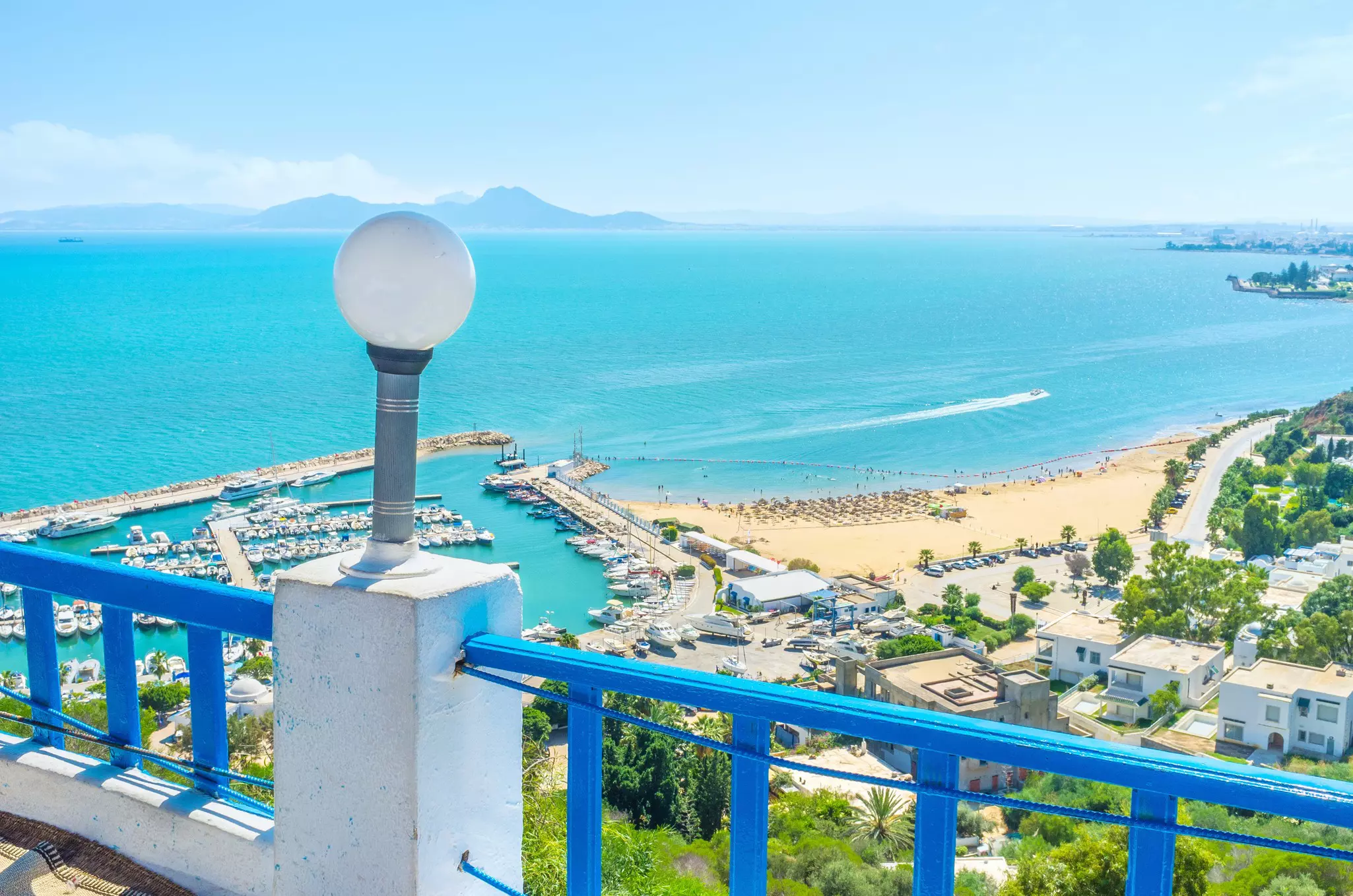
With its distinctive blue-and-white color scheme, hilly cobbled streets draped with blooming bougainvillea and captivating glimpses of azure Mediterranean waters, Sidi Bou Said is one of the prettiest spots in the entire country. The town has a distinctive architectural style that’s a mix of Ottoman and Andalusian, a result of the influx of Spanish Muslims fleeing the Reconquista in the 16th century.
For French colonizers, the sleepy fishing village (less than 20km from bustling Tunis) manifested the Orientalism romanticized by Europeans in the 19th century, and they committed to ensuring that its character – both real and imagined – stayed preserved. Sidi Bou Said still retains a sense of North African fantasia today, both for visitors – and, interestingly, Tunisians themselves.
On the southern side of the clifftop village lies Sidi Bou Said Beach and a yacht-filled marina. The beach can be accessed from the upper village via Impasse Thameur, which leads to a staircase with 365 steps (be careful – it’s not well maintained) or Ave de l’Environnement. Though it’s just a small slice of sand compared with the beaches on offer in nearby La Marsa and Gammarth, this beach has a far more stunning setting. A shack called Lucky Boy rents stand-up paddleboards and kayaks for anyone who wants to get out on the water.
Backed by a cliff, the beach faces west, making it a perfect spot for sunset photos from water level. There are kiosks for snacks and drinks; Le Pirate is the only sit-down restaurant, serving seafood and grilled dishes with a French slant (and high prices).
Planning tip: Sidi Bou Said Beach is in the middle of town, so don’t leave any valuables on the sand while you’re in the water.
Best beaches for white sand
You’ll spot Kelibia’s towering fortress looming in the distance long before you arrive in this ancient city. Repeatedly destroyed and reconstructed, a defensive citadel has stood on this hilltop overlooking the city since the Punic era. This is, after all, a strategic spot on the northeastern corner of the Cap Bon peninsula: just 70km away lies the Italian island of Pantelleria, while Sicily is just 140km from here.
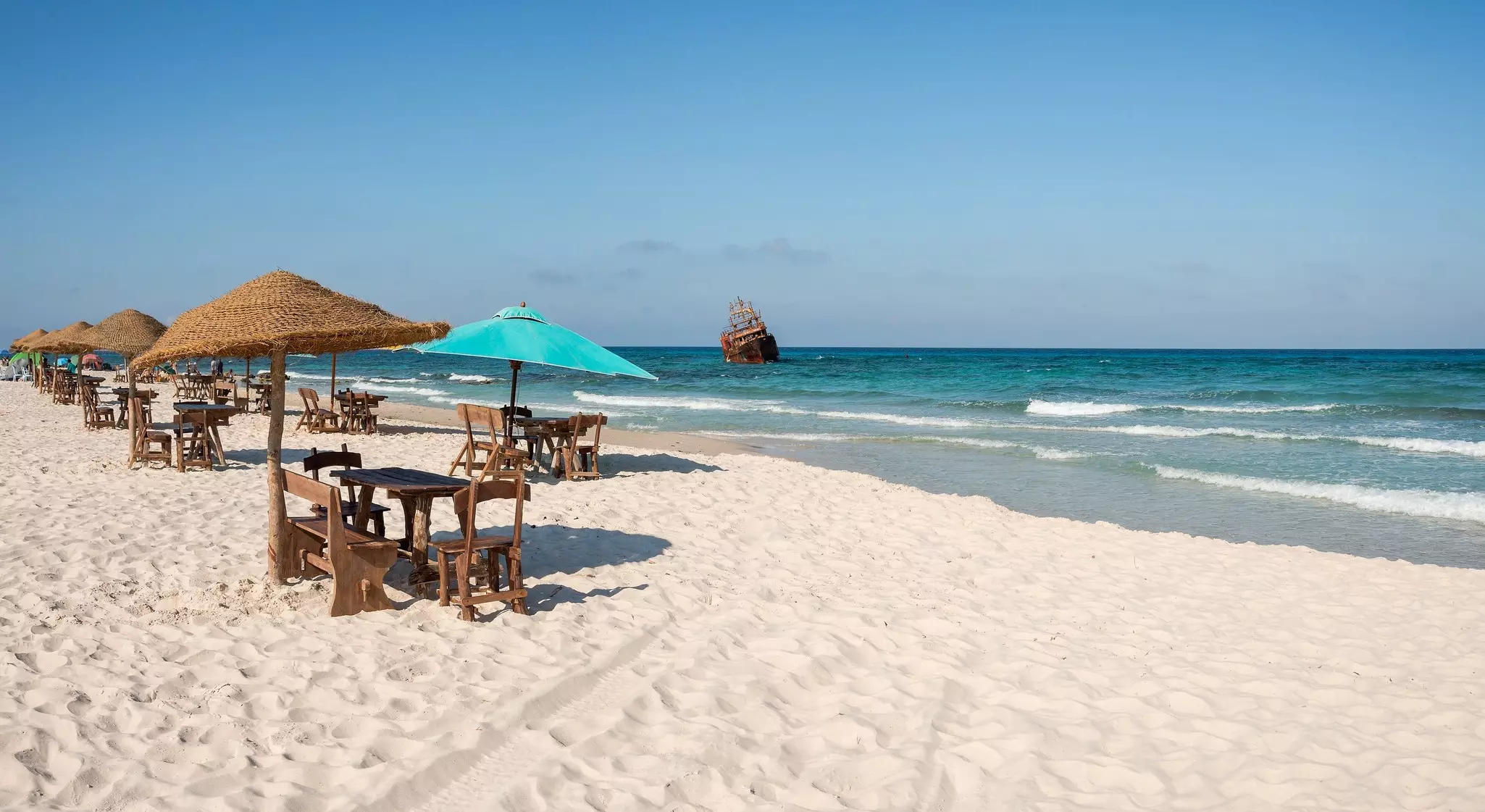
Kelibia is also home to an important fishing port – but just north of the docks the shore suddenly transforms, revealing heavenly beaches of ethereal soft white sand. It’s like you’ve just teleported to a chic beach town, with sandy coves stretching before you, one after the other (even if unfinished construction projects somewhat mar the tableau).
Just north of the city center lies Petit Paris, a small cove of fine white sand lapped by shallow crystalline waters. Separated by a cape from Petit Paris, Plage de La Mansourah is another sublime but much bigger curve of impossibly soft white sand.
Local tip: Located by the rocky outcrop that separates Petit Paris and La Mansourah beaches, the delightfully upmarket restaurant El Mansourah has tables perched on wooden platforms at the water’s edge, with alcoholic drinks on the menu.
Best beach for escaping the resort crowds
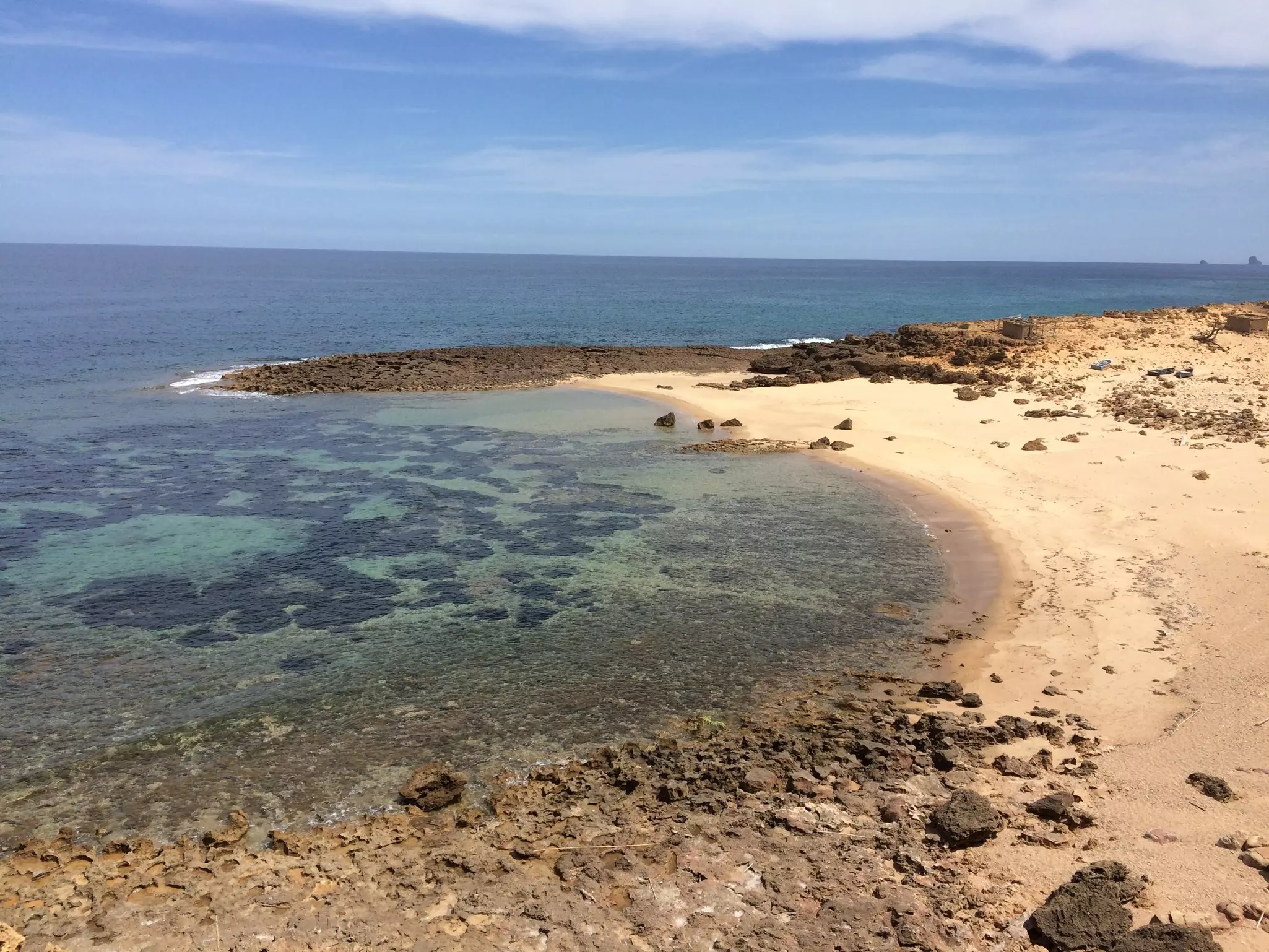
The coastline of northern Tunisia is remarkably undeveloped. For more than 240km between Tunis and the Algerian border, with the exception of stretches around Bizerte and Tabarka, the Tunisian coast feels both typically Mediterranean – thanks to its scrubby forest and rocky, turquoise-water bays – and completely wild. With a little effort, you’ll be able to enjoy some fantastic, secluded beaches in this area.
If you’re looking for a Tunisia beach that in no way resembles the overcrowded resorts seen elsewhere, Plage Cap Serrat has a good balance of sand and amenities. It’s also easy enough to reach with a normal car. Snorkeling is a treat here thanks to the clear waters off the beach.
Planning tip: Auberge Le Pirate is the best of the few eating and sleeping options in Cap Serrat. At this secluded getaway, guests can look forward to clean, basic rooms overlooking the beach as well as to fresh fish dishes.
Best beach for flamingos and pristine dunes
In Tunisia’s south, the island of Djerba has a history of ethnic diversity and peaceful coexistence between religious communities. (Its rich culture and architecture landed Djerba on the UNESCO World Heritage list in 2023.) For decades, it’s also been known for its idyllic sandy beaches dotted with palms – and hordes of sunseeking tourists. Indeed, the northern and eastern coastlines have witnessed the mass construction of mammoth resorts designed to contain visitors within their compounds.
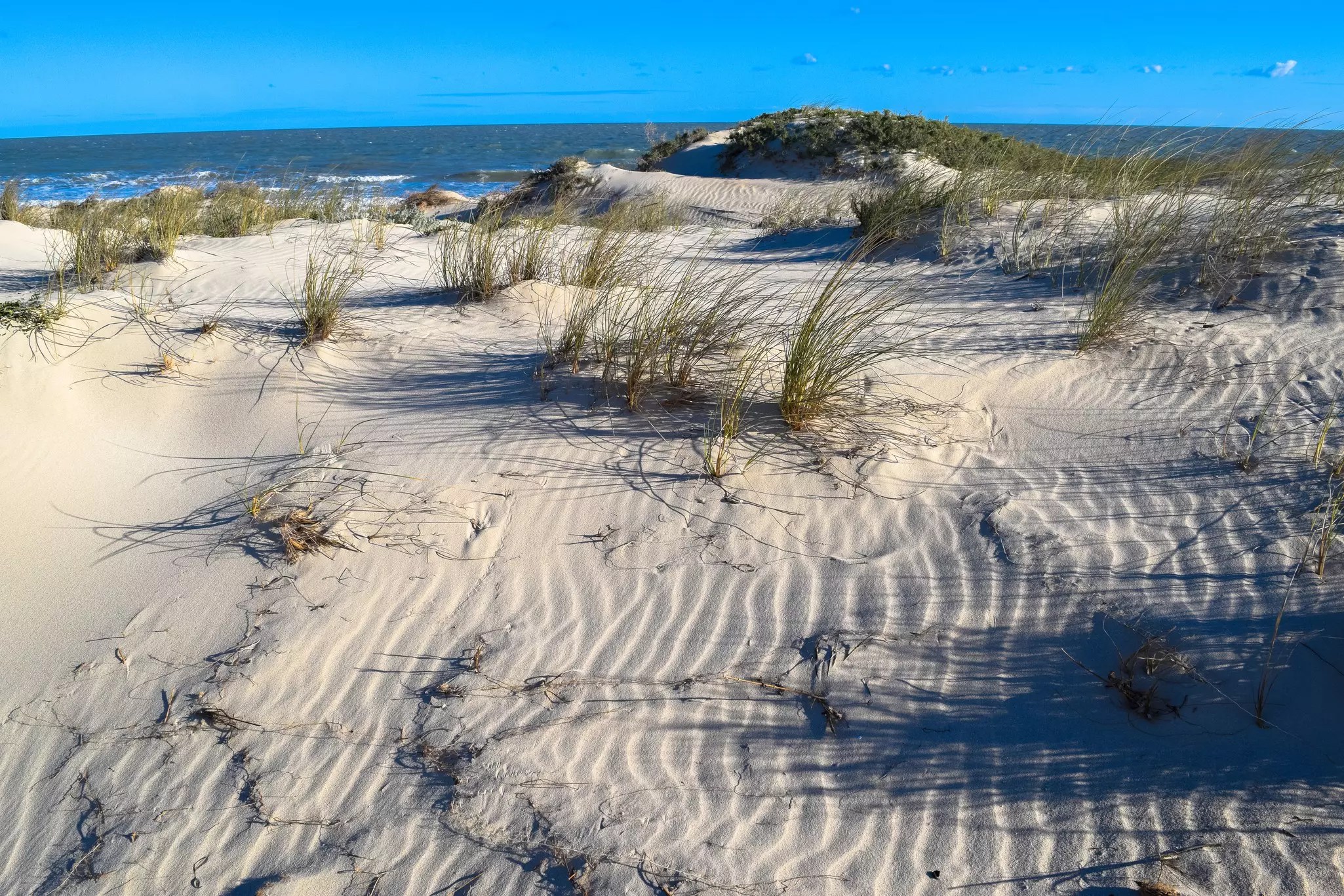
Wonderfully beyond the resorts’ fences, the 10km-long sandbar known as Ras Rmel is a protected area designated as a wetland of international importance, and a coveted haven for the pink flamingos that alight here between December and March. From the Radisson Blu Palace Resort, head west along the wide sandy beach to an area of marshland bordering a lagoon. These wetlands are frequented not just by flamingos, but a host of other migratory birds, including egrets, white spoonbills, great cormorants and gray herons.
Continue further to reach windswept dunes bordering wild beaches of impossibly soft sand where fishermen perch on the edge of the turquoise-blue waters. Stop for a dip, and you might feel closer to the Maldives than to North Africa.
Planning tips: This area is popular with buggy and quad tours, which can make bird-watching a challenge, while pirate ship tours blaring loud music ferry tourists here from the port of Houmt Souk during the tourist season. The quieter months of January and February are the best time for keen bird-watchers and nature lovers to make the most of the exceptional natural beauty here.
Best beach for history and archaeology
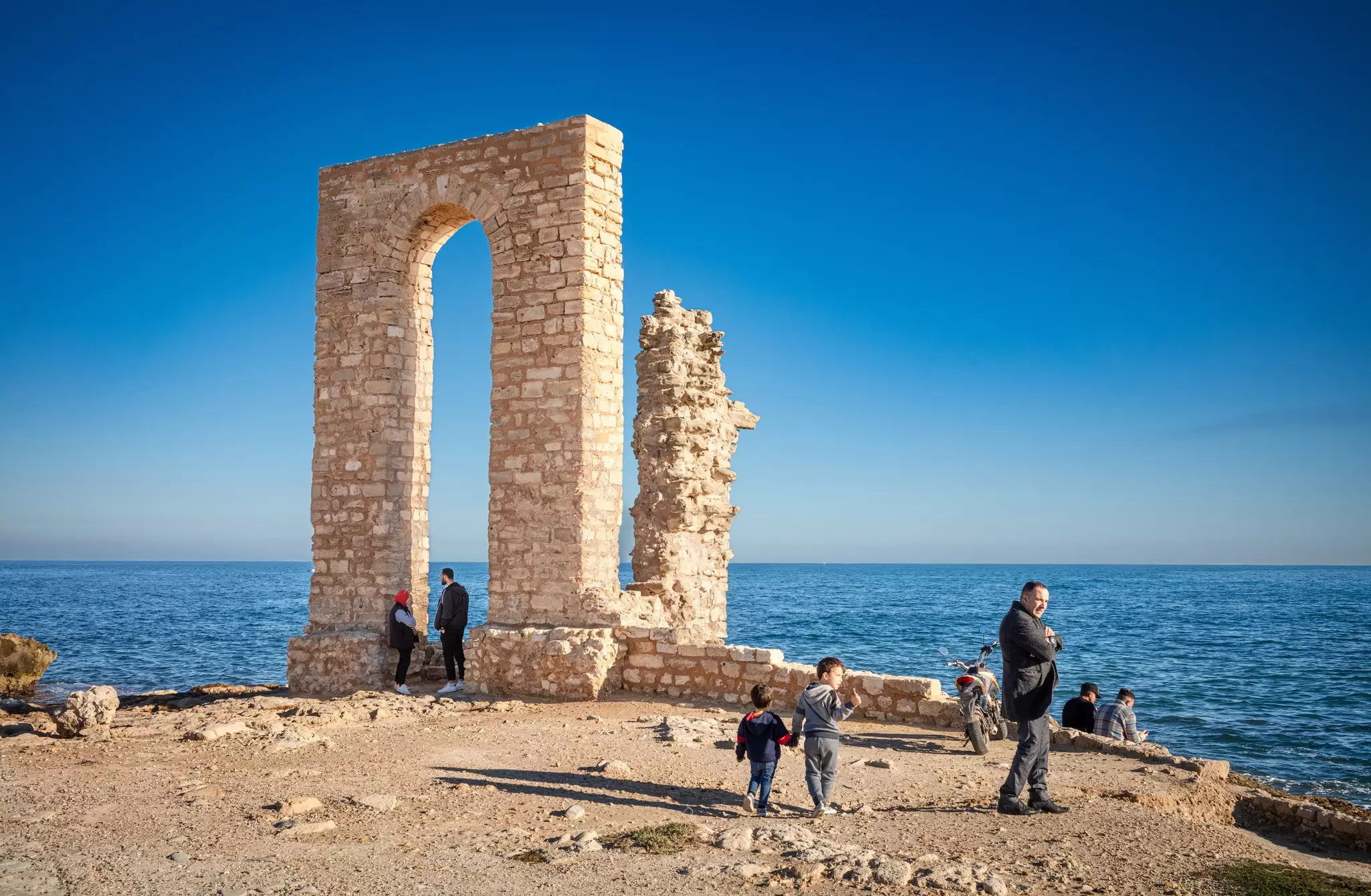
A long beach lines the corniche of Mahdia, on Tunisia’s central coast. Yet the most interesting waterfront sight in this historic city lies a short distance east, on the promontory known as Cap Afrique, where fragments of Mahdia’s original 10m-thick walls dot the shoreline. These traces make it easy to imagine the Fatimid-era walled town, which was built on the site of an earlier Phoenician settlement; both were designed to be protected from seaborne invasion. Remnants of a Fatimid palace are being excavated close to the Borj El Kebir, a defensive fort constructed by the Ottomans in the 16th century on the palace site.
Much of the Cap is occupied by a vast cemetery with hundreds of white tombstones gleaming in the Mediterranean sun. When here, be sure to walk a loop around the promontory, admiring the sea views – and pausing to enjoy an expertly brewed mint tea at Sidi Salem, a cafe teetering on the clifftop below the palace excavations.
Planning tip: If you are keen to lie out on the sand and play in the surf, head to Mahdia Beach in the Zone Touristique rather than the Corniche Beach closer to town, as the former is usually cleaner and less crowded.
This article was adapted from Lonely Planet’s Tunisia guidebook, published in December 2025.
Explore related stories