Jul 29, 20265 min read
The Best Hawker Centers in SingaporeJul 24, 2026
6 MIN READ

Writer
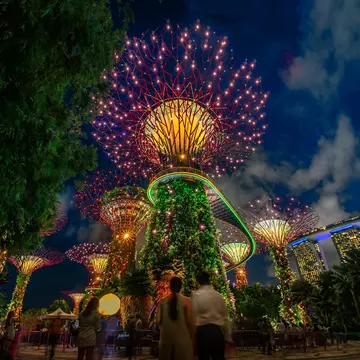
The Garden Rhapsody light and sound show at Gardens by the Bay. DerekTeo/Shutterstock

Writer
Highlights
Editors map 48 hours in Singapore, from riverside quays to neon-lit Geylang.
Stroll the quays, eat biryani at Little India's Tekka Centre and wander through Kampong Glam.
On day two, visit Chinatown's temples and try Singapore-style ramen at A Noodle Story.
Feast on chili crab at Roland Restaurant before trying durian at Geylang's supper stalls.
Lonely Planet may earn a commission from affiliate links on our site. All recommendations and reviews reflect our own independent opinions.
The saying “good things come in small packages” might have been coined to describe the tiny island nation of Singapore.
Just two-thirds the size of New York City, this city-state is hurtling into the future with out-of-this-world architecture, lightning-fast efficiency and an impeccable image. Yet just a stone’s throw from the bustling thoroughfares lie buzzing village markets alive with chatter, pockets of lush jungle where hornbills swoop overhead, kaleidoscopic smoky temples and streets lined with pastel-hued heritage shophouses. One moment you’re gazing up at a sky garden floating above the city; the next, you’re wandering a quiet backstreet steeped in history. And then there’s the food – from the creations of celebrity chefs to the delights of hawker centers, nothing can quite match the thrill of feasting your way across this island.
Thanks to Singapore’s small footprint and efficient transport network, you can effortlessly explore and eat your way around all corners of the island in no time at all. Here’s an itinerary to sample all it has to offer in just 2 days.
When to arrive: Singapore’s neighborhoods are lively every day of the week, so there’s no “best” day to kick off your 48-hour extravaganza. Weekends tend to draw more crowds – and more energy.
How to get from the airport: The MRT, Singapore’s metro, connects Changi International Airport with the rest of the city. A taxi to the Central Business District costs between 25 Singapore dollars and S$45, depending on traffic.
Getting around town: Singapore’s extensive public transportation system makes navigating this compact country a breeze. While Singapore is an expensive country, you might be able to save a little by learning how to make full use of its buses, subways, rideshares, bikes, taxis and ferries.
What to pack: Singapore is hot and humid throughout the year, so lightweight and breathable clothing is a must. Pack a smarter outfit for fine-dining establishments and clubs, as many of these have dress codes. A hat for the sun is essential, while a small umbrella will shield you from midday rays and sudden downpours, which are common in the late afternoon.
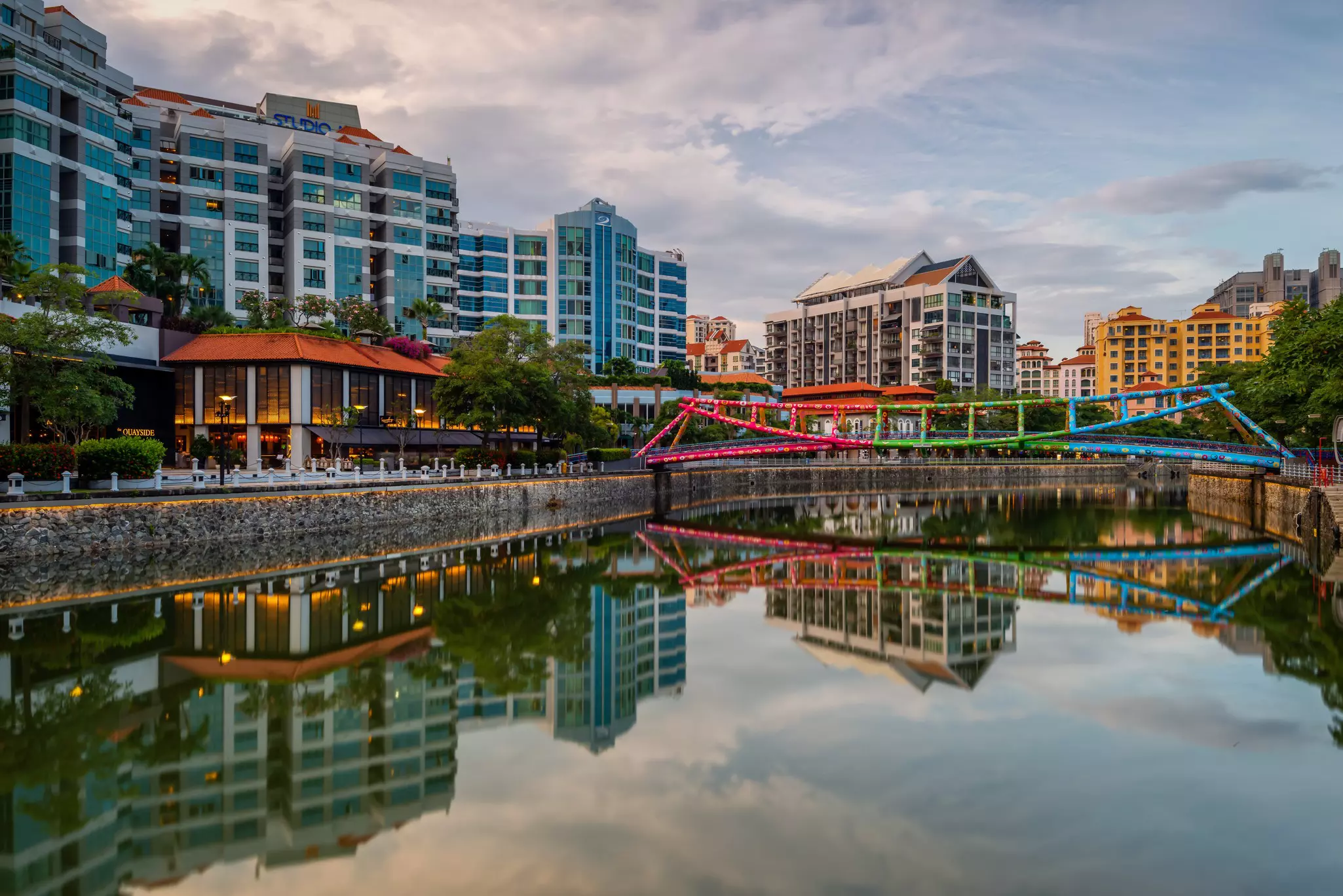
Start with a riverside stroll at the Quays, working your way back to the Civic District (or Colonial District). Here, along the sinuous Singapore River that winds through its heart, is where the city’s story began. The maritime hub’s quays were once lined with gritty warehouses; today, they’re transformed into vibrant nightlife and dining areas.
Follow your walk with a dose of culture in the Civic District. You can’t go wrong at the brilliant Asian Civilisations Museum, which boasts the region’s most comprehensive collection of pan-Asian treasures. You can also consider the National Museum of Singapore, where lively multimedia galleries bring the state’s story to vivid life; the Peranakan Museum, which explores the rich culture of the region’s Straits Chinese community; or the art-packed National Gallery.
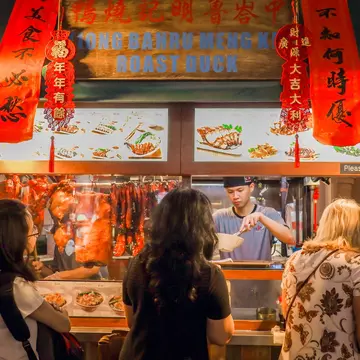
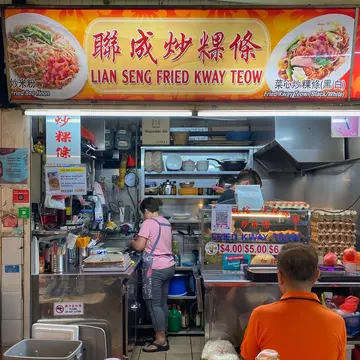
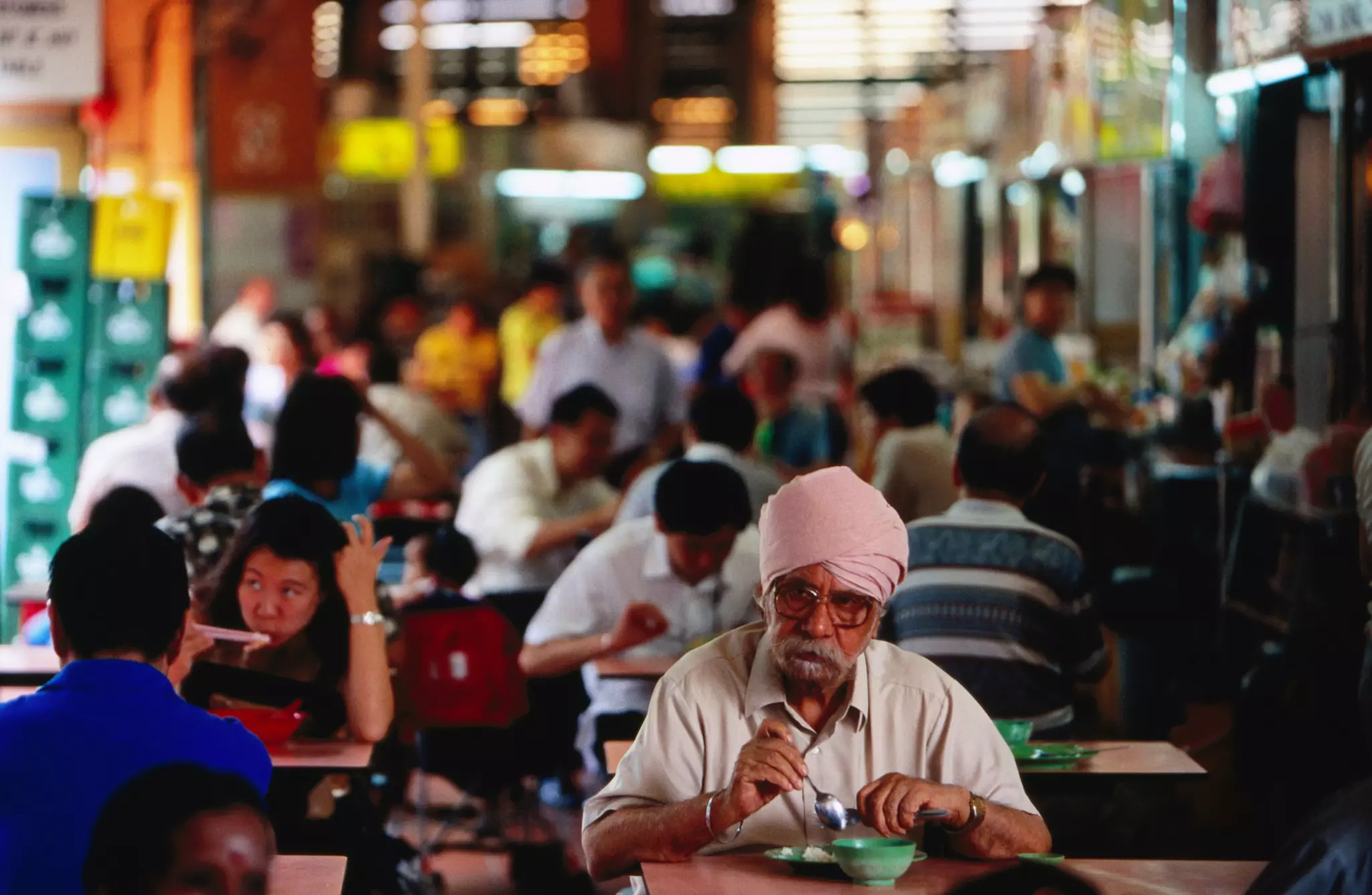
As lunchtime approaches, take the MRT to Little India and head into the Tekka Centre for top-notch hawker fare. Join the queue for real-deal biryani, paper-thin dosas (lentil-flour pancakes), fluffy roti prata (Indian flatbread) and delectable murtabak (stuffed savory pancakes). Wash it all down with some creamy teh tarik (pulled tea).
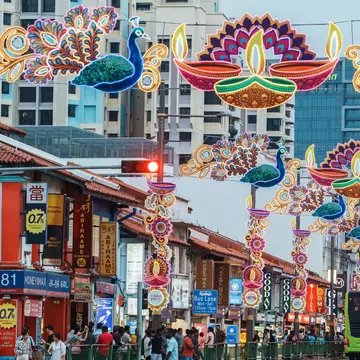
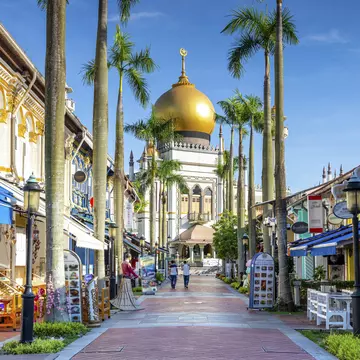
Afterward, head outside to explore streets of Little India, dotted with spice sellers, sari stores and gold dealers. Admire the colors of Sri Veeramakaliamman Temple, then delve into the area’s rich history at the Indian Heritage Centre. Wander south to the traditionally Muslim quarter of Kampong Glam and its fairy-tale Sultan Mosque (visitors are welcome from 10am to noon and 2pm to 4pm every day except Friday). Then hunt down street art at Gelam Gallery, Singapore’s first permanent outdoor art space, with work by more than 30 artists – and hit the quirky boutiques, vintage shops, hole-in-the-wall craft-beer bars and thematic photo booths on bustling Haji Ln and Arab St.
Head for an early meal of nasi padang (rice with curries) at Hjh Maimunah, a famous halal Malay and Indonesian restaurant. We recommend the melt-in-your-mouth beef rendang.
As the crowds dwindle, head into the Flower Dome and Cloud Forest conservatories at high-tech Gardens by the Bay – the wildly futuristic botanical garden punctuated by glass-walled bio-domes, high-tech “Supertrees” and contemporary sculptures. These structures are at their most dazzling during the free Garden Rhapsody light-and-sound show that happens each night at 7:45pm and 8:45pm.
Grab a cocktail at rooftop CÉ LA VI, Marina Bay Sands’ cantilevered rooftop bar – ending your night with sky-high views of the island.
Enjoy a Singapore breakfast set of kaya (coconut jam) toast, runny eggs and kopi (coffee) at Ya Kun Kaya Toast in Chinatown.
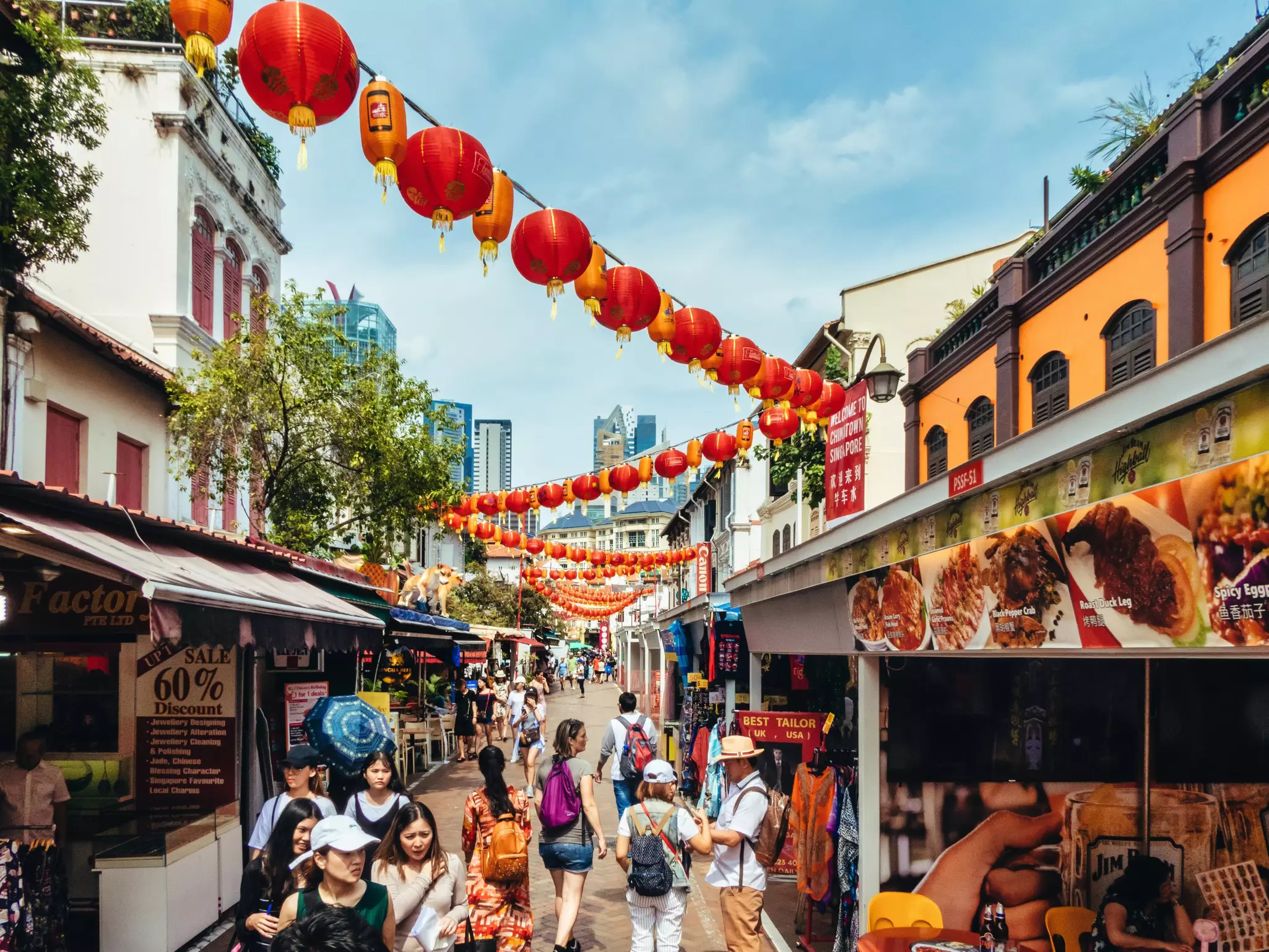
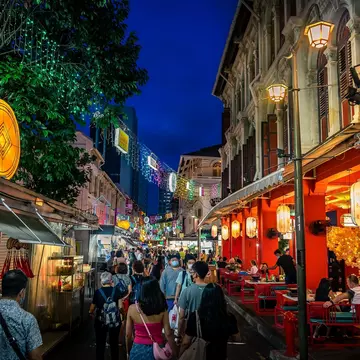
Then, plunge into the streets of this heritage-rich neighborhood, filled with hawker stalls, temples and shops. Learn about the community’s colorful past at the Chinatown Heritage Centre, whose evocative exhibits occupy three restored multistory shophouses, and bring visitors well beyond modern Chinatown’s touristy veneer.
The area’s oldest and most important Hokkien sanctuary, Thian Hock Keng Temple is often a haven of tranquillity. Built between 1839 and 1842 without nails or screws, it’s a beautiful place dedicated to Mazu, the goddess of the sea. The much newer Buddha Tooth Relic Temple (from 2007) is a hulking, Tang-style structure that’s home to what is reputedly the left canine tooth of the Buddha. Throughout the neighborhood, look out for murals by local artist Yip Yew Chong. For a bird’s-eye view of the metropolis, ascend Pinnacle@Duxton, or learn its story at the Singapore City Gallery.
At Chinatown’s Amoy Street Food Centre, a hotbed of next-generation hawkers, seek out lunch at A Noodle Story (stall 01-39), where young chefs Gwern Khoo and Ben Tham have perfected their version of Singapore-style ramen. It’s Japanese ramen meets wanton mee (dumpling noodles) – pure bliss in a bowl topped with a soy-flavored hot spring egg. The constant line confirms its popularity, as does the sign warning customers that the stall often sells out before closing time.
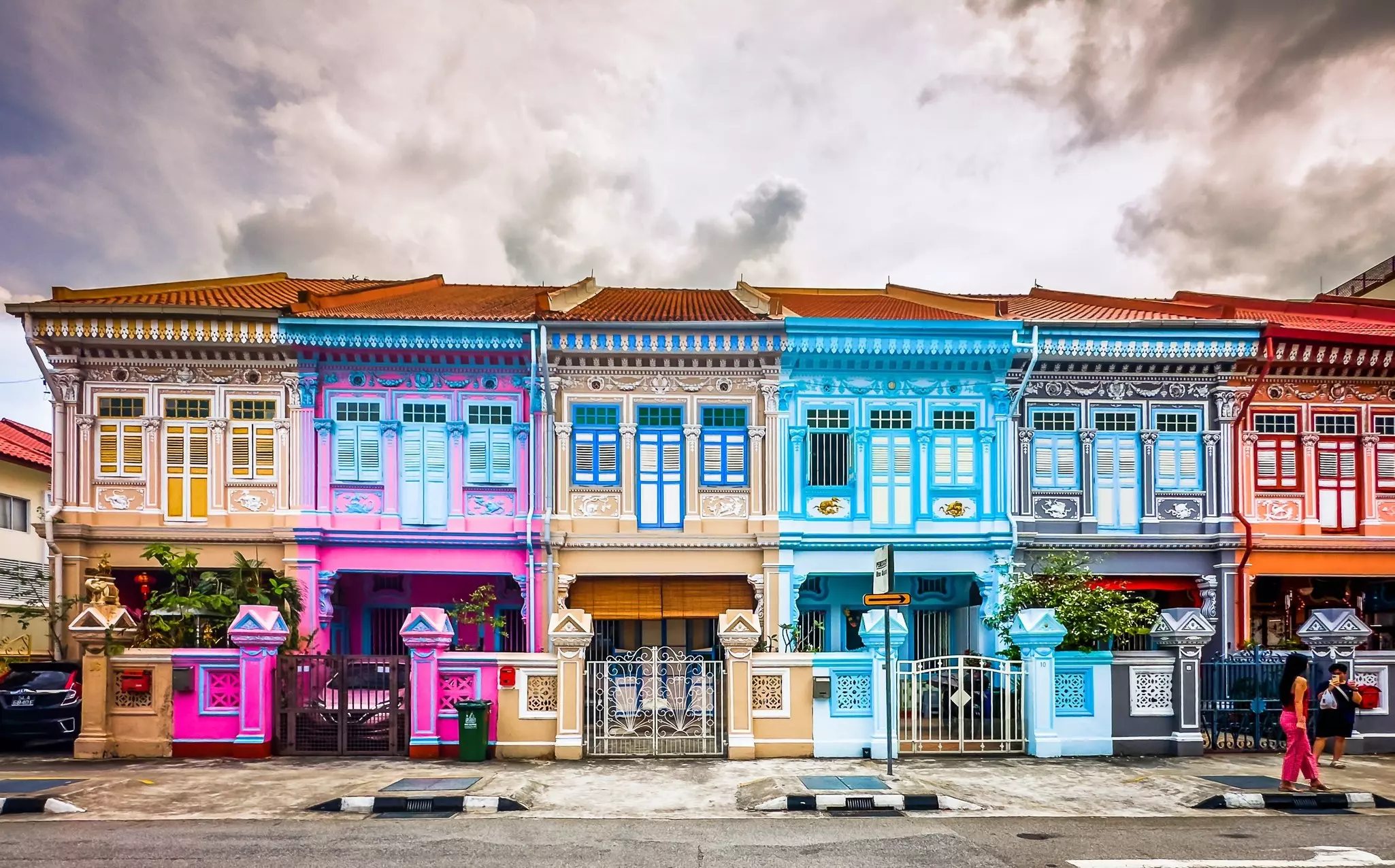
In the afternoon, dive into Peranakan culture in the heritage-rich neighborhood of Joo Chiat; be sure to stop at Koon Seng Rd for a photo with the colorful shophouses. Visit the moving Changi Chapel & Museum, which recounts the stories of those who endured the Japanese occupation. Afterward, go for a bike ride at beachfront East Coast Park.
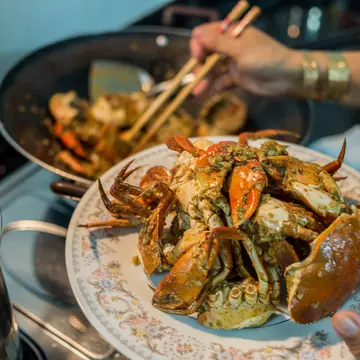
Feast on chili crab at Roland Restaurant. (Roland’s mother, Mrs Lim, supposedly invented the signature Singapore dish in the 1950s.) Be sure to order plenty of mantou (steamed bun) to wipe up the sweet and tangy sauce.
Make a beeline for neon-lit Geylang, Singapore’s (tame) red-light district whose gritty vibe and thriving supper scene is a breath of fresh air in a sometimes buttoned-up place. Juxtaposed against the brothels, girly bars and dubious hotels are temples, mosques and some of Singapore’s best food. Stop at one of the roadside stalls to try durian, the king of fruits.
This article was adapted from Lonely Planet’s Singapore guidebook.
Explore related stories