
US Virgin Islands
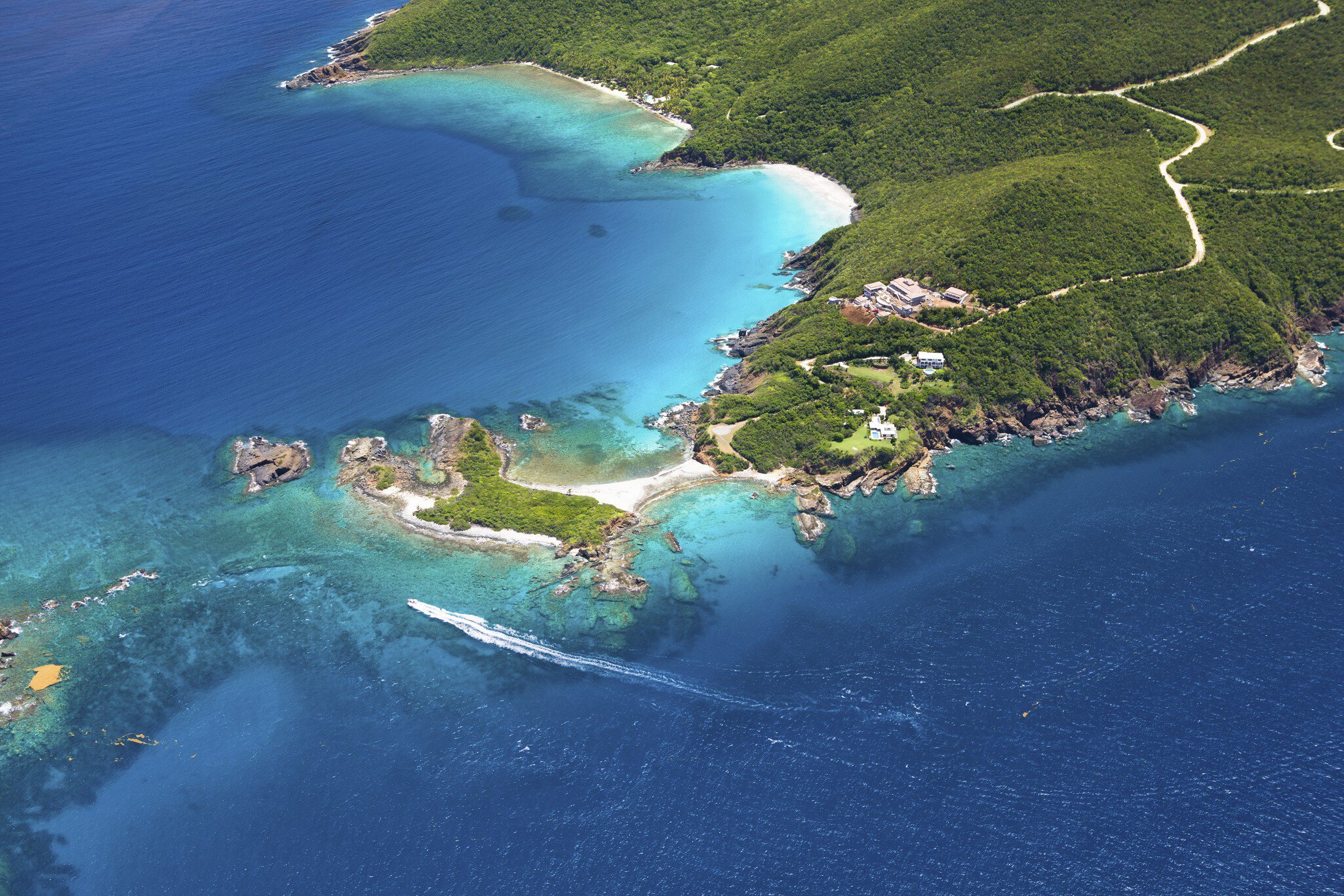
Hmm, which of the US Virgin Islands (USVI) to choose for hammock-strewn beaches, conch fritters and preposterously blue water? Easy: any one, though each differs in personality. St Thomas has more resorts and water sports than you can shake a beach towel at and is the most developed island, with dizzying cruise-ship traffic. St John cloaks two-thirds of its area in parkland and sublime shores, ripe for hiking and snorkeling. It leads the way in environmental preservation and draws a more outdoorsy crowd. The largest Virgin, St Croix, pleases divers and drinkers with extraordinary scuba sites and rum factories. It's the furthest-flung island and offers the greatest immersion in local life. Wherever you go, get ready for reggae rhythms, curried meats and mango-sweetened microbrews. These are US territories, but they feel a world away.
Getty Images
Latest Stories
- Mark Johanson | Jun 1, 20269 of the Best Beaches on St Thomas, the US Virgin Islands
- Meagan Drillinger | Aug 19, 2025How to Island-Hop the Caribbean by Ferry
- Charlotte Atkins | Oct 29, 2024A First-Time Guide to the US Virgin Islands
- Mark Johanson | Jun 4, 2022The 15 Best Things to Do in St Thomas: Beaches, Bars and Turtle-Filled Bays
App
Top places to visit in US Virgin Islands
Discover the best attractions in US Virgin Islands from must-see sights to unexpected hidden gems.
- Attraction in US Virgin IslandsCinnamon Bay
-
 Attraction in US Virgin IslandsBuck Island Reef National Monument
 -
-
- Attraction in US Virgin IslandsBrewers Bay
-
- Attraction in US Virgin IslandsDanish West India & Guinea Company Warehouse
- Attraction in US Virgin IslandsEmancipation Garden
Travel Guides
US Virgin Islands travel tips from Lonely Planet experts
Find practical guidance from our team of contributors around the world who bring their decades of first-hand travel experience to your next trip.
Best Things to Do
The US Virgin Islands may be an American territory, but it feels a world away with a wide variety of activities you won’t find on the mainland.
Read full article
Get a book. Get inspired. Get exploring.

in partnership with getyourguide
Book popular activities in US Virgin Islands
Lonely Planet may earn a commission from affiliate links on our site. All recommendations and reviews reflect our own independent opinions.