Aug 28, 20256 min read
The 7 Best Things to Do in Montevideo, UruguayAug 28, 2025
6 MIN READ

Writer
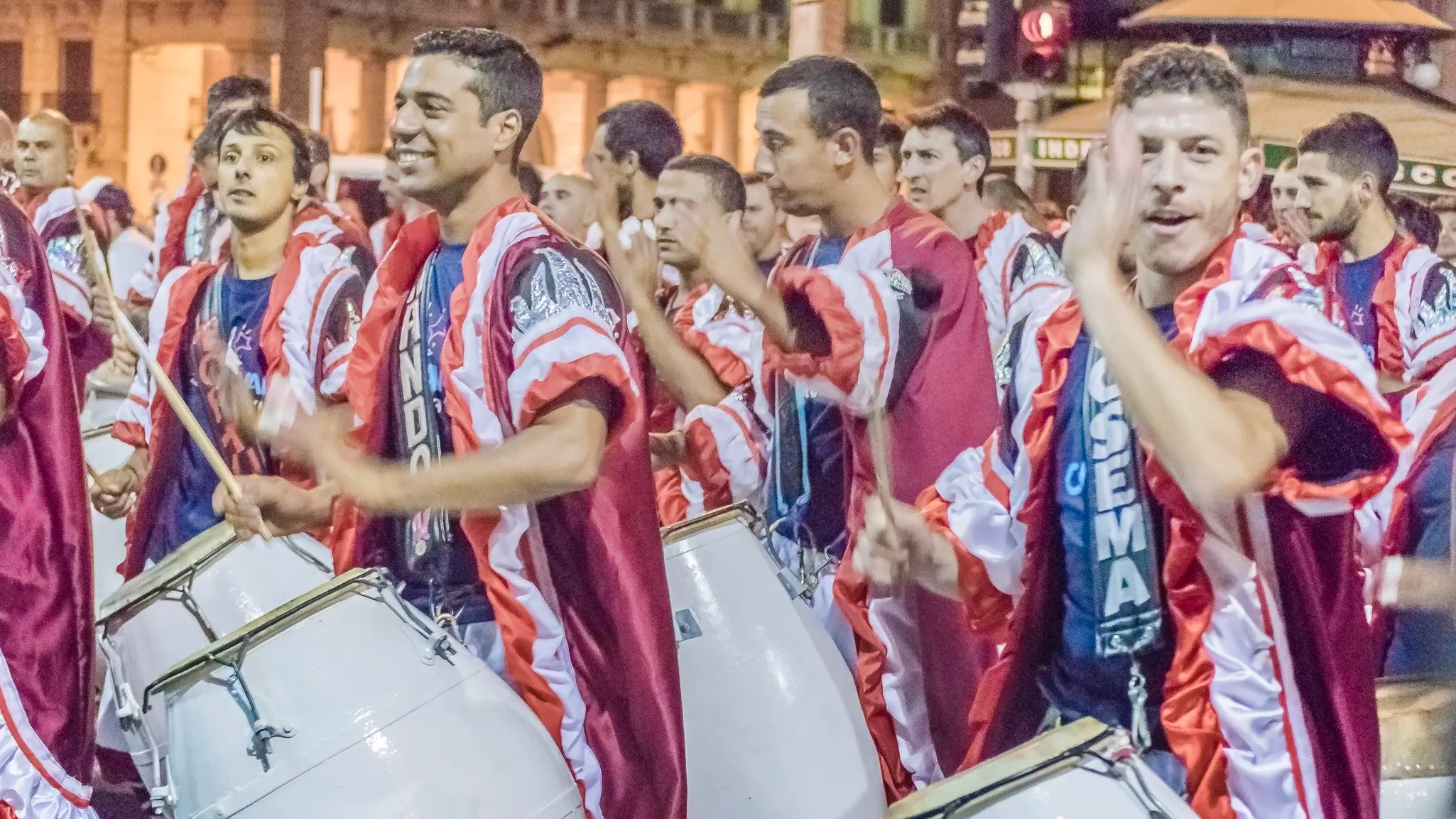
Candombe drummers. Getty Images
Writer
Highlights
Writer Lola Méndez picks seven things to do in Montevideo, Uruguay.
Stroll the Rambla, relax on Playa de Los Pocitos or head east to Punta del Este.
Foodies should try Garcia for grass-fed beef; fútbol fans can catch Peñarol or Nacional.
Visit the Museo de la Memoria, then sway to carnaval candombe drums year-round.
Lonely Planet may earn a commission from affiliate links on our site. All recommendations and reviews reflect our own independent opinions.
In Montevideo, a sophisticated city can’t escape the influence of the rural campo (countryside). The result is a metropolitan center with an irresistibly not-so-fast-paced urban pulse.
Once a fortified citadel, the Ciudad Vieja (old city) is today surrounded by traces of the city walls, first erected in 1741.
Beyond this historic core, visitors can stroll the longest continuous sidewalk in the world, relax on sandy beaches, gorge themselves in one of South America’s best food cities, visit countless museums or sway to carnaval rhythms year-round.
Here’s our guide to the top things to do in the Uruguayan capital.
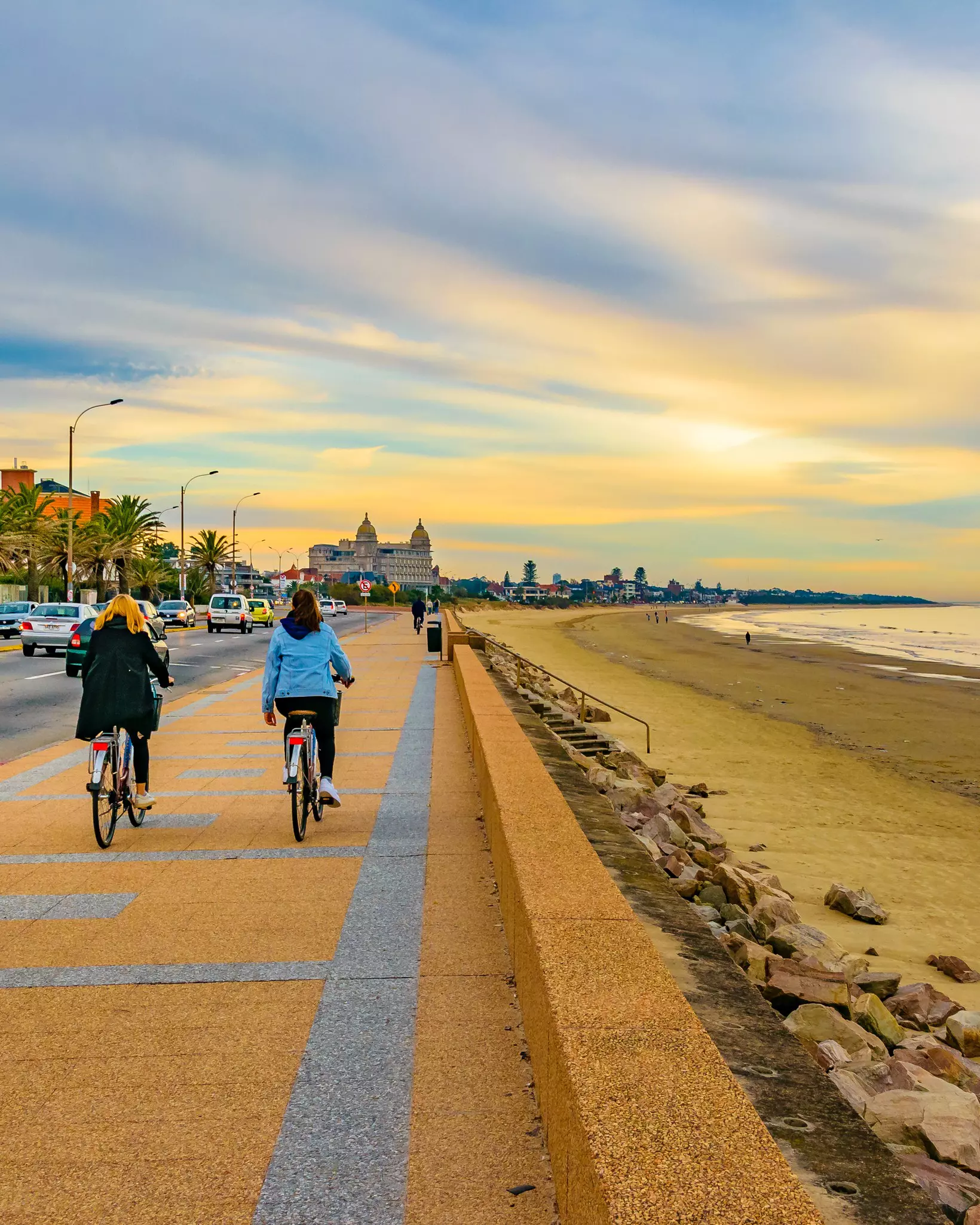
At nearly 14 miles (23km), Montevideo’s riverfront Rambla is the longest continuous sidewalk in the world. The avenue snakes along the coast and is popular for cycling and rollerblading.
It's also popular for sipping yerba mate. This traditional Indigenous drink was first cultivated by the Guaraní in Paraguay, then popularized as a shared communal drink by the Charrúa in Uruguay.
Many Uruguayans always carry their kit with them, which includes the yerba (loose tea leaves), a mate (the cup, traditionally a gourd), bombilla (perforated spoon-like straw) and thermo (hot-water bottle).
Take your yerba mate and go for a stroll on the Rambla around sunset. You’ll pass by a skate park, the moving Holocaust Memorial, Pittamiglio Castle and plenty of street musicians.
Local tip: It’s customary in Uruguay to share your yerba mate with complete strangers. Since this isn’t particularly sanitary, we recommend buying your own kit, available at any grocery store.
As a complement to sunny beach days, the Museo de la Memoria, open since 2007, offers insights and context into the country’s 12-year civic-military dictatorship (1973–85).
The site also honors the 200 Uruguayans who were “disappeared” during the junta (the Desaparecidos) and who are still unaccounted for.
A permanent exhibition featuring pots and pans looks inconspicuous at first. Yet visitors learn that during this era, Uruguayans used these simple kitchen implements as tools of dissent.
Protesting the state-sanctioned killing of civilians, residents would bang these objects loudly during events known as cacerolazos – creating chaotic noise that resounded through the halls of power.
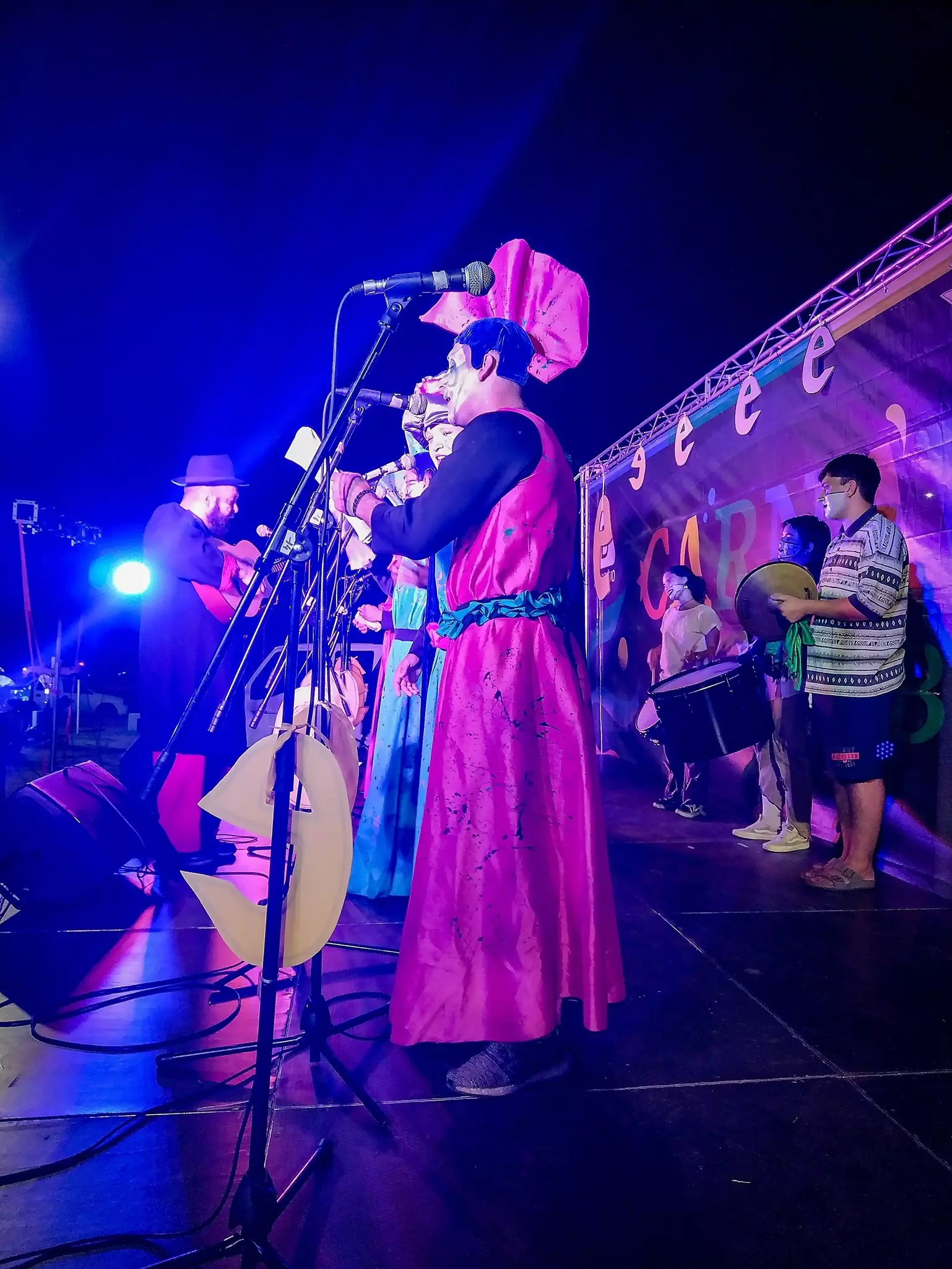
If you visit Uruguay between the end of January and early March, you can take part in the longest carnaval celebration in the world: Uruguayans celebrate for 40 to 50 days in the lead-up to Easter. The festivities are a huge draw for locals, though foreign visitors are most welcome.
The carnaval tradition was brought to Uruguay by enslaved Africans. Their descendants introduced candombe drums, a large percussion instrument that’s worn on the body and played as the performer walks in the street.
Candombe is the heartbeat of Uruguay and was designated a UNESCO Intangible Cultural Heritage of Humanity in 2009.
During carnaval season, candombe is part of nearly every performance, with groups painting and decorating their drums to match the colors of the bedazzled costumes and feathers worn by the dancers.
To kick off the celebrations, the Inaugural Parade takes place at the end of January, at which drummers parade with dancers along central Avenida 18 de Julio.
The following night is usually the Samba Schools Parade, where performers dressed in colorful garb dance through the streets.
In February, the Las Llamadas parade features drummers performing as they walk the streets of the Afro-Uruguayan neighborhoods of Barrio Sur and Palermo.
Between parade dates, you can visit one of the many tablados (stages set around the city), which play host to frequent performances by satirical singing groups called murga, who wear face paint and clown-like costumes.
If you can’t make it for the festivities, get a taste of the celebrations at the Museo del Carnaval, which exhibits costumes, drums and videos of performances. Additionally, candombe groups practice year-round – and even without the colorful costumes and fanfare, they still offer rafter-raising sounds.
Each neighborhood has a group that typically rehearses once a week on the streets in preparation for the annual Competition of Carnaval Groups.
Every Sunday in the late afternoon, for example, drummers gather in Barrio Sur to play candombe – and anyone is welcome to join in. Simply follow the sound of the drums to find the group.
Local tip: Unfortunately, since pickpocketing is prevalent at these gatherings, you should keep an eye on your personal belongings.
Uruguay is known across the world for its superb grass-fed beef. (Statistics help explain why: there are at least three sheep and three cows per Uruguayan citizen.)
This richness underlies a sacrosanct Uruguayan tradition: the weekly asado, when friends and family gather for a feast of different cuts of grilled meat served along with vegetables.
If you don’t manage to score an invite, you can still have a traditional parrilla dinner experience at Garcia, a popular restaurant that’s served premium cuts of meat paired with curated local and international wines since 1967. The elegant dining room is a favorite for Uruguayans celebrating a special occasion.
Local tip: The well-known Mercado del Puerto has, alas, lost its charm and is today an overrated tourist trap. Instead, head to Casa Pastora, Mercado Williman and Mercado Ferrando, which all have food stalls serving parrillas.
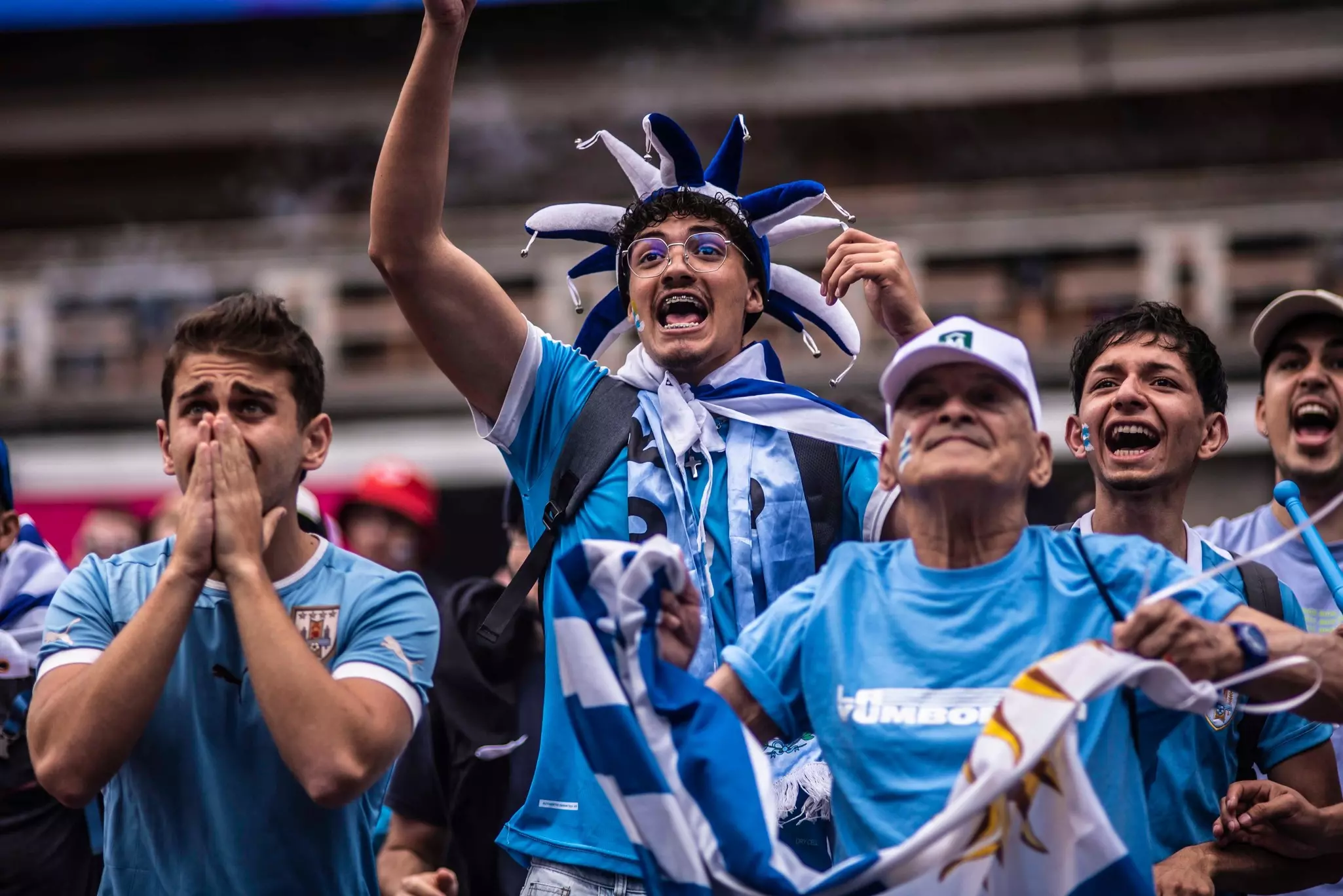
The first World Cup was held in Uruguay in 1930 at Estadio Centenario – and the Uruguayan squad (naturally) won the title.
Today, the two most prominent teams in fútbol-mad Montevideo are Peñarol and Nacional. Peñarol dons yellow and black and plays at the Campeón del Siglo stadium, while Nacional wears red, white and blue and calls Gran Parque Central stadium home.
Choose a team to support, then catch a match during the Uruguayan Primera División season, which lasts from May to December.
If there isn’t a game while you’re in town, you can learn more about Uruguayan soccer at the Museo del Fútbol.
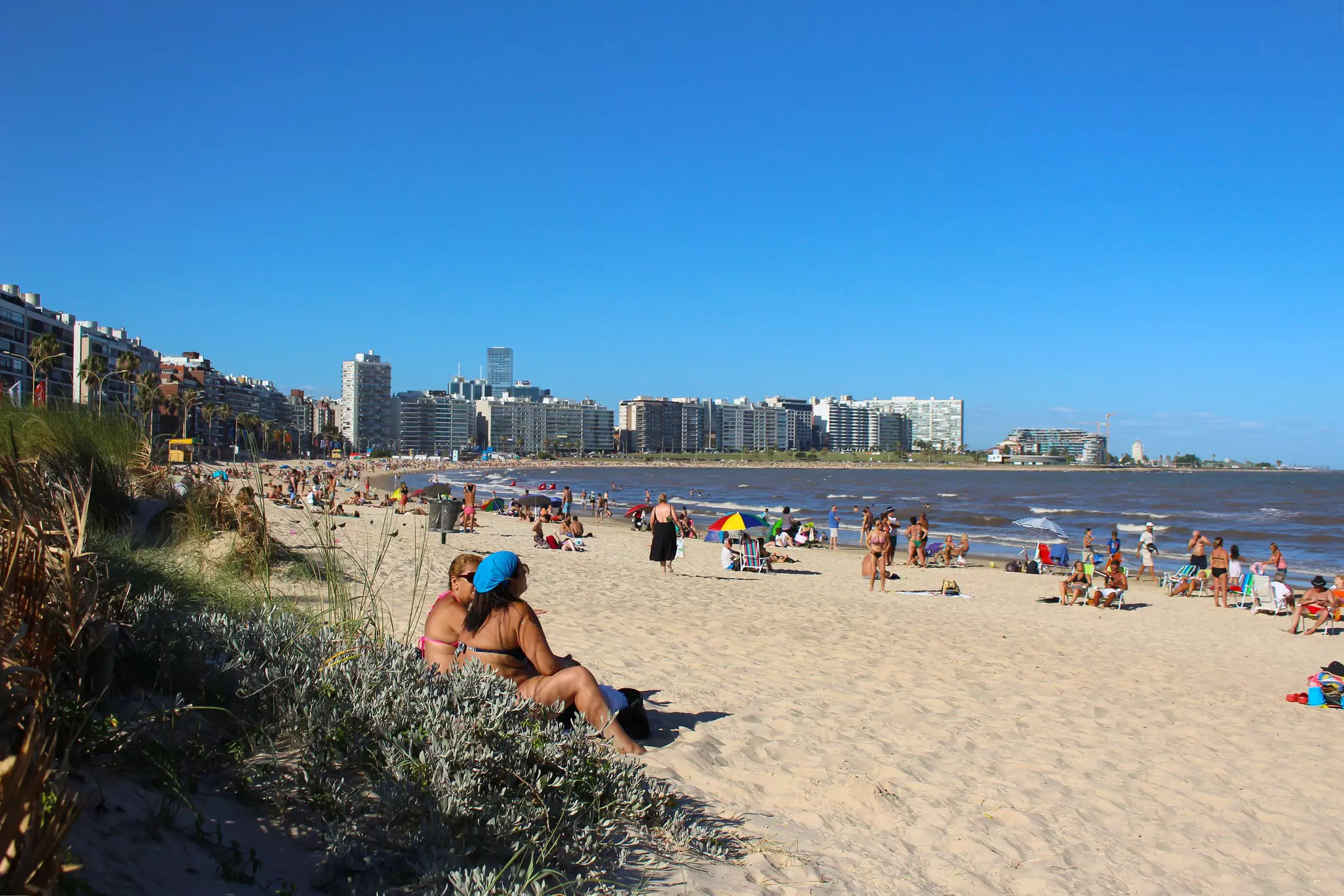
Surrounded by the wide Río de la Plata, Montevideo is a rare capital that’s also a beach town through and through. The most popular beach is Playa de Los Pocitos, which offers soft sand and volleyball courts.
This true city beach is framed by the waterfront buildings of the namesake Pocitos neighborhood. In the summer months, you’ll see scads of umbrellas that protect from Uruguay’s notoriously high UV rays.
Local tip: The beaches are small and get busy on the weekend, so plan your beach day during the week to avoid crowds.
Once you’ve gotten to know the capital, take a direct bus from the Tres Cruces terminal to Punta del Este on the Atlantic coast.
Here, you can relax at Playa Brava by the famous La Mano en la Arena sculpture, watching surfers at Playa El Emir or catching the sunset while enjoying a pitcher of clericó (white-wine sangria) from Parador I’marangatú.
Planning tip: Add a day trip to your day trip by heading from Punta del Este to places like the Punta Ballena whale lookout point, the Fundación Pablo Atchugarry sculpture garden and the Arboretum Lussich.
Explore related stories