Sep 19, 202616 min read
Spain's Classic One Dish WondersJul 10, 2026
11 MIN READ
Writer
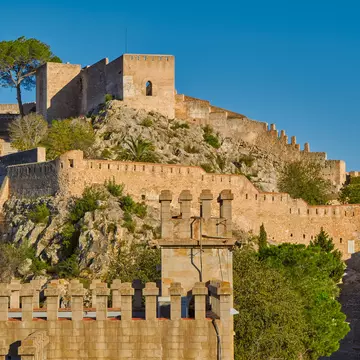
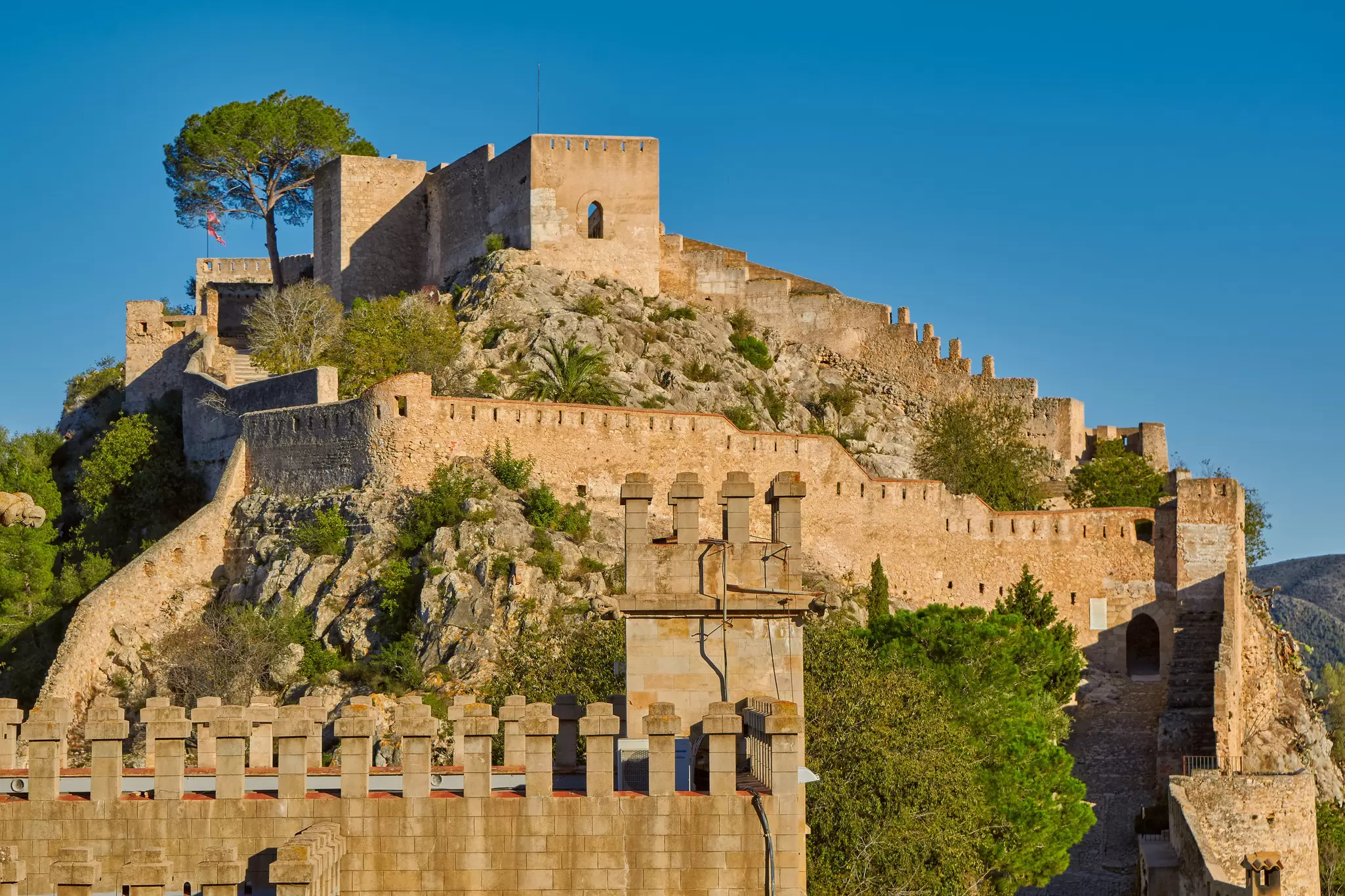
Historical Xativa Castle at sunset, Valencia, Spain. Vitaly Titov/Shutterstock
Writer
Highlights
Writer Isabella Noble picks 20 things to do in Spain, from beaches to cathedrals.
Art lovers should visit Madrid's Prado and Reina Sofía, then join the buzzy tapas scene.
Walk Barcelona's Modernista streets, from La Sagrada Família to the floral-tiled Casa Vicens.
Flamenco fans should seek Jerez's tabancos; history lovers can trace Moorish Granada and Córdoba.
Lonely Planet may earn a commission from affiliate links on our site. All recommendations and reviews reflect our own independent opinions.
From the snow-dusted, ski-worthy Pyrenees to the glinting golden beaches of the south, Spain unfolds in a series of ever-changing landscapes, traditions, attractions, cuisines and even languages.
Its vast natural spaces are a dream for those who love the great outdoors, while the cities, towns and villages fizz with energy, cultural jewels and mouth-watering gastronomy. Whether you’re keen to get stuck into dazzling architecture, cycle to a secret beach or spend your days tasting wines, tapas or olive oils, here are 20 unmissable things to do in Spain.
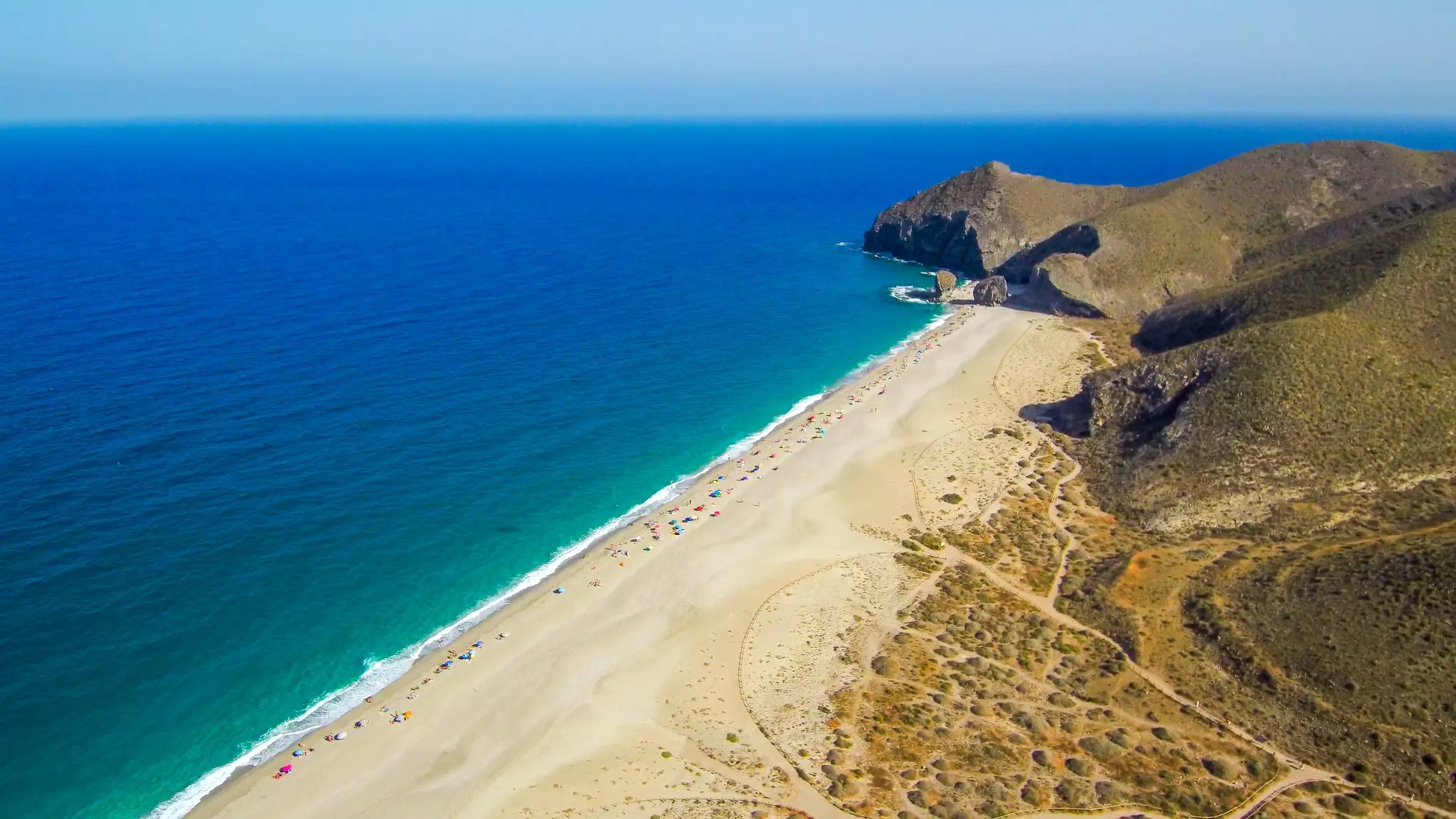
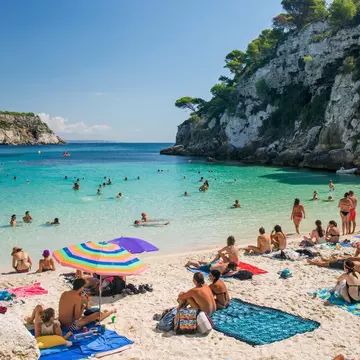
Hitting the beach is a national hobby here, and you’ll inevitably fall in love with your own pocket of Spain’s 5470km-long (3400-mile) coastline. Leave the crowds behind by escaping to tranquil, hidden coves reached only on foot, bike or horseback. Head out hiking along Menorca’s pine-shaded Camí de Cavalls (a restored 14th-century path) to reach turquoise coves; ramble between wild, pebble-studded bays along the Costa Brava; walk to remote sugar-white strands on Andalucía’s breezy Costa de la Luz (also great for kitesurfing); and find protected nudist beaches in Almería’s Parque Natural Cabo de Gata.
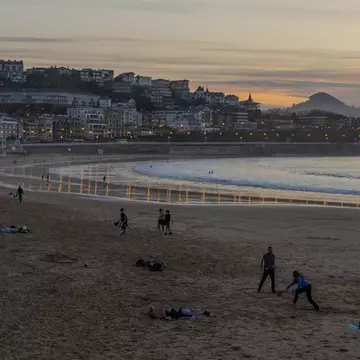
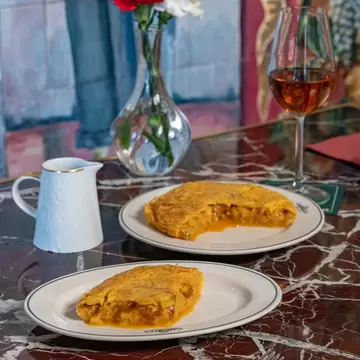
A deep love of fabulous food infuses Spain’s soul: Crowd into Granada's tapas bars; graze on pintxos (Basque tapas) in Bilbao and San Sebastián; seek out creative Michelin stars in Catalonia; dig into super-fresh Valencian paellas by the Mediterranean; get to know the country’s 2023 Capital of Gastronomy Cuenca and much more.
Planning tip: For a deep dive into regional Spanish cuisine, join an expert-led food tour. Devour Tours has switched-on guides in Barcelona, Madrid, Seville and San Sebastián, while Annie B’s Spanish Kitchen runs fabulous tapas tours in Cádiz province (an Andalucian foodie hot spot).
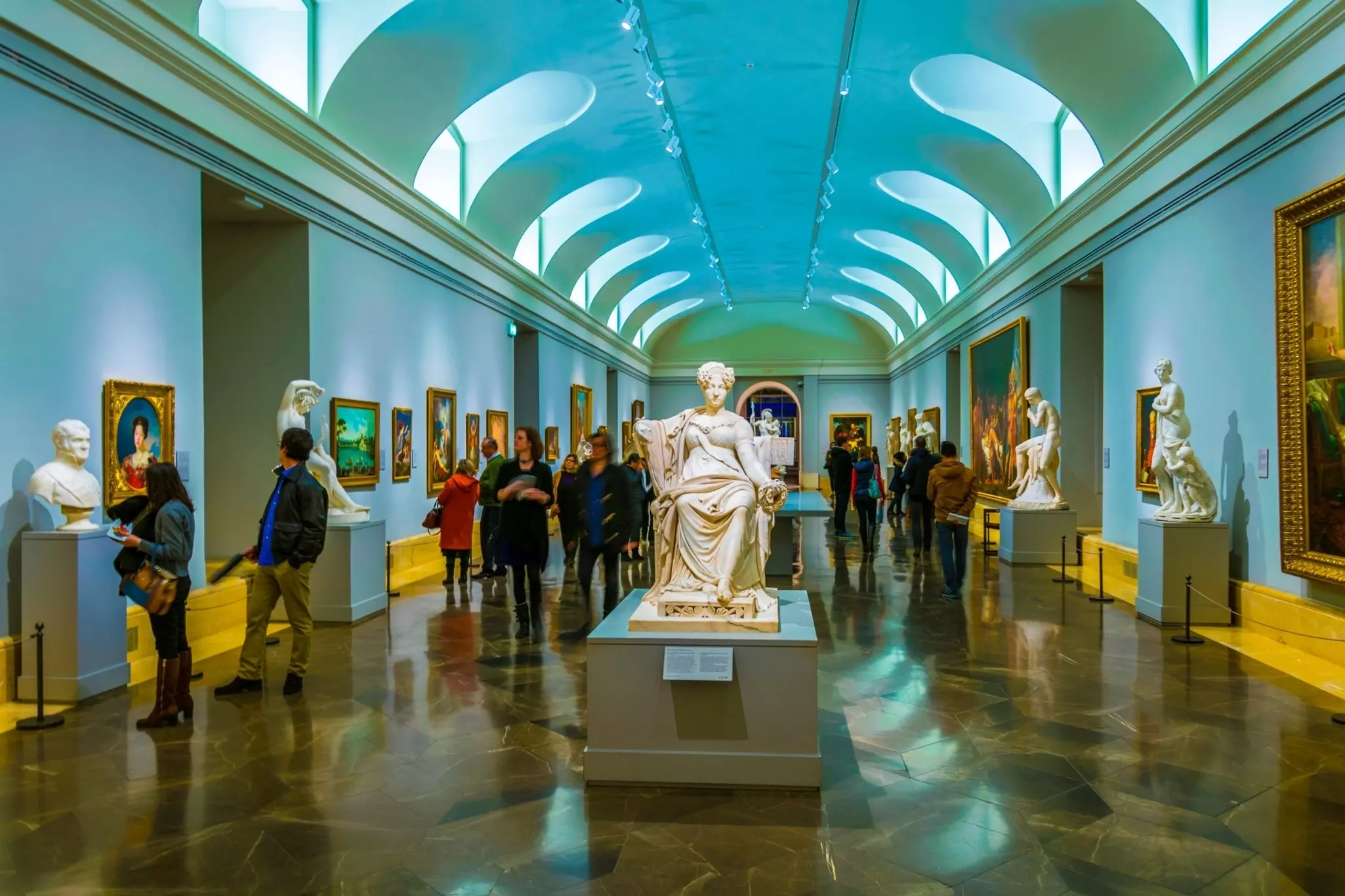
Spain’s capital is one of Europe’s greatest cities for art lovers, with a clutch of prestigious galleries where you’ll meet such icons as Picasso’s Guernica (Centro de Arte Reina Sofía), Van Gogh’s Les Vessenots in Auvers (Museo Thyssen-Bornemisza), and Velázquez’s Las meninas and Goya’s Saturno devorando a su hijo (Museo del Prado). More hidden thrills range from sketches by poet Federico García Lorca to mysterious works by Antoni Tàpies. Pre-book tickets online and explore galleries first thing; some even offer "out of hours" tours before the doors officially open.
Planning tip: Save some energy, though – later on, one of the best things to do in the capital city is join the madrileños at buzzy tapas spots, elegant cocktail lounges, laid-back rooftop bars, heaving clubs and more. The party inevitably goes on into the next morning.
From headlining grape-growing regions such as La Rioja and the cava-making Penedès to Andalucía’s unmatched Sherry Triangle, Spain’s 70 Denominaciones de Origen (Denominations of Origin) roll out a tantalizing line-up of wines. Many wineries here are now experimenting with unusual combinations, pushing forward sustainable production methods and working to recover rare ancestral grapes.
For the most exciting tours, seek out small, independent bodegas (some still run by their founding families) and track down lesser-known wine-making areas such as Galicia’s up-and-coming Ribeira Sacra, Catalonia’s cool Costers del Segre or the innovative El Hierro and Lanzarote DOs in the Canary Islands. ¡Salud!
Planning tip: If you'd prefer to be a designated drinker rather than the driver, there are plenty of other ways to travel around in Spai.
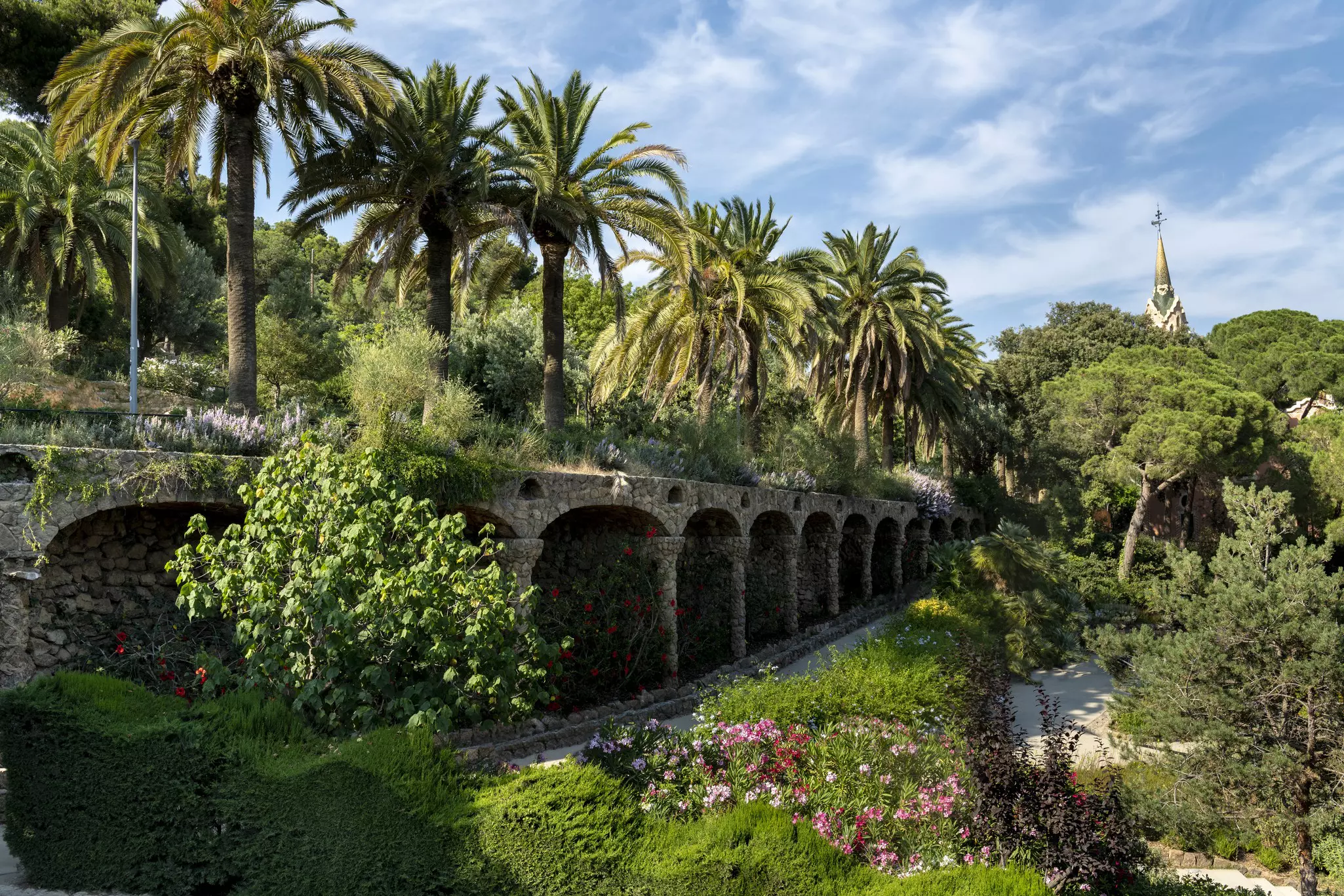
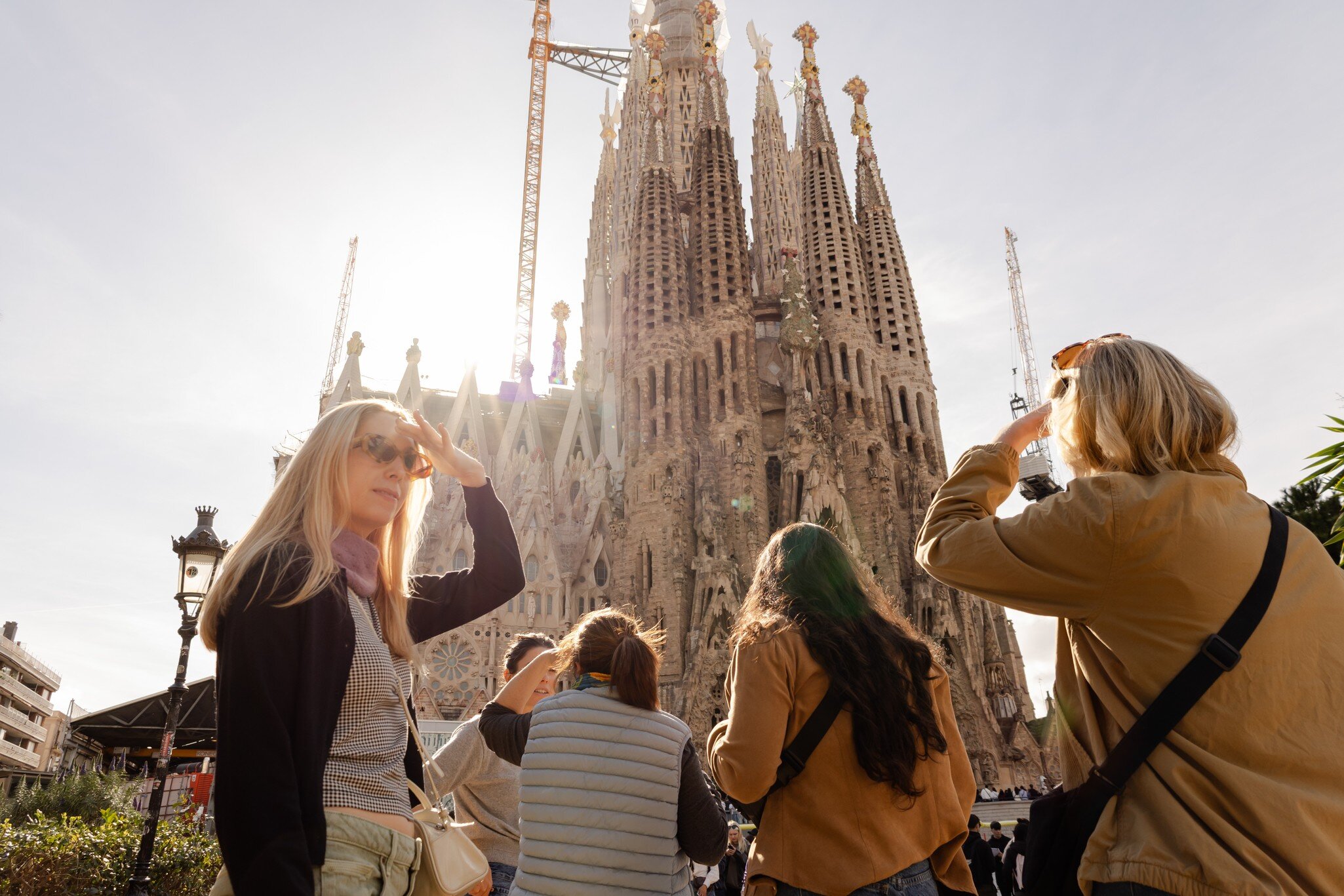
Exploring Catalonia’s irresistible capital with a local architect instantly brings life to the Modernista wonders created by Gaudí, Domènech i Montaner, Puig i Cadafalch and others in the late 19th and early 20th centuries. Look beyond the star acts (La Sagrada Família, Casa Batlló, Park Güell), and don’t miss Gaudí’s floral-tiled first commission Casa Vicens (in Gràcia) and other lesser-known Modernista flourishes around L’Eixample and El Raval.
Planning tip: Help combat Barcelona’s much-discussed overtourism issues by visiting outside high season and weekends, staying in officially licensed accommodations and exploring the rest of Catalonia (from the heights of the Pyrenees to the rice-making Delta de l’Ebre).
Savoring a glass of crisp albariño with a platter of fresh-as-it-gets seafood is a distinctly Galician moment – just one of many surprises in Spain’s beautifully green northwest corner. Roam well beyond Santiago de Compostela to uncover timeworn stone villages, centuries-old wineries, plunging valleys and more than 1000km (620 miles) of wild, windswept coastline sprinkled with sublime beaches, particularly around the Illas Cíes and the Costa da Morte.
Planning tip: While summer brings the warmest weather, June and September are much quieter (always pack an umbrella).
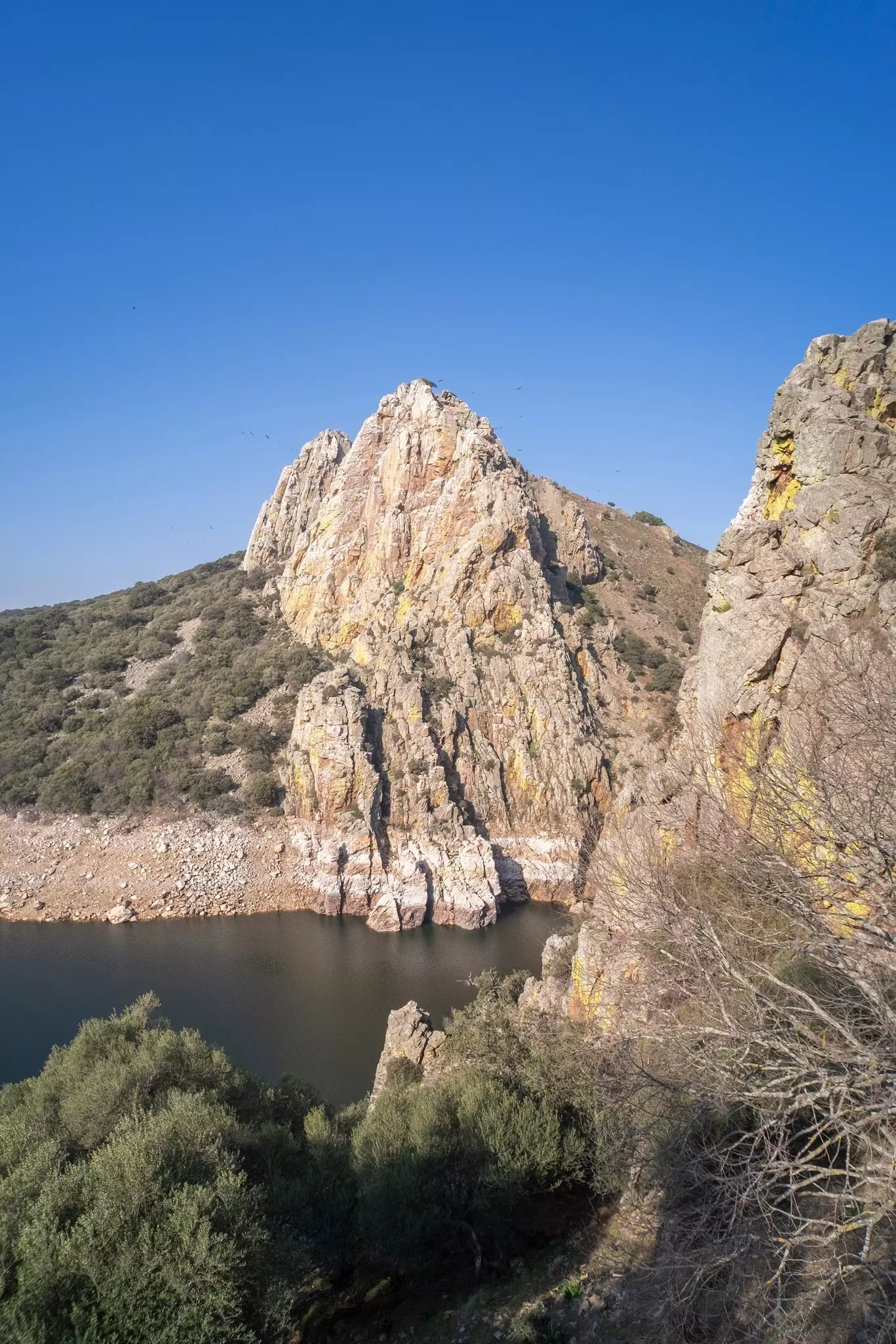
Portugal-bordering Extremadura plunges visitors into one of Spain’s least-touristed corners and is well-worth a visit. The secluded Jerte, Ambroz and La Vera valleys reveal half-timbered houses, snow-topped mountains and spring cherry blossom, and there’s outstanding birdwatching in the 180-sq-km (69-sq-mile) Parque Nacional de Monfragüe from March to October. There are also some extraordinary monumental cities, including Cáceres (with its glittering historical core), Trujillo (made wealthy by its high-profile conquistador families) and Mérida (for some of Spain’s most important Roman ruins).
Finally stumbling into the glittering cathedral in Galicia’s capital Santiago de Compostela, after trekking hundreds of miles along the fabled Camino de Santiago (Way of St James), is a magical moment. Travelers seeking a less-trodden path can swap the popular traditional Camino Francés for the wonderfully rewarding Camino del Norte (Northern Way) or Camino Primitivo. The 600km (373-mile) Norte meanders along and inland from Spain’s northern coastline from Irún, while the challenging 320km (199-mile) Primitivo from Oviedo is believed to be the original Camino, walked by King Alfonso II back in the ninth century.
Planning tip: Combine the two routes by following an alternative branch of the Norte to Oviedo, then linking up with the Primitivo.
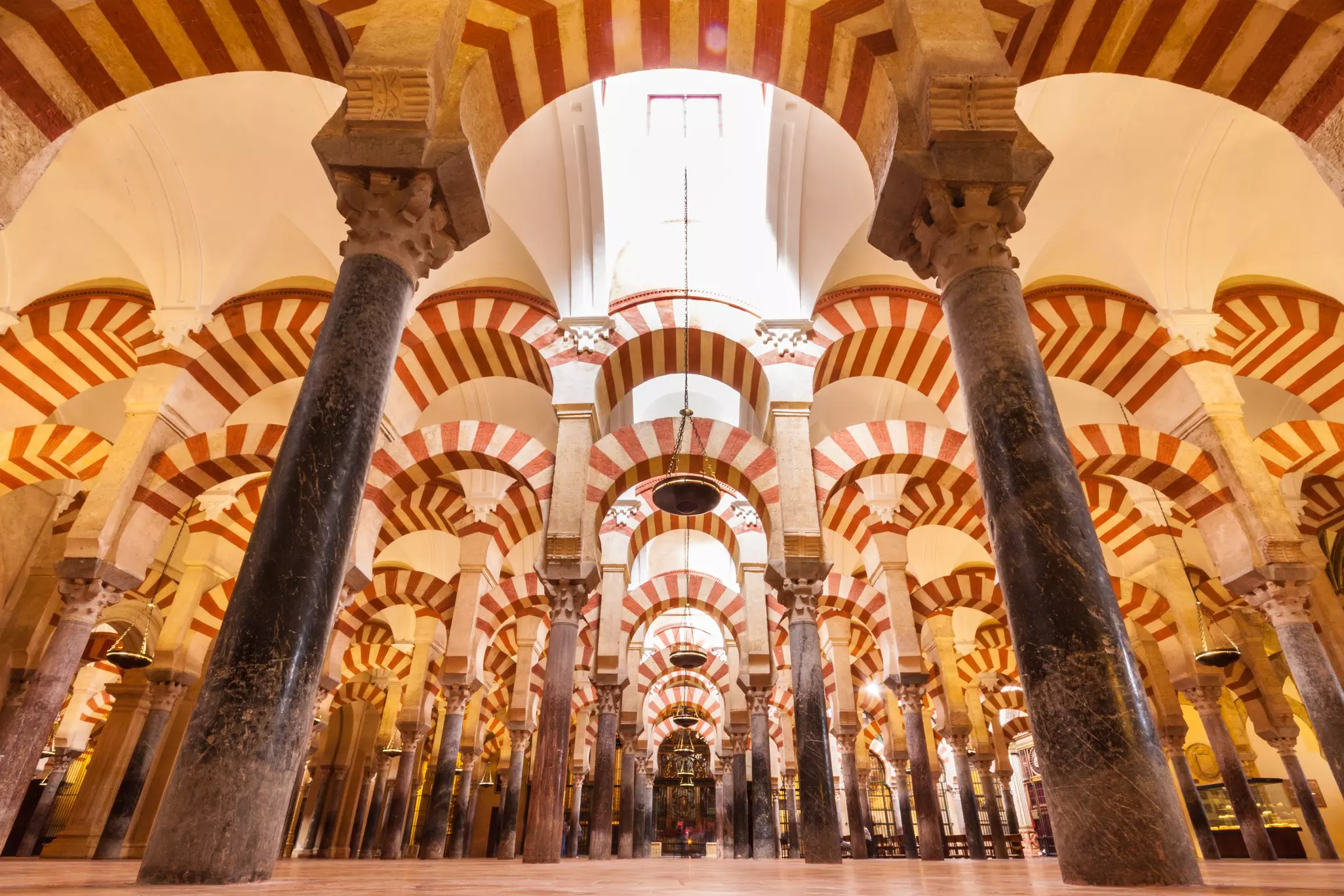
Spain’s eight centuries of Islamic rule produced some of its most spectacular architecture, particularly across Andalucía. The unmissable jewels of Moorish Al-Andalus are Granada’s Alhambra, Córdoba’s Mezquita-Catedral and Seville’s Real Alcázar and Giralda, but there’s plenty more. Travel between Córdoba and Granada along the little-known Ruta del Califato (Route of the Caliphate), whose castle-topped villages mark the final medieval frontier between Christian and Islamic Spain; ramble around the majestic alcazabas (fortified palaces) in Almería and Málaga; or head into Huelva’s remote Aracena hills to uncover a rare, perfectly preserved Moorish-era mosque.
Spain’s varied climate means there are outstanding hiking opportunities year-round – from Granada’s snow-dusted Sierra Nevada (perfect in July/August) and northern Spain’s jagged Parque Nacional de los Picos de Europa to the cloud-brushing heights of Aragón’s Parque Nacional de Ordesa y Monte Perdido and Catalonia’s Parc Nacional d’Aigüestortes i Estany de Sant Maurici. Along the coast, hit soul-stirringly beautiful trails such as the 200km-long (124-mile) Camiño dos Faros in Galicia or the clifftop paths in Almería’s Cabo de Gata.
Planning tip: The north shines brightest from June to September/October (book accommodations ahead), while walking in Andalucía is best from March to June and in September and October.
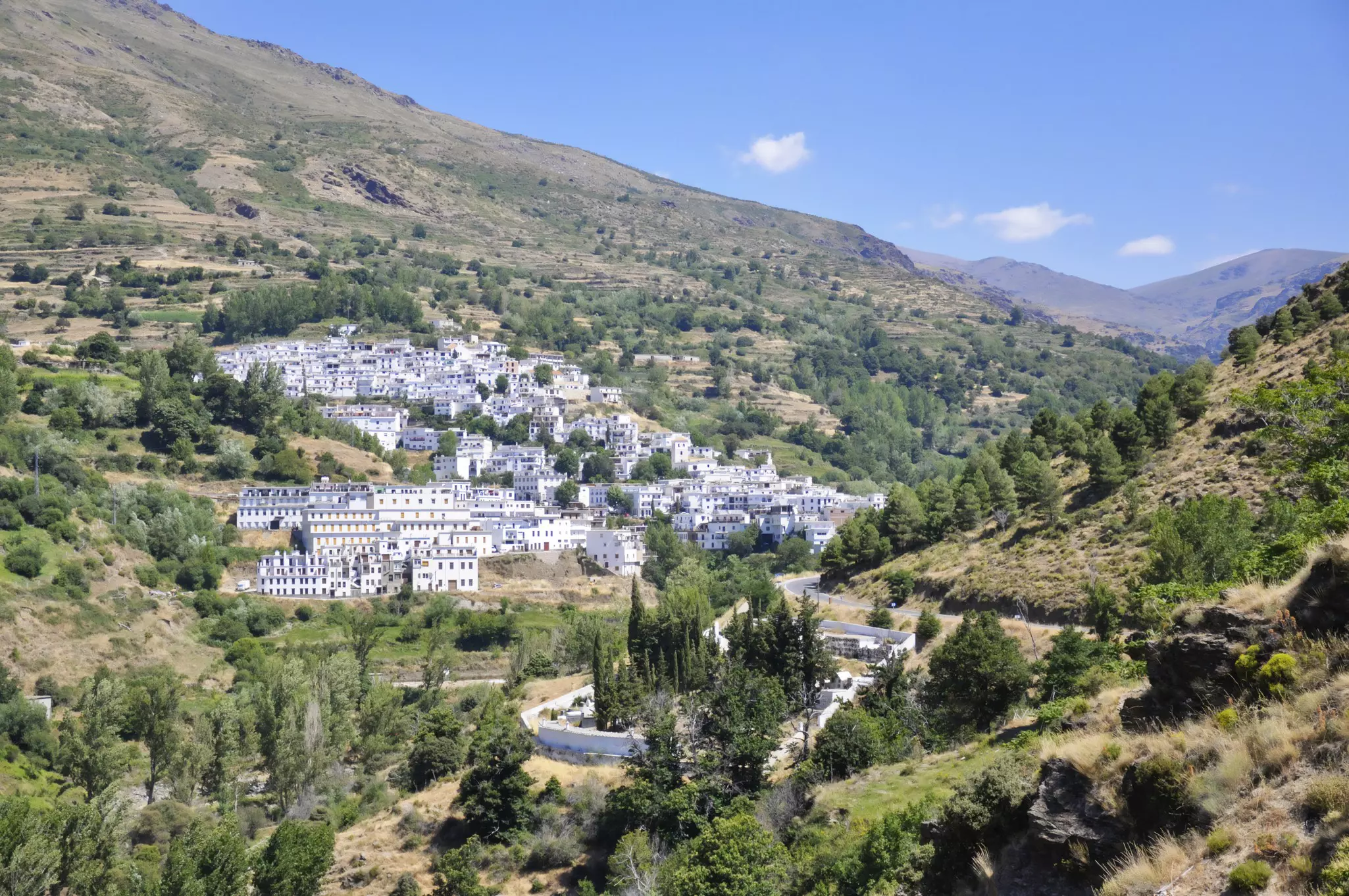
Sunny Andalucía is dotted with impossibly scenic pueblos blancos (white villages), with two main pockets in rural Cádiz and Granada’s Alpujarras valleys – and while these make for fascinating road trips, a series of serene rural walking paths also track between them. Venture off on the long-distance GR7 in the remote eastern Alpujarras (Mairena and Trevélez villages are highlights), or lace up your walking boots in Cádiz’s Sierra de Grazalema, where Moorish castles, rare pinsapos (Spanish firs) and rust-roof villages await.
If you’ve ever wondered where those liquid-gold Spanish olive oils come from, central Andalucía’s Mar de Olivos (Sea of Olives) is a hidden-in-plain-sight joy. Some of the world’s top-tier olive oils are produced among its 15,000 sq km (5790 sq miles) of rolling hills, craggy peaks and silent valleys, particularly across Jaén and Córdoba provinces (where Priego de Córdoba in the Sierra Subbética is the shining star). Stay in one of the region’s peaceful rural hotels, some of which offer home-cooked meals using their own olive oils, and visit local almazaras (olive mills) for tastings, tours and strolls among the olive groves.
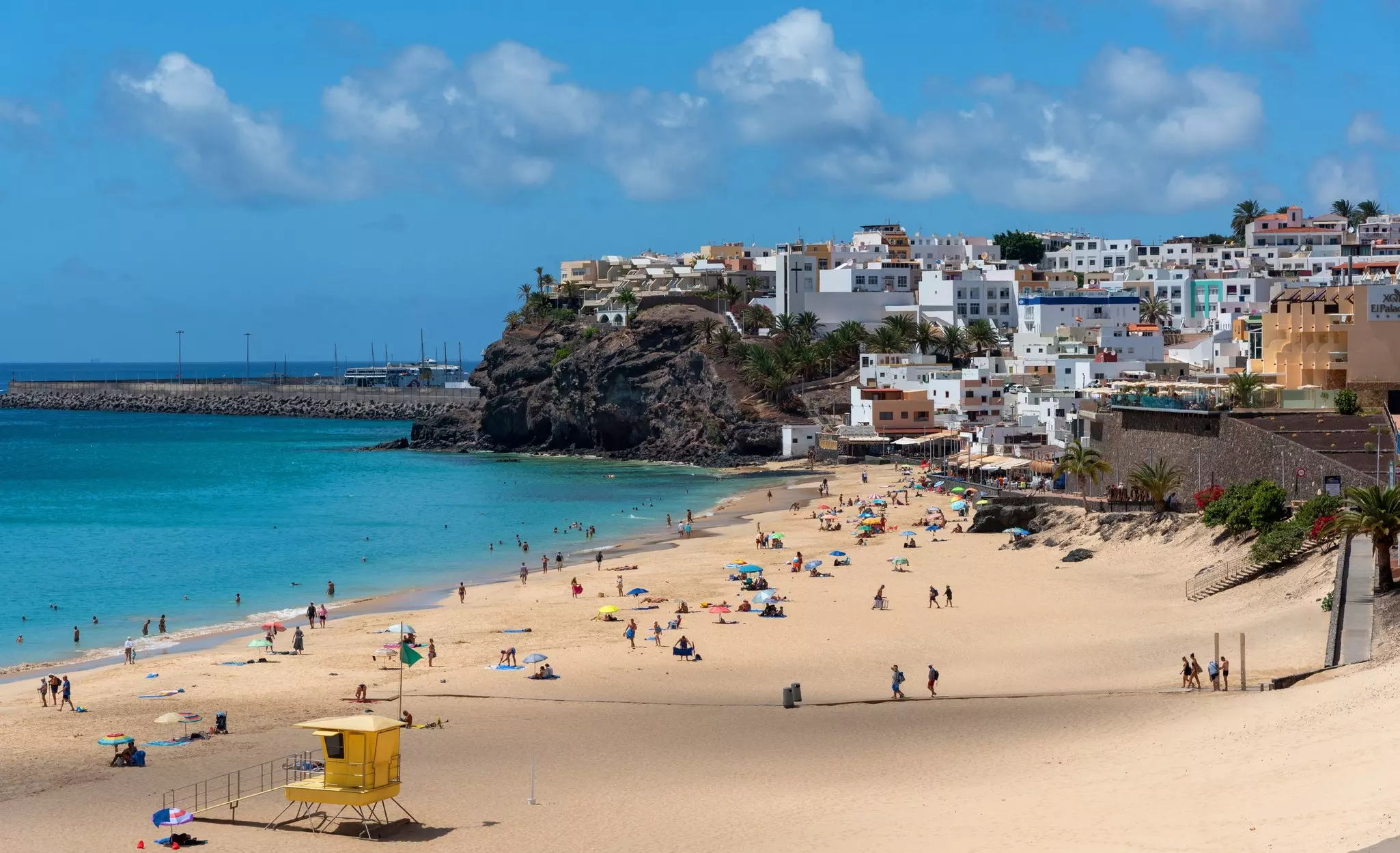
Around 1000km (620 miles) southwest of mainland Spain, the eight sunbathed Canaries pack in everything from Atlantic volcanic beaches and eerily beautiful pine forests to hikes up the country’s tallest peak, 3715m-high (12,100ft) Teide.
Planning tip: Picking just one island can be a challenge – here’s our in-depth Canary Islands guide to help you narrow it down.
In recent years, major conservation efforts have brought several of Spain’s most beloved threatened species back from the brink of extinction, including the Iberian lynx, the Cantabrian brown bear and the majestic quebrantahuesos (bearded vulture). Head out in Andalucía’s mountainous Parque Natural Sierra de Andújar for the chance to see a lynx, or venture to the remote Parque Natural de Somiedo in southwest Asturias to (perhaps!) spy a brown bear.
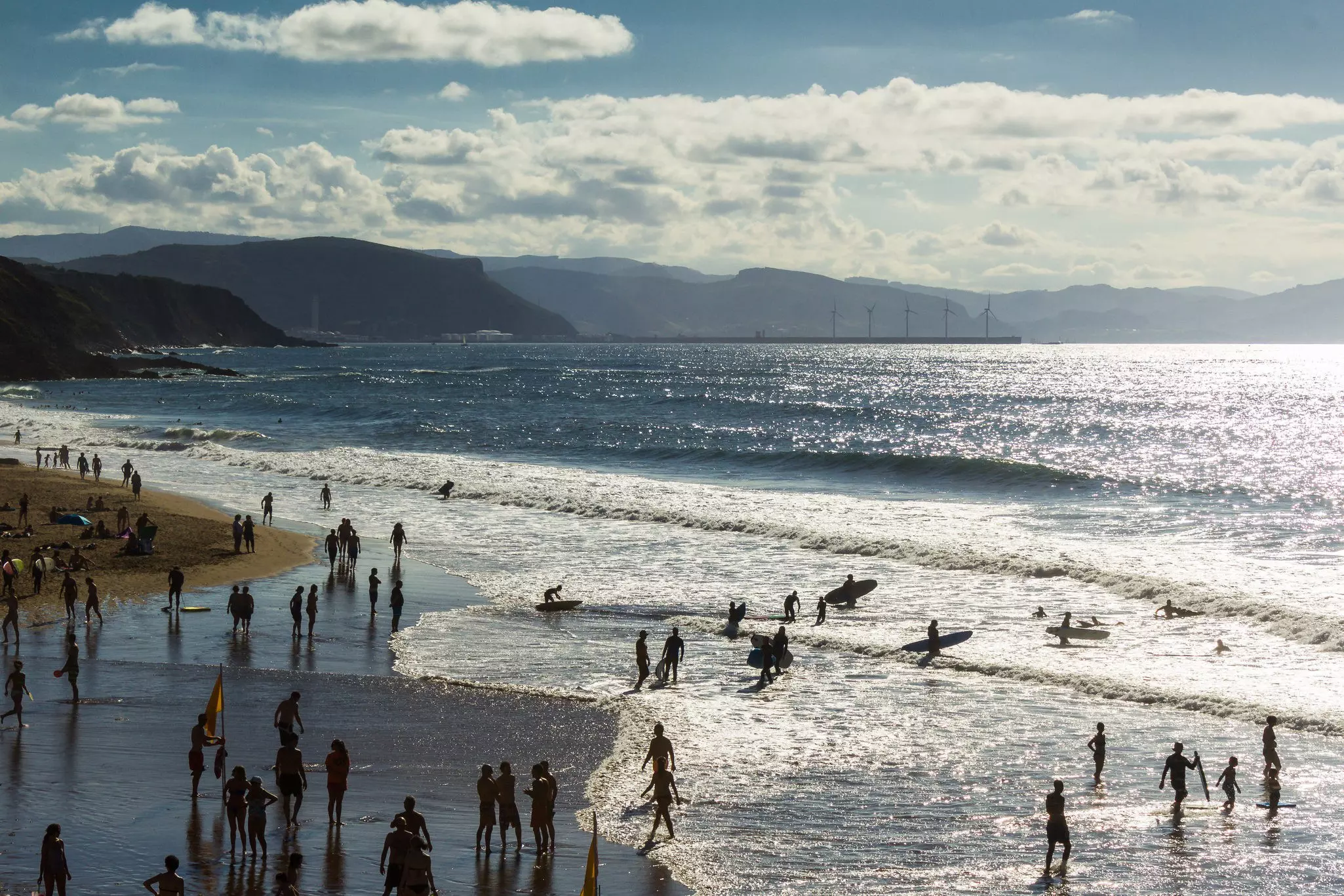
Some of Spain’s top surf beaches are hidden along the cliff-edged northern coastline, hugging the Basque Country, Cantabria, Asturias and Galicia. While here, explore stone-built villages, extraordinary galleries, ancient cave art, lively cities, local cider and spectacular mountain ranges.
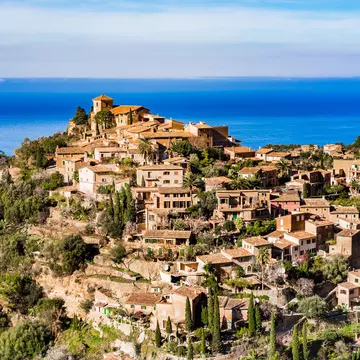
Forget the dance-until-dawn stereotypes – the four Balearics islands make up one of the Mediterranean’s most blissful escapes, with a strong drive towards responsible tourism that includes a ban on single-use plastics since early 2021. Whether you fancy seductive Mallorca, soothing Menorca, always-chic Ibiza or barefoot-beach Formentera, you can stay in a stylish environment-first agroturisme, learn about the islands’ artisan traditions (from cheese-making to basketry), get involved in beach clean-ups, and soak up the outdoors on hikes, kayak trips, horseback-riding adventures and more.
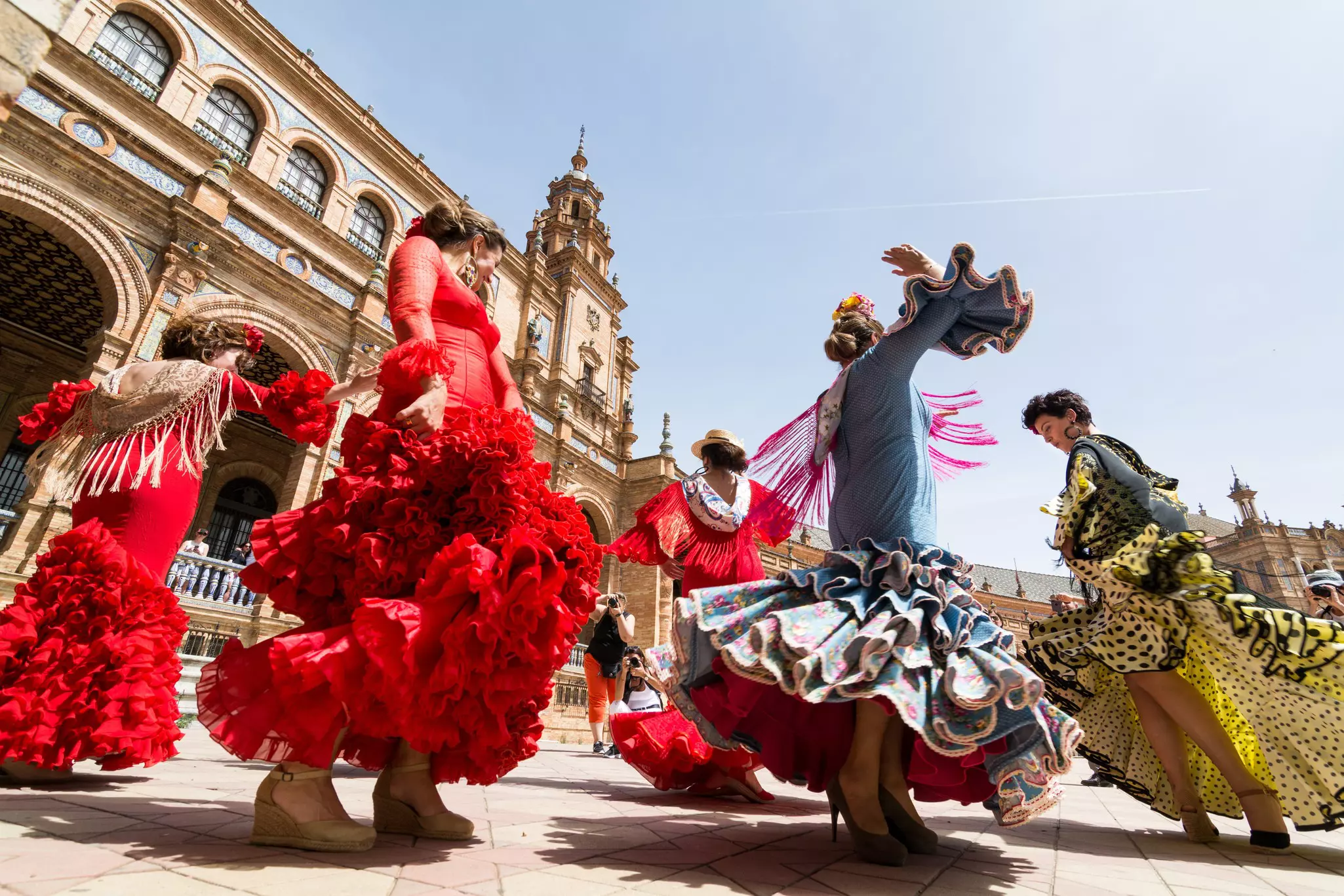
There are flamenco shows all over Spain, but the most inspiring place to lose yourself in this soulful ancient art is its southern birthplace: the Cádiz-Jerez-Seville triangle. Hunt down events at local peñas (flamenco clubs), and don’t miss Jerez’s lively tabancos, where fiery shows are served up alongside sherry poured straight from the barrel.
Planning tip: If you've ever dreamed of learning to dance, this is the ideal place to pick up a few flamenco steps of your own.
If you fancy slumbering away in a medieval monastery, a fairy-tale castle or a Renaissance palace, book in at one of Spain’s 98 wonderfully atmospheric paradores, which revolve around sensitively converted buildings packed with centuries of history. Or hunt down a seductive independent stay with its own backstory: a chicly reimagined Modernista mansion in Barcelona, a Balearic farmhouse hidden down a dusty pine-scented track, an artily reimagined home in Cádiz’s Vejer de la Frontera. Many of Spain’s most exciting accommodation spots are attractions in their own right, fueled by inspired, creative design.
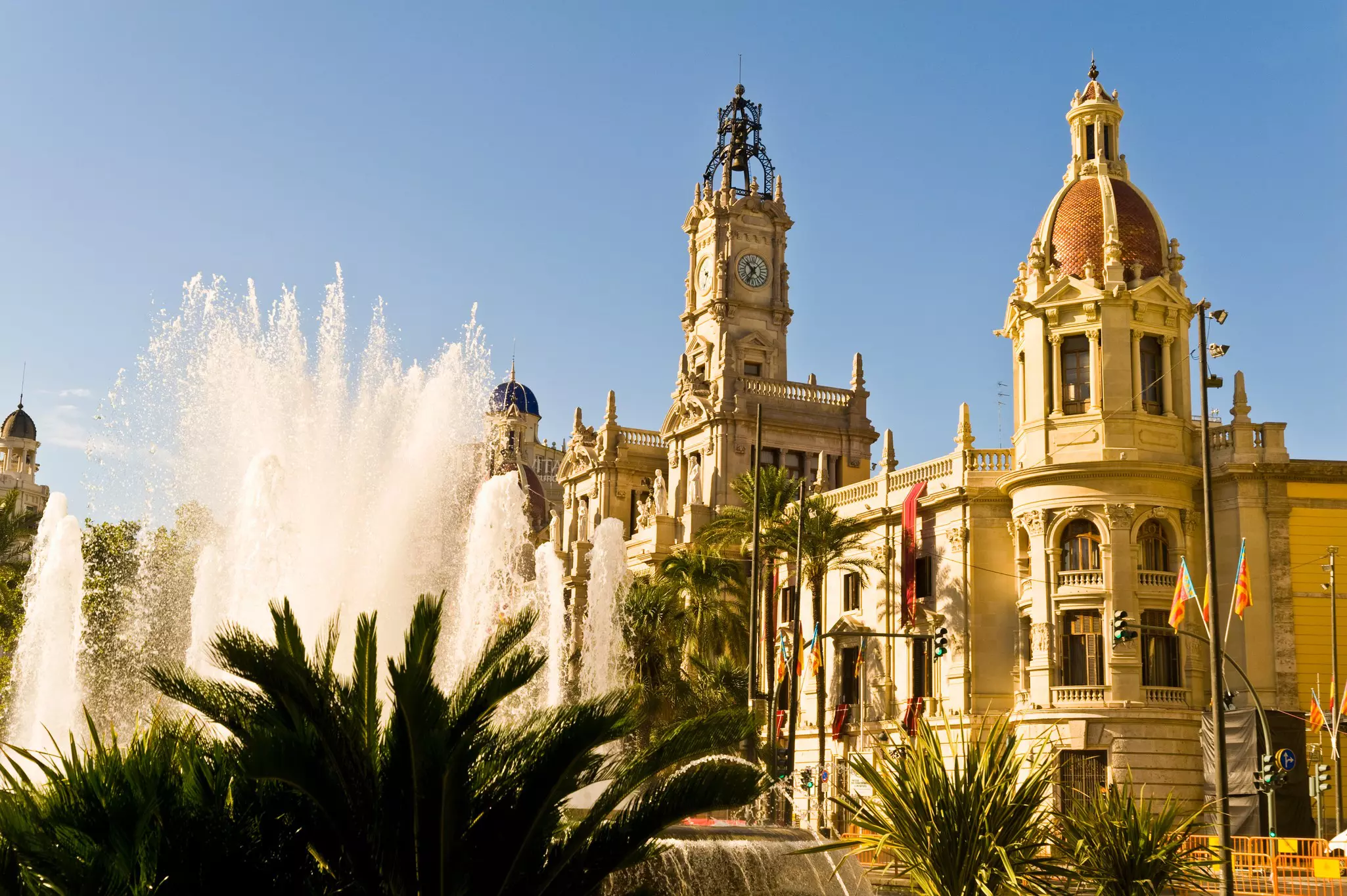
With its pioneering plans for achieving carbon-neutral tourism, Valencia (Spain’s third-largest city) is becoming a hot tourist favorite. In a short visit, you could be uncovering the Mercado Central’s market-fresh meals, intriguing museums and varied architecture, exploring Santiago de Calatrava’s Ciudad de las Artes y las Ciencias, savoring seafood in El Cabanyal, cycling along the seafront and more.
Planning tip: The Fallas de Valencia festival makes March an outrageously popular month to visit Valencia, but this sunny Mediterranean city is also a perfect autumn or winter escape.
Most Spanish cities unravel around a central plaza overlooked by a formidable cathedral, with styles stretching from Romanesque to Modernista. The country’s most architecturally and spiritually moving cathedrals include León, Toledo, Salamanca, Seville, Burgos, Granada, Segovia, Santiago de Compostela and Palma de Mallorca, as well as Barcelona’s Sagrada Família.
Planning tip: Climbing up a cathedral tower or joining one of an ever-growing number of rooftop tours is a fantastic way to find a fresh perspective on the city below.
Book your Spain trip with Lonely Planet Journeys
See Spain how it's meant to be seen
Accommodations, activities and ground transportation all taken care of, so you can focus on the fun part. Tell us what your dream trip to Spain looks like, and our local experts will build it from scratch. Or start with one of our itineraries and make it your own.

Explore related stories