Aug 23, 20267 min read
12 Things to Know Before Visiting Seville, SpainJan 24, 2026
11 MIN READ

Writer
Highlights
Writer Paul Stafford picks 15 Seville experiences, from palaces to spring festivals.
Visit the Real Alcázar for fountain-filled patios, then seek Columbus's tomb in the cathedral.
Dine in a Moorish bathhouse at Cervecería Giralda Bar and catch a flamenco tablao show.
Springtime visitors should plan around Semana Santa's parades and the Feria de Abril.
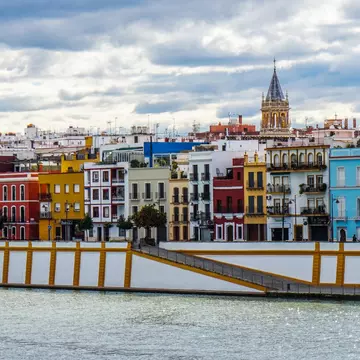
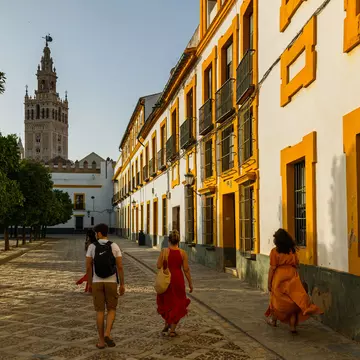
A street in Barrio de Santa Cruz, Seville. Carlos Koblischek/Shutterstock

Writer
Highlights
Writer Paul Stafford picks 15 Seville experiences, from palaces to spring festivals.
Visit the Real Alcázar for fountain-filled patios, then seek Columbus's tomb in the cathedral.
Dine in a Moorish bathhouse at Cervecería Giralda Bar and catch a flamenco tablao show.
Springtime visitors should plan around Semana Santa's parades and the Feria de Abril.
Lonely Planet may earn a commission from affiliate links on our site. All recommendations and reviews reflect our own independent opinions.
Seville is quick to win over its visitors. But even though you’ll soon feel a charmed familiarity with the city, its diversity will keep you rediscovering it over and over. With a compact center, riverside location, pedestrian feel, gorgeous plazas and countless cafés, Seville stands out among its peers across the country.
The Andalucian capital’s past is elegantly framed by its present so that most of the experiences on this curated list (for first timers and repeat travelers alike) will touch upon its heritage in some way. Dine in a Moorish bathhouse, try your hand at an ancient style of music and discover the artistry, culture and bones (!) of past civilizations; these are just some of the memorable activities on offer.
From visiting the Real Alcázar to seeing the Seville Cathedral, as well as neighborhoods, museums and seasonal festivals, your time in this lovely Spanish city will be both memorable and worth repeating on a future trip.
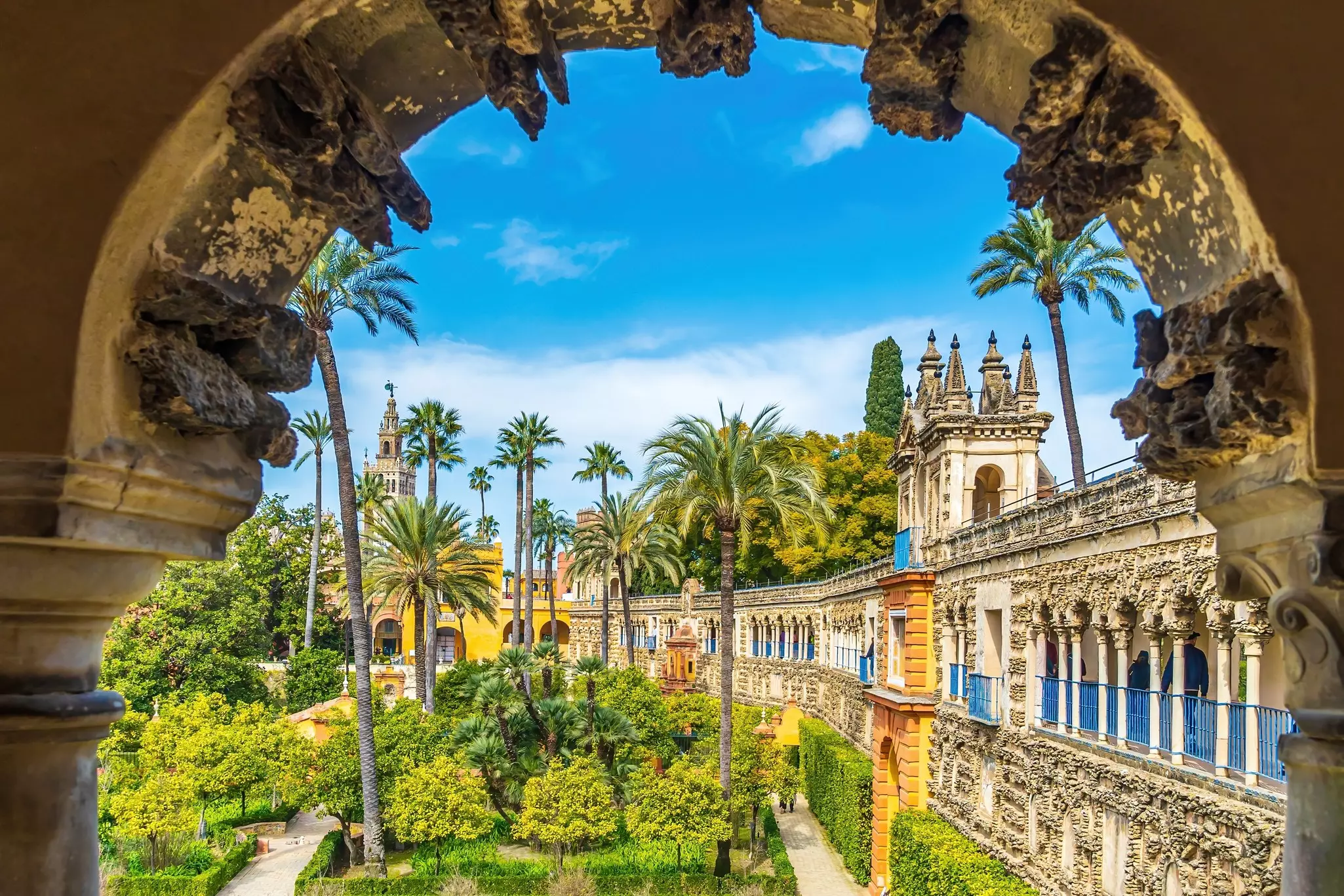
One of the finest historic palaces in Europe can be found in the heart of Seville’s Barrio Santa Cruz. Started in the 10th century by the Moors, then later occupied and enlarged by the Spanish monarchs, the Real Alcázar is a sprawling complex of elegant palaces, fountain-filled patios and regal quarters, which back onto a lavish garden oasis. The Palacio de Don Pedro, with its gold-tiled dome ceiling and exquisite geometric plasterwork designs is a highlight. A visit to the Real Alcázar, is excellent for famlies and also a chance to escape the crowds. Look for peacocks amid a maze of myrtle, marvel at an artesonado (decorative wooden ceilings) in one of the many side rooms and take a seat in a shaded patio as a fountain gently burbles nearby.
Planning tip: Buy your tickets in advance from the official website. Entry is by allotted time only and tickets frequently sell out days in advance. Once inside the palace, stay as long as you wish until closing. The earliest entry time is 9:30am. This also happens to be the most popular ticket, because it gives you access to the Real Alcázar with fewer crowds.
Flamenco is a key part of the Andalucian experience, and a great opportunity for visitors of all ages to experience local tradition. Rich in melody and emotion, flamenco isn’t just a style of music. It's a feeling, a lament through time, often in an intimate space where the nuances can really translate. These shared moments between the performers and the audience can often be intense and deeply moving.
Flamenco has four constituent parts: The toque (guitar) and the jaleo (crucial to the rhythm) form the musical foundation, on which the cante (song) and the baile (dance) are built. Palmas, the distinctive style of clapping, forms a part of the jaleo. Learn more about flamenco at the Museo del Baile Flamenco. Take it one step further at the Taller Flamenco, where one-off classes and longer courses in flamenco guitar, clapping or singing can be taken with local experts.
Planning tip: There are at least a dozen theaters, known as tablaos, in Seville that hold nightly shows. And you might even catch an impromptu performance at many more spots around Seville, such as La Carbonería tavern. These shows are a perfect way to kick off a night out.
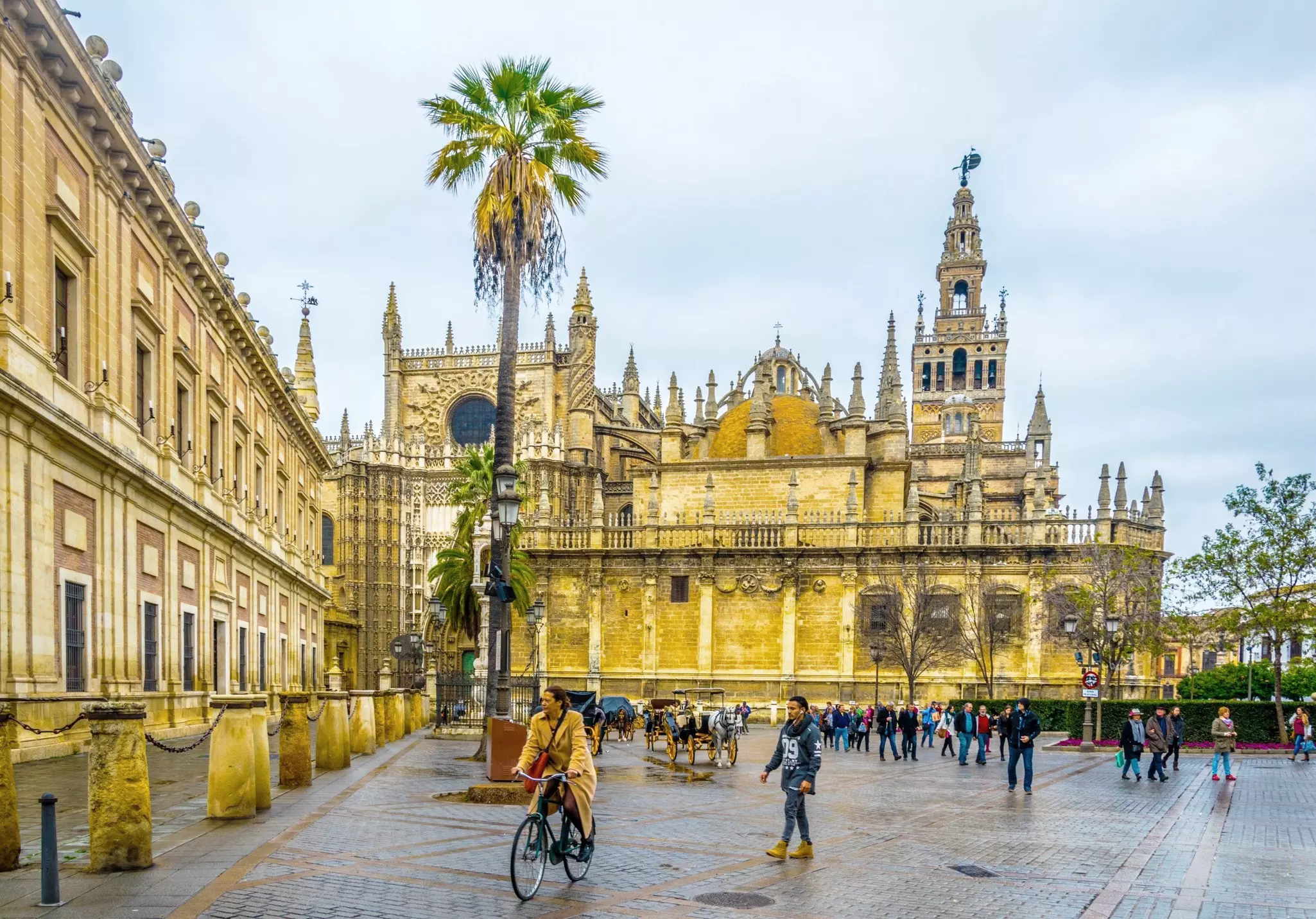
The Catedral de Sevilla is often touted as the world’s largest Gothic cathedral. Indeed, Catedral de Santa María de la Sede, as it’s officially known, is one of those spaces that inspires great awe in all who enter. Lavish Gothic and baroque ornamentation, the Giralda bell tower, artworks by Goya and Zurbarán, and an intricate gold leaf-covered retablo (ornamental board, often behind an altar) all command the attention. So much so that one sight within sometimes goes unnoticed. A carved catafalque (coffin) carried by four stout figures contains the tomb of Christopher Columbus. His interred remains were verified by DNA testing in 2006.
Planning tip: Climb the 35 ramps which ascend almost 100m (328ft) to the top of La Giralda tower in the morning when it’s cooler and there are fewer visitors. The views of Seville from the top are magnificent.

Stay connected abroad with an eSIM
Holafly eSIM provides unlimited mobile data with no hidden fees, giving you peace of mind wherever you travel. Stay connected even after your plan ends with Always On. Use code LONELYPLANET for an exclusive discount.
Lonely Planet may earn a commission from affiliate links on our site. All recommendations and reviews reflect our own independent opinions.
One of Seville’s more unusual features is the Metropol Parasol, a giant wooden lattice structure in the heart of Centro. Built in 2011, it soon developed the affectionate moniker Las Setas (the Mushrooms). The structure towers over much of the surrounding city and it’s possible to access a meandering walkway at the top via a lift. Purchase tickets in the lower concourse beneath the plaza shaded by Las Setas. While there, don’t miss the Antiquarium, a series of Roman ruins and mosaic patios, which were discovered under the plaza during construction of Las Setas.
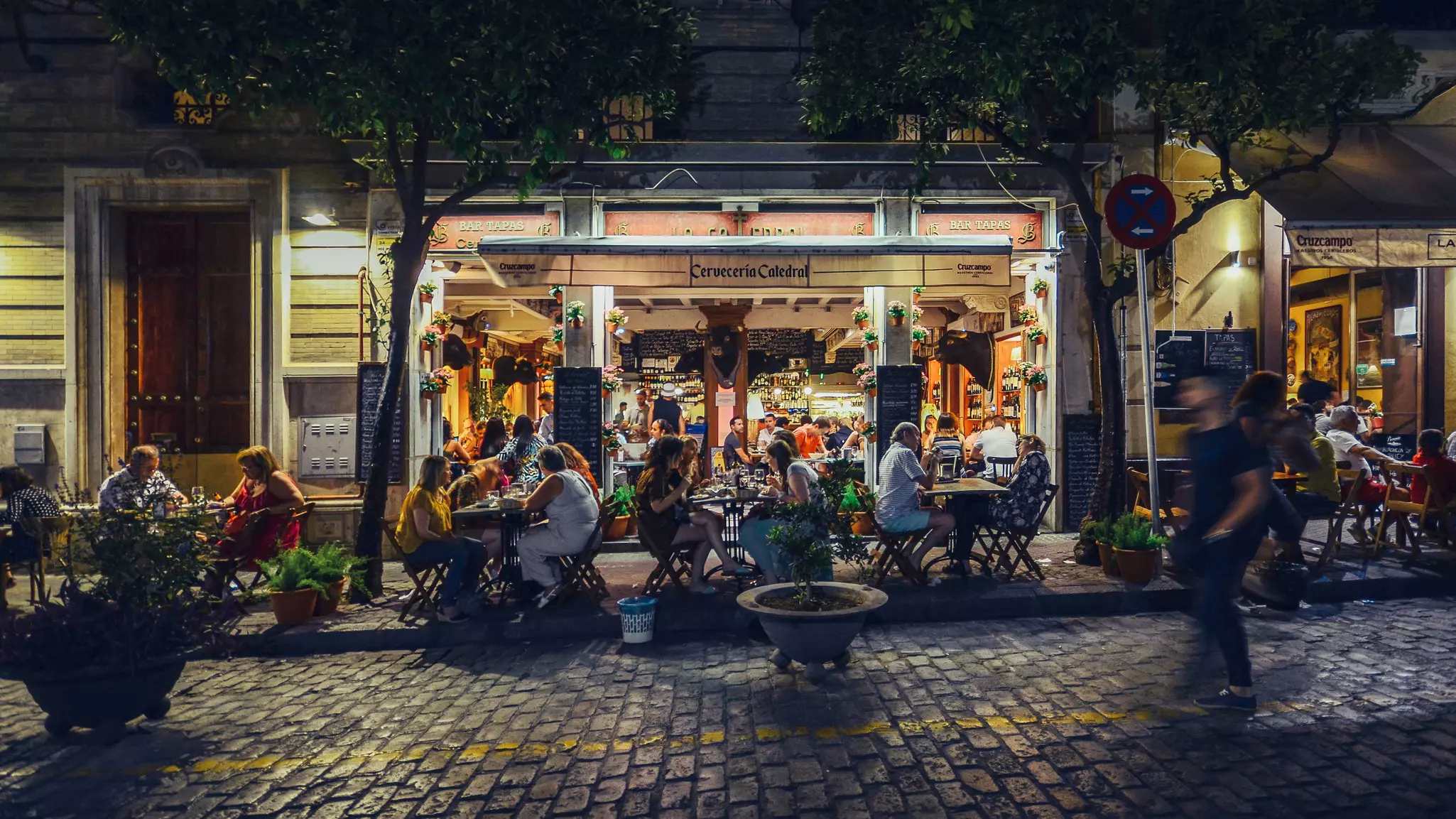
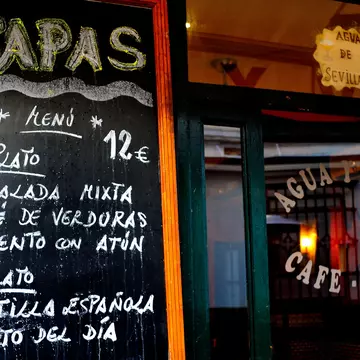
Eating out in Seville is one of the true joys of traveling in the city, particularly for couples and young adults looking for a festive night out. Classic tapas include solomillo al whisky (pork in whisky sauce) and salmorejo (a type of gazpacho made with tomatoes, bread and garlic), topped with ham and egg. The nearby Sierra de Aracena is known for its acorn-fed black pigs, which produce the celebrated jamón ibérico de bellota. Many tapas bars in the streets around the cathedral serve up these regional specialities along with a fascinating history of their own. Try Cervecería Giralda Bar, set inside an old Moorish bathhouse, Casa Morales, known for its albondigas (meatballs), and Antigua Taberna de Las Escobas, a tapas bar in business since 1386.
By Andalucian standards (read: almost impossible to find vegan options), Seville enjoys a progressive culinary scene, with a variety of excellent tapas restaurants for vegetarians (Petra, Taquería La Lupe, Levies) and vegans (Veganí, Vegan Rock).
Christopher Columbus set sail on his first voyage to the Americas in 1492. The 500-year anniversary was marked in Seville with Expo ’92, themed around "The Age of Discovery" and held on La Cartuja island. In the decades since, many of the pavilions were transformed or torn down, but some fascinating remnants include a replica of the Ariane 4 space rocket, a satellite, a giant globe called the Esfera Bioclimática, and a large Olmec-style stone head from the Pabellón de México. It makes for a fun and photogenic spot of urban exploration – especially with children in tow.
Planning tip: Rent a bicycle from one of the hundreds of Sevici docking stations or an e-scooter from Lime to reach La Cartuja faster. Use the network of green cycle lanes along the main roads to ensure a safer journey.
Kayak or SUP on the River Guadalquivir with a host of companies such as Kayak Sevilla and Paddle Surf Sevilla. Shipping has largely gone from here these days but, while you float along, consider how this was the principal staging ground for expeditions to the New World in the 16th and 17th centuries. Ships loaded with Conquistadors and supplies would leave the quays along the banks of the river and return loaded with the loot, namely gold and silver, lifted from the Americas. The result was the rapid growth of a wealthy mercantile class who turned much of that wealth into the city’s ubiquitous baroque buildings and churches, richly adorned with lavish architecture and artworks that still constitute many of the city’s top sights.
You can also rent rowing boats in Plaza de España to paddle along the D-shaped waterway that is enfolded by the C-shaped neo-Mudéjar building. This is a great way to keep antsy children moving and see the city from a new vantage point.
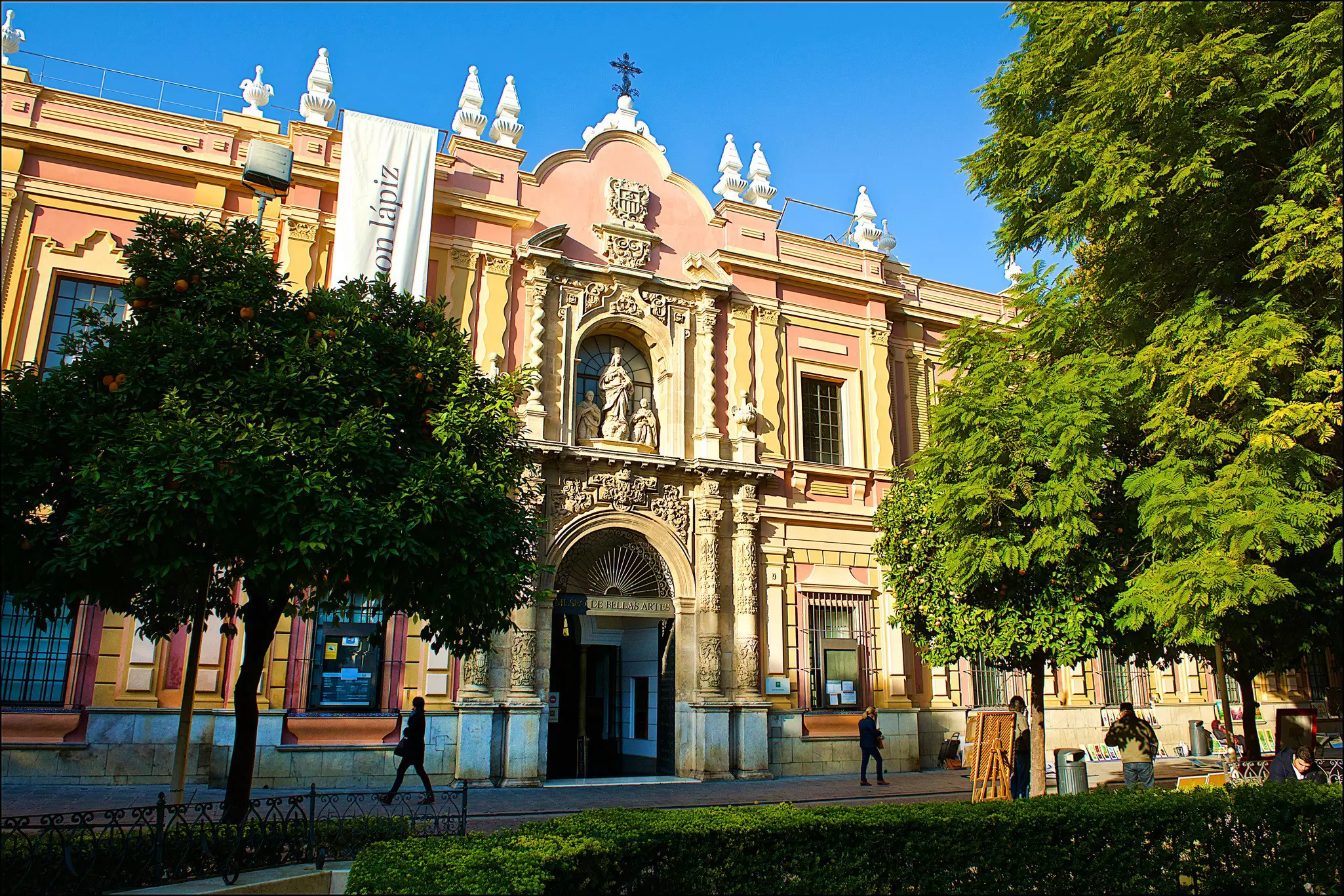
During the period known as Seville’s Golden Age during the 16th and 17th centuries, baroque art and architecture reached a new level of lavishness. Works by homegrown artists such as Bartolomé Esteban Murillo and Diego Velázquez can be found all over Seville, including at the Hospital de los Venerables Sacerdotes and the cathedral. The largest collection is housed in the Museo de Bellas Artes, alongside works of other greats such as El Greco and Goya.
Roman columns mark the ends of the 370m-long (1214ft) Alameda de Hércules, which is Seville’s premium nightlife hub. All manner of hangouts can be found in this zone, from the quirky 1987 Bar, where everything from the music to the framed memorabilia hails from the 1980s, to suave jazz performances at Gallo Rojo. The area is also the hub of the city's LGBTIQ+ scene, with plenty of great spots such as Alameda Ritual Club. Increasingly, the coolest bars are being priced out of the Alameda de Hércules and popping up along the nearby Calle Feria.
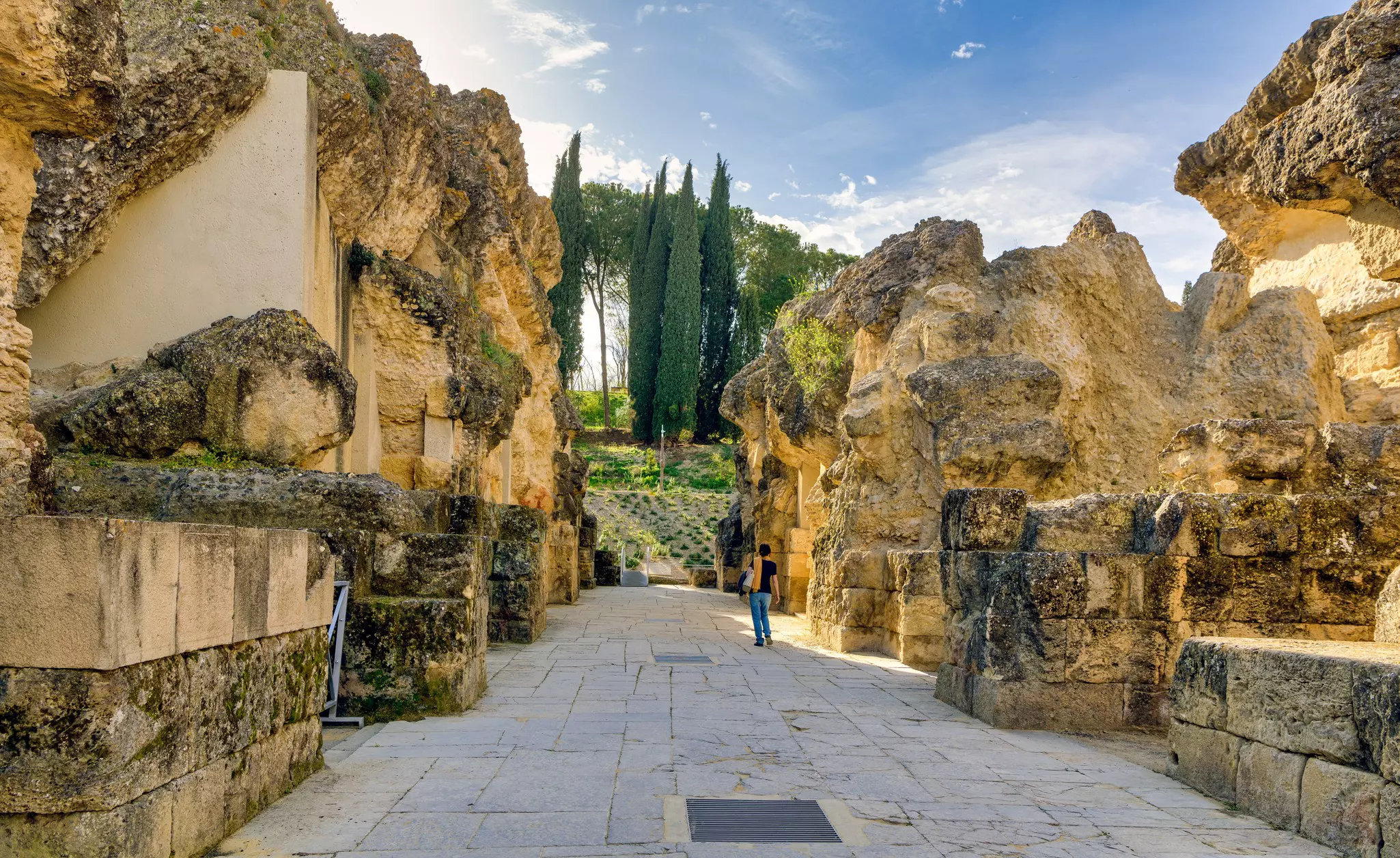
Located northwest of downtown Seville and accessible by bus, is the ruined Roman city of Itálica. Two Roman emperors – Hadrian and Trajan – were born in the city, whose ruins feature a remarkable set of mosaic floors. But the highlight of the site is the vast 25,000-seat amphitheater, where well-preserved corridors and crumbling stands still inflame the imagination.
Planning tip: Bus M170 (A or B) departs hourly from the Plaza de Armas bus station, stopping near the front gate of the Itálica ruins. The journey takes around 40 minutes.
Gothic, Mudéjar, Mannerist, there are many fine examples of different architectural movements laced throughout Seville’s cityscape. But it is baroque architecture for which the city really stands out. Mostly created and funded during Seville’s Golden Age, the finest examples can be found in churches such as the Iglesia Colegial del Divino Salvador. Here, extravagant altarpieces, layered in gold leaf, stretch to the domed ceiling. For a glimpse of a baroque church without the crowds, try the Parroquia de Santa María Magdalena or the Hospital de la Caridad.
Planning tip: If you also plan to visit the cathedral and La Giralda, save money by buying a combined entry ticket that includes Iglesia Colegial del Divino Salvador.
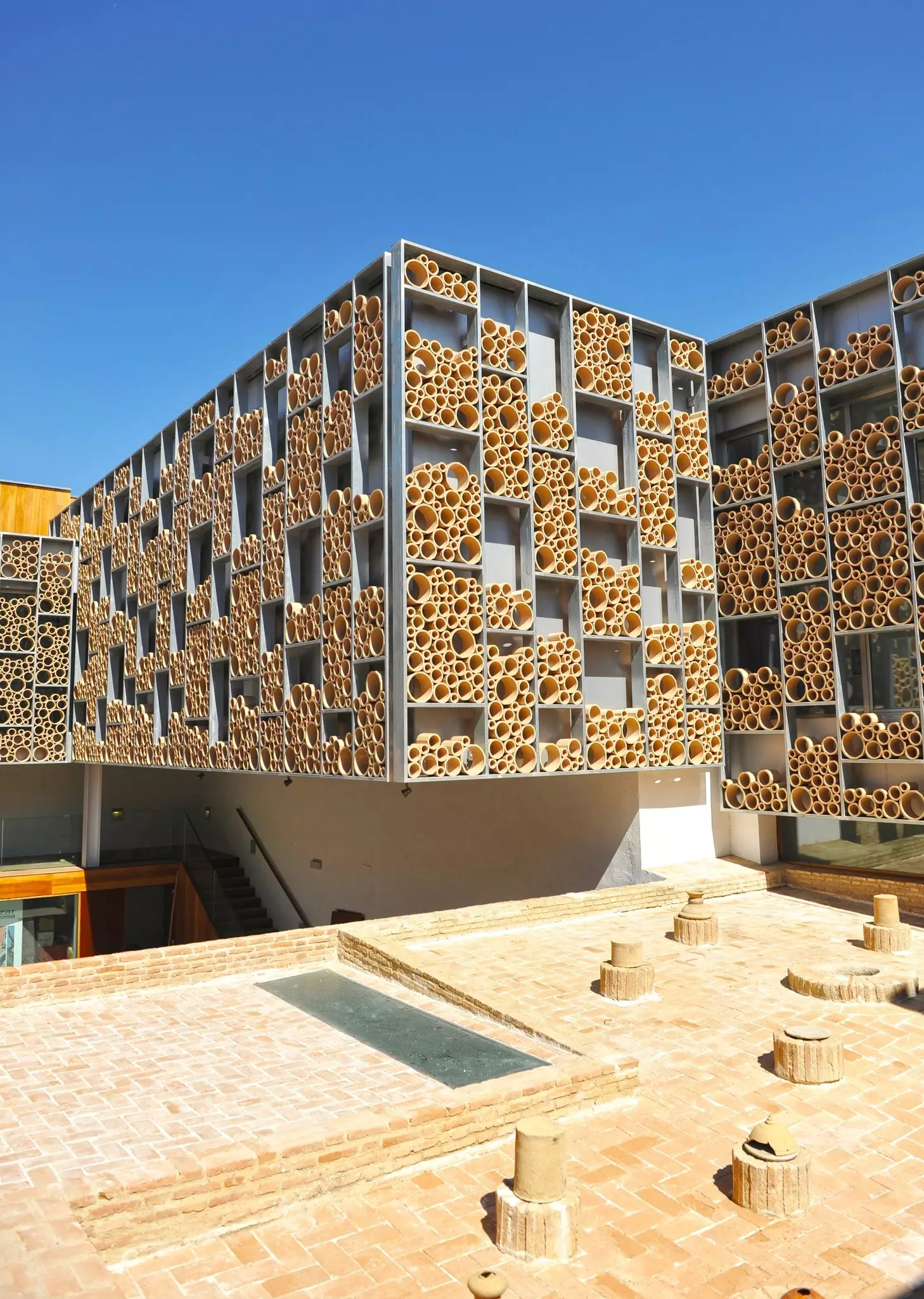
Long ago, Triana was a neighborhood devoted to one thing: ceramics. Many of the locals worked in the various potteries and factories where the city’s famed azulejos (tin-glazed ceramic tiles) were manufactured. While pottery was made locally at least since Roman times, when clay from the riverbanks was used, it was in the 19th and early 20th centuries that the commercial enterprise was at its largest. Today, all the factories are closed, but one was converted into the Centro Cerámica Triana, where you can discover some of the finest tiles, plus the evolution of design sensibilities through the ages.
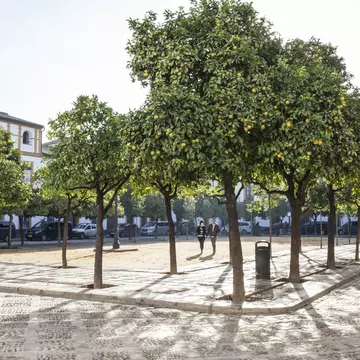
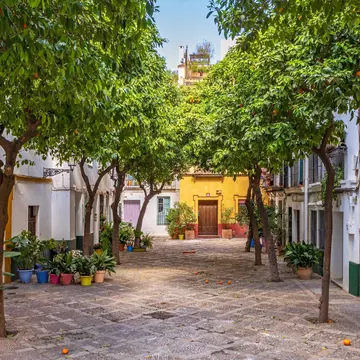
One of the best experiences offered by Seville is free and open to everybody: its historic neighborhood streets. Barrio Santa Cruz, in particular, is a warren of narrow cobblestone lanes, leading to orange tree-shaded plazas. Occasionally you’ll meet a stretch of the old city wall, marking the edge of the Real Alcázar, or come across the Baroque finery of a 16th-century church, before another alley beckons you onwards. The joy is in getting lost – you’ll always find a major landmark to set you back on track. The infrequent rain, even in winter, makes this fun any time of year.
Planning tip: The old town of Seville is known as the Casco Viejo. It is formed of many smaller neighborhoods pierced by very few main roads. Chances are, if you reach a main road with more than one lane on either side, you’ve reached the edge of Casco Viejo.
Spain’s religious fervor doesn’t get any more intense than when the bones of its most devoted practitioners are baked right into the church’s design. The Jesuits were considered extreme even by Spanish 18th-century Inquisition standards, and were expelled from Spain in 1767. But they left behind a work of incredible beauty in the Iglesia de San Luis de los Franceses. Look closely at the church’s ornately carved four altarpieces and you will notice something rather familiar: human bones. These macabre reliquaries, dressed in flowers, are said to belong to saints and monks.
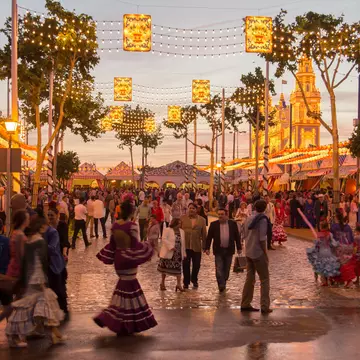
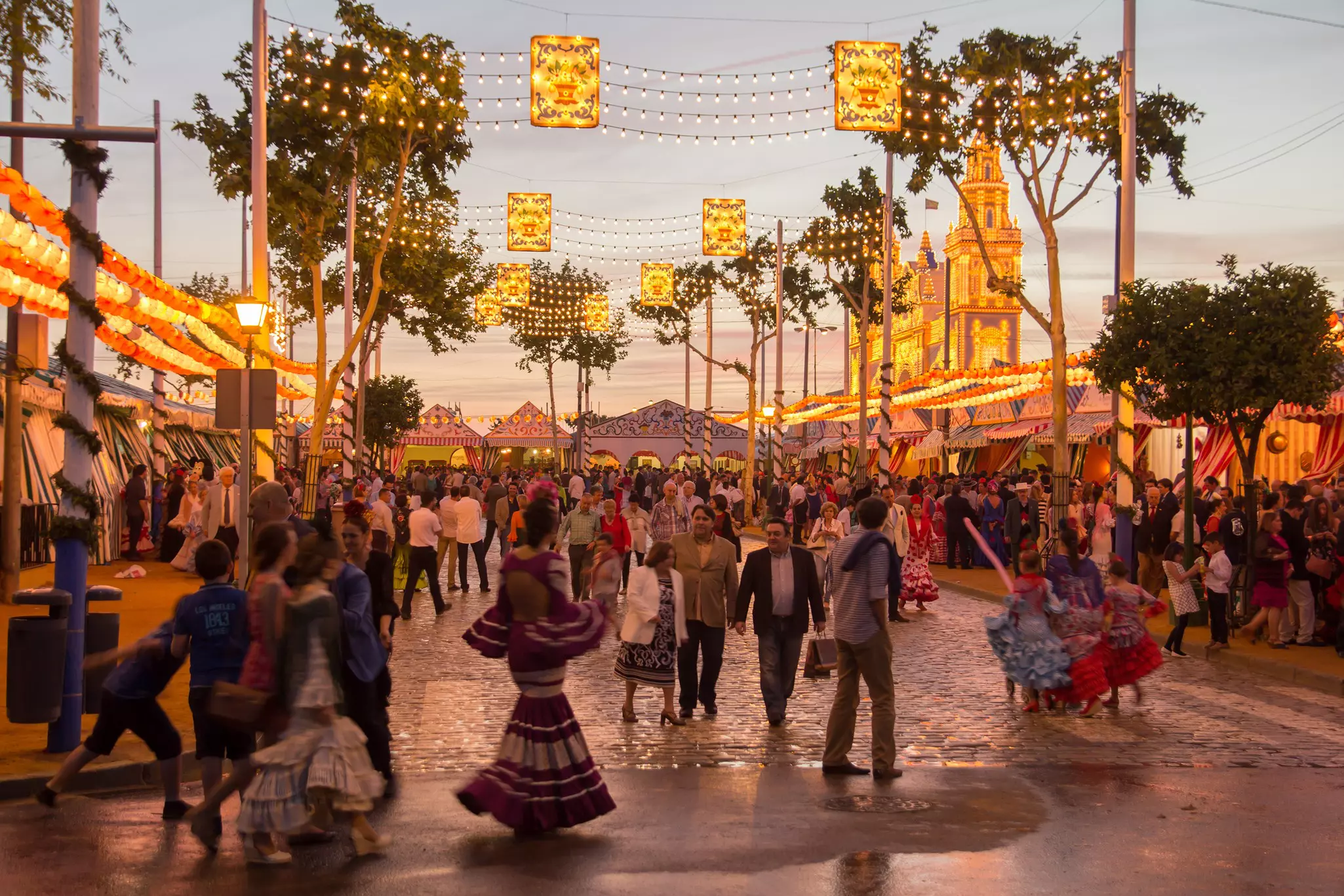
If you want to experience Seville at its gaudiest and most upbeat, plan your trip to coincide with one of the major annual springtime festivals that transform the city. Celebrations begin at Easter with Holy Week (Semana Santa), which sees the scores of religious fraternities parade floats through the streets dressed in their distinctive conical hats. Two weeks later, the Feria de Abril puts Andalucian food and culture in the limelight. Needless to say, both festivals offer a chance to see a fresh face of the city, but it’s wise to book your accommodations well in advance.
Explore related stories