Madrid
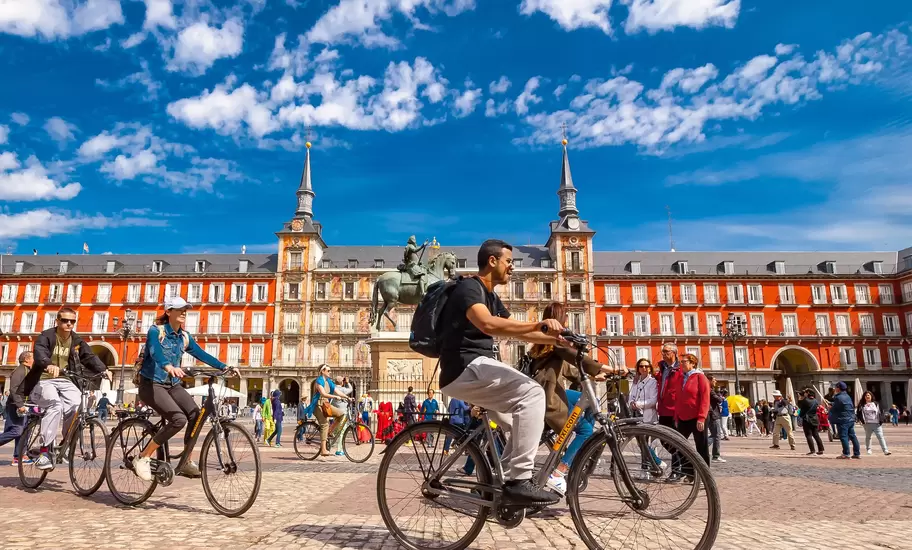
Madrid has excellent art museums, phenomenal food, enormous parks and Europe’s largest palace, but its inclusive atmosphere is what really makes the city soar.
Getty Images
Latest Stories
- Natalia Diaz | Oct 22, 2026Why Madrid Deserves More Than a Weekend
- Natalia Diaz | Oct 7, 2026Where to Stay in Madrid
- Natalia Diaz | Oct 2, 202612 Top Things to Do in Madrid
- Felicity Hughes | Aug 6, 20263 Days in Madrid, Spain
Book
Trip 
App

Book your Spain trip with Lonely Planet Journeys
See Spain how it's meant to be seen
Accommodations, activities and ground transportation all taken care of, so you can focus on the fun part. Tell us what your dream trip to Spain looks like, and our local experts will build it from scratch. Or start with one of our itineraries and make it your own.
Top places to visit in Madrid
Discover the best attractions in Madrid from must-see sights to unexpected hidden gems.
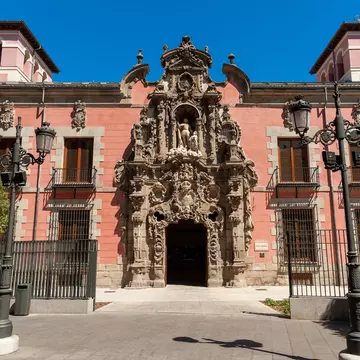
- Attraction in MadridMuseo de Historia de Madrid
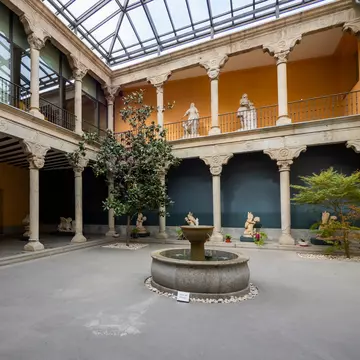
- Attraction in MadridMuseo del Prado
- Attraction in La Latina & LavapiésMuseo de San Isidro
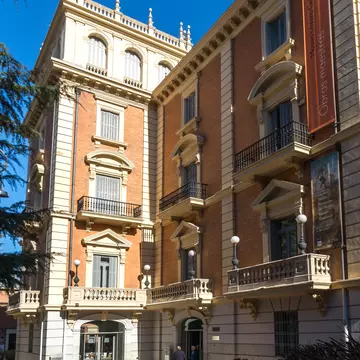
- Attraction in SalamancaMuseo Lázaro Galdiano
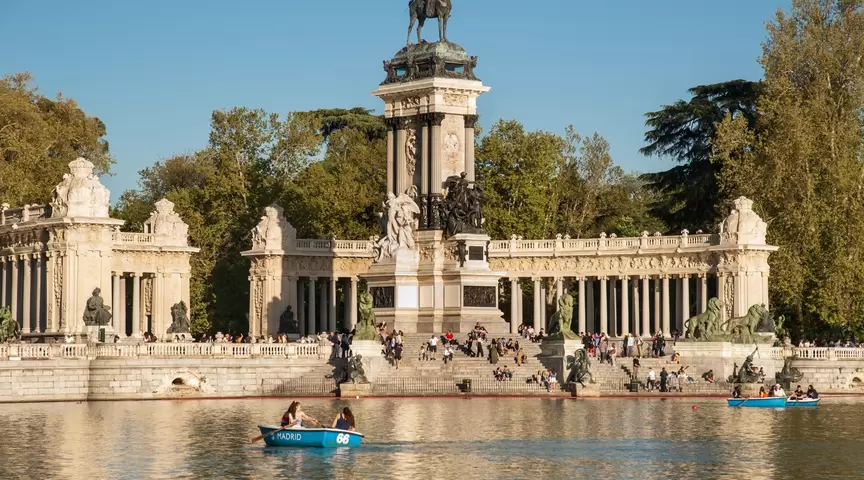
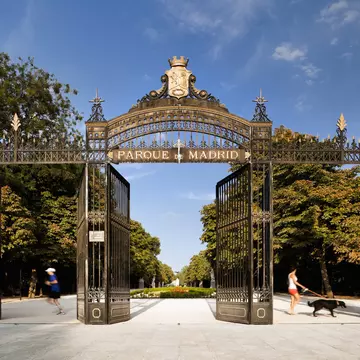
- Attraction in MadridParque del Buen Retiro
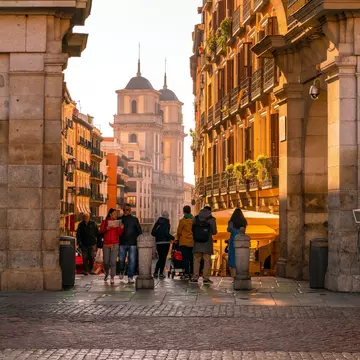
- Attraction in MadridPlaza Mayor
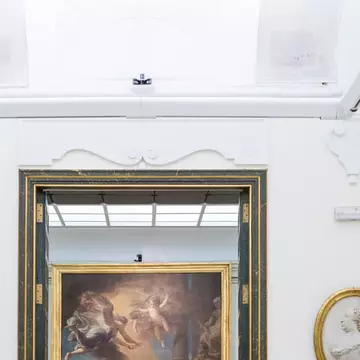
- Attraction in MadridReal Academia de Bellas Artes de San Fernando
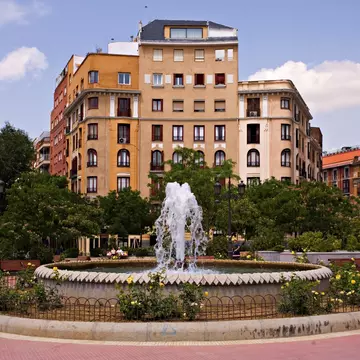
- Attraction in MadridPlaza de Olavide

Travel Guides
Madrid travel tips from Lonely Planet experts
Find practical guidance from our team of contributors around the world who bring their decades of first-hand travel experience to your next trip.
Best Things to Do
Madrid is crammed with big-hitter sights, tasty tapas, fun-filled bars and fabulous art. Plan your trip around these 12 top things to do in Madrid.
Read full article
Best Time to Visit
There’s something going all year long in Madrid. Here’s when to visit for the best weather, the top festivals and the fewest crowds.
Read full article
Things to Know
Explore Madrid leaning on the knowledge you'll only get from a trusted local with these excellent tips on safety, ettiquette and more.
Read full article
Transportation
An efficient subway, an organized bus network, high-speed trains and ubiquitous electric bikes make navigating commuter-friendly Madrid a breeze.
Read full article
Free Things to Do
The Spanish capital is a city of fine food and rich culture, but costs can mount up quickly. Here's our guide to the best free things to do in Madrid.
Read full article
Best Neighborhoods
Authorities in Madrid are hoping to bring a bumper of greening benefits to the Spanish capital by building Europe's largest metropolitan forest in the…
Read full article
Day Trips
After you've soaked up all Madrid offers, use it as a jumping-off point for some wonderful day trips, from Roman ruins to stunning Spanish villages.
Read full article
Money and Costs
Make the most of your trip to the Spanish capital with these savvy spending tips.
Read full article
Traveling with Kids
With amusement parks, playgrounds and a laid-back dining culture, Madrid is a family-friendly holiday destination.
Read full article
Spending Diaries
How to book accommodation, take in museums and eat very well in the Spanish capital for under €500.
Read full article
Get a book. Get inspired. Get exploring.


in partnership with getyourguide
Book popular activities in Madrid
Lonely Planet may earn a commission from affiliate links on our site. All recommendations and reviews reflect our own independent opinions.
Madrid and beyond
-
 destinationLa Latina & Lavapiés
 - destinationSalamanca
- destinationChueca