Lisbon
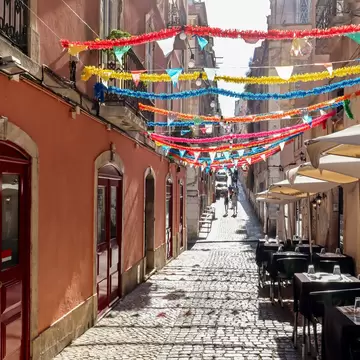
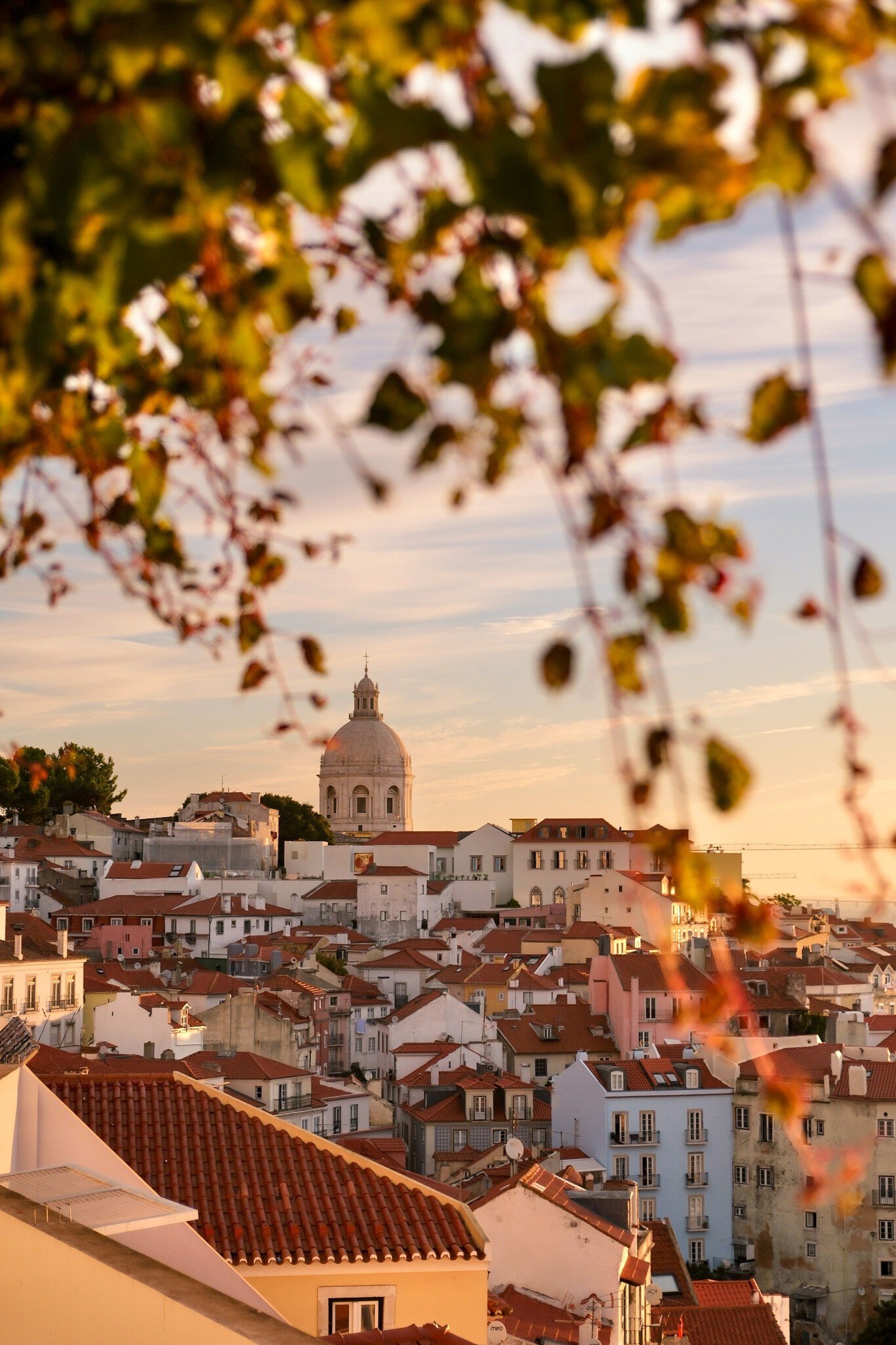
Seven cinematic hillsides overlooking the Rio Tejo cradle Lisbon's postcard-perfect panorama of cobbled alleyways, ancient ruins and white-domed cathedrals, a captivating scene crafted over centuries.
Liling Xia Ju/Shutterstock
Latest Stories
- Francesca Specter | Aug 6, 2026Lisbon's Best Secret Nightlife Spots
- Daniel James Clarke | Jun 17, 2026The Ultimate 3 Days in Lisbon
- Sandra Henriques | Feb 24, 2026A Guide to Lisbon’s Neighborhoods
- Sandra Henriques | Feb 21, 2026Getting Around Lisbon by Tram, Metro, Bus and More
Book
Trip 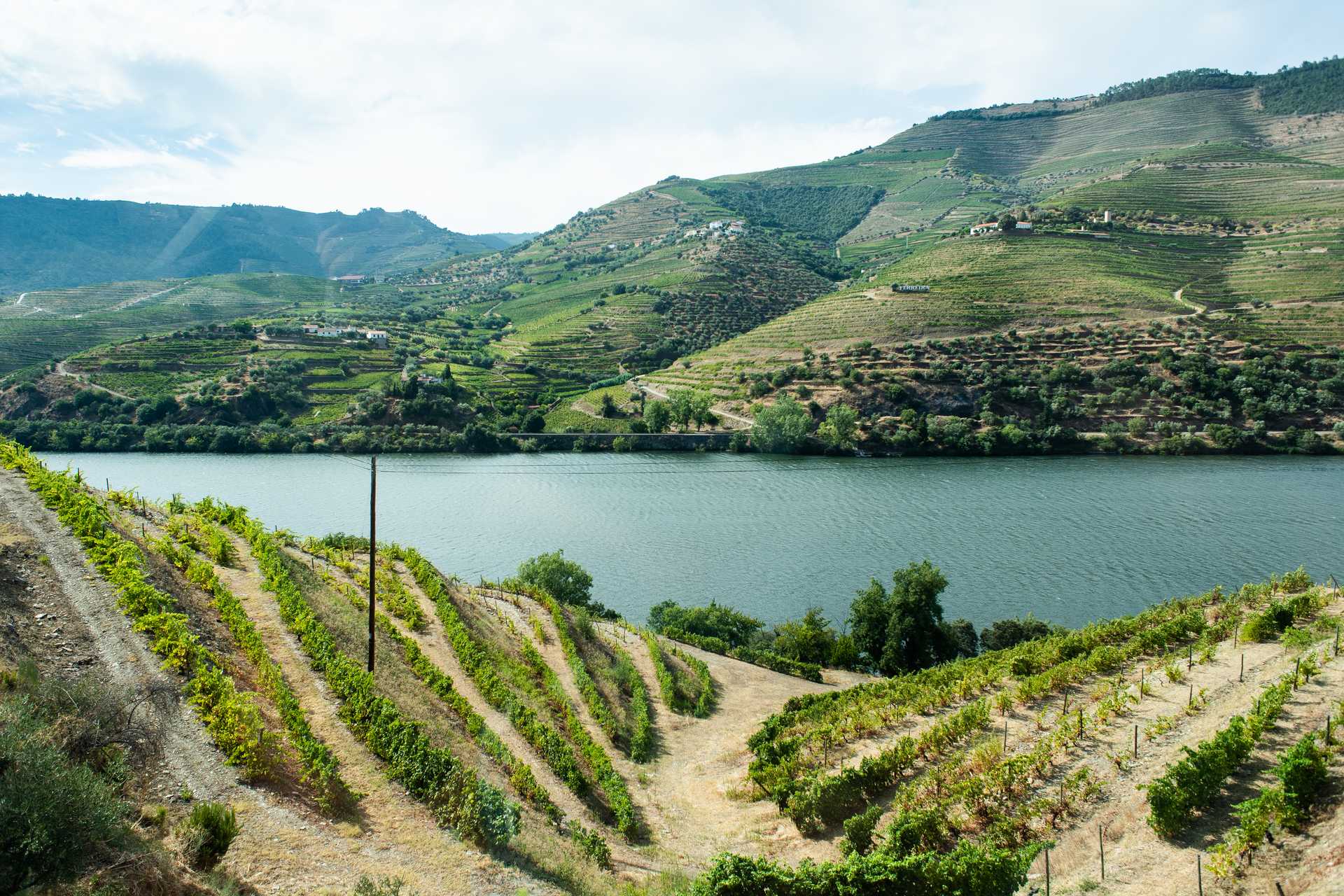
App

Book your Portugal trip with Lonely Planet Journeys
See Portugal how it's meant to be seen
Accommodations, activities and ground transportation all taken care of, so you can focus on the fun part. Tell us what your dream trip to Portugal looks like, and our local experts will build it from scratch. Or start with one of our itineraries and make it your own.


Top places to visit in Lisbon
Discover the best attractions in Lisbon from must-see sights to unexpected hidden gems.
- Attraction in BelémMosteiro dos Jerónimos
- Attraction in BelémPalácio Nacional da Ajuda
-
 Attraction in LisbonCentro de Arte Moderna
 - Attraction in LisbonFundação Calouste Gulbenkian
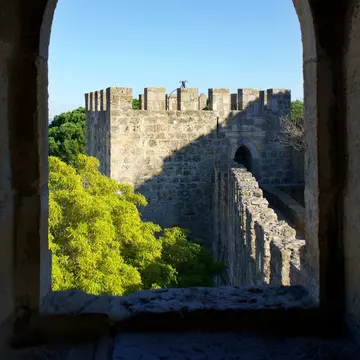
- Attraction in Alfama, Castelo & GraçaCastelo de São Jorge
- Attraction in LisbonLisboa Story Centre
- Attraction in Alfama, Castelo & GraçaMuseu do Teatro Romano
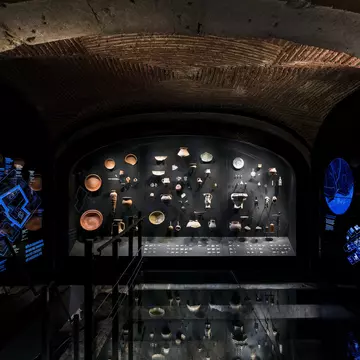
- Attraction in LisbonNúcleo Arqueológico da Rua dos Correeiros




Travel Guides
Lisbon travel tips from Lonely Planet experts
Find practical guidance from our team of contributors around the world who bring their decades of first-hand travel experience to your next trip.
Best Things to Do
Lisbon has the oldest bookstore in the world and many of the best. Here are seven literary highlights.
Read full article
Best Time to Visit
The Portuguese capital is stunning in summer, balmy in spring and fall, and calm in winter. Let us help you choose the best time to visit Lisbon.
Read full article
Transportation
Navigating hilly Lisbon is easy with this guide to getting around.
Read full article
Free Things to Do
Viewpoints, street art, architecture and gardens: there's plenty to experience for free in Lisbon.
Read full article
Best Neighborhoods
Lisbon’s oldest neighborhood, evocative Alfama draws countless visitors for good reason. Here are tips on lodging, dining, transportation and more.
Read full article
Day Trips
Add a few days to a Lisbon itinerary to set out on a some incredible day trips, from surfing and romantic hill towns to emerging art spots and heritage sites.
Read full article
5 Shops
These five retailers blend modern style with artisanal quality. And you’ll find them only in Lisbon.
Read full article
Get a book. Get inspired. Get exploring.

in partnership with getyourguide
Book popular activities in Lisbon
Lonely Planet may earn a commission from affiliate links on our site. All recommendations and reviews reflect our own independent opinions.
Lisbon and beyond
- destinationBairro Alto, Chiado & Cais do Sodré
-
 destinationAlfama, Castelo & Graça
 - destinationPríncipe Real, Santos & Estrela
- destinationBelém