Feb 12, 202610 min read
The 14 Best Things to Do in Kraków, PolandFeb 12, 2026
10 MIN READ

Writer
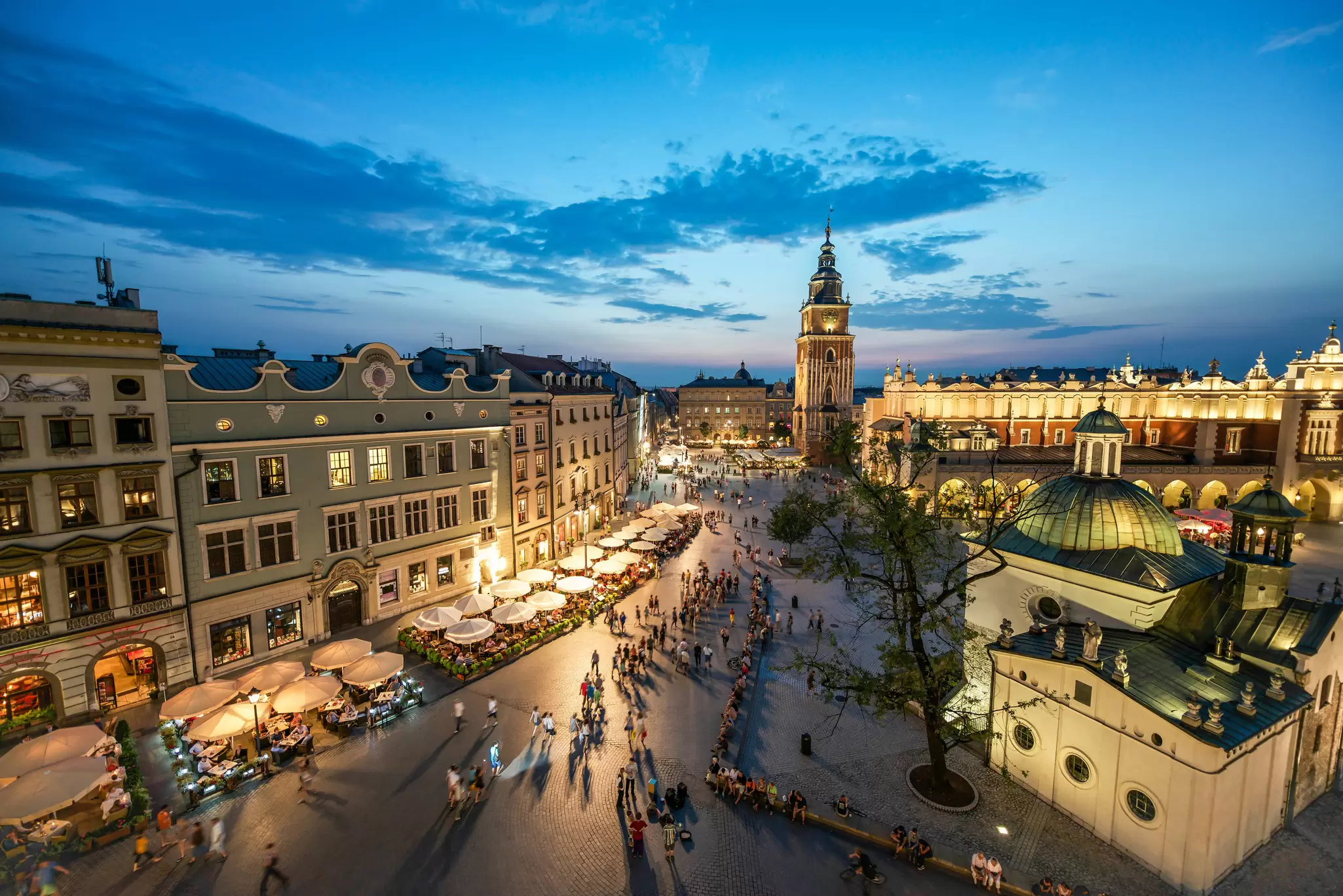
Kraków Market Square. Mark and Anna Photography/Shutterstock
Writer
Highlights
Writer Anna Kaminski rounds up 14 Kraków experiences, from Wawel Castle to Wieliczka.
Visit Wawel Royal Castle's crown jewels, then delve into Rynek Underground's medieval market.
For WWII history, visit Auschwitz-Birkenau, Jewish Kazimierz and Schindler's Factory museum.
Cool off at Zakrzówek, a turquoise lagoon just a short tram ride from Old Town.
Lonely Planet may earn a commission from affiliate links on our site. All recommendations and reviews reflect our own independent opinions.
Kraków seamlessly switches between the historic and the cosmopolitan, the past and the present.
Crowds throng the age-old Main Market Square (Rynek Główny), while restaurants lining photogenic lanes buzz with 21st-century joie de vivre. The Old Town skyline is spliced by church spires and crowned by the impressive royal castle. Medieval architecture meets up with art nouveau in neighborhoods around the city. And on the streets of the former Jewish quarter, Kazimierz, and at the nearby Auschwitz-Birkenau Memorial and Museum, the sobering evidence of 20th-century tragedy is palpable.
Kraków's must-see attractions of world-class museums and houses of worship share space on visitors' wish lists with simple pleasures, like hearty home-style cooking, late-night sets by local bands at a legendary venue and floating along the Wisła (Vistula River) or in an absurdly scenic swimming pool.
Ready to plan your visit? These are the top things to do in Kraków, whether you're heading here for one day, a long weekend or for longer.
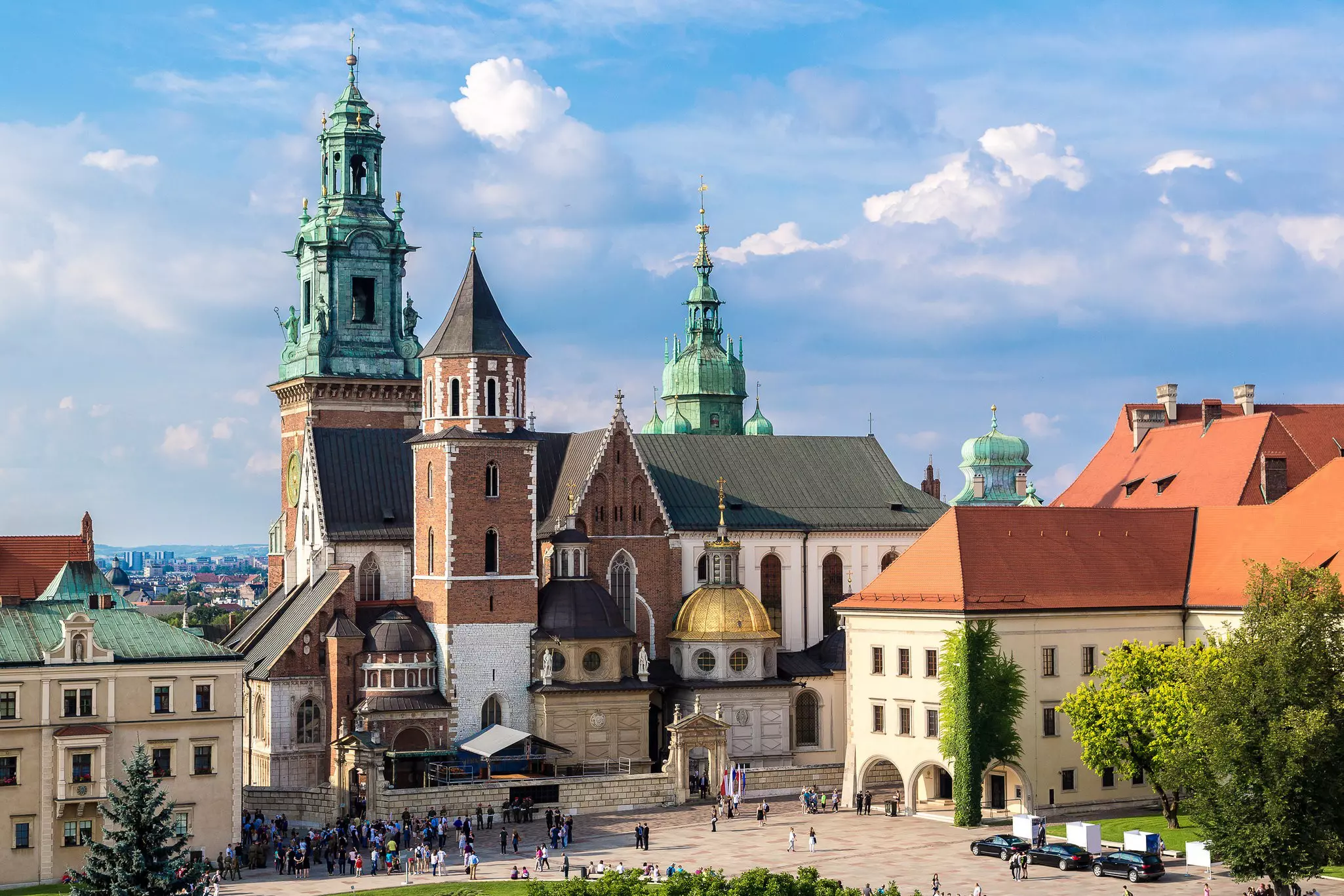
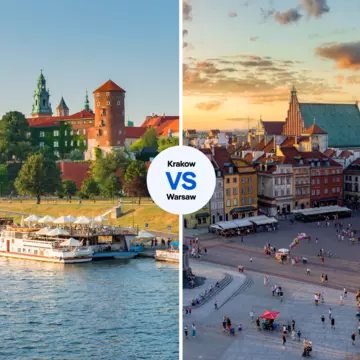
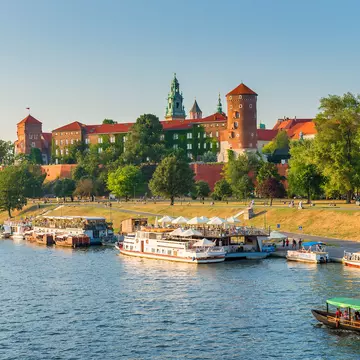
The seat of Polish royalty for centuries, overlooking Old Town from its Wawel Hill perch, is Kraków's most impressive sight – not to mention a national symbol of Poland and a deep source of local pride. Red-roofed, turreted and ringed by a brick wall, this 16th-century Renaissance palace is merely the most recent incarnation: royal residences on the site have come and gone (burned, extended, vandalized by armies) since the 11th century.
Highlights include the 16th-century tapestries and carved wooden heads in the grand state rooms; the private apartments for an intimate glimpse into the monarchs’ lives; the crown jewels; and the Szczerbiec, the jagged sword that played an essential role in Polish coronations from 1320 onward (you’ll find it inside the vaulted Gothic armory).
Give yourself plenty of time to visit the adjoining Wawel Cathedral, where many of Poland’s kings and queens are seeing out eternity in elaborate tombs, alongside bones allegedly belonging to the legendary Wawel dragon.
Planning tip: While walking the grounds is one of the best free things to do in Kraków, it’s a good idea to book tickets for exhibits you want to see at least two weeks ahead due to their enormous popularity.
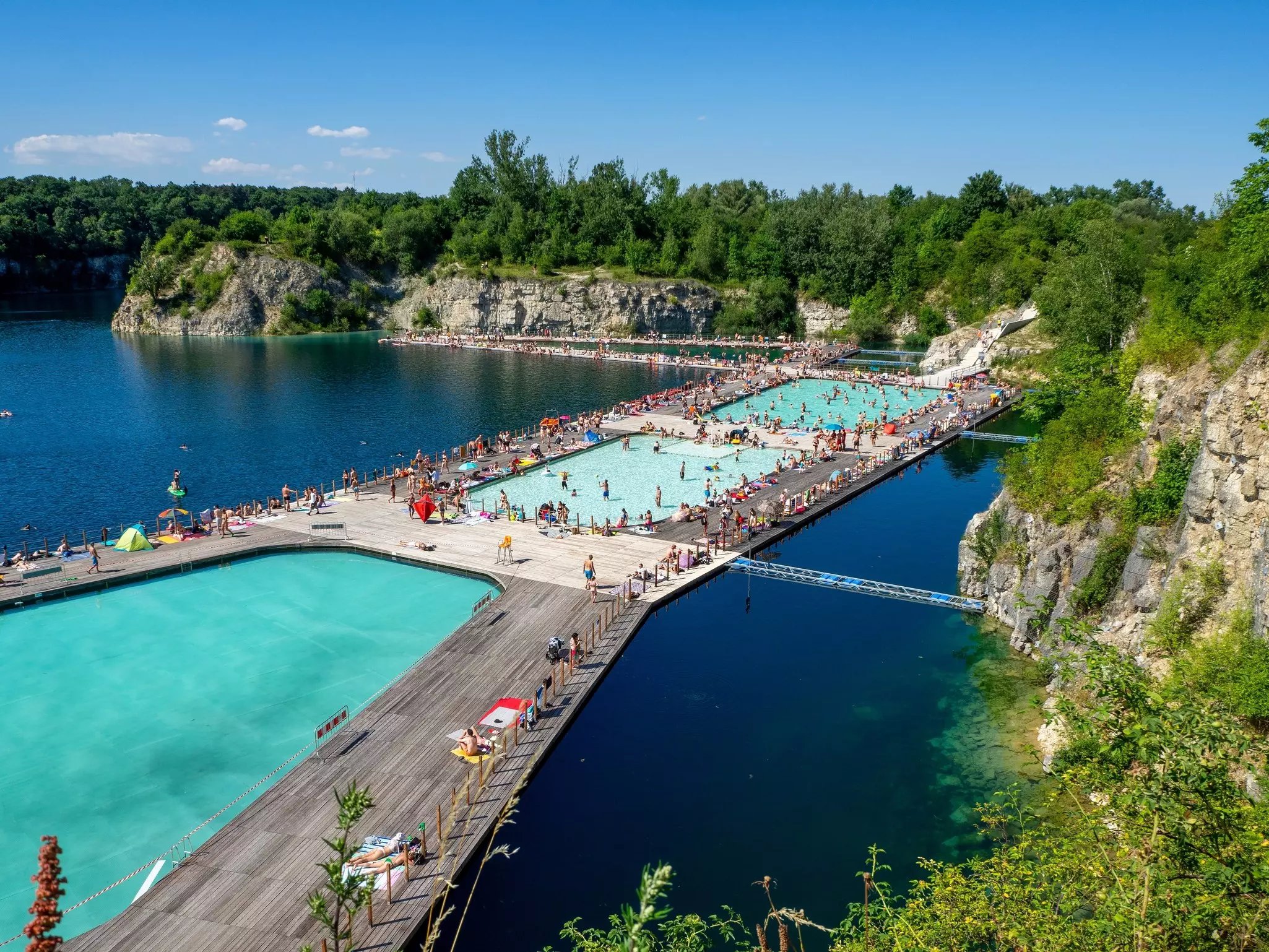
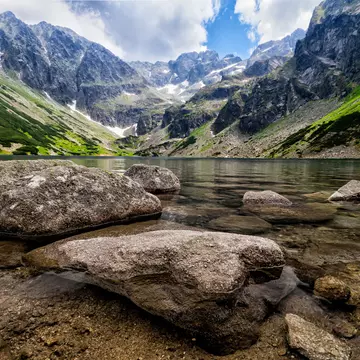
Tall limestone cliffs and dense pine forest surround this lagoon of clear turquoise water, sequestering it far, far away from urban life. Yet this idyllic site is only a short tram ride (on route 1 or 4) from Old Town to Kapelanka.
Once a limestone quarry, it was deliberately flooded in 1990 after falling into disuse and then became a popular swimming and picnicking spot. After a recent overhaul, five swimming pools of varying depths are now enclosed within the lagoon, all connected by wooden docks – fabulous spots to cool down in the summer heat.
Planning tip: This swim spot is free and a top choice for a budget outing.
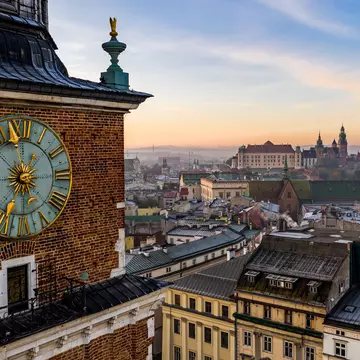
Surrounded by restaurants and overlooked by handsome centuries-old buildings, the Main Market Square is the focal point of Old Town and the largest medieval town square in all of Europe. After you’ve browsed the wares inside the market building, descend to the archeology museum beneath the square (Rynek Underground). Clever multimedia displays, holograms and animated puppets show you medieval market stalls and teach you about vampire-prevention burials.
Planning tip: Buy a timed ticket online in advance or visit on a Tuesday for free entry.
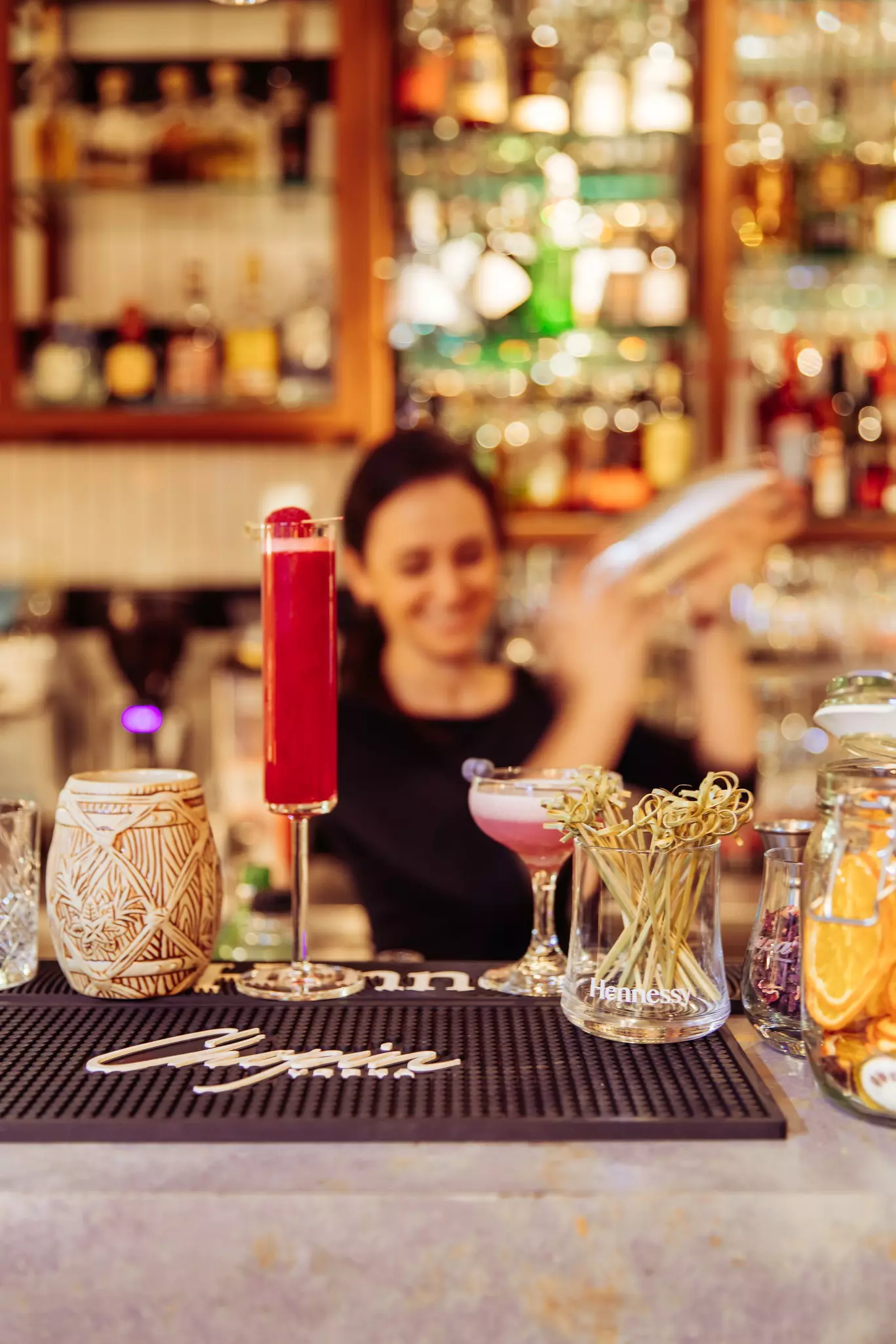
Other cities have speakeasies; Kraków has its “lost bars.” These hidden drinking dens are a recent but fun addition to the nightlife scene. To find one of the best, head to Smakolyki, a restaurant on Floriana Straszewskiego, then find your way to the cloakroom and pass through to a hidden courtyard – and the entrance to Mercy Brown. This Jazz Age–style joint is set with velvet couches, mood lighting and chandeliers. Craft cocktails (gin with jasmine tea cordial, anyone?) and burlesque shows complete the immersive experience.
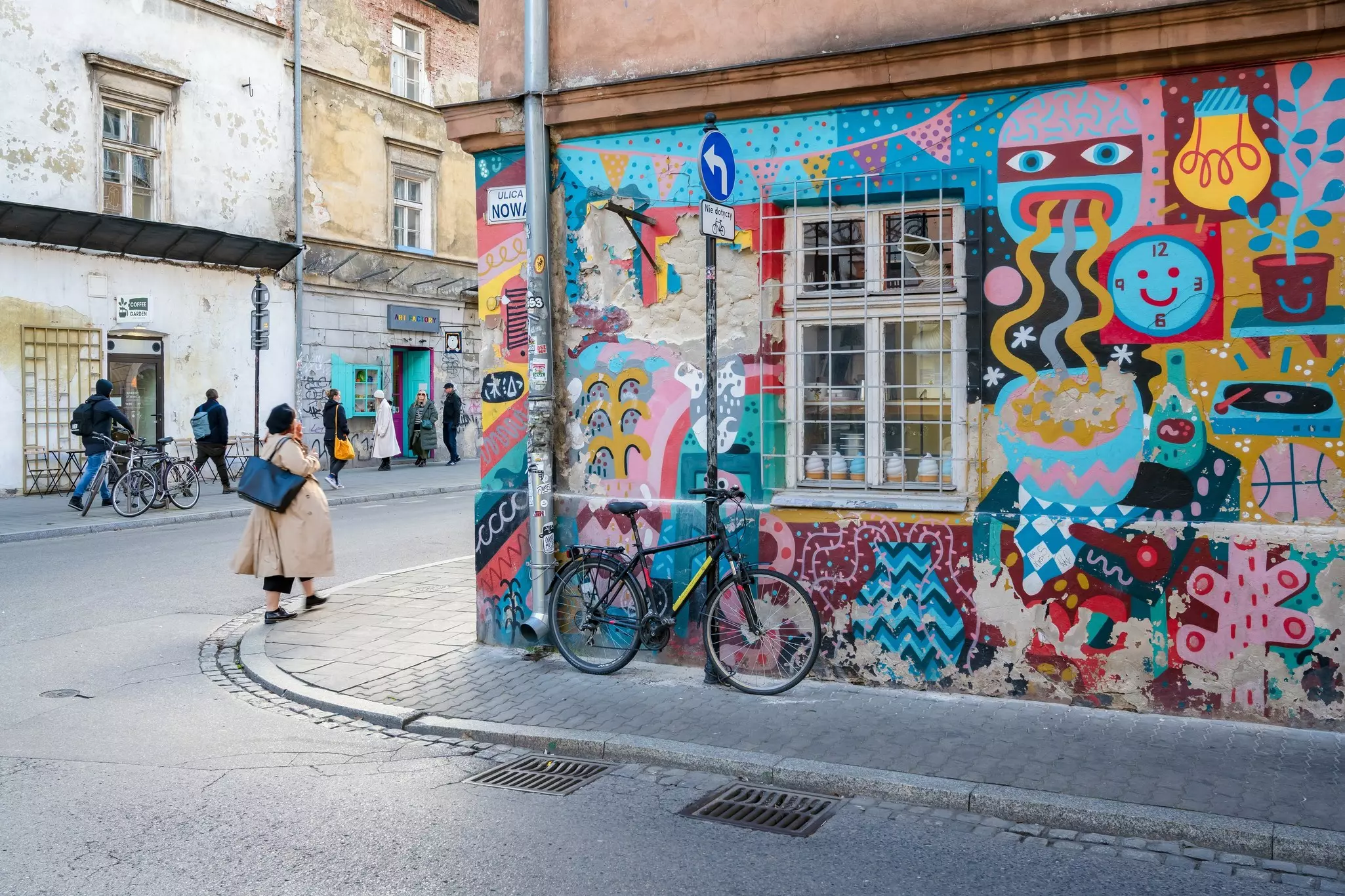
Southeast of Old Town, the Kazimierz neighborhood was Poland’s most important center of Jewish culture for 500 years, until it was emptied by the mass deportation and extermination of Kraków’s Jews by Nazi Germany. Largely rundown during the Communist era, Kazimierz has bounced back in recent years.
Stroll through its streets to get to know its historic sights, from the restored Old Synagogue and a 19th-century Jewish cemetery to the Moorish-style Temple Synagogue and the sobering Galicia Jewish Museum, which traces the history of Jews in Kraków. Browse the flea markets on Plac Nowy on the weekends, or attend a film screening or concert at Cheder during the Jewish Culture Festival.
To see how steelworkers lived in the 1950s, catch tram 4 or 10 from central Kraków to Nowa Huta, a masterpiece of socialist realist urban planning and communist architecture east of the city. If wandering around the identical, uniformly gray apartment blocks isn’t enough of a draw, you can take a tour in a vintage Trabant with Crazy Guides, who’ll bring you down into the old nuclear fallout shelters and ply you with vodka.
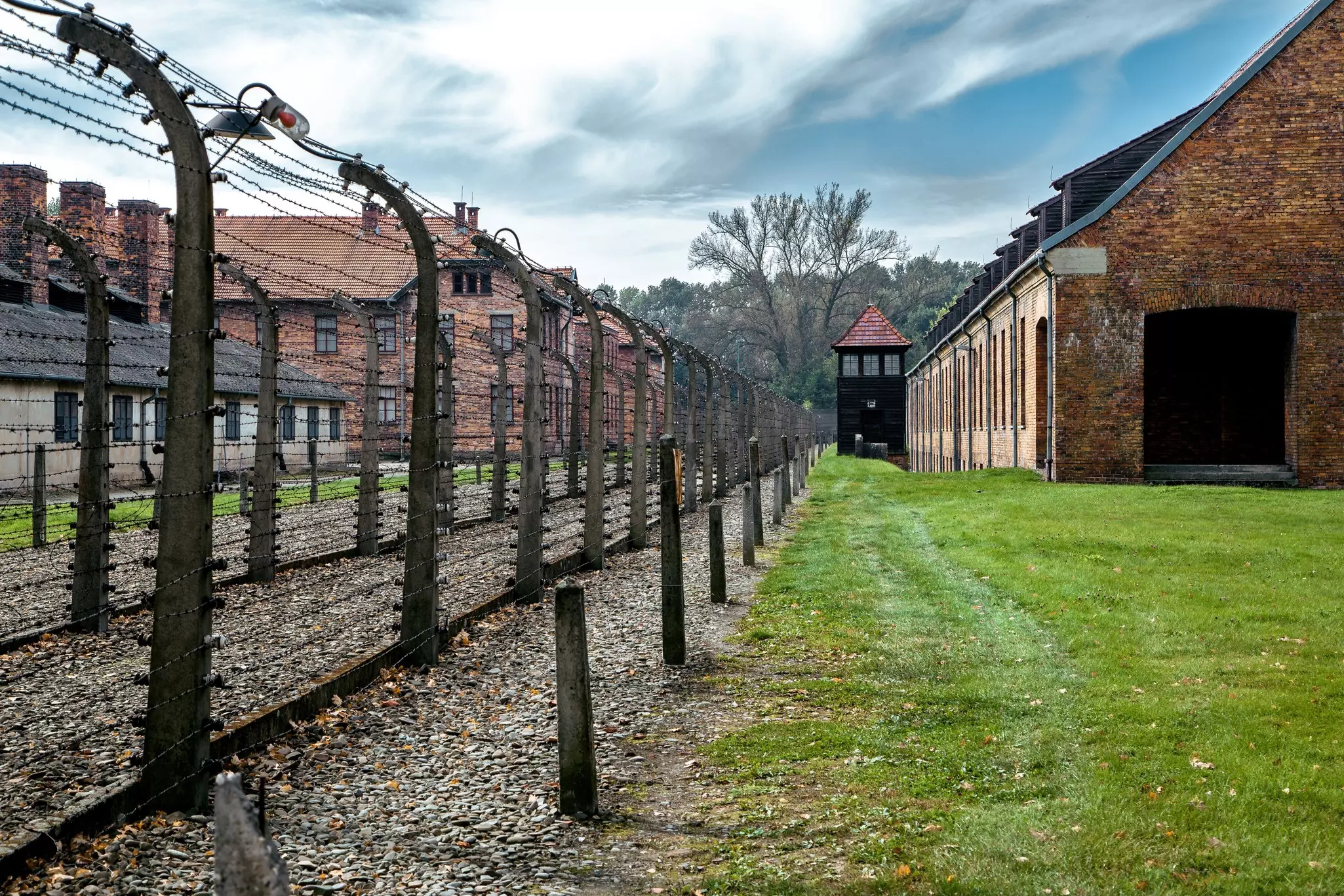
You don’t know what will move you the most until you get there. For some, it’s the torture cells and crematorium. For others, it’s the gas chambers and the endless rows of chimneys at Birkenau, where most of the mass killings occurred. Or it’s the mountains of eyeglasses and prosthetic limbs, the mass of human hair collected from victims to be used in textile production, and the piles of battered suitcases with home addresses written on them by those who came to their end at this Nazi extermination camp.
In all cases, Auschwitz is unlikely to leave you untouched. More than a million Jews, as well as numerous Poles and Roma, were systematically killed here between 1940 and 1945. The extermination camps have been preserved as a brutal, essential lesson of what humans are capable of at their worst.
Planning tip: The Auschwitz-Birkenau Memorial and Museum is reachable by bus or train and on an organized day trip from Kraków. While solo travelers can visit the site on their own, it’s well worth joining a guided tour to get the most out of the experience, from the screening of a graphic 1945 documentary film by the Soviet army to the exhibitions in the barracks.
Cheap, cheerful and with seriously retro decor, a bar mleczny (literally "milk bar") is a time-warp step behind the Iron Curtain and into 1980s Poland in the best way. At these dirt-cheap cafeterias found all over the city you’ll rub shoulders with locals while you load your tray with soup, pierogi, placki ziemniaczane (potato pancakes) and other hearty, belly-warming staples – all for a song.
Planning tip: There’s a branch at Grodzka 43 in Old Town and another at Starowiślna 29 in Kazimierz.
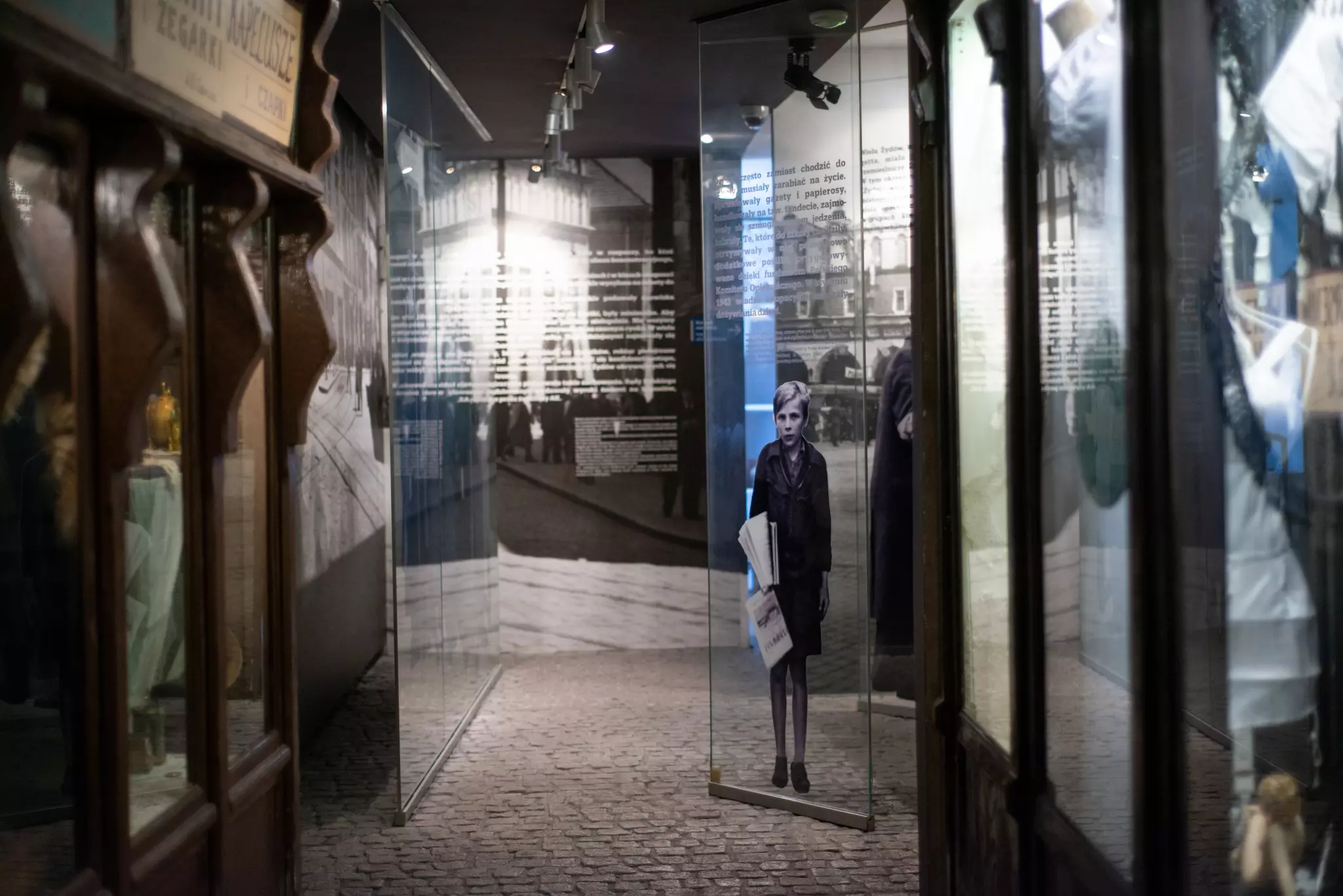
You’ve surely heard of Oskar Schindler, the German industrialist immortalized in Steven Spielberg’s 1993 film Schindler’s List. During WWII, Schindler saved more than 1000 Jewish inhabitants of Podgorzé from deportation to the extermination camps by employing them at his enamel factory, which is still standing today. Schindler's Factory museum, where part of the movie was filmed, was given a major facelift in 2010 and has become one of Kraków’s must-visit museums. Book your timed slot online at least three days in advance (it’s hugely popular), and don’t miss the superb permanent exhibition Kraków under Nazi Occupation 1939–1945, which tells the story of everyday life, the underground resistance and anti-Semitic repression in the city during WWII.
Klub Awaria is the kind of dingy dive bar that your mother warned you about: a sticky-floored, vaulted-ceilinged saloon where the carpe diem clientele will gladly press a drink into a sober stranger’s hand to help them participate in the mildly anarchic nightly revelry. Up-and-coming local blues and rock bands perform on the little stage most nights – and after the band is done, regulars occasionally dance to Tina Turner classics on the tables and even the bar itself.
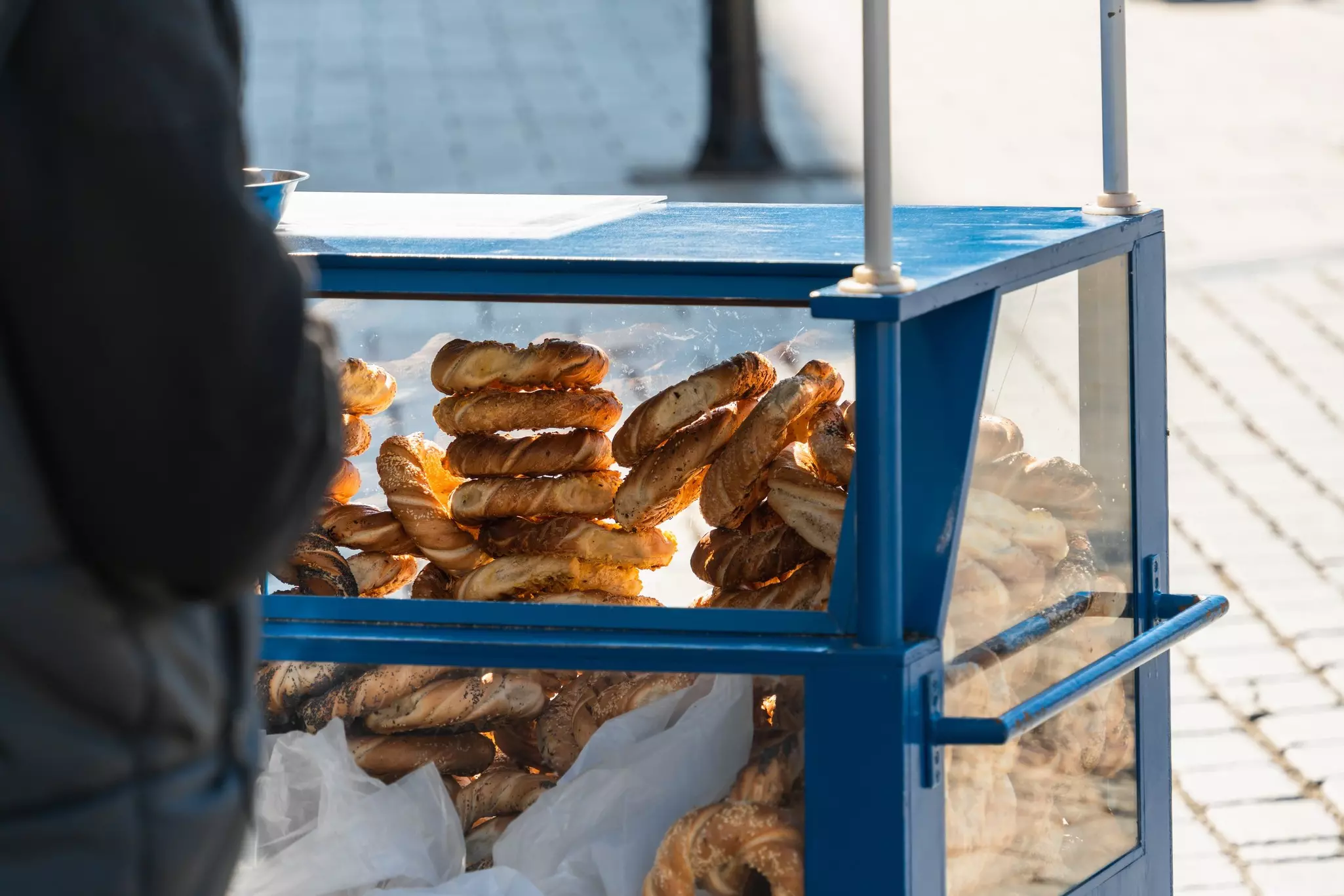
Paris has croissants, Hanoi has banh mi, Vienna has käsekrainer, and Kraków has obwarzanek. Chewy and addictive, and topped either with poppy or sesame seeds, Kraków’s bagel-pretzel cross can be found at stalls on every corner in Old Town. Locals will gladly tell you which cart is likely to have the freshest lot.
But there’s more to Kraków’s street dining than bread. For the best kielbasa (the signature Polish sausage) in town, head for the Kiełbaski z Niebieskiej Nyski van in front of the Hala Targowa market on ul Grzegorzecka. Then there’s zapiekanka: half a baguette topped with melted cheese, mushrooms and a squirt of ketchup. Poland’s answer to pizza, zapiekanka was invented in the 1970s, when basic ingredients were all you could get; versions now have fancier toppings and are ubiquitous at fast-food stands. For numerous zapiekanka sellers under one roof, try the Okrąglak food court at Plac Nowy in Kazimierz.
The slow-flowing Wisła bisects Kraków. Join locals during morning jogs along the footpaths that run alongside the banks from near Wawel Royal Castle to the city’s eastern suburbs, skirting Kazimierz along the way. Alternatively, if you have local friends, you might be invited aboard a party boat with a full bar and music system; these are available for hire by groups and are essentially floating nightclubs. More easily accessible are the hour-long cruises that depart below Wawel Royal Castle and show off the city’s important landmarks, such as the Dębnicki Bridge, the Premonstratensian Convent, the Manggha Center of Japanese Art and Technology and the Piłsudski Bridge.
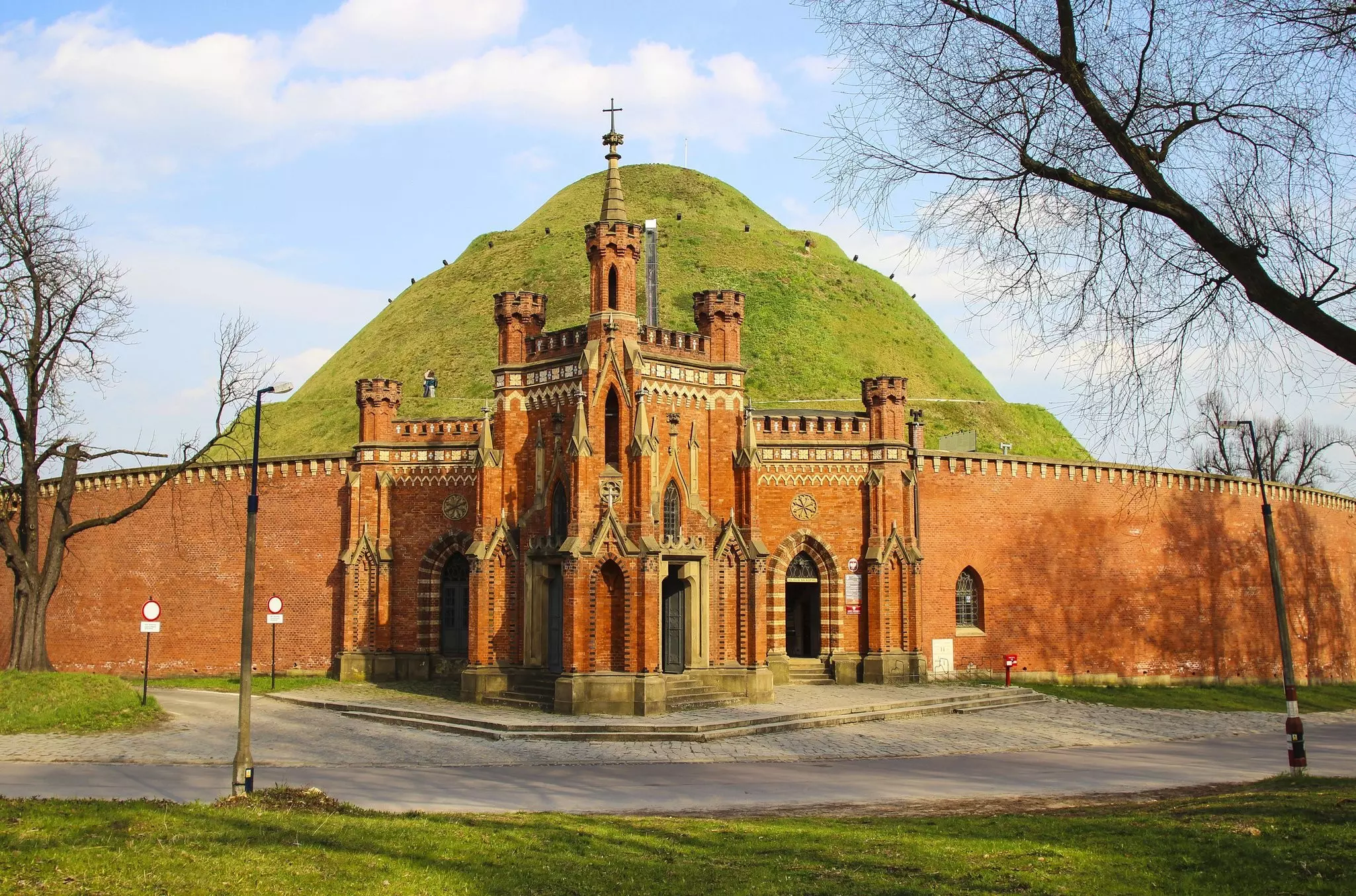
When you’re standing on the ramparts of Wawel Royal Castle, you may notice the lumplike green hills surrounding Kraków. The origins of the Kraków Mounds are lost in the mists of time, though it’s believed that the two oldest – Kopiec Krakusa and Kopiec Wandy – were built millennia ago as part of a solar calendar. (During the summer solstice, the sun rises at Wandy and sets at Krakusa.) Kościuszko Mound is a newer pile, completed in 1823 to commemorate a fallen Polish general.
Planning tip: Catch bus 100 to the mound for fantastic views of the castle, St Mary’s Basilica and the Main Market Square.
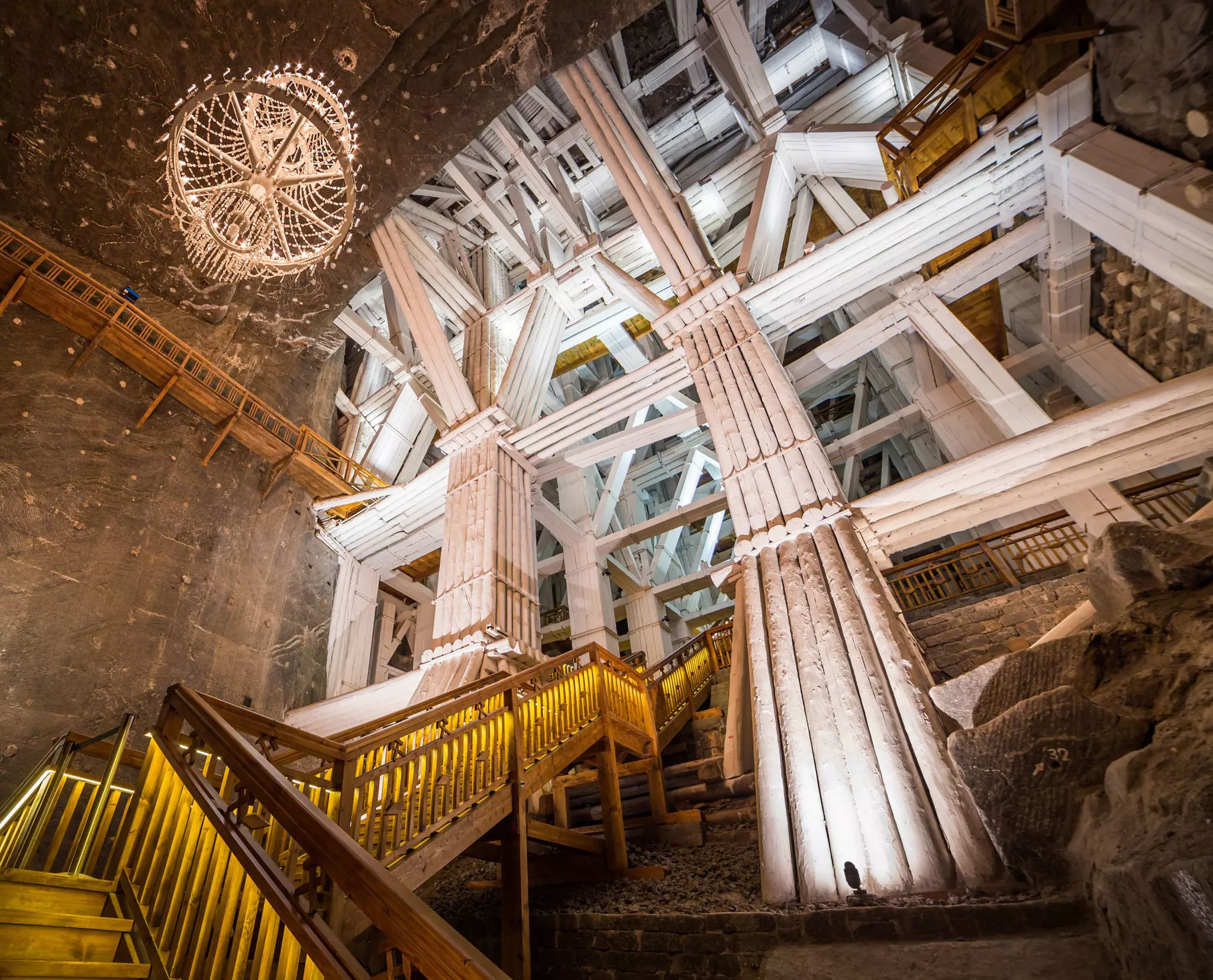
This subterranean labyrinth of passages and chambers has been drawing visitors since the 1720s. It’s not for the claustrophobic: first-time visitors descend at least 125m (410ft) belowground and spend two hours in the depths of the former mine. Return visitors can opt for a more immersive miners tour.
Highlights include an underground lake, chapels adorned with statues carved from the white stuff and a salt cathedral with chandeliers. And yes: everything around you is carved from salt (we licked the wall so that you don’t have to).
Planning tip: While the massively popular attraction is not in Kraków proper, it is easily reachable from the city by bus, train or tour. Pack a sweater.
Start by exploring Wawel Royal Castle, especially the impressive State Rooms, Treasury and Armoury. Afterwards, visit Wawel Cathedral before exiting via the Dragon’s Den and lunching at Copernicus.
After lunch, admire the architecture and the interior of Collegium Maius, Poland’s oldest surviving university, where Copernicus was once a student; then visit St Mary’s Basilica and peruse priceless art and artefacts at the Czartoryski Museum before delving into Kraków’s centuries-old history at Rynek Underground.
Round off the day in the center, perhaps by opting for a brew at House of Beer, followed by dinner at Pod Aniolami or Fiorentina.
Explore related stories