Jul 8, 202614 min read
17 Things to Do in Ubud, BaliJul 8, 2026
14 MIN READ

Writer
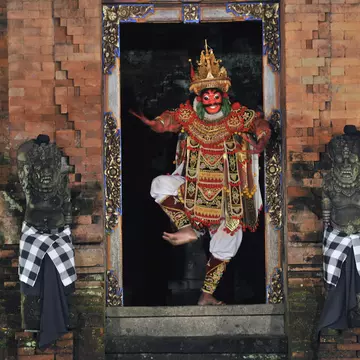
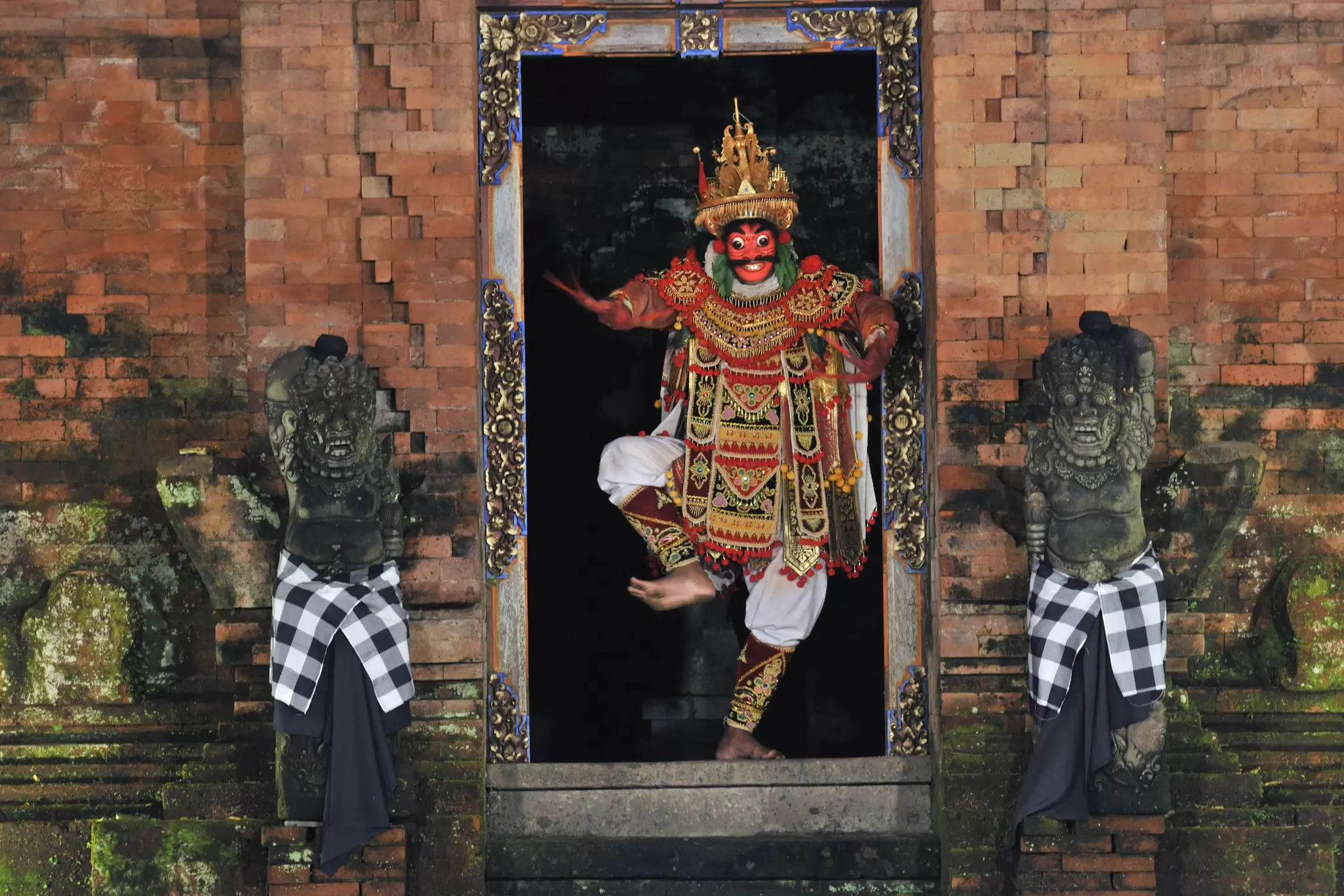
Performers at the Agung Rai Museum of Art, Ubud, Bali. Pete Seaward for Lonely Planet
Writer
Highlights
Lonely Planet's editors round up 17 things to do in Ubud, Bali.
Start with the famous Ubud Monkey Forest, then eat your way through local warungs.
For culture, catch Balinese dance nightly at Ubud Palace or visit ARMA's Balinese art collection.
Hike the Campuhan Ridge Walk, then visit Tegallalang Rice Terraces, a UNESCO-listed site.
Lonely Planet may earn a commission from affiliate links on our site. All recommendations and reviews reflect our own independent opinions.
One of Bali’s most seductive places, Ubud combines Balinese culture with outdoor thrills and a few unexpected delights. Centered on the town of the same name, the area is a vibrant hub for traditional customs and crafts. Temples filled with lotus blossoms and water shrines invite visitors to the city, while bookable experiences with traditional healers could clear your energy for good.
Travelers can find nightly performances of Balinese dance, museums celebrating the work of artists inspired by the area and impossibly green rice fields that spill down lush hillsides to rushing rivers: quite simply, Ubud is a feast for the soul.
It’s fine to indulge here, too, with delectable dining, craft shopping, spa treatments and wellness sessions adding earthly pleasure to all the ethereal culture. As you plan your dream trip, consult our list of the 17 best things to do in Ubud.
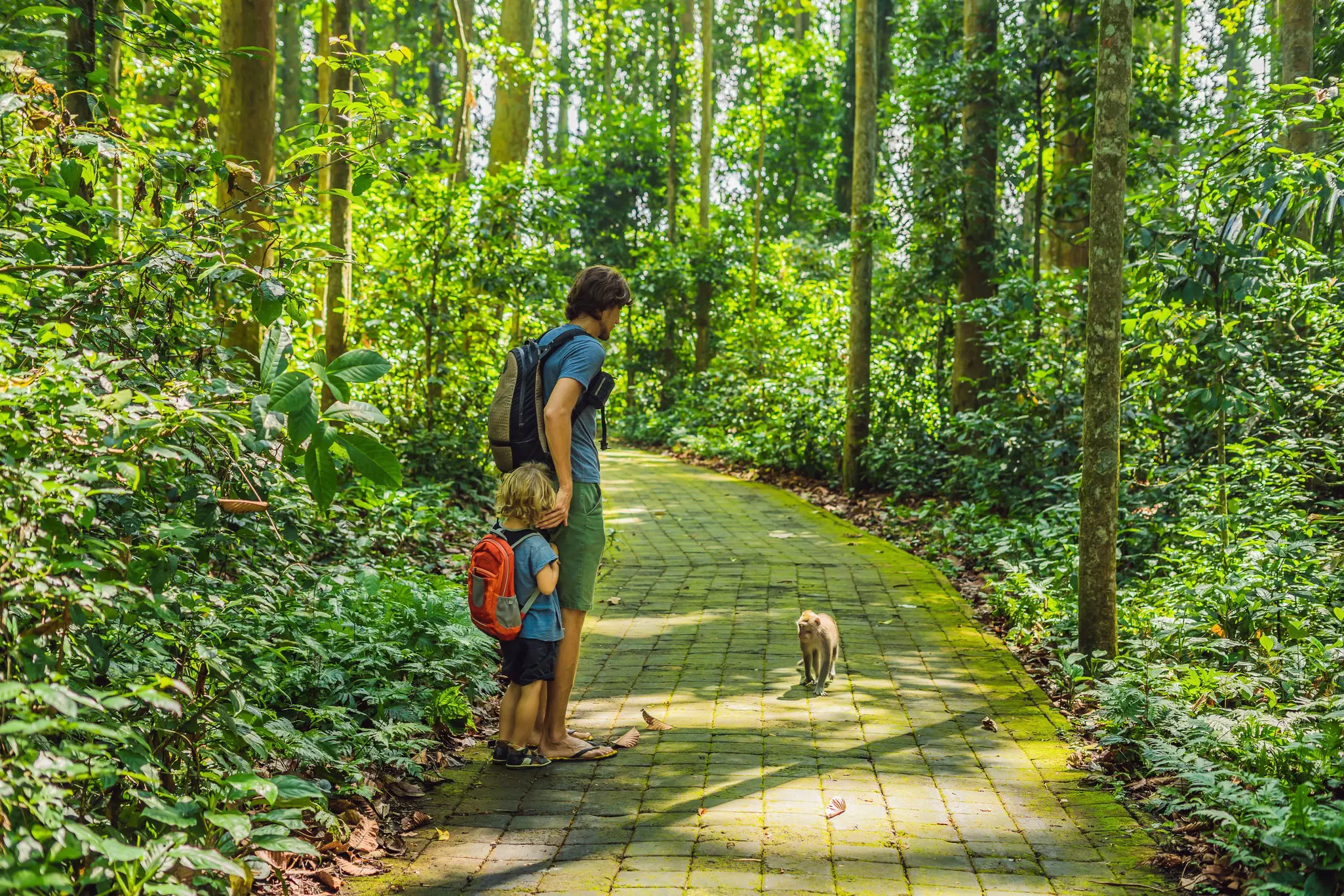
Hidden behind a flashy theme-park-like entrance near the south end of Jl Monkey Forest, the famous Ubud Monkey Forest is a shady expanse that's home to three temples and more than 1000 well-fed and light-fingered monkeys. Always fun for kids, the park is alive with gray-haired and greedy long-tailed macaques. Don’t be fooled by their innocent-looking appearance: they can bite, so be careful. Watch your belongings carefully, and never feed the monkeys, lest you set off a frenzy.
Planning tip: The forest is a top destination for day-trippers from across Bali; escape the crowds by visiting early or late in the day.
For a real taste of Bali, nothing beats eating at local warungs (food stalls). These small, family-run eateries serve up fresh, flavorful dishes showcasing the rich cuisine of Bali and Indonesia.
At Compound Warung, tucked behind a guesthouse on Jl Goutama, you’ll find bargain-priced dishes bursting with flavor. At Mama’s Warung, friendly staff prepare spicy Indonesian classics, served with silky-smooth peanut sate sauce and fried sambal (chili paste).
If you're venturing toward the village of Sayan, be sure to visit Nasi Ayam Kedewatan to sample standout sate lilit – grilled skewers of minced chicken flavored with spices. Also along the route to Sayan, Warung Pulau Kelapa offers an expansive menu with some sensational sambals – ask for your meal “local style” if you like fiery flavors.
Planning tip: If you're not used to spicy food, ask for your dish to be made sedang (medium) or tidak pedas (not spicy). You can always add more heat in the form of sambal.
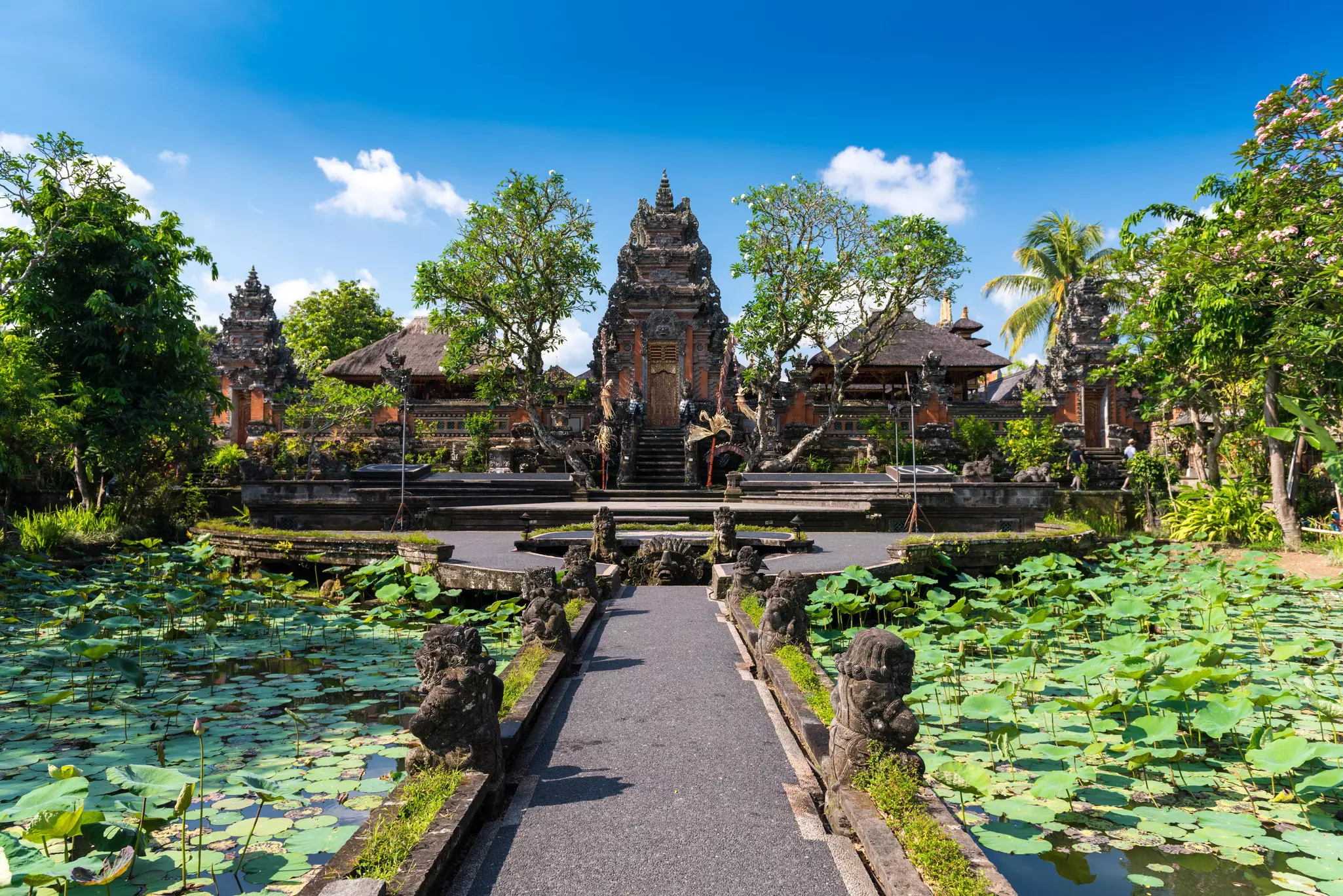
Ubud has dozens of historic temples, though many are closed to non-Hindu visitors. Close to Ubud Palace, Pura Taman Saraswati is an exception – an extremely picturesque temple that’s always open to the public.
Water channels flowing from the rear of the temple feed a pond in front overflowing with lotus blossoms. The temple’s ornate carvings honor Dewi Saraswati, the Hindu goddess of wisdom and the arts. (She has clearly showered blessings on Ubud.) Regular dance performances are staged at night.
Just west of the center, Pura Gunung Lebah sits on a jutting rock at the confluence of two tributaries of the Sungai Cerik river and also welcomes non-Hindus. Far below street level in a lush gorge, the setting is magical – listen to the rushing waters while you admire the impressive meru (multitiered main shrine) and wealth of elaborate carvings.
A short drive north of Ubud, Tirta Empul is one of Bali’s most significant water temples, renowned for its sacred spring. It’s an important purification site for Balinese Hindus, with stone spouts lining the bathing pools where pilgrims perform traditional cleansing rituals in the crystal-clear water.
Planning tip: Keep several things in mind when you visit Balinese temples. Follow the lead of locals and wear modest attire and remove shoes before entering the inner sanctuary. Note that women who are menstruating are not permitted inside. To avoid crowds, visit early in the morning or late in the afternoon.
Sharing space with the still-in-use Ubud Palace, Puri Saren Agung is relatively modest by the standards of Balinese architecture. Still, the sprawling temple complex features fine stone carvings, many created by such noted Ubud artists as I Gusti Nyoman Lempad. At night, the palace’s main courtyard becomes a magical venue for Balinese dance performances, adding an extra layer of magic to this royal experience.
Planning tip: For an immersive experience, consider booking one of the mid-range guest rooms inside the palace through Airbnb.
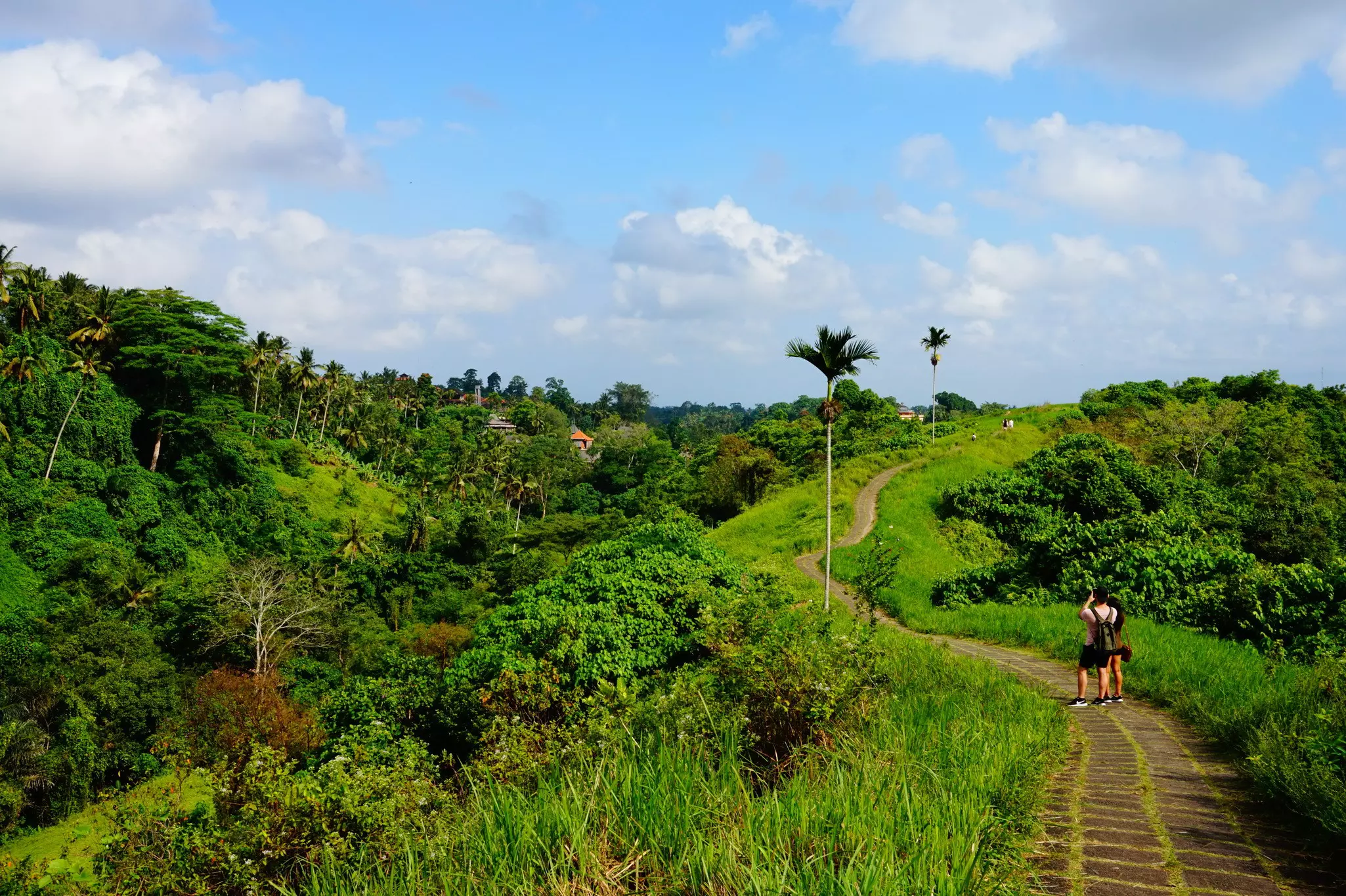
Following a scenic trail between two jungle rivers, the Campuhan Ridge Walk is a classic day trip from Ubud. Starting from the driveway of the Ibah hotel, a paved trail leads you across the Wos River, past the serene Pura Gunung Lebah temple, then uphill through rice fields to the village of Bangkiang Sidem. Along the way, you’ll pass local vendors, warungs and artists’ workshops, adding extra charm and a taste of the Ubud art scene to the stroll.
Planning tip: At the end of your walk, stop at Karsa Kafe in Bangkiang Sidem for a refreshing drink with a view before heading back.
To uncover one of Ubud’s secret spaces, follow a quiet path through the rice fields of Sanggingan where towering banyan roots and moss-covered carvings create a mystical atmosphere. This grotto isn’t an ancient temple or a natural cave, but rather a pandemic-era project by local artisans who transformed its stone walls into a gallery of intricate carvings.
To find it, start at Jl Raya Sanggingan, passing Ubud Padi Villas. Follow the path south, then turn east onto a concrete trail where a towering banyan tree signals you’re in the right place. A narrow path leads downhill past a small temple, with the bamboo structures of Desa Alam Indah in the distance. Follow the sound of running water, and you’ll reach the grotto – an intimate hidden space for reflection.
Detour: After exploring the grotto, make your way to Yellow Flower Café in Penestanan for a well-earned break.
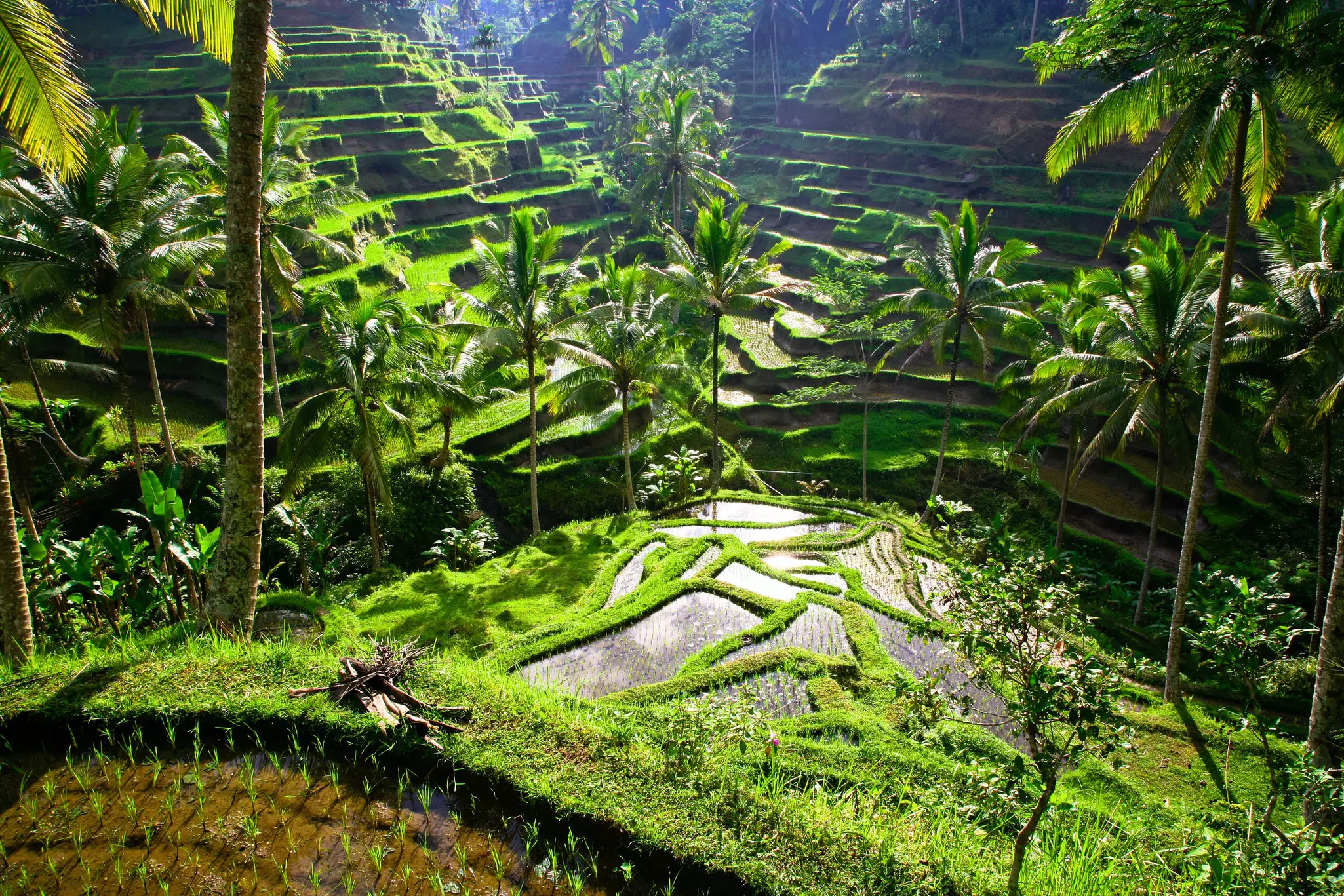
Exploring the lush countryside around Ubud is a must-do activity, with green hills, deep river valleys and expansive rice fields offering a peaceful escape from the town’s bustling center. As you wander, you'll encounter unexpected delights, like artists working in trailside huts or hidden organic fruit juice stands poised beside the rice fields.
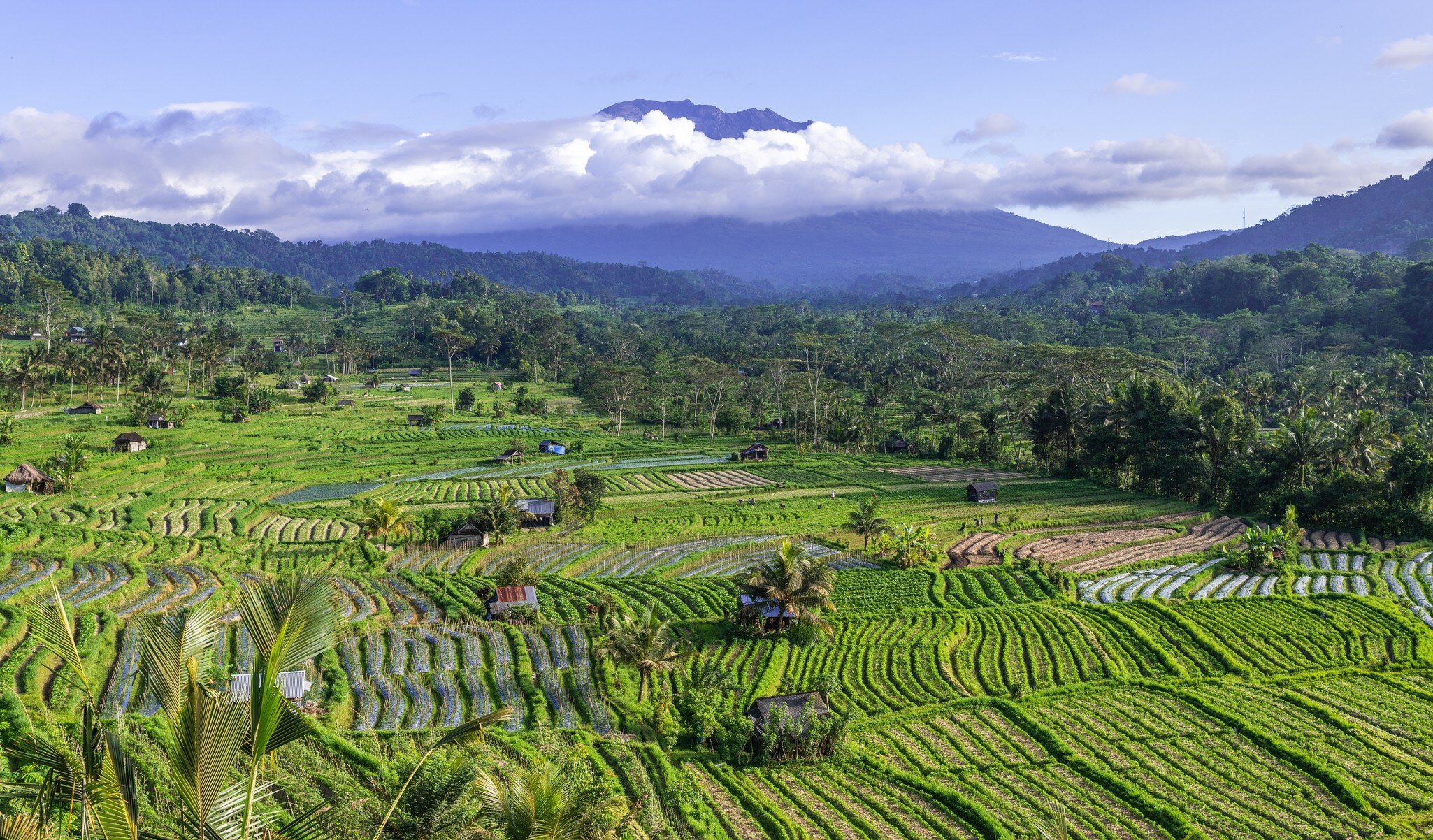
Take time to explore the Tegallalang Rice Terraces, a UNESCO-listed site preserving centuries-old terraced fields supplied with water using Bali’s traditional subak irrigation system. With emerald-green rice fields cascading down steep slopes, this area is a photographer’s dream. Wander along the trails, or stop at a cafe overlooking the fields to enjoy the view with a fresh coconut in hand.
Planning tip: The best time to visit the Tegallalang Rice Terraces is around midday, when local farmers are actively tending the fields. It’s exciting to see the subak system in action.
Set amid beautiful, tiered gardens, Museum Puri Lukisan is not only Ubud’s prettiest museum but one of its most important for cultural activities. The museum has a special place in the history of Balinese art, and its four buildings showcase an extensive collection that spans many different periods and styles, including modern Balinese art.
On display are both traditional and modern works, with a special focus on renowned Balinese masters such as I Gusti Nyoman Lempad, Ida Bagus Made and I Gusti Made Kwandji. Just beyond the museum, a river path leads to tranquil rice fields, adding to the peaceful ambiance.
Planning tip: All works are labeled in English and have QR codes that link to additional info, so bring your phone. You can easily spend an hour or two here.
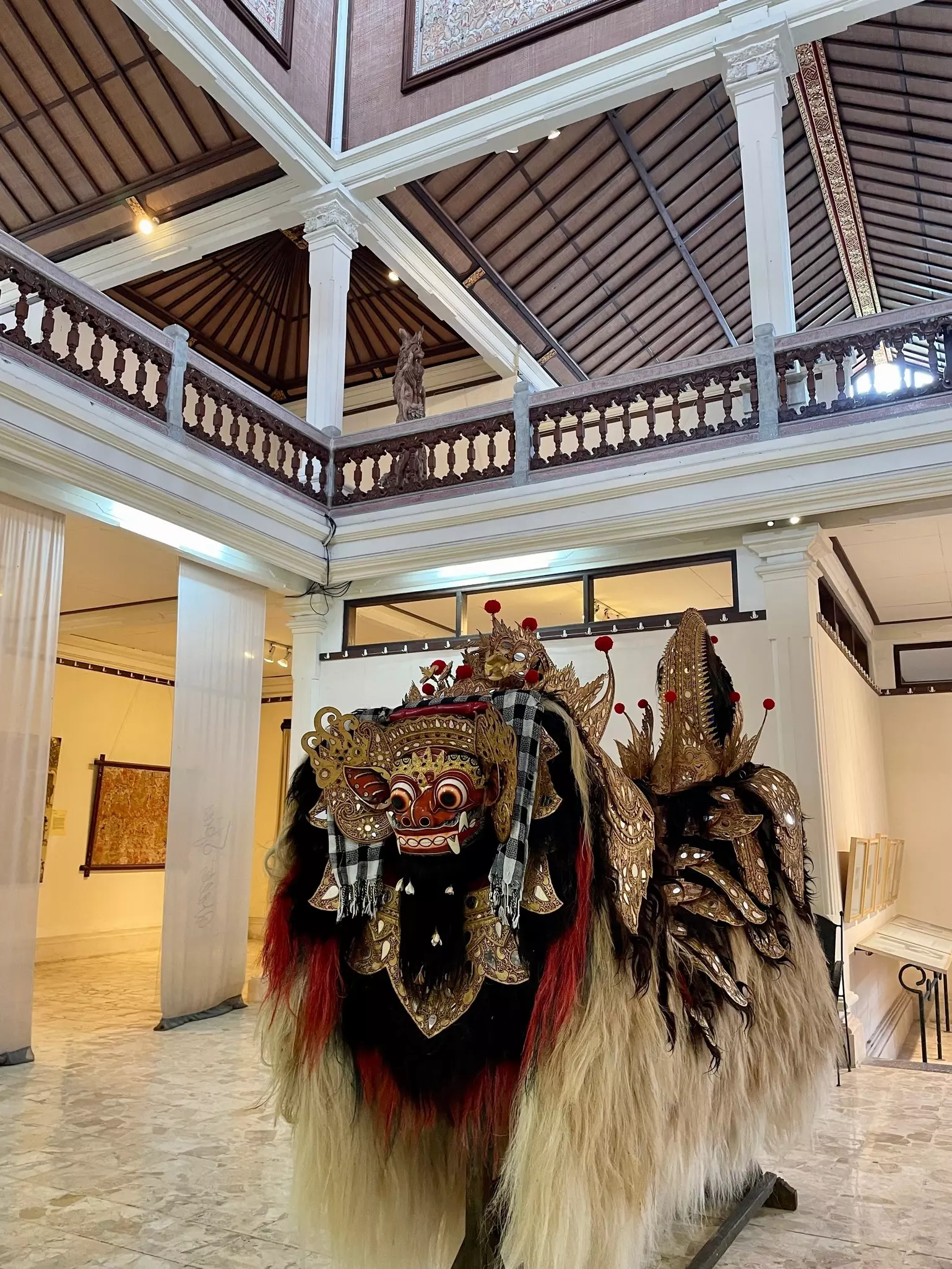
Continue your crash course in Balinese arts at the Agung Rai Museum of Art (ARMA). The collection ranges from classical Kamasan and Batuan styles to contemporary works; highlights include the paintings Portrait of a Javanese Nobleman and His Wife by Raden Saleh, and Green Rice Paddies by Nasjah Djamin.
The museum also has a collection of works by iconic Ubud artists such as the multitalented I Gusti Nyoman Lempad and Ida Bagus Made. Spread across several traditional-style buildings, the gallery offers a fascinating introduction to Balinese traditions, with intricate pieces such as Cremation Ceremony by I Ketut Sepi and Wali ‘Ekadesa Rudra’ by I Wayan Mardiana.
Planning tip: Plan to visit in the late afternoon, when you might catch a dance performance or a gamelan rehearsal. The museum’s Kafe Arma is the perfect place for a quiet coffee or snack before exploring the tranquil gardens that surround the museum.
The traditional healers known as balian play an important role in Balinese culture, treating illnesses, removing spells and channeling information from ancestors. Attending a healing session is a fascinating experience; you’ll need to make an appointment beforehand.
Balian rarely speak English, so it’s important to understand what you’re getting into – for your treatment will be public. It may be uncomfortable, or even mildly painful. Healing rituals can include getting poked with sharp sticks and having chewed herbs spat onto your body.
For an excellent introduction to traditional Balinese therapies, contact I Madé Suryasa at Bali Healers. He organizes consultations with local healers and can help with translation.
Planning tip: If you're serious about the experience, do some research beforehand and approach it with an open mind and respect for Balinese spiritual traditions. As a starting point, the wellness retreat Floating Leaf has a useful blog entry on Bali's healing traditions.
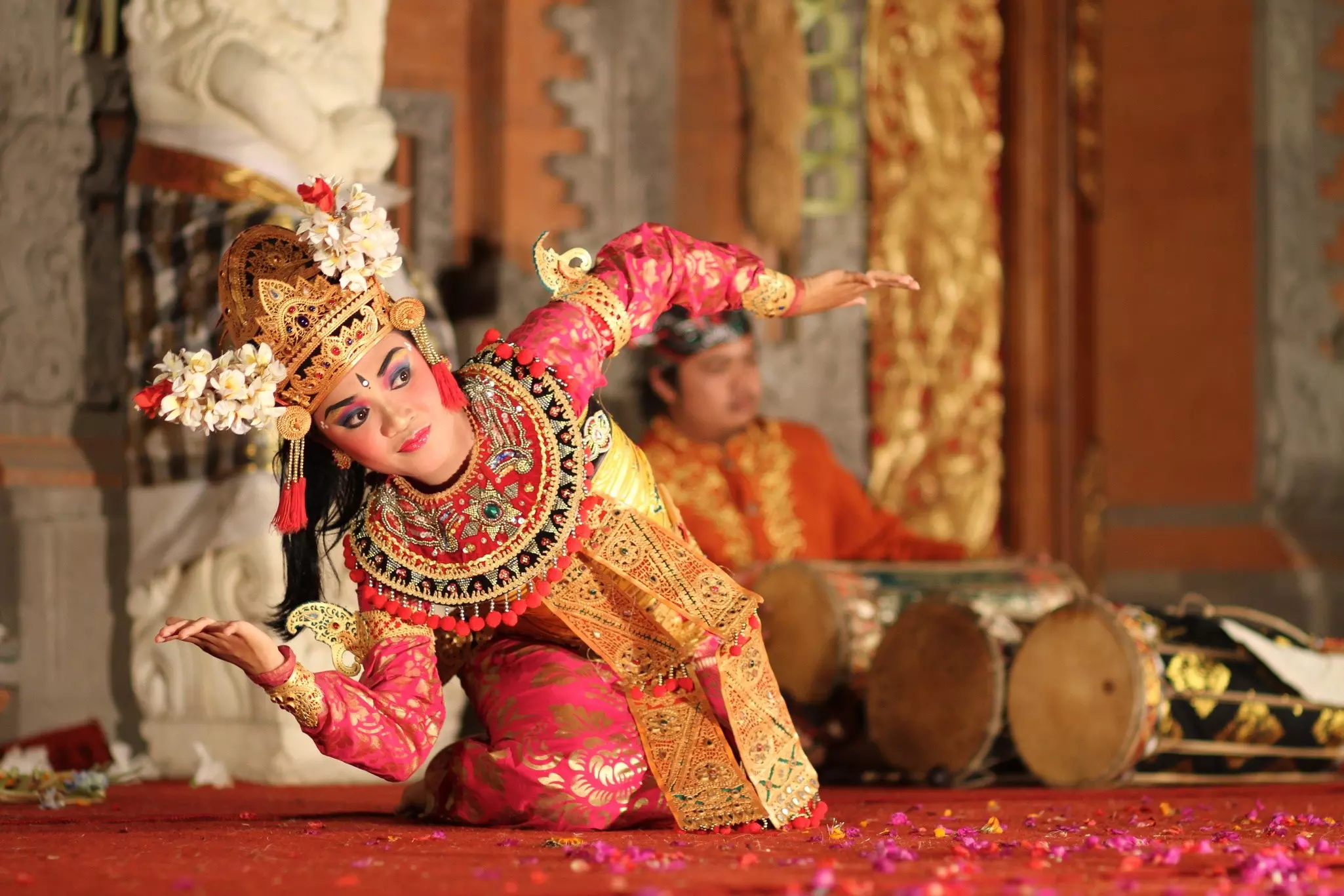
Encountering traditional Balinese dance is one of the top things to do on any visit to Ubud (or to all of Bali). Mesmerizing performances bring Hindu mythology to life through intricate movements, dramatic storytelling and the hypnotic sounds of the gamelan ensemble. Dance shows take place nightly at venues dotted around Ubud, each with its own atmosphere and style.
For a classic and atmospheric experience, Ubud Palace is one of the most popular venues, with elaborate traditional performances in an ornate royal courtyard. The Pura Dalem Agung temple makes for the most of its sacred setting, with flame-lit backdrops enhancing the intensity of performances of traditional dance forms such as Kecak. If you’re looking for an elegant venue with tranquil surroundings, the Pura Taman Saraswati temple hosts evening performances against a backdrop of tranquil lotus ponds.
The shows hosted at the Puri Agung Peliatan palace are ideal for those interested in seeing a more traditional, village-based performance featuring highly skilled dancers. For a deeper dive into the artistic heritage of Balinese dance, the Open Stage at the Agung Rai Museum of Art hosts performances from top troupes.
Planning tip: Performances typically start at 7pm; arrive at least 20 minutes early to find a good seat, especially if you want to see the venue beforehand. Tickets are usually available at the entrance to the venues, though booking in advance is recommended during the peak tourist season.
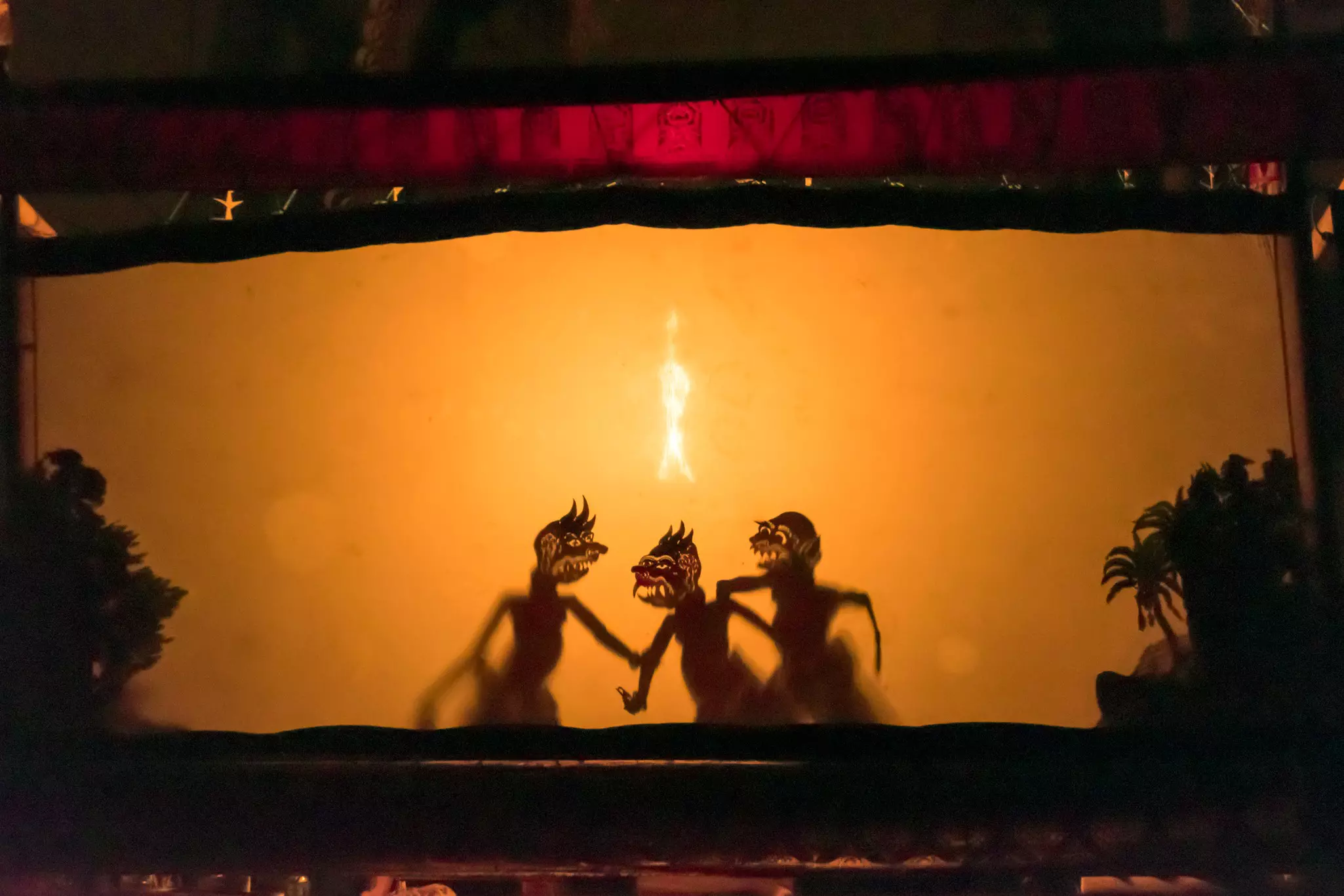
Much more than just entertainment, wayang kulit (shadow puppetry) has provided a candlelit form of village entertainment for centuries, with puppeteers retelling colorful Hindu legends and morality tales with sacred seriousness.
Traditionally, performances lasted 6 hours or more, often continuing until sunrise. Today, you’ll find abbreviated performances at the Bali Culture Workshop and Kerta Art, as well as the Pondok Bambu Wayang Kulit near the Monkey Forest.
Brimming with Balinese craftsmanship, the Ubud Art Market is located directly across from Ubud Palace on Jalan Raya, the town center’s main street. Here, you’ll find everything from delicate silk scarves and handwoven baskets to traditional wood carvings and rattan bags.
While some stalls have mass-produced items that cater to undiscerning tourists, others have goods made in nearby villages such as Tegallalang – which makes the market an excellent place to buy locally made souvenirs and support the region’s artisans. Look for intricate silver jewelry, batik textiles and paintings.
Mornings are the best time to visit, as the market is less crowded and vendors are more open to negotiation as the first sale of the day is said to bring good luck. Bargaining is expected, so don’t be shy about haggling. Just keep things lighthearted and respectful.
Detour: For a more laid-back shopping experience, take a short walk northeast to Jl Kajeng, a street lined with smaller vendors and independent boutiques selling everything from quirky prints and eco-friendly crafts to locally designed fashions.

Holistic healing has long been a part of the Ubud experience – and Ubud Sari Health Resort has been a go-to destination for decades. In the site’s lush gardens grow herbs used in the spa’s treatments, which include detox programs, massages and reflexology. Enjoy it all a peaceful, natural setting.
Taksu Spa is another local favorite, with private couples’ rooms and a healthy on-site cafe where you can unwind after a treatment. In Sanggingan, Bali Botanica Day Spa specializes in Ayurvedic therapies, making it a great choice for those looking for more-traditional healing.
If luxury is what you’re after, Mandapa Spa at the Ritz-Carlton delivers five-star indulgence and ultra-relaxing treatments with views of the Ayung River. For something less showy, Ubud Wellness Spa in Pengosekan is a hit with Ubud’s creative community. A typically straightforward but thorough treatment is the 4-hour Ubud Wellness Royal package, which includes an akar wangi flowers bath.
The attractively designed Yoga Barn is more than a studio. It’s a full-fledged wellness hub offering more than 100 classes weekly, spanning activities such as vinyasa, yin and hatha yoga, and even ecstatic dance. Set amid lush gardens dotted with open-air pavilions, the facility also features an Ayurvedic spa, a health-focused cafe, and workshops on everything from meditation to sound healing. Radiantly Alive has a quieter, community-focused vibe, with highly skilled instructors and classes that blend traditional yoga techniques with modern movement practices.
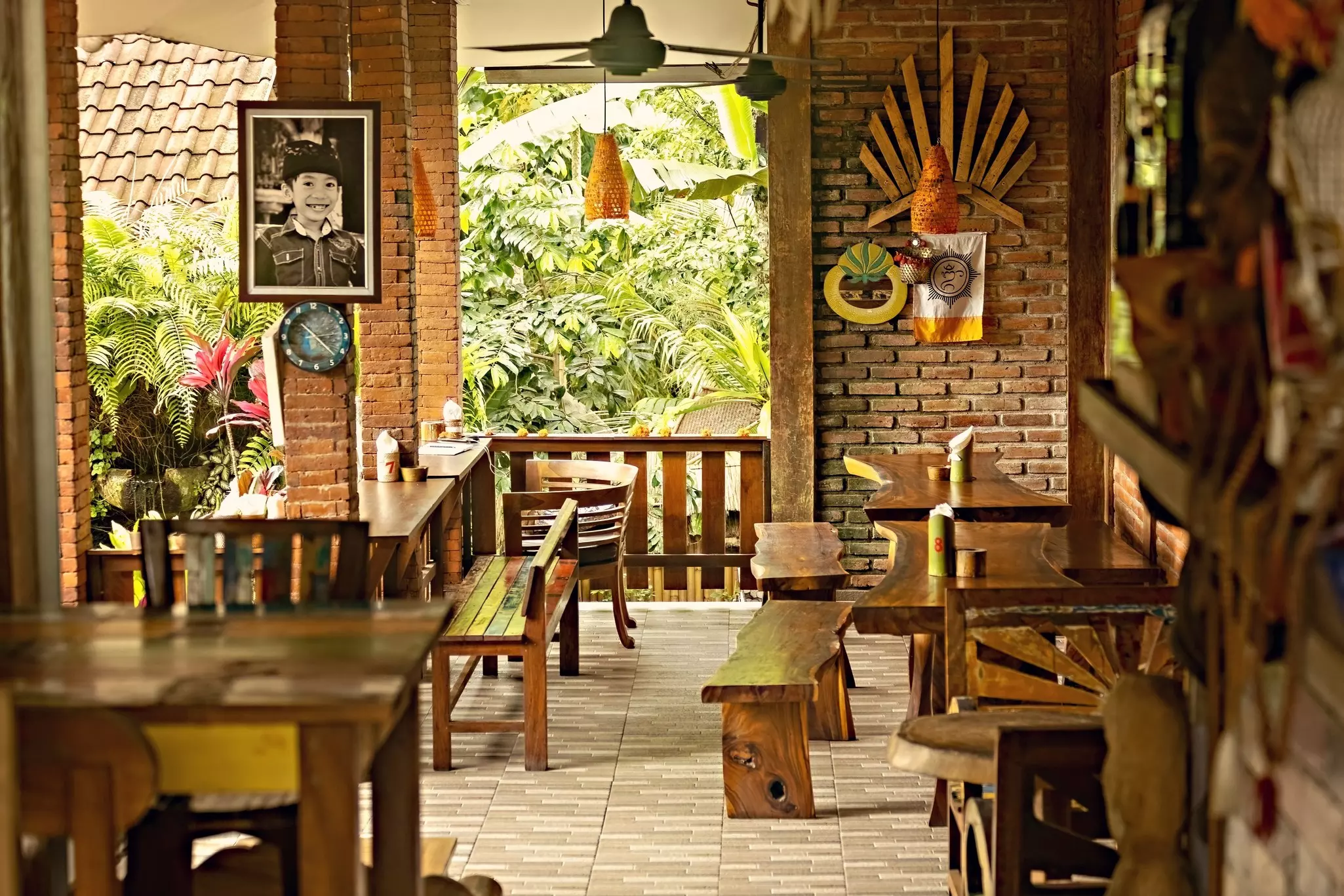
Cafes in Ubud are gathering places essential to the town’s laid-back rhythm. For coffee aficionados, Seniman Coffee Studio is the go-to spot, offering everything from expertly brewed espresso to in-depth workshops on the art of the perfect latte. Another top spot for a caffeine fix is Anomali Coffee, where you’ll find serious Indonesian brews and some of the best people-watching town.
If you prefer your coffee with a view of nature, Sweet Orange Warung sits in the middle of Ubud rice fields, accessible via a scenic path near Museum Puri Lukisan. For a more upscale, air-conditioned space, Kafe Ubud has a health-conscious menu and a notice board that’s a great place to find out about alternative-healing events.
Perhaps the best 2 to 3 hours you’ll spend in Ubud is on a guided tour with Ubud Story Walks. These detailed and entertaining tours cover Ubud’s rich past and present, such as the unsung wonders of the temples in Pejeng and the works of the legendary artist I Gusti Nyoman Lempad.
If you prefer a more tranquil and reflective start to your day, Agung Rai’s Golden Hour Tour is a peaceful way to explore Ubud’s quieter corners. Led by the founder of ARMA, this early-morning walk takes you through old villages and rice fields as the island begins to stir, providing an intimate glimpse of Balinese daily life.
To see the region's natural beauty, Ubud native Dewa Rai’s Bali Nature Walks lead visitors along jungle trails and through rice paddies, uncovering medicinal plants, local farming techniques and the hidden biodiversity of the region along the way.
For wildlife enthusiasts, the birding tours offered by Bali Bird Walk are an unmissable experience. Expert guides will help participants spot birds representing anywhere from 30 to 100 species on a single walk.
This article was adapted from Lonely Planet’s Indonesia guidebook.
Book your Indonesia trip with Lonely Planet Journeys
See Indonesia how it's meant to be seen
Accommodations, activities and ground transportation all taken care of, so you can focus on the fun part. Tell us what your dream trip to Indonesia looks like, and our local experts will build it from scratch. Or start with one of our itineraries and make it your own.

Explore related stories