Aug 27, 202613 min read
19 Best Things to Do in MumbaiAug 27, 2026
13 MIN READ

Writer
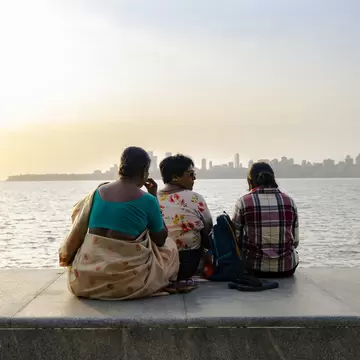
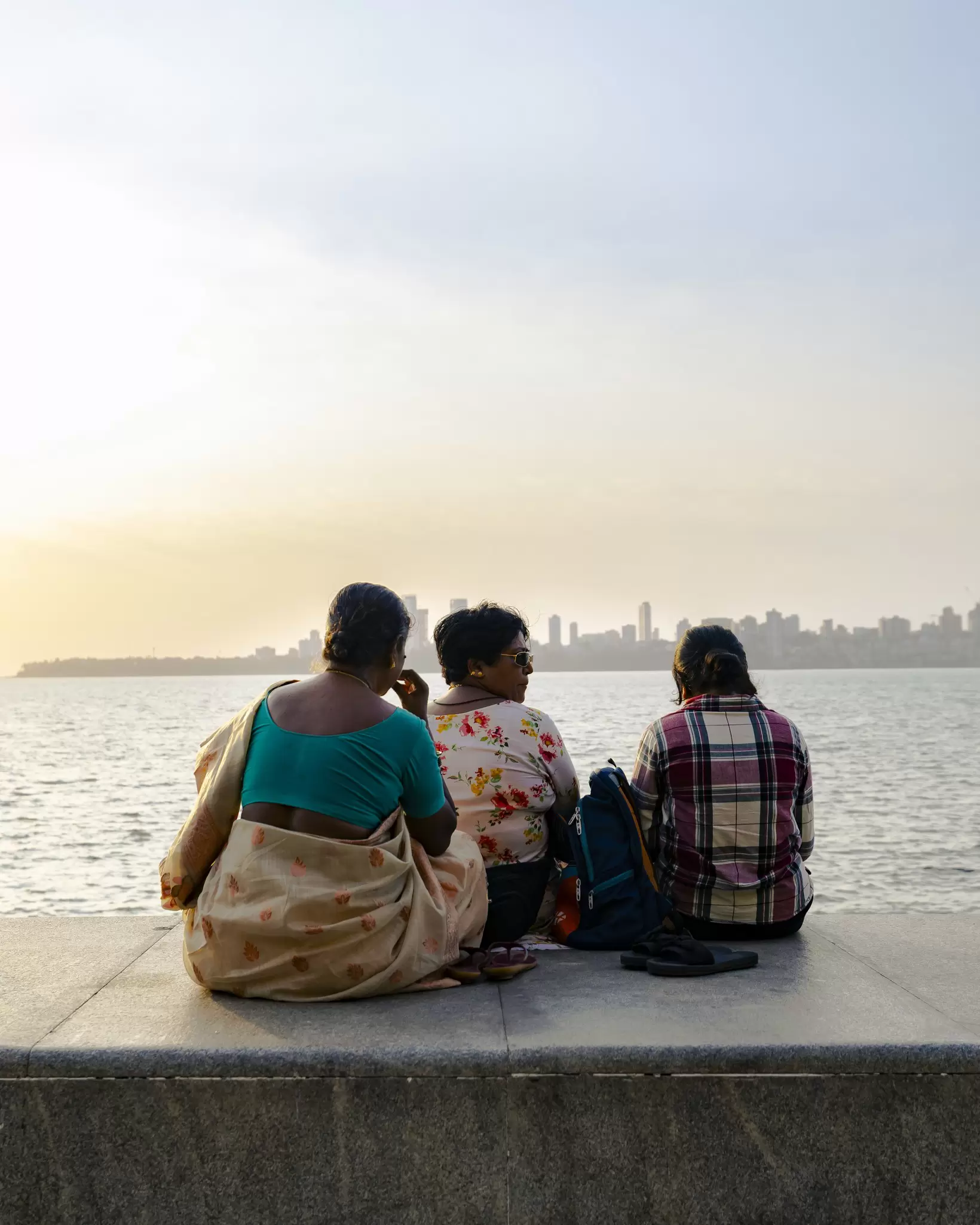
Marine Drive, Mumbai. Vanshika Jain for Lonely Planet
Writer
Highlights
Lonely Planet's editors round up 19 Mumbai picks, from ancient temples to craft beer.
Visit the Gateway of India, then take tea at the Taj Mahal Palace Hotel.
Sail to Elephanta Island's UNESCO cave temples or walk Marine Drive for art deco.
In Fort, try Parsi food at Jimmy Boy; for craft beer, head to Bandra West.
Lonely Planet may earn a commission from affiliate links on our site. All recommendations and reviews reflect our own independent opinions.
Mumbai, formerly Bombay, is big. It’s full of dreamers and hard laborers, starlets and gangsters, fisherfolk and crorepatis (millionaires), and lots and lots of people. It has India’s most prolific film industry, some of Asia’s biggest slums (as well as the world’s most expensive home) and the largest tropical forest in an urban zone. Mumbai is India’s financial powerhouse, fashion epicenter and a pulse point of religious tension.
If Mumbai is your introduction to India, prepare yourself. The city isn’t a threatening place but its energy, limited (but improving) public transportation, and punishing pollution, make it challenging for many visitors. Whether you’re headed to the city for the first, or fifth, time, here are the top things to do in Mumbai.
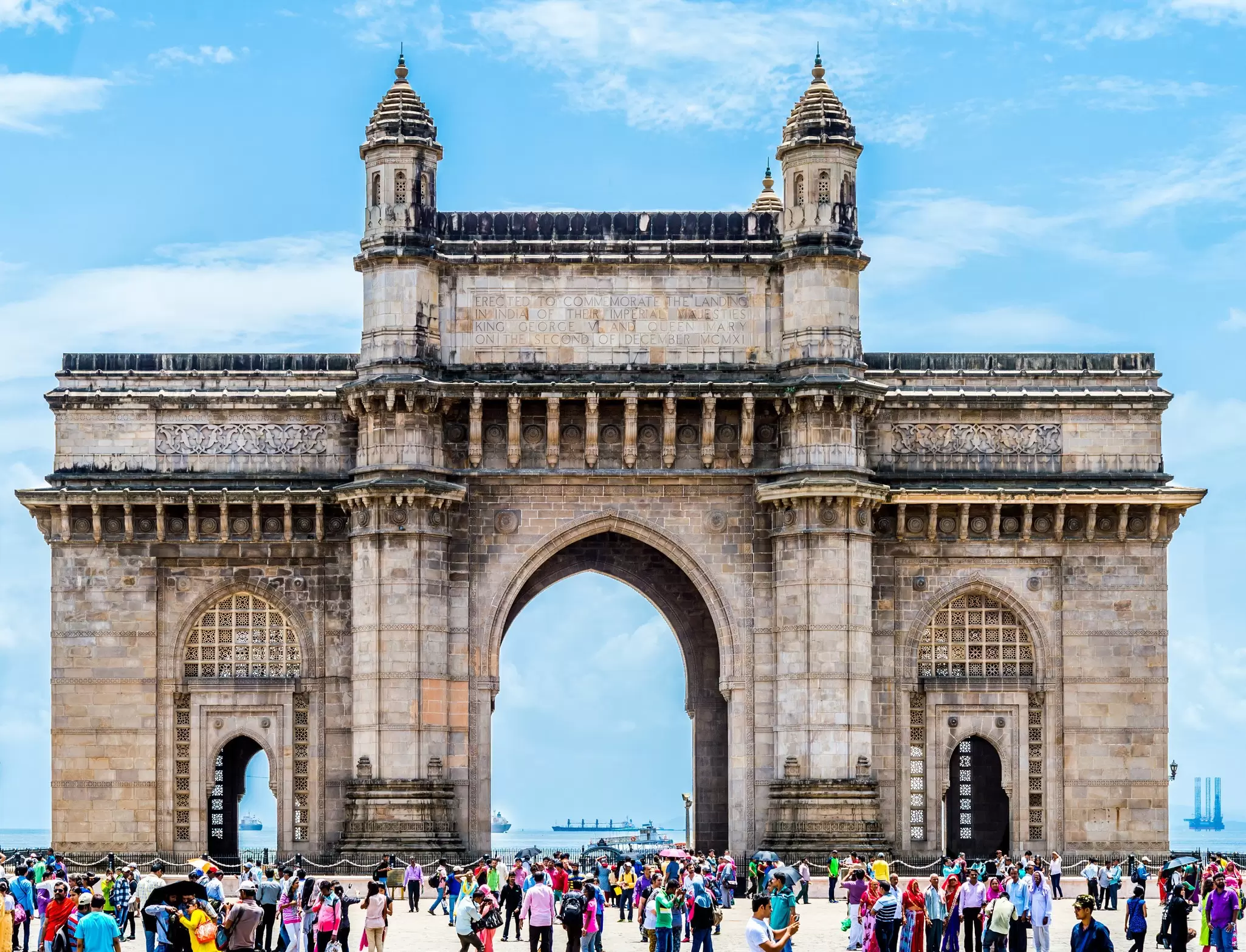
At first sight, Mumbai’s top tourist attraction, the imposing and undeniably impressive Gateway of India, looks like a gaudy flex of colonial power. The huge arch was built by the British in 1924 to celebrate a royal visit 13 years earlier, but to most Mumbaikars it has come to mean so much more – a local icon and symbol of Independence.
The small peninsula of Apollo Bandar on which the gateway sits is still a bustling little maritime hub. The northern flank of water is full of colorful fishing boats and mini-ferries that take visitors to Elephanta caves and to the south of the gateway, you can engage speedboats to whip you to Alibag.
Planning tip: The site is always busy, but Sundays and public holidays are particularly hectic. Avoid those days if you prefer a bit of space.
The stunning Taj Mahal Palace Hotel is an architectural masterpiece across the bank at the Gateway of India. Its oft-repeated backstory is just as enthralling: established in 1903 by Parsi industrialist JN Tata after he was refused entry to nearby Brit-owned Watson’s Hotel, Tata built himself a better one. Once you’ve taken your snaps outside, you can enter through the highly guarded doors. Whether you’re a staying guest or visitor, it’s worth indulging in an afternoon tea at in-house cafe Sea Lounge or a cocktail at Harbour Bar.
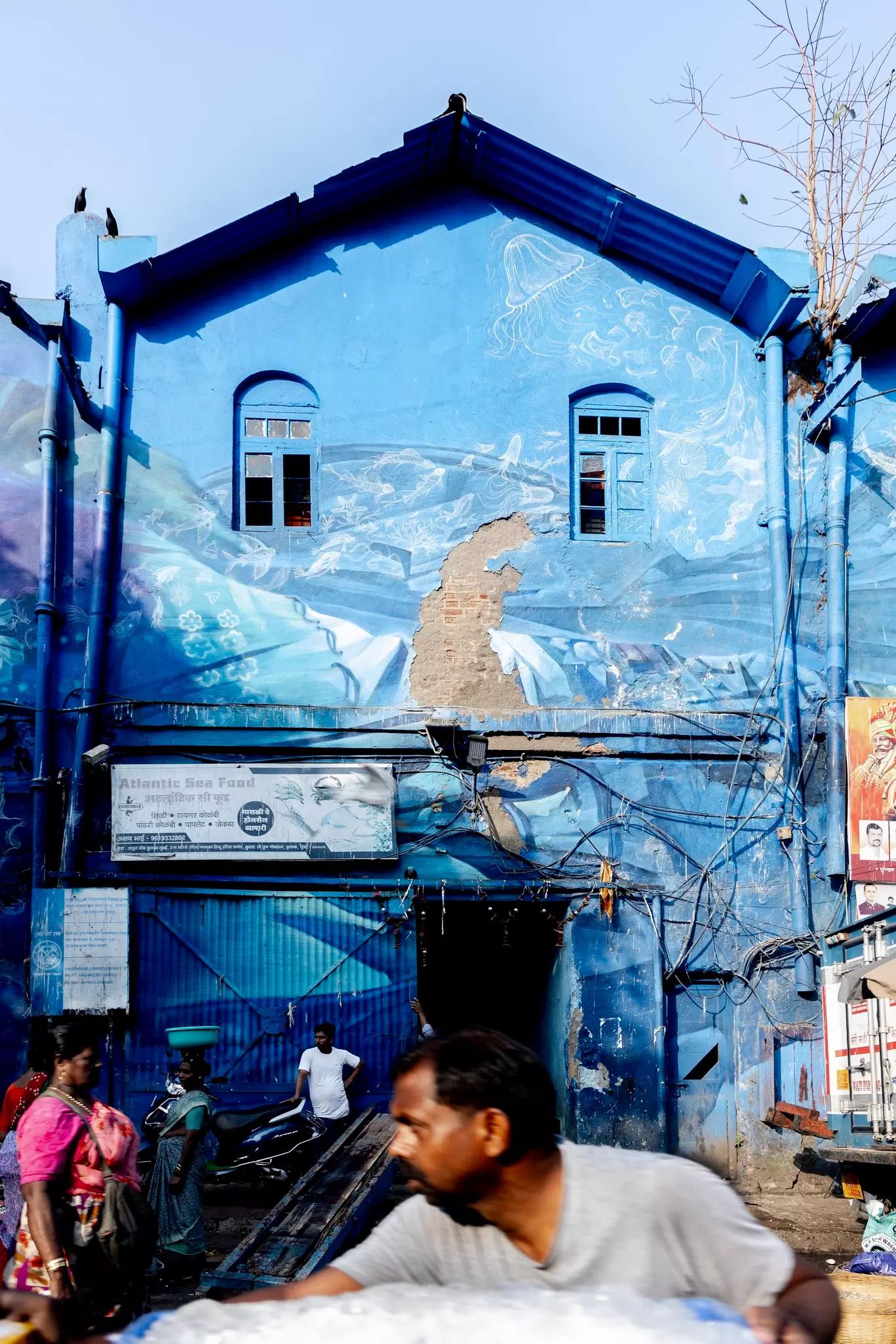
Established in 1875, the Sassoons, Colaba’s incredibly atmospheric fishing docks are quite the assault on the senses. Visit the oldest and largest wholesale fish market in Mumbai to take in the scenes of intense and pungent activity, when colorfully clad Koli fisherfolk sort the catch, unloading fishing trawlers at the quay. Keep your eyes peeled for the large, vibrant murals around the dock warehouses, installed by St+art Foundation, India’s biggest site-specific arts organization.
Planning tip: It’s best to visit the Sassoon Docks before 8am to see the Koli people at work; they’re the city’s original inhabitants.
The redeveloped warehouses of Colaba are perfect for contemporary art, with world-class gallerists displaying everything from modernist-era paintings to contemporary sculpture and installations.
Be sure to look up what’s on at Art Musings and Project 88, down near Sassoon Docks, and wander along 3rd Pasta Lane where APRE Art House, Gallery Maskara and Sakshi Gallery all host thought-provoking, experimental exhibitions that give you a full flavor of the powerhouse that is the Indian art scene.
Detour: A pit stop at Leopold’s further up the Causeway is a must. The queue for a table isn’t for everyone, but the retro interior remains iconic.
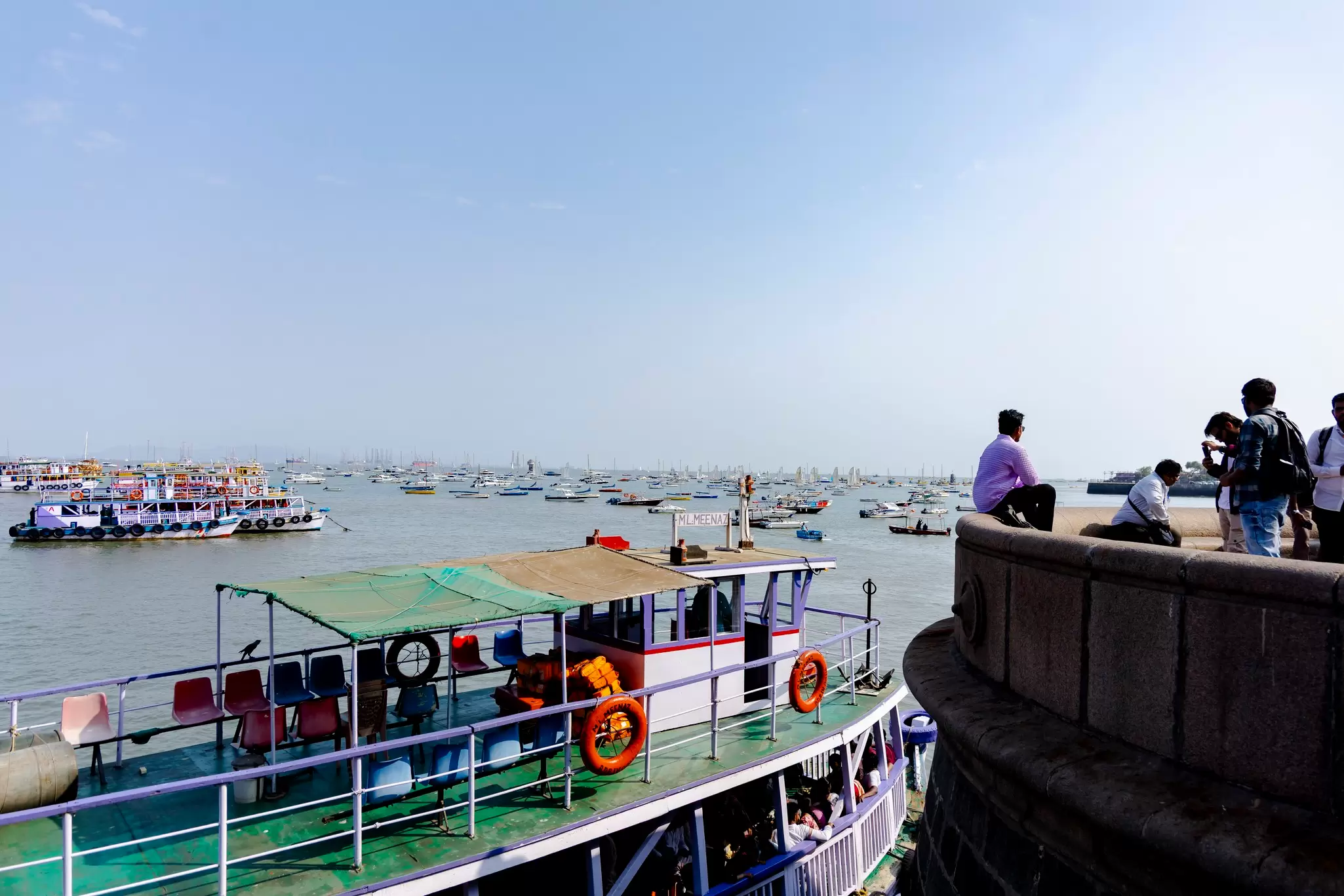
Hop on one of the small colorful ferries from the Gateway of India harbor to the huge, sublime rock-cut temples on Gharapuri, better known as Elephanta Island. Created between 450 and 750 CE and designated a UNESCO World Heritage site, the labyrinth of cave temples is guaranteed to impress. You’ll crick your neck taking in the ancient stone carvings, especially within the main Shiva temple, made up of courtyards, halls, pillars and shrines. It has a colossal centerpiece – a 6m-tall statue of Sadashiva – depicting three-faced Shiva as the destroyer, creator and preserver of the universe. Don’t miss the small museum; it’s got handy pictorial panels on the origin of the caves.
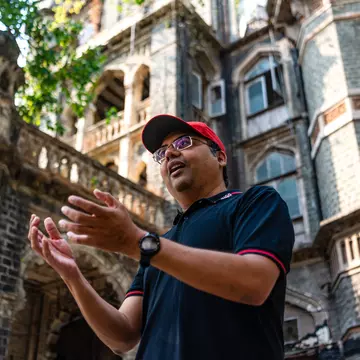
Turning every corner in Fort presents you with another dazzling work of Indo-Saracenic architecture with a touch of the neo–Gothic. From intricate floral latticework to structural features like open verandas that allow wafts of sea air to ventilate the spaces, the designs were drawn up with their location in mind. The most famous is the magnificent Chhatrapati Shivaji Terminus, India’s first train station. The buttresses, turrets, spires and stained-glass windows are absolutely worth taking a tour to learn more.
Detour: Don’t miss Mumbai University, designed by Sir George Gilbert Scott (of London’s St Pancras Station fame) and dotted with Indian iconography.
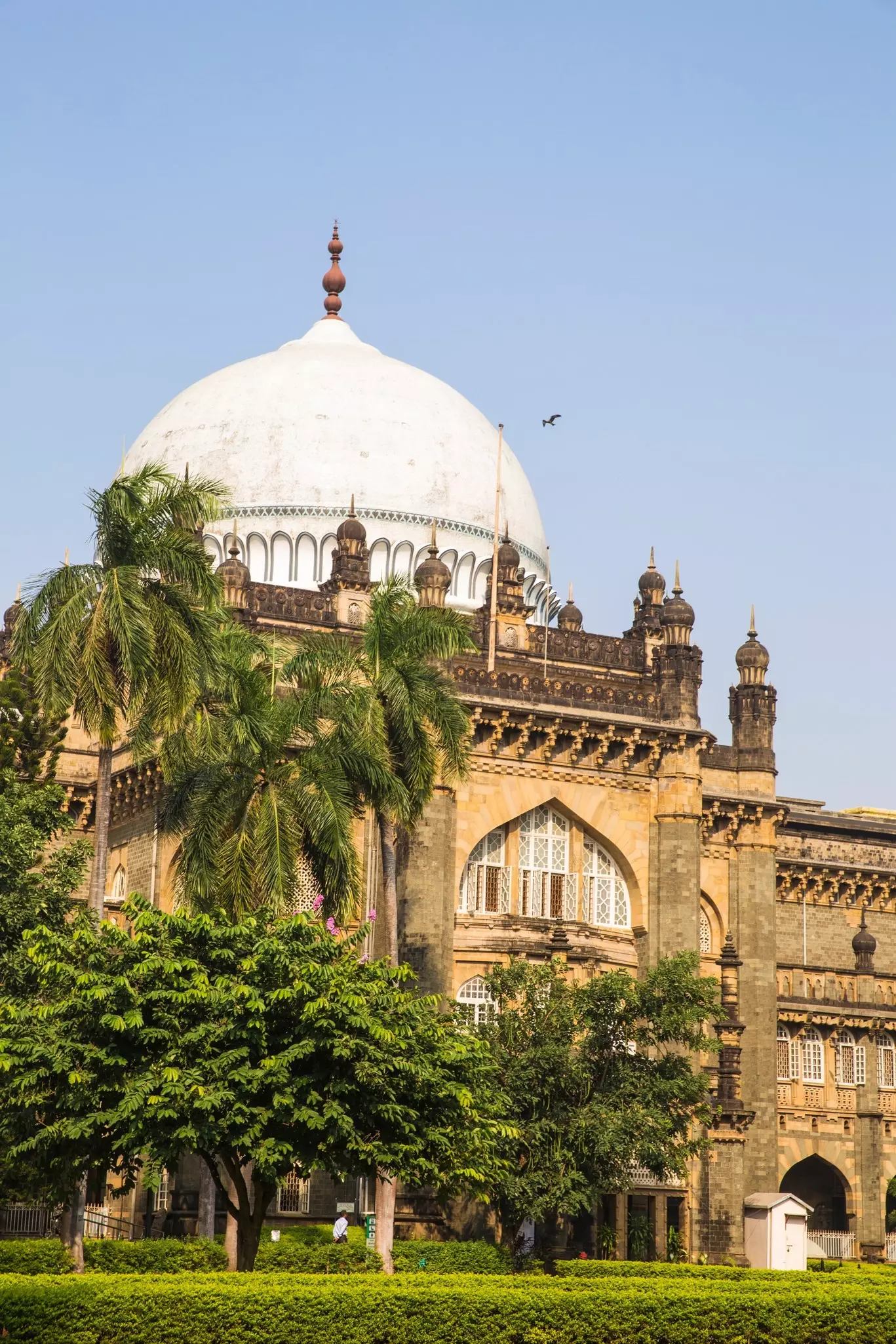
If you’re choosing just one museum, don’t miss the sprawling Chhatrapati Shivaji Maharaj Vastu Sangrahalaya, Mumbai’s largest museum. Marvel over the wide collection, from large sculptures to tiny snuff bottles. The museum, located on Mahatma Gandhi Rd, also hosts international touring exhibitions so check the schedule in advance.
Detour: Other great museums and galleries in the area include the sweeping modernist Jehangir Art Gallery, the monumental National Gallery of Modern Art, which features 20th-century work from across the nation, and Dr. Bhau Daji Lad Mumbai City Museum.
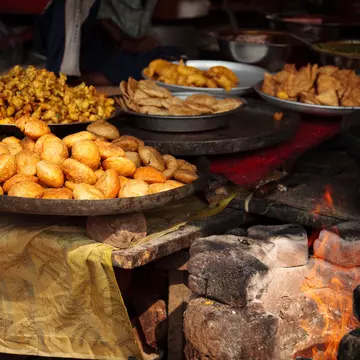
No trip to Mumbai is complete without trying Parsi cuisine and no other neighborhood has such a high density or rich legacy of Parsi cafes as Fort. Slightly dilapidated but chock full of character, the Yazdani Bakery has been selling the city’s most popular bread, kneading the dough with khamir yeast since the 1950s. Their delightfully sweet and fluffy bread roll bun maska is unmissable; dunk it in a chai for the full-flavored experience.
On the other side of Horniman Circle, chefs at Jimmy Boy have been serving Parsi favorites since 1925. The retro diner’s high ceilings and slowly lapping ceiling fans make it the perfect place to stop and savor a keema pao (slow-cooked goat mince with spices) or delectable desserts like lagan nu custard or mava cake, washed down with a bottle of iconic Pallonji’s raspberry soda.
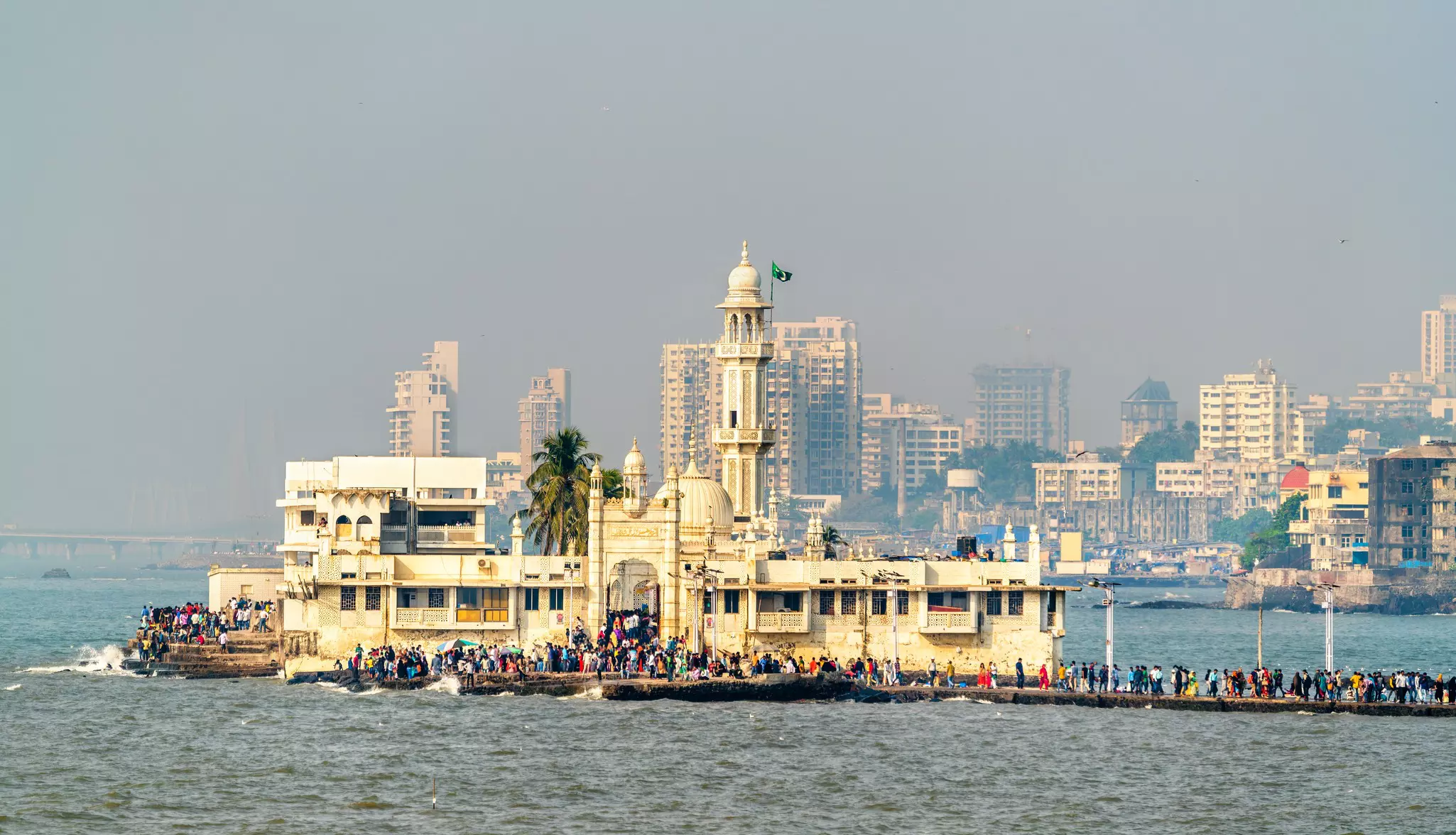
Floating like a mirage off Mumbai’s coast, this tiny island shrine is a striking sight. Built in the 19th century, it contains the tomb of the Muslim saint Pir Haji Ali Shah Bukhari. The design of this monument is Indo-Islamic and Mughal, but what makes this grand monument stand out is the beautiful kaleidoscopic patterns, mirrored tiles and ornate marble pillars throughout the building.
People of all faiths are welcome at Haji Ali Dargah. Thousands of pilgrims from all over the world visit this dargah (tomb) and masjid (mosque), especially on Thursday and Friday when there’s usually qawwali – devotional singing. A carefully cordoned lane guides you to this floating mosque that can only be reached during low tide (check tide timings locally).
Planning tip: Haji Ali Dargah has separate praying rooms for men and women. Men enter through the southern entrance, while women need to loop to the western side to enter for their hall inside the mosque.
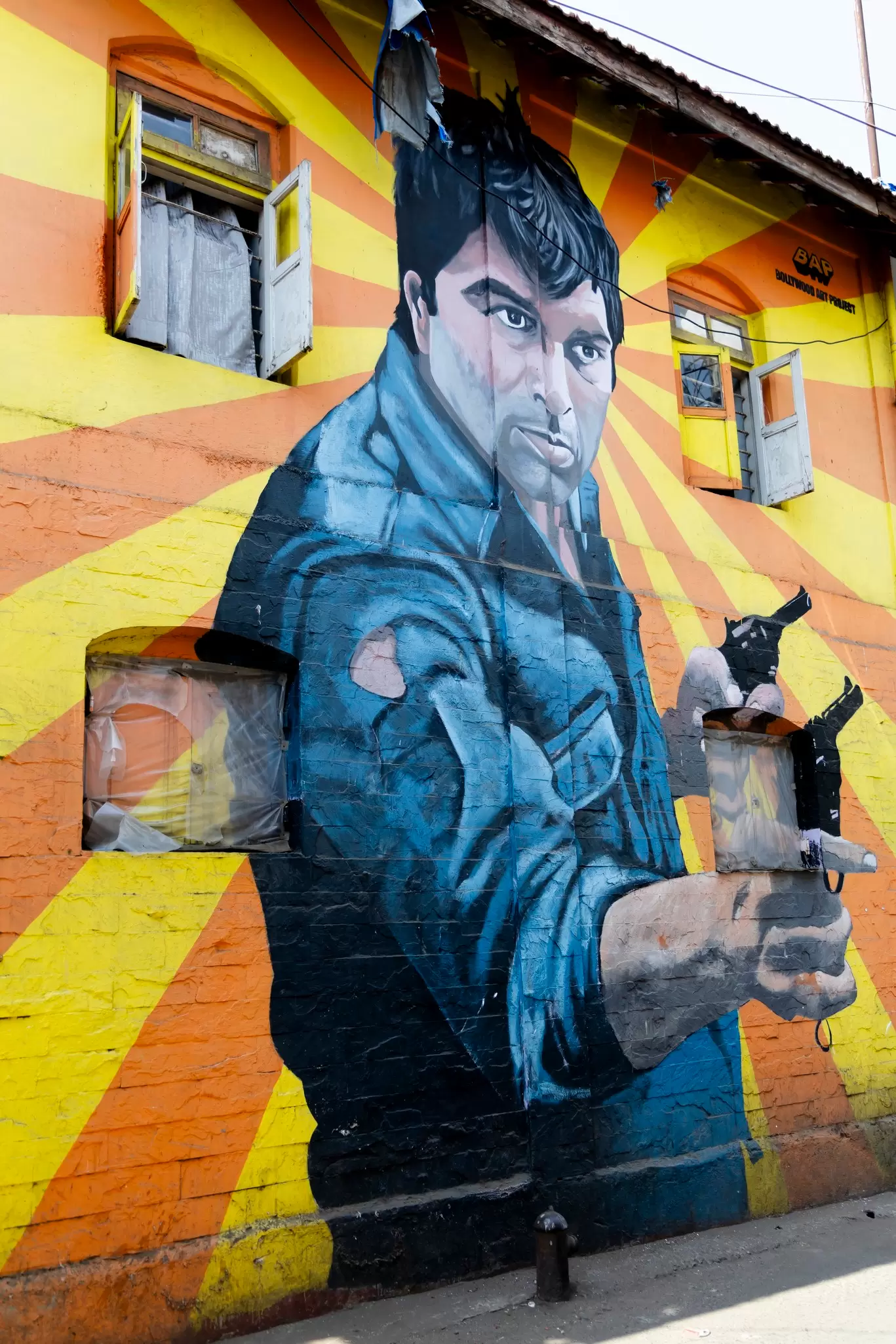
Bandra West has a strong claim of putting the B in Bollywood – the colossal Indian film industry flourished here, with the legendary Mehboob Studio opening up and movie stars moving in since the 1950s. Bollywood tours today tend to focus on SJ Studio in Andheri, before driving past the Bandra homes of famous actors. Unless you’re well versed in Bollywood history, it’s easy to miss this vital element of the neighborhood, which has been bringing creatives to its streets for generations.
But fear not, Ranjit Dahiya, the artist behind Bollywood Art Project is making sure that people do not overlook or forget this local heritage, keeping Bandra’s Bollywood legacy alive with his huge murals. Hunting for his brightly colored homages to India’s great stars of the past is not hard, as devotees to his work have popped them on Google Maps. But in the 10 years he’s been hard at work immortalizing the neighborhood’s heritage, some murals do get lost in the sands of time.
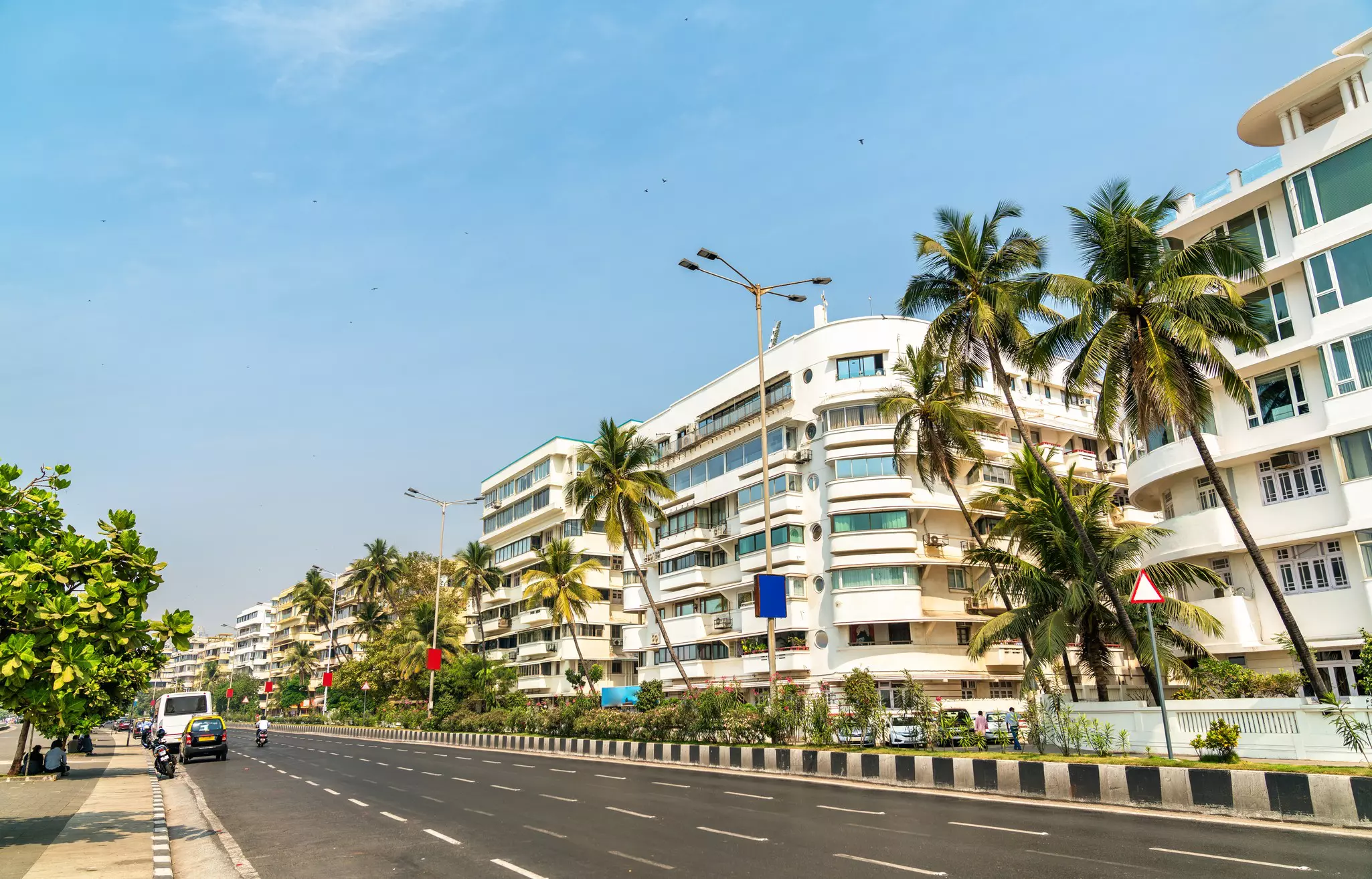
Mumbai has more art deco architecture than anywhere else in the world. Head to Marine Drive to see where it all started in the 1930s. Mumbai’s art deco was the first Indian-led architectural movement – most of the designers, funders and owners of the buildings were Indian. Sumptuous buildings sprang up throughout the 1930s and ’40s, in tandem with the brewing Independence movement and growing local identity. Look for the references to the sea and nautical imagery: the Soona Mahal (above Pizza by the Bay) is a great example. Its stepped profile gives depth and dynamism, with streamlining that makes the block look like an ocean liner.
Planning tip: Art Deco Mumbai runs walking tours on the weekends that you can request via the website.
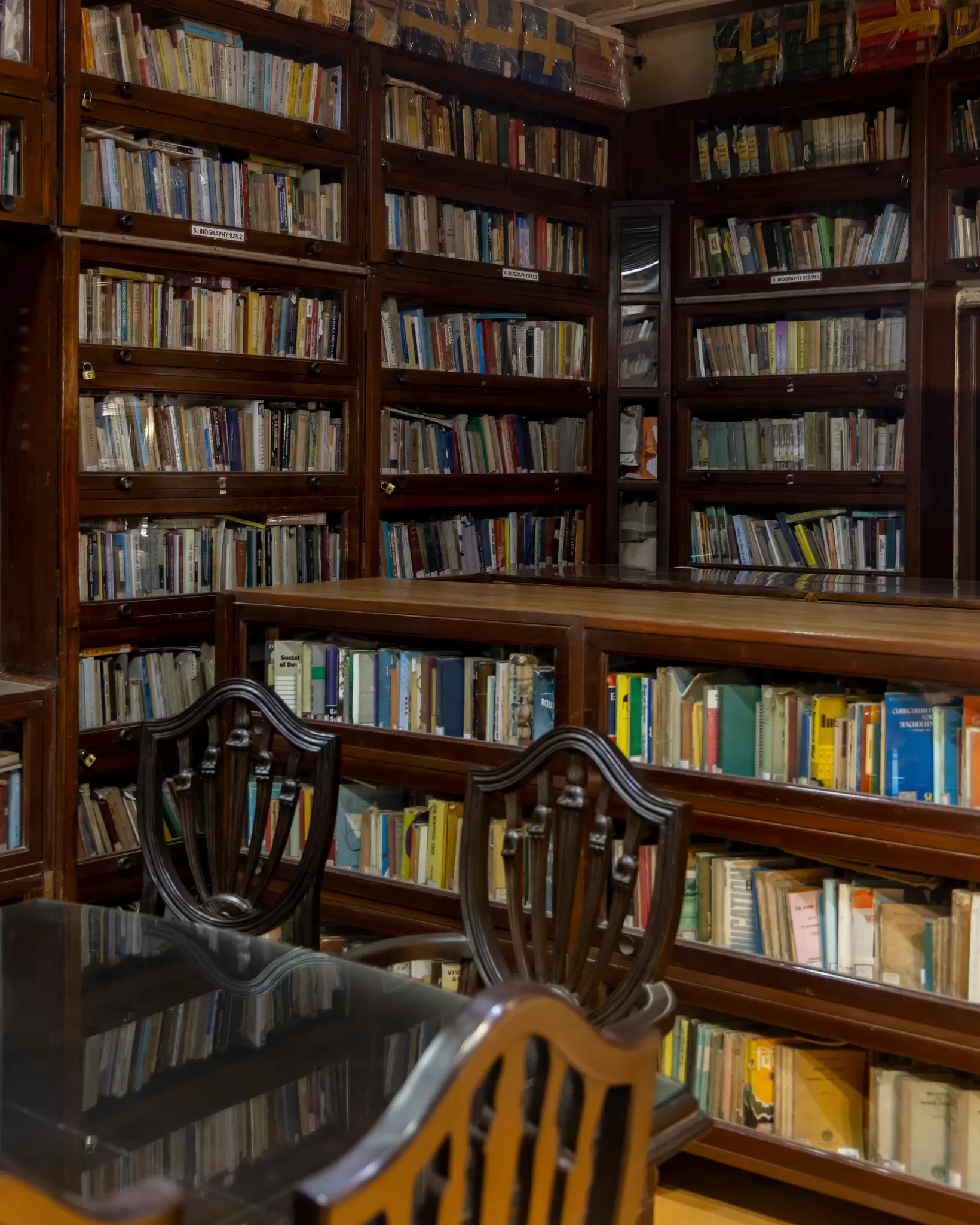
The Mani Bhavan Gandhi Sangrahalaya, a beautiful wooden house just north of Marine Drive, was Gandhi’s home and headquarters in Mumbai (then Bombay) from 1917 to 1934.
Gandhi chose Bombay as the base for his political action rather than New Delhi (the recently anointed capital city) as he could interact with a wide range of communities living and working in the commerce hub. He launched some of his biggest protest movements from this house, which you can visit between 11am and 5pm every day. The museum includes a library as well as Gandhi’s personal things, such as his cotton spinning wheel.
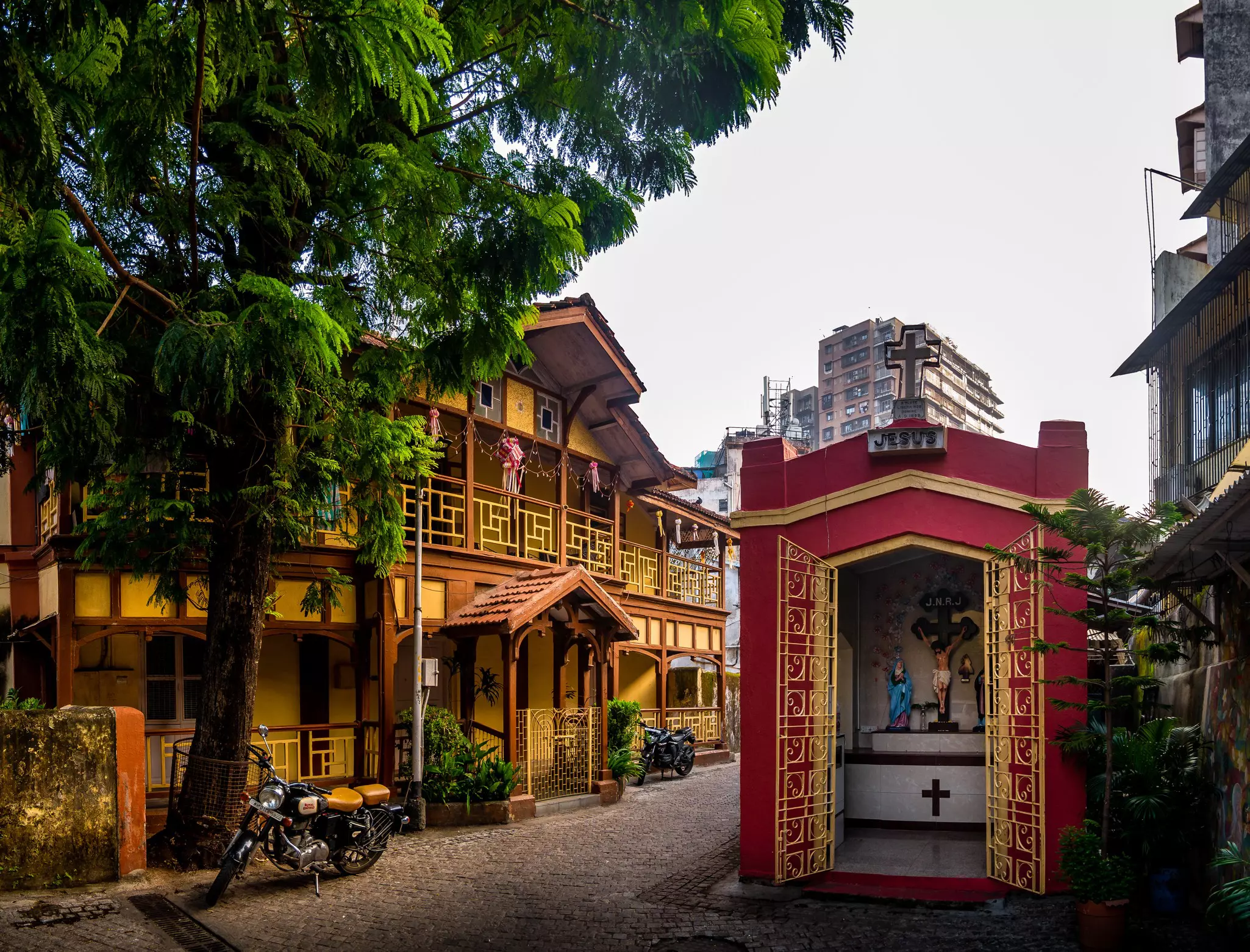
You wouldn’t expect a colorful, charming little village in the midst of heavily developed downtown Mumbai, but it’s home to Khotachiwadi, an enclave of peace in the metropolis. The lanes with wooden front porches, hand-painted gates, external staircases and protruding balconies are a wonderful kaleidoscope of Portuguese-Konkan architecture, developed over 100 years ago when the area was still a suburb.
Planning tip: Tours are run by resident historian André Baptista; check his socials for updates.
Mumbai locals are proud of their theater scene, which comes in two halves: the smaller stages and edgy black boxes up in the Western Suburbs and the two larger, revered spaces that sit at either end of Marine Drive.
You can book a show at the National Centre for the Performing Arts, opened in 1969. It promises the crème de la crème of the city’s performing arts. Likewise, at the north end near Girgaon Chowpatty, the Royal Opera House, India’s only surviving opera house, stages both opera and theater – expect to be wowed by the building’s fine interiors as much as the show.
Andheri West and Juhu are also great places to experience Mumbai’s extremely vibrant theater scene. The former has a delightfully DIY vibe to sink into and the latter is home to one of the best arts institutions in the city – the Prithvi Theatre. If you’re short on time and want a snapshot of the theatrical landscape, the Prithvi is the place to go.
Planning tip: Prithvi is also home to a number of great festivals – be sure to keep your eyes peeled for listings by brilliant youth theater organization Thespo, who perform here every December, as well as in spaces around Juhu.
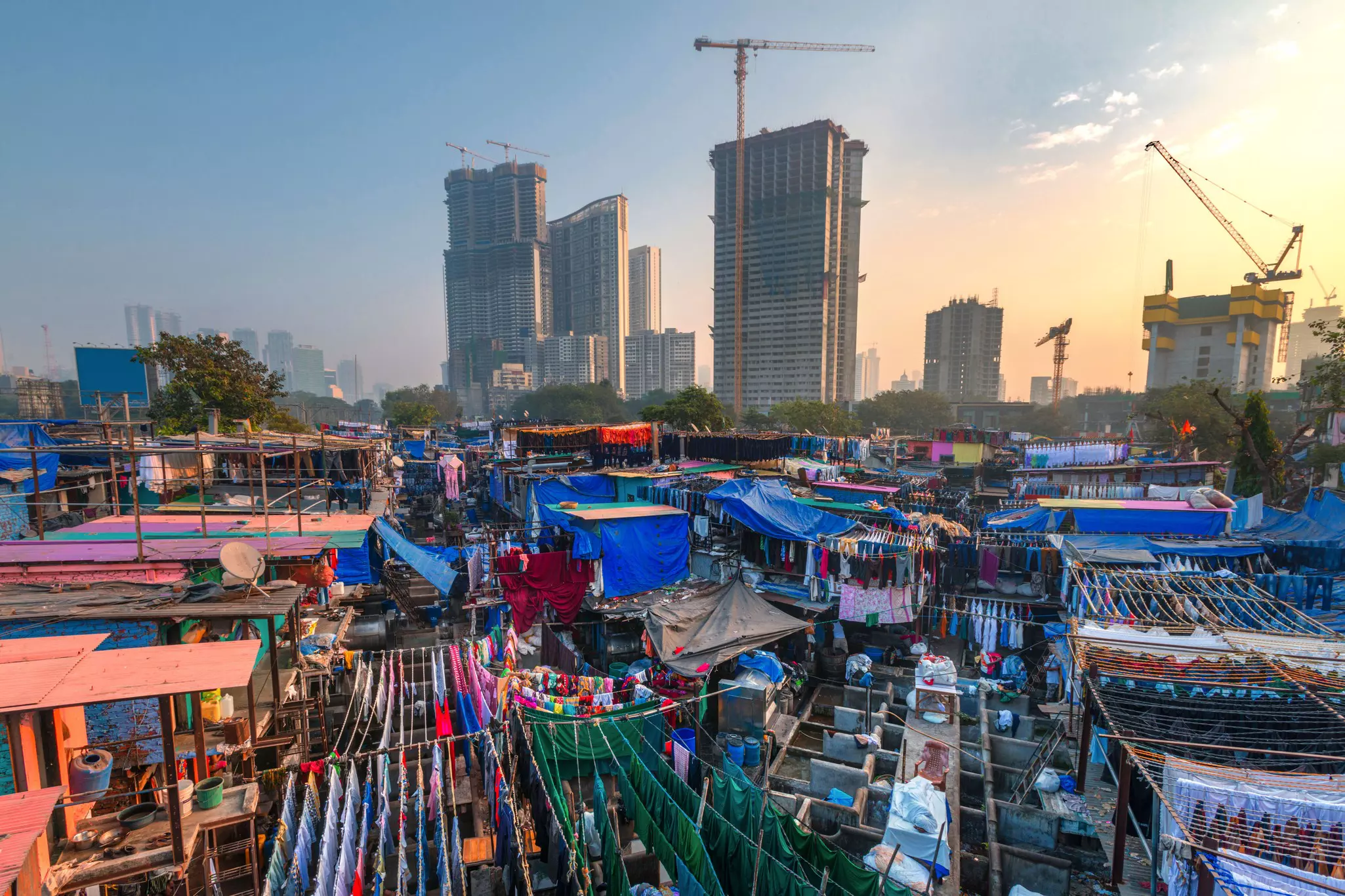
The 140-year-old Mahalaxmi Dhobi Ghat is Mumbai’s biggest human-powered washing machine. The best view is from the bridge across the railway tracks near Mahalaxmi train station. Mumbai’s largest laundry is an unfathomably huge, and confronting, outdoor complex, with linens of all colors and sizes drying in the wind.
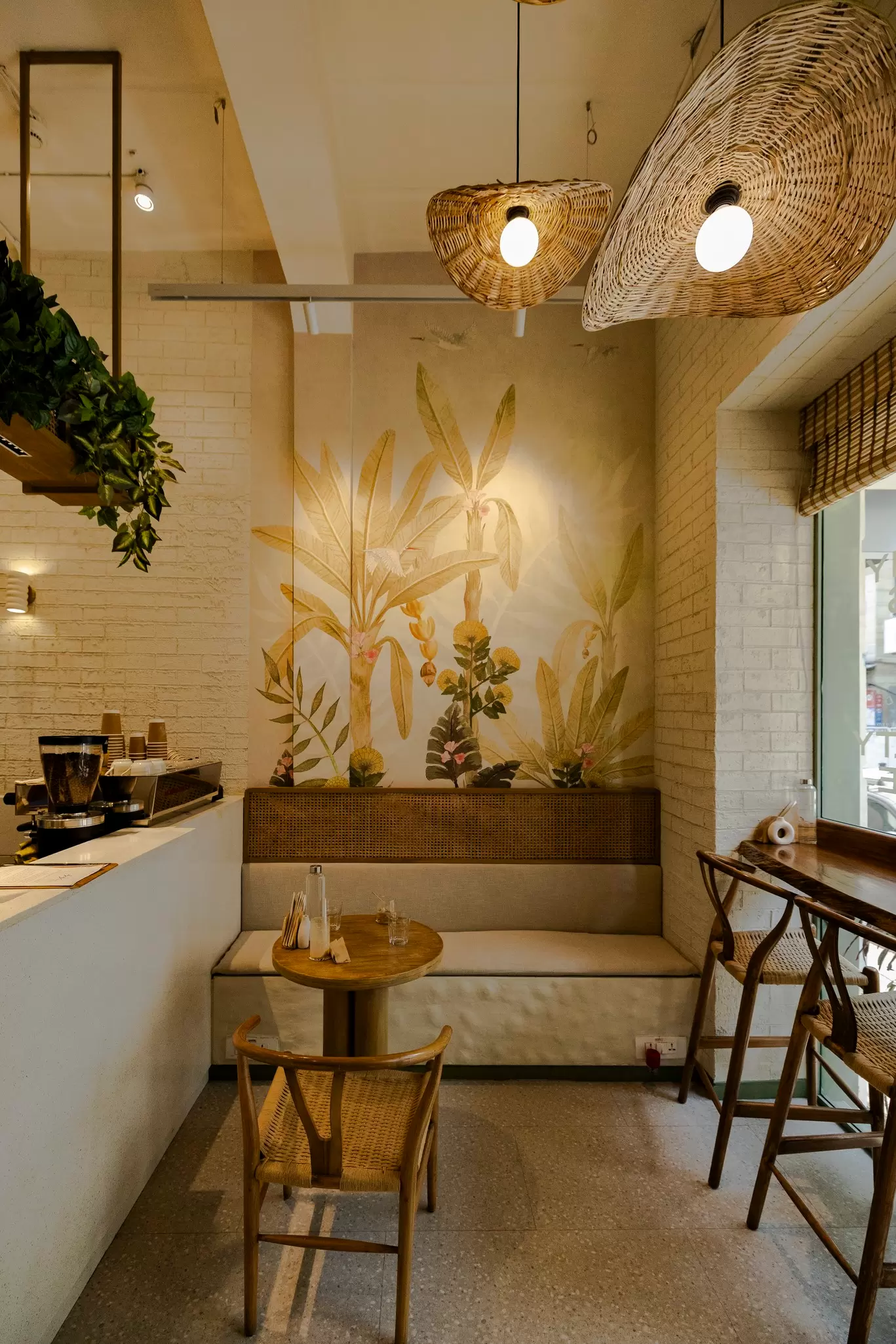
As this area grows thanks to the connection provided by the Bandra-Worli Sea Link, cafe culture has boomed in Bandra West, with some of the best in the country. The cafe scene stands out due to the diversity of what’s on offer, the quality of the food, coffee and tea, and the interior design – ranging from colorful and eye-catching to serene, retreat-like spaces.
Veggie favorite Greenr cafe is flooded with light from its floor-to-ceiling window. Taj Mahal Tea House is an elegant, colorful place with more on the tea menu than you could possibly imagine. Steps Café sits on St Stephen’s steps and boasts sleek design with a top coffee menu, a great spot to perch at a window seat. Trendy outfit Veronica’s serves delicious bagels and sandwiches in funky decor.
Planning tip: Once off the train in Bandra, Bandra Junction, Khar Rd or Andheri, it’s time to catch autos. You can hail an auto (or a regular taxi) using the Ola or Uber apps. If you flag one down, be sure to ask the driver to switch the meter on before you hop in.
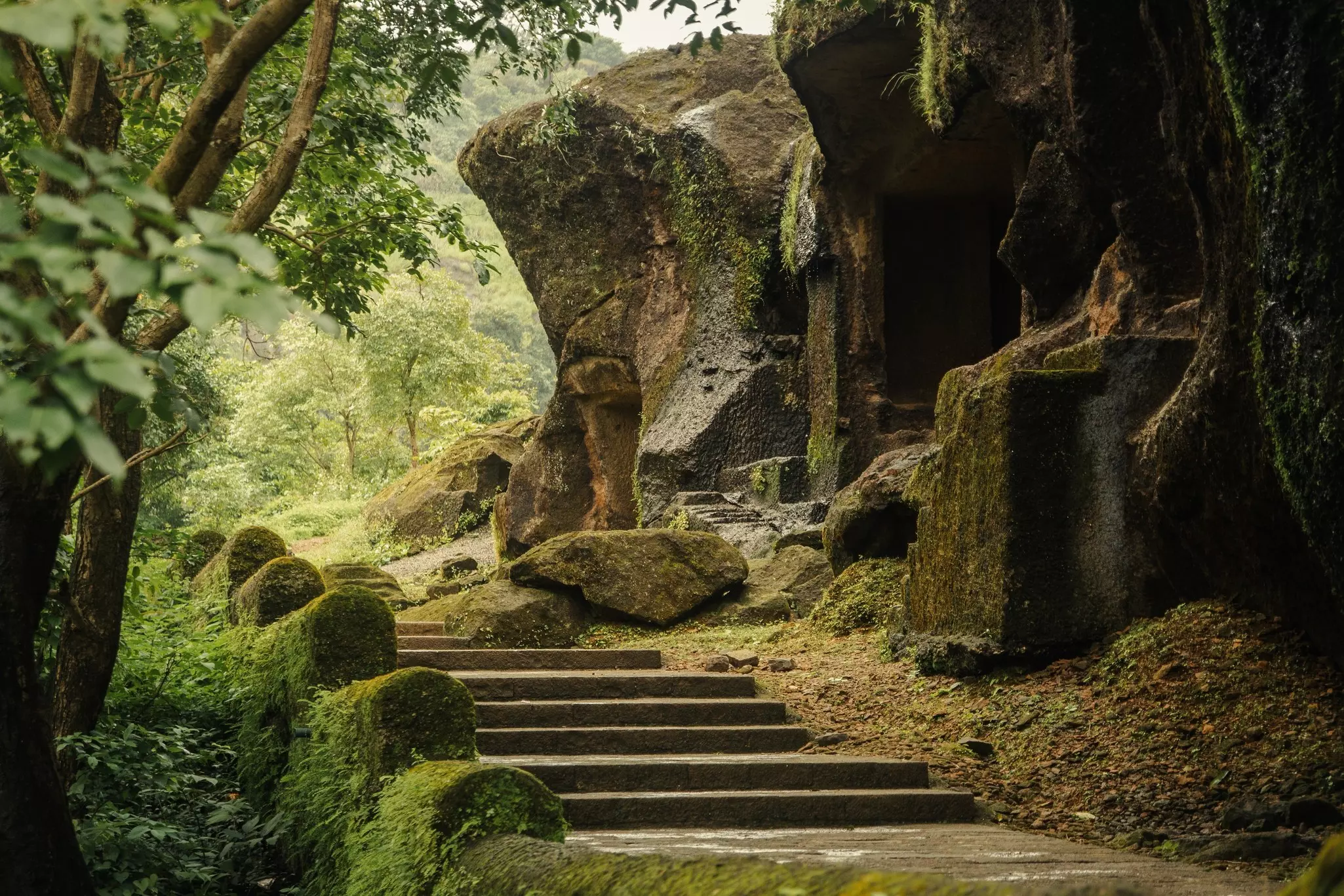
Spot monkeys, porcupines and maybe even a leopard or cheetah in Sanjay Gandhi National Park. Traverse the trails and pathways of this sprawling, protected park about 1 hour 30 minutes from the bustling city of Mumbai. The extensive tropical forest houses waterfalls, caves and lakes, and the easiest way to reach the park is via the Western Railway line.
Don't miss the Kanheri Caves, a cave complex where Buddhist monks lived and meditated. Dating back to the 1st century CE, the caves are adorned with paintings, intricate carvings and sculptures depicting Buddhist art and culture.
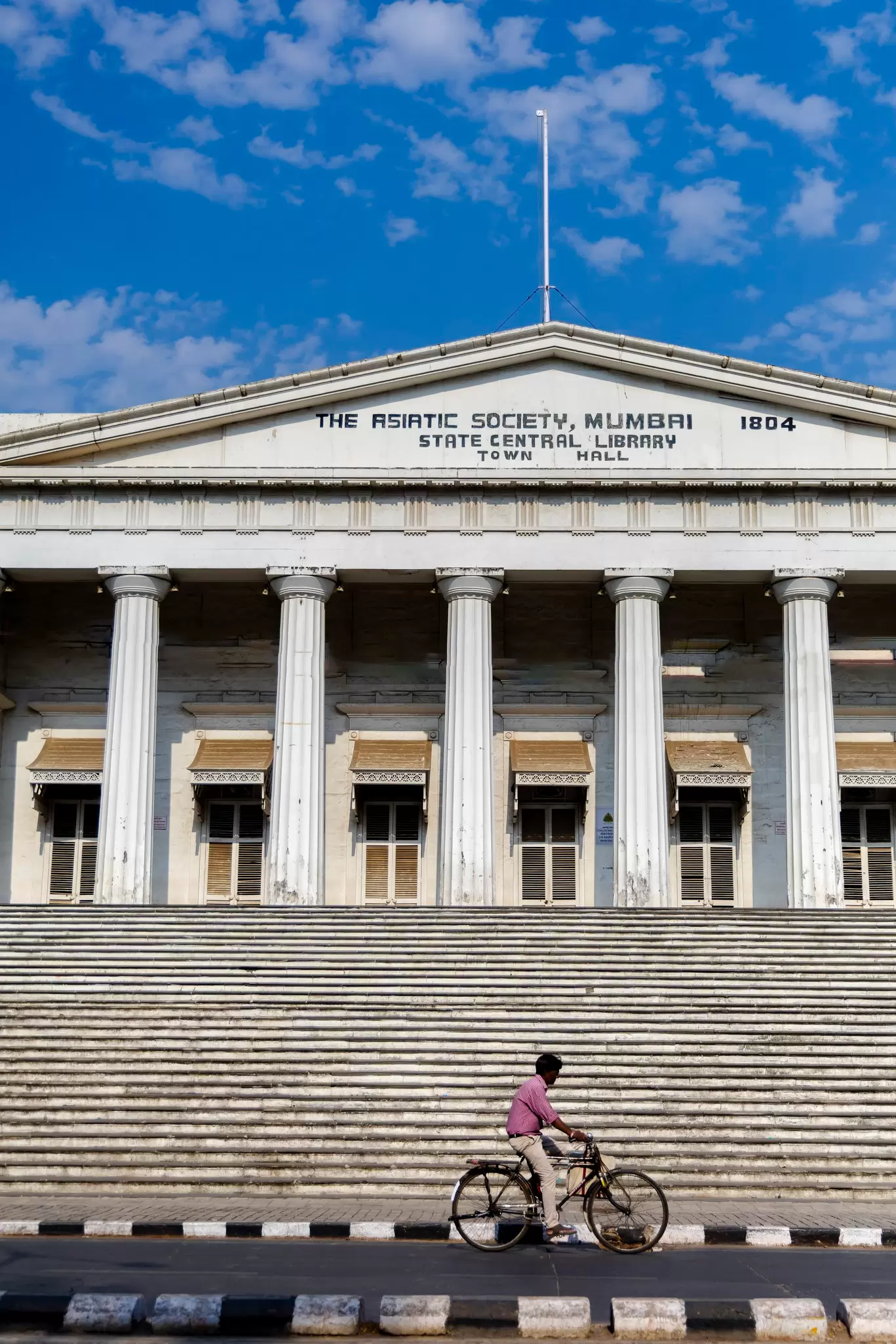
The Asiatic Society library is public access; anyone is welcome to walk between its colossal Doric columns and sit, read or work there. It houses over 3000 rare books, including a 15th-century copy of Dante’s Divine Comedy. The society also hosts history-focused talks.
The ornate David Sassoon Library and Reading Room is open for Indian citizens but foreigners can stop by to check out exhibitions of the manuscripts and maps, displayed in the entrance corridor. Slightly more accessible, the JN Petit Library will allow you a look, while students, or those on a work visa, can also use the vaulted Victorian space.
The neighborhoods of the Western Suburbs have quite the craft beer scene. Stop by HAPI Beer Co in Bandra West for a top tasting menu of its home-brewed ales, lagers and ciders. Veteran brewer Doolally has two taprooms now; one in Khar West and another in Andheri, pouring German-style hefeweizens, juicy Indian pale ales (IPAs) and lagers since 2009.
A top addition to the city was opened by Pune-based Independence Brewing Company – its trendy Andheri West taproom has nine taps devoted to four-grain saisons, tasty IPAs, sours on occasion and one of India’s only double IPAs.
This article was adapted from Lonely Planet's India guidebook.
Book your India trip with Lonely Planet Journeys
See India how it's meant to be seen
Accommodations, activities and ground transportation all taken care of, so you can focus on the fun part. Tell us what your dream trip to India looks like, and our local experts will build it from scratch. Or start with one of our itineraries and make it your own.
Explore related stories