go to content go to search box go to global site navigation

Egypt

Things to do in Egypt

‹ Prev

of 42

  1. A

    Salahadeen

    Salahadeen offers a set menu of Egyptian dishes, served as if it were an Egyptian home – knives and forks are offered but guests are encouraged to eat in the Egyptian way by dipping bread in the various dishes. There are two choices, the ‘platter’ (E£85), which includes three courses with14 dishes of fresh home-cooked food to share, or the ‘Feast’ (E£125) with five courses including 25 different dishes. Most dishes consist of vegetables, and the vegetarian options are not cooked in a meat broth as in so many other places. The bar opens for pre-dinner drinks at 6pm, and alcohol is available in the restaurant, too.

    reviewed

  2. B

    Al-Azhar Park

    Islamic Cairo’s eastern horizon changed substantially when Al-Azhar Park opened in 2005. With funds from the Aga Khan Trust for Culture, what had been a mountain of centuries’ worth of collected garbage was transformed into a beautifully landscaped swath of green, the city’s first (and only) park of significant size. It’s hard to convey just how dramatically different the park is from any other public space in Cairo: a profusion of gardens, emerald grass, even a lake (part of a larger public water-supply system) cover the grounds, while ambient Arabic music drifts softly from speakers and fountains bubble in front of sleek modern Islamic architecture. In addition to a…

    reviewed

  3. C

    Abou Shakra

    Abou Shakra is where to come for a skewer or two. It's been serving up its kebab-and-kofta plates and shwarma sandwiches at this main branch since 1947 and locals love it to bits. There's a takeaway at the front and a dining room behind it. Believe it or not, on Fridays an Imam reading from the Quran is posted next to the toilets. No alcohol is served.

    reviewed

  4. D

    Animalia

    This small but charming museum has a collection of stuffed animals found in Nubia, samples of sedimentary rocks, great pictures of Nubia before it was flooded by Lake Nasser, a small shop selling Nubian crafts at fixed prices and a lovely roof terrace where drinks are served overlooking the gardens.

    reviewed

  5. E

    Oasis Café

    Set in a renovated 1930s building right in the centre of town, the Oasis is a good place to recover from the bustle of Luxor town, from the heat or from sightseeing. The dining rooms are cool with fans, high ceilings and old tiled floors, painted in soft colours with local artwork on the walls, and furnished with traditional-style furniture. With jazz softly playing, smoking and nonsmoking rooms, the New Yorker to read and friendly staff, this is the perfect place for lunch, to linger over a good morning latte or to spend the afternoon reading. The place is very Western, but in a nice way like your favourite cafe back home. The food is good too, with an extensive brunch…

    reviewed

  6. F

    Abou El Sid

    Cairo’s first hipster Egyptian restaurant, Abou El Sid is as popular with tourists as it is with upper-class natives looking for a taste of their roots – Omar Sharif has been known to savour the chicken with molokhiyya (stewed leaf soup), but you can also enjoy a sugar-cane-and-tequila cocktail at the big bar, or a postprandial sheesha. It’s all served amid hanging lamps, kitschy gilt ‘Louis Farouk’ furniture and fat pillows. The entrance is on the west side of the Baehler’s Mansions complex; look for the tall wooden doors. There’s another branch in Mohandiseen, on Midan Amman ( [tel] 3749 7326). Reservations are a must.

    reviewed

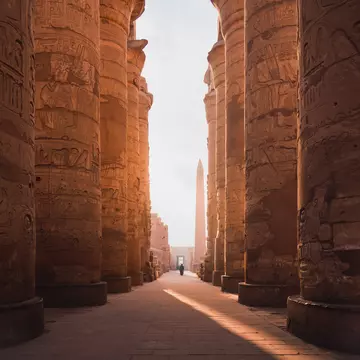
  7. Karnak

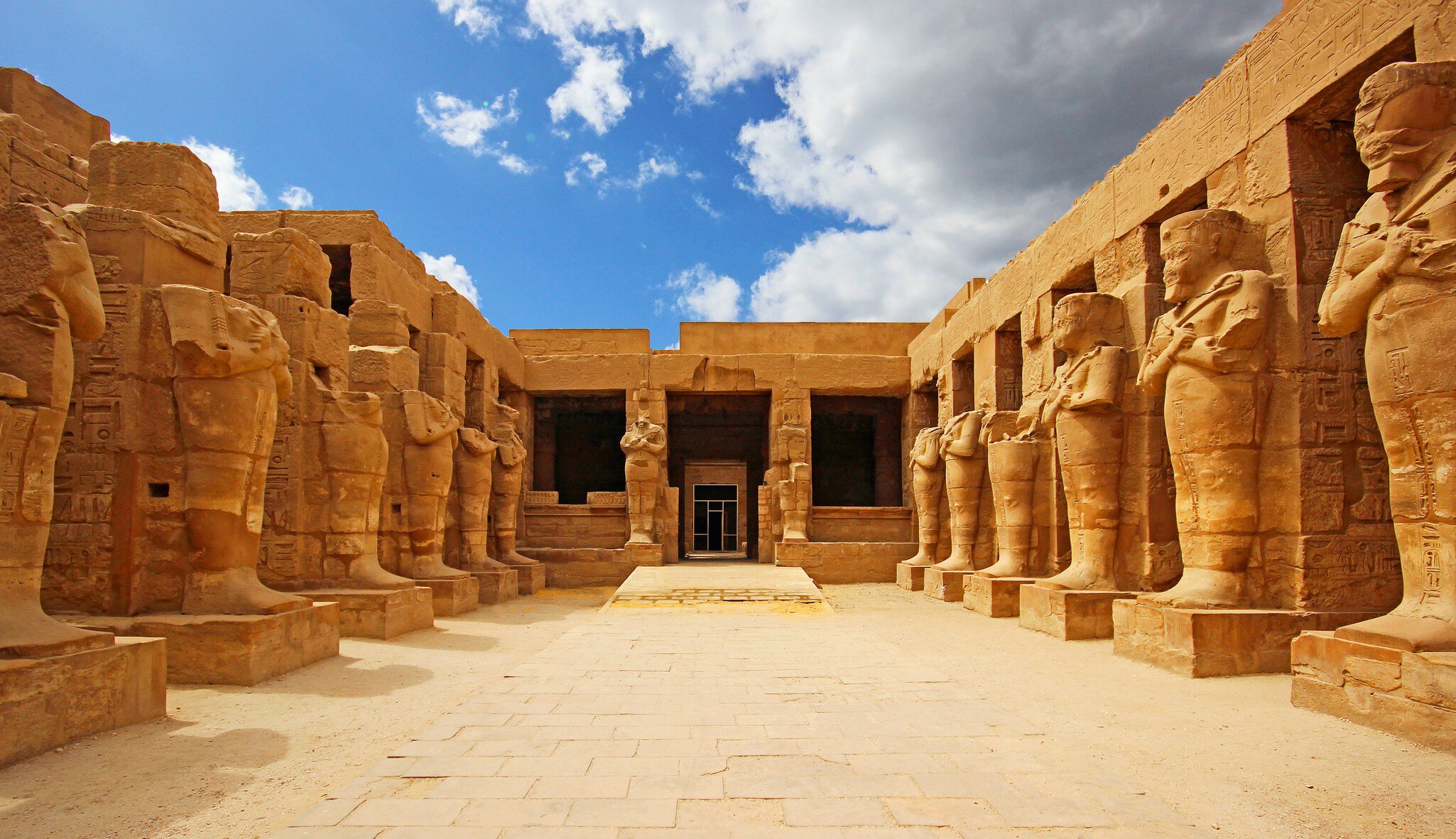
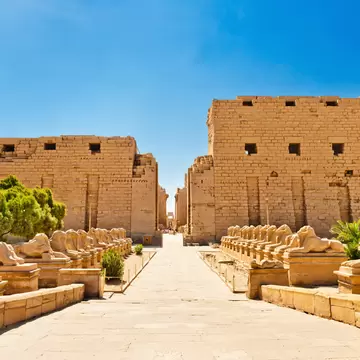
    More than a temple, Karnak is an extraordinary complex of sanctuaries, kiosks, pylons and obelisks dedicated to the Theban gods and the greater glory of pharaohs. Everything is on a gigantic scale: the site covers over 2 sq km, large enough to contain about 10 cathedrals, while its main structure, the Temple of Amun, is the largest religious building ever built. This was where the god lived on earth, surrounded by the houses of his wife Mut, and their son Khonsu, two other huge temple complexes on this site. Built, added to, dismantled, restored, enlarged and decorated over nearly 1500 years, Karnak was the most important place of worship in Egypt during the New Kingdom.…

    reviewed

  8. G

    Valley of the Kings

    Once called the Great Necropolis of Millions of Years of Pharaoh, or the Place of Truth, the Valley of the Kings has 63 magnificent royal tombs from the New Kingdom period (1550–1069 BC), all very different from each other. The West Bank had been the site of royal burials from the First Intermediate Period (2160–2025 BC) onwards. At least three 11th-dynasty rulers built their tombs near the modern village of Taref, northeast of the Valley of the Kings. The 18th-dynasty pharaohs, however, chose the isolated valley dominated by the pyramid-shaped mountain peak of Al-Qurn (The Horn). The secluded site enclosed by steep cliffs was easy to guard and, when seen from the Theban…

    reviewed

  9. H

    Sofra

    Sofra remains our favourite restaurant in Luxor. Located in a 1930s house, away from all the tourist tat, it is as Egyptian as can be, in menu and decor, and even in price. The ground floor has three private dining rooms and a salon, giving the feeling of being in someone’s home. There is also a wonderful rooftop terrace, which is also a cafe, where you can come for a drink. The house is filled with antique oriental furniture, chandeliers and traditional decorations, all simple but cosy and very tasteful. The menu is large, featuring all the traditional Egyptian dishes, such as stuffed pigeon and excellent duck, as well as a large selection of salads, dips (E£4) and…

    reviewed

  10. Ace

    ACE was opened in 2000 by a British-run charity to give free treatment for the working animals of Egyptians, particularly donkeys and horses, and it is today a great veterinary hospital and animal welfare centre seeing up to 200 animals a day. For those distressed by the state of the horses in Luxor streets, you may like to see what is done here. The centre also runs an education program receiving 80 local children a day, aiming to impart a love and care for animals. This is a great place to visit, and foreign children can spend the day at the centre to help care for the animals. Volunteers and donations are very welcome.

    reviewed

  11. Advertisement

  12. I

    Nobi’s Arabian Horse Stables

    Excellent horses can be found at Nobi’s Arabian Horse Stables, which also provides riding hats, English saddles and insurance. Nobi also has 25 camels and as many donkeys at the same price, and organises longer horse riding and camping trips into the desert or a week from Luxor to Kom Ombo along the West Bank. Call ahead to book, and he can arrange a hassle-free transfer to make sure you arrive at the right place, as often taxi drivers will try and take you to a friend’s stable instead.

    reviewed

  13. J

    Habiba

    Run by an Australian woman who loves to travel in Egypt and who wants to promote the best of Egyptian crafts, this tiny shop goes from strength to strength. It sells an ever-expanding selection of Bedouin embroidery, jewellery, leather work, wonderful Siwan scarves, cotton embroidered scarves from Sohag, the best Egyptian cotton towels (usually only for export), mirrors and brass lights – and all at fair-trade fixed prices. A world away from what is available in the nearby souq.

    reviewed

  14. K

    Egyptian Museum

    Don’t hope to see everything in the Egyptian Museum in one go. It simply cannot be done. Instead, plan on making at least two visits, maybe tackling one floor at a time, or decide on the things you absolutely must see and head straight for them. In peak season (much of winter and all public holidays), there’s no best time to visit as the museum heaves with visitors throughout the day; lunchtime and late afternoons can be a little quieter.

    reviewed

  15. L

    Temple of Hatshepsut

    The eyes first focus on the dramatic rugged limestone cliffs that rise nearly 300m above the desert plain, a monument made by nature, only to realize that at the foot of all this immense beauty lies a man-made monument even more extraordinary, the dazzling Temple of Hatshepsut. The almost modern-looking temple blends in beautifully with the cliffs from which it is partly cut, a marriage made in heaven.

    reviewed

  16. M

    Samakmak

    Owned by Zizi Salem, the retired queen of the Alexandrian belly-dancing scene, Samakmak is definitely one step up from the other fish eateries in the neighbourhood. The fish is as fresh as elsewhere, but customers flock to this place for its specials, including crayfish, marvellous crab tagen (stew cooked in a deep clay pot) and a great spaghetti with clams.

    reviewed

  17. Windsurfing

    Windsurfing is a popular pastime, and the Hilton Dahab Resort and Swiss Inn Golden Beach Resort have good windsurfing centres. The centre of the bay boasts the steadiest winds in Dahab, though strong gusts occasionally sweep across the northern end. Kitesurfing is also starting to take off in Dahab, although offshore winds limit the areas where it can be done.

    reviewed

  18. N

    Al-Tannoura Egyptian Heritage Dance Troupe

    Egypt’s only Sufi dance troupe – far more raucous and colourful than white-clad Turkish dervishes – puts on a mesmerising performance at the Wikala of Al-Ghouri. It’s a great opportunity to see one of the medieval spaces in use; arrive about an hour ahead to secure a seat.

    reviewed

  19. O

    Chef Khalil

    Popular fish restaurant, just along from the train station, serving very fresh fish from Lake Nasser and the Red Sea, charged by weight, grilled, baked or fried to your choice and served with salad and rice or French fries. It’s a small place, but worth the wait if it’s full.

    reviewed

  20. P

    Simonds

    The recent overhaul of this century-old French-style cafe has divided locals: some say that all the faded charm has been thoroughly sterilised, while others welcome the fresh coat of paint and bold new look. Whatever your opinion, at least the coffee is still good.

    reviewed

  21. Q

    Panorama

    With its pleasant Nileside terrace, this is a great place to chill and sip a herbal tea or fresh juice. It also serves simple Egyptian stews cooked in clay pots, with salad, mezze and rice or chips, or an all-day breakfast.

    reviewed

  22. Advertisement

  23. R

    Catacombs of Kom ash-Shuqqafa (Kom ash-Shuqqafa)

    About five minutes' walk south of Pompey's Pillar are the Catacombs of Kom ash-Shuqqafa (Kom ash-Shuqqafa). Discovered accidentally in 1900 when a donkey disappeared through the ground, these catacombs are the largest known Roman burial site in Egypt. This impressive feat of engineering was one of the last major works of construction dedicated to the religion of ancient Egypt.

    Demonstrating Alexandria's hallmark fusion of Pharaonic and Greek styles, the architects used a Graeco-Roman approach in their construction efforts. The catacombs consist of three tiers of tombs and chambers cut into bedrock to a depth of 35m. The bottom level, some 20m below street level, is…

    reviewed

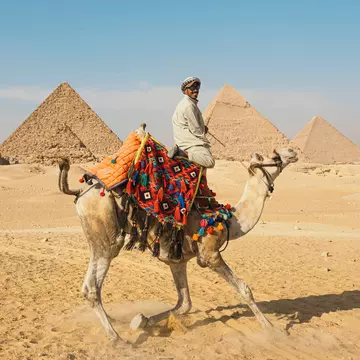
  24. Pyramids of Giza and the Sphinx

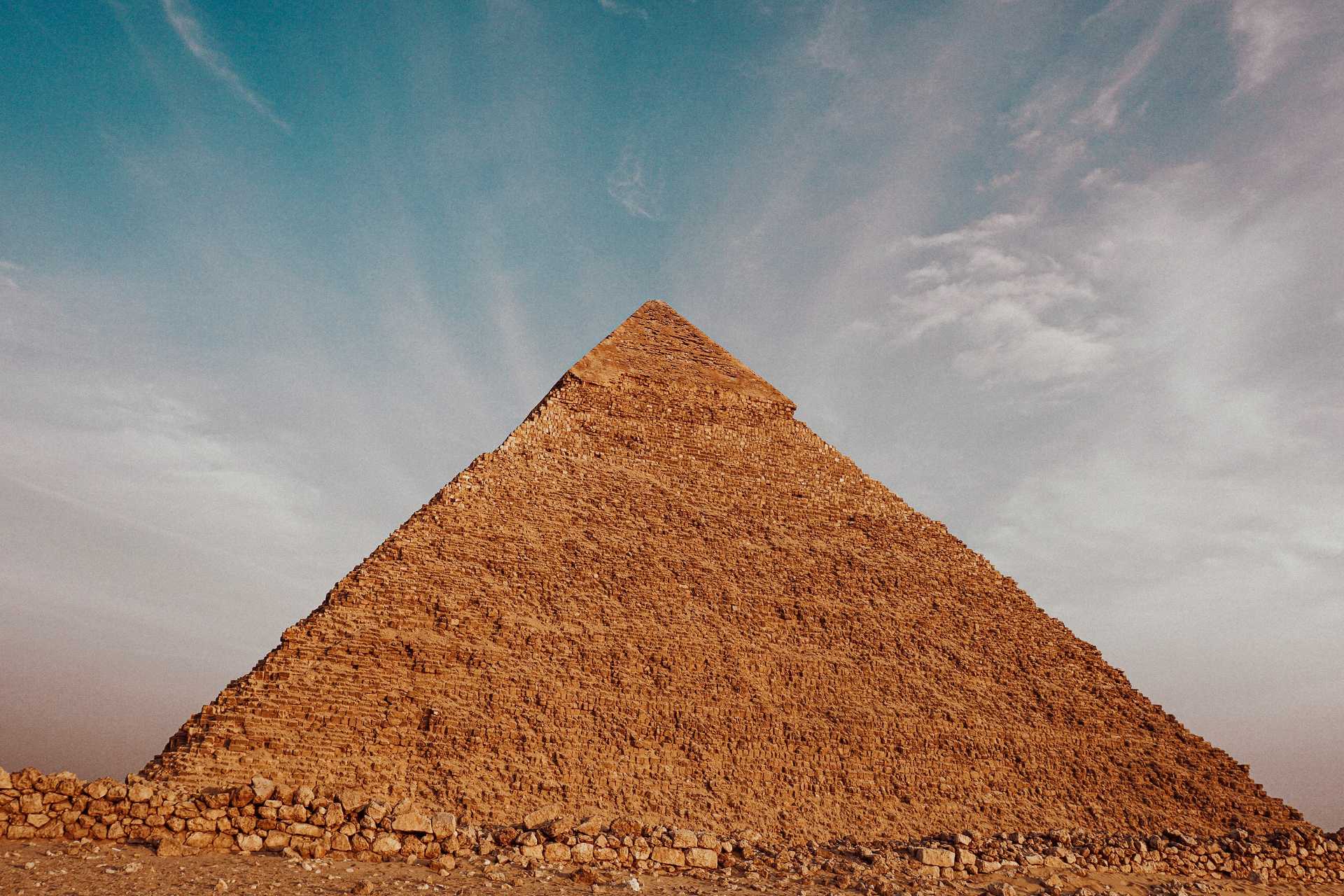
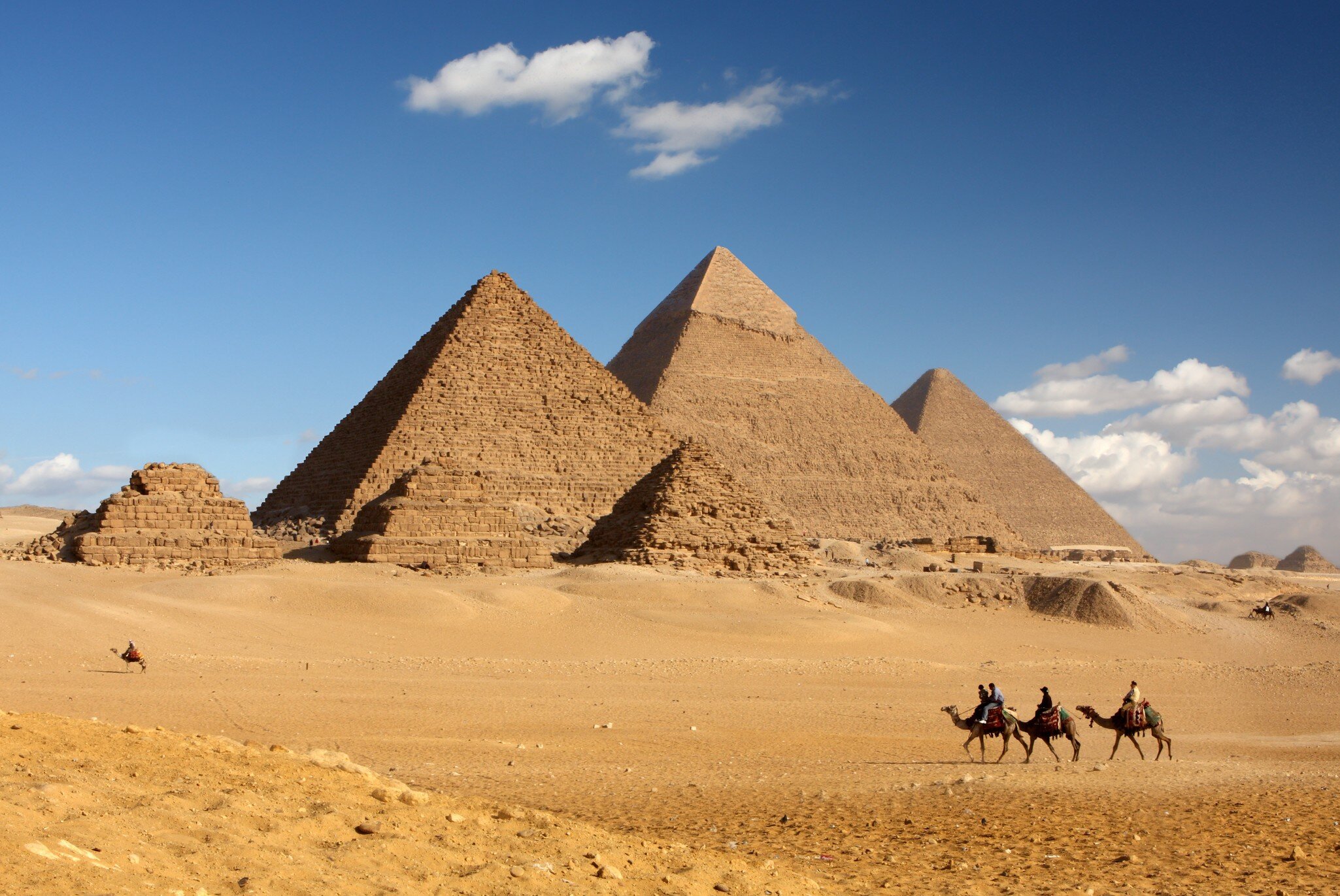
    The sole survivor of the Seven Wonders of the World, the Pyramids of Giza live up to more than 4000 years of hype. Their extraordinary geometry and age render them alien constructions rising out of the desert. The Sphinx sits nearby, a 50m-long feline character carved from a single block of stone.

    There are swarms of visitors to the site, attended by swarms of camel and horse touts, but they fail to destroy the wonder. If you want a peaceful view of the pyramids, it's best to take a horse ride in the area at around 17:00 - you won't see them close up, but it can be a lot more atmospheric than battling around close to the monuments.

    The Pyramids at Giza are the planet's…

    reviewed

  25. Snorkelling and Diving

    Other than just lounging around, snorkelling and diving are the most popular activities in Dahab. The reefs off Assalah are often strewn with litter, but if you can ignore this, the reef at the northern end of Mashraba has table corals and impressive fish life.

    Also worthwhile are the reefs off the southern end of Mashraba, just before the lagoon; Lighthouse Reef, a sheltered snorkelling site at the northern tip of Assalah; and the popular Eel Garden, just north of Assalah, where a colony of eels lives on the sandy sea bed.

    About 6km further north are the Canyon and Blue Hole dive sites. Despite their intimidating reputation as danger zones for careless divers, the tops of…

    reviewed

  26. Monastery of St Paul

    St Paul's monastery dates to the 4th century, when it began as a grouping of hermitages in the cliffs of Gebel al-Galala al-Qibliya around the site where St Paul had his hermitage.

    Paul, who was born into a wealthy family in Alexandria in the mid-3rd century, originally fled to the Eastern Desert to escape Roman persecution. He lived alone in a cave here for over 90 years, finding bodily sustenance in a nearby spring and palm tree. According to tradition, in AD 343 the then 90-year-old St Anthony had of vision of Paul. After making a difficult trek through the mountains to visit him, Paul died, and was buried by Anthony's hands.

    The heart of the monastery complex is the…

    reviewed

  27. S

    Temple of Serapeum

    The Temple of Serapeum is a magnificent structure that stood here in ancient times. It had 100 steps leading past the living quarters of the priests to the great temple of Serapis, the man-made god of Alexandria . Also here was the 'daughter library', the second great library of Alexandria, which was said to have contained copies and overflow of texts held in the Great Library of Alexandria, the Mouseion library.

    Unlike at the Great Library, these rolls could be consulted by anyone using the temple, making it one of the most important intellectual and religious centres in the Mediterranean. In AD 391 Christians launched a final assault on pagan intellectuals and destroyed…

    reviewed