Sep 15, 20267 min read
10 Top Things to Eat in Montréal Right NowJul 24, 2026
12 MIN READ

Writer
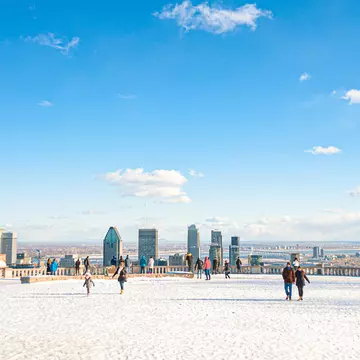
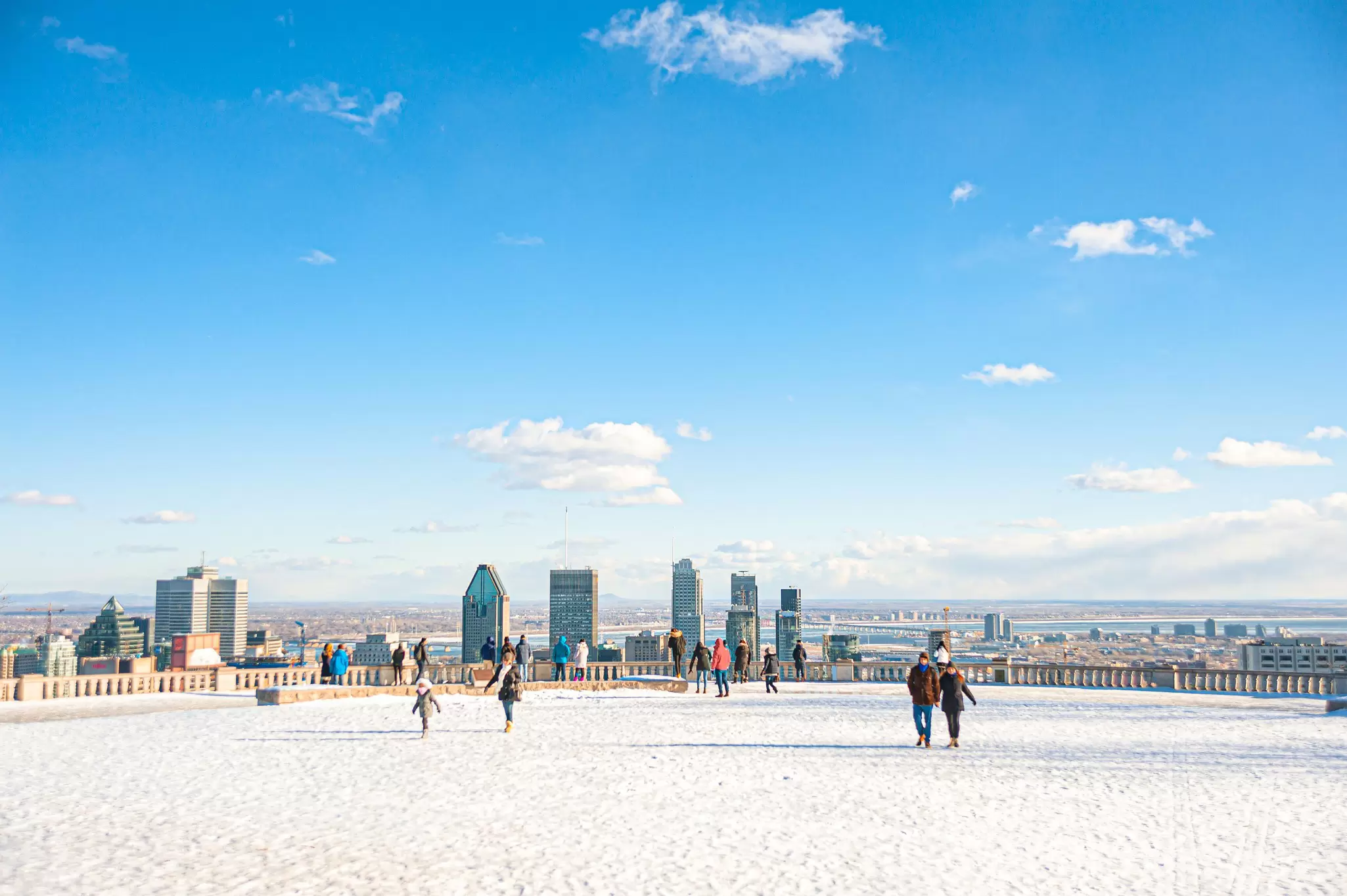
Belvédère Kondiaronk in Parc du Mont-Royal. Eduardo Fonseca Arraes/Getty Images
Writer
Highlights
Contributor Joel Balsam picks 12 Montréal experiences, from speakeasies to Nordic spas.
Stroll Le Plateau's thrift shops, then head to Parc Jean-Drapeau for Habitat 67.
Try smoked meat at Schwartz's, bagels at Fairmount and poutine at La Banquise.
Climb Mont Royal for city views, or catch a Habs game at Centre Bell in season.
Lonely Planet may earn a commission from affiliate links on our site. All recommendations and reviews reflect our own independent opinions.
Montréal is fun, it’s quirky, it’s multicultural – and it’s the best city in Canada by a long stretch, if you ask me. I spent more than a decade living in Montréal, and my dad grew up there. One of my favorite things to do in Canada’s second-largest city is wander its historic streets, past winding staircases, ivy-covered brick duplexes and restaurant lineups to a bagel shop or park. Montréal is a place where I feel creative, inspired and in awe every time I step out the door, and I know you will too. Here are some of the best things to do in magnificent Montréal.
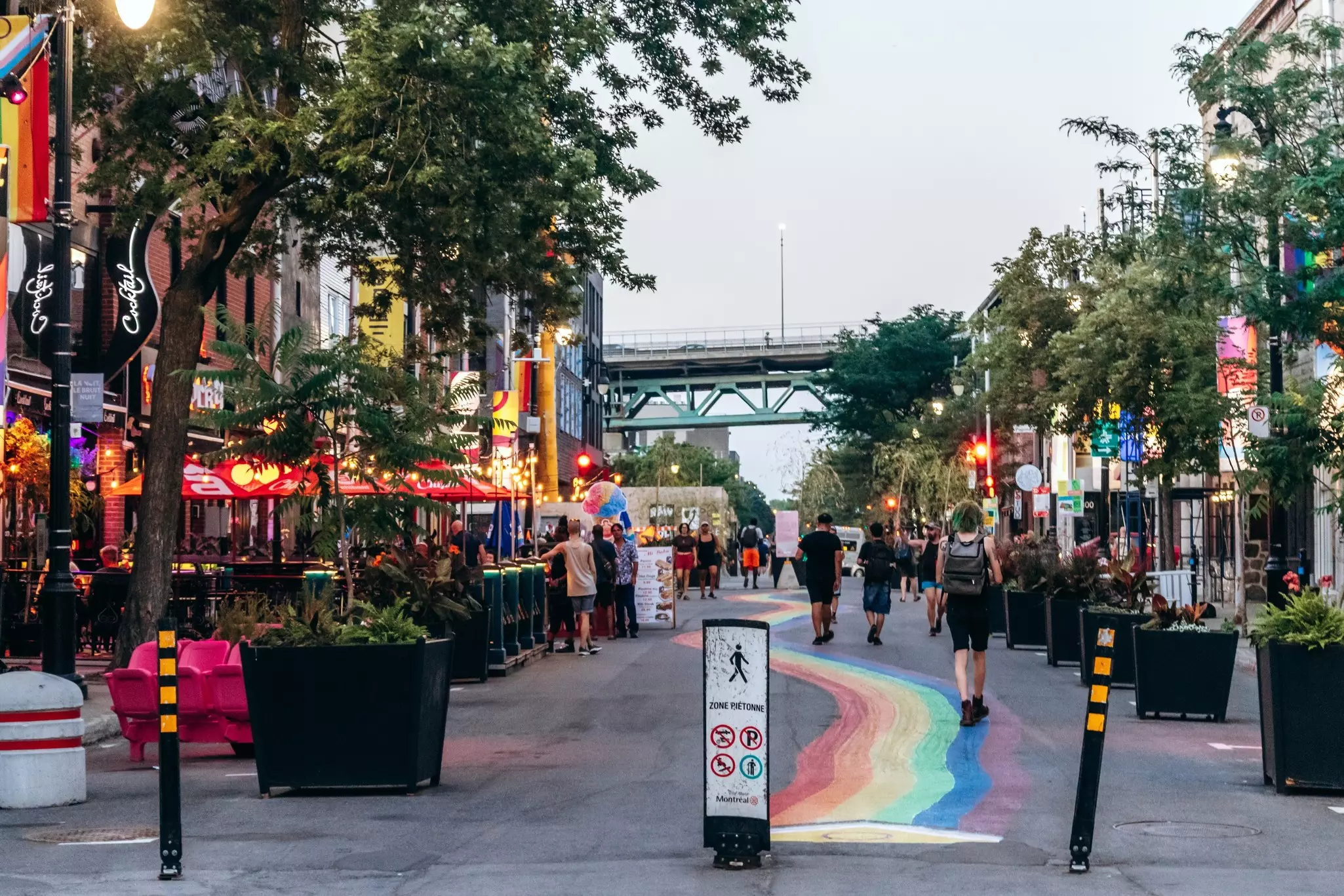
Stroll around Montréal’s many charming neighborhoods, to get a sense of local life and to see the city’s unique architecture. Old Montréal and the Old Port are Montréal’s most touristy areas, with souvenir shops, caricaturists and cheesy attractions aplenty, but visiting here is still a must-visit for the historic buildings, like the Basilique Notre-Dame (Basilica) and Place Jacques-Cartier (Square). Le Plateau has some of Montréal’s dreamiest architecture, and thrift shopping along the Main (aka Blvd St Laurent). Go to the Mile End for a mix of trendy restaurants and Jewish institutions, and Petite Italie (Little Italy) for fabulous food stalls at Marché Jean-Talon and Italian food like cannoli and Neapolitan pizza. St-Henri in the west end is the place to go for trendy neighborhood restaurants and to stroll the Canal de Lachine. For all-night partying, head to the east end Gay Village, especially during August for Fierté Montréal (Pride).
When to go: Montréal is at its best in June and July when locals flock to parks and terraces after the long winter, as well as when the leaves are falling in September and October. Temperatures can plummet to -28°C (-20°F) and below between January and March.
Getting there: Montréal is easy to get around via its excellent metro system, as well as Bixi bikes.
Pair with: Get some backstory during your walk with Tours Montréal, which leads tours to the Old Port, Gay Village, Mile End and Downtown.
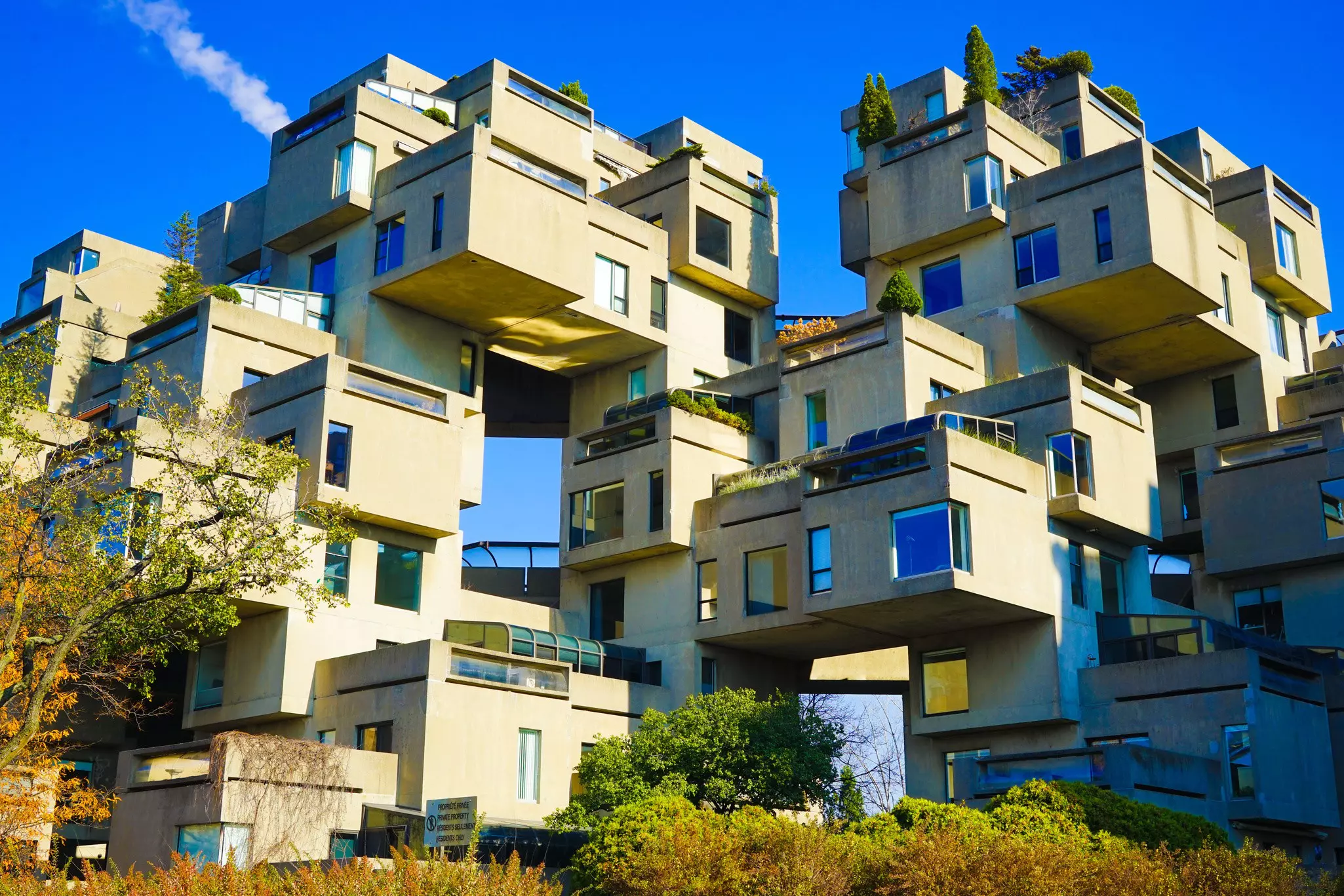
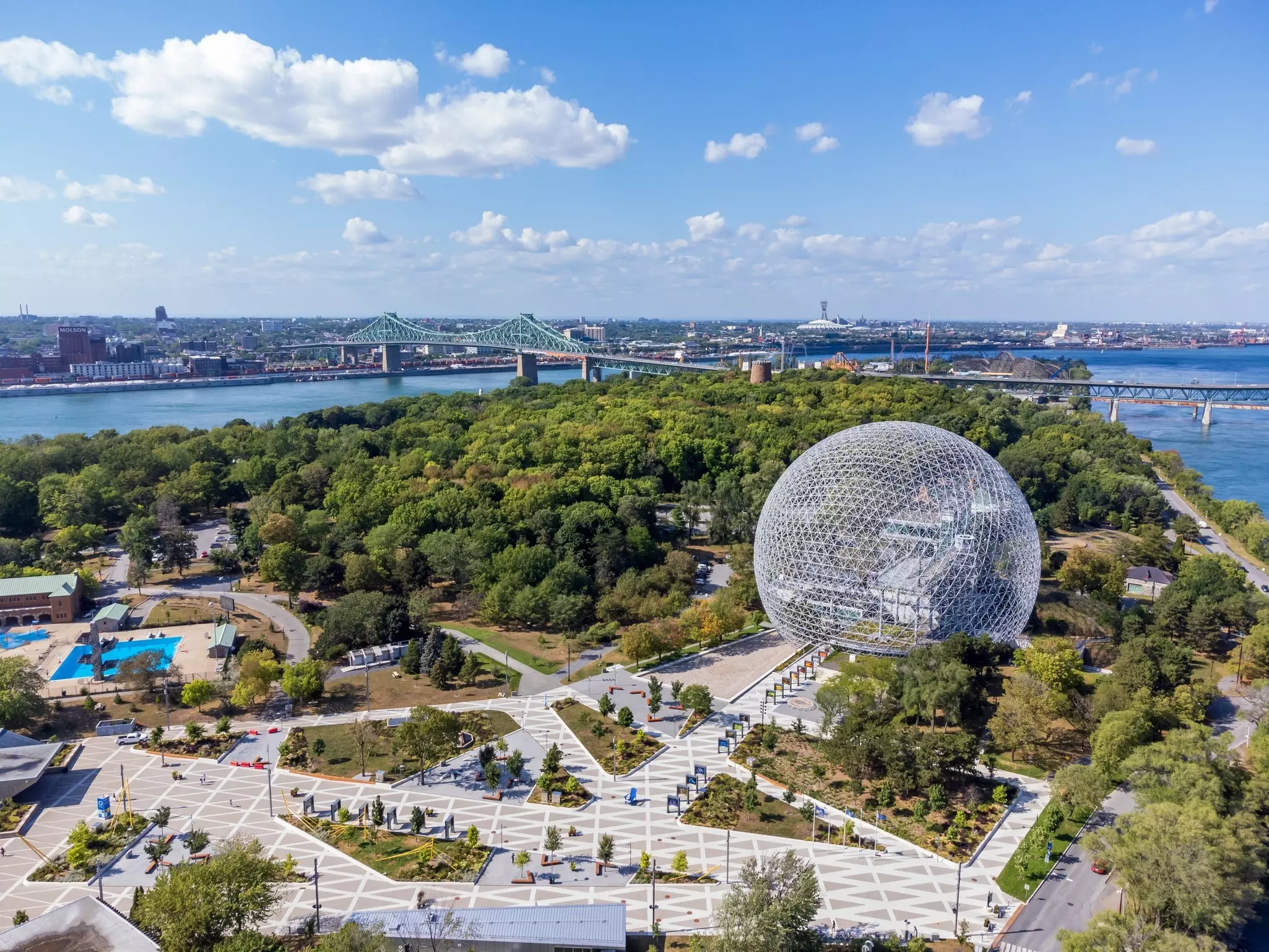
In 2027, it’ll be 60 years since the Expo 67 World’s Fair forever transformed the city. For the event, Montréal added to islands facing the Old Port to build the 520-acre Parc Jean-Drapeau to host the event pavilions. You can still visit the US pavilion, a geodesic dome now housing the Biosphère environmental museum, as well as architect Moshe Safdie’s surprising architectural feat, Habitat 67, which offers guided tours.
When to go: Most weekends in the summer, Parc Jean-Drapeau hosts a mini-electronic music festival, Piknic Élektronic, and there’s an amusement park, La Ronde, as well as a beach. Parc Jean-Drapeau is also the site of many of Montréal’s biggest annual events, including Formula 1 Grand Prix and the Osheaga and Île Soniq music festivals.
Getting there: Parc Jean-Drapeau is connected to the city by metro, but you’ll have the best views of the city and the St Lawrence River if you bike there.
Pair with: Extend your cycling trip with a ride along the Canal de Lachine.
In the city’s east end, Espace Pour la Vie (Space for Life) is a group of four (five if you include the Biosphère in Parc Jean-Drapeau) of the city’s best attractions that focus on the natural universe and our place in it. The Biodôme (which is different from the Biosphère) recreates five natural habitats that allow you to see what it’s like in the sub-Antarctic islands (penguins!) and feel the humidity of a tropical rainforest complete with views of parrots. The Insectarium allows you to enter the world of creepy crawlies and butterflies. There’s also the huge and impressive Jardin Botanique (Botanical Garden), which hosts occasional light shows, and the intriguing Planétarium. All are wonderful with kids. The Vie Passport gives access to all the museums at a discount.
When to go: Avoid school holidays and the summer for the shortest lineups.
Getting there: Take the metro to the Pie-IX or Viau metro stops.
Pair with: Cheer on CF Montréal, the city’s Major League Soccer team, at nearby Stade Saputo.
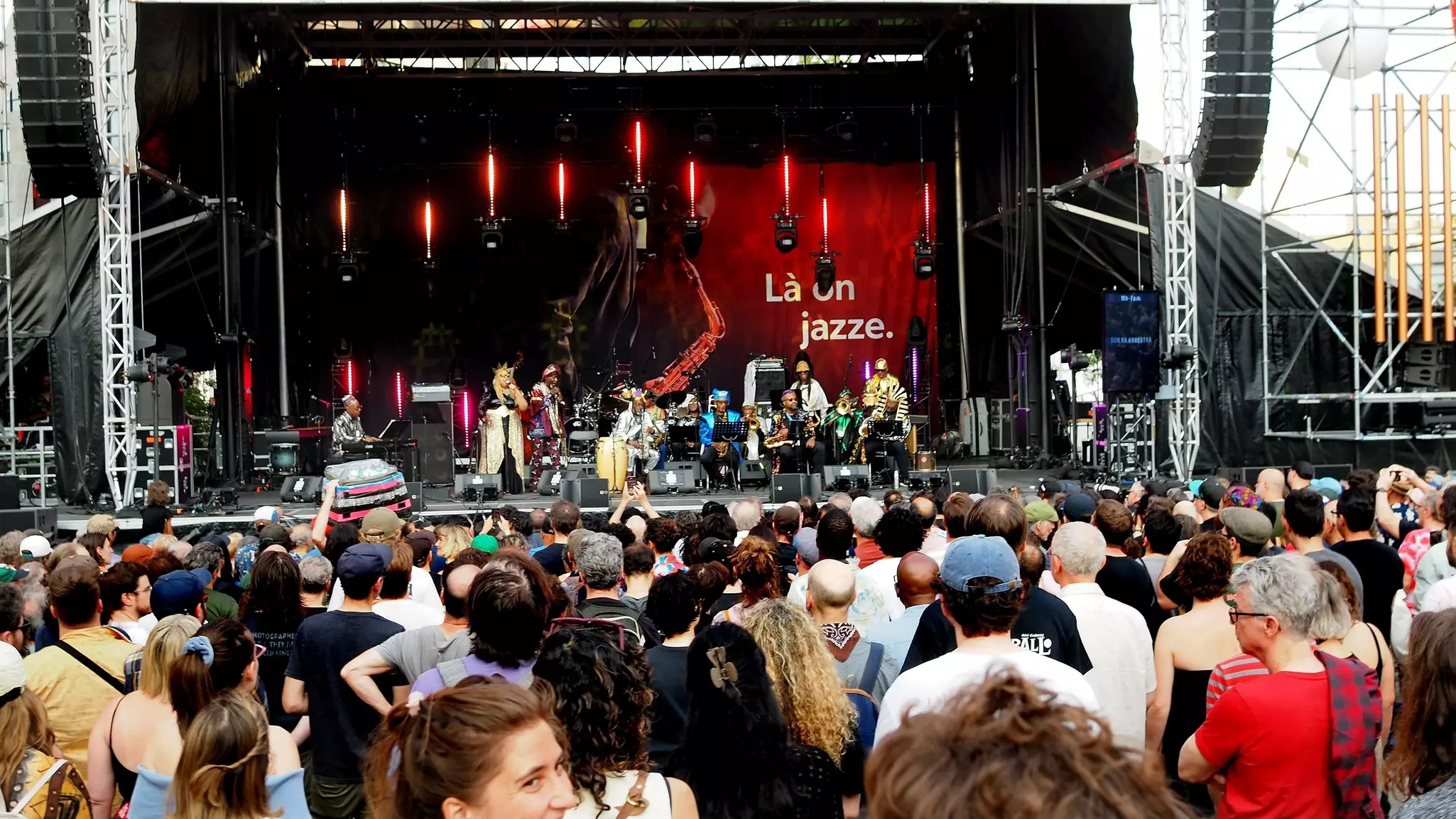
Rarely a week goes by in Montréal without a festival taking over city streets and parks. When they do, there’s nothing like seeing everyone’s faces light up in sync, singing songs under the flashing lights. The best part? Many of these festivals are free.
See live jazz from top international musicians at Festival International de Jazz, with concerts on the big stage at Quartier des Spectacles. The hype-worthy local band Angine de Poitrine headlined the festival in 2026. Mural paints Le Plateau with live muralists and Montréal Complètement Cirque sees live circus performers swing above the streets of Downtown and Quartier Latin. Or come giggle until you cry at Just for Laughs in Quartier des Spectacles, one of the world’s premier comedy festivals.
When to go: The most jam-packed lineup of free festivals is in June and July.
Getting there: Quartier des Spectacles is at the Place-des-Arts metro stop.
Pair with: Refuel in Montréal’s historic Chinatown with some dumplings, pho or noodles.
Montréal was once known as North America’s Sin City – a place to spend, gamble, party and drink alcohol, as prohibition only lasted for a few months in Québec compared to a decade plus in the US through the 1920s and '30s. In fact, Montréal supplied much of the illegal booze to US mobsters during those days.
The city isn’t as sinful as it used to be, but the legacy of those prohibition days remains in the form of speakeasies, found in secret passageways, back alleys, basements and hidden above restaurants. Walk through an unassuming door with red letters on Blvd St Laurent to find Big in Japan, where Japanese whisky bottles hang above the bar, or #followtheduck to The Coldroom in Old Montréal. New arrivals include Le Bowie, a cocktail and oyster bar in Old Montréal and Bar Leonor, a cocktail bar downstairs in Chinatown.
When to go: Go early – or late – for the best chance at landing a seat. Bars in Montréal can serve alcohol until 3am.
Pair with: A 5 à 7 happy hour at bars across the city.
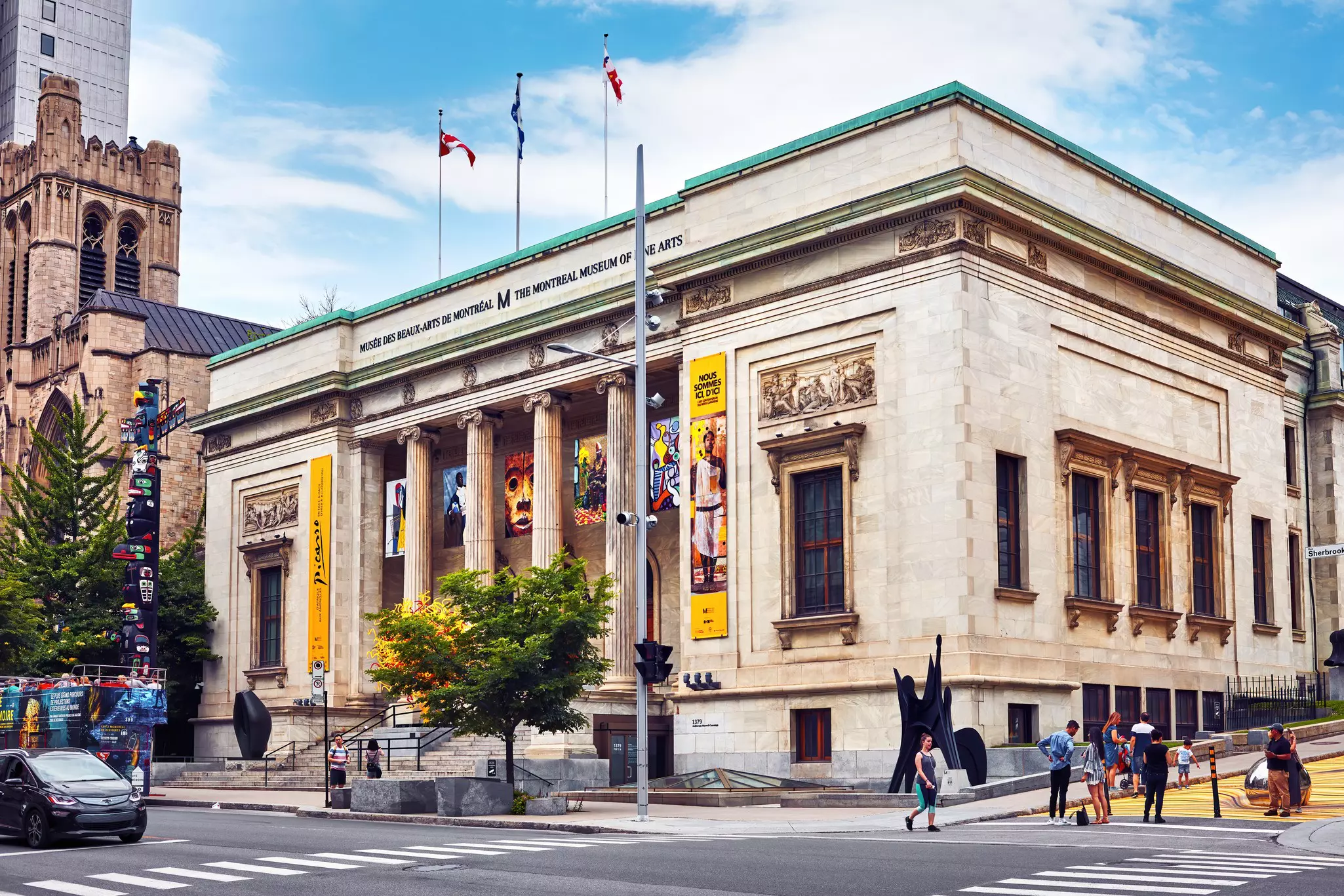
Montréal is Canada’s art capital and has some of the country’s best museums. Musée des Beaux-Arts, which has a huge collection of spectacular art from around the world over several buildings linked via an underground tunnel. The Museé McCord Stewart is a smaller museum focusing on Indigenous art, maps and fashion centered around the city’s many cultures. Go to Pointe-à-Callière to learn about Montréal’s history and venture underground to an archaeology site.
Another favorite indoor activity is Centre PHI, an immersive art extravaganza with virtual reality and other shows that are out of this world. For a nouveau twist, check out the Cité Mémoire app, which uses augmented reality visualizations to show characters from the city’s history on buildings and foliage.
Getting there: Most of Montréal’s museums are located Downtown.
Pair with: Have a meal at Bar George, a modern English restaurant with a dining room that’s like a museum (don’t miss the bathroom faucets).
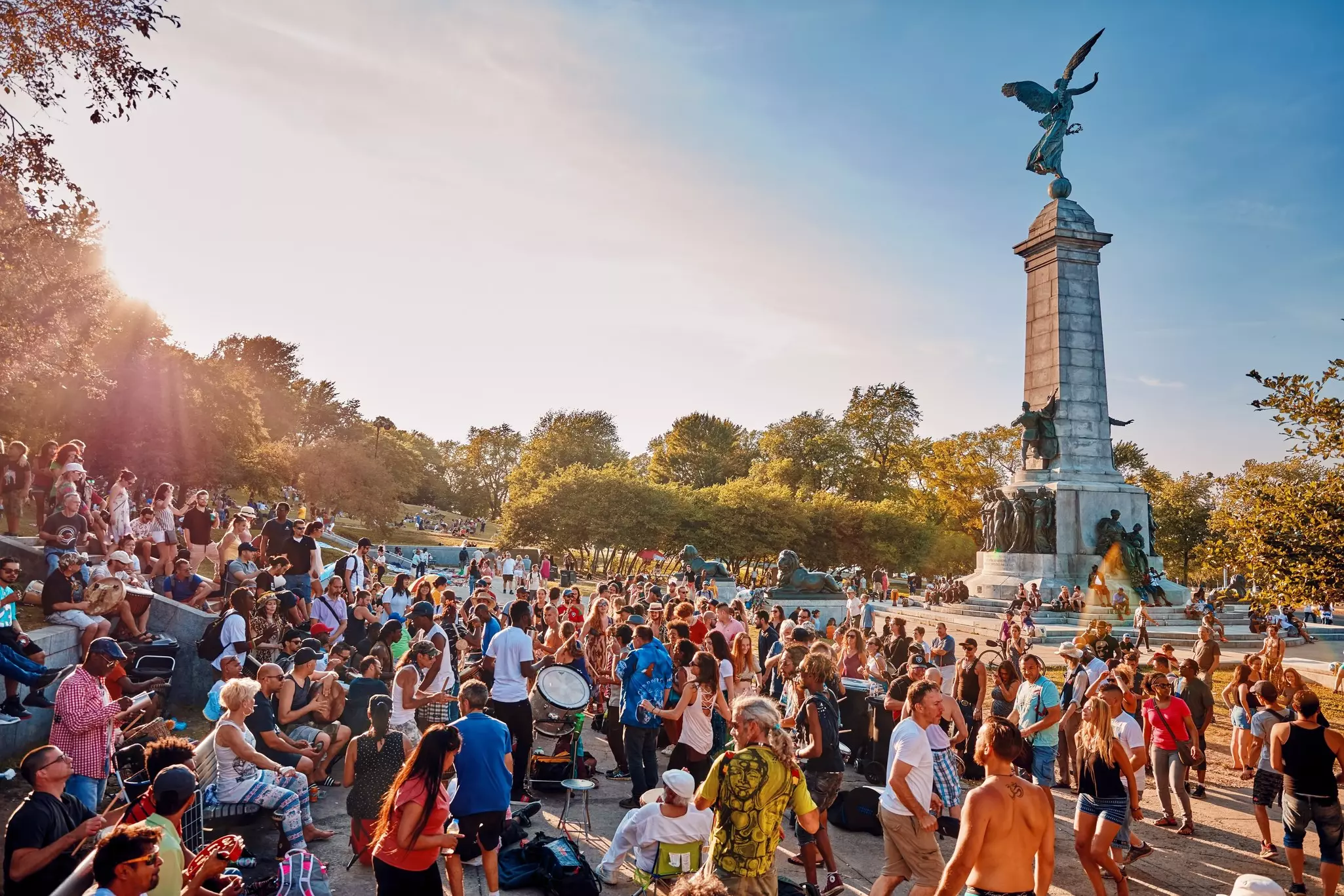
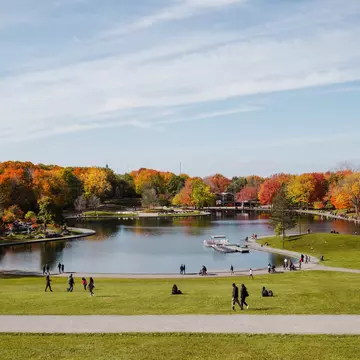
Montréal’s so-called “mountain,” and the city’s namesake, is the core of Montréal, and thanks to smart city planners that made sure the park was protected from development in 1876, an urban oasis. Parc du Mont-Royal has a wide pedestrian path that zig-zags gently to the top where you’ll find Lac-aux-Castors (Beaver Lake) and Belvédère Kondiaronk, a charming visitor chalet which hosts the city’s best views.
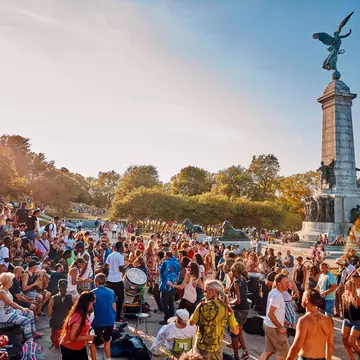
On Sundays at the bottom of the mountain by the monument to Sir George-Étienne-Cartier (one of the fathers of Canadian Confederation), join dozens of people shaking and swaying to bongo drums and other instruments at Tam Tams, an unofficial weekly party that carries Le Plateau’s hippie days into today.
When to go: The mountain is terrific year-round, with cross-country ski trails and a skating rink by Beaver Lake in winter and cyclists in summer.
Getting there: Enter Parc du Mont-Royal on foot from Peel St near McGill University, from Sir-George-Étienne-Cartier Park in Le Plateau or drive up Voie Camillien-Houde to the parking lot at the top.
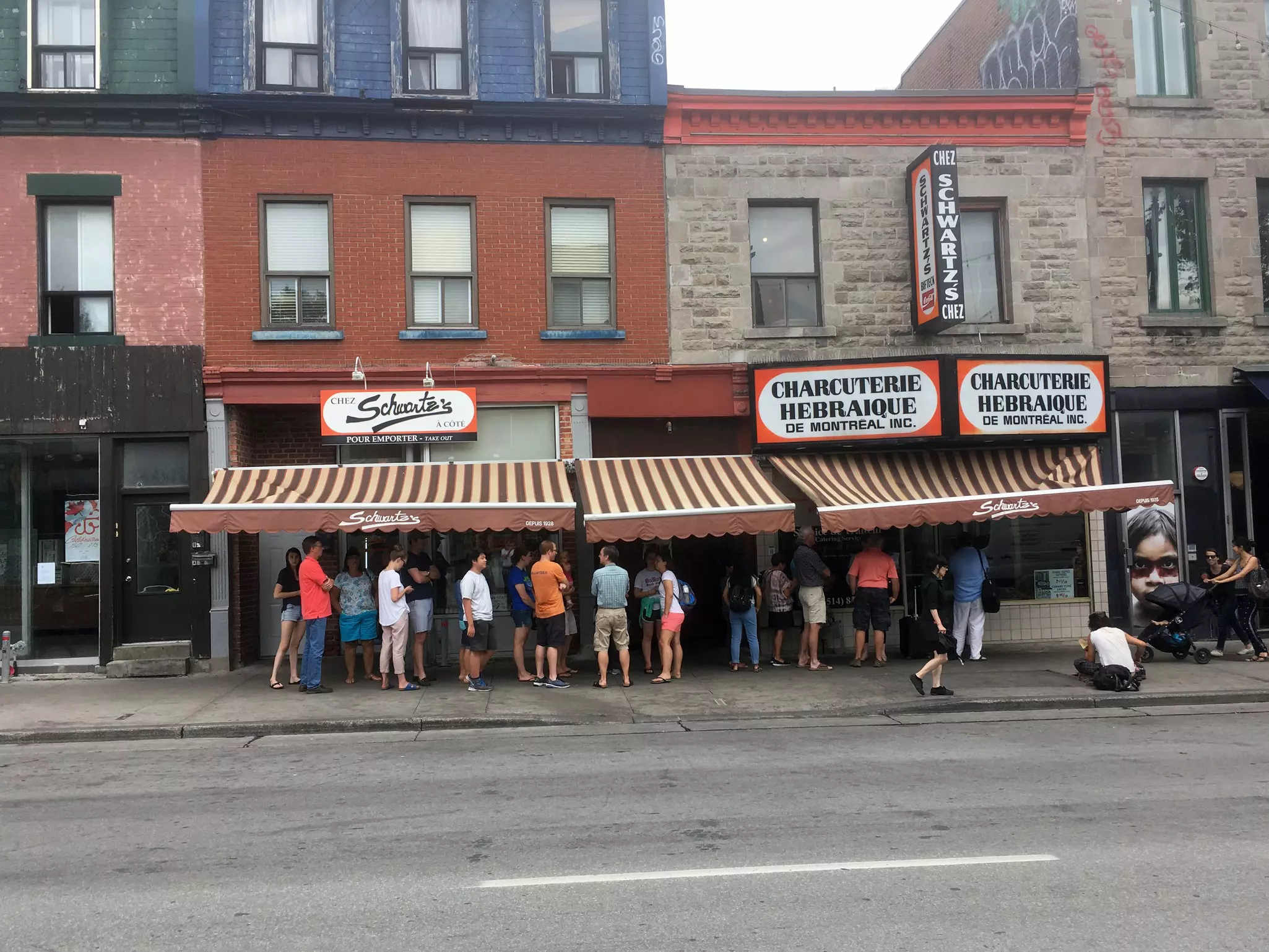
This city is justifiably famous for its Montréal-style bagels (fluffy, water-baked bagels covered in sesame seeds), which are lighter and, let’s face it, better than New York’s (don’t @ me), and smoked meat (brisket) sandwiches. Both were brought to Montréal by Jewish immigrants from Eastern Europe. Try bagels at Fairmount Bagel and St-Viateur Bagel and line up for smoked meat at Schwartz’s Deli.
Stay hungry though, as there’s more eating to be done. Portuguese immigrants made a twist to Montréal’s already-famous chicken by introducing the city to piri-piri chicken. Try Portuguese chicken at Ma Poule Mouillée or Romados, and Chalet Bar-B-Q for the classic Montréal version.
While not necessarily a Montréal dish (it came from casse-croûte chip wagons in central Québec), if this city is your only stop in Québec, you’ll want to try ooey-gooey poutine (well-cooked French fries with squeaky cheese curds bathed in thick gravy). La Banquise, Patati Patata and Chez Claudette serve the best.
When to go: Takeout is best for Schwartz’s, as there’s almost always a line to sit at a shared table.
Getting there: Most of Montréal’s iconic dishes are found in Le Plateau and the Mile End.
Pair with: Take a Beyond the Bagel walking tour from the Musée Juif de Montréal to taste the city’s best Jewish noshes and learn about the community’s history.
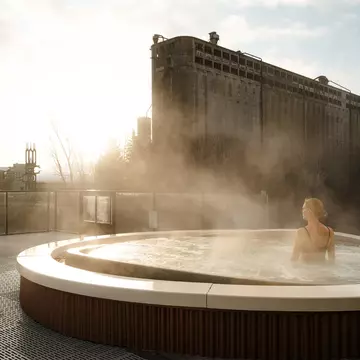
Montréal doesn’t simply have spas, it puts its own flair on the relaxing baths and massages, with a unique experience you won’t find anywhere else. Bota Bota is a Nordic spa on a parked ferry boat in the Old Port, while Recess in Griffintown is a social wellness club that aims to repair the collective lack of community contact, along with sore muscles. Another intriguing Montréal spa concept is Bains Ninkasi, a beer spa near Place des Arts where you bathe in hops and barley while pouring craft suds from a tap beside the tub.
When to go: Arrive ahead of your scheduled time to change and get a towel.
Pair with: Treat yourself to a culinary experience at one of Montréal’s top restaurants like Vin Mon Lapin, Damas or Montréal Plaza.
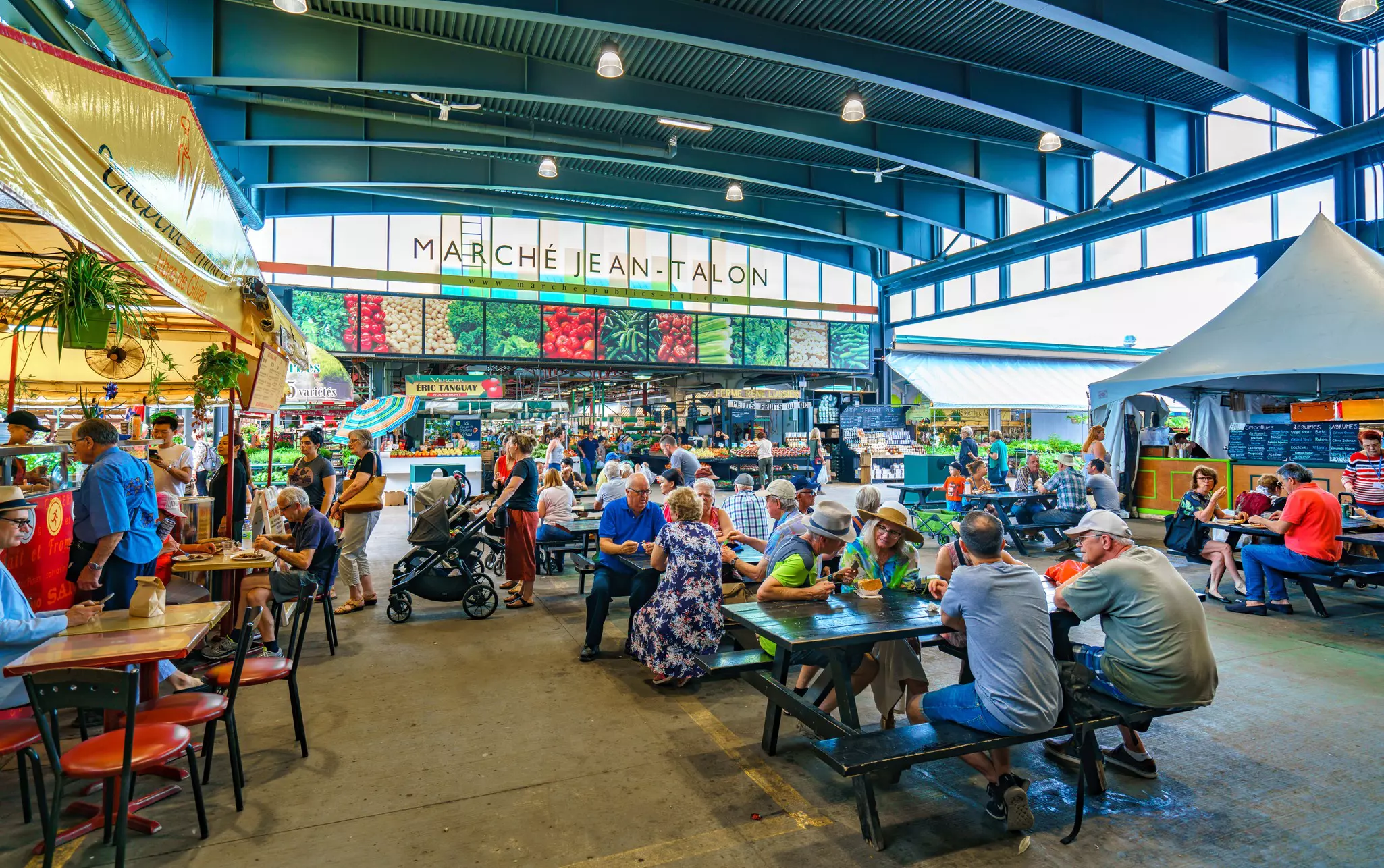
Québec blossoms with fresh produce from spring to fall, from crunchy apples to wild blueberries exploding with flavor and ground cherries (tiny orange fruit in a natural brown packet), all attractively on display in overflowing baskets at the city’s two main farmers’ markets: Marché Atwater and Marché Jean-Talon. Pick out your favorites for a picnic at one of the city’s many wonderful parks to get a taste of local life as a Montréaler. Some of the finest parks are Parc La Fontaine, Carré St-Louis, Laurier, Jarry, Jeanne-Mance and Maisonneuve.
You’re welcome to bring a bottle of wine or some cans of local beer, but legally, you may only drink alcohol if you have ample food (ie a baguette and cheese, not just a bag of chips) and are seated at a picnic table. If not, you could be fined.
Pair with: Ask to join a game of pétanque, a French ball game most commonly played in Le Plateau’s parks.
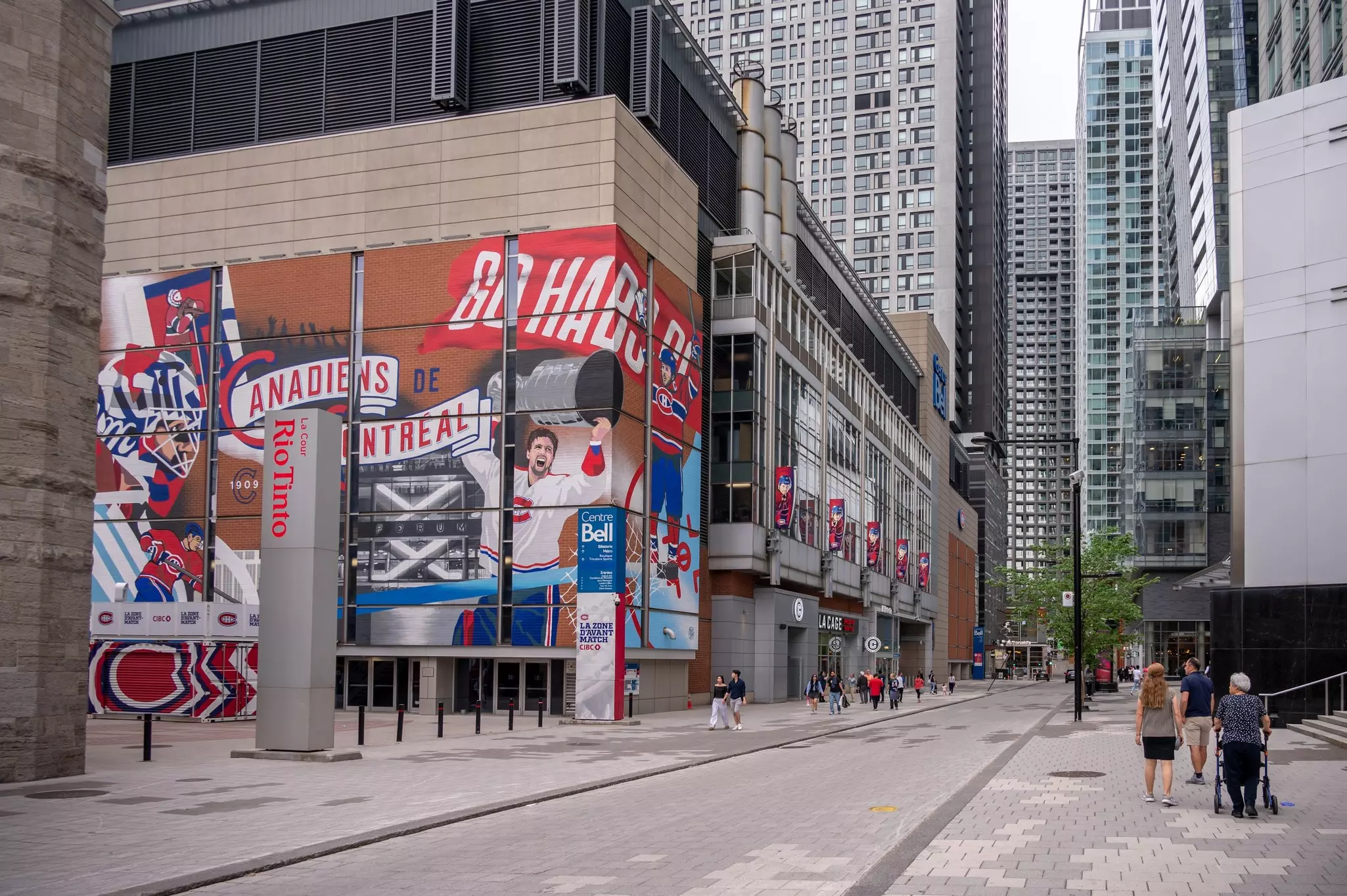
There are few sports franchises with as storied a history as hockey’s the Montréal Canadiens – stretching to when the team was an “Original Six” National Hockey League franchise all the way to the team’s improbable appearance in the 2026 Eastern Conference Final. Catch a Habs game at Centre Bell and feel the raucous atmosphere of the hometown team. Just don’t you dare cheer for arch-rivals Boston Bruins or Toronto Maple Leafs.
When to go: The NHL season lasts from October to April, with the playoffs running until June.
Getting there: Avoid driving on game days. It’s better to take the metro to Lucien-L’Allier.
Pair with: If you’re a hockey fan, visit the Montréal Forum, where Habs stars like Maurice “Rocket” Richard played from 1924 to 1966. It’s now a multiuse complex with a cinema, shops and billiards bar called Willie’s Clubhouse that’s great for watching games.
Montréal is the ultimate place for thrifting. Many friperies (stores selling secondhand goods) dot the city’s neighborhoods – think never-ending stalls of flea markets, hip boutiques, sustainability-focused designer stores, mysterious antique shops, and inviting vinyl and book sanctuaries. The largest concentration is in Le Plateau, with clothing shops like Hadio and Eva B as well as Aux 33 Tours for vinyl, both used and new. On the other end of town, Marché Underground by Lionel-Groulx metro is an awesome vintage shop featuring everything from Hawaiian kitsch to '60s lamps.
Pair with: Wear your thrifted finds to a live show at a small concert venue like Casa del Popolo, Barfly or Foufones Electriques.
Need help planning your next trip? Check out Lonely Planet Journeys to get connected to a local expert who can craft a custom itinerary for you.
Explore related stories