Dec 18, 20259 min read
The Best Things to Do in BonaireDec 18, 2025
9 MIN READ

Writer
Rincón, Bonaire. Philippe Turpin/Getty Images

Writer
Lonely Planet may earn a commission from affiliate links on our site. All recommendations and reviews reflect our own independent opinions.
Ringed by reefs that are protected by a huge marine park, Bonaire is a wildlife enthusiast’s dream, especially if you’re interested in finned fauna. And what the island lacks in white sand beaches (for those, you can head to Aruba and Curaçao, the A and C of the ABC Islands), it makes up for in accessibility. Indeed, some of the richest, most beautiful underwater tableaux in the Caribbean lie just offshore – no boat required.
On land, Bonaire’s relaxed vibe manifests in low-key hotels and resorts, many of which partner with local dive shops to get their guests safely in the water. The majority of the island’s restaurants and bars cluster in Kralendijk, Bonaire’s mellow nexus and capital city. Culturally, Bonaire differs a bit from its neighbors, as it remains a special municipality of the Netherlands rather than an independent country. Still, Bonarian traditions are alive and well in Rincón, the island’s oldest town and cultural center.
As you plan your trip to this Southern Caribbean treasure, read up on our picks of the best things to do in Bonaire.
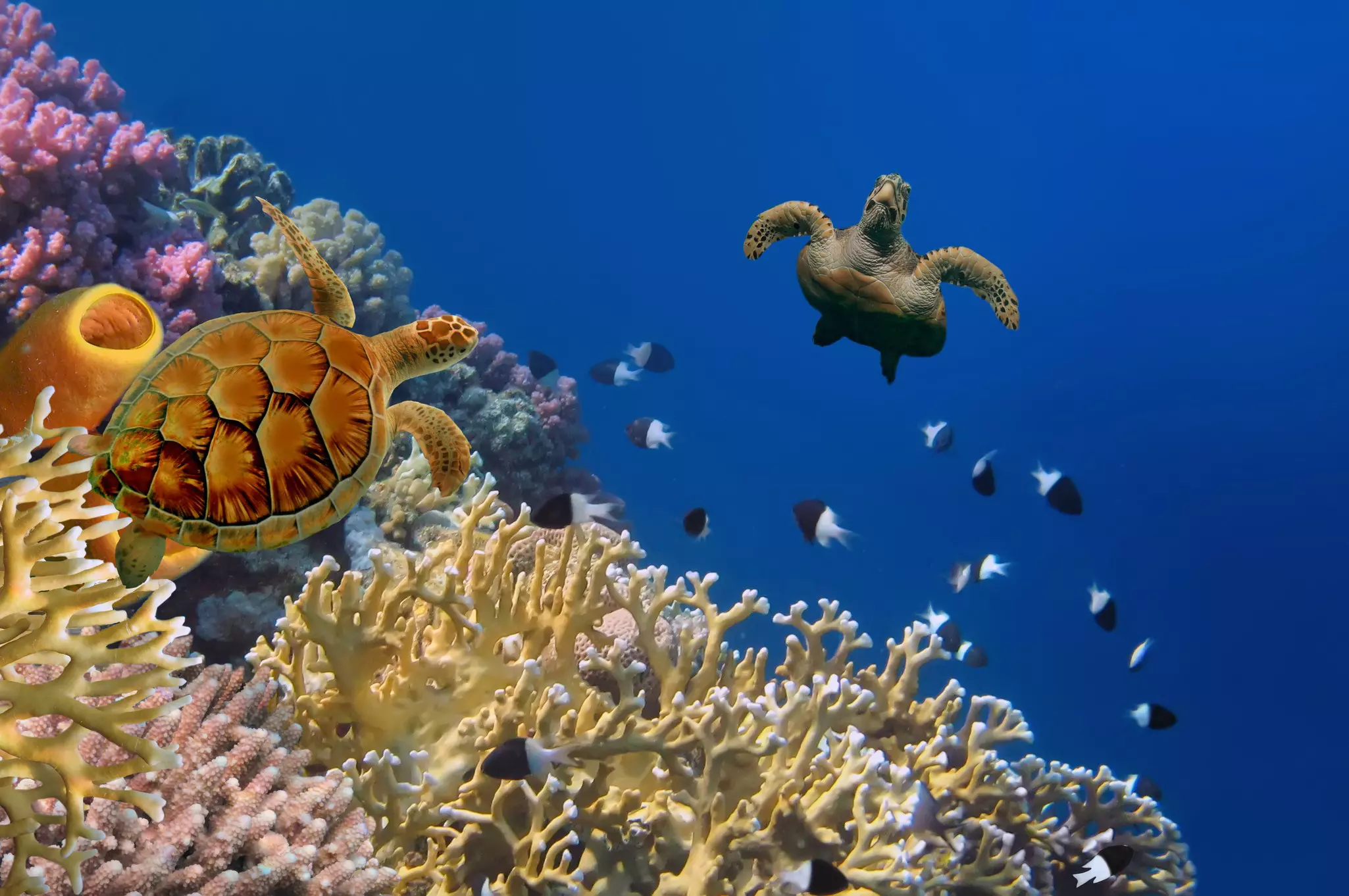
The accessibility and health of its reefs make Bonaire one of the world’s top destinations for snorkeling and diving. Even if you’ve never snorkeled before, you’ll easily be able to spot abundant marine life under the surface here.
Established in 1979, Bonaire National Marine Park encompasses 6670 acres of reef, seagrass beds and mangrove forest. Within these ecosystems, an amazing 350 species of reef fish and 50 varieties of stony coral thrive. The park features nearly 100 diving and snorkeling sites (marked by yellow rocks along the roadside), the majority of which are located along the island’s west coast.
The sites in the southern half of the park are sandier and experience stronger currents – Pink Beach, the Invisibles and Salt Pier are home to rays, eels and turtles. Slightly further north are Alice in Wonderland and Hilma Hooker, two sites defined by a unique double reef. (At the latter, divers can explore a shipwreck, a freighter busted for transporting marijuana before it was scuttled.)
Bari Reef is an epic dive if fish are your passion. Five minutes up the road you’ll find the Andrea I and II dive spots, great locations for beginner divers and snorkelers, with tons of soft coral and anemones. Along the Queen’s Hwy, 1000 Steps is worth a visit due to its abundance of star and stag coral; whale sharks pass through too.
The marine park also includes Klein Bonaire, an uninhabited island and turtle nesting site, as well as Lac Bay.
Planning tip: Map your route before you head out to make sure you know what your return looks like – some parts of Bonaire’s main roads (such as the Queen’s Hwy) are one-way, so you won’t be able to simply backtrack.
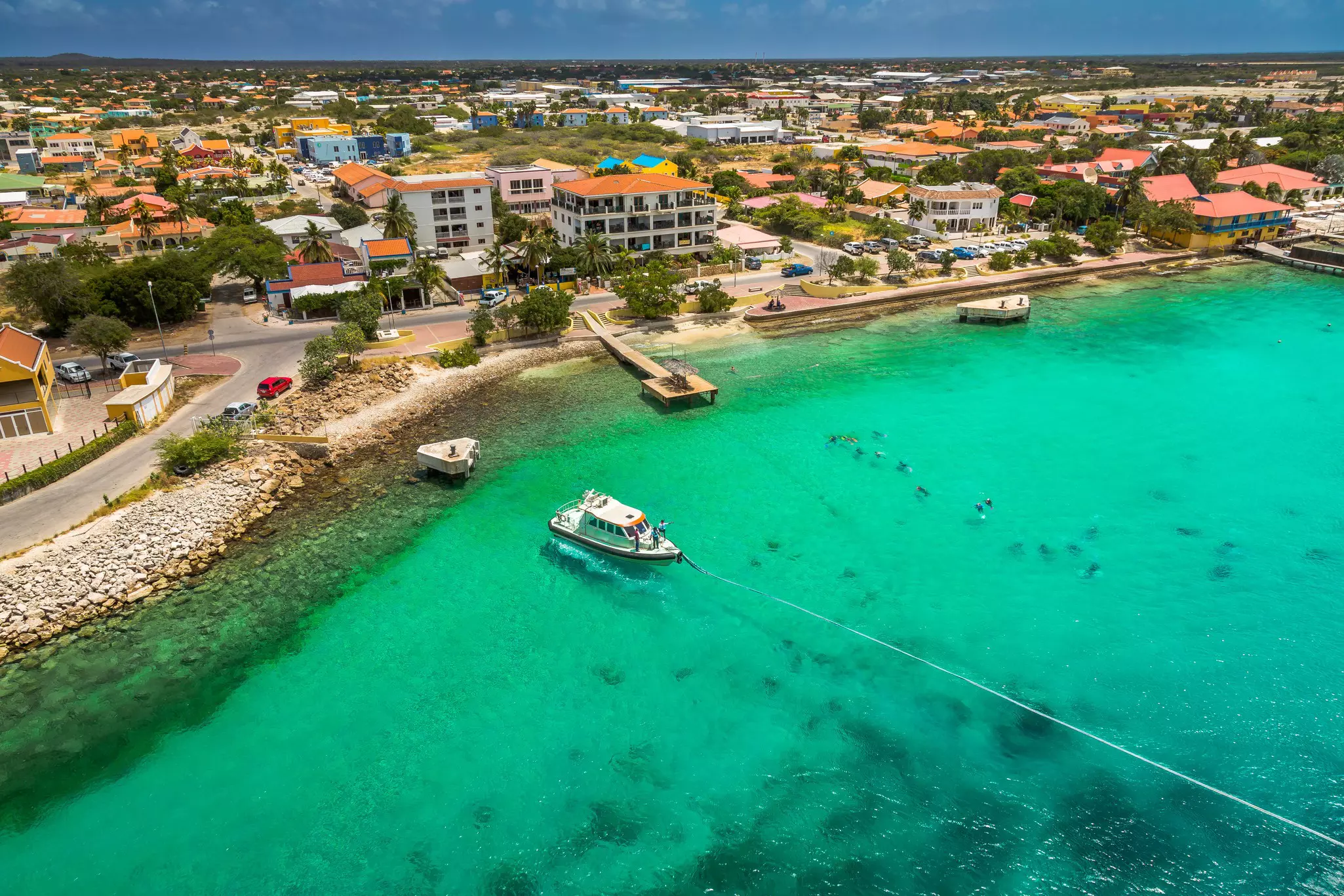
Of the three ABC capital cities, Kralendijk – locally known as Playa – has the fewest people, giving it a genial, small-town feel. All roads begin here, and unless you’re searching for a truly remote experience, it’s likely the city will be your base during your stay.
As in many island nations colonized by foreign powers, the first thing built in the town following the Dutch acquisition of Bonaire from the Spanish was a fort, Fort Oranje. Restored in the late 1990s, the fort still greets cruise passengers and functions as an open-air museum. A block from the fort, you’ll find the Terramar Museum, which hosts everything from coin collections and film screenings to work by local artists.
Beyond those attractions, Kralendijk has a casual, DIY atmosphere. Grab an ice cream from Luciano and walk the waterfront, or head over to Kaya Grandi and Kaya Gerhart to peruse downtown shops like the Jungle Concept Store and Salt Shop. If you’re looking for a more hands-on activity, drive out to Bonaire’s Donkey Sanctuary, which cares for an amazing 800 rescued donkeys ranging in age from 5 months to 46 years.
Local tip: Make like a Bonairian and tuck into barbecue ribs, chicken satay and grilled fish (including wahoo and barracuda) at local institution Bobbejan’s. This takeaway joint is open only on weekends.
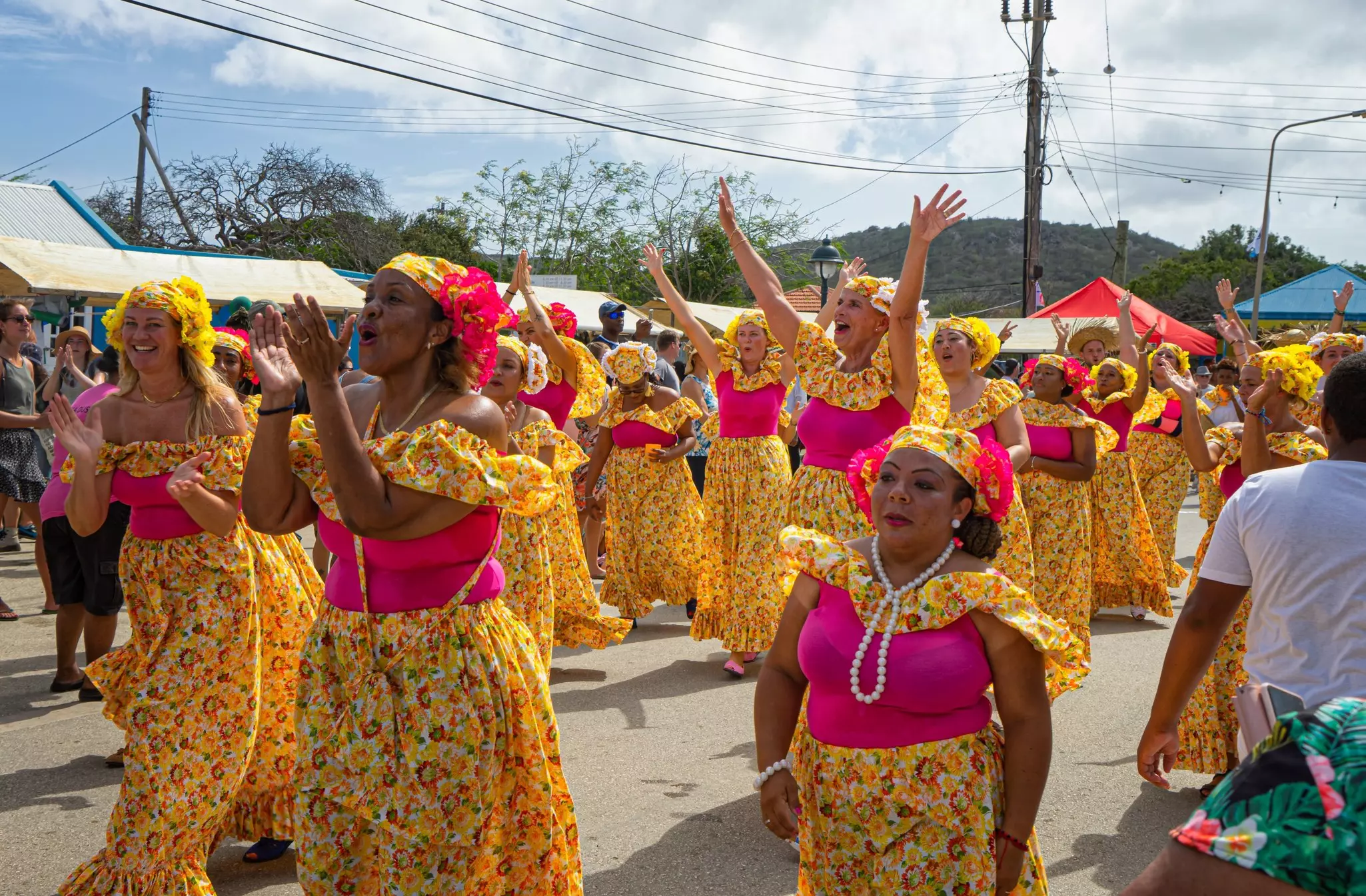
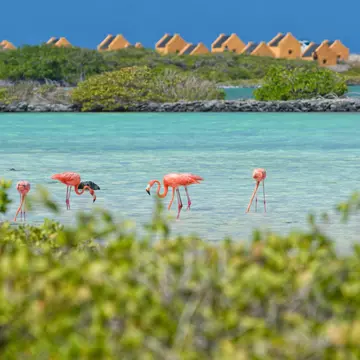
Bonaire’s North End is a tapestry of all the things that make this place more than just a dive hub. On this part of the island, parrots flit between the trees, flamingos preen in the setting sun and Rincón hums with history as krioyo bands play cheerful tunes. If you want to get to know Bonaire, this is your stop.
To get here, drive north on the Queen’s Hwy, making a first stop at the scenic lookout over the blue-hued Gotomeer lake. Encircled by green hills, this body of water sees thousands of flamingos; go at golden hour for a gorgeous panorama. Further down the road, you’ll reach Echo Dos Pos Conservation Center, which protects and rehabilitates Bonaire’s yellow-shouldered Amazon parrots and runs a restoration project for Bonaire’s trees. Book a tour to learn more.
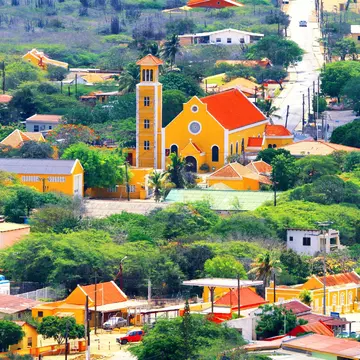
Keep driving east from the conservation center and into the verdant Rincón Valley, which contains the island’s oldest town and neighbors the expansive Washington-Slaagbaai National Park. In Rincón proper, head to the Cadushy Distillery to taste spirits distilled from the island’s favorite cactus, then pop into the small but charming Museo Chich’i Tan to learn about Rincon’s past residents and musical history.
Slightly further afield is Cultural Park Mangazina di Rei. Enslaved people used to make the 10-hour walk back to Rincón from the salt pans in the south to get their provisions from the storehouse that the cultural park now occupies. Today, Mangazina di Rei houses a museum, hosts cultural events and runs a monthly food and art market.
Planning tip: Visit in the late spring for Dia di Rincón, which takes place every April 30. In addition to festive parades, costumes and all-around merriment, the event showcases Bonaire’s folk music, krioyo, a genre flavored with hints of African rhythms, European waltzes and polkas, American jazz, and distinctly Bonairian Barí and Simadan (both of which have their own specific accompanying dances).
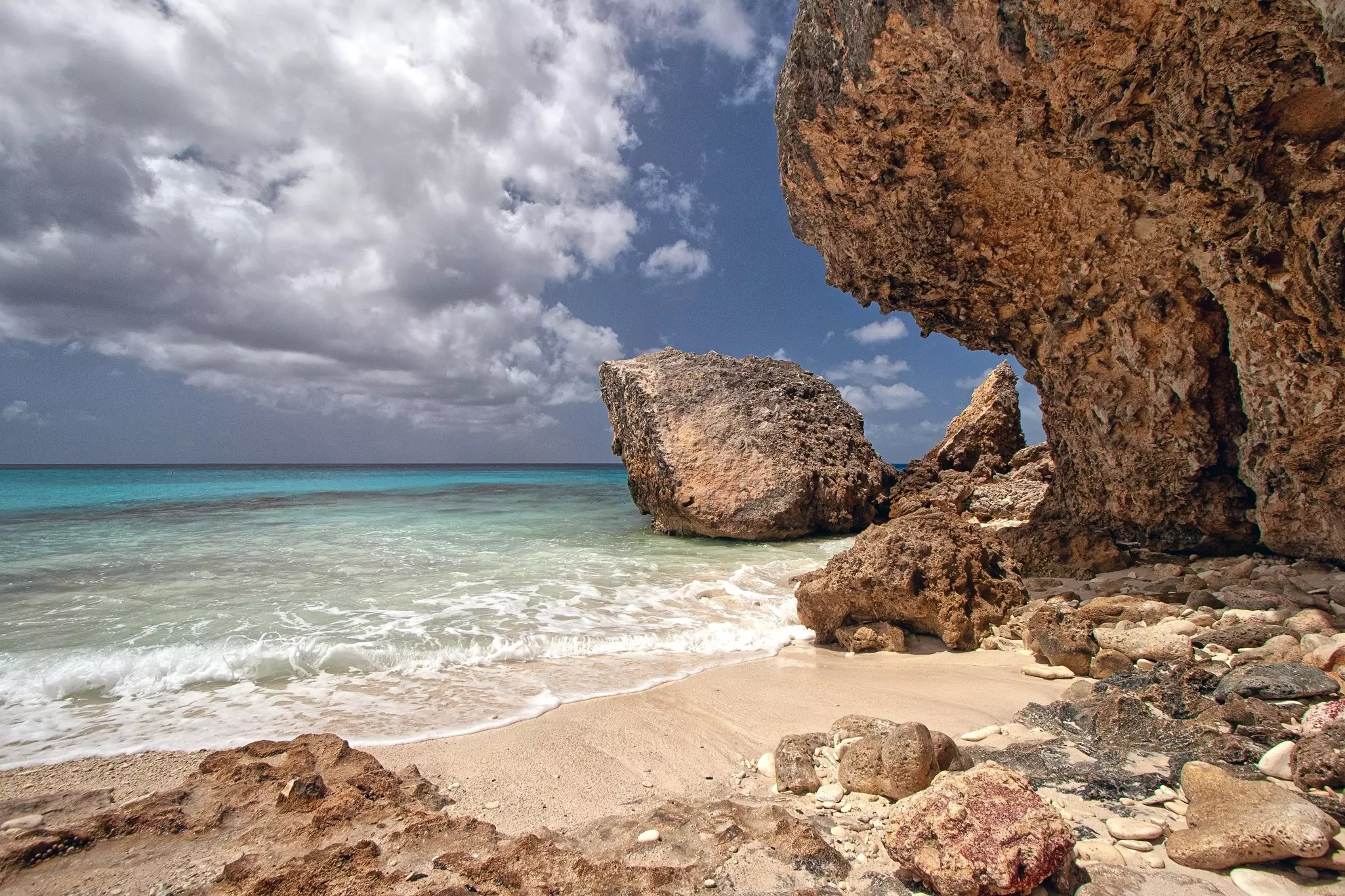
Covering a full one-fifth of Bonaire’s landmass, 14,000-acre Washington-Slaagbaai National Park consists of two former plantations that were ceded to the government in 1969. The preserve showcases the island’s varied natural landscapes. Drive the park loops to take in mountains of coral stone, giant boulders delivered to the island’s shore by an ancient tsunami, salinas (salt marshes) popular with birds and pristine diving sites.
The full-day Long Loop (indicated by yellow markers) extends the complete Washington-Slaagbaai experience. Start your morning off with the short hike up Lagadishi Trail, one of the only major walkable routes in the park, along which you’ll spy tons of giant cadushi cacti, historic walls, a dramatic coastal blowhole and views of Playa Chikitu. You’ll also get the chance to peer out over Salina Matius and its resident flamingos.
One of the rare sandy beaches on Bonaire, Boka Kokolishi offers the chance to get your feet wet in the inviting tide pools hidden among the beach’s boulders. This cove is quiet and remote, and you’ll likely have it all to yourself. Continue to Malmok, where archaeologists have discovered evidence of humans dating back to 800 BCE; the site was also used as a residential area for the plantation’s enslaved people.
Bird-watchers shouldn’t miss Pos Mangel, one of the two main watering holes in the park and a natural home for several bird species, including the tropical mockingbird and the eared dove. Come early in the morning for the best chance of spotting wildlife.
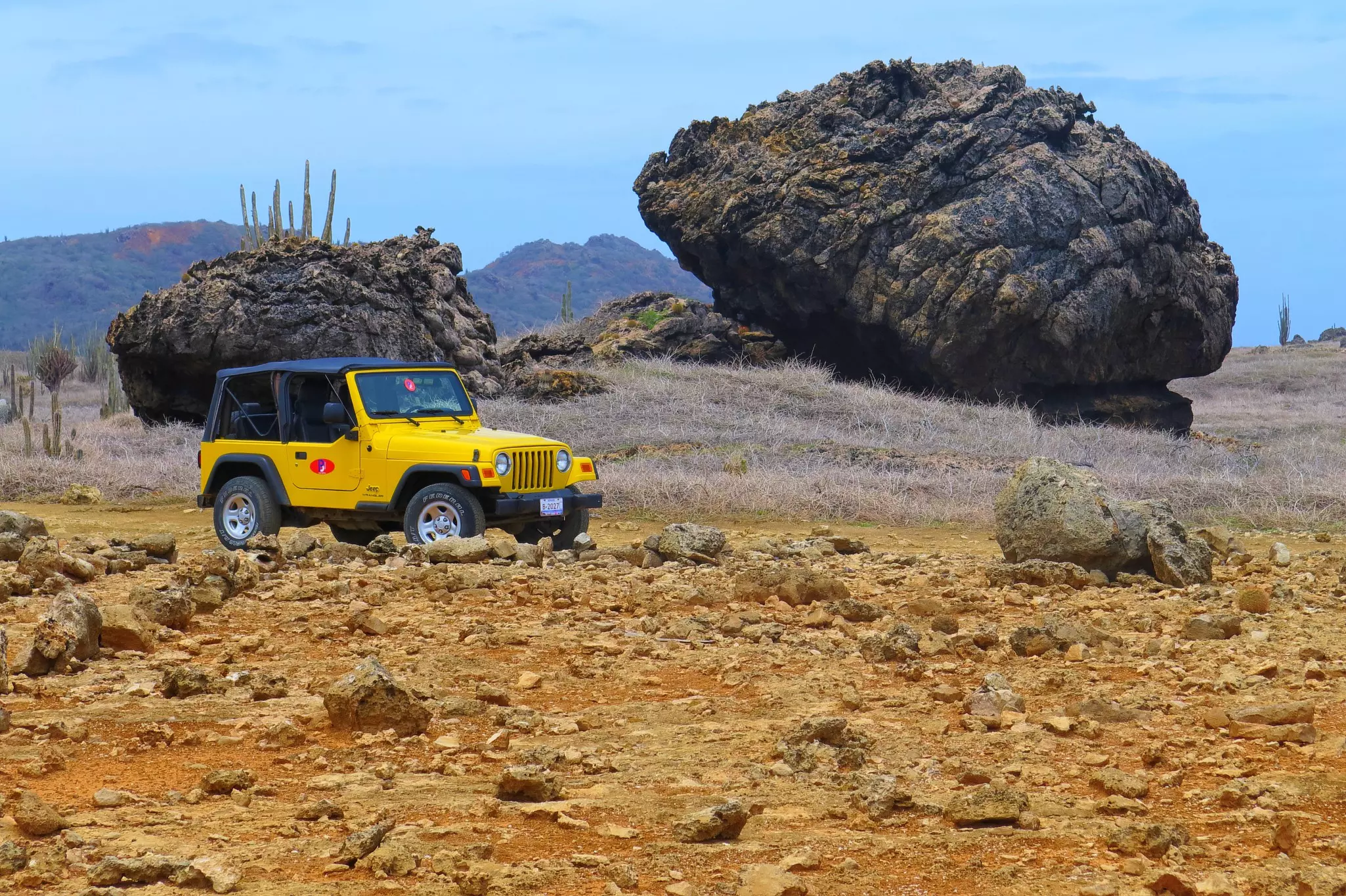
If you want a shorter taste of Washington-Slaagbaai, the green-marked Short Loop covers much ground but omits the park’s northernmost sights. Curving straight west across the park, this loop is the way to access Brandaris, Bonaire’s highest point. The challenging 1.25-mile hike to the top of Brandaris takes about 45 minutes, with the payoff of bird’s-eye views of Washington-Slaagbaai’s forests, salinas, plains and coasts. (Note that park authorities require that anyone attempting this hike enter the park by noon.)
Another must-see for birders, Put Bronswinkel is an excellent place to spot scaly-naped pigeons, bananaquits, yellow warblers, yellow-shouldered parrots and crested caracaras.
For another view of nature, dive sites at Wayaka offer a respite from the daytime heat and grant subaquatic views of Bonarian fish life – you might spot French angelfish, colorful sea snails and stingrays. This is a particularly easy in and out for divers.
Formerly one of Bonaire’s main ports, Boka Slaagbaai is the park’s southernmost dive site and a popular stop for picnicking, bird-watching, cliff jumping and snorkeling. See if you can find remnants of the bay’s past life: anchors, ballasts, cannons and more, all underwater. The adjacent salina used to be a salt pan; it’s now frequented by happy flamingos and other waterfowl.
Planning tips: All visitors must enter the park by 2:30pm; you won’t be admitted afterward. Driving the one-way loops generally requires a high-clearance vehicle, though park officials perform periodic maintenance on the roads after the rainy season (which runs from October through January), making them accessible to other cars. Ask a park official at the visitors center.
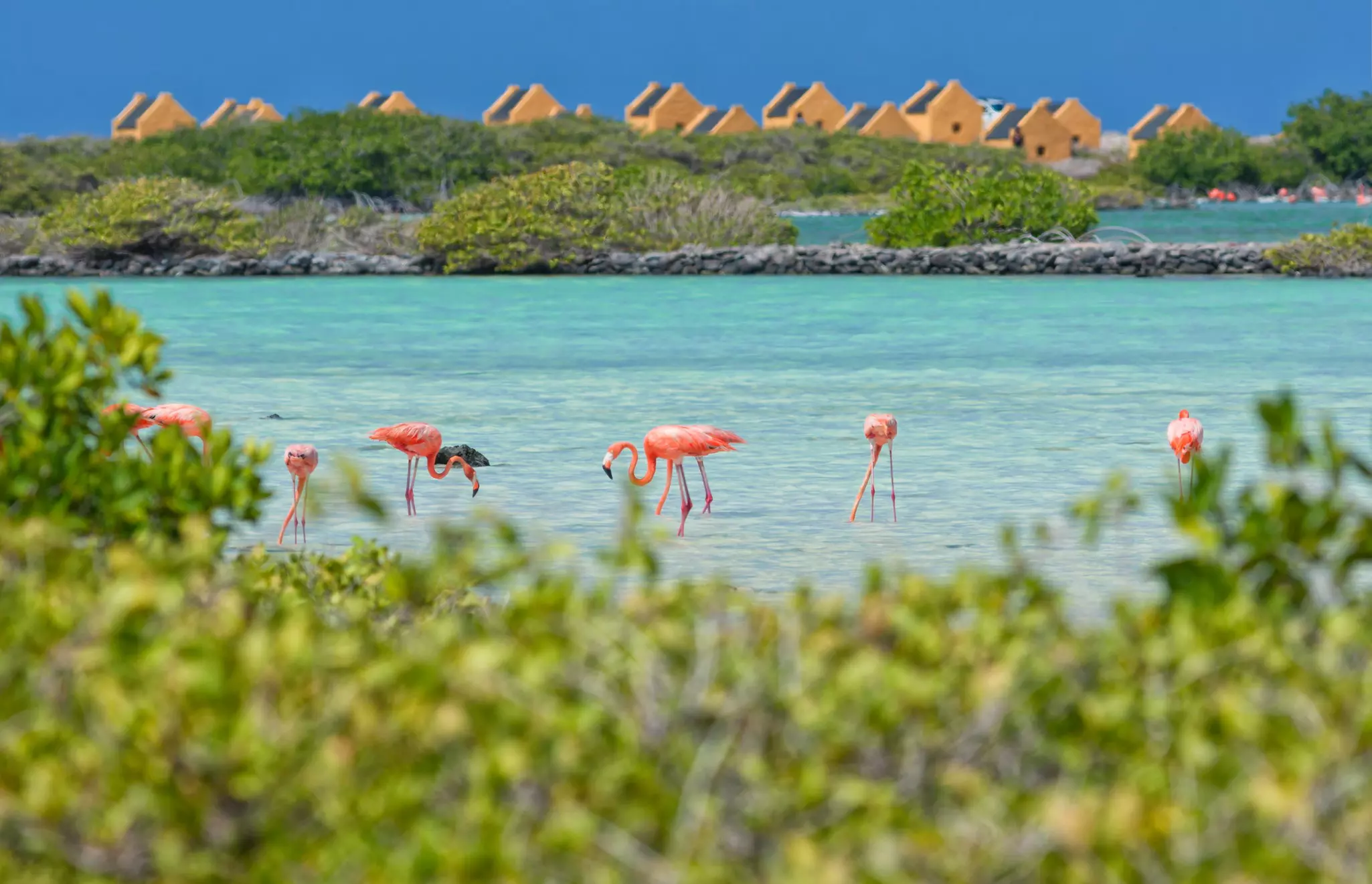
While the southern end of Bonaire’s interior largely consists of active salt pans, a drive around its perimeter reveals lots of treasures. Start by cutting east from Kralendijk toward stunning Lac Bay, where expansive seagrass beds, a fringe reef and the ABCs’ largest mangrove forest await. Take a left on Kaminda Lac to observe flamingos in salinas; connect with the excellent Mangrove Center to set out on a sustainability-oriented kayaking or snorkeling tour. Nearby is family-friendly Lac Cai Beach, which has shallow water and a peppy beach bar. Stay the course on Kaminda Sorobon to arrive at its namesake beach, a bustling peninsula that’s a favorite of locals and visitors.
As the road wraps around Bonaire’s southern end, most of the eastern coastline is inaccessible, though you will see several sculptures made of natural elements and plastic along the way – a creative commentary on the Caribbean’s battle against the waterborne trash that washes up on its shores.
Back on the western side of Bonaire, you’ll pass a series of beaches: Pink Beach, Bachelor’s Beach, Donkey Beach and fabulous Te Amo Beach. Grab your cooler and settle in for a stunning sunset – with a soundtrack. You can expect speakers bumping everything from reggaeton to house to Afrobeat. The vibe is nigh unbeatable.
Planning tip: If you want to really get to know Bonaire, you’ll need a car, since public transportation is not common. If you’re staying at a resort or working closely with a local dive shop, they’ll often provide transportation or rent out their own vehicles.
This article was adapted from Lonely Planet’s Caribbean Islands guidebook, published in August 2023.
Explore related stories