Dec 21, 20258 min read
USVI vs BVI: How to Choose Between These Caribbean TerritoriesDec 16, 2025
9 MIN READ
Contributors
British Virgin Islands aerial License Type: media Download Time: 2023-08-20T16:00:22.000Z User: claramonitto Is Editorial: No purchase_order:

Contributors


Joe Sills, Lonely Planet Editors
Lonely Planet may earn a commission from affiliate links on our site. All recommendations and reviews reflect our own independent opinions.
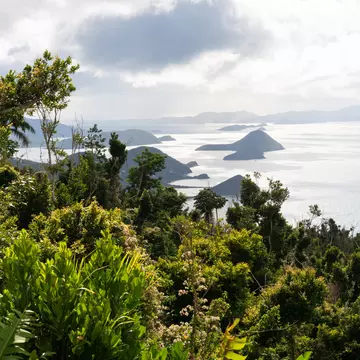
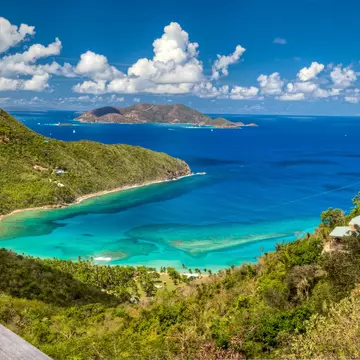
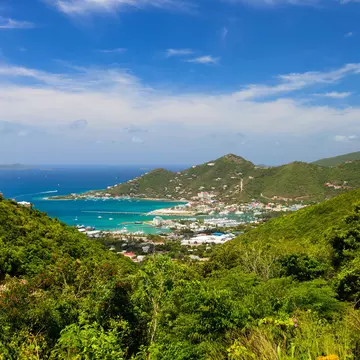
Paradise awaits in the British Virgin Islands (BVIs), a global sailing hot spot with a lofty reputation for luxury and fame – and a refreshingly down-to-earth vibe. Some 50 islands compose this archipelago, where the smooth, granite remnants of prehistoric volcanic activity crisscross peaks bristling with Tyre palm and tamarind trees. These islands may summon cachet, but once you’ve arrived, you’ll find little pretense in the main hubs of Tortola, Virgin Gorda, Jost Van Dyke and lonesome outlier Anegada – and plenty of things to do.
Mighty Tortola attracts travelers hankering to spend long days in secluded surf spots. Luxurious Virgin Gorda is a beacon for photographers and food lovers. Tiny Jost Van Dyke (“the barefoot island”) is long on beach bars and pirate lore. And far from the rest, the sea-grape hammocks along Anegada’s outstretched sandy beaches await adventurers eager to explore one of the Caribbean’s biggest reefs.
If you’re headed to the British Virgin Islands for the first time, here’s all you need to know.
Winter, spring, summer or fall: there’s never a bad time to visit the BVIs (or the entire Caribbean). The ocean waters are just as alluringly azure in December as they are in August, as many a local can attest. But with humidity at bay and slightly cooler temperatures, winter is the perfect time to take to the trails throughout the islands, exploring their vast natural beauty. Keep in mind that crowds – and prices – are at their annual peak during the Christmas and New Year’s holiday. In March, beautiful boats crowd the Sir Francis Drake Channel for the BVI Spring Regatta.
Off-season months offer visitors an opportunity to tune in to local festivals, traditions and events – and given the blissful year-round weather, the BVIs never completely slow down. While the warm ocean waters call during the summer, keep an eye on the forecast for thunderstorms that roll into the region. Hurricanes tend to peak in September and early October (a period during which some business shut down completely). Tortola celebrates with an Emancipation Festival every August, while Jost Van Dyke welcomes Foxy’s Cat Fight Regatta & Masquerade Ball in late October, around Halloween. In late November, Anegada celebrates its famous catch with a tasty Lobster Festival.
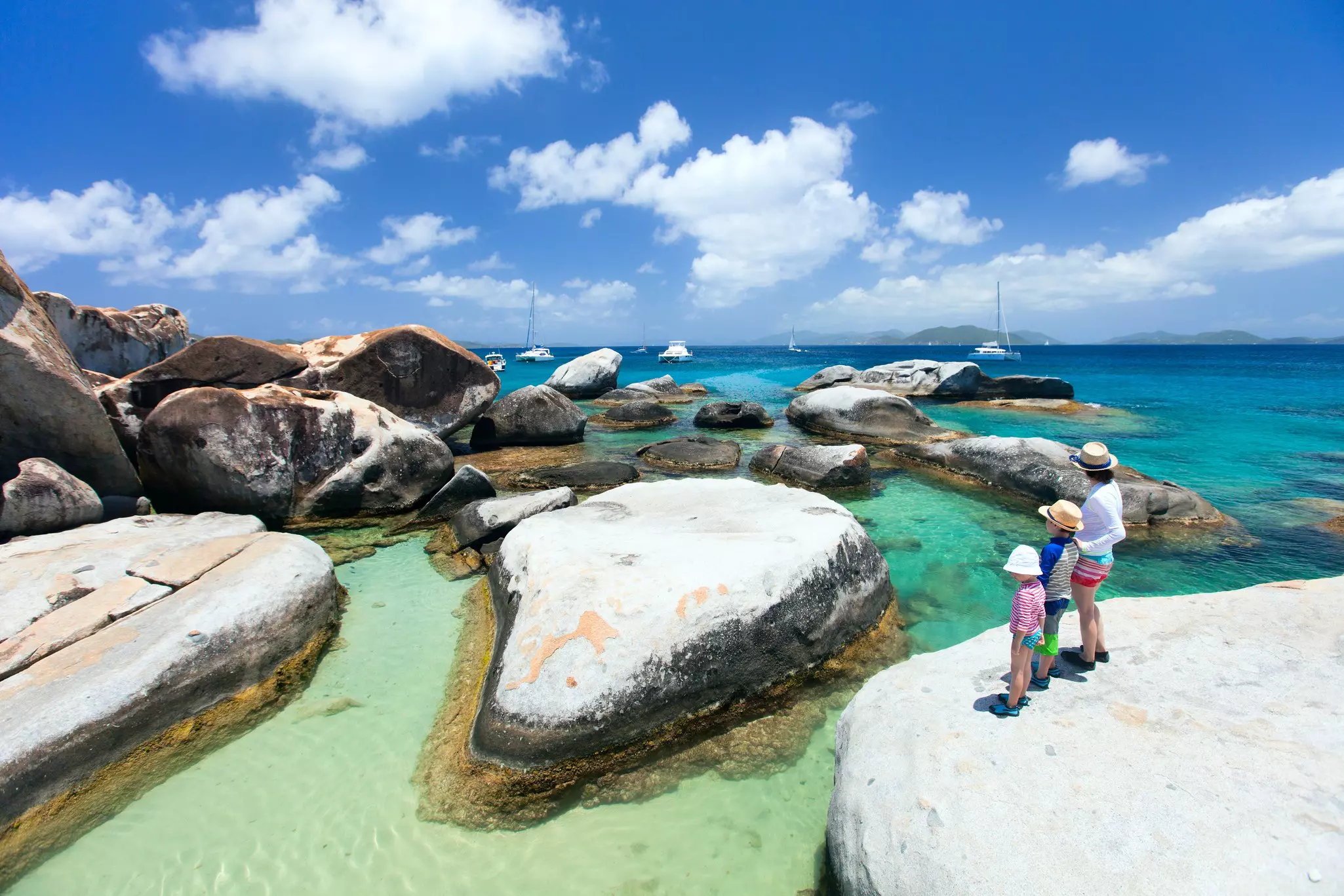
If you’re hopping around the islands of the West Indies and want to touch land in the BVIs, make a quick trip to Tortola, easily accessible by air or ferry. Grab a rental car and hit the roads to enjoy surfing, snorkeling and sunbathing at Josiah’s Bay and hiking at Sage Mountain. Cap a day of play with an evening meal at D’CoalPot or Pusser’s before arranging a day trip from Road Town or Beef Island to The Baths National Park on Virgin Gorda. These transfixing caverns are the cream of the crop.
Five days in the BVIs allows visitors to explore more of the BVIs’ blend of cultures. Tortola’s numerous short-term rentals, villas and resorts offer a variety of base camps for both exploring this island and nearby Jost Van Dyke. Spend 2 nights on Tortola before ferrying over to Virgin Gorda for another pair of evenings spent in its laid-back atmosphere and boulder-strewn natural beauty.
If you have 2 full weeks, get lost on Anegada. Getting to this outlier of the BVIs is best reserved for a longer journey, as ferries to Anegada from Road Town in Tortola are infrequent, especially on weekends. Count on at least 3 nights in Anegada; bonus points for a rare overnight on Jost Van Dyke, where Foxy’s and the Soggy Dollar beckon to night owls. Carve out time for several nights on Virgin Gorda to enjoy sunsets at the top of North Sound Rd, isolated snorkel spots and quiet mornings in the tidal caverns of The Baths National Park.
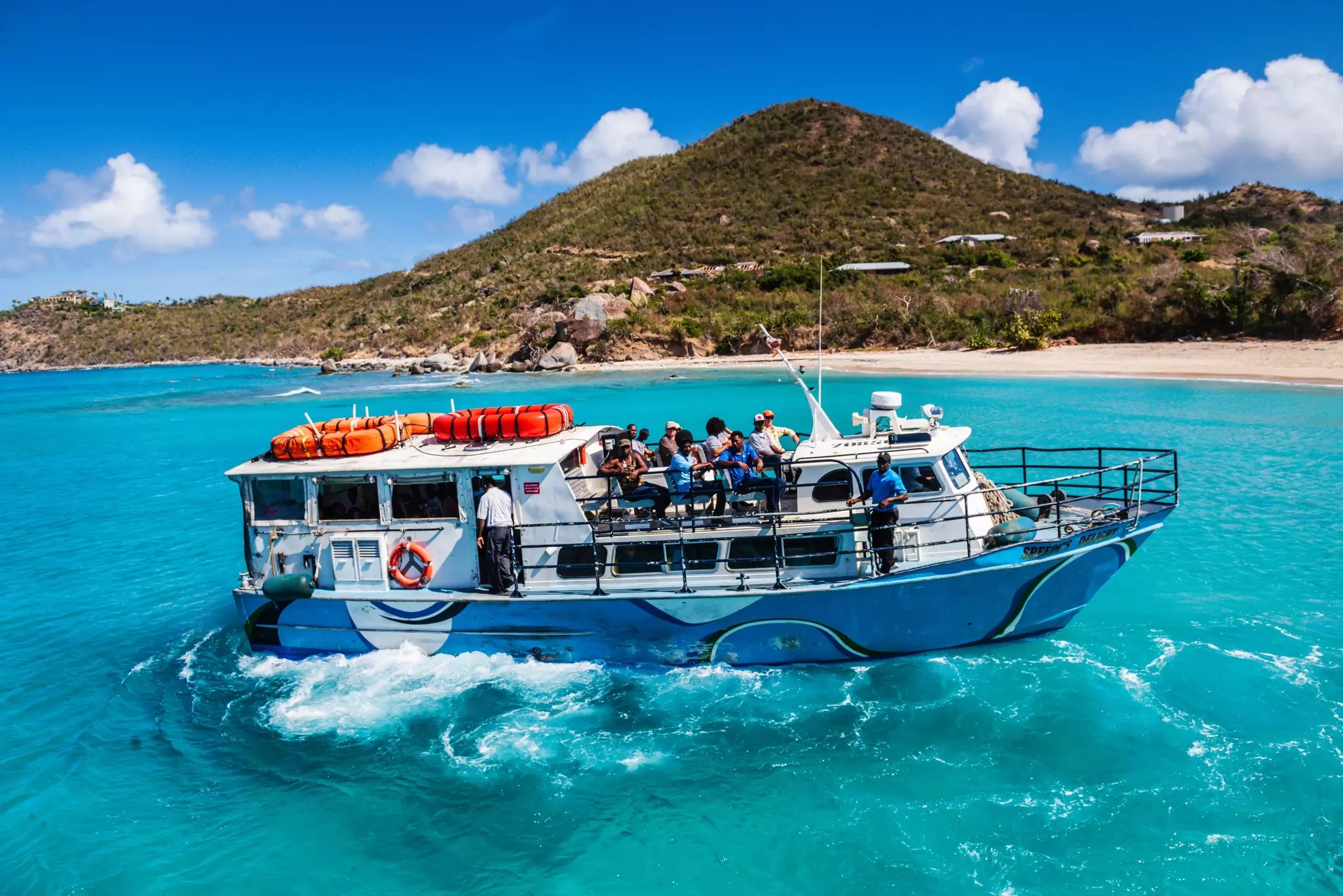
Unless you have your own sailboat, island-hopping is not really a thing most people do here. That doesn’t mean the yachtless can’t do it – indeed, it’s not that difficult to get from BVI to BVI once you figure out the system.
Daily ferries run from Tortola to Jost Van Dyke and Virgin Gorda; every few days, a ferry heads off for Anegada, too. The main operators are Speedy’s and Road Town Fast Ferry. Fares can be steep, so price out any inter-island itinerary before you set off. Private charters can get you from place to place on your own time – for a premium fee.
Renting a car makes a lot of sense on both Tortola and Virgin Gorda (though traffic can be harrowing on Tortola, especially when a cruise ship has docked). Rates offer good value when compared to cab fares, and the vehicles are generally well-suited to taking a bashing on the bumpy island roads. If you don’t want to drive yourself, save the WhatsApp number of a respected taxi driver and stick with their recommendations for the duration of your trip. While this will quickly burn cash, it can pay off with local knowledge and insights.
On Jost Van Dyke, local cab drivers are the best bet. And scooters suffice on Anegada.
It’s possible to charter private planes or helicopters to get around the BVIs. This is a surprisingly popular mode of transport for some (including Richard Branson) – but expect to pay mightily for the privilege.
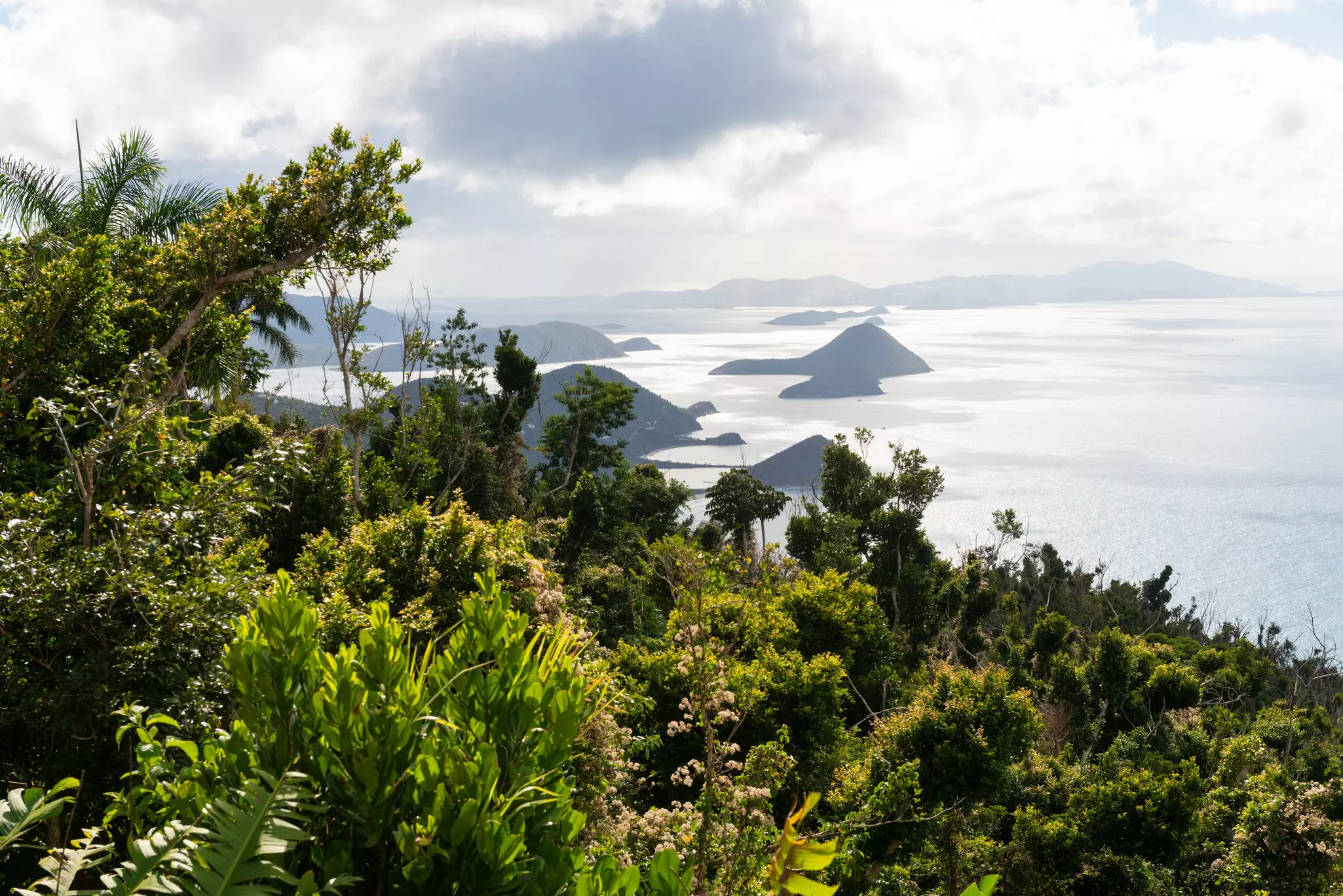
Pockmarked, winding roads circle mountainous Tortola from the West End to Road Town and the North Shore. This jungle-covered island is the most populous of the BVIs and the most likely to be your adventure hub in the country. The vigorous hike in Sage Mountain National Park is a must-do for any active traveler.
A combination of fabulous surf spots – Surf School BVI in Josiah’s Bay is a favorite – are found near Tortola’s busy cruise port. A population of about 24,000, ranging from lifelong islanders to European and Caribbean transplants, makes this a destination percolating with global accents and cuisines.
Those in search of nightlife can find a party in vibrant Road Town or Frenchman’s Cay. Yet the quiet streets of the North Shore hide a bounty of secluded getaways for travelers who want to feel like they’ve reached a beach bar at the edge of the world. Hidden guesthouses abound.
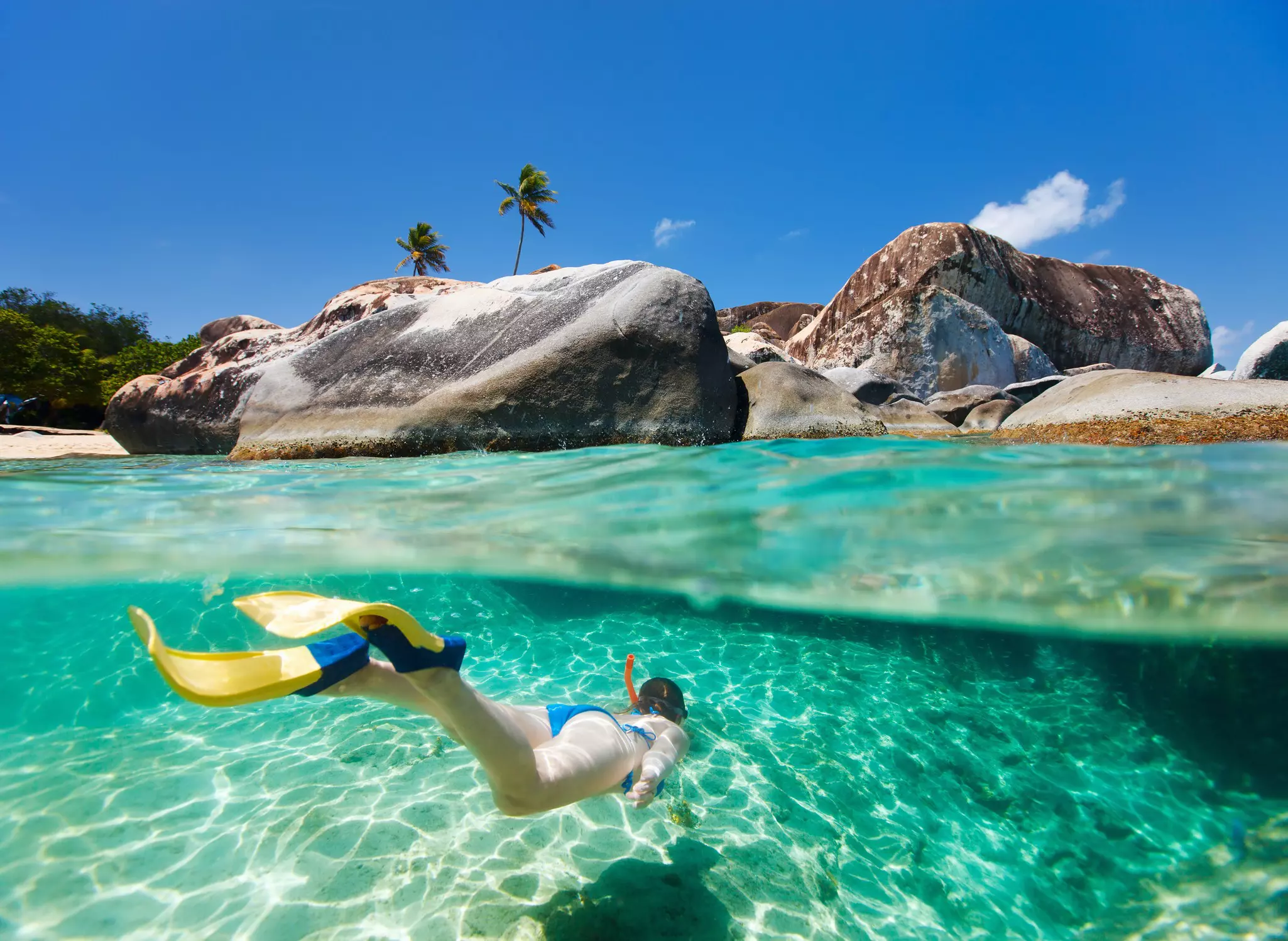
Upon first arrival at Virgin Gorda’s bustling ferry terminal, this island seems packed. But spend a little time here and your mind may change. Many travelers seem to head straight for resorts and villas, skipping over the main settlement, Spanish Town, and generally keeping inside guarded gates at night.
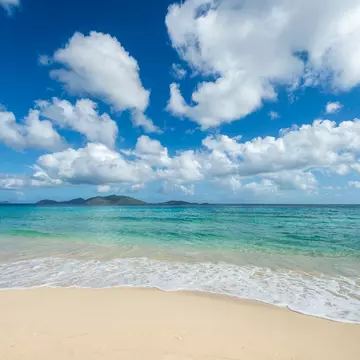
There’s little need to. Spanish Town is a beautiful hodgepodge of shops and restaurants, from snorkel-tour operators to kitchens dishing out Caribbean staples and a blend of flavors from Dominica to India. And the island’s signature feature is best explored on your own: the spectacular, surf-lashed boulders of The Baths National Park. (Take note: Crowds swarm the attraction starting mid-morning). After scrambling to the top of a rocky outcrop at adjacent Devil’s Bay National Park, rest on the island’s longest white-sand beach at stunning Savannah Bay, which is usually sparsely occupied.
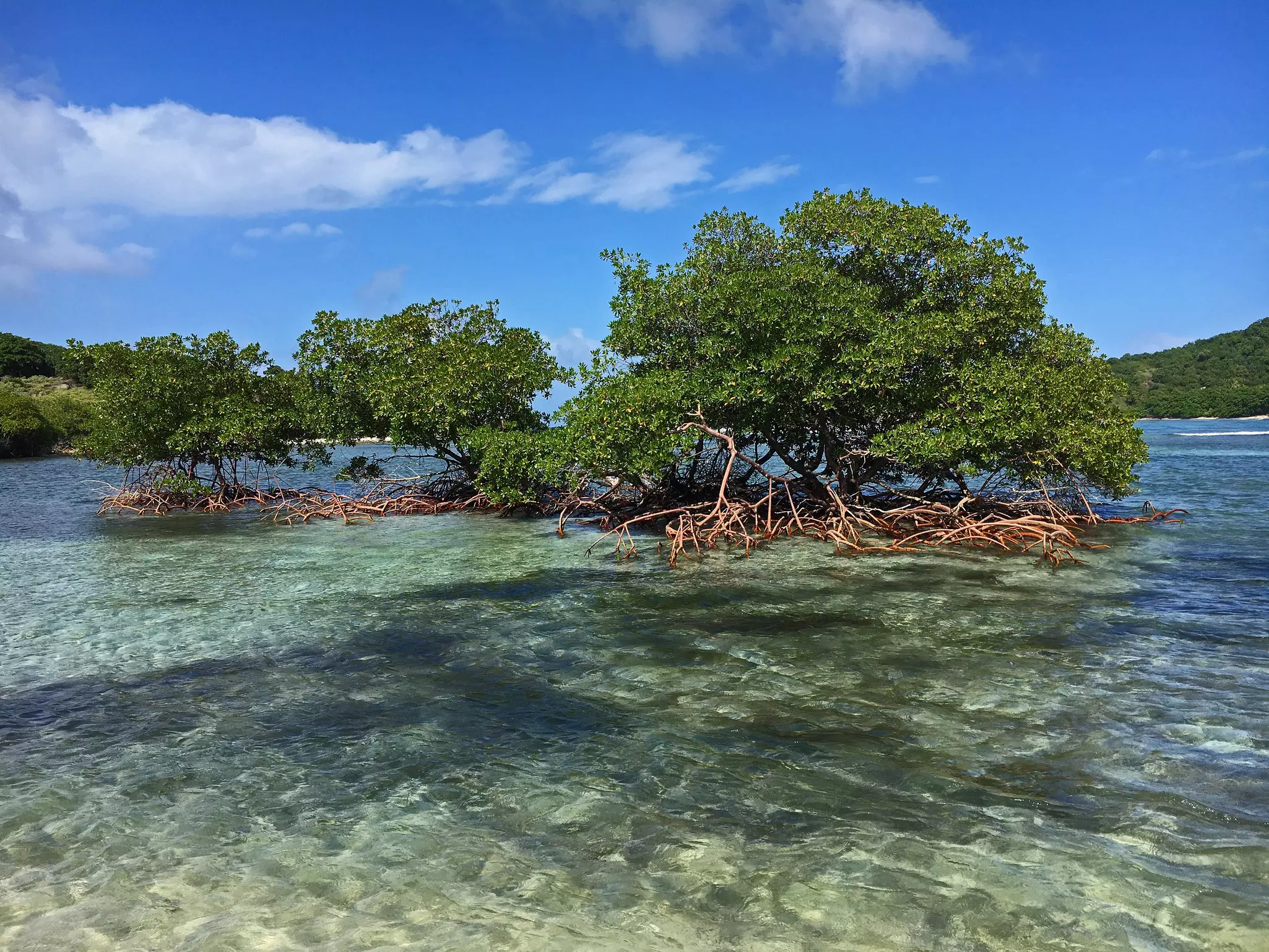
Adventurous travelers can seek out uninhabited, only-accessible-by-boat Prickly Pear Island – a favorite for Virgin Gorda regulars and little-known to first-time visitors. Secluded beaches brimming with wildlife await those willing to make the journey. An active scene at The Sandbox bar and grill and a hiking trail to Vixen Point give visitors places to relax by the beach or stretch their legs. Bring a mask and fins, as Prickly Pear is surrounded by a barrier reef teeming with marine life and dotted with red, black and white mangrove forests.
Named for a Dutch privateer who allegedly hid from the Spanish Navy on this tiny island in the 1600s, Jost Van Dyke comes with legitimate Pirates of the Caribbean credentials. The population of this 4-mile-long island officially numbers fewer than 300 individuals – though far greater numbers can often be found offshore residing in catamarans, yachts and cruise ships.
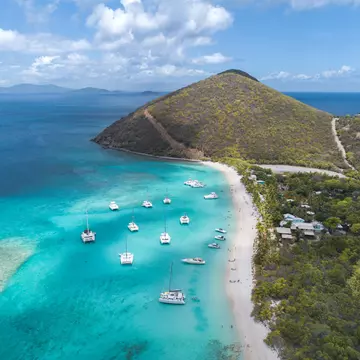
A visit to Jost Van Dyke has become a feather in the cap of any sailor worth their salt. Its bars are the stuff of engine-room stories and wheelhouse legends. (Sip a Painkiller at the Soggy Dollar and you'll know.) Stunning White Bay welcomes visitors making a day trip from Tortola, St John and St Thomas. The Bubbly Pool beckons outdoor lovers interested in exploring the island’s natural beauty. And a handful of overnight accommodations, like The Hideout, await travelers who don’t want to catch the last ferry back to Tortola.
You thought you were away from it all…and then you arrive on Anegada. Home to one of the largest barrier reefs in the world, this BVI outlier takes an hour to reach by ferry from Road Town. Yet that timestamp might as well be light speed – for this island feels like another galaxy. Gone are the mountains and the dramatic, volcanic rocks of Tortola and its neighbors. Instead, flat swaths of forests of sea grape are crossed by paths of limestone and coral, plus rock iguanas and shipwrecks (especially numerous around 18-mile-long Horseshoe Reef).
With barely 300 residents and no elevation higher than 30ft above sea level, Anegada feels like finding another nation tucked inside of the BVIs. Donkeys, cattle, horses and flamingos ply the land from Cow Wreck Beach to the East End, providing a plodding backdrop to this peaceful place.
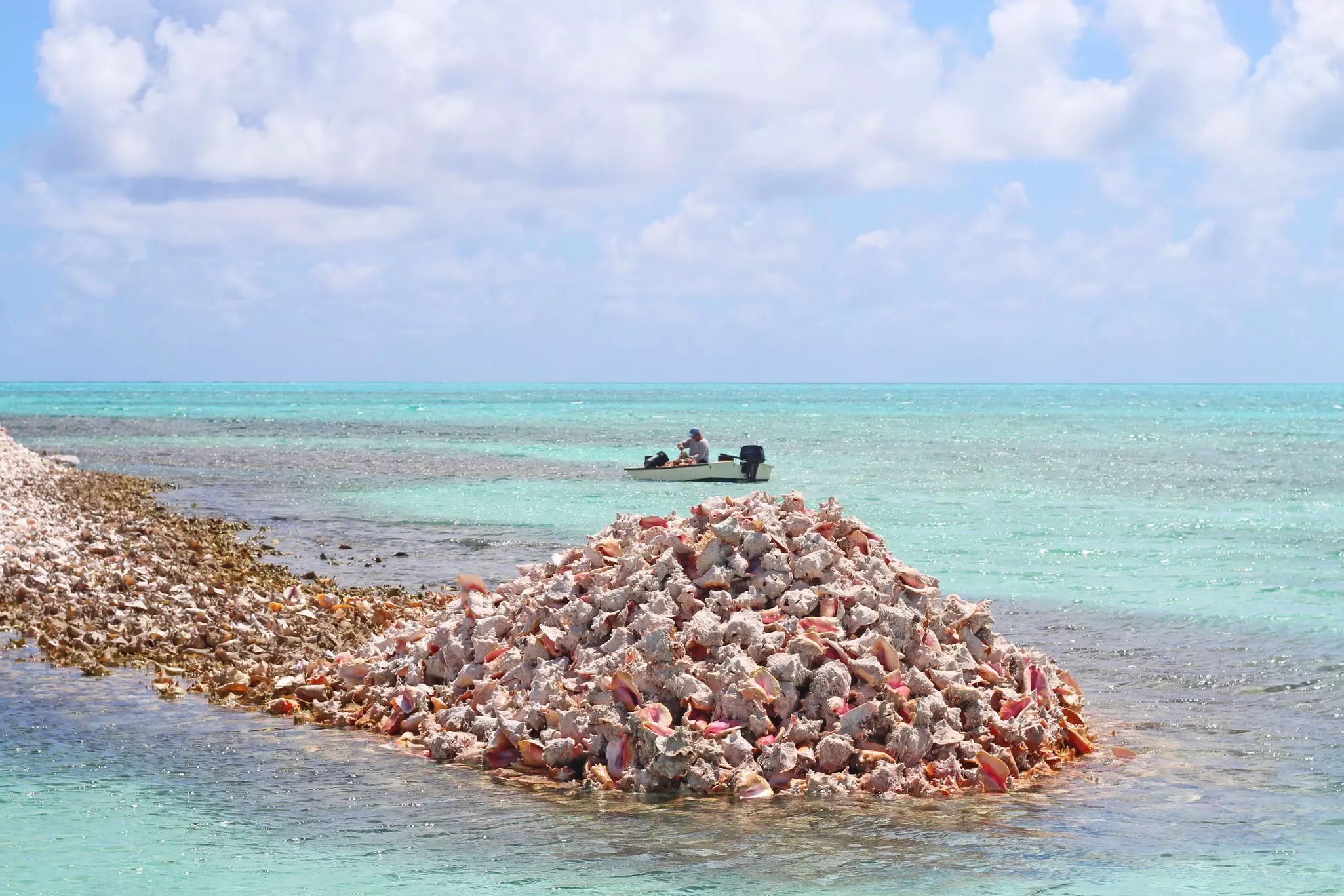
The bizarre pink pyramids of Conch Island reflect 800 years of fishing practice in Anegada, as generations of conch harvesters picked, popped and plopped the supple, savory meat of giant sea snails from the water, and discarded their shells en masse. A tradition that began with Indigenous hunters was taken up by British settlers and, eventually, to Anegada’s modern inhabitants: when a conch gets harvested for use in crispy fritters, savory ceviches and mouthwatering salads, its shell goes here.
Double room at The Hideout in Jost Van Dyke: from 700 US dollars
One-way fare between Tortola and Anegada on Road Town Fast Ferry: US$100
Painkiller at the Soggy Dollar: US$10
Taxi from Virgin Gorda ferry dock to the Baths: US$7 per person
This article was adapted from Lonely Planet’s Caribbean Islands guidebook, published in August 2023.
Explore related stories