Dec 21, 20258 min read
USVI vs BVI: How to Choose Between These Caribbean TerritoriesDec 14, 2025
3 MIN READ

Writer
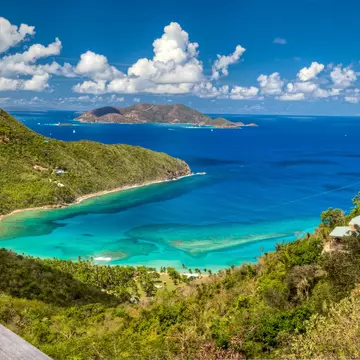
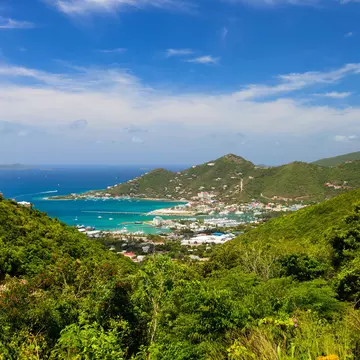
Jost Van Dyke viewed from the white sands of Apple Bay Beach on Tortola. lazyllama/Shutterstock

Writer
Lonely Planet may earn a commission from affiliate links on our site. All recommendations and reviews reflect our own independent opinions.
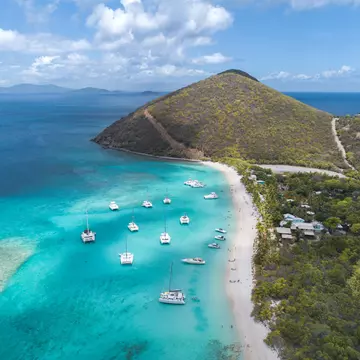
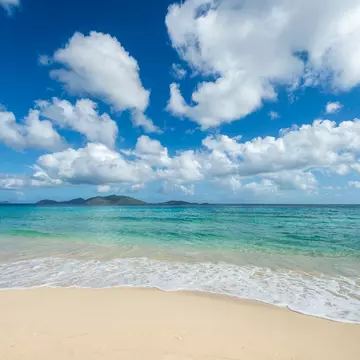
The US and British Virgin Islands are what you imagine when you think of a tropical vacation: consistently balmy weather, ridiculously white sandy shores, diving and snorkeling, and calypso-wafting beach bars. But then they kick it up a notch.
Add steady trade winds, calm currents and hundreds of protected, salt-rimmed bays, and it’s easy to see how the Virgin Islands became a sailing fantasyland. Exploring the archipelago is easy aboard the public ferries, or you can hoist your own sail from the region’s largest fleet of charter boats.
With everything from friendly winds to colorful festivals to hurricanes, here’s what you need to know about the best time to book your trip to the US and British Virgin Islands.
Weather in the US and British Virgin Islands from December to April: During these months, the weather is at its best: dry and sunny, while trade winds keep humidity down. Due to this, accommodations can peak by up to 30%, so be sure to book in advance to score a decent deal.
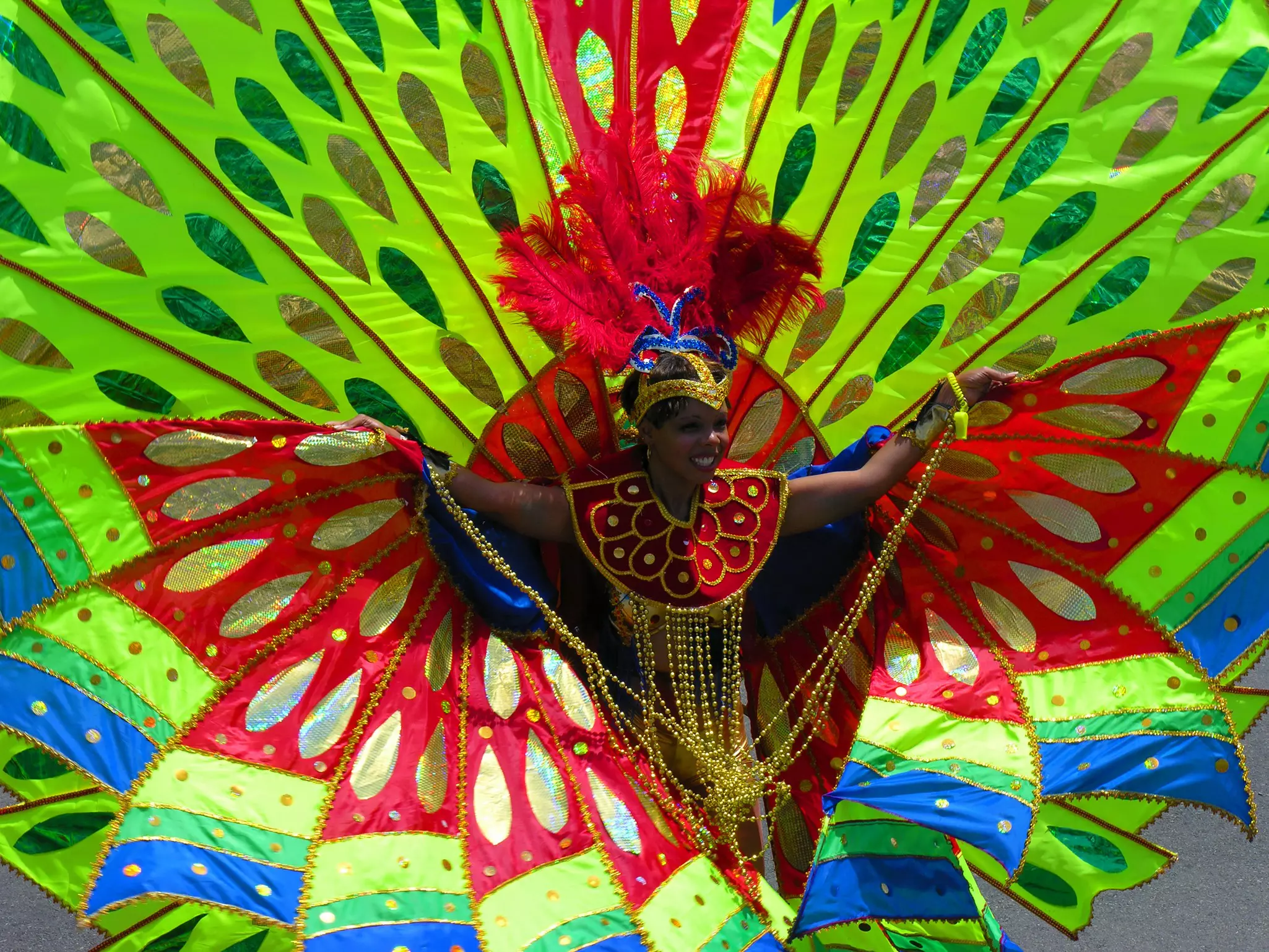
This season is scattered with events, holidays and festivals, including several regattas like the BVI Spring Regatta in Sir Francis Drake Channel in March. St. Croix and Virgin Gorda have lovely Christmas celebrations if you’re looking for a dose of winter sun. Then, in mid-April through early May, the whopping, party-hearty St Thomas Carnival fills the streets.
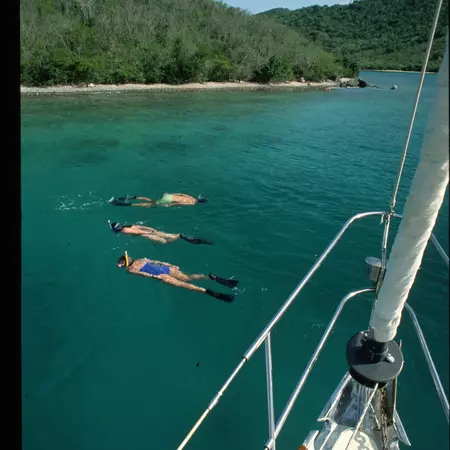
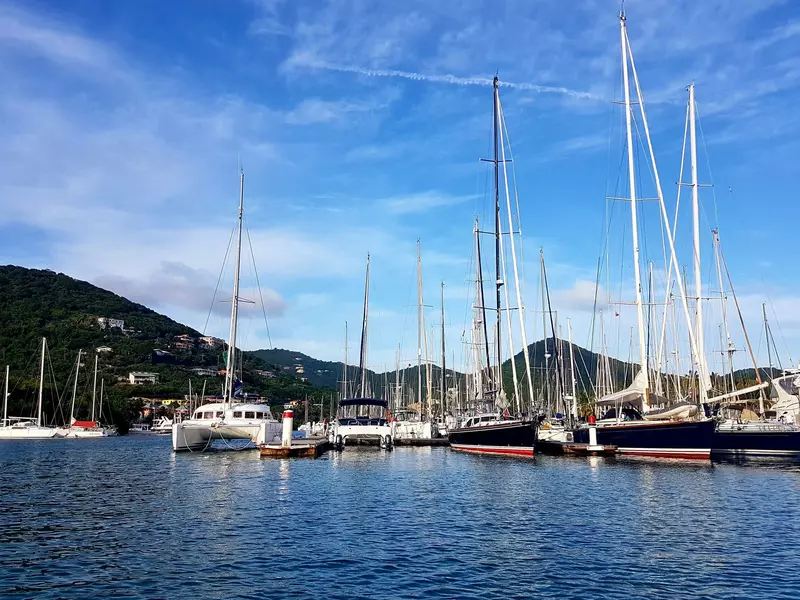
Weather in the US and British Virgin Islands from May to July: The islands heat up between July and August, with an average temperature of 82°F. There is a slight increase in rainfall, but showers are typically brief and refreshing.
This is the ideal season for those who are hoping to experience the US and British Virgin Islands without hurricanes or crowds. As the winds die down, this is a smoother season for snorkeling and sailing. Plus, with quieter streets, it can be a more relaxing trip with a better chance of appreciating local culture.
In June, BVI Wreck Week celebrates the island nation's sunken treasures and dive sites with events for both divers and non-divers. At the end of June, St John holds its largest event, St John Carnival, with music, food and vibrant parades.
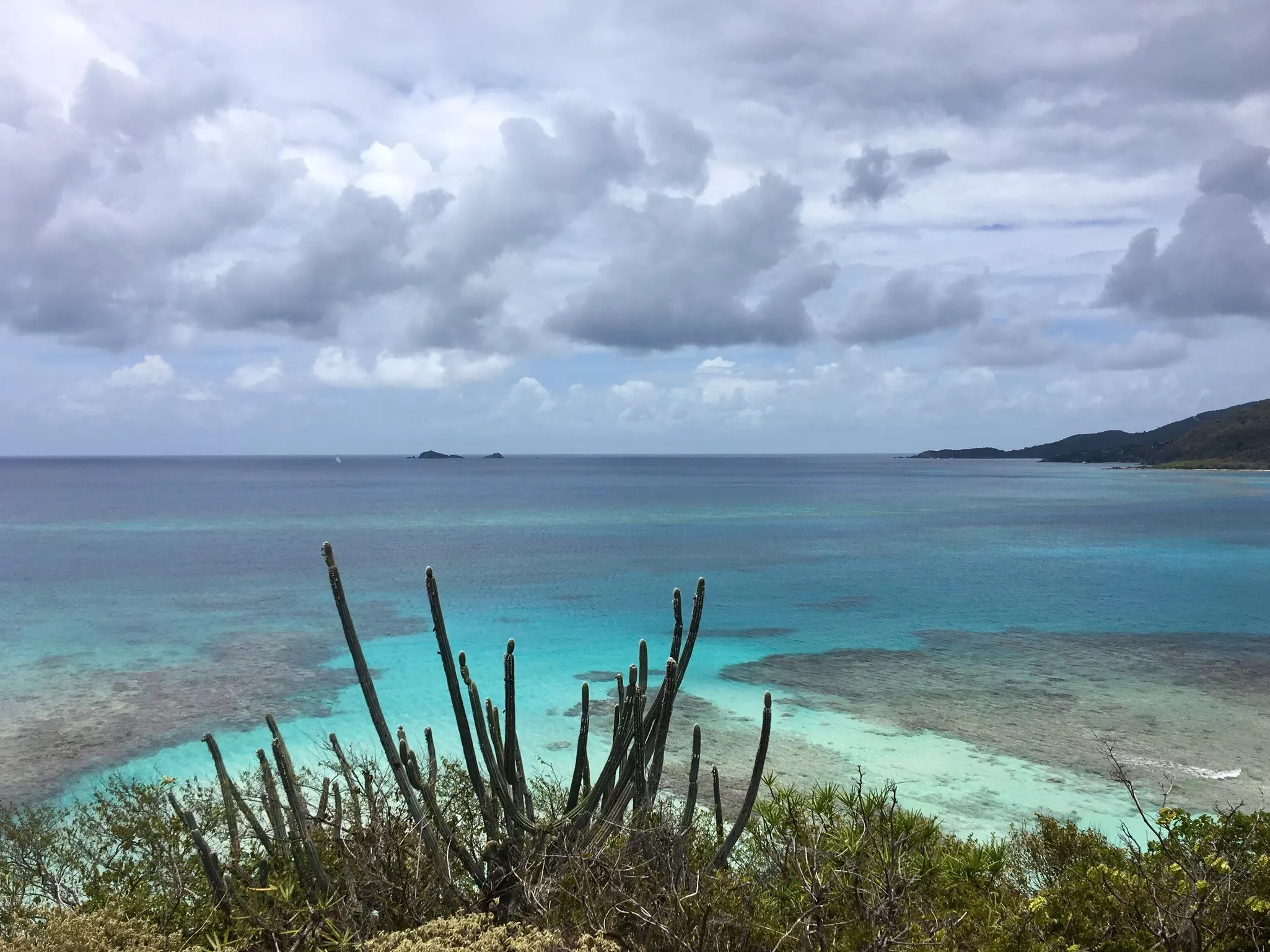
Weather in the US and British Virgin Islands from August to November: Hurricane season officially runs from June 1 to November 30, but storms peak from August through October. If this is the only time you can visit, take heart: the chance of a major hurricane is small. A good watch system is in place with warnings that precede storms by several days, but do consider trip insurance during this period.
September, October and November are the wettest months. Rain tends to fall in brief, heavy bursts rather than pouring all day. Most showers happen early in the morning or at night, so you can still get out and about with marginal impact on activities.
Many businesses shut down in September and early October. Despite this, several islands still host annual events during this time. Tortola celebrates with an Emancipation Festival every August, Scrub Island Billfish Invitational takes place in September, and Jost Van Dyke has Foxy’s Cat Fight Regatta & Masquerade Ball in late October around Halloween.
Explore related stories