Aug 25, 20266 min read
9 Best Places to Visit in AlbaniaMay 12, 2026
6 MIN READ
Writer
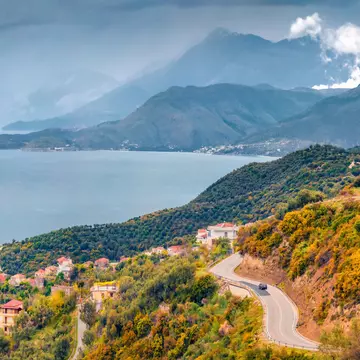
A road along the coast of Albania. Andrew Mayovskyy/Shutterstock

Writer
Highlights
Contributor Joel Balsam guides Albania's beaches, history, hiking and costs.
Visit September to December for lovely weather and fewer crowds; in winter, Tirana's bars beckon.
History lovers should head to Berat and Gjirokastër; beach fans try Ksamil or Dhërmi.
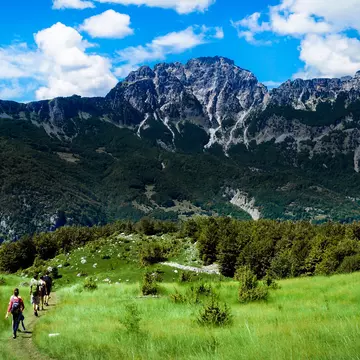
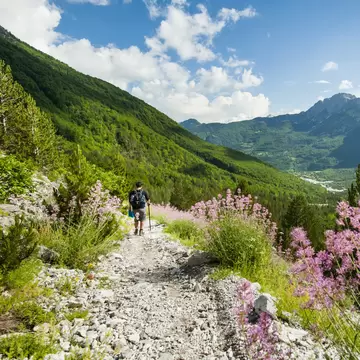
For mountain hikes, base yourself in Shkodër and head north through Theth and Valbona.
Lonely Planet may earn a commission from affiliate links on our site. All recommendations and reviews reflect our own independent opinions.
Of late, everyone seems to be talking about visiting Albania. And for good reason.
Inland, the rocky Albanian Alps (or “Accursed Mountains”) serve up perfect hiking terrain. Along the long coastline, you’ll find TikTok-famous Adriatic beaches with turquoise water, plus astonishing ancient architecture. What’s more, in an age of crushing costs, Albania is far cheaper than nearby Croatia, Greece and Italy.
In short, now’s the time to get planning your trip to this exciting country. Here are the most important things to know before visiting Albania.
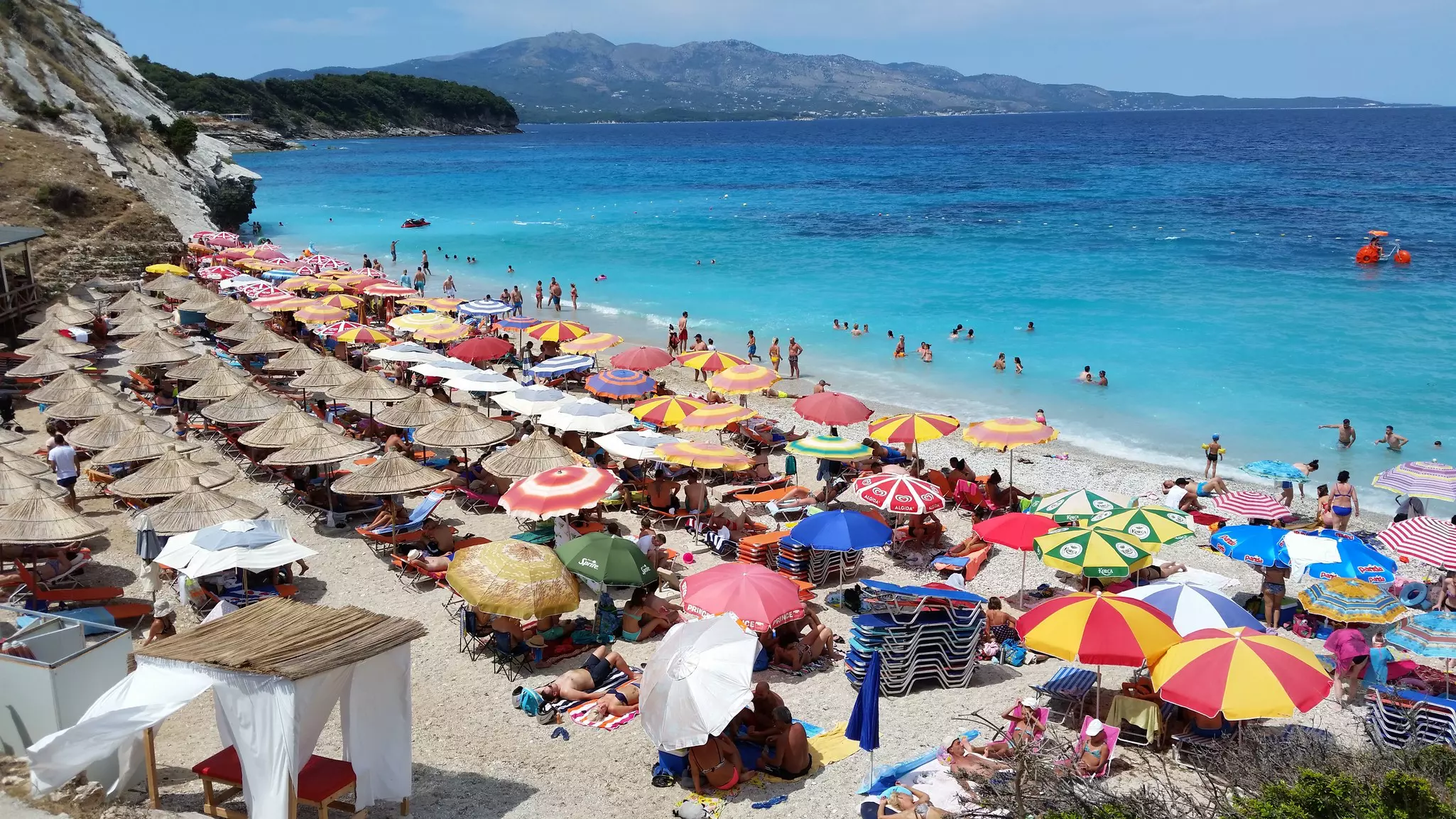
Europe’s obsession with lazy beach days and cheap flights make Albania’s most accessible beaches, Ksamil and Sarandë, good and truly swarming from June through September. If you want a little more peace and quiet, plan a visit in May, though the sea will be chilly. Better yet, go between September and December, which are probably the best months to visit Albania overall as the weather is still lovely and there are fewer visitors.
If you visit in winter, stick to the capital city of Tirana, where you can warm up in its many atmospheric restaurants and bars – such as Komiteti, which serves many different flavors of rakija (fruit brandy). Activities in much of the rest of the country are suspended during winter.
If you only have a weekend, fly to Corfu in Greece and take the ferry over to Sarandë and the Albanian Riviera. Or land in Tirana to enjoy the capital’s terrific food and historic sights.
If you have time for a road trip, you can cover Albania highlights like Tirana, a beach on the coast, and inland Berat or Gjirokastër in a week. Allow for more time if you want to hike in the Accursed Mountains or if you plan to take public transport – for Albanian buses are notoriously unreliable and slow.
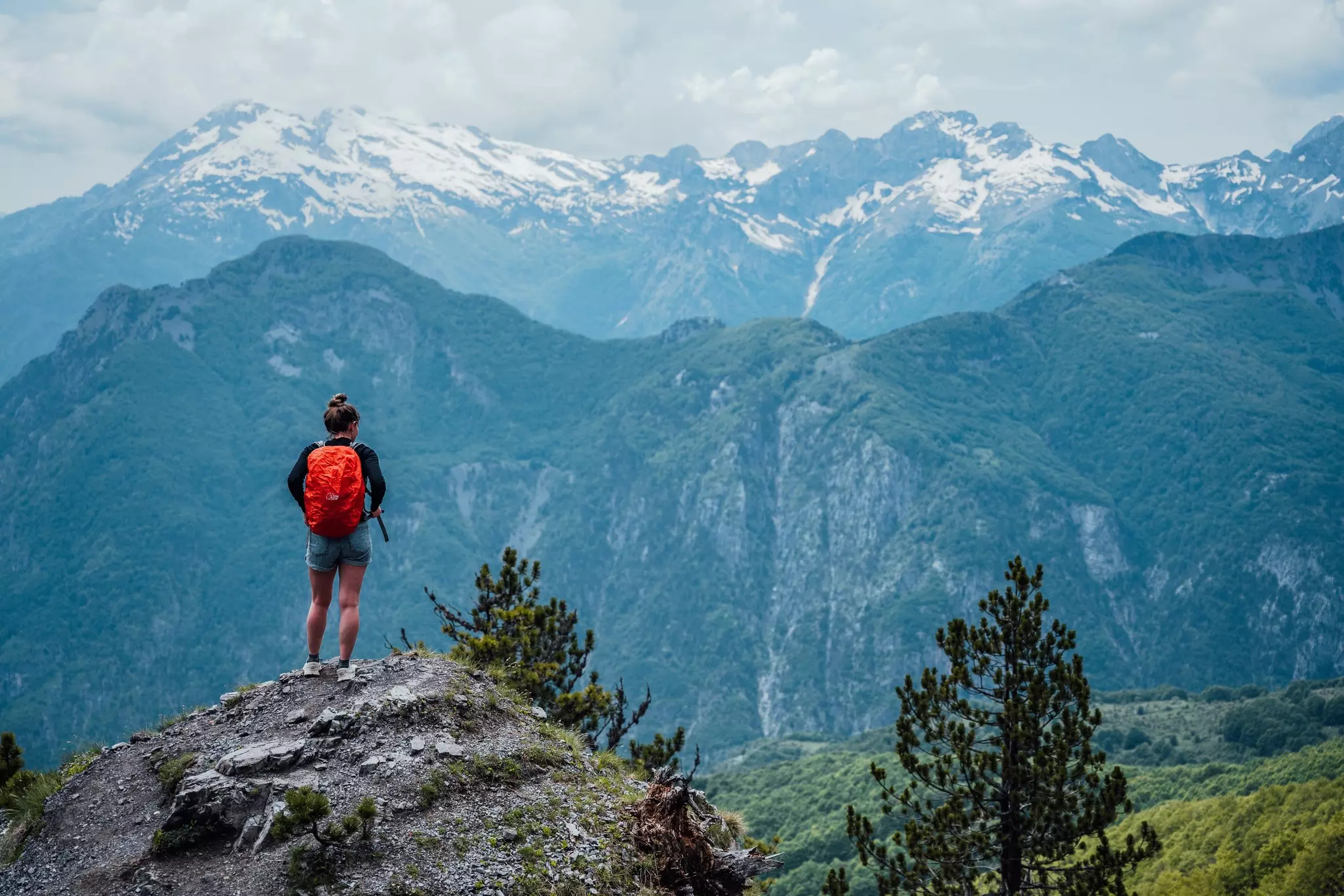
There’s just one international transport hub in Albania, Tirana International Airport. If you want to visit the southwestern beaches, it’s better to fly to Corfu then take the short ferry from the Greek island to the Albanian mainland. (Ionian Seaways and Finikas Lines both operate the route.)
Once inside Albania, getting around is, sadly, quite challenging. Communist-era furgon (shared minibuses that run between towns) don’t have consistent timetables, and unfortunately often break down.
Driving is more convenient, though it isn’t for everyone. Many complain about Albania’s aggressive motorists and speedy sports cars (usually a Volkswagen or Mercedes). Personally, I don’t find driving in Albania to be that bad, especially on the main highways – and you really should stick to the highways as country roads aren’t always well maintained.
Renting a car is also a headache, with international brands charging a premium and maintaining offices only at Tirana airport. Local car-rental companies are cheaper and can be found outside the airport, but you’ll have to pay cash or by bank transfer, meaning any insurance protections from your credit card don’t apply. In short, driving in Albania has major upsides – as well as numerous hassles and risks.
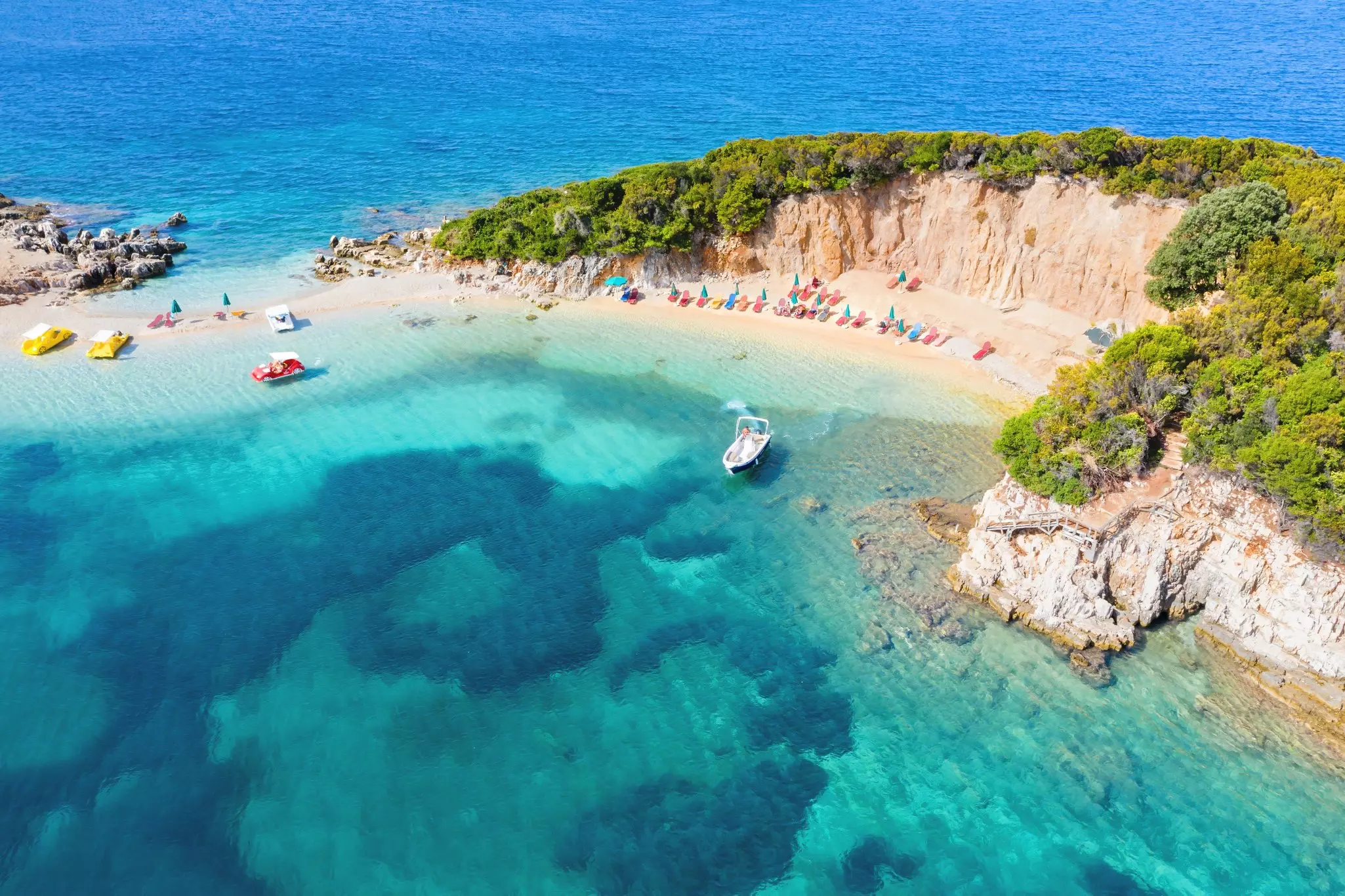
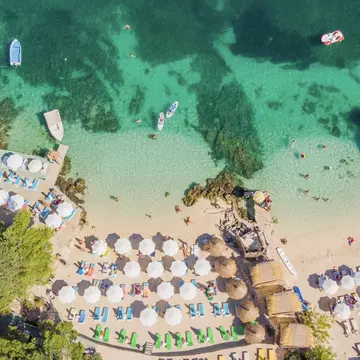
You’ve probably seen it on Instagram – for Albania’s beaches are picture-perfect. Ksamil, the country’s most popular beach, is especially beautiful. It’s also more expensive than anywhere in the country and seriously crowded in summer – there isn’t even room to put down a beach towel. Travel up the coastline to find quieter beaches in and around Himara and Dhërmi, and take a boat tour to “secret” beaches inaccessible to cars.
If you do go to Ksamil, don’t you dare miss Butrint, a UNESCO-listed ancient Greek and Roman city.
During Albania’s Communist era (1946–91), Tirana’s Blloku neighborhood was blocked off to the public as a private residential zone for party officials. When Albania’s democratic revolution finally toppled the regime, the gates to Blloku swung open – and the neighborhood has since become a place to see and be seen. Hip cafes and bars with plant-filled terraces line the streets, and there are plenty of cool clubs as well. My personal favorite is Radio Bar.
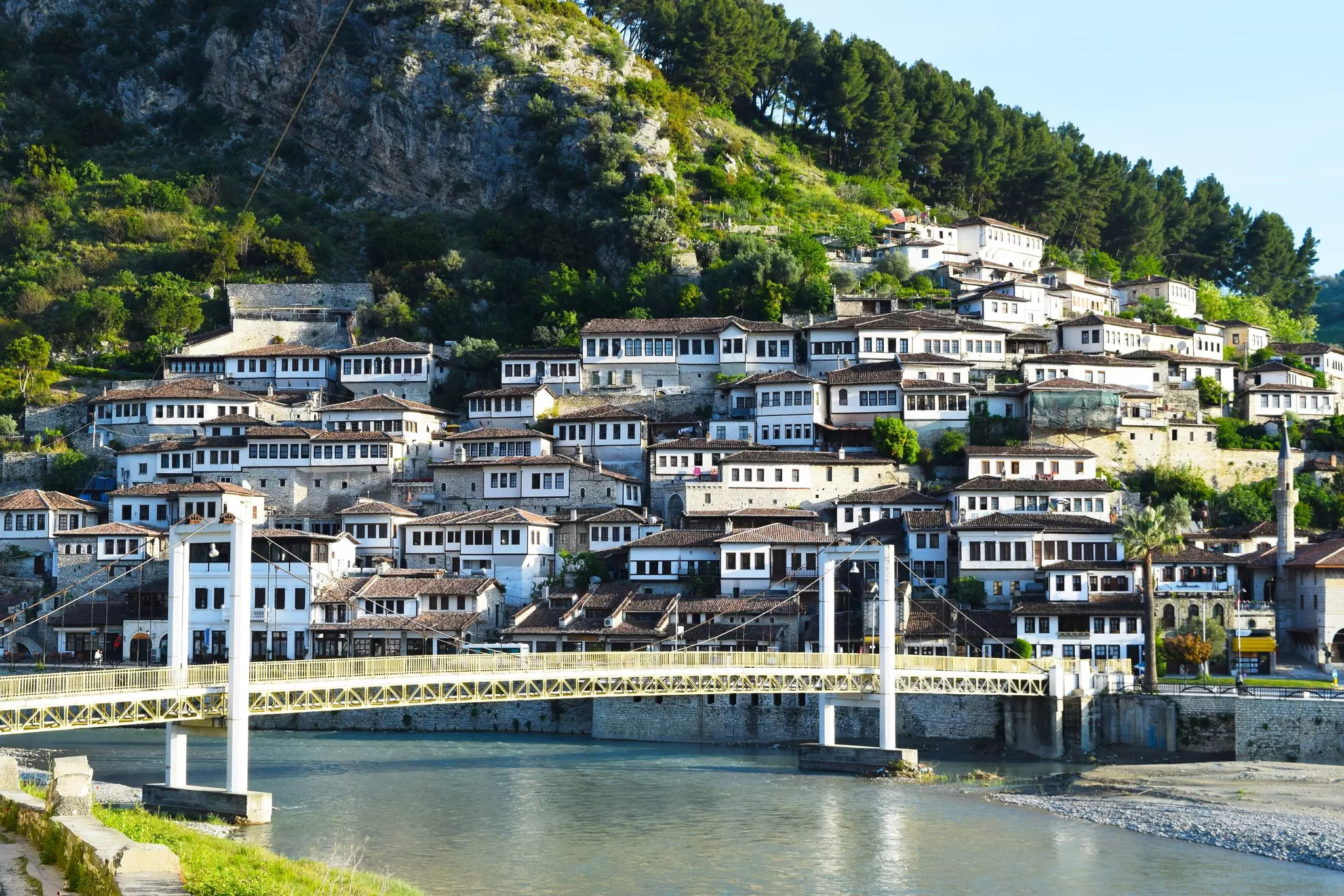
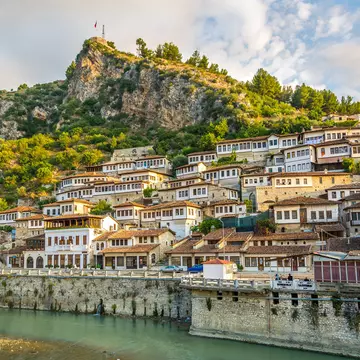
For amazing architecture, travel to Albania’s UNESCO-recognized “museum towns.” In Berat, you can explore a city-size castle atop the hill and wind through tiny stone alleyways. Don’t miss the city’s prized windows, which are best viewed from across the Osum River.
In Gjirokastër, the architecture is no less remarkable. Walk up the hill (you’ll be doing a lot of that here) to see ancient homes with heavy stone tile roofs and the impressive castle. Underneath the city, wander through Communist-era bunkers – there’s a huge one beside the town hall.
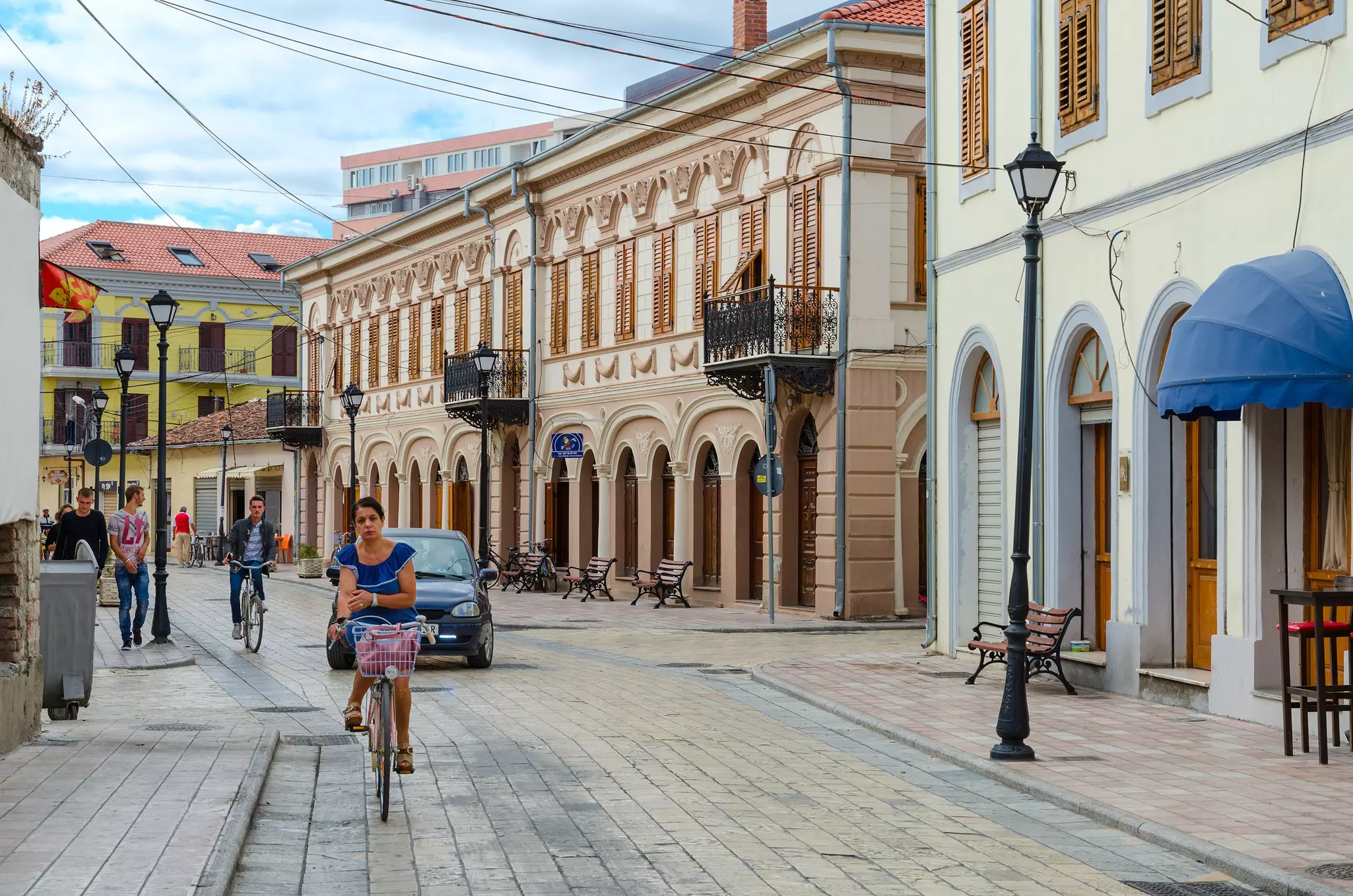
What truly won me over in Albania is the country’s mountainous north, starting with Shkodër. The artsy student city is easily the most bike-friendly place I’ve seen in Eastern Europe and a great base for exploring nearby peaks.
In 3 days, you can take a ferry to Valbona, hike a section of the Peaks of the Balkans trail linking Albania with Kosovo and Montenegro, and jump into cobalt “blue eye” ponds in Theth. Accommodations in Shkodër can organize the circuit for you.
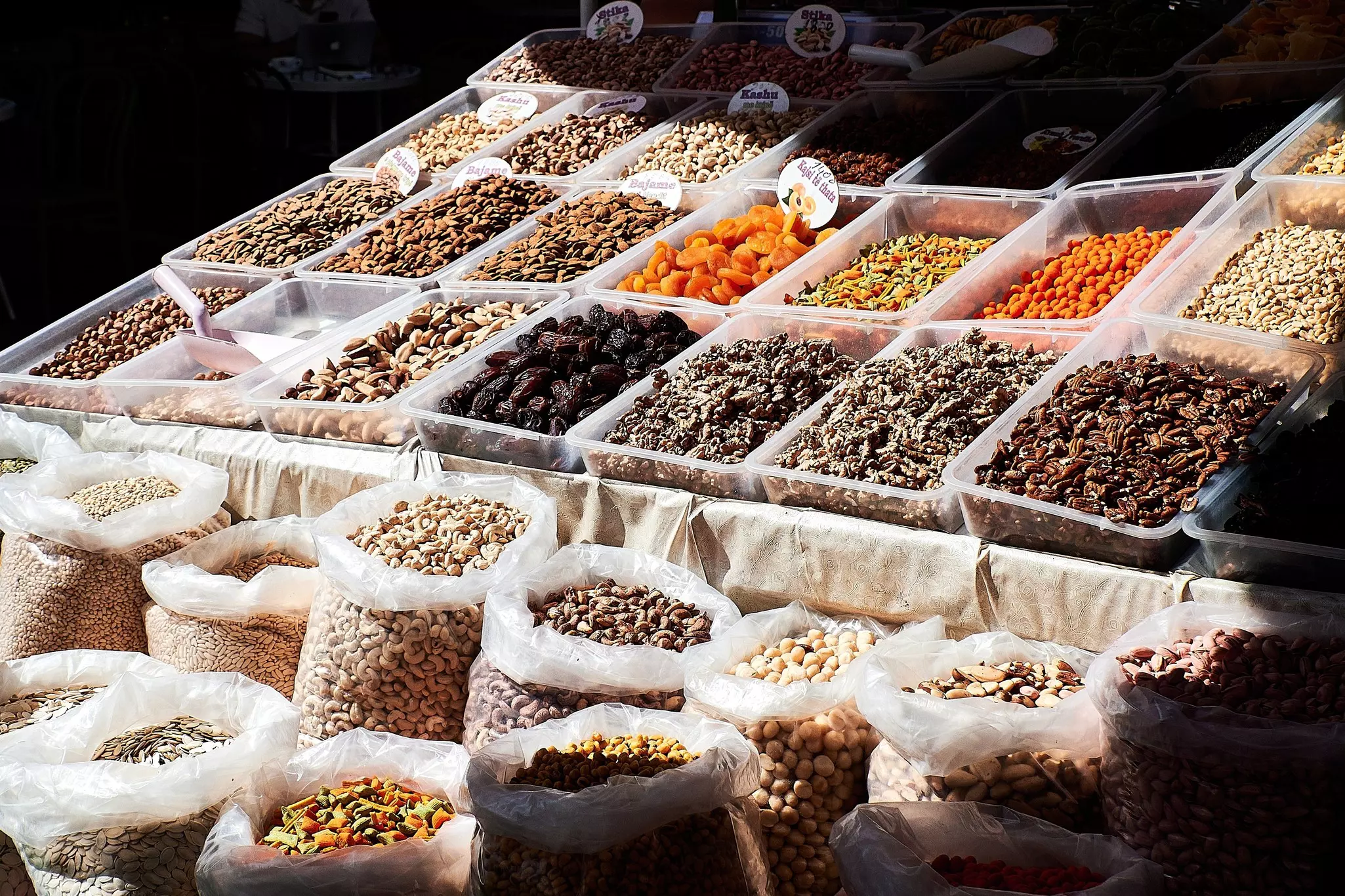
Few places in Albania accept card payments. You can take out local currency, lek, from ATMs, with a steep transaction fee, or exchange cash at money changers.
Hostel room: 1500 lekë per night
Basic room for two: 5000 lekë per night
Self-catering apartment (including Airbnb): 5000 lekë per night
Ticket for a bus in Tirana: 40 lekë
Inter-city bus: prices vary; a trip between Sarandë and Tirana is 1600 lekë
Coffee: 100–200 lekë
Sandwich: 600 lekë
Dinner for two: 2000 lekë
Beer/pint at the bar: 300 lekë
Contrary to its reputation, Albania is indeed safe. Pickpocketing barely happens, and crime associated with the Albanian underworld elsewhere in Europe has little to do with the average traveler’s experience in the country.
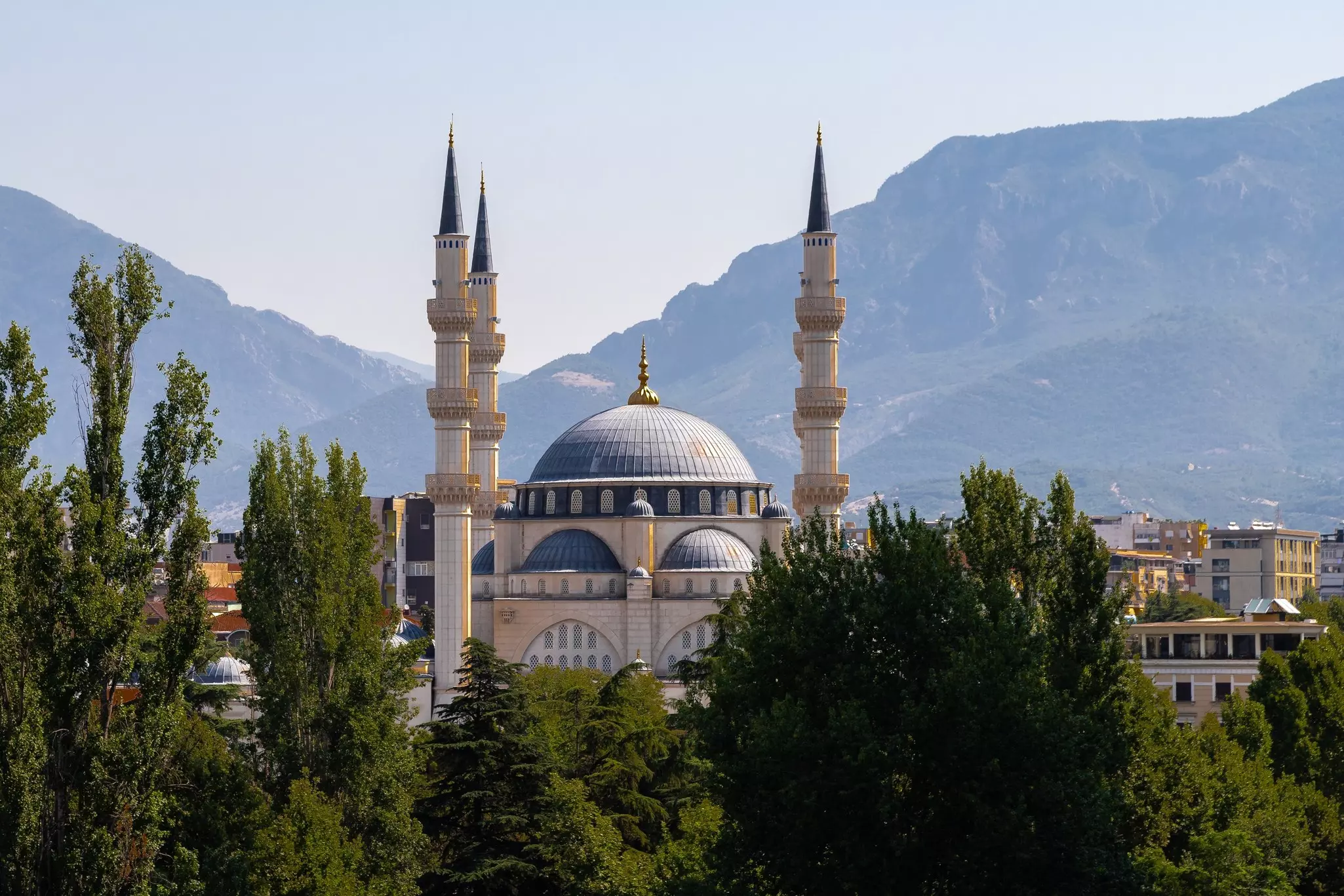
Most Albanians identify as Muslim, but you’ll rarely see locals display their faith in public through traditional clothing. You will, however, see plenty of mosques as well as a lot of churches.
Even though Albania appears quite secular, it’s still respectful to dress conservatively outside of Tirana and the beaches. You might be offered extra clothing to cover up if you’re visiting a popular mosque; bring an extra layer with you just in case.
Visiting Kosovo, Albania’s neighbor to the east, is easy, and border guards will rarely even stop you to check your passport. The two countries are strongly linked, with the vast majority of people in both identifying as ethnic Albania. (Their division is a result of border lines drawn by Western European powers.)
In Kosovo, you’ll find pretty mountain trails along with the historic city of Prizren, which has many gorgeous places of worship and castles. Also, check out burgeoning Pristina, which looks more like a Western European city by the day.
Explore related stories