Jul 29, 20265 min read
The Best Hawker Centers in SingaporeJun 24, 2026
12 MIN READ
Writer
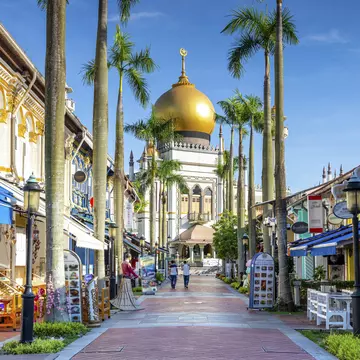
The golden dome of Masjid Sultan, Singapore's beautiful mosque. Sean3810/Getty Images

Writer
Lonely Planet may earn a commission from affiliate links on our site. All recommendations and reviews reflect our own independent opinions.
Singapore's allure goes beyond its iconic hotels, manicured gardens and world-class airport. A maturing local identity peeks through if you know where to look.
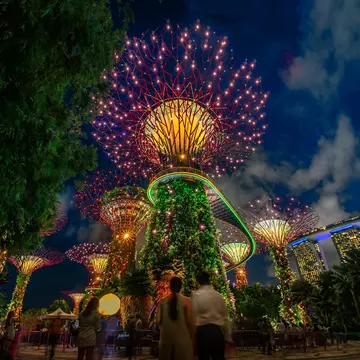
At first glance, the city isn't really known for range when it comes to travel, especially with its headliners clinching superlatives at every turn. Attractions like the Marina Bay Sands, Gardens by the Bay and Jewel Changi Airport suggest that the city-state has little beyond manmade sights to offer, but ask any local and they'll be happy to point out that there's plenty of life and excitement beyond the main events.
To know Singapore more intimately, venture beyond its famous showcase to the various neighborhoods around the island. From a red light district that doubles as an excellent food hub to a tranquil reservoir hiding the world's first nocturnal zoo, here are the best places to visit in Singapore to discover its alternative charms.
A rural island holding fast to the 1960s
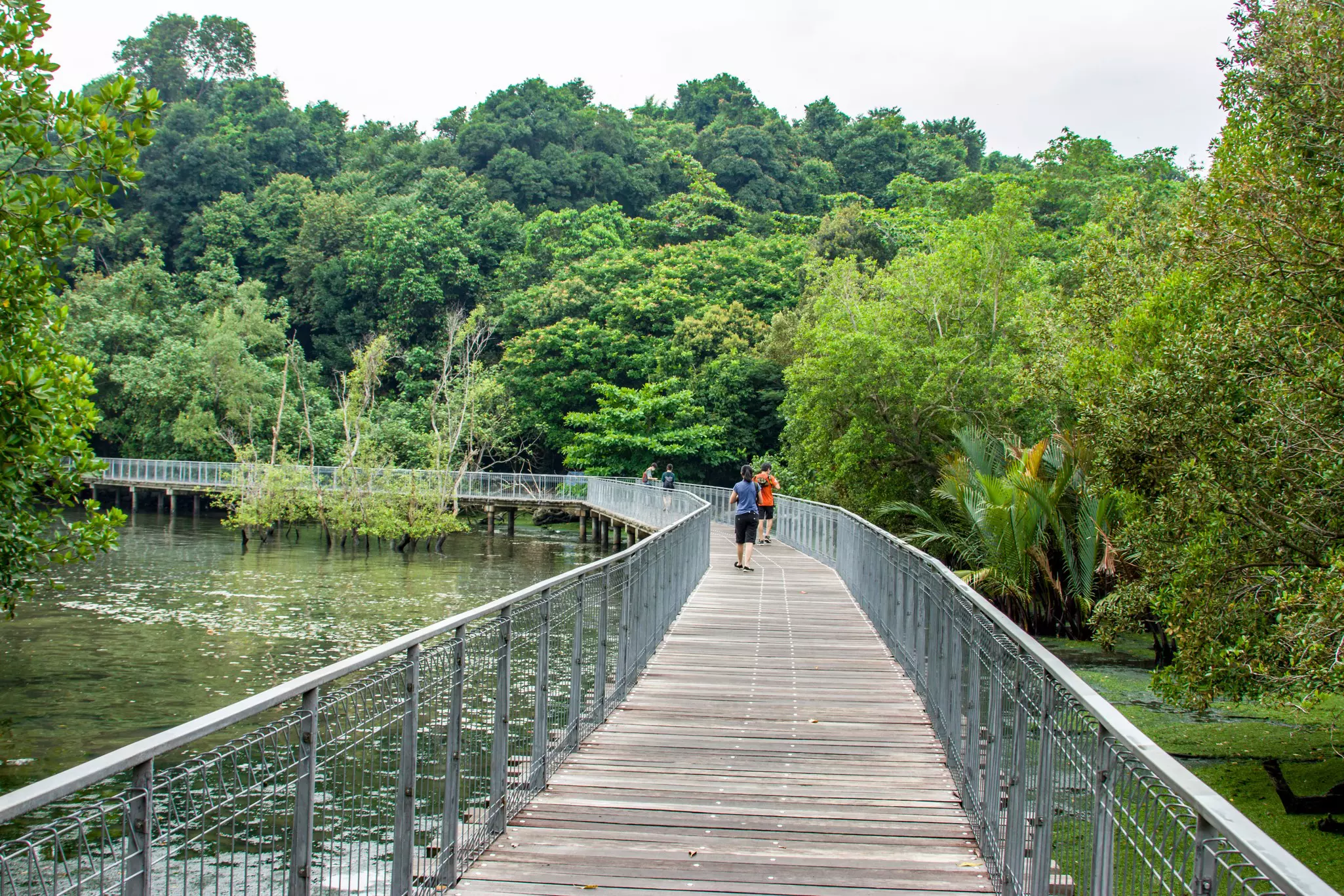
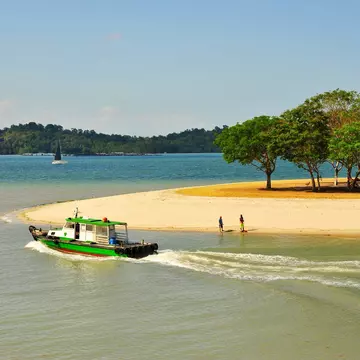
Off the eastern shores of Singapore is Pulau Ubin, a tiny island that many locals consider to be the last vestige of kampong (village) life. More than just a description of a gathering of makeshift houses made of zinc sheets and wood, the term represents a simpler time when the communal spirit was strong. Thus, it became a destination for Singaporeans to visit for some authentic nostalgia.
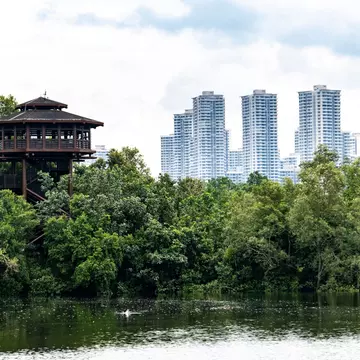
While small, the best way to explore the island is by bicycle – a fact evident by the many rental shops near the jetty entrance. If you have limited time, take the eastern trail as it leads to the island's most famous sight, Chek Jawa wetlands. Walk the extensive boardwalk to spot mudskippers and fiddler crabs, or come during low tide to see carpet anemones, ribbon seagrass and the occasional horseshoe crab. At the end of the walk, climb up Jejawi Tower for panoramic views of the area.
As one of the few sites for granite mining in the early days, the western trail features three water-filled quarries that look spectacular on a sunny day. Cycle first to Petai Quarry and pop by Butterfly Hill to see a small knoll decorated with plants that draw the fluttering creatures. Further along, you'll come by Puaka Hill. It's an easy 15-minute hike up to the highest viewpoint on the island, which offers stunning views of Ubin Quarry from the top. Consider dropping by Wei Tuo Fa Gong Temple nearby, a temple from the 1950s with colorful prayer flags over a pond.
Return to the main village and have a meal at one of the humble eateries there. Enjoy the rustic atmosphere as well as an impressive example of a wayang stage for traditional theatrical performances, now rarely seen on the main island.
Planning tip: Take a one-way ferry ride to the island from Changi Point Ferry Terminal for just 4 Singapore dollars (S$) per person. The independent operators will wait to fill the boat of 12 before leaving, so waiting times may vary from a few minutes to 20 minutes. Insect repellent is heavily advised.
The red-light district that's also a popular supper spot
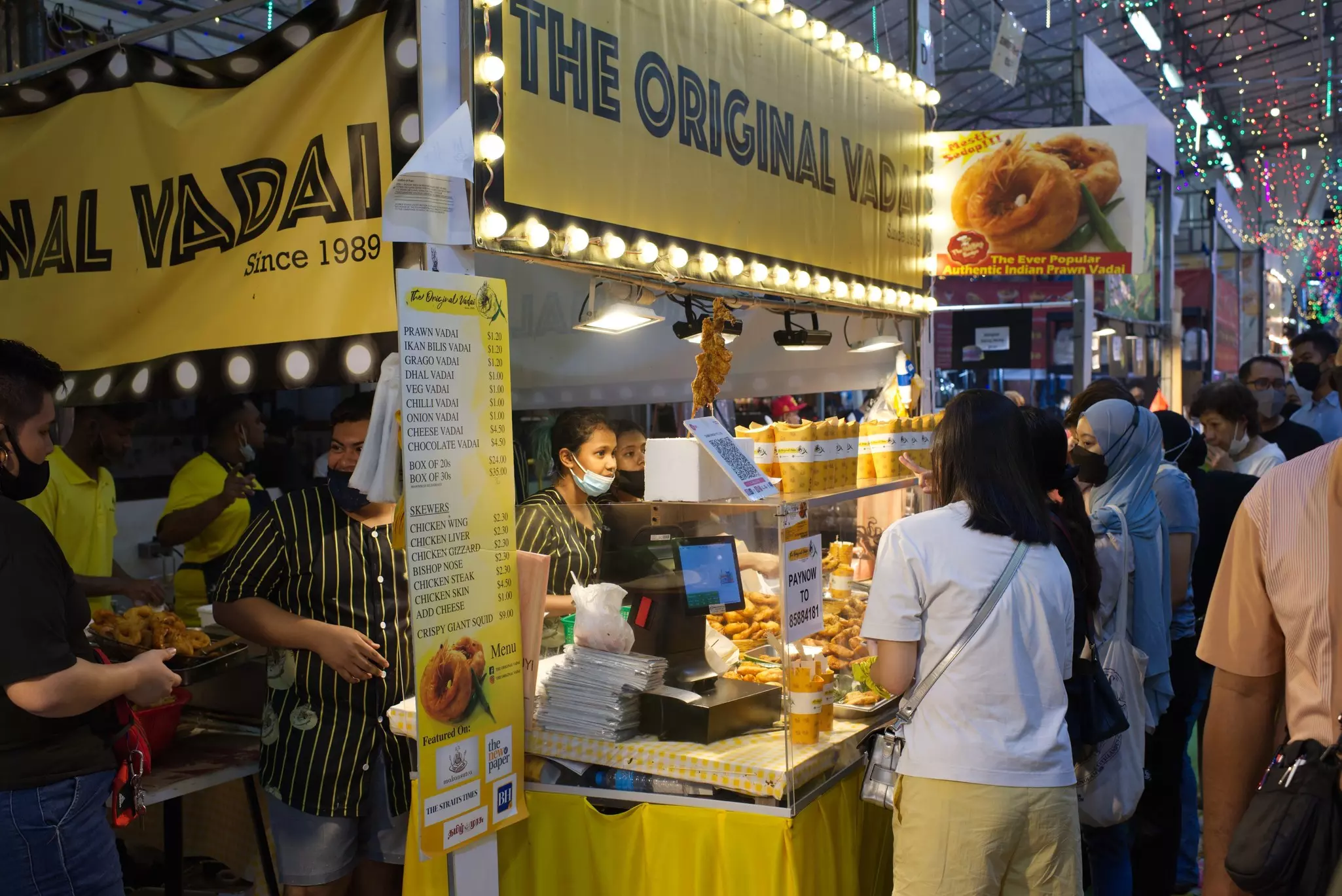
Since it's a place that's often seen as sanitized, the fact that there are legalized brothels in Singapore may be a surprise to some. Limited to the even-numbered lorong (lanes) branching out from Geylang Road, one can identify them by their open gates and their red numbered signs or crimson hanging lanterns at the door. However, for many locals, the star attraction here is really the unpretentious food scene, especially after dark.
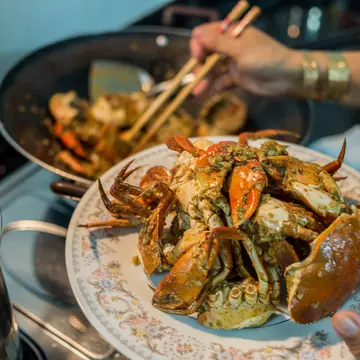
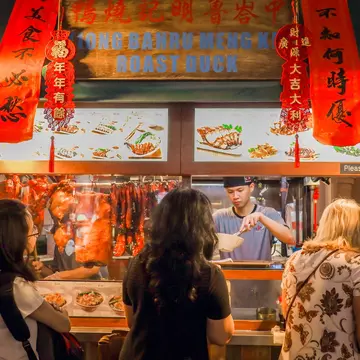
It's all a very logical evolution, of course. Customers visited in the wee hours, and neighboring businesses adjusted their hours for the clientele. As more night owls gravitated there for supper, Geylang became a 24/7 food haven. Eminent Frog Porridge has earned itself a mention in the Michelin Bib Gourmand guide with its claypot delicacy, but there are other stir-fry dishes for those not into the creatures. Charcoal-cooked dishes are popular too, with stunning examples of seafood noodles fried in a wok at Swee Guan Hokkien Mee and the oven-roasted char siew pork slivers in Koung’s Wanton Mee. For a sharing platter, Mongkok Dim Sum serves up all sorts of steaming treats in small baskets throughout the day. There's even a string of vendors selling that most polarizing of fruits, the durian.
Local tip: Safety is not an issue despite the area's reputation, and the brothel operators mainly keep to themselves. If you do venture into their lanes, do not gawk and refrain from taking pictures and videos. Instead, if you wish to better learn about the history of the neighborhood, the independent Geylang Adventures will lead you on a vivid and respectful trail.
A photogenic Peranakan enclave with tasty adventures
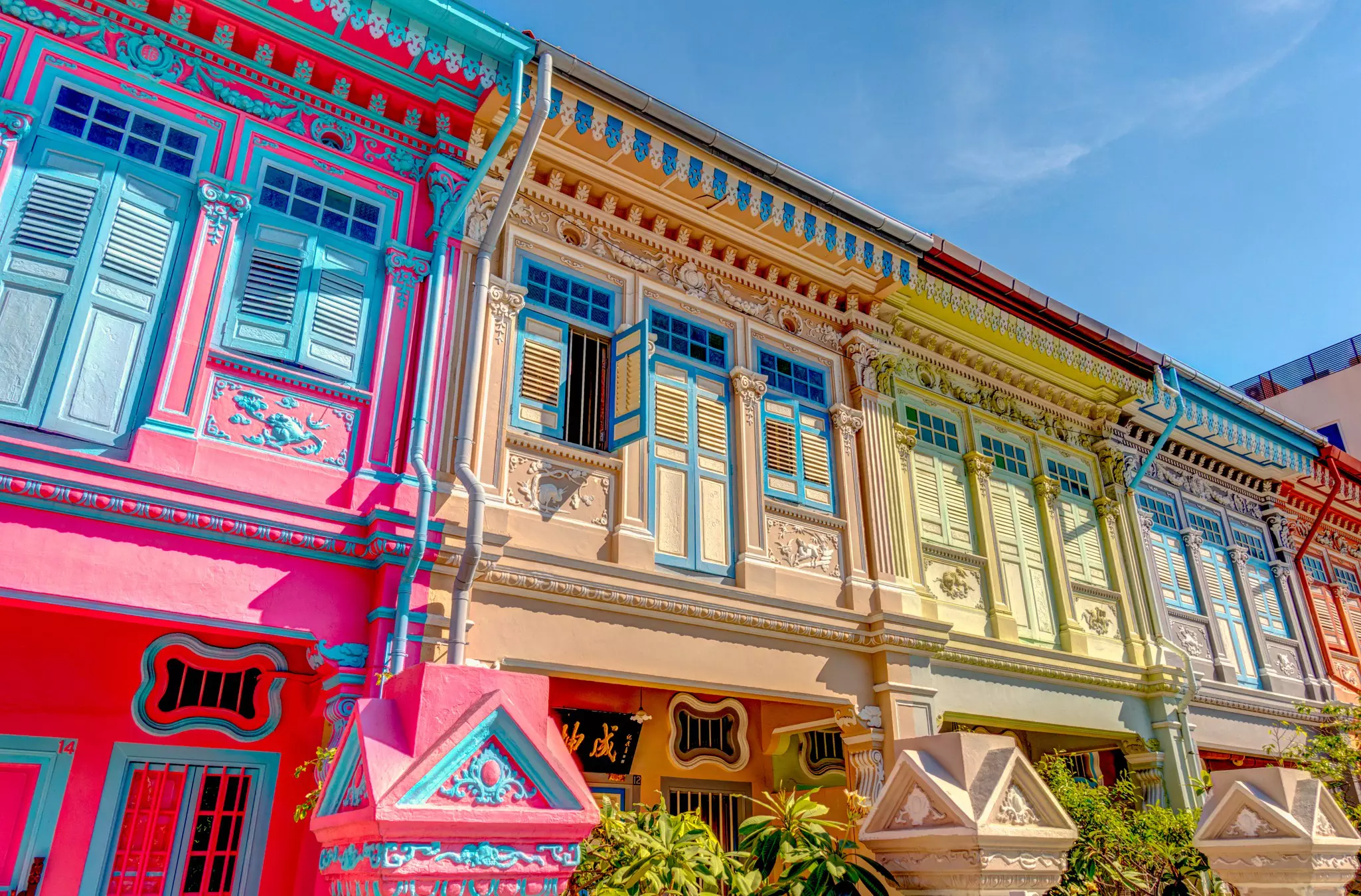
An ethnic group that emerged from early Chinese settlers marrying with Malay and Indonesian communities in Southeast Asia, the Peranakans bear out this fused heritage in a vibrant way. As well as visiting the museum on Armenian Street, travelers can visit Katong to experience the architecture and food.
The most photogenic stretch can be found at Koon Send Road, where a line of multi-colored pastel terrace houses is a perfect backdrop. As you make your way down Joo Chiat Road towards East Coast Road, you'll notice numerous food options, ranging from local Bak Kut Teh (pork rib soup) to trendy cafes. You'll also come by Old Bibik's Peranakan Kitchen, a great option for some authentic cuisine. As you move towards East Coast Road, try to spot one of the many eye-catching murals tucked in the alleys.
The main stretch holds more food offerings, but visit Peranakan Inn & Lounge for homey classics like Ayam (chicken) with Buah Keluak – a savory and painstaking dish made special by the earthy nuts. Baba Chews is a more commercial counterpart located below Hotel Indigo. Across the road, the glutinous rice dumplings at Kim Choo Kueh Chang are hot commodities, especially during the Mid-Autumn Festival. While you're there, popular food choices include Katong Laksa, which serves a creamy curry noodle dish, and Birds of Paradise, a local gelato maker known for its botanical flavors.
As the area is not as accessible via the local subway system, make the most of your outing with a visit to the nearby East Coast Park, Singapore's largest example of the coastal ecosystem. Then visit East Coast Lagoon Food Village to sample the tasty hawker fare.
A different creature by day and night
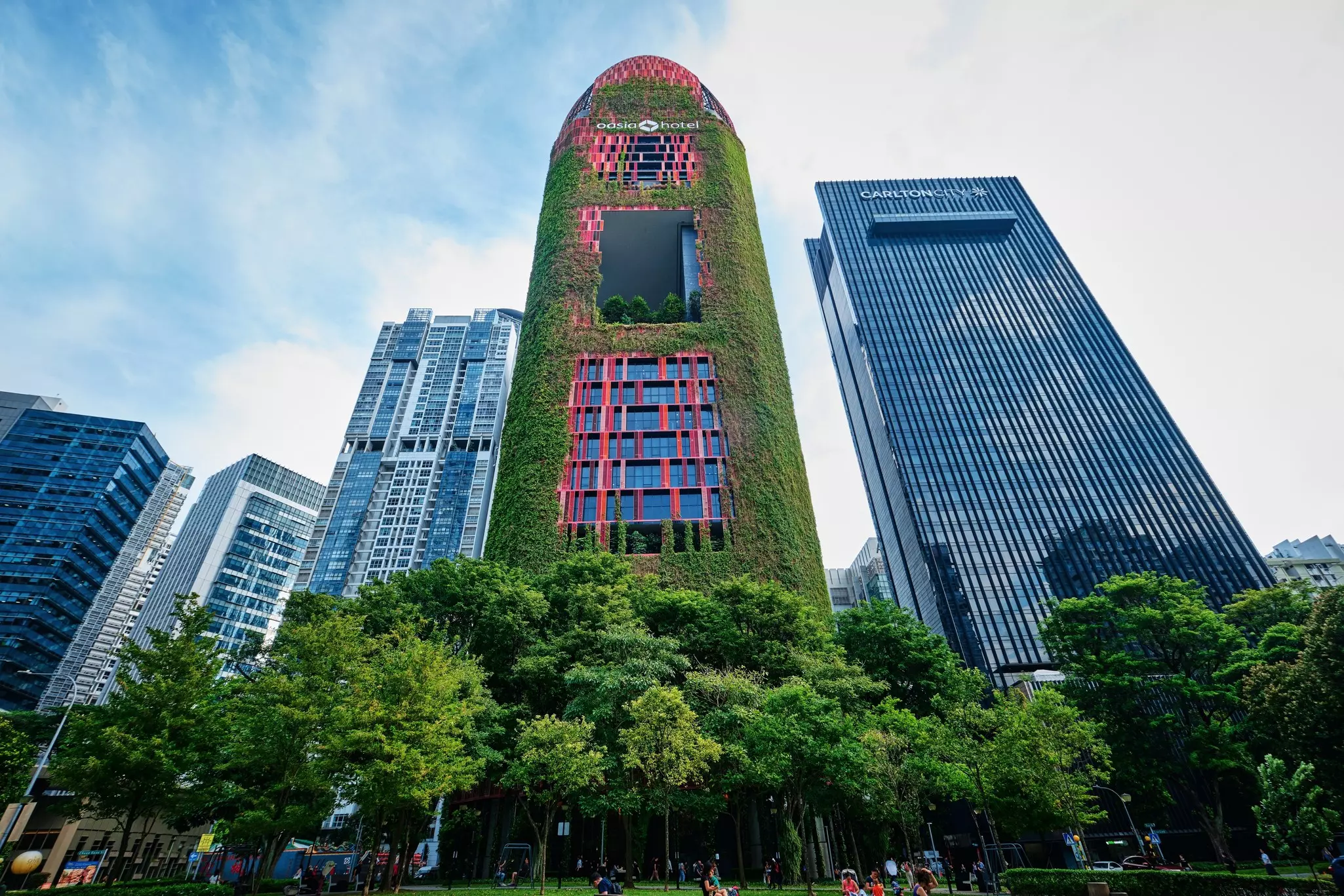
With its proximity to the Central Business District (CBD), Tanjong Pagar is a hotbed of suits seeking out hawker food at Amoy and Maxwell Food Centres, or their afternoon cuppa at chic cafes. This juxtaposition between modern and traditional can also be seen in its architecture, especially in Chinatown and along Amoy Street and Telok Ayer Street, where heritage shophouses sit next to towering blocks.
Interestingly, this is also where one can find Singapore's multi-religious society represented along one road. Make your way to the South Bridge Road end of Pagoda Street, and you'll find yourself between two 19th-century places of worship, Masjid Jamae and Sri Mariamman Temple. Move further south of the main road, and you'll come by the impressive Buddha Tooth Relic Temple, with Fairfield Methodist Church just across the junction. When the sun sets, the area goes from bustling to bar-centric, and here you'll find some of the world's best watering holes. In fact, two of the three Singaporean bars on the World's 50 Best list call this area home.
Jigger & Pony is a more polished affair residing in the Amara Hotel – an excellent place for an espresso martini. Sago House has a more convivial atmosphere in a compact space, along with a smaller menu that rotates regularly. For other tipple explorations, try Live Twice. Tanjong Pagar also hosts the island's only LGBTQ+ nightlife spots. While not legally recognized, the community enjoys relative freedom at these establishments; Tantric Bar is a local institution, thought sadly several queer nightspots have closed recently.
A natural sanctuary with world-class facilities
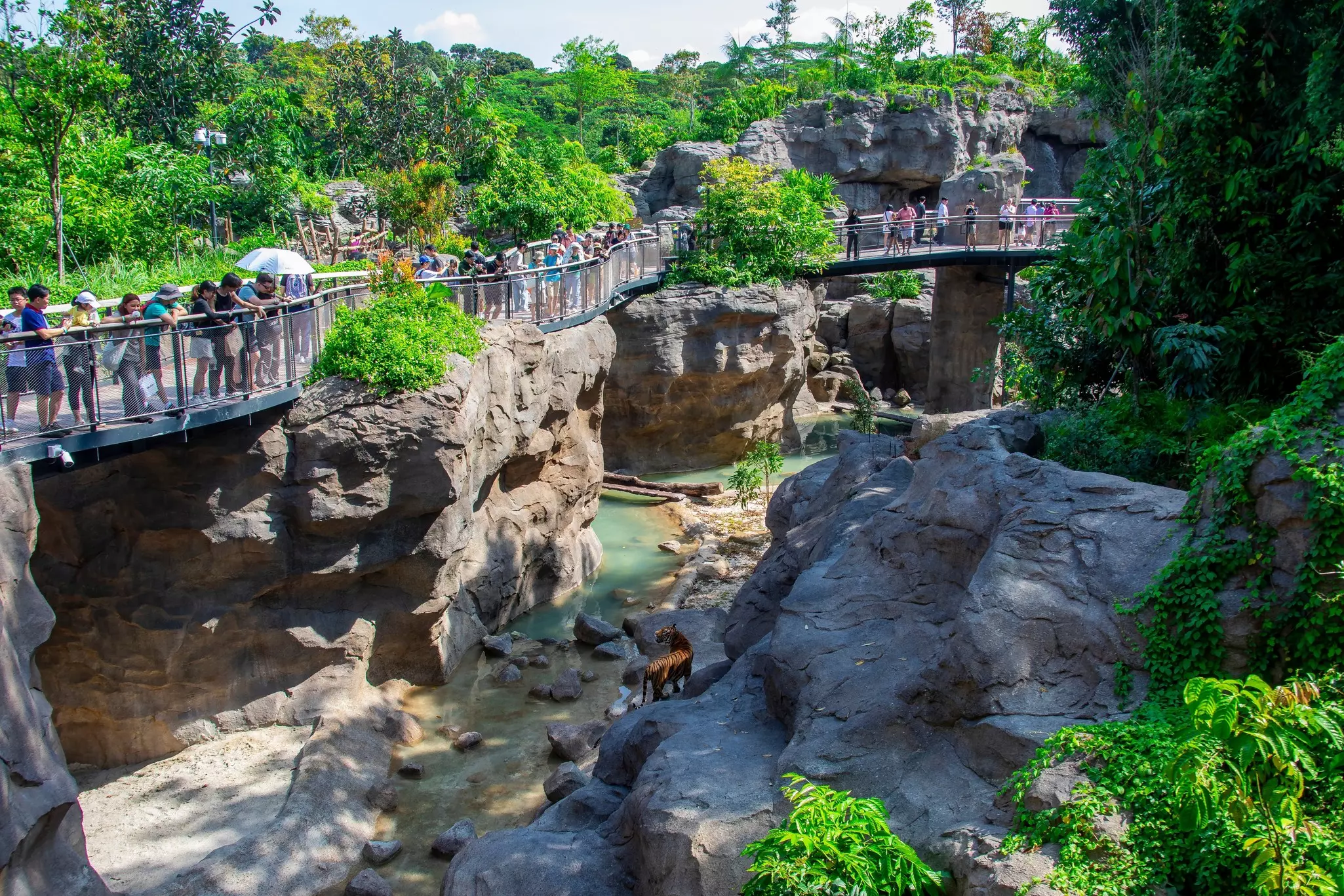
Singapore Zoo consistently places itself as one of the world's best animal parks, and a must-visit when visiting the country, thanks to its naturalistic habitats that cater to the wildlife. Always innovating, the teams behind the zoo created Night Safari Park in 1994, the world's first nocturnal zoo exhibit, and later on, in 2014, River Wonders – the first and only river-themed version in Asia. This was most recently joined by Bird Paradise in 2023, showcasing an astonishing variety of birds such as hornbills, flamingos and even penguins, set against various Asian backdrops like rice terraces and bamboo groves.
Less talked about is the nearby Upper Seletar Reservoir. Situated in the Central Catchment Reserve, it is a peaceful escape from the urban areas and a great spot to catch a tree-lined sunset. With such scenic surroundings, it's no wonder this area was chosen for a new attraction in 2024, Rainforest Park; highlights include a 250m suspension bridge and a canopy walk 11m above the ground.
Planning tip: Private hire is the most convenient transport option, and the journey will take about 30 minutes from the city. For public transport, take the MRT subway to Ang Mo Kio Station and transfer to bus 138. You can also drop off midway to visit the reservoir. Because Bird Paradise is slightly apart from the other zoo parks, it is best to visit it first, then take the free shuttle to the other segments, and finish with Night Safari Park.
A residential relic which experienced a renaissance
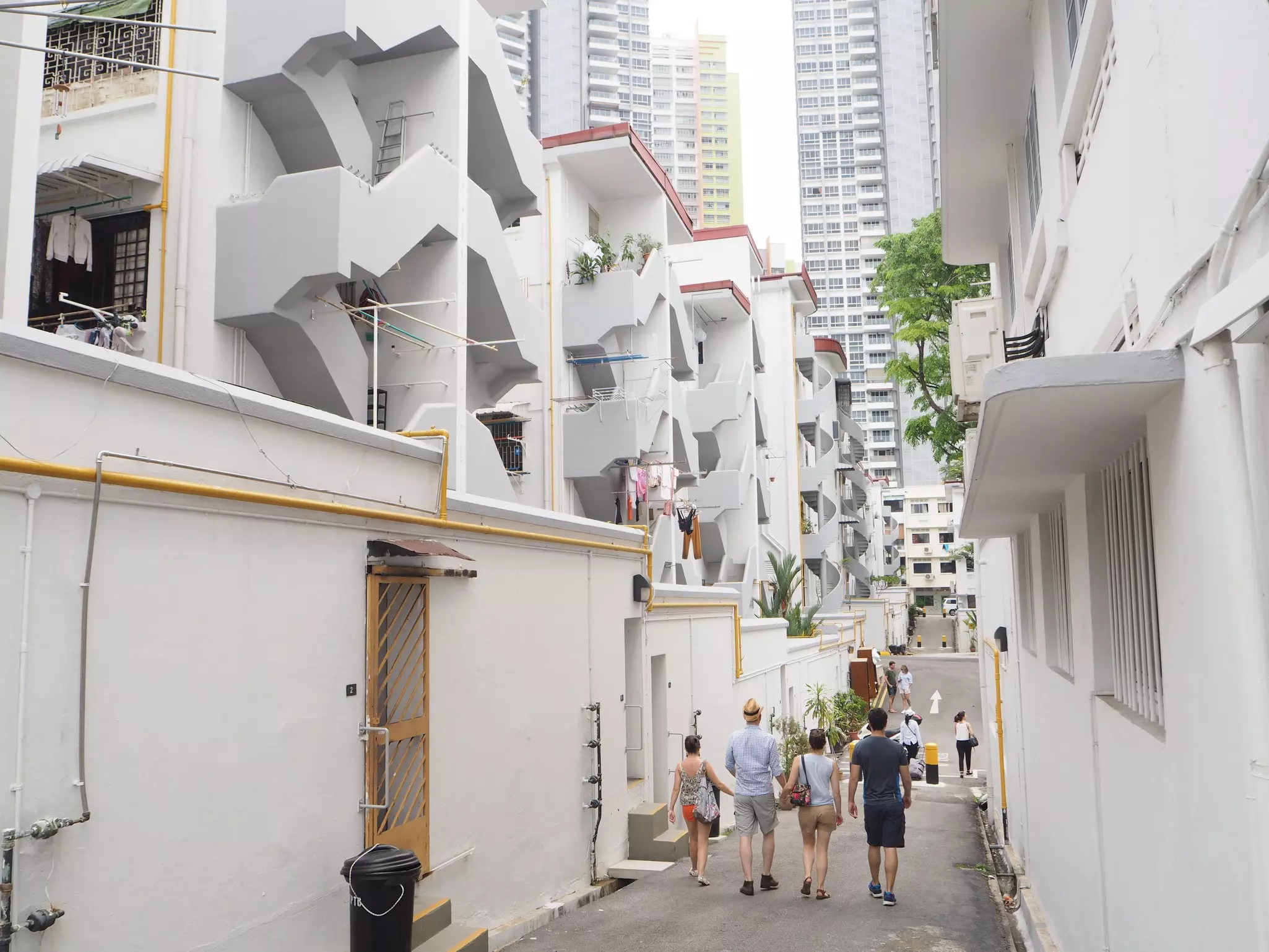
Singapore's public housing scheme first took root in Tiong Bahru in the 1930s, which is why the designs here differ so greatly from today's soaring blocks. Rather than focusing on living density, the four-story buildings are comfortably spaced apart, making it an enjoyable stroll for visitors. The architecture is a highlight here: quiet art deco with soft curves infused with Straits elements, like corridors reminiscent of five-foot ways, spiral staircases and light wells.
Spot the green-tinted glass used to shield residents from the harshest sun in certain areas. For the most representative take, make your way to block 55 at the junction of Tiong Bahru Road and Tiong Poh Road to admire the architectural highlights of these rare pre-war buildings. When the area was slated for conservation, this drew the attention of the local creative community, and many have quietly made their homes or businesses here. You'll see this new millennial revival as you expand your walk, spotting intermittent options for quaint cafes, crafty retail stores and delicious hawker fare.
Tiong Bahru Bakery, opened by Frenchman Gontran Cherrier, has become a stalwart fix for croissants, while Micro Bread & Co and Flock Cafe are great local alternatives for baked goods. Cat Socrates has delightful stationery and souvenirs to take home. Don't forget to visit Tiong Bahru Market for a true local experience. The first level houses daily sundries, fresh flowers and other necessities, while the second story is a well-regarded hawker center. Take your pick from piping hot umami prawn noodles, freshly-steamed buns and even a Michelin Bib Gourmand chicken rice stall. Finish off your exploration at Nimble/Knead and have your weary body spiffed up at this unique spa housed in shipping containers.
A thriving shopping area with Malay cultural attractions
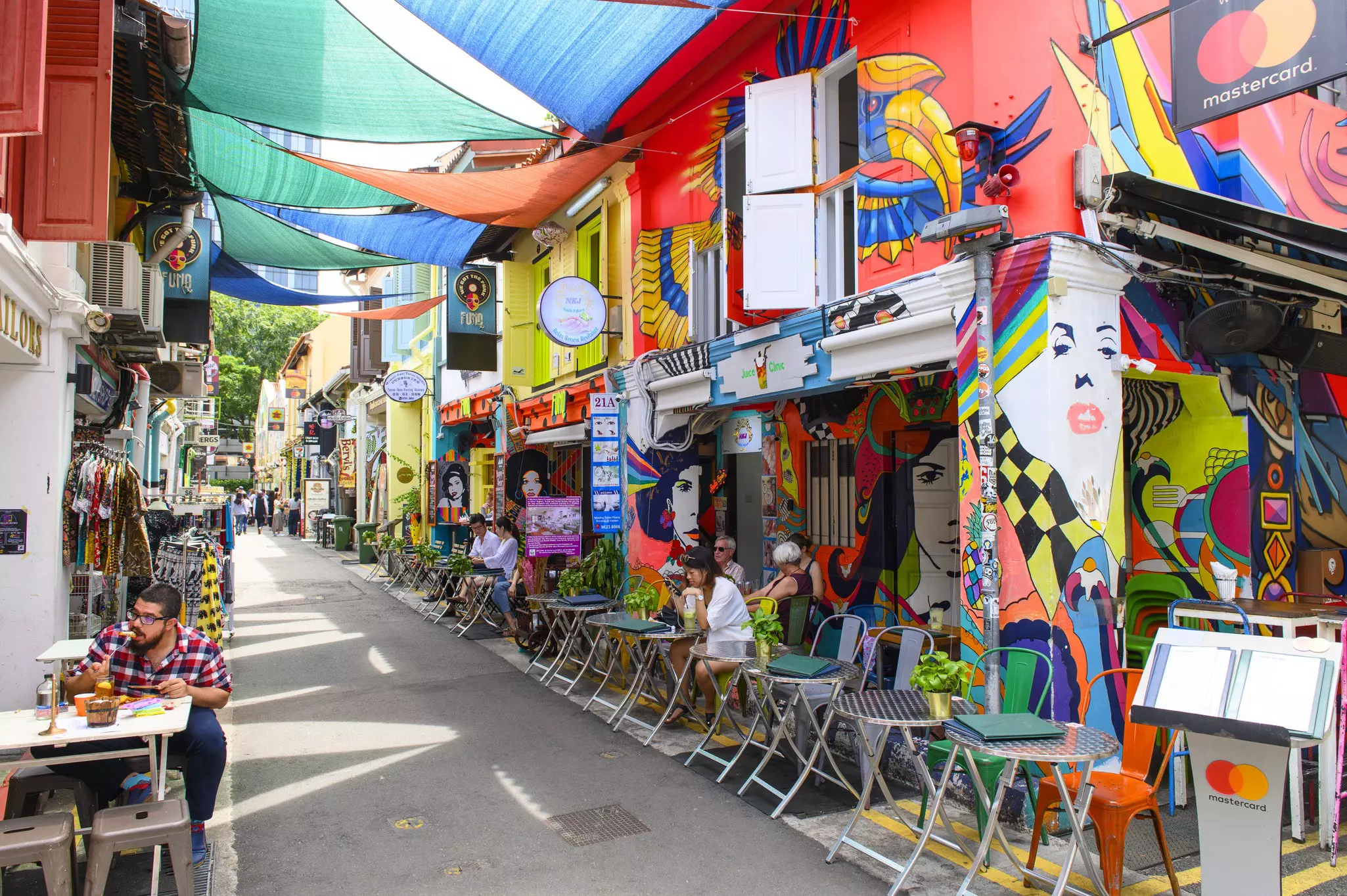
Kampong Glam has emerged as one of the best places to visit in Singapore, largely thanks to its star attraction, Haji Lane. The bohemian street is as unbridled as it gets on the island, with energetic murals crawling up shophouses selling everything from clothing to trinkets. Make your way to the end at Beach Road (where the coastline used to be before reclamation happened) to experience a Mexican meal underneath a massive Aztec art piece at Piedra Niegra, or join the locals having some soupy prawn noodles at Blanco Court.
There's plenty more to see past the revelry at the lane. As you make your way towards Sultan Mosque, you'll notice Arab Street specializes in classic Middle-Eastern trade items like fabrics and rugs – much like in Singapore's early years. As you reach Bussorah Street, admire the golden domes of the mosque down a line of shophouses before popping by Jamal Kazura Aromatics for some heady traditional perfumes. Neighboring hole-in-the-wall Bhai Sarbat continues to pour out some of the best teh tarik (frothy milk tea) anywhere on the island. The nearby Malay Heritage Centre has reopened after extensive renovations, and the grounds are pretty to walk through, given its original use as a former Istana (palace). Other worthy mentions include the Golden Landmark Shopping Complex with its humble shops and startlingly beautiful glass elevators.
The larger neighborhood of Bugis is also an enjoyable slice of Singapore, boasting a more street market-style approach. Walk up to Albert Street, and you'll be sandwiched between Albert Centre with tons of hawker options and Fu Lu Shou Complex, which offers affordable massages. To the west stand two favored religious venues: Kwan Im Thong Hood Cho Temple, one of the busiest Chinese temples in Singapore, and beautifully decorated Sri Krishnan Temple.
Local tip: Bugis is also one of the best places to stay when visiting Singapore. Not only is it well-connected with four out of the six MRT subway lines within easy walking distance, but it also contains surprisingly affordable accommodation options for such a central location, including independent operators and global brands like ibis and Mercure hotels.
Explore related stories