Oct 6, 202617 min read
Where to Stay in Hong Kong: Best Neighborhoods and AreasFeb 17, 2026
7 MIN READ
Contributors
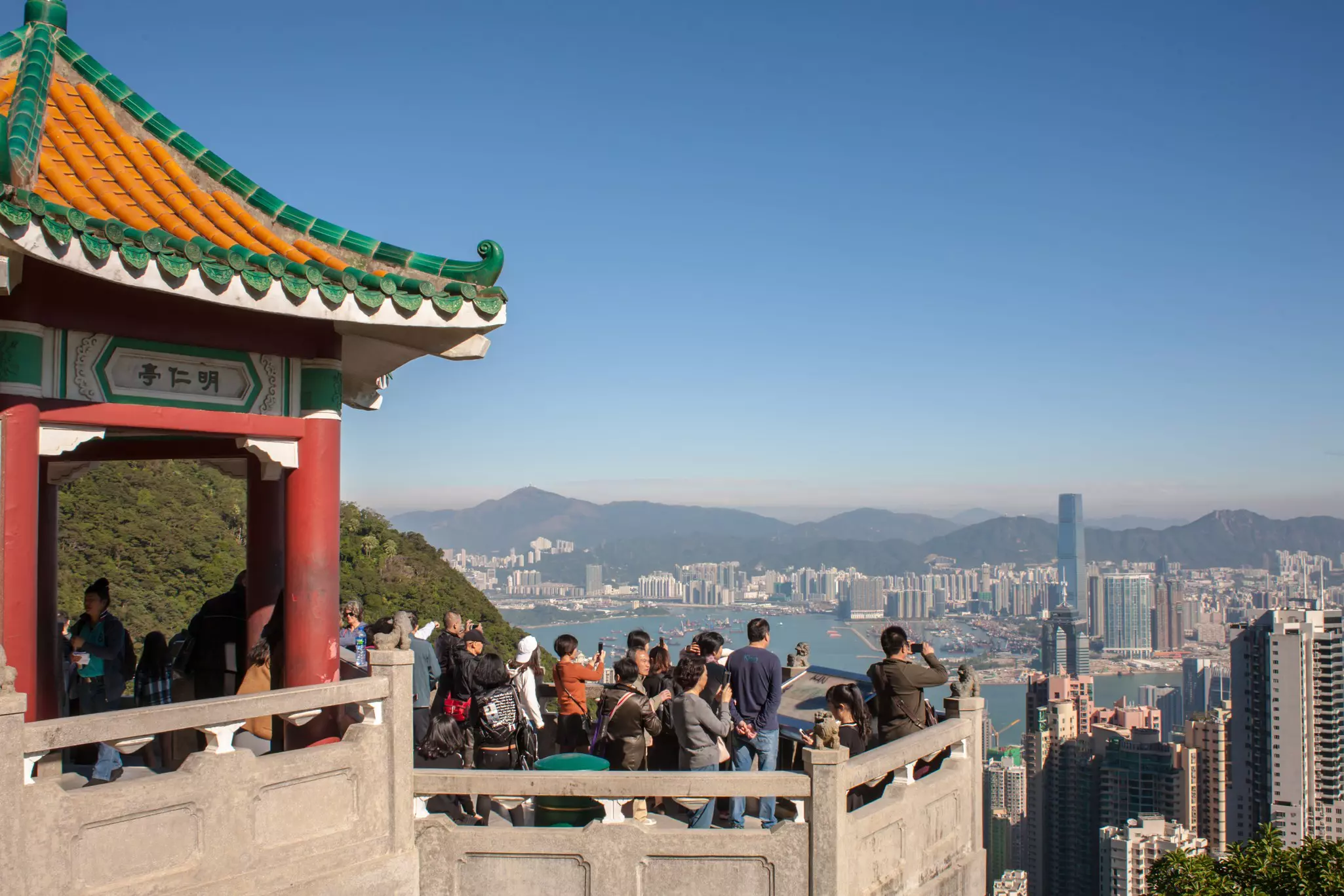
The Hong Kong skyline from Victoria Peak. Melanie Myhill/Shutterstock
Contributors


Tom O'Malley, Lonely Planet Editors
Highlights
Writer Tom O'Malley rounds up 10 Hong Kong experiences, from ferries to island hops.
Ride the Star Ferry across Victoria Harbour for HK$5 and the city's best skyline views.
Cocktail lovers should head to Bar Leone; for views, hike to Victoria Peak at sunset.
Try Michelin-starred roast goose at Yat Lok before island-hopping to Lamma's craft beer shacks.
Lonely Planet may earn a commission from affiliate links on our site. All recommendations and reviews reflect our own independent opinions.
Hong Kong surfaces on travelers' radar as a disarmingly high-rise metropolis in the dreamiest of island settings. Then you start to discover the memorable food scene, the vibrant nightlife, the incredible shopping and it is game over – you're smitten.
This modern city's confrontational challenges with the Chinese government have not diminished its allure. The scale of its attractions can be overwhelming, and it can be hard to know where to begin. Start your must-see list with our 10 favorite things to do in Hong Kong.
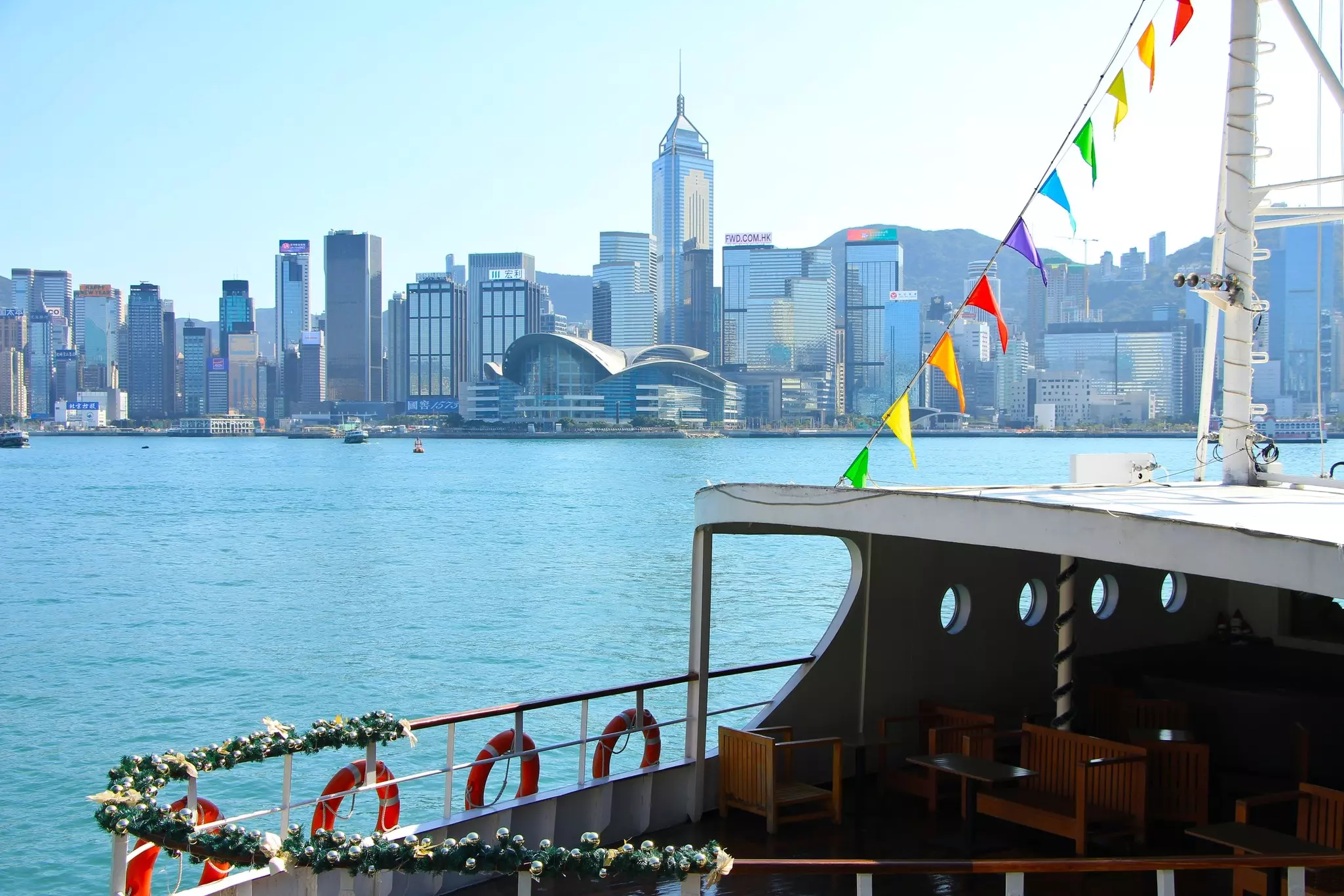
Hong Kong's iconic Star Ferry has chugged across Victoria Harbour for the 10-minute trip between the Kowloon and Central neighborhoods for over 140 years. Costing 5 Hong Kong dollars (HK$) for the upper deck, it's a commute dressed up as the world's least-expensive sightseeing cruise. It's also simply the best way to take in the city's skyline and the jungle-clad hills that Hong Kong Island is known for.
Planning tip: For a longer journey, Star Ferry also runs an hour-long Water Tour on a vintage-style vessel; the final tour of the day coincides with the Symphony of Lights show.
With nine venues ranked by Asia's 50 Best Bars (including first place Bar Leone), Hong Kong's bar scene is positively humming with creativity. Coa (17th) is all about boutique agave and the flavors of Mexico, while Argo (11th) utilizes sustainably sourced staples like coffee and cacao to make a statement about climate change. Hong Kong's trailblazing mixologists also include those at Quinary (91st), inspired by the Spanish molecular restaurant El Bulli, and The Old Man, which takes its inspiration from Ernest Hemingway.
Planning tip: Hong Kong bars stay open until 2am or later. The dress code is fairly smart – if you’re rocking shorts or flip-flops, expect to be turned away. Most places offer a couple of hours of cut-price drinks, usually in the late afternoon or early evening. You can sometimes book a table, which is worth doing for a Friday or Saturday.
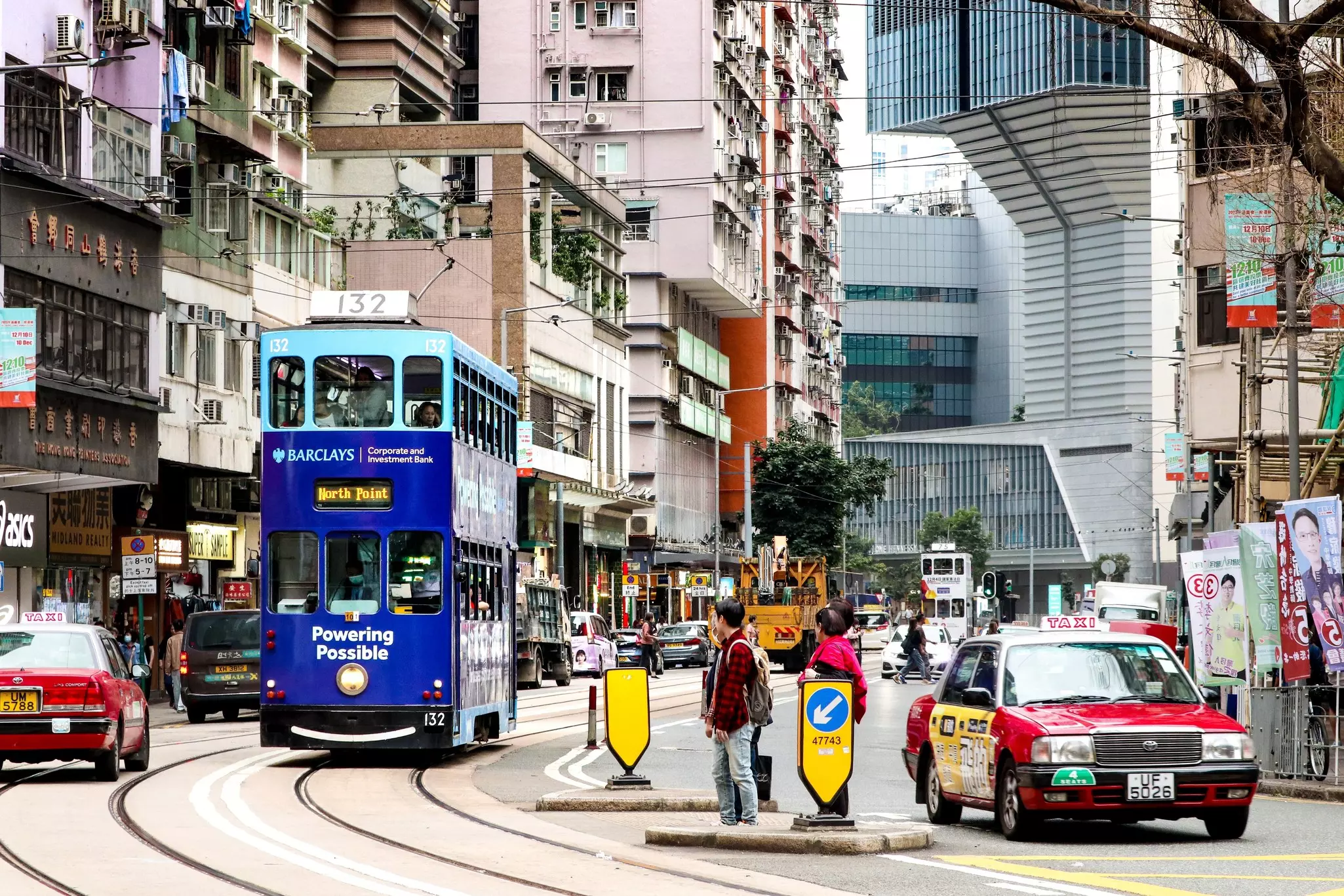
Hong Kong's teetering trams have been traversing the north shore of Hong Kong Island since 1904. The slim double-decker "ding dings" are a fun and low-impact way to get around, and you get a killer view from the top deck. Hop on an eastbound tram to North Point and you'll have the added thrill of trundling right through the middle of Chun Yeung Street Market, inches away from stalls and carts stacked with glossy cabbages and fresh seafood.
Planning tip: When taking a tram, board at the back and alight at the front. Pay the fare as you get off, either with an Octopus transit card or cash (no change is given).
Wednesday night is race night on Hong Kong Island, with thousands of revelers descending on the Happy Valley Racecourse to watch horses thunder around the track, place a bet or two and drink copious amounts of beer. The atmosphere is usually electric, with live music and silly wigs aplenty, and terrace entry is just HK$20. It's one of the most fun things to do at night in Hong Kong. The oval race track, first laid out in 1845, is overlooked by towering apartment blocks and makes for a remarkable setting.
Local tip: Outside of race days, joggers use the course as a public running track.
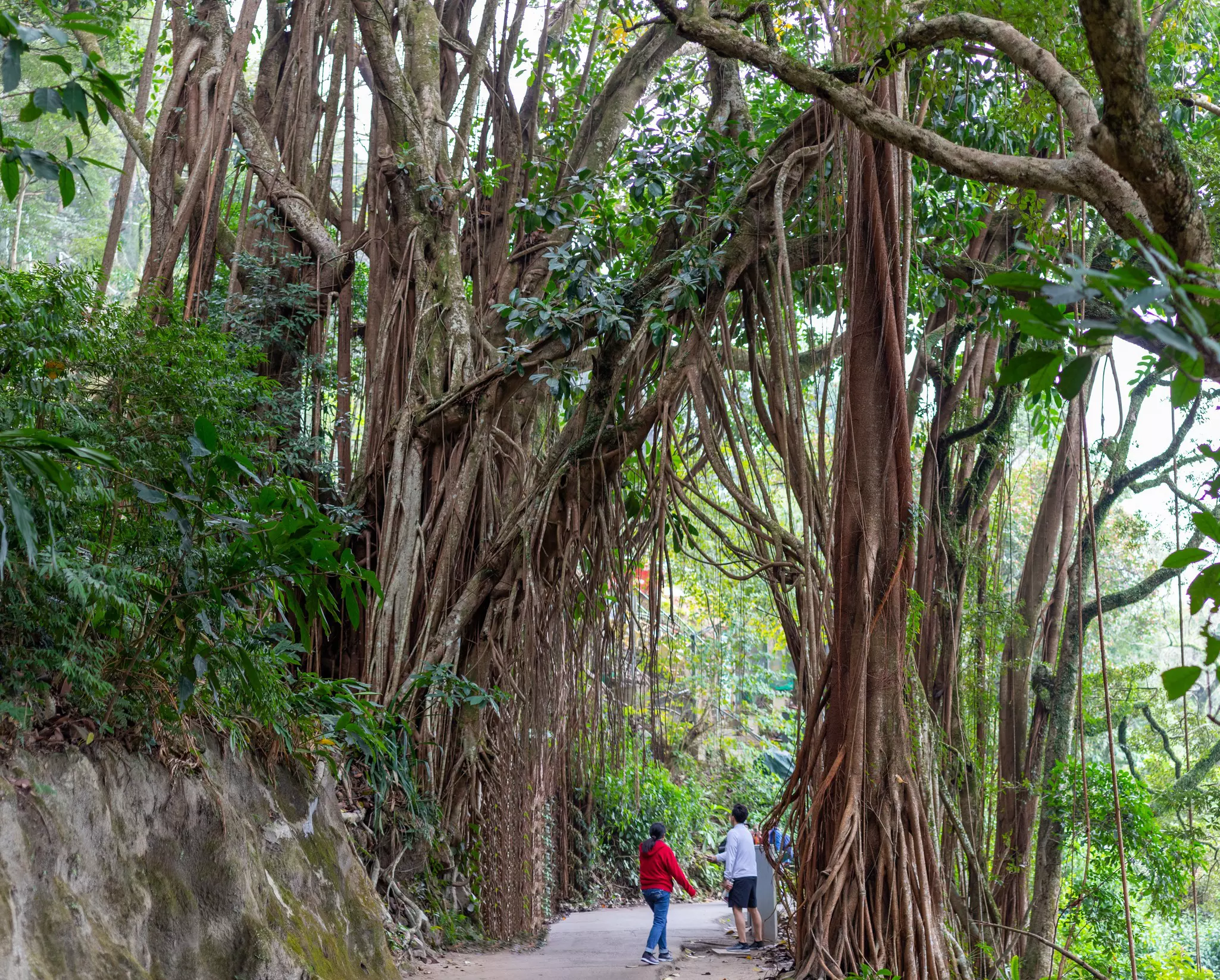
Taller than Hong Kong's highest skyscraper, the 552m Victoria Peak is Hong Kong's most popular beauty spot, with hordes of visitors riding the white-knuckle Peak Tram to its upper terminus for jaw-dropping views of the city and the South China Sea. To skip the crowds and stretch your legs, consider hiking up from Pok Fu Lam Reservoir, a relatively gentle ascent, and then circling the top following the Lugard Rd loop, a flat, accessible trail with panoramic viewpoints. They're worth the effort, but allow up to 3 hours to complete the 6km route.
Planning tip: Aim to hit the peak just before sunset to see the skyline in both day and night mode.
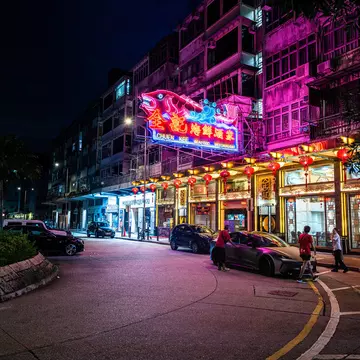
For a taste of old Hong Kong, steeped in neon and nostalgia, head to Yau Ma Tei in Kowloon, where you'll find mahjong parlors, martial arts dens, dried seafood sellers and cleaver shops. Be sure to stop in one of the area's retro cha chaan tang (teahouses), and if you're feeling in fine voice, head to a neighborhood sing-along parlor for old-time karaoke and beers with the locals.
Planning tip: The MTR's red Tseun Wan Line connects Central with Yau Ma Tei. Fares start at HK$5. Tourist day passes, valid for 24 hours of unlimited travel, cost HK$65. Tickets can be purchased at vending machines inside stations, but it is better to buy an Octopus card to tap seamlessly through the barriers.
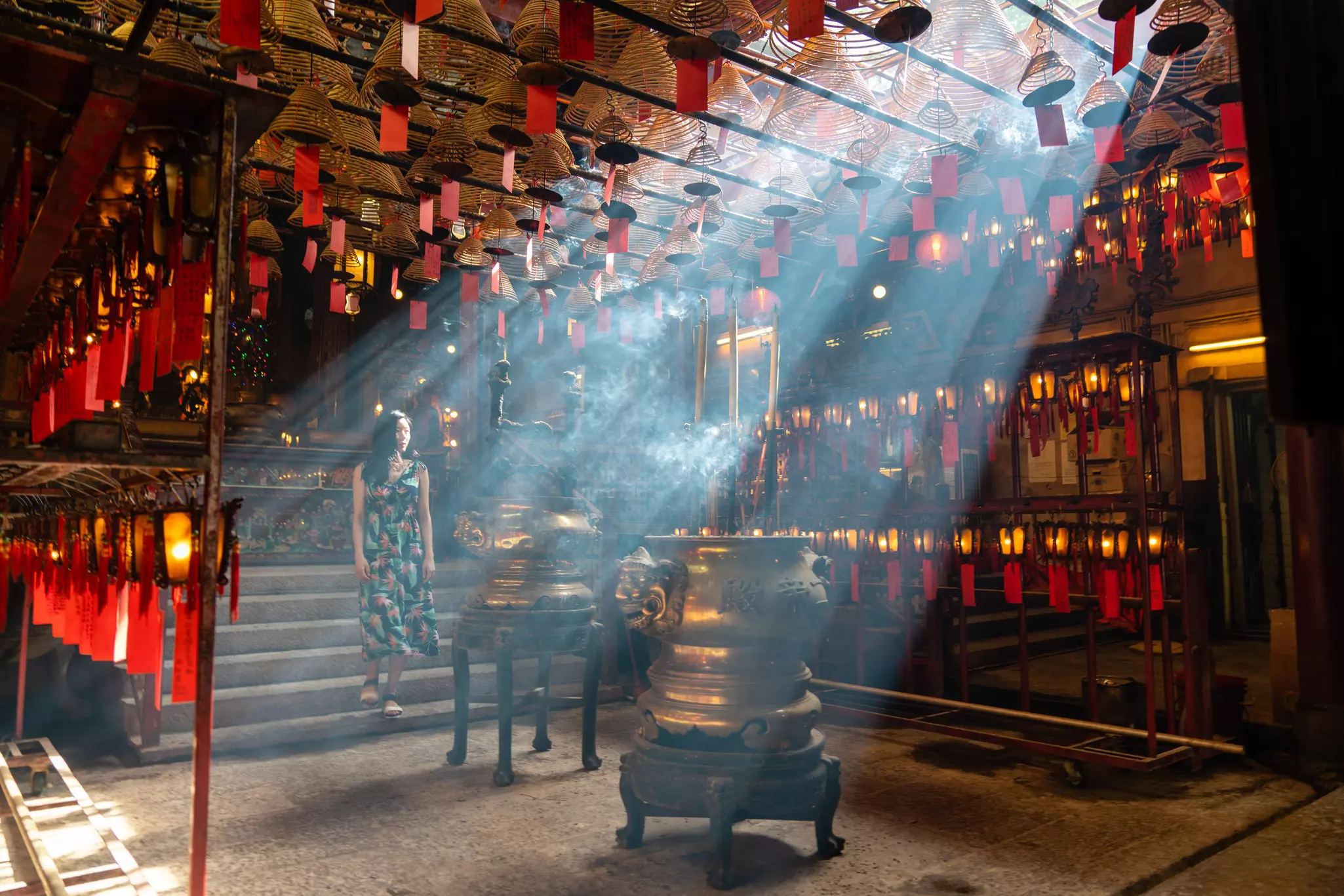
Easily overlooked amid the tightly packed, high-rise modernity are Hong Kong's many urban temples, with their double-eave tiled rooftops, resident fortune tellers and hanging coils of incense. Some are dedicated to Tin Hau (Mazu), a sea goddess, while others honor the Chinese general Che Kung. The gods of literature and war are also represented, as at the magnificent Man Mo Temple. Entry is usually free, and the temples are at their busiest during Hong Kong's regular folk festivals.
Planning tip: In April or May, on the 23rd day of the third lunar month, Tin Hau temples come alive with traditional dances, opera and parades to celebrate the birthday of this protector of seafarers.
Glitzy Hong Kong has some of the best (and most expensive) fine dining in Asia, but you can still eat like royalty on a budget if you know where to go. Yat Lok and Kam's Roast Goose are two unpretentious diners that specialize in the Cantonese staple of roast goose over rice. Both serve glorious renditions of the dish, and both happen to have a Michelin star.
Local tip: Goose leg is more highly prized than breast and typically costs more on menus.
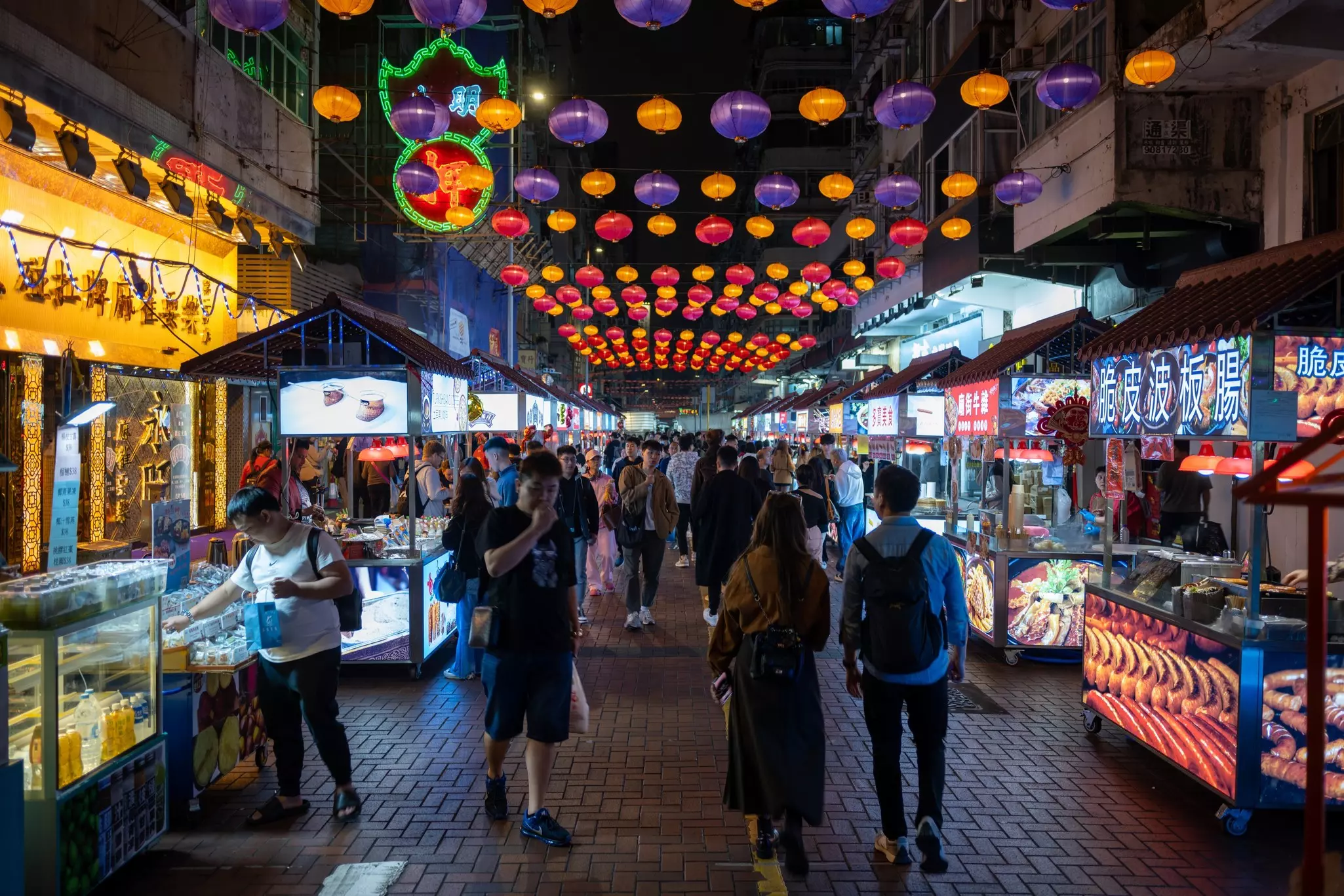
Hong Kong is a shopper's nirvana, with more malls per square mile than most places, but it's on the street and in its markets that you'll find the best retail buzz. Temple Street Night Market is perfect for souvenirs, while the nearby Yau Ma Tei Fruit Market is a hive of commerce at all hours. Cat Street is the go-to spot for vintage and curio stalls, and for snacks, the retro da pai dong (cooked food markets) of Central and east Hong Kong Island dish up homey meals like fish balls in soup and wok-tossed noodles.
Planning tip: You can use international debit and credit cards, as well as contactless payments, in larger restaurants, shopping malls and hotels. However, local restaurants, small shops, street vendors and taxis might only accept cash.
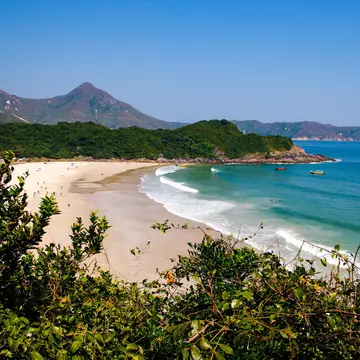
There are some 250 islands around Hong Kong, a few of which are an easy day trip. Laid-back Lamma gives hippie vibes at its craft beer shacks, and hipster Cheung Chau flaunts temples, trails and beaches. Hong Kong's biggest island, Lantau (which has actually been connected to the mainland since 1997) is home to the world's largest seated bronze Buddha, as well as the world's most famous mouse at Hong Kong Disneyland.
Planning tip: From the Po Lin Monastery in Lantau, you can embark on a number of hikes, including to the Lantau (934m) and Sunset Peaks (869m), known as the Two Peak Challenge. You’ll need to bring water, wear a good pair of boots and have a decent level of fitness, as some of the trails are steep and challenging, although all are well marked.
Explore related stories