Jul 24, 20268 min read
Why You Should Visit Leipzig, GermanyJul 24, 2026
8 MIN READ

Writer
A cafe in Leipzig. Oleg Senkov/Shutterstock
Writer
Highlights
Writer James March makes the case for Leipzig, Germany's buzzy new Berlin.
History lovers should visit the Völkerschlachtdenkmal; art fans can lose hours at Spinnerei.
The chilling Stasi Museum and the hopeful Nikolaikirche tell Leipzig's full GDR story.
Head to Plagwitz for cocktails at Liqwe and hoppy pale ales at Kokille.
Lonely Planet may earn a commission from affiliate links on our site. All recommendations and reviews reflect our own independent opinions.
What’s the Leipzig buzz all about? Let me explain.
Berlin's aura of cool is undebatable. From Kreuzberg’s art-splashed streets to the techno beats pumping from its all-night clubs, the German capital has a slightly chaotic veneer that Europe’s other iconic cities lack. And if the likes of David Bowie and Nick Cave chose to call your city home for a few years, you’re clearly inspirational too.
But just over an hour south of Berlin, something exciting is happening in Leipzig. Bludgeoned by Allied bombs in WWII, then shut behind the Iron Curtain of the German Democratic Republic (GDR) until 1989, this Saxon city, once a glorious center of music, knowledge and industry, was shaken by a turbulent 20th century. But in the years since the fall of the Berlin Wall, Leipzig has healed those scars and transformed itself into a vibrant cultural hub.
With its bar-strewn neighborhoods, quirky galleries, architectural splendor, independent boutiques and crumbling foundries repurposed as creative centers, it's no wonder people are giving this place new nicknames like "HypeZig" and, fittingly, "New Berlin." Here's what you need to know.
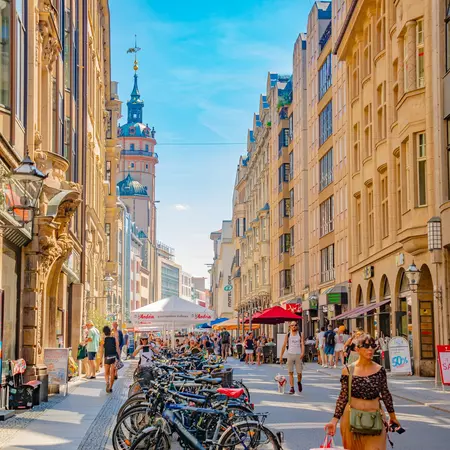
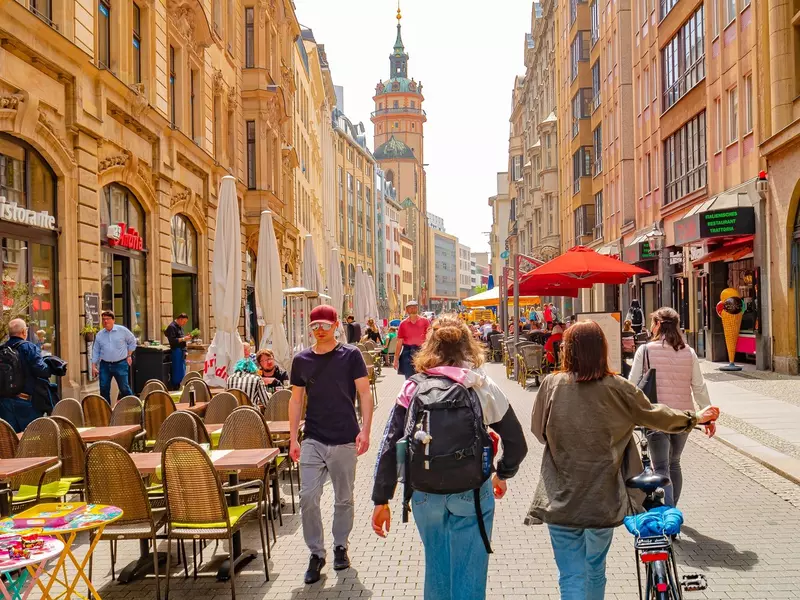
Like its fellow Saxon cities Dresden and Chemnitz, Leipzig’s days under the yoke of the GDR are long in the rear-view mirror, and the city’s vitality is noticeable, with lively neighborhoods, unique museums and a packed calendar of events and festivals all year round.
In May to June, see the Leipzig Bachfest bring Bach’s music in all shapes and forms – from Thomanenchor to jazz-band interpretations. Also in May to June, Wave-GotikTreffen is a massive Gothic music fest, but it’s the costumed audience that rocks most. And A Capella is the annual vocal competition held in all kinds of venues – from churches to libraries.
In July, Klassik Airleben sees the Gewandhaus Orchestra put on picnic performances at the end of the season, drawing enormous crowds. Early August brings Leipziger Markt Music with 10 eclectic nights of classical orchestras and indie bands to the city’s main square. And from late November the city’s 300-stall strong Christmas market opens – a tradition that’s been going since 1458.
The center of Leipzig is compact and the distance between attractions walkable. For Plagwitz, KarLi and Connewitz, catch a tram from the Hauptbahnhof or Augustusplatz. Destinations further away, such as Lake Markkleeberg, are served by the S-Bahn, which you can board at the three central stations, including the one directly underneath Leipzig Markt. With its lake and forests, the city is ideal for cycling.
Install the Nextbike app on your phone to book municipal bicycles that are available all around the city. Urban waterways also provide an enchanting way to travel.
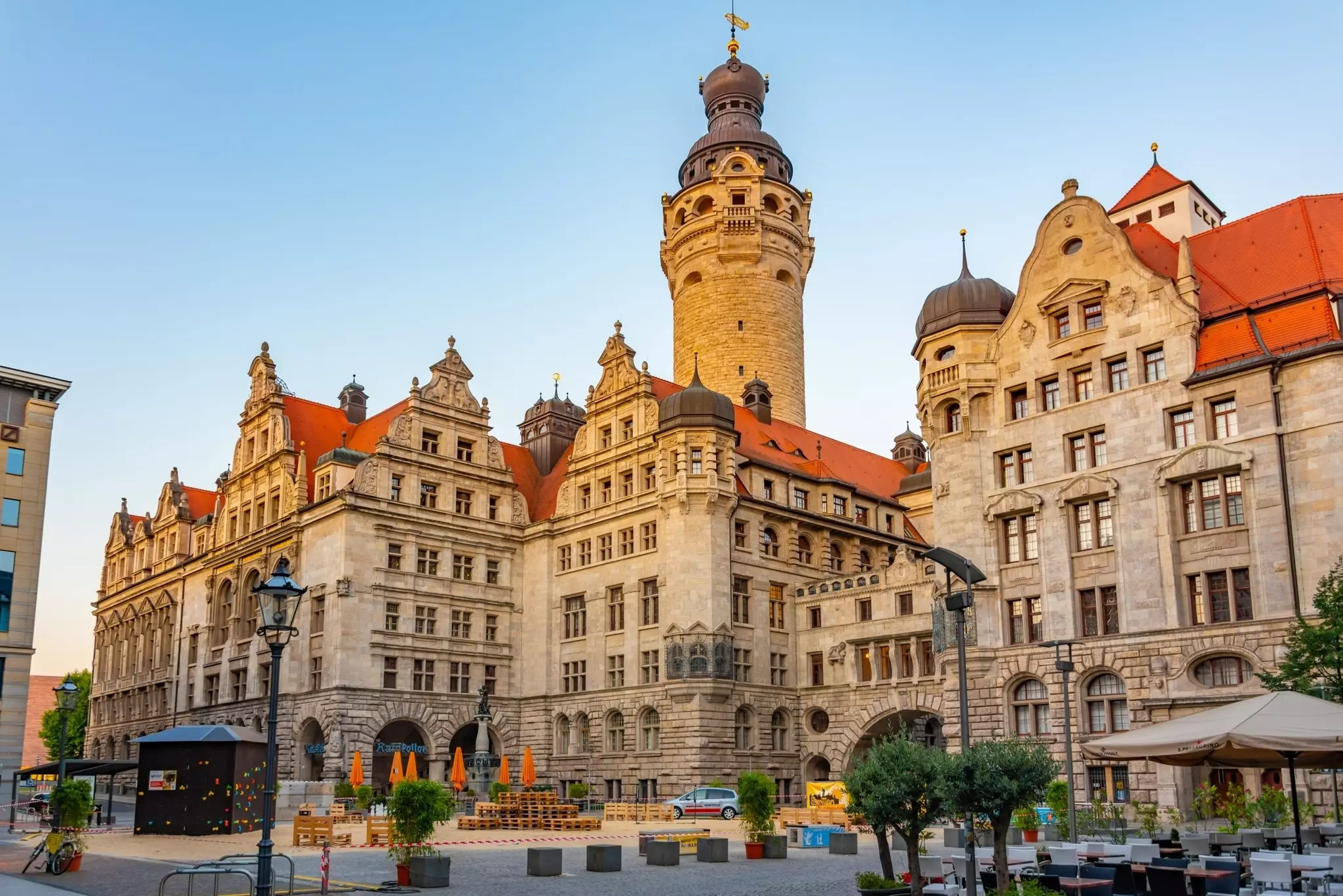
Similar to ornate neighbor Dresden, Leipzig’s array of towers and spires is visible on approach to the city and is even prettier up close. Start in the central Marktplatz where the Baroque tower of the Old City Hall is an ornate Renaissance delight, completed in the 16th century and now home to the Stadtgeschichtliches Museum (Museum of City History). Just south of this is the 13th-century Thomaskirche (St Thomas Church), where Martin Luther once preached, and Johann Sebastian Bach was the Director of Music. Jumping forward a few centuries, the New Town Hall – built in 1905 – is arguably Leipzig’s most impressive building and is topped off by its bulbous tower, Germany’s tallest town hall tower.
Leipzig’s most striking slice of architecture sits just outside the city center, however. Flanked by sombre oak trees and a shimmering reflecting pool, the Völkerschlachtdenkmal (Monument to the Battle of the Nations) is a striking and grandiose art nouveau tribute to those who died in the Battle of Leipzig in 1813, the largest battle of the Napoleonic Wars.
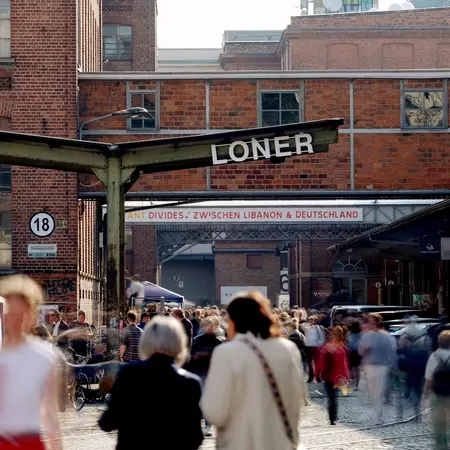
One way Leipzig’s cool factor has been upped is through its repurposing of decaying industrial sites into creative space.
Out on the city’s west side, Spinnerei was once Europe’s biggest cotton mill and has been transformed into a mazy cultural center that’s home to over 100 artists, where the art is made as well as displayed. Nearby in Lindenau, Tapetenwerk is a former wallpaper factory that’s an effortlessly chic, low-key host for exhibitions and festivals showcasing art, photography and design (often accompanied by music, beer and street food, too).
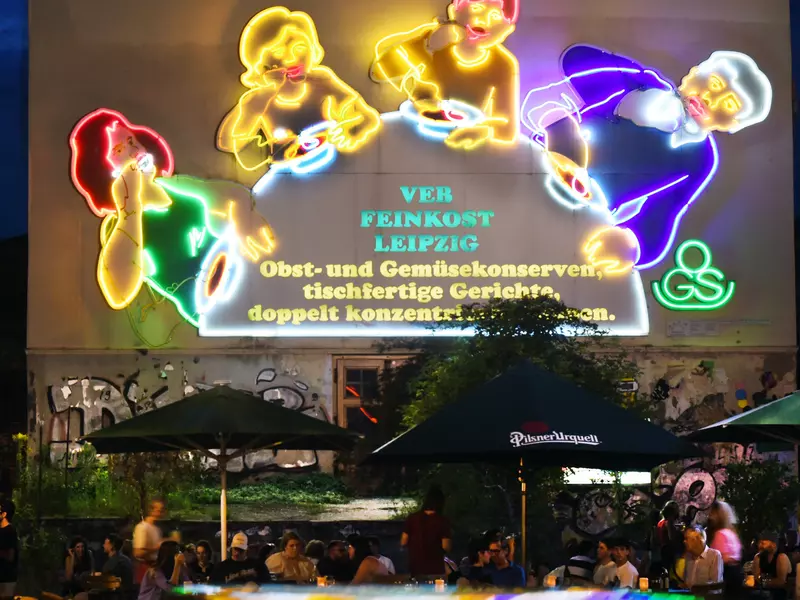
Video, visual arts and immersive exhibitions are wonderfully displayed inside the cavernous bosom of Kunstkraftwerk, a turn-of-the-century power plant. Works by better-known artists, such as Caspar David Friedrich and Claude Monet, are found at the Museum der Bildenden Künste (Museum of Fine Arts), a large glassy cube hosting 15 galleries including a section showcasing local artists from Leipzig. At night, head to Karl-Liebknecht-Straße where the iconic "Spoon Family" sign, a beloved remnant of Leipzig's GDR past and former delicatessen factory, now illuminates a lively beer garden and cultural space, hosting flea markets and outdoor cinema events.
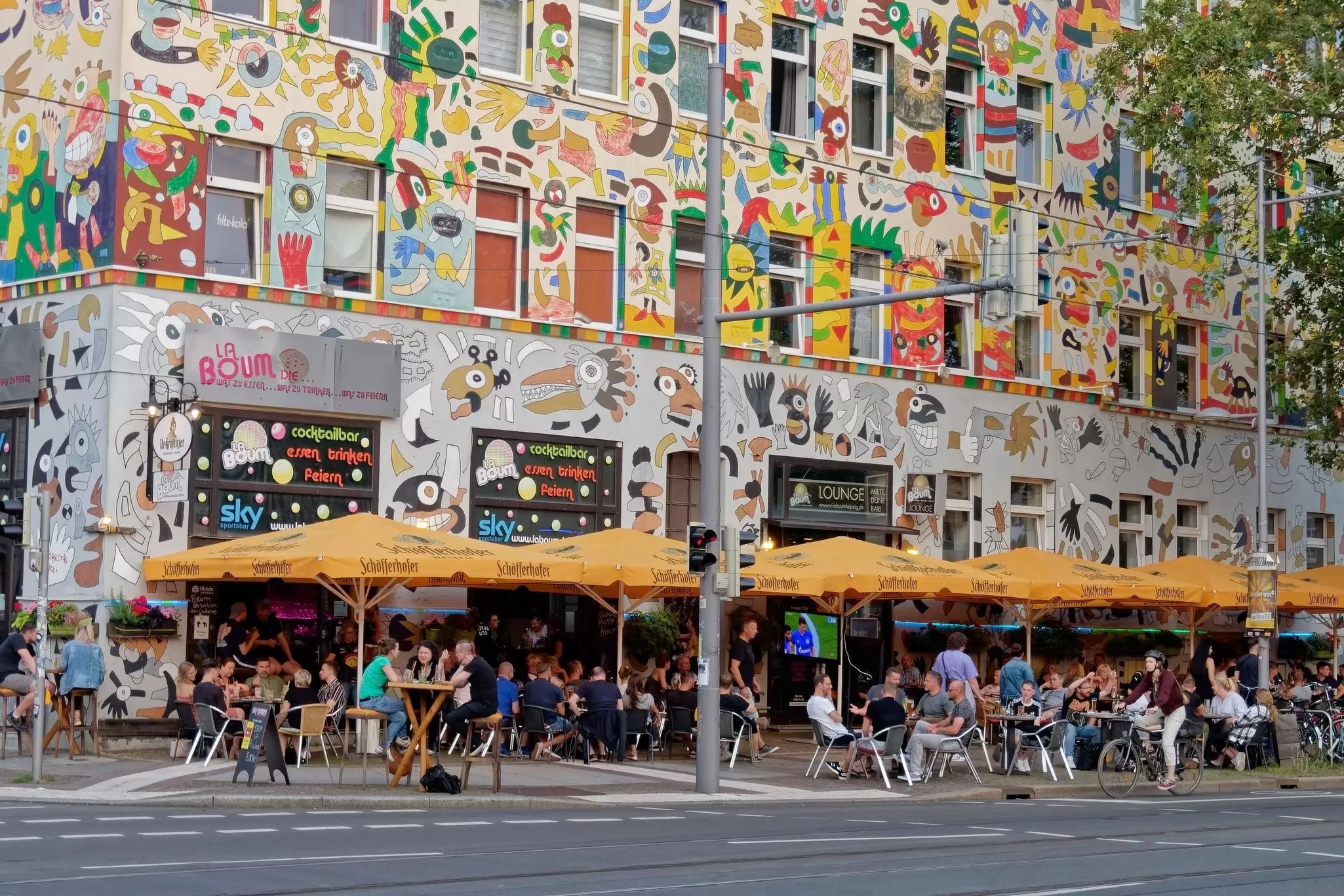
Leipzig lets its hair down as much as Berlin these days, and its neighborhoods are blessed with a plethora of fine spots for winding down every evening.
Just south of the traditional center is Zentrum-Süd, where there’s a wonderful buzz on Café Puschkin’s breezy terrace, especially on warm summer evenings. And this handsome neighborhood is studded with a wide variety of food options too, from hearty German cuisine and crisp lagers at the 19th-century Bayerischer Bahnhof to quality ramen that won’t break the bank at Ramen1974.
Though it's out and around graffiti-splattered Karl-Heine-Straße in übercool Plagwitz where the most fun is found. Sip on cocktails at low-key Liqwe, sample hoppy pale ales at Kokille or pair fine wines with aged cheese and cold cuts at Le Petit Franz.
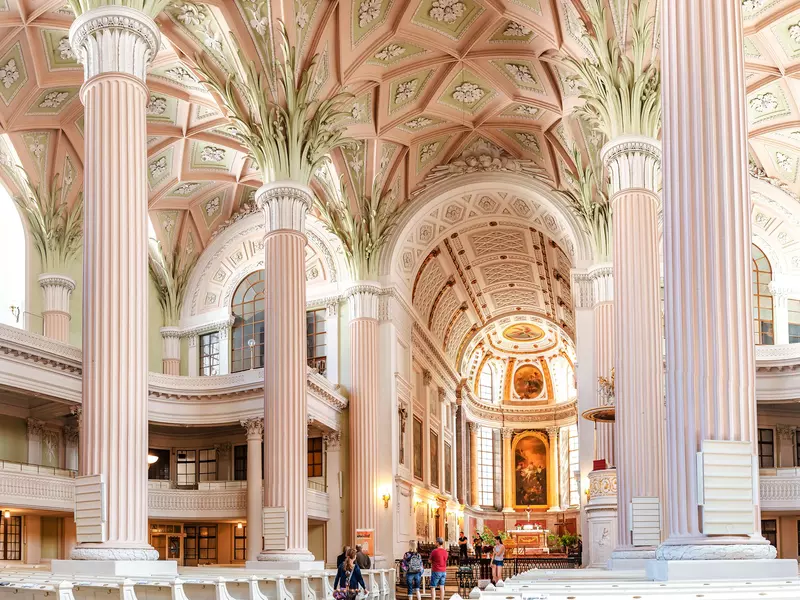
Leipzig has one of the more interesting past lives as part of the GDR, better known as the Soviet puppet state of East Germany.
Start at N'OSTALGIE Museum, which holds a vast collection of objects from toys to furniture and acts as a window into everyday life for those living in the GDR. The Zeitgeschichtliches Forum (Forum of Contemporary History) offers similar insights, with a polished permanent exhibition. On a more sinister level, the Stasi Museum is inside the “Round Corner” building, Leipzig’s former Ministry for State Security (Stasi) HQ. East Germany's infamous secret service spied on its citizens, and this museum showcases some of the disturbing methods they used, including surveillance cameras, confiscated personal letters and forged stamps.
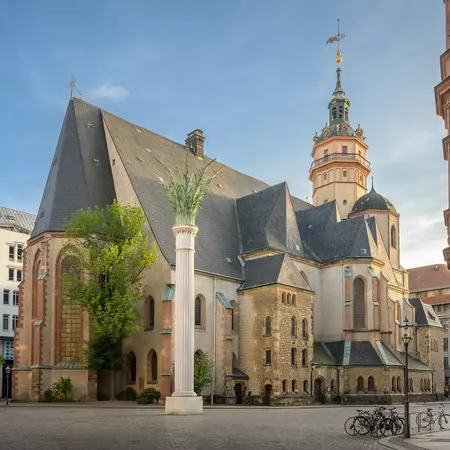
Finish on a hopeful note at the Gothic Nikolaikirche (St Nicholas Church), where the peaceful political protests – known as the "Monday demonstrations" – against the GDR in the 1980s first began and eventually led to the fall of the Berlin Wall and German Reunification.
Planning tip: Sold at tourist information and mobility centers, the Leipzig Card can be a worthwhile investment. Not only does it allow unlimited travel within one or three days for individuals or groups/families, but it also entitles you to discounts at most of the important museums, as well as the zoo.
Leipzig was one of the earliest medieval cities to ditch its walled fortifications, which it then turned into a lush garden encircling the city called the Promenadenring. The 20th century’s thirst for cars meant significant parts were removed for roads, but some lovely sections still remain. In particular, the pond just south of the train station is a nice place to relax, with swans and herons among the wildlife you might see.
The Palmengarten on the city’s west side is a fine Victorian park, with stone bridges, serpentine trails, a charming pond and a 19th-century cast-iron pavilion. Clara-Zetkin-Park – named after the famous women’s rights activist – is a livelier but no less pretty option that’s home to a cafe, lake, bandstand for summer concerts and a gregarious beer garden.
For further outdoor adventures, consider taking a motorboat tour of Leipzig’s winding canals.
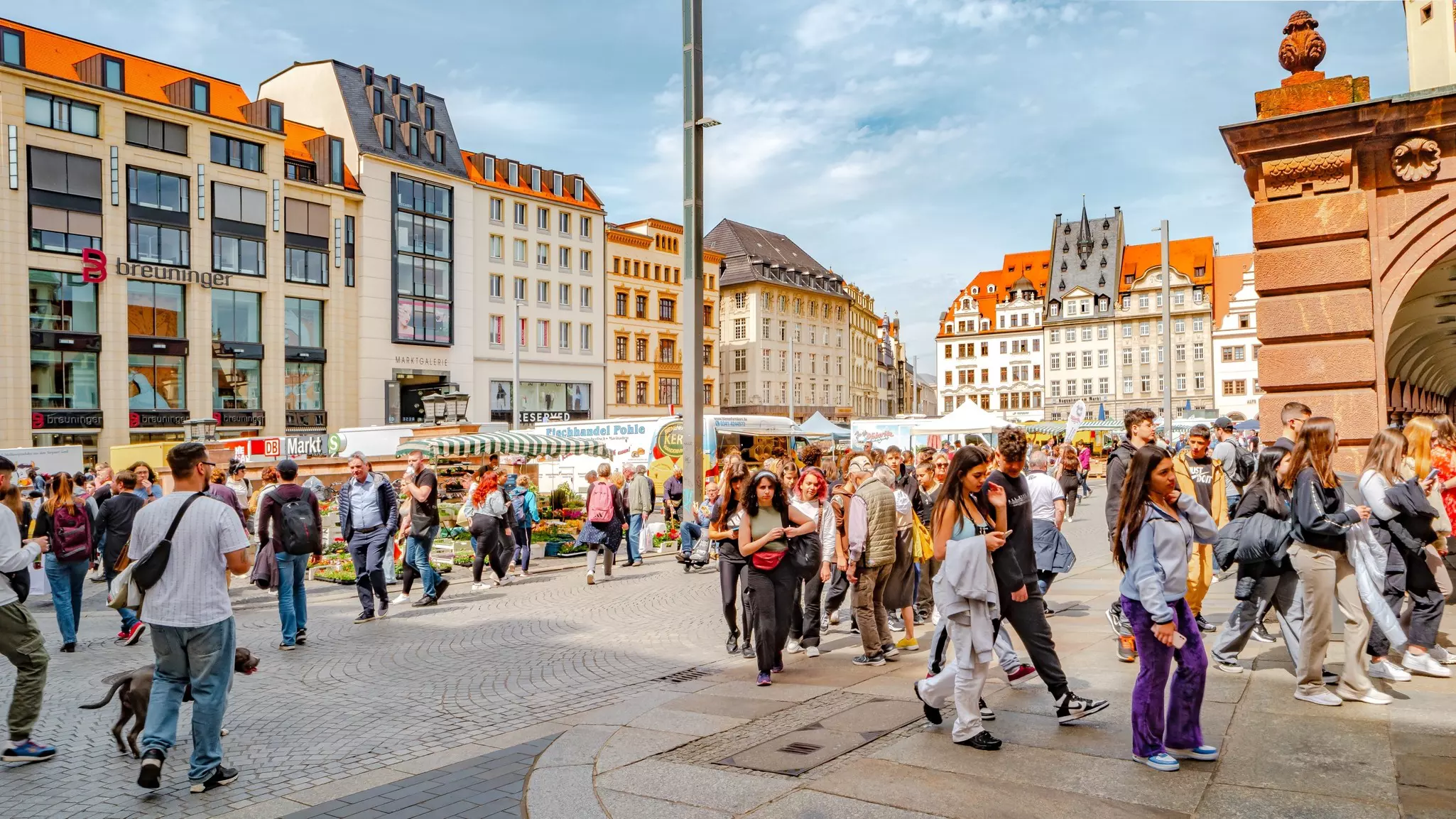
Leipzig is mercifully walkable, and hotel options are easy to reach on foot, though the well-connected transit networks – four S-Bahn and 15 tram lines – make navigating the city simple.
Hotel Fregehaus is a rustic mango-yellow bolthole in Leipzig’s historic heart that won’t burn a huge hole in your wallet, and its mix of chic and antique is both quirky and alluring. If you really want to push the boat out for a special occasion, then the palatial Hotel Fürstenhof – dating back to the 18th century – is worth a look. And sitting just north of the Fürstenhof on Gerberstraße, the Westin is a quality all-rounder, offering sturdy comfort that’s just a short stroll from the train station.
If a stylish neighborhood Airbnb is something you’d consider, then see what’s available in vibrant areas like Südvorstadt or Plagwitz.
Train travel is the quickest way to pair up a Berlin and Leipzig twin trip. From the grand glassy confines of Berlin Hauptbahnhof, the enormous Leipzig Hauptbahnhof (Europe’s largest station by area) is just a 1¼-hour ride on the sleek white ICE500 trains. Tickets are easy to purchase with Deutsche Bahn, either online or through the app, and should cost around €40 for a return or €20 each way. Book in advance though, as these ticket prices can creep past the €50 mark and beyond if you leave it too late.
For budget-conscious travelers, making the journey by coach is much cheaper, albeit slower. Flixbus offers return journeys from Berlin Central Bus Station to Leipzig Hauptbahnhof for around €15, which take between 2 and 2½ hours.
Explore related stories