Jul 10, 202611 min read
The top 20 things to do in SpainFeb 11, 2026
7 MIN READ

Writer
When visiting Spain, be a thoughtful tourist with these dos and don'ts. Blake Horn for Lonely Planet

Writer
Lonely Planet may earn a commission from affiliate links on our site. All recommendations and reviews reflect our own independent opinions.
Often seen as an affordable destination, Spain has more than its fair share of unruly tourists. While many resorts and beach towns seem dedicated to bacchanalia-type behavior – and Spaniards themselves are no strangers to late nights – being drunk and obnoxious in the street is one of the biggest complaints among the many levied against tourists in Spain.
Spain is a large and environmentally diverse country, but overtourism affects how locals experience day-to-day life, especially when bad tourist behaviors disrupt their routines. And judging by protests in major destinations like Mallorca, Barcelona and the Canary Islands, the antitourism sentiment is growing.
If you’re coming to Spain and want to avoid being part of the problem, make it a point to plan an itinerary that goes below the surface. In addition to learning what you need to know about the proper etiquette and following common sense about how to behave – if you wouldn’t do it at home, you shouldn’t do it here – there are many places in Spain where you can truly get in touch with local life, and you won’t have to contend with too many other tourists or local protests.
Of course, you can't always avoid crowds and still see the main sights, so here are some essential dos and don’ts to keep in mind when planning your next trip to Spain.
1. Don't try to do it all. Spain is huge. Unless you have a few months to spare, it will be difficult to see everything in one trip. Instead, stick to one region at a time so you can dig deeper into the culture.
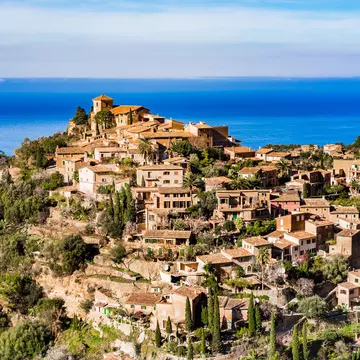
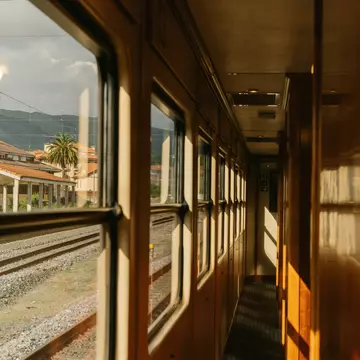
2. Don't only visit big cities. Barcelona and Madrid may be the two largest cities, but there is so much more to see in Spain, from the historic cities of Andalucía like Seville and Granada to the fantastic pintxos (tapas) in San Sebastián and the flamboyant traditions of Valencia. Spain is full of wonderful villages and smaller cities where you can find a more authentic pace of life compared to the major urban hubs. (And you’ll often find them easy to get to by train.) Some of my favorites are Zaragoza, for underrated architecture and art history, and Logroño, for a great tapas scene with the vineyards of La Rioja in your backyard.
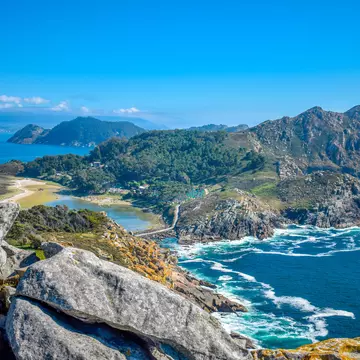
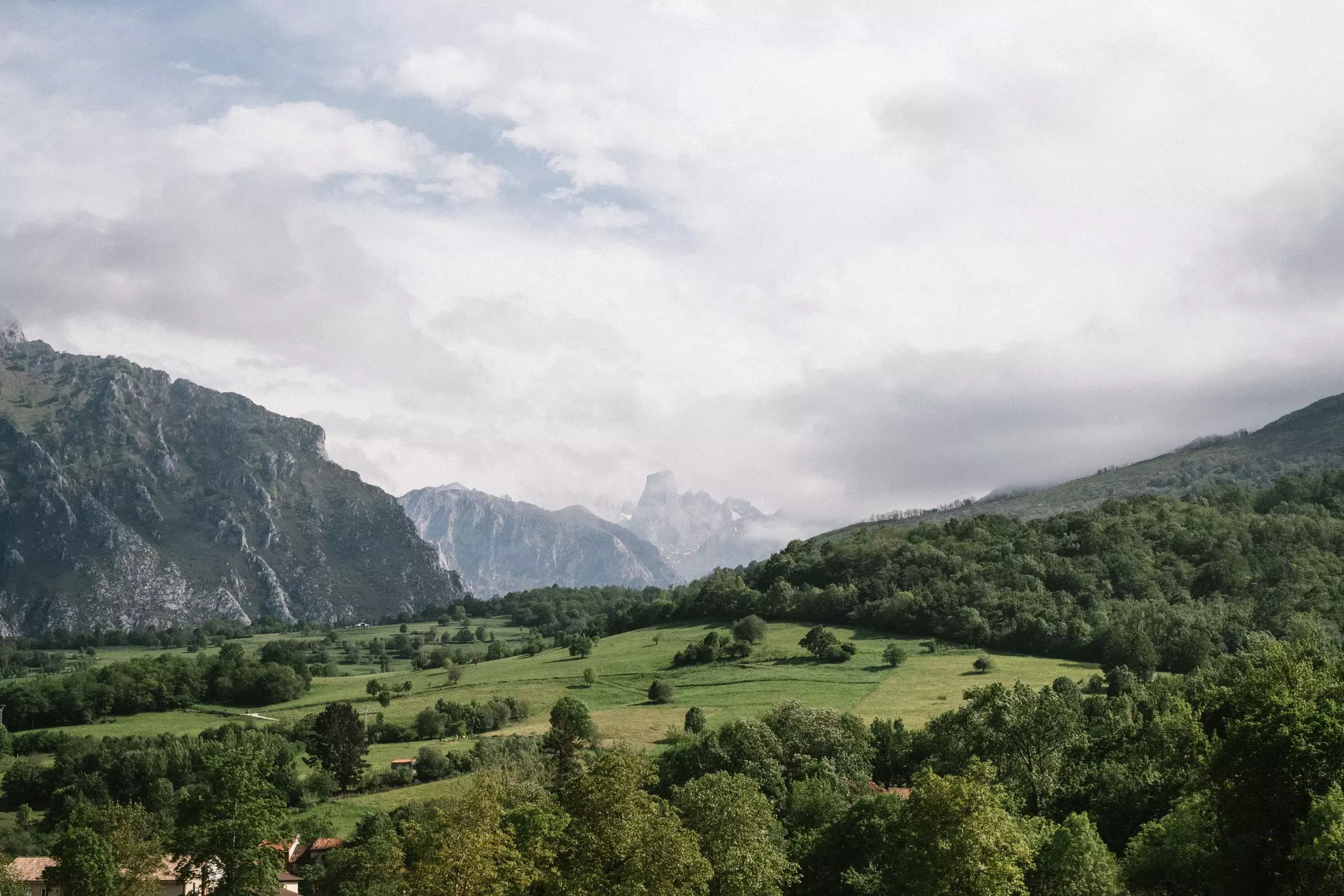
3. Do remember the national parks . For an adventure in the mountains, consider Picos de Europa in Cantabria and Asturias. Or visit Aigüestortes i Estany de Sant Maurici in Catalonia, or take the ferry to the Illas Cíes in Galicia.
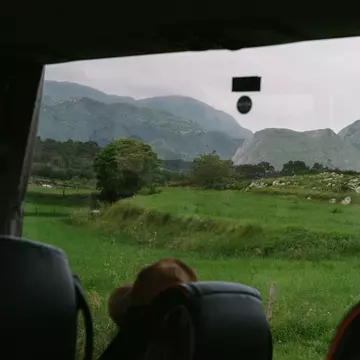
4. Do look into long-distance buses. The train can’t get you everywhere, but the bus gets you pretty close. It’s not always the easiest or cheapest way to get around Spain, but if you don’t want to drive, it’s another nice option.
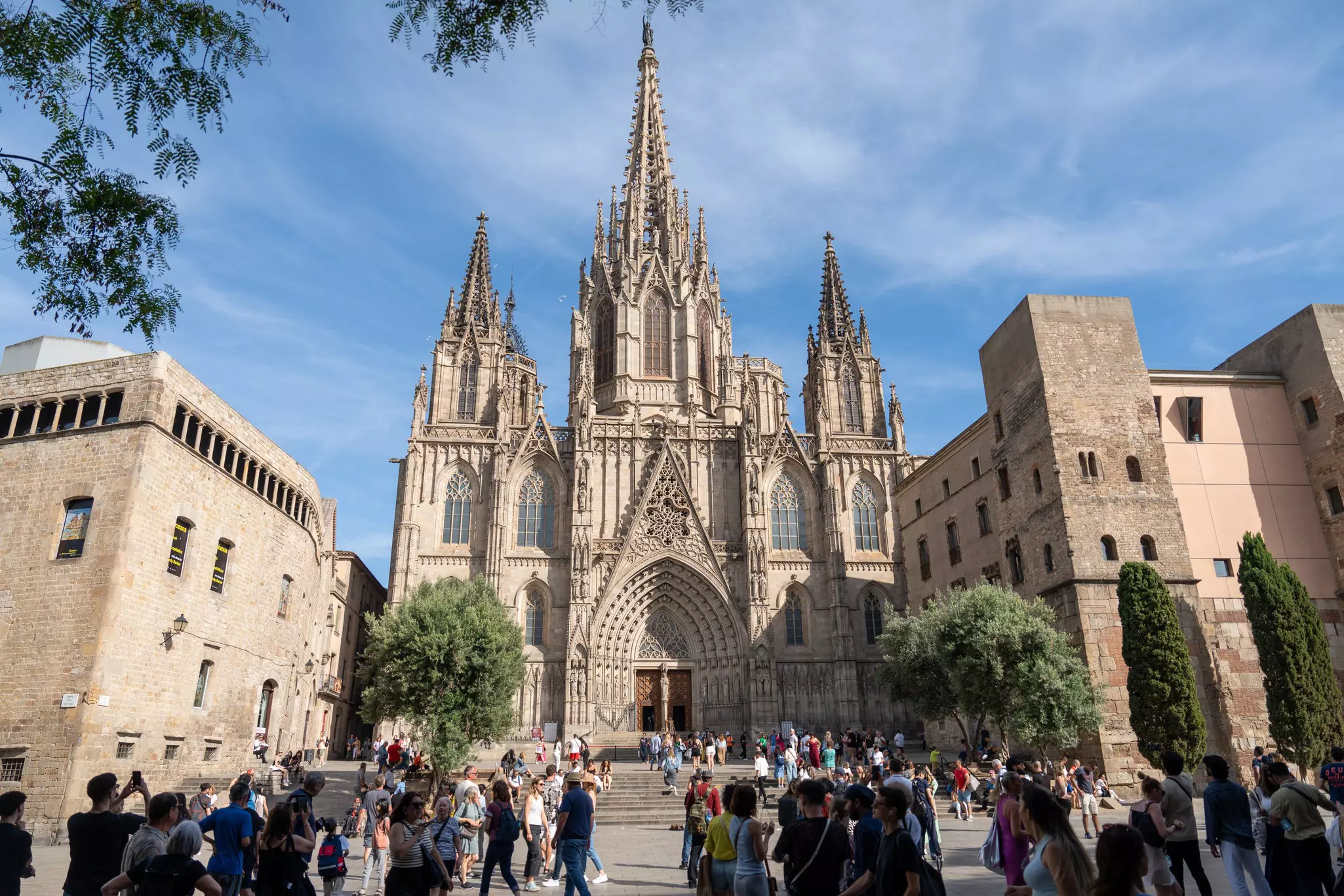
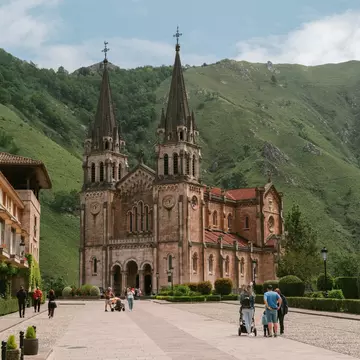
5. Do dress properly while visiting places of worship. Spain is full of beautiful churches, and if you’re sightseeing in the summer, it’s easy to forget that you should cover your shoulders and legs, and take off your hat out of respect. In some churches, you may even be provided with a shawl if you don’t have your own.
6. Don't forget to make reservations at landmarks. During high season, especially, crowds are controlled using timed entry tickets, so you might not be able to get in if you just show up.
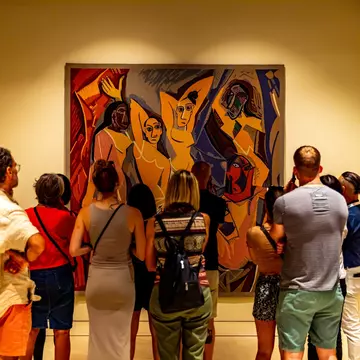
7. Don't monopolize a space for a photo shoot. If the area is crowded, take your photo and keep moving. Many sites have banned tripods, so stopping to film a video in the middle of a museum, for example, won’t be possible.
8. Don't sneak photos when you’re not supposed to. Every place has its own photography rules. Some are there to protect delicate artworks, while others exist out of respect for places of worship, especially during a service.
9. Do be aware of pickpockets. In crowds, it’s open season for pickpockets, so be mindful of where you keep your belongings. If you’re dining outside, don’t leave your phone on the table (where it can be snatched), and place your bag down in a way that no one can run away with it. If you have your luggage with you, put it somewhere you can see it, never behind your back.
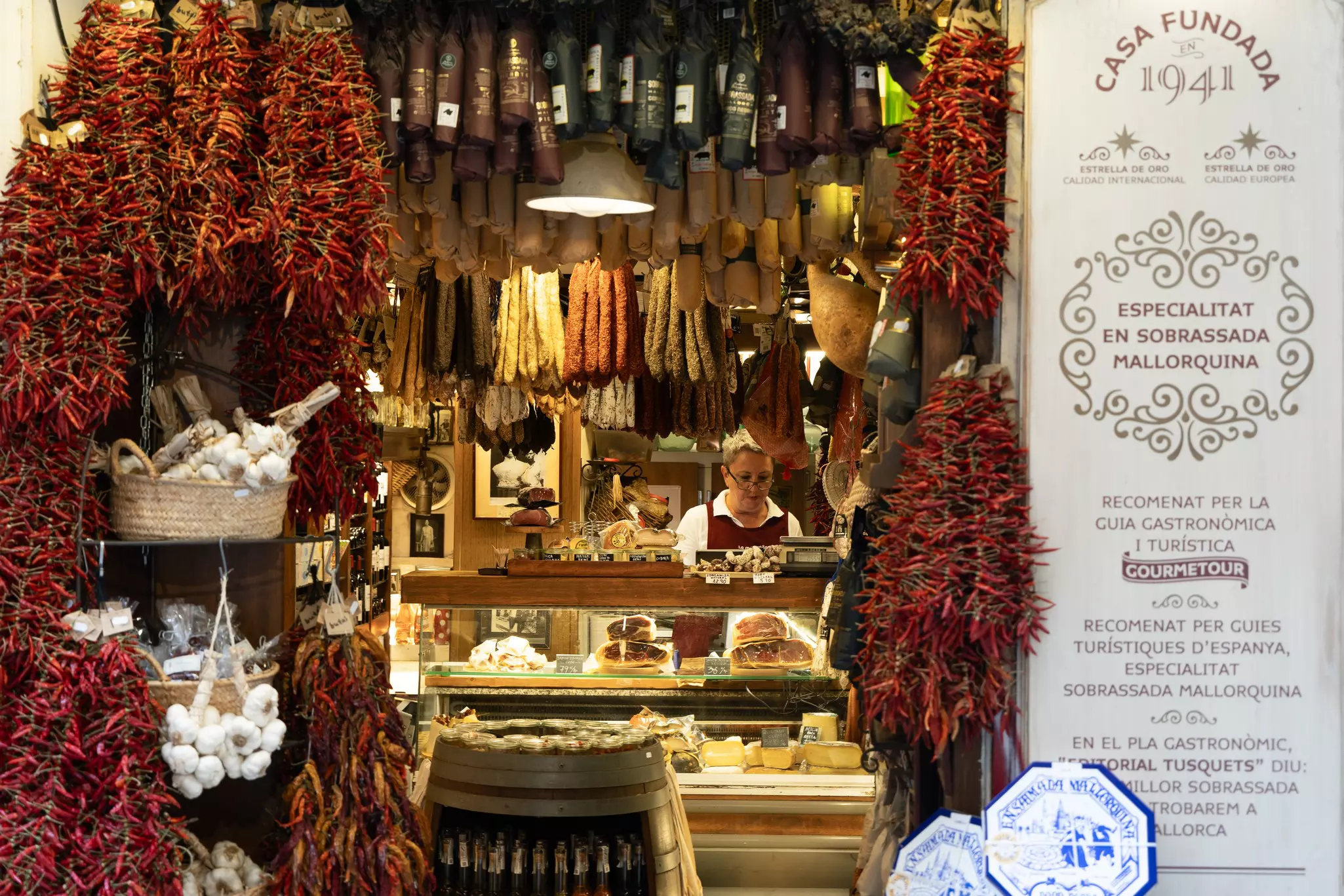
10. Do greet the shopkeeper. It’s a common courtesy to say hola (hello), buenos días (good day) or buenas tardes (good afternoon) upon entering a store, and it’s seen as rude if you don’t acknowledge the person.
11. Don't assume that everyone speaks English. In hotels and at major tourist landmarks, most people will speak English, but this might not be true for a cafe owner or an attendant at a pharmacy. Do your best to memorize a few basic phrases, and keep a translation app handy.
12. Don't ignore the local language. Spain is a multilingual country with multiple official languages, including Catalan, Basque and Galician. Street signs will usually be in two languages in those regions, and you will earn major bonus points with locals if you learn a few phrases.
13. Do take public transportation. Buses and metros in Spanish cities are quite safe and an effective way to get around.
14. Don't get in the way of commuters. When you’re on the metro, stick to the right when going up the stairs or using the escalator so people can get by. The same goes for narrow streets or passageways in busy traffic areas. When you’re walking in a big group, don’t take up the whole sidewalk.
15. Don't walk in bike lanes. In bike-friendly cities, stay out of the dedicated lanes, which are meant for cyclists and scooters. Even if you think it’s only for a second, you’re putting yourself and other people in danger.
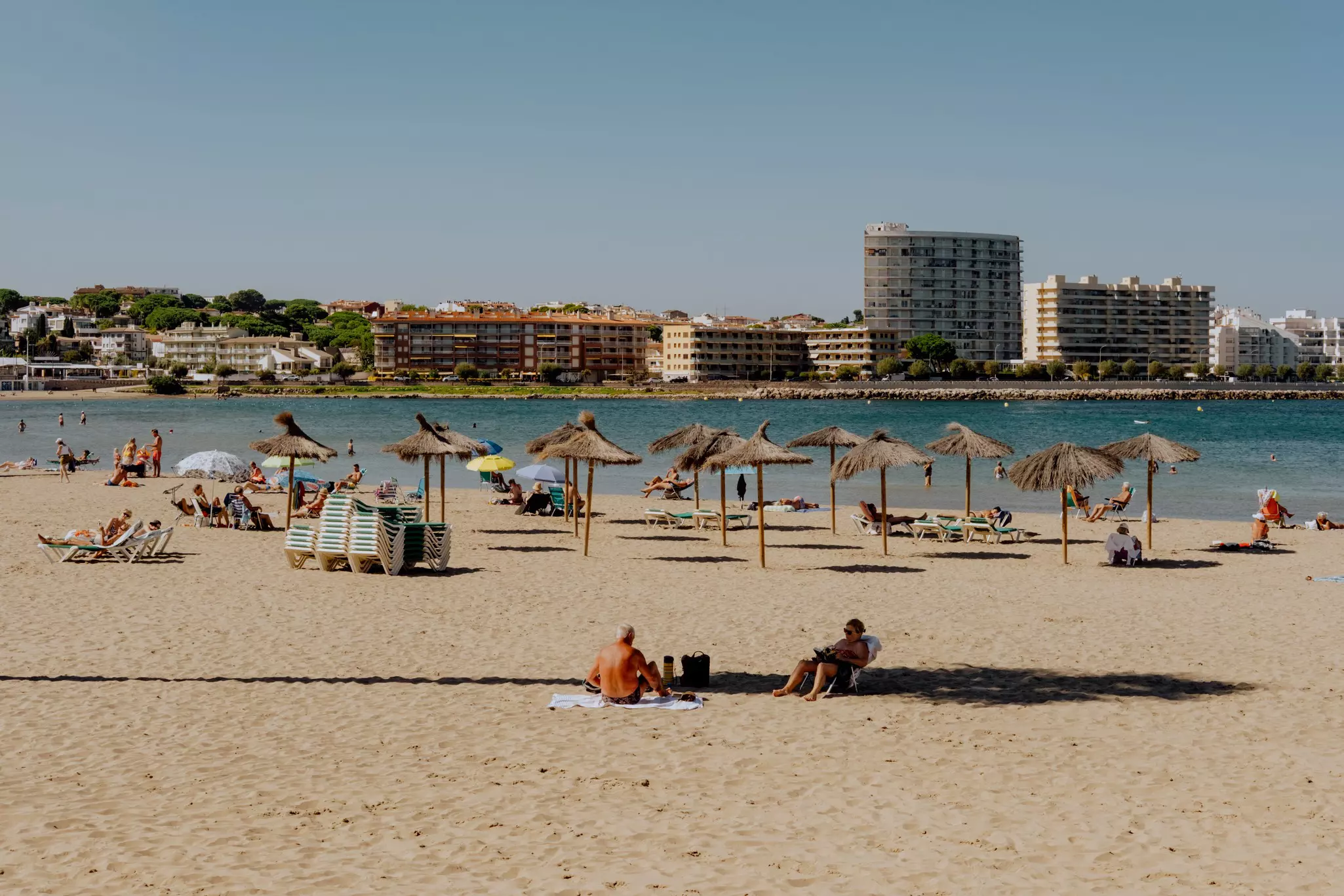
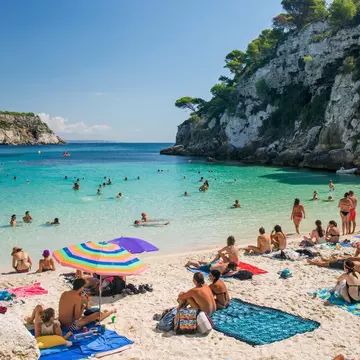
16. Don't walk around in your swimwear. Once you leave the beach and are back in the city center, it’s considered improper to walk around shirtless or in a bikini top.
17. Do be quiet when coming home at night. Tourists are known to overindulge in Spain when drinking and for being overly loud when walking through the streets at night. Be mindful that people are trying to sleep, and if you have to go to the bathroom, hold it until you get home.
18. Don't feed the animals. Spanish seagulls and pigeons are surviving just fine without your leftover sandwich crusts.
19. Don't buy cocktails from beach hawkers. On busy beaches, particularly in urban areas, you’ll often see people carrying trays of cocktails like mojitos, which look deceptively fresh. Stick to canned drinks if you have to, because you really don’t want to know how they keep the drinks cold.
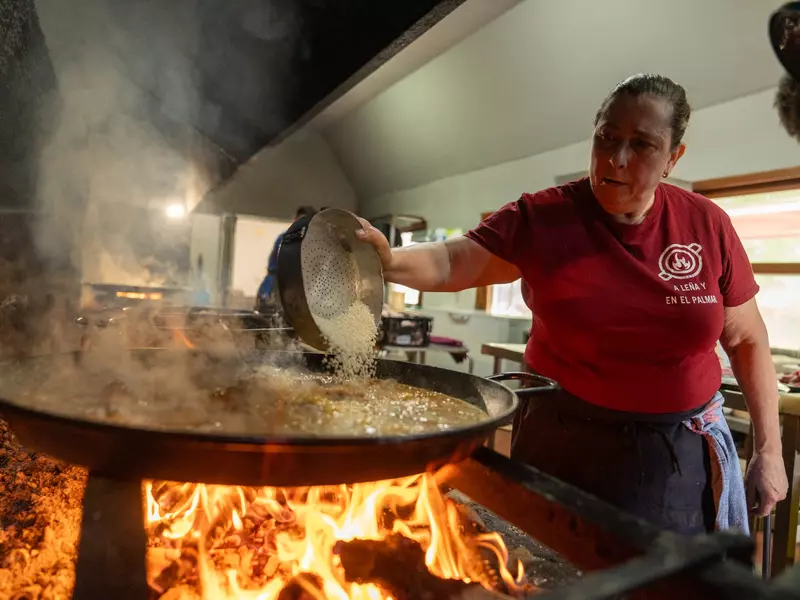
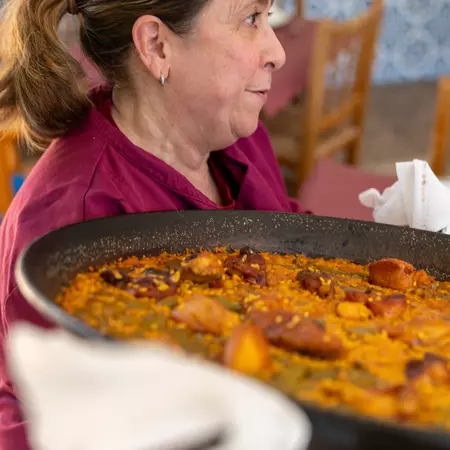
20. Don't order paella for dinner. Paella is a lunchtime thing, and it’s time-consuming to make. Although you can find restaurants willing to serve it at night, chances are it won’t be freshly made.
21. Do remember that dinner is late. You might be used to having dinner at 6pm at home, but in Spain, most restaurants won’t open for dinner until 8pm, and they don’t fill up until about 9.
22. Don't eat at a restaurant with pictures on the menu. It’s very unlikely that you will have authentic Spanish food, especially if it’s on a busy street with a lot of tourist traffic and if someone is standing outside trying to convince you to sit down.
23. Don't order sangría. It may seem like the most typical Spanish drink, but ordering this is a dead giveaway that you're new in Spain. Try ordering a vermouth or tinto de verano, which is wine with a splash of soda and lime, if you want to fit in.
24. Do ask for the bill. Your server will rarely bring the bill to the table unprompted, so you will have to ask for it (la cuenta, por favor). If you cannot get your server’s attention, which is often the case, it’s acceptable to go up to the counter and pay so you can be on your way.
Take your Spain trip with Lonely Planet Journeys
Time to book that trip to Spain
Lonely Planet Journeys takes you there with fully customizable trips to top destinations – all crafted by our local experts.


Explore related stories