Aug 31, 20266 min read
12 Things to Know Before Traveling to Turin, ItalyAug 31, 2026
6 MIN READ

Writer
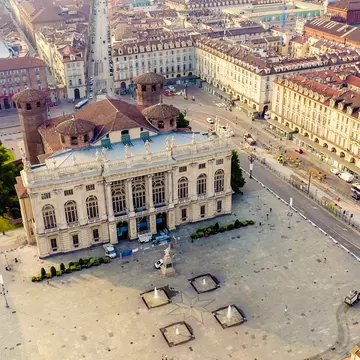
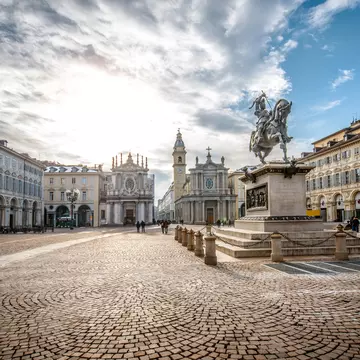
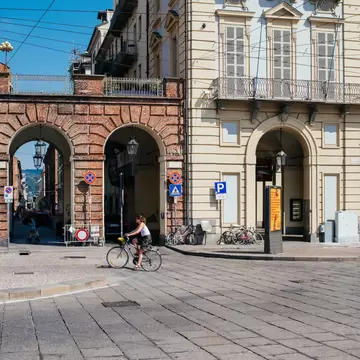
Piazza Castello in Turin, Italy. Martina Giammaria for Lonely Planet

Writer
Highlights
Writer Duncan Garwood shares 12 Turin tips on stays, costs and aperitivo.
Base yourself in the historic center, or try San Salvario for livelier nightlife.
Book Museo Egizio and Mole Antonelliana tickets in advance, especially for weekend visits.
Turin invented vermouth in 1786; head to a local cafe from 6pm for aperitivo.
Lonely Planet may earn a commission from affiliate links on our site. All recommendations and reviews reflect our own independent opinions.
Set in the shadow of the Italian Alps in the northwestern region of Piedmont, Turin is an ideal city for a weekend break in Europe. It has a fascinating historic center and a long list of monuments, galleries and world-class museums. Its historic cafés serve Italy’s most lavish aperitifs, and its nightlife is varied and energetic.
You’ll find there’s always something going on in Italy’s fourth-largest city. Here’s everything you need to know about where to go, the costs and climate, and key attractions before you visit Turin.
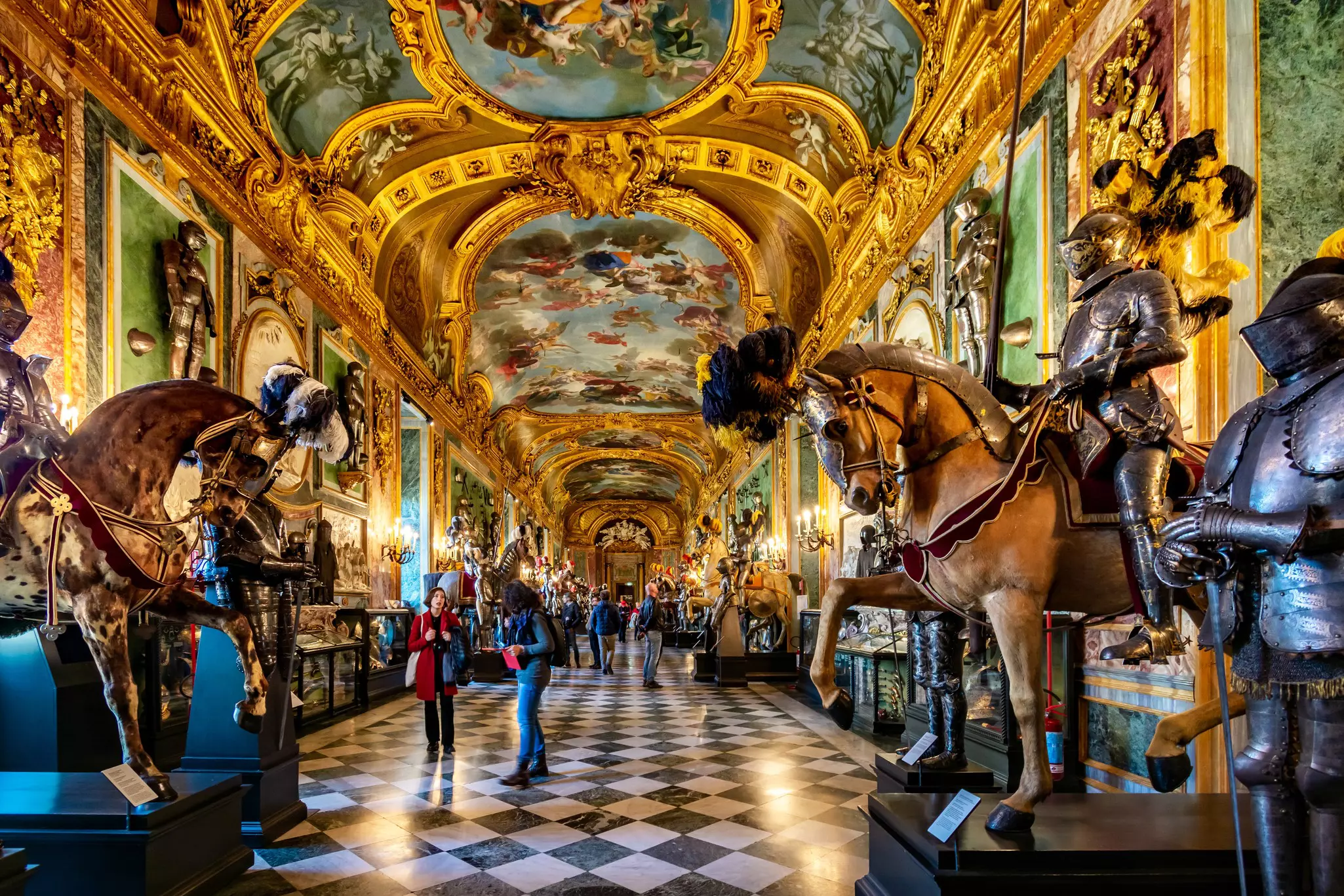
Turin was the seat of the royal Savoy family for centuries, and from 1861 to 1865 it was Italy’s first capital. It’s home to the Sindone di Torino (Shroud of Turin), a linen cloth purported to be the burial shroud of Jesus Christ, which is housed at the Cattedrale di San Giovanni Battista but rarely on display (learn all about it at the Museo della Sindone). And the city is the birthplace of many iconic Italian brands, including Fiat cars, Lavazza coffee and the Juventus football club. Nowadays, Turin is best known for its princely baroque architecture, stately art nouveau cafes, sumptuous aperitifs and decadent food and wine.
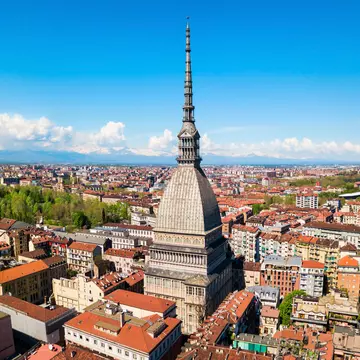
Two to three days is enough to cover the key sights, including the Egyptian treasures in the Museo Egizio, the sumptuous 17th-century Palazzo Reale, the city's landmark Mole Antonelliana and the collection of 200 or so cars at the Museo Nazionale dell’Automobile. It will also give you time to explore the historic center and enjoy an aperitif or two.
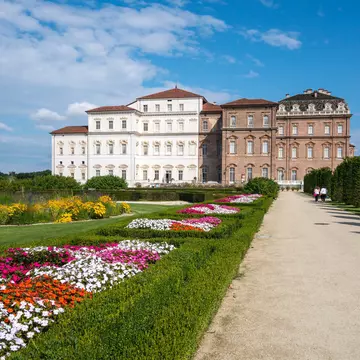
With a little more time, you could strike out further afield on a day trip, possibly to see artworks by Modigliani, Manet and Matisse at the Pinacoteca Giovanni e Marella Agnelli or the vast assemblage of contemporary art at the Castello di Rivoli. You could even head to Reggia di Venaria, some 14km northwest of Turin, one of the world's largest royal palaces.
While it’s always good to have a few Italian phrases up your sleeve, it’s not essential. You’ll get by fine with English and have no problems communicating at hotels, cafés, restaurants and visitor sights, particularly in the center, where you’ll likely spend most of your time. But greeting those you meet with an enthusiastic buon giorno (good morning) or buona sera (good evening) will be much appreciated, as will arrivederci (goodbye) as you bid them farewell. Grazie (thank you) is usable in both formal and informal settings to express gratitude.
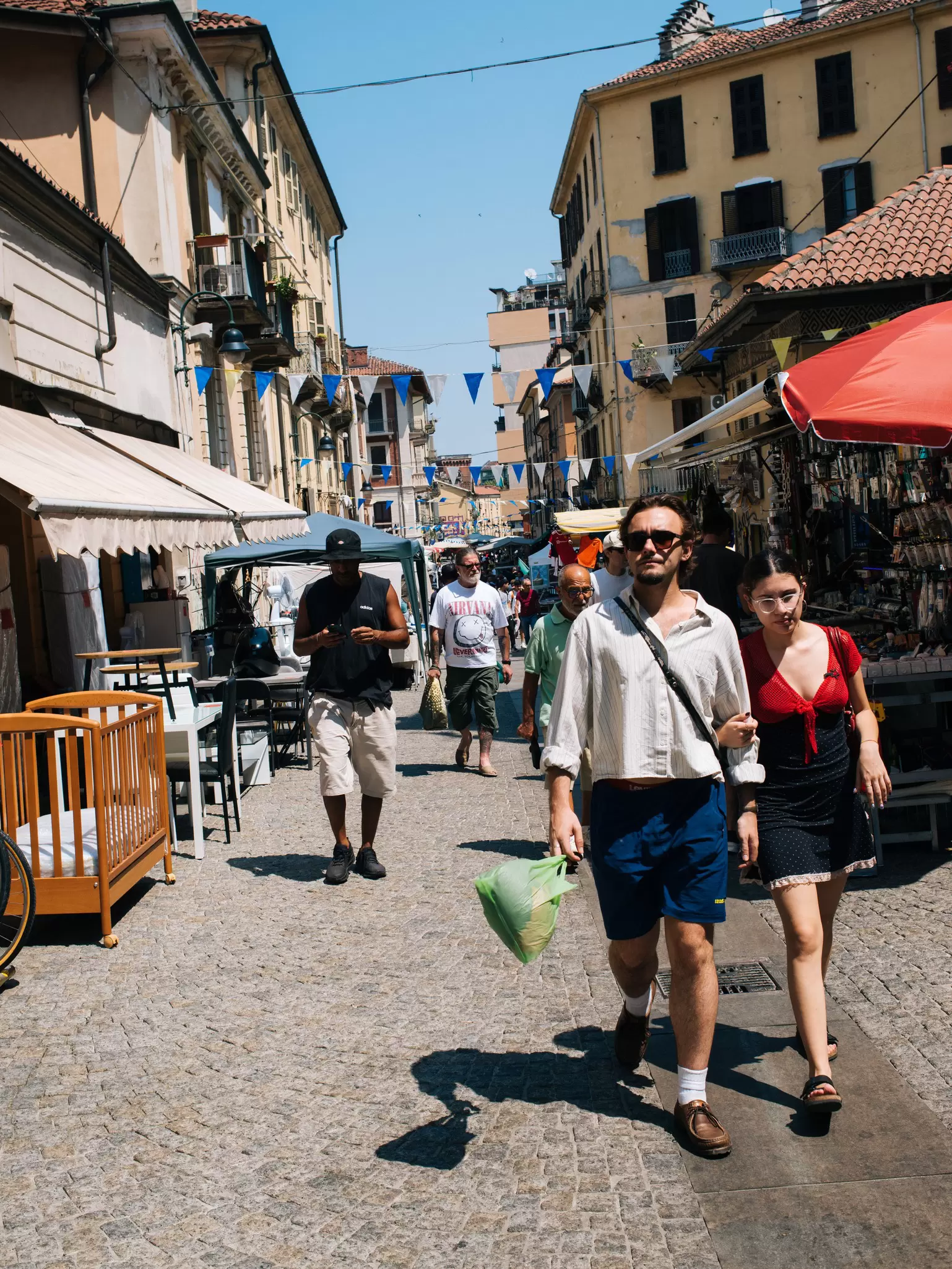
To be in the heart of the action, stay in the historic center, where you’ll have pretty much everything on your doorstep. For a more youthful, multicultural vibe, try the party-loving San Salvario district to the southeast of the center, or hip Vanchiglia and Aurora to the north. Families after a more peaceful atmosphere could try Crocetta, an elegant and well-connected residential district, or leafy Borgo Po over the river.
Reckon on allotting 100 to 200 euros (€100 to 200) per day. This covers staying in a midrange hotel or B&B, eating out (€25–30 for a restaurant meal) and taking in the main sights (€5–15 for museum tickets).
To keep costs down, many restaurants and trattorias offer fixed-price lunch menus. Similarly, you can save by dining on an apericena (a meal-sized buffet) rather than having a formal restaurant meal.
For sightseeing, the Torino+Piemonte Card provides free and discounted admission to many sights as well as savings on public transportation.
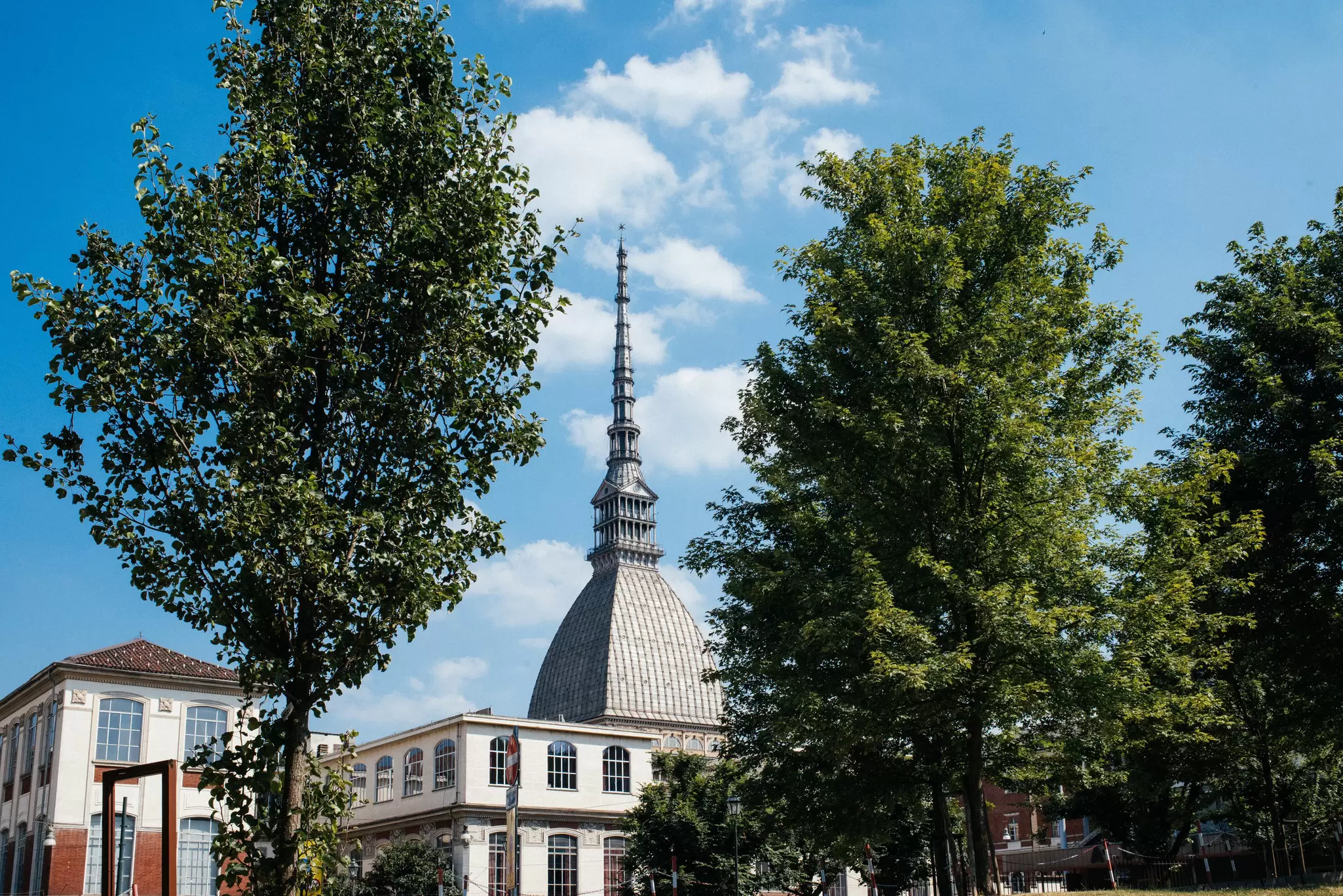
You’ll need to plan ahead for some sights. Museo Egizio tickets with timed entry must be purchased ahead of time, and booking advance tickets to Reggia di Venaria Reale is also a good idea. You’d do well to book tickets for the panoramic lift at the Mole Antonelliana, especially if you’re planning to visit on a weekend.
You’ll need heavy coats, hats and scarves for winter (December through February) when it can get bitterly cold, sometimes even snowy. April and May are the best time to visit, but rain is a risk in spring as well as in autumn, so make sure to bring an umbrella and light rain jacket. Summer (June through August) means hot weather, so come prepared with light, loose-fitting clothes. Comfortable, worn-in walking shoes are a must, whatever the season. Locals also like to dress smart casual when dining out.
Turin is a top city to catch a football game. Local allegiances are split between the city’s two teams: Juventus, aka la Vecchia Signora (the Old Lady), an aristocrat of the European game and serial winner of Italy’s Serie A; and Torino, a scrappy mid-table team known locally as il Toro (the Bull). Check the clubs’ websites for schedules; the season runs from late August to May.
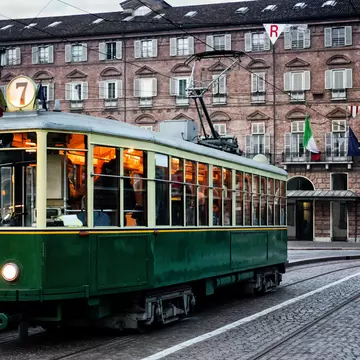
You can easily explore Turin’s center on foot. For outlying districts, you’ll find no shortage of buses and trams. Getting around Turin on its public transportation system is a breeze once you’ve got the hang of it. Always buy your ticket before you board a bus or tram. Do this at an authorized newsstand or bar, at an automatic vending machine or through the ToMove app. Validate your ticket onboard, either by inserting it into the validating machine or holding it up to the contactless reader.
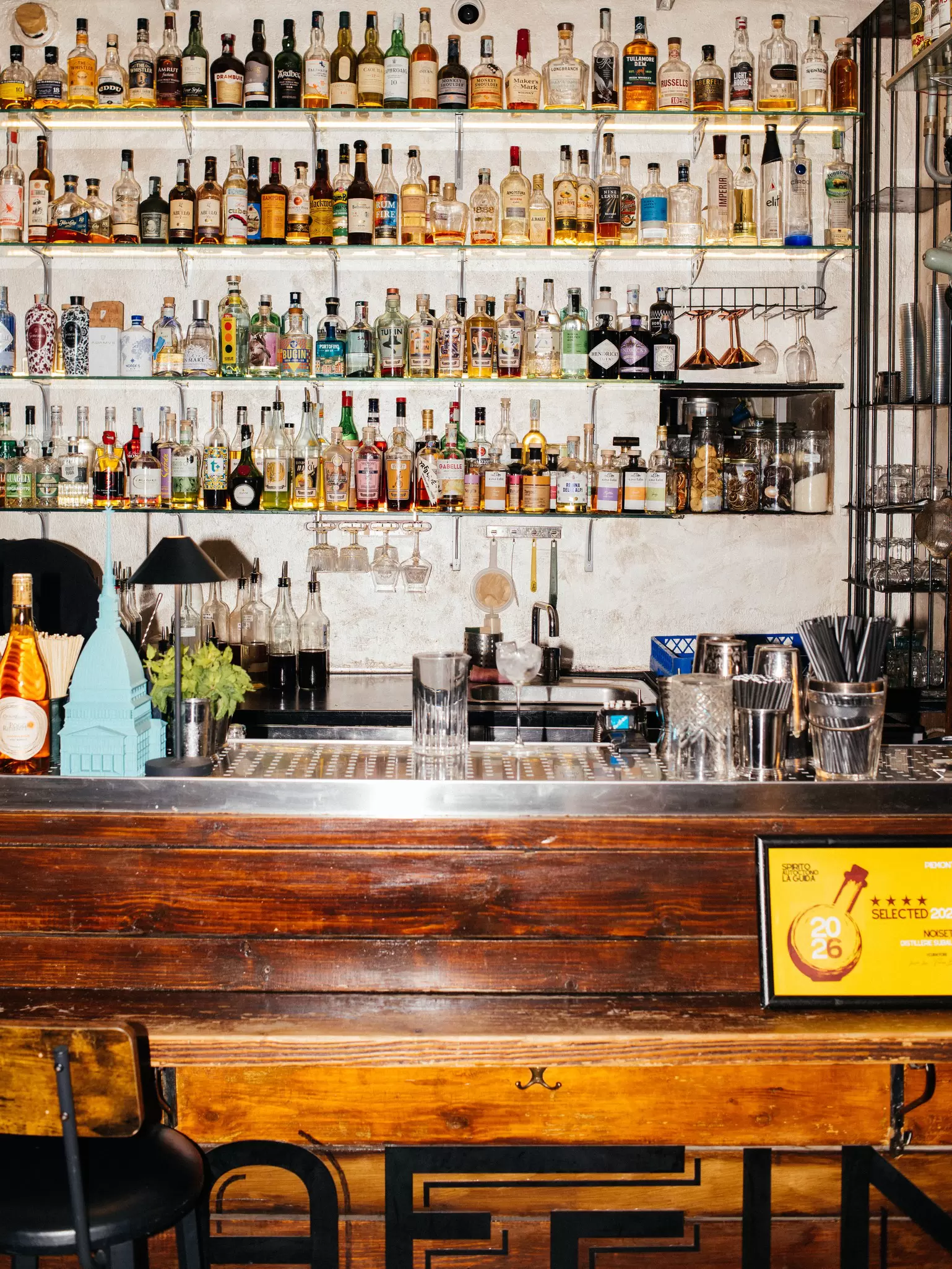
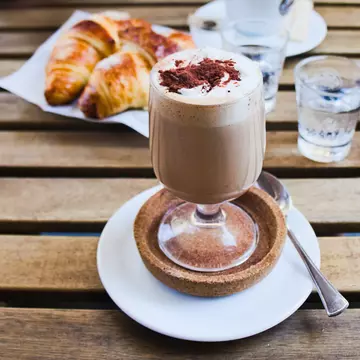
Vermouth was invented here in 1786, and an early evening aperitivo (aperitif) is a cherished local ritual. Head to a café between 6pm and 8pm, order a drink – perhaps a Campari-, Aperol- or vermouth-based cocktail – and dive into the complimentary food buffet.
Recent years have also given rise to the apericena, at which the lavish food offering can effectively substitute for dinner. Plan on €7–15 for an apericena in a city center café. Bars we like include Pastis, an evergreen favorite on Piazza Emanuele Filiberto, and Affini San Salvario, a stalwart in the hip San Salvario district.
After a 10-minute hike up Monte dei Cappuccini, you’ll be rewarded with fabulous views over the city’s rooftops to the Alps on the horizon. For maximum romance, head up at sunset.
Turin is a safe city to visit, however, it still pays to be aware of pickpockets in crowded areas. Use your common sense and watch your valuables. At night, be particularly vigilant in the area around Stazione Porta Nuova and Porta Palazzo market.
Explore related stories