Jul 9, 20268 min read
15 of the Best Things to Do in the AlgarveMay 19, 2026
6 MIN READ

Writer
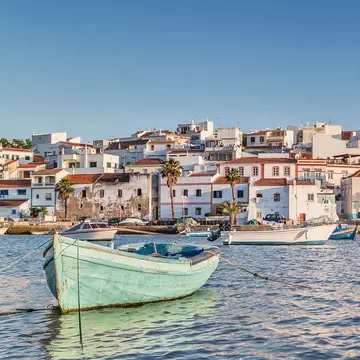
Ferragudo, Portugal, in the western side of the Algarve. Serhiy Stakhnyk/Shutterstock

Writer
Highlights
Writer Regis St Louis shares 12 Algarve tips on staying, dining, transit and safety.
May and October bring warm weather, fewer visitors and lodging prices 30% or more lower.
Bread, cheese and olives (couvert) aren't free – book top restaurants weeks in advance.
Heed lifeguard flag colors when swimming and keep bags secure in busy tourist spots.
Lonely Planet may earn a commission from affiliate links on our site. All recommendations and reviews reflect our own independent opinions.
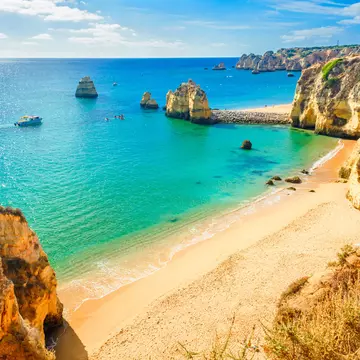
Anchoring the south of Portugal, the Algarve is famous for its cliff-backed beaches, mouthwatering seafood and picturesque villages. It’s also a remarkably easygoing, welcoming region.
While it’s perfectly possible to just show up and dive into the Algarve's best activities, it's worth learning a few cultural tidbits before you arrive. Whether you're a first-time visitor or coming back for more, make the most of your visit to the Algarve with these top tips on planning, packing and paying.
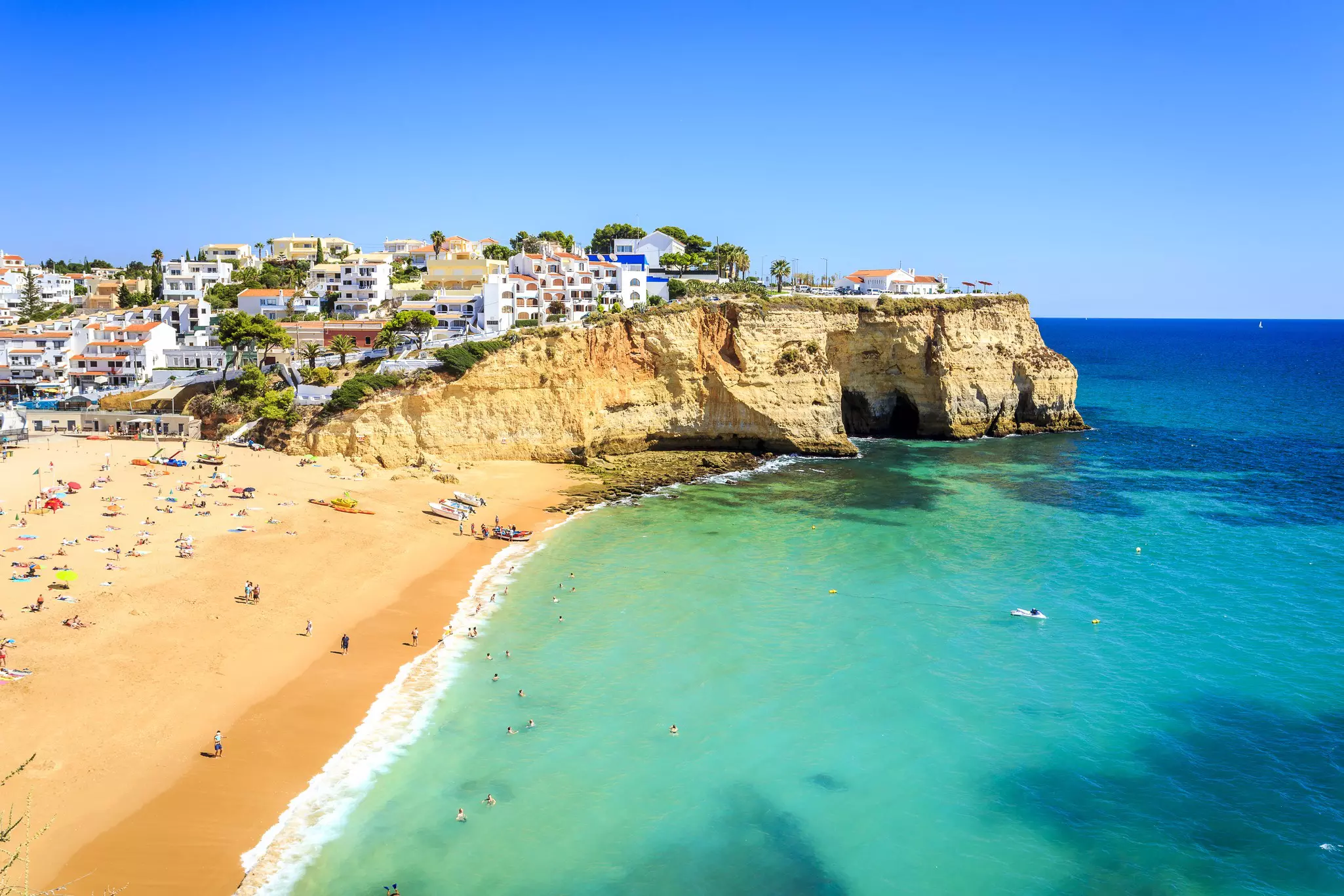
Although the Algarve is relatively compact (about 2 hours by car from end to end on the A22), figuring out where to stay is best guided by how you plan to spend your days in this sun-drenched corner of Portugal. For aquatic activities and abundant nightlife, Lagos has wide-ranging appeal. If you’re here solely to party and lie on the beach, Albufeira has you covered. For a quieter getaway near pretty beaches, consider Ferragudo, a former fishing village with loads of character.
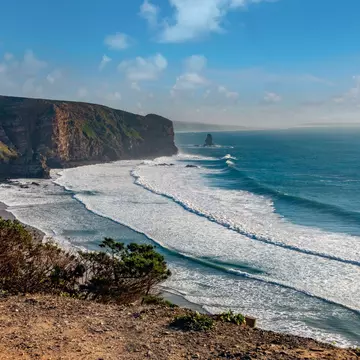
Though not on the beach, the historic town of Tavira lies within a ferry ride of a pretty sand-covered island. On the west coast, Sagres has an end-of-the-world feel with lofty views from its towering sea cliffs. To the northwest of the Algarve are charming villages like Carrapeteira, set on highlands overlooking wild beaches with some excellent surf camps.
If you want to avoid the busiest crowds, consider coming just outside of the high season. In May and October, average daily high temperatures hover around 22–23ºC (72–74ºF), which makes for some pleasant days on the shoreline. Things cool off by night, so you’ll need a jacket as average lows range from 12 to 15ºC (54–60ºF). If you don’t mind cooler temperatures, you’ll still find abundant sunshine during the low season months of November through March. You can also save big on places to stay, with many lodgings slashing their high-season rates by 30% or more.

Stay connected abroad with an eSIM
Holafly eSIM provides unlimited mobile data with no hidden fees, giving you peace of mind wherever you travel. Stay connected even after your plan ends with Always On. Use code LONELYPLANET for an exclusive discount.
Lonely Planet may earn a commission from affiliate links on our site. All recommendations and reviews reflect our own independent opinions.
The Algarve’s popularity means some of the best places to stay are booked up months in advance. This is especially true if you’re traveling in the peak months of June through August. Once you have your itinerary organized, reserve your lodging.
Seafood fresh off the boat has long been a hallmark of the food scene in the Algarve. Restaurants headed by celebrated chefs are transforming the region into a major dining destination. Once a virtual desert when it came to world-class cuisine, today the Algarve is home to seven restaurants with a Michelin star, and two restaurants (Ocean and Vila Joya) have two stars.
To secure a reservation at top places, book at least a few weeks in advance (if you’re set on Vila Joya, it’s worth staying on-site, since hotel guests get priority for the limited restaurant seatings). If you’re not planning on dining at award winners, book a few days in advance, or around seven days ahead of time if planning a weekend reservation. The prime dining times are from 7 to 9pm.
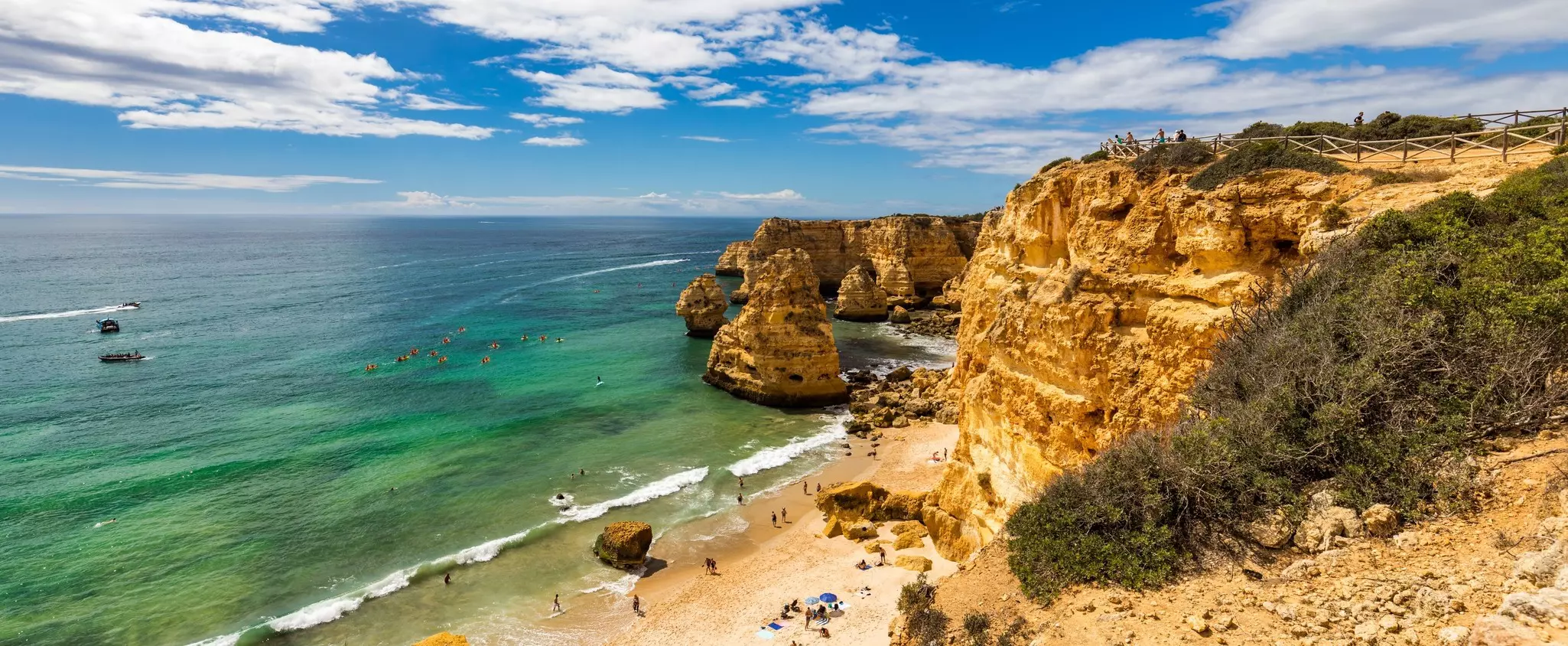
You’ll get plenty of wear out of sandals, short-sleeve shirts and summer dresses in the Algarve. But things can cool off at night, thanks to those delightful ocean breezes, so be sure to throw in a few warmer layers – even in July and August, when average lows can drop to around 19ºC (66ºF). Although there aren’t any formal dress codes at restaurants, the Portuguese tend to dress up a bit at nicer places, so make sure you have the option to wear something smart-casual when leaving the tourist resorts.
A train line connects Lagos in the east with Vila Real de Santo António in the west, with stops at Portimão, Tunes, Faro and Tavira. If you'd rather not fly into Faro, you can also catch the train down from Lisbon. Filling in the gaps is the Algarve’s excellent bus service, called Vamus Algarve, which runs numerous lines across the region, including Aerobus 56 from Faro airport to major towns like Albufeira and Lagos, as well as special sightseeing buses like the 52 EVA Cliffs Line, which takes in some stunning stretches of coastline. You can also get around by ridesharing apps like Uber and Bolt.
Many people speak English in Portugal, particularly in more touristy areas of the Algarve. Locals, however, always appreciate foreigners making the effort to speak the language. Apps like Duolingo are one of many ways to get a head start on the language. A few key phrases can go a long way. When entering a business, it’s common courtesy to say "bom dia" (good day) or "boa tarde" (good afternoon) to those around you – an easy way to make sure you get off on the right foot.
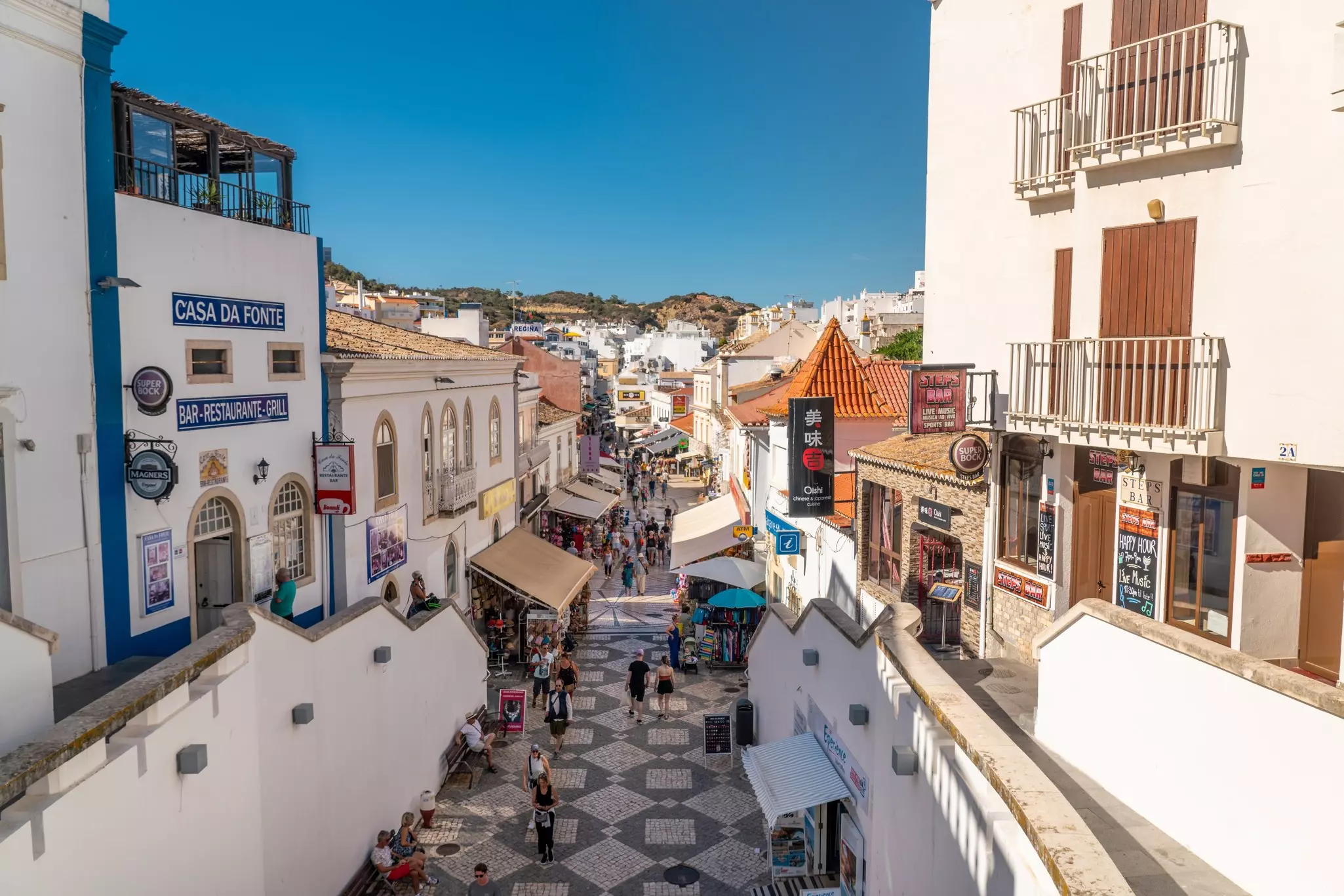
In the Algarve, you’ll find a wide range of dining options, including adegas (wine cellar-like eateries, that often serve wine straight from the cask), tascas (taverns) and easily recognizable restaurantes, which typically open for lunch and dinner only. Pastries are an art form in Portugal, and you should definitely visit the nearest pastelaria (pastry and cake shop) wherever you roam. The pastel de nata (custard tart) is one of many Portuguese delicacies worth experiencing.
Apart from cafes, most places close between meal times, roughly from about 2:30 to 7pm. Sundays can also be tricky when it comes to dining as many restaurants close entirely for the day or open only at lunchtime. This is a good time to have some snack food on hand – ideally sourced from the nearest mercado (market) the day before (since markets also typically close on Sundays).
Another key bit of culinary knowledge is to remember that nothing that comes to your table is free. Bread, cheese, olives and sometimes other appetizers are often brought to the table shortly after you sit down. These are called couvert, and they are never free. If you don’t want them, a polite "no, thank you" ("não obrigado/não obrigada" said by a man/woman) will see them sent back to the kitchen. Depending on the establishment, prices for couvert can range from €2 to €9 per person, more at pricier places.
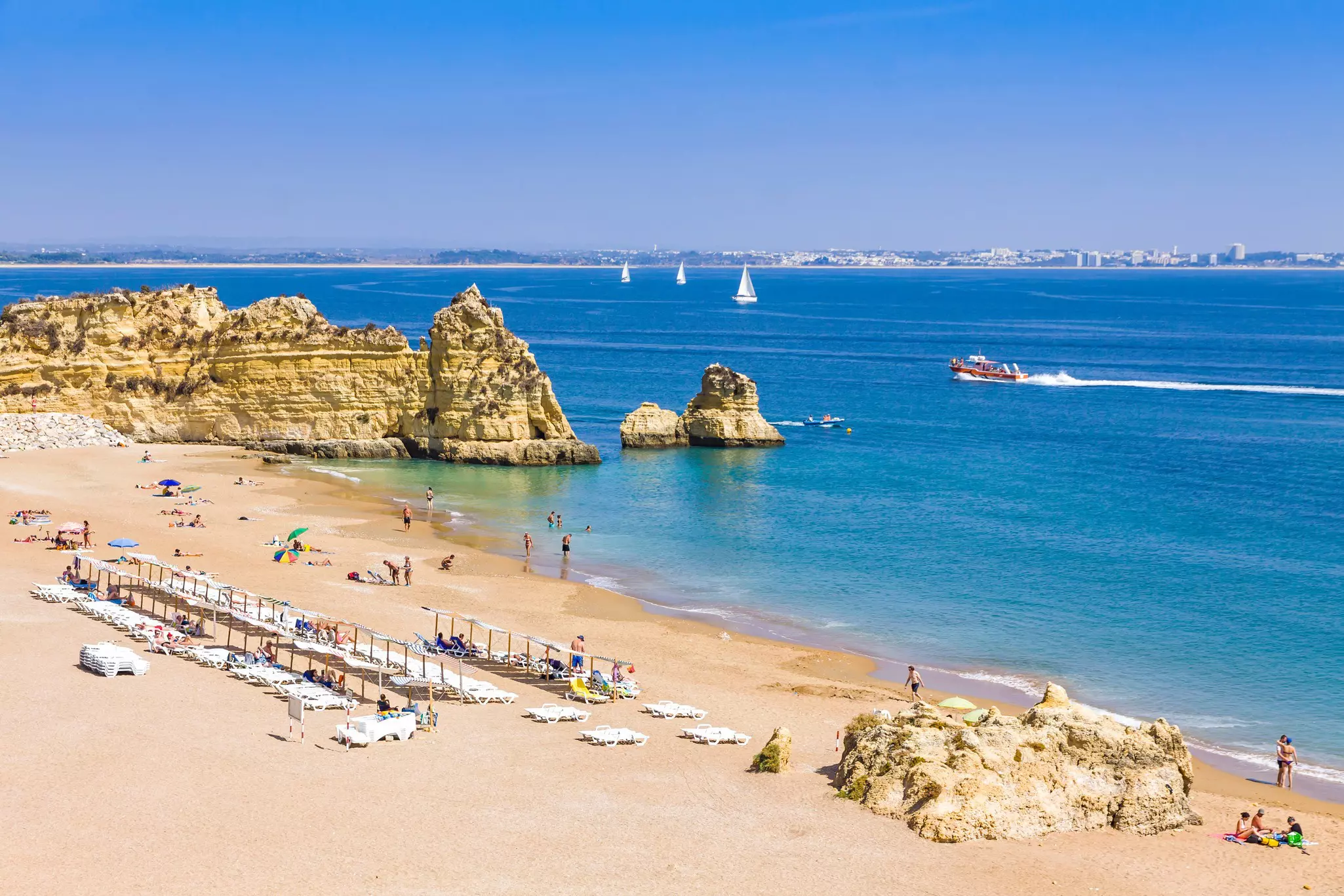
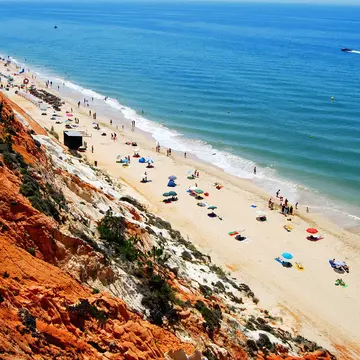
The ocean currents can be strong and unpredictable. If you plan on swimming, go to beaches with lifeguards and pay attention to the warning flags – green means it’s safe to swim, yellow means use caution and stay near the shore, and red means do not enter. Don’t leave your items unattended on the beach (or anywhere else for that matter).
The Algarve, like the rest of Portugal, is considered a very safe place overall. The main concerns are pickpocketing and bag snatching, which are more common in busy tourist areas. If you hire a rental vehicle, don’t keep valuables in the car – if you must, keep them hidden out of sight in the trunk.
Explore related stories