Dec 19, 202514 min read
A Guide to Seeing the Northern Lights in Fairbanks, AlaskaDec 19, 2025
14 MIN READ
Writer
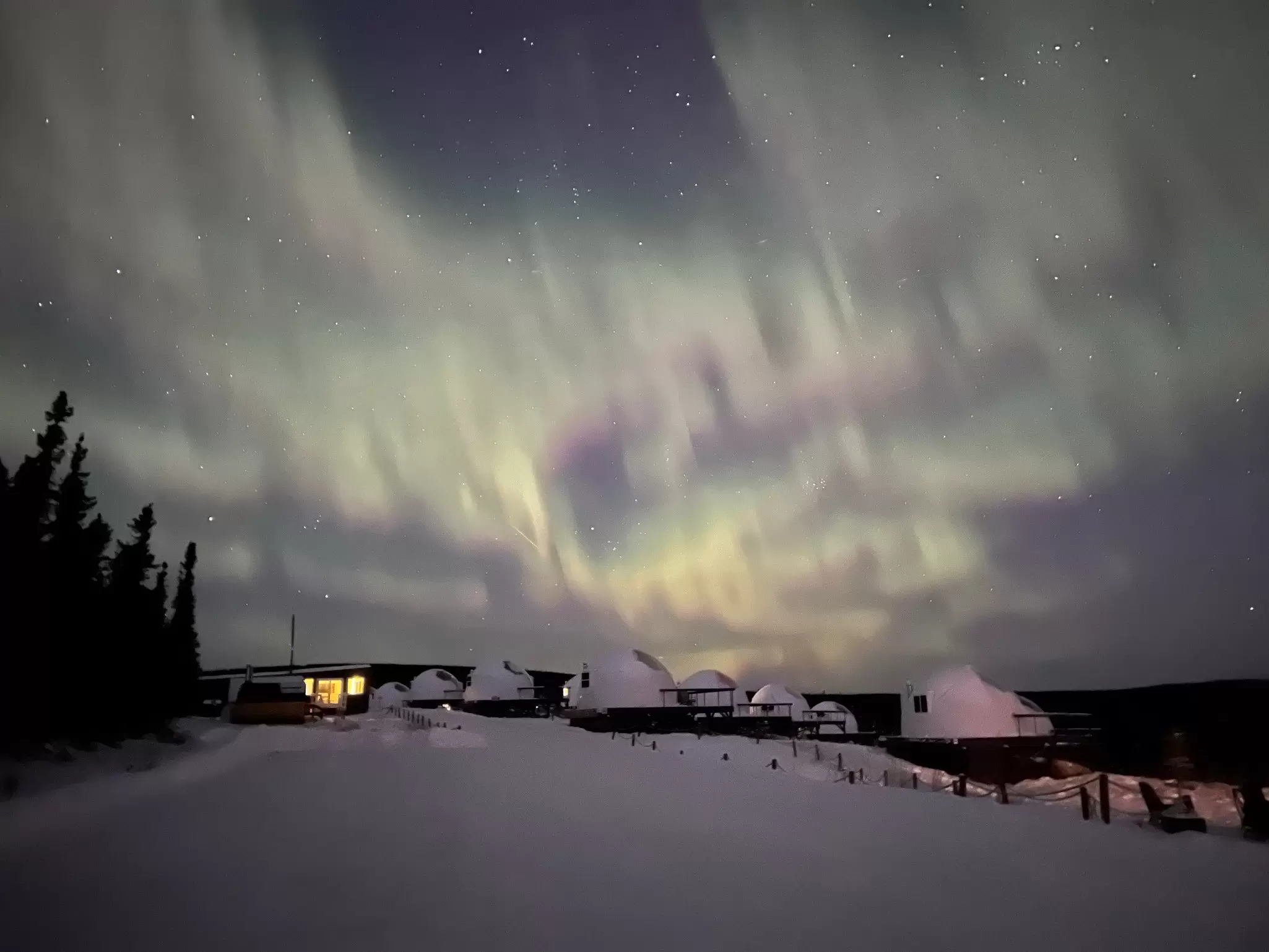
The northern lights above Borealis Basecamp in Fairbanks, Alaska. Sarah Stocking/Lonely Planet
Writer
Lonely Planet may earn a commission from affiliate links on our site. All recommendations and reviews reflect our own independent opinions.
Magical doesn’t come close to describing how fun it was to play in the snow, cozy up in the dark and watch wonder light up the sky all night long on a dream trip to see the northern lights in Fairbanks, Alaska. I adored sharing this journey with my tiny humans, ages 11 and 5; however, they might have been slightly on the young side to fully appreciate the breadth of the experience, specifically the aurora borealis – TBH, they slept through most of it.
But northern Alaska in winter, that was the most incredible adventure! Every single one of us loved every single second. We went ice fishing and soaked up the University of Alaska's Museum of the North. My son wouldn’t give up on the reindeer he walked, and we all relished the quiet, slow moments in the early morning darkness.
With a little bit for them, a lot for me (I will gush about the northern lights forevermore) and so much joy to go around, was this actually the perfect trip to Alaska? Maybe. Use my itinerary as a guide to plan your own visit to see Alaska's aurora borealis.
Here is the real real. Fairbanks is within the Auroral Oval, a ring-shaped area around the North Pole where aurora borealis activity is strongest. Fairbanks, being so far inland, often experiences drier weather than coastal areas, such as those in Norway and Iceland. Therefore, the chances of a clear sky for optimal viewing are pretty high. Local guides say that if you stay for 3 nights, you have a 90 percent chance of seeing at least one great show.
When to go: Peak northern lights season in Fairbanks is October to March.
How long to stay: Not to brag but our trip was the perfect length – 2 nights in Fairbanks at the start, 3 nights at Borealis Basecamp. Checkout from Basecamp is at 11am, and flights back to the lower 48 are ridiculously early, so we spent one last night in Fairbanks and left the next morning.
How to get around: A car is necessary in Fairbanks but not at Borealis Basecamp. We rented a car at the airport for the 2 days we spent in Fairbanks, then returned it. The Borealis Basecamp shuttle picked us up for our 3-night stay.
Where to stay: We spent our first 2 nights in Fairbanks at Sophie Station and the rest at Borealis Basecamp, an hour outside of town. Sophie Station isn’t far from the airport and is close to conveniences like grocery stores, which I took full advantage of to stock up on snacks for our wilderness adventure. We were hosted in the Summit Suite, which I must say, was peak perfect.
What to pack: Long underwear – I kept mine on all night. I also kept warm wool pants, a fleece, my down jacket, a hat and boots piled in order next to my bed so I could throw them on to rush outside. I kept my gloves in my jacket pockets, but I rarely used them because they made it hard to take photographs. If I wanted to just stand and be absorbed by the beauty, I tucked my hands in my pockets, but having them naked helped me take quick(ish) photos.
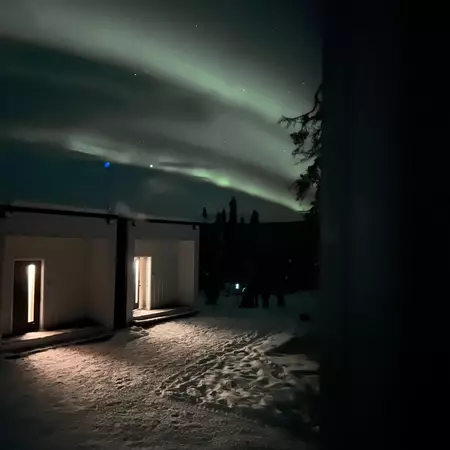
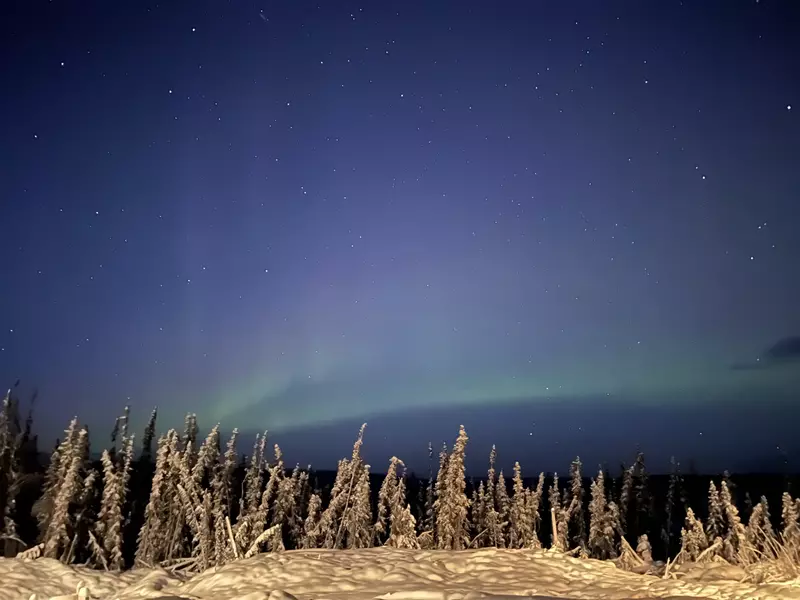
The aurora borealis is finicky and dependent on a few factors, mainly the weather and solar activity. When there is considerable cloud cover, it's impossible to see the northern lights. If you can’t see the stars, you won’t see the aurora.
The strength of solar activity really affects the aurora. Solar winds blow particles into the Earth’s atmosphere. The oxygen and nitrogen that make up the atmosphere collide with those particles and become agitated, trying to push out the energy they’ve suddenly encountered. That agitation causes the northern lights. When solar activity is stronger, the aurora borealis is more intense and more colorful.
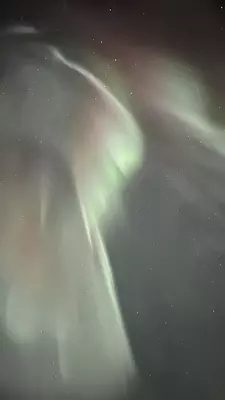
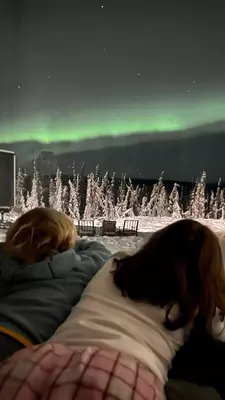
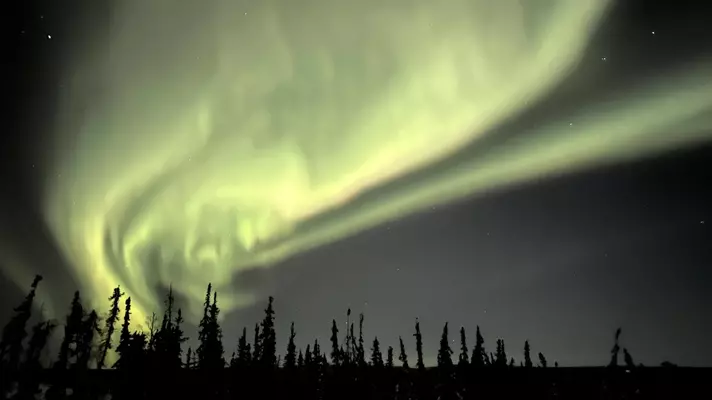
While it isn’t an exact science, you can determine within a day or so what to expect from the northern lights using the University of Alaska's Aurora Forecast, which will tell you the KP index for the night. The KP index measures geomagnetic activity. The higher the KP index, the more intense the storm.
On low index nights, 1 or 2, you can still see the northern lights. They appear like glowing fog, drifting across the sky with various intensities. If you look at these through your phone or photograph them, you’ll see more color and shapes in the clouds of light. This was our first night at Borealis Basecamp, and my husband and I looked at each other like, Is this it? I feel bad confessing that, but there you go.
When the index is 3 or 4, the lights start to take shape, dancing across the horizon and shooting rays like angel wings up to the apex of the sky. Above a 5 and you’re in for a show. We had two nights of 5 and above, and I couldn’t look away. I loved the anticipation of seeing the glow start as a horizontal streak of white or green across the sky. As I watched, it would glow brighter and brighter, then it would start to move, shooting peaks of light up and undulating like a waving ribbon. Next, the colors would start, pink and purple at the tips of the peaks. Suddenly it would be everywhere.
My anticipation would evolve with the lights, transforming to excitement, disbelief and finally awe. At Borealis Basecamp, there is a hilltop where you can see a 360-degree horizon, up to the apex of the sky and all around, like you’re in a planetarium. No matter where you look, the lights morph into whisps and blasts, gentle flowing waves and piercing streaks.
Yes and no. First, I drank a lot of coffee. There is a Nespresso machine in each cube, and coffee and hot chocolate are available in the lobby at all times, making it easy to grab a quick fix. I would let myself fall asleep when I felt like the lights really died down.
But really, it’s so exciting, enthralling and beautiful, I didn’t have a problem with any of it. If we didn’t have the kids, I would have slept more during the day and had an easier time staying awake all night, but my kids couldn't make themselves stay awake when their bodies told them they should be asleep, so they needed lots of daytime activity. My husband and I took advantage of screen time, podcasts and art activities to give us a chance for quick naps.
Overall, such a dark and cozy trip was an incredible gift: internal, quiet, warm moments while the world is dark and cold felt essential, restful and calming. I wish I could have let go of the meaning of time even more than I did. I would have slept and woke in a much different way if the kids weren’t there.
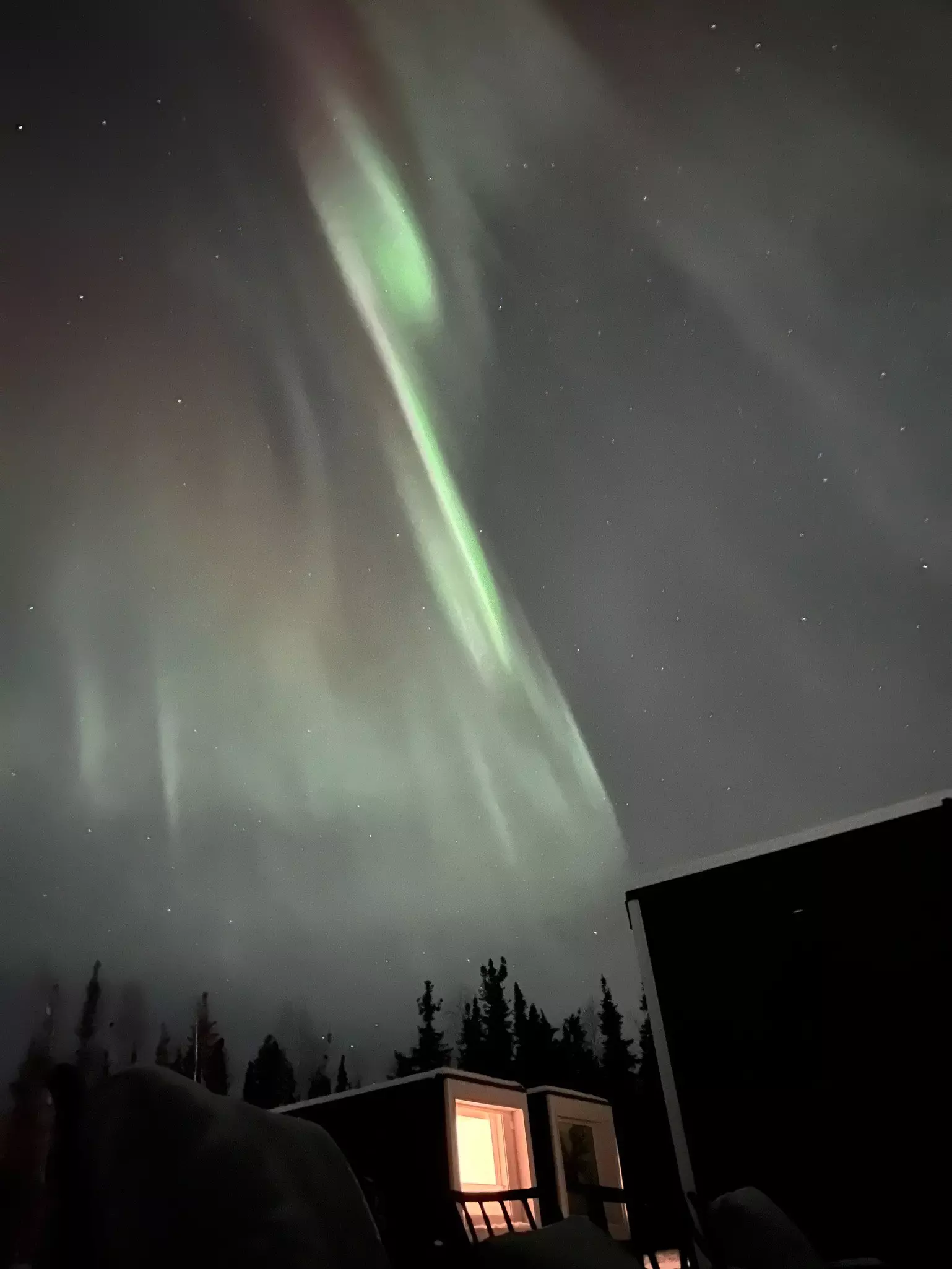
This was big for me. I’ve been eking out tiny bits of photo knowledge from my talented teammates, my photographer brother and the internet for years, but I knew the aurora was going to be tricky because I am not a great photographer. I have an iPhone but have never invested in a full digital camera setup. Because my extraordinary colleague Ann Douglas Lott assured me via Lonely Planet's Get Lost substack that an iPhone is her favorite, I decided I could leave my stress at home, with a few tips:
You must increase the exposure time. There are different ways to do this depending on which phone you have. If your phone has night mode, you can increase the exposure to 10 seconds, which is recommended for shooting the northern lights. I had to repeat this every time I reopened the photo app. However, knowing how to adjust the exposure helped me capture the light and snow during the day, too, so overall, it was a win.
You must remain very, very still while shooting. This can be super tricky when you’re looking up, standing in the cold or hanging out with 5-year-olds. Some people recommend bringing a tripod. I used breathing techniques and prayers. Also, sometimes using a surface like the back of a chair works in a pinch.
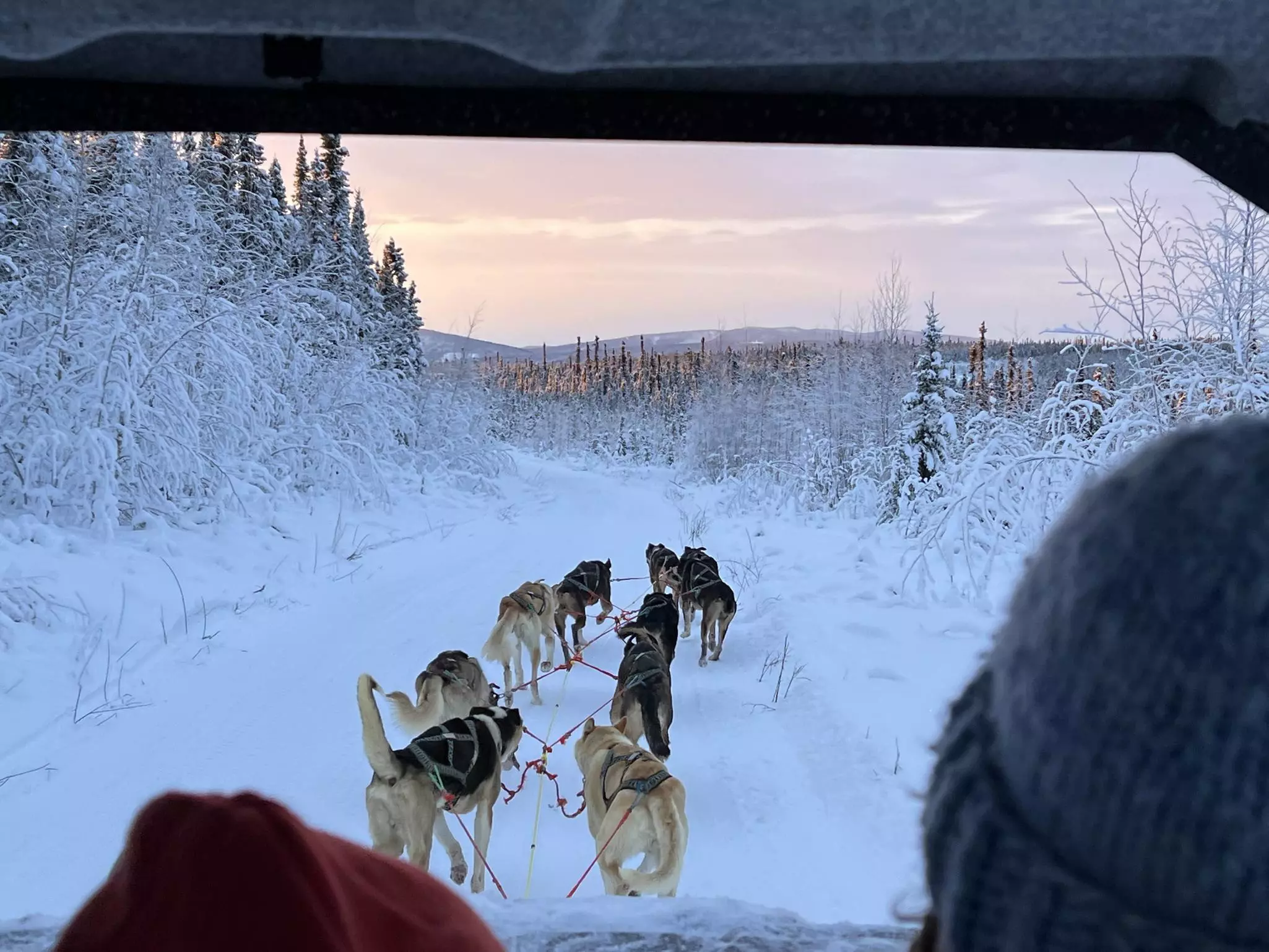
Borealis Basecamp is equipped with an adventure center that offers all the necessary gear and guides to book incredible experiences, filling your days with adventure.
We weren’t able to ride a real sled because there apparently wasn't enough snow (shocking, considering it felt like there was so much). But even the opportunity to help exercise the dogs in the way the musher does during the warmer months was so fun. Initially, the dogs were immensely excited, jumping and barking, howling at each other. I could almost hear them yelling, “Pick me! Pick me!” as their trainer harnessed them one by one.
As we got going, the dogs were quiet and working tightly together. They ran in unison as we slid through the glowing white wilderness, the sun rising over the horizon. Our guide, Steve, is training to qualify for the Iditarod, and he talked about his training schedule and how his dogs learn, eat, run and play. When they are not on the trail, he is grooming them, feeding them and ensuring that their gear is in tip-top shape. He taught my kids how to tell the dogs to go left and right by saying "ho" and "chu." He encouraged us to cheer for them, and on a midway break, we gave the dogs lots and lots of attention. Dogsledding is a must.
You can go in either a utility vehicle or a snow machine (a snowmobile) when there is enough snow. My husband and daughter did this together because my son was too young. They had a blast; both came back smiling and saying how fast and exhilarating it was.
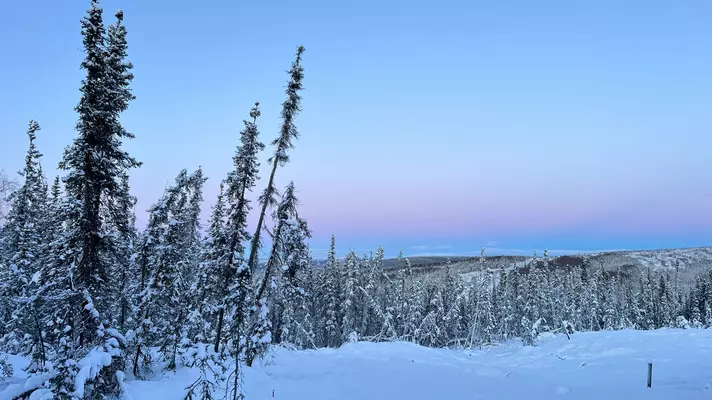
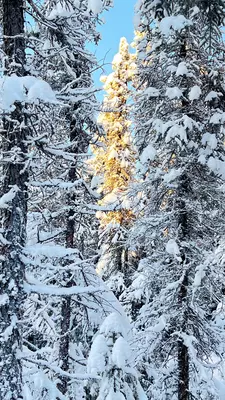
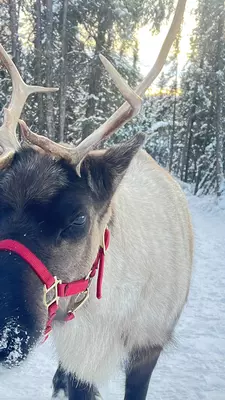
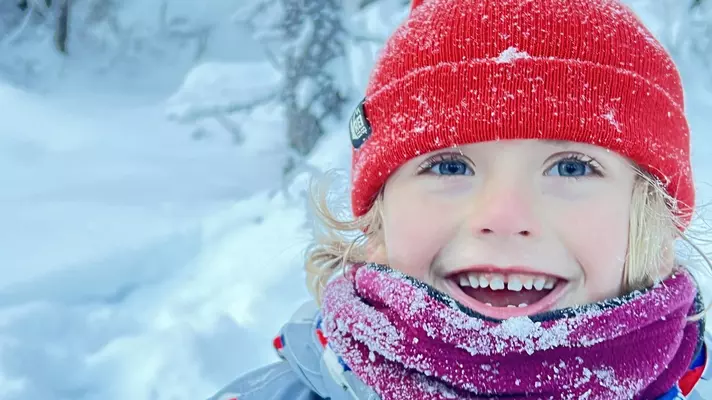
I’m going to be honest: this was a little cheesy and rather expensive. Our group of our family of four plus another couple walked for an hour with one reindeer. Once my son got his hands on that reindeer leash, I was pretty sure he’d never let go. When his sister asked for a turn, he said, “You’re welcome to do it with me.” This was his moment, and he was not going to give it up. He absolutely loved it. The reindeer were amazing, beautiful, gentle creatures, so full of magic. I am tremendously happy to have fully filled my son’s bucket, but unless you are totally in love with reindeer or have small children with you, this may not be a must-do.
The Borealis Basecamp driver took us up a gorgeous ridge in a giant truck and lit a fire so we could roast marshmallows as the sun sank below the horizon. The champagne was cold (everything was cold), and the hot cocoa was delicious. The marshmallows were as frozen as my fingers but, man, was this fun.
My favorite memory is when the kids stumbled into our room at 4:30am on our last morning. A gentle purple streak shot across the sky. They snuggled between us, my son stretched out on top of me, and my daughter cuddled between her dad and me. We watched the lights dance in purple and green for nearly an hour before dozing a little. When we left our cube at 7am to go to breakfast, the aurora was still performing the last of its dance in the sky, and we walked to the top of the hill to admire the view. When it settled, we went in for waffles and omelets.
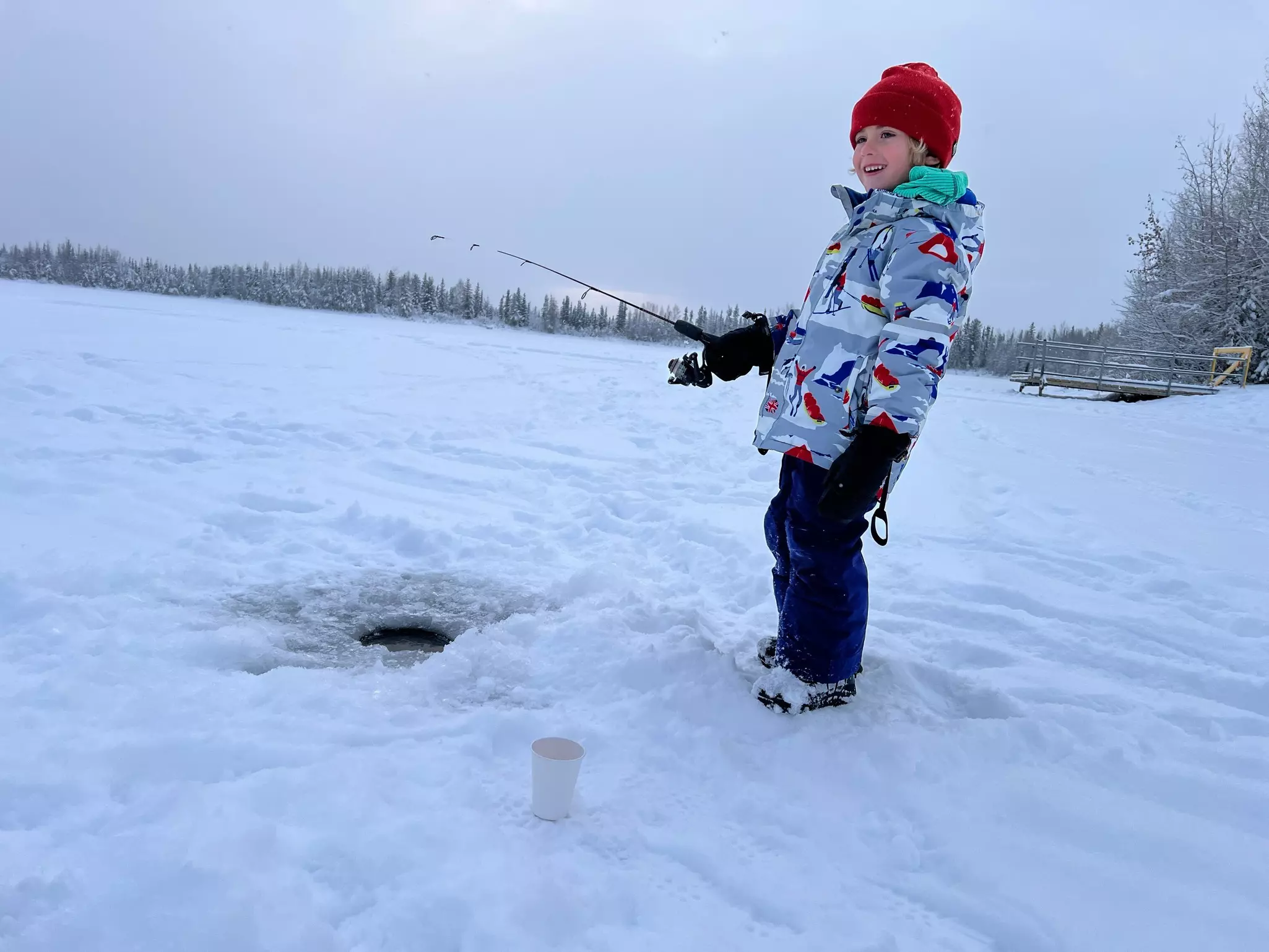
We grabbed a simple breakfast burrito and coffee for breakfast on the first day at Sophie Station, then drove out to Chena River State Recreation Area. It was stunning. A layer of snow draped over every tree and every bit of earth, sparkling in the moonlight and simply glowing under the sun. We met Tyson, our fishing guide, at a small hut, and he got us started right away. The hut was heated by a wood-burning stove, so we were nice and toasty.
There were four holes in the ice already cut, and we had a bucket of tiny shrimp as bait. We learned fairly quickly how to feel for the nibbles and jerk our hooks so the fish didn’t steal the shrimp. It was a challenge and also incredibly satisfying. My daughter was the best and learned how to pull her hook out of the fish, how to return the fish to the water and rebait her hook – such a natural. We saved a couple fish that were big enough to get some meat from.
Later, Tyson filleted our catch and fried it on the wood-burning stove. The edges of our fish curled, the pan sizzled, and he served us all plates of coho and king salmon and rainbow trout.
Afterward, we took one of the marked short hikes in the recreation area, enjoying our walk along the river and into the snowy woods.
Since Sophie Station provided us with a wonderful room featuring a well-appointed kitchen, I picked up some items and prepared dinner. We also popped popcorn and had the best movie night, all cozy and warm after day in the cold. But I also recommend booking a dinner at The Pump House, which has been around for ages and has great steaks and a pure Alaskan feel.
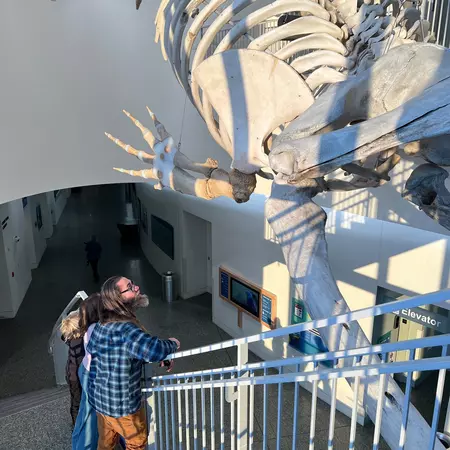
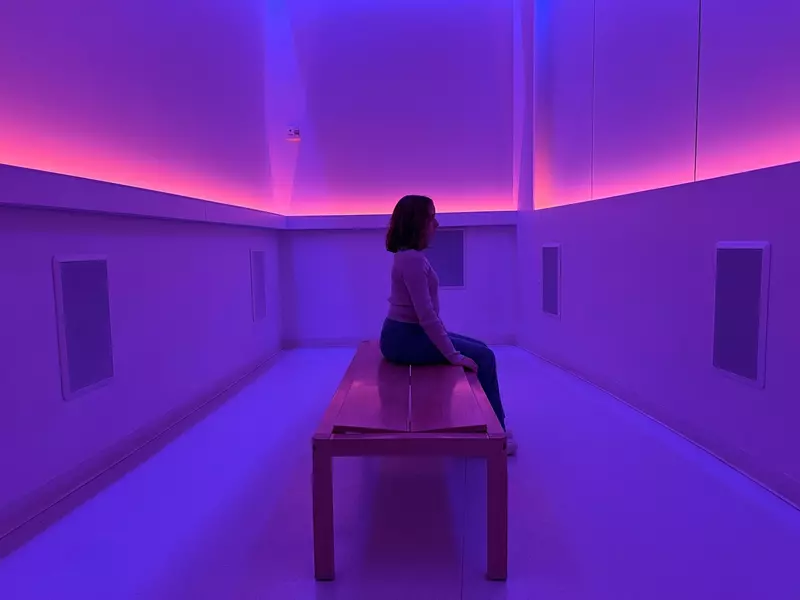
The next day, breakfast at The Cookie Jar included eggs, pancakes and freshly baked cinnamon rolls. We ate far too much before heading to the Museum of the North. The Joan Soranno–designed building is a stunning addition to the University of Alaska's Fairbanks campus. Inside, I loved watching the sun come up, shooting its pink glow across the horizon and watching the distant mountains come into view. The collections are truly fascinating, and I think it's really important to ground yourself in Alaska's history, art and culture.
Afterward, we grabbed a light lunch, returned our rental car and were on our way to Borealis Basecamp
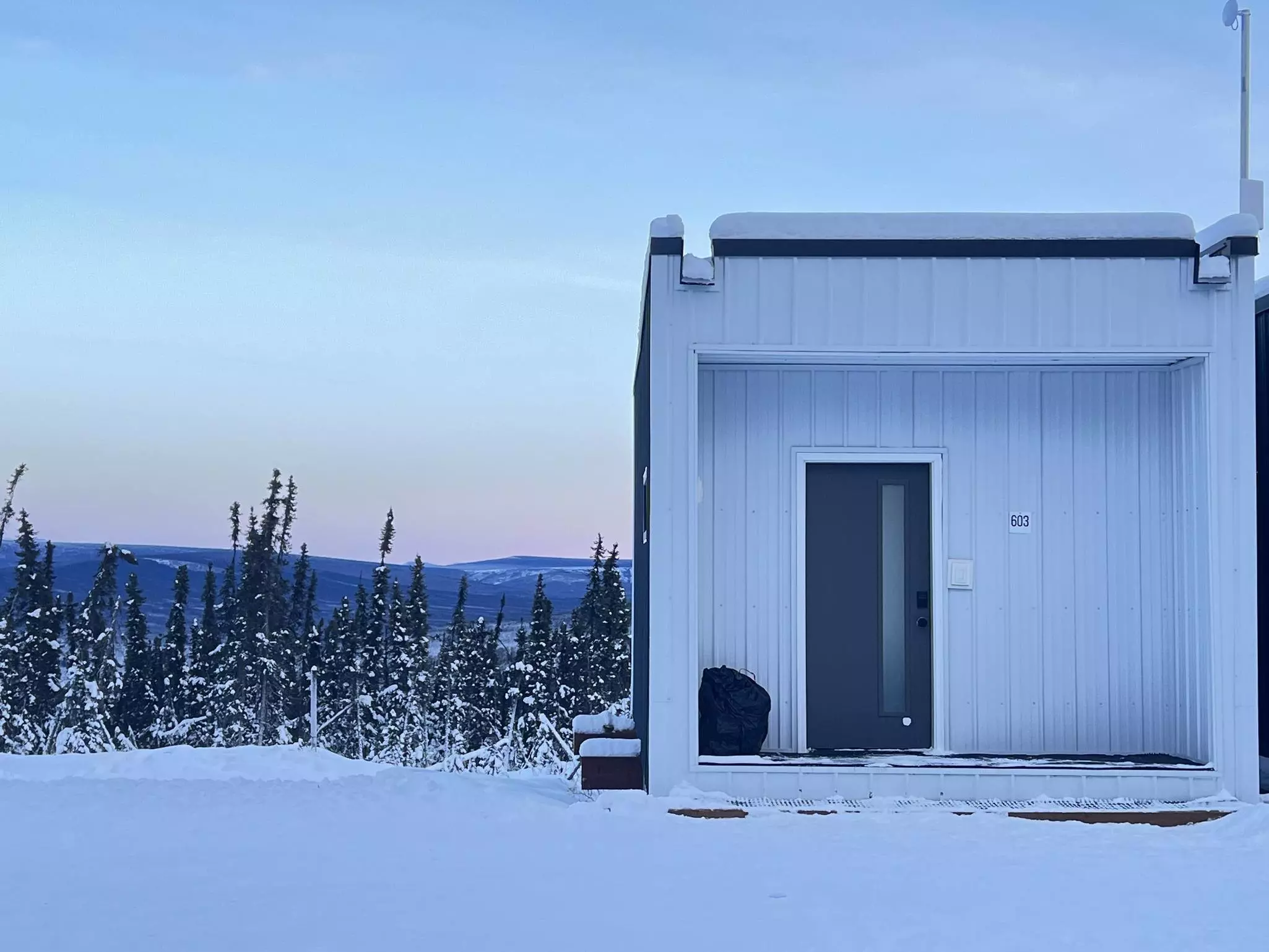
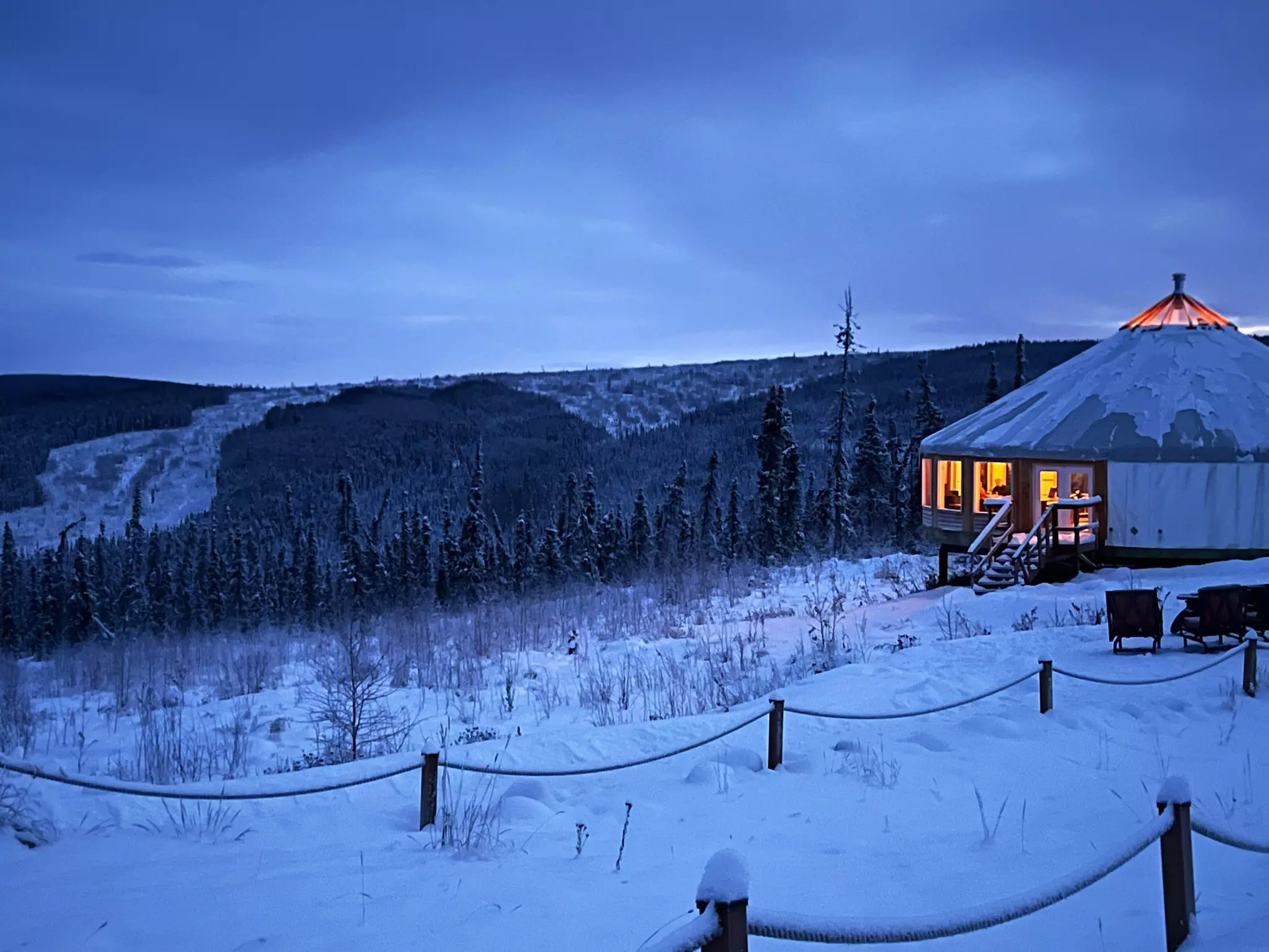
Staying at Borealis Basecamp was a true treat. We had two cubes – containers turned into gorgeous guest rooms – that connected at the center, a feature the kids thought was ideal. At one point, they closed the door and attempted to lock us out. I heard my younger say to the older, “Isn’t this so great that we’re on our own without Mom and Dad?” (They were not; we were closer than we are at home.)
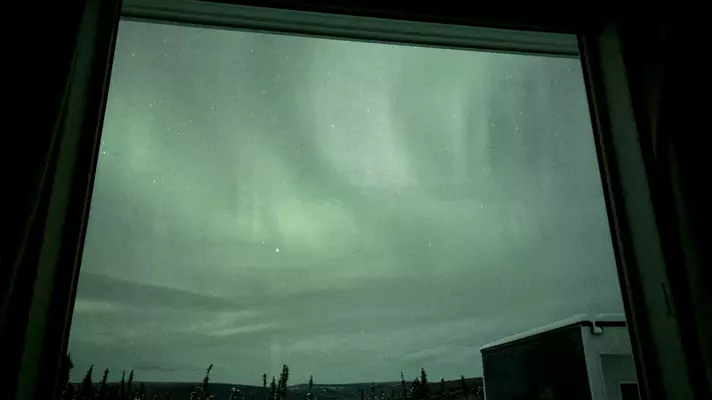
Each room has a queen bed in the center, fronted by a giant picture window from which you can see the entire horizon while tucked under the covers. Each cube also has a small bunk, making them comfortable for three.
In addition to the window through which you can comfortably admire the aurora, the front desk folks will call you with updates all night long. Every time the northern lights start to flare, they give you a call. If it doesn’t register that you’ve answered, they text or call your cell. If that doesn’t work, the rooms are equipped with alarms that they can trigger.
Most of the time when they called, I was already awake, watching the slight glow grow brighter and brighter while trying to decide if I was going to throw on my gear and run outside.
Each morning, the chefs set up a breakfast bar with build-your-own omelets, fresh waffles, granola, pastries, juices and the ubiquitous hot chocolate – a delicious way to start any day. There were sandwiches for sale in the cafe near the adventure center, and the on-site restaurant, Latitude 65, does a daily lunch service as well as fine dining in the evening from a yurt. I loved the soft, golden lighting in the yurt; the experience is quiet and intimate, reflecting the gentle feeling that comes with spending so much time in the darkness. My husband and I enjoyed a very quiet dinner there with a salmon appetizer and a shared steak.
Sarah Stocking traveled to Alaska on the invitation of Borealis Basecamp. Lonely Planet does not accept freebies in exchange for positive coverage.
Book your Alaska trip with Lonely Planet Journeys
See Alaska how it's meant to be seen
Accommodations, activities and ground transportation all taken care of, so you can focus on the fun part. Tell us what your dream trip to Alaska looks like, and our local experts will build it from scratch. Or start with one of our itineraries and make it your own.

Explore related stories