May 11, 20264 min read
The 9 best free things to do in Reykjavík Apr 17, 2026
13 MIN READ
Contributors
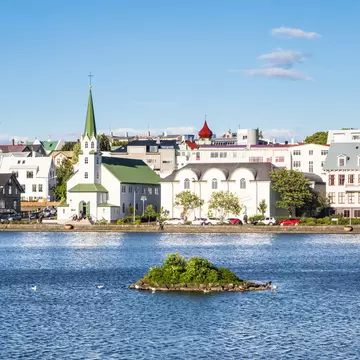
A view of Reykjavík from Tjörnin lake. AsiaTravel/Shutterstock

Contributors


Lonely Planet Editors, Alexis Averbuck
Highlights
Writer Alexis Averbuck breaks down Reykjavík's seasons, sights and geothermal pools.
Summer suits the lively rúntur bar crawl; winter rewards with northern lights and lower rates.
Wander Laugavegur to Hallgrímskirkja, then graze the Old Harbor's Grandi Mathöll food hall.
Pack warm layers, bring swimwear and grab duty-free alcohol on arrival to offset high prices.
Lonely Planet may earn a commission from affiliate links on our site. All recommendations and reviews reflect our own independent opinions.
The capital of Iceland, Reykjavík is full of life year-round. Around 60% of Iceland’s population lives in and around the city, and pretty much every visitor to Iceland will spend time here, en route from the airport at Keflavík to the myriad natural wonders dotted around the country.
With this guide to the Icelandic capital, you'll discover what to see, when to go, how long to stay for, how to get around and how to make your money go further in this famously expensive destination.
Visitors to Reykjavík can make the most of long winter nights and long summer days by exploring intriguing museums, shopping for superb arts and crafts, enjoying lively nightlife and excellent live music, and dining in restaurants helmed by creative cooks, alongside stops at humble but much-loved hot dog stands.
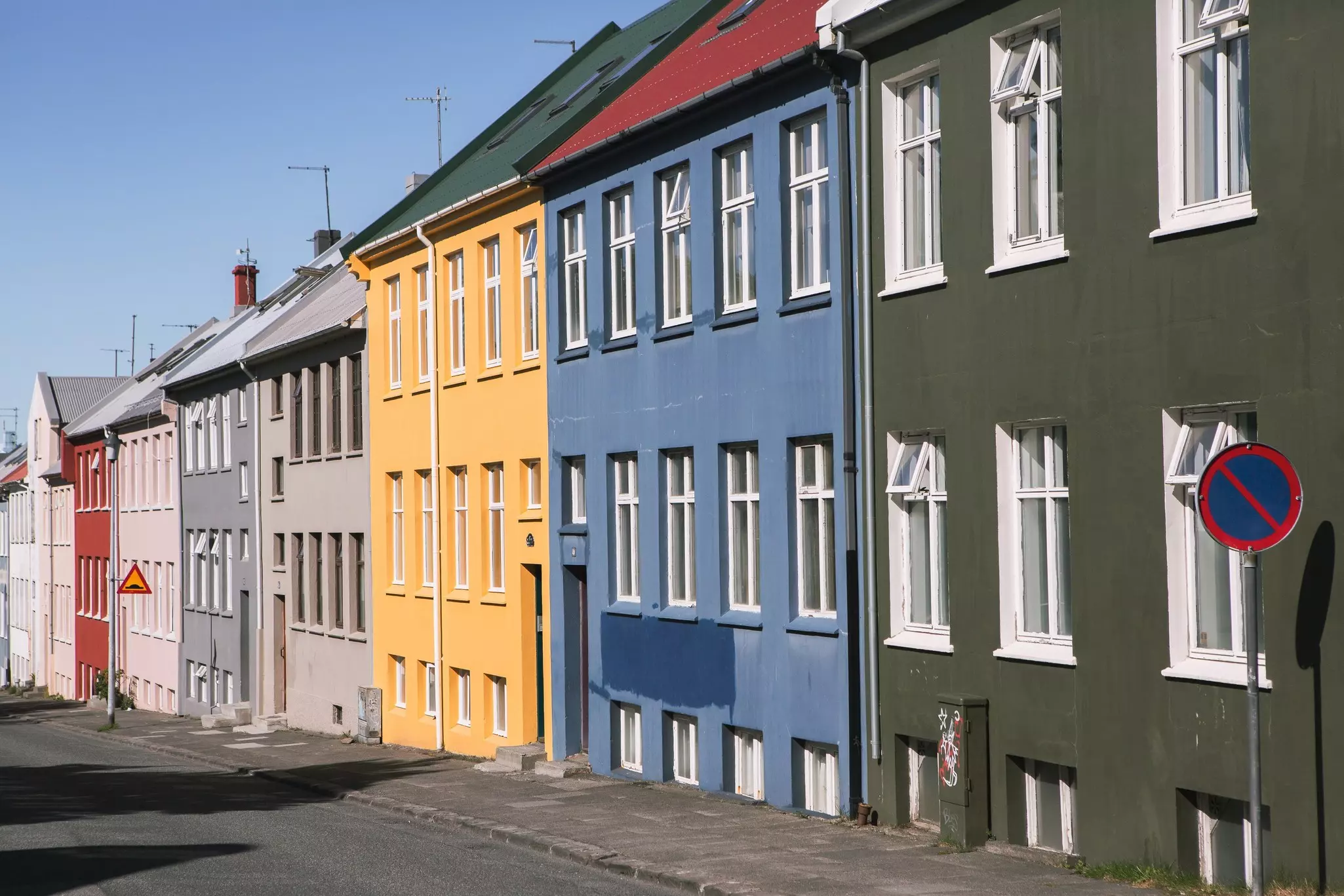
Then there are the city's toasty hot springs and geothermally heated swimming pools – perfect for soaking and taking the chill off after a long walk past the brightly colored houses tiered along the shores of Reykjavík's finger-like peninsula.
Much of the activity is centered on the Reykjavík 101 district, the center of the city (and the title of a cult Icelandic movie by director Baltasar Kormákur), but there's more to see in nearby suburbs and outlying villages such as Hafnarfjörður.
Whether the Icelandic capital is the focus of your trip, or the starting point for a longer road trip around Iceland visiting volcanoes, waterfalls and glaciers, here's everything you need to know on your first trip to Reykjavík.
The streets of Reykjavík fill up with visitors from June to August, as travelers flock to Iceland for its comparatively warm summer season and seemingly endless hours of daylight. Alongside outdoorsy types bound for the glaciers and volcanoes spread across the island, you'll meet plenty of transatlantic travelers enjoying a city break en route between the US and mainland Europe.
This is the prime time to enjoy the rúntur, Iceland's summertime bar crawl, which ensures that evenings out are long and lively in Reykjavík. The downside of a summer visit? Prices are at their highest, and you need to book at least 6 months in advance for the best accommodations, the best deals on rental cars and coveted places on the most popular tours.
Spring and fall see fewer crowds. Iceland's big open spaces will feel more your own, and you'll share the streets with more locals. The weather is variable, so pack for all conditions, but prices fall and availability increases. You can still access much of the country, even at the beginning of spring and end of fall, and camping spaces are easier to find at the nation's campgrounds.
While winter is a time of darkness and snow, Reykjavík is a year-round city. However, occasional snowstorms can shut things down for days at a time, so be prepared to change your itinerary if the weather takes a turn for the worse. Many country hotels and restaurants close or reduce services (especially over the December holidays), but accommodations in Reykjavík are open as normal, and prices are at their most affordable.
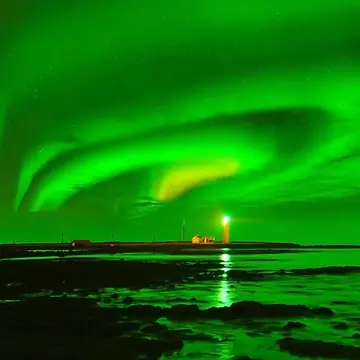
In mid-winter, Iceland sees just three or four hours of full daylight per day, but the atmospheric sunrises and sunsets make for great viewing, and there's a good chance you'll see the northern lights somewhere on the island. Note that some mountain roads in the interior of the island (known locally as F roads) are only open from June to August; check the status of roads you plan to drive on the Umferðin website.
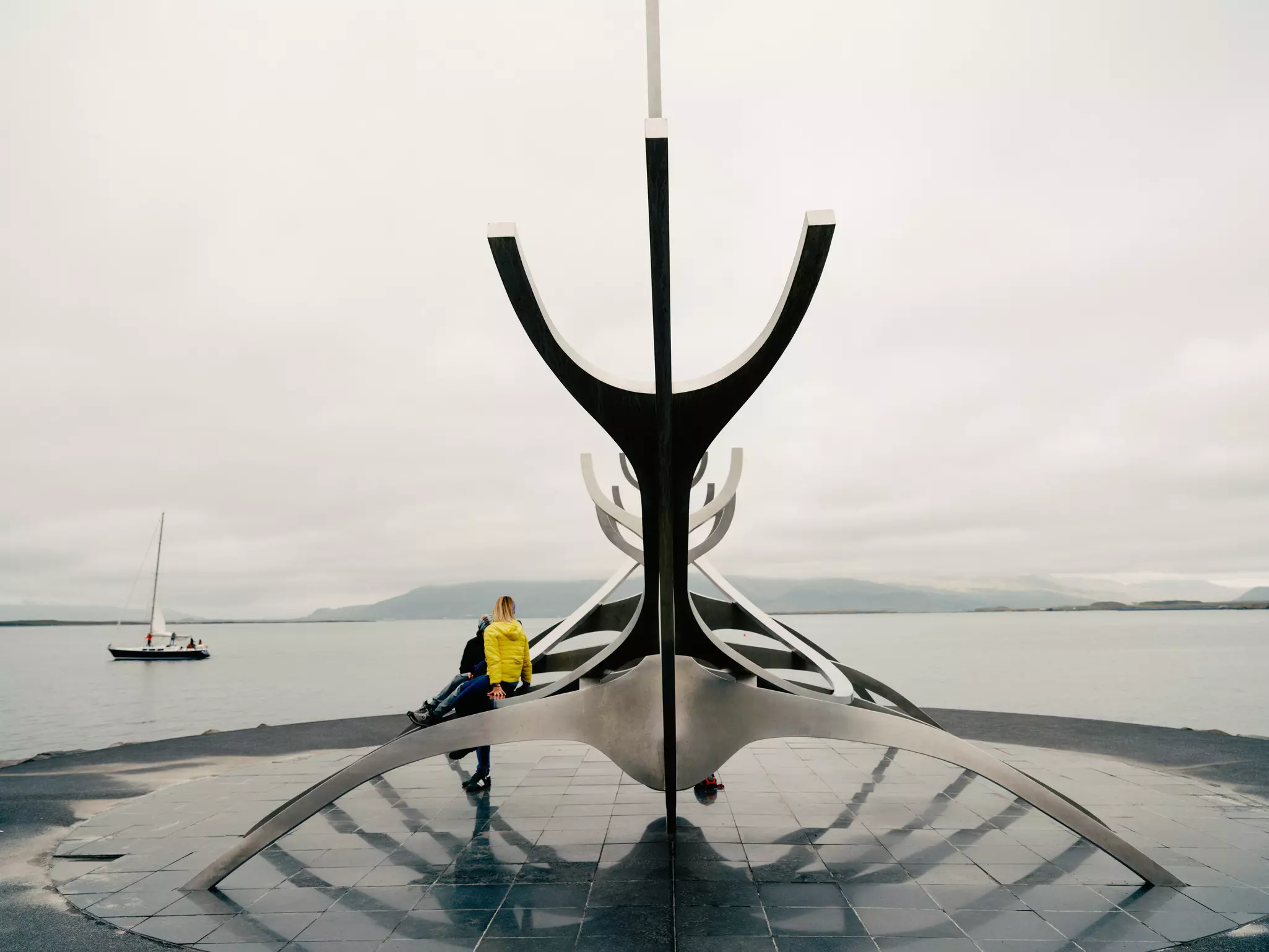
Ideally forever, but if you have to limit your trip, you can soak up a lot of Reykjavík's vibe and explore the top sights in 2–3 days. You’ll have enough time to enjoy leisurely coffees and kleinur (bow-shaped doughnuts) or ástarpungar ("love ball" buns with raisins), browse cool design boutiques and visit art museums, galleries and drop in on the Sun Voyager statue.
Then I’d suggest budgeting a minimum of another 2 days to get out into the countryside, see geysers and surging waterfalls around the so-called Golden Triangle, and go on a whale-watching trip or enjoy one of the other astounding activities on offer in Iceland.
Hiking through lava fields and glacial valleys is always popular, but you can also try ice climbing, guided glacier hikes, snowmobiling, pony riding, puffin viewing from the back of a farm tractor or simply strolling behind the shimmering sheet of a coursing cascade.
If time is tight, a single day might be enough to visit the site of the first Icelandic parliament in Þingvellir National Park and the famed Strokkur geyser, or head north to see volcanic and glacial landscapes on the Reykjanes Peninsula. At the very least, set aside a few hours to visit one of the geothermal lagoons, hot springs or swimming pools around Reykjavík.
In winter, different adventures await. You can head away from human habitation to view the northern lights (check the aurora forecast) and enter the ice caves at glacier edges (they are unstable and risky to visit at other times of year). Just make sure you are dressed for the icy conditions.
Reykjavík is the primary gateway to Iceland, but the city's international airport is actually 49km southwest at Keflavík. A few flights from Greenland arrive at tiny Reykjavík Airport on the southern edge of the city, along with domestic flights from Akureyri, Höfn and Ísafjörður, but the future of the airport seems to be constantly in the balance.
Icelandic public transportation is generally efficient and accessible. Unless you are jumping in a rental car to travel outside of Reykjavík immediately, the Flybus bus service runs regularly to the city center (and it costs less than taking a taxi), or you can take public bus 55.
Try to stay centrally; the downtown area is enjoyably walkable, with tidy, straight streets and lots to look at in a compact area surrounding Tjörnin, the lake in the middle of town. The Strætó bus network, with its handy app Klappið, works very well for reaching outlying parts of the city. A car is really unnecessary if you plan to spend your whole trip in the capital, unless you have mobility issues.
For getting around the rest of Iceland, you can either rent a car or join one of the many, many tours and excursions that include pickup in Reykjavík. Public bus routes beyond the capital are centered on larger villages and towns, and services in some areas become less frequent or stop altogether in winter.
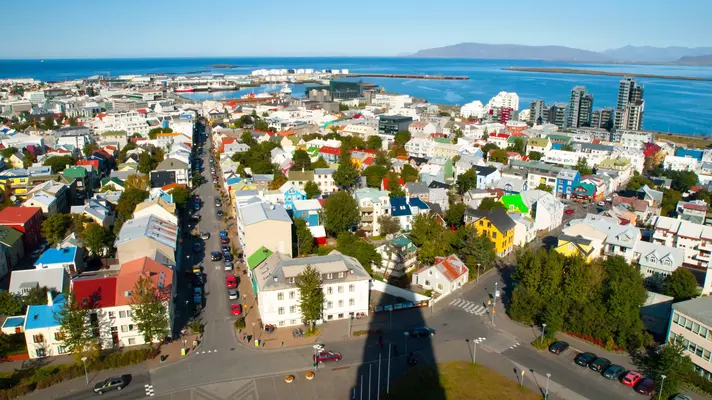
The top sights and activities in Reykjavík are easily reached on foot or by city bus.
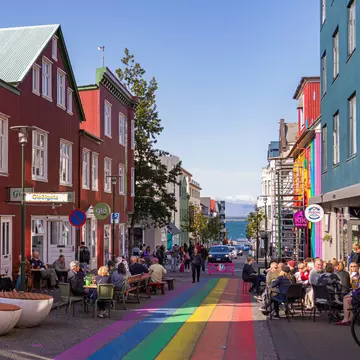
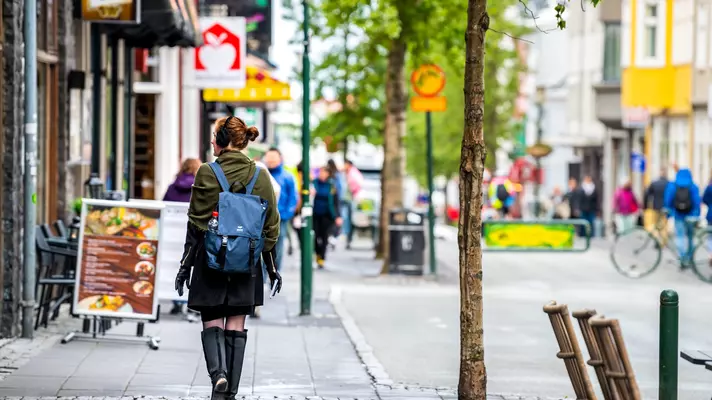
Part of the real fun of Reykjavík is exploring the heart of the city, starting in the streets on the north side of the peninsula. Since the capital is so compact, grab a coffee (Icelanders love their coffee) and baked treat from Sandholt or Brauð & Co and go window-shopping on pedestrianized Laugavegur and Skólavörðustígur.
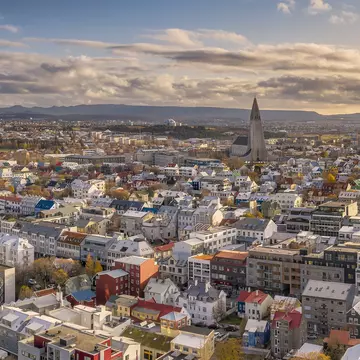
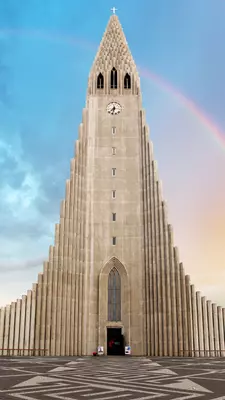
This easily leads on to a visit to the legendary Hallgrímskirkja church at the southeast end of Skólavörðustígur, with its spire inspired by columnar basalt formations, or the Reykjavík Art Museum and Reykjavík Museum of Photography near the harbor on Tryggvagata.
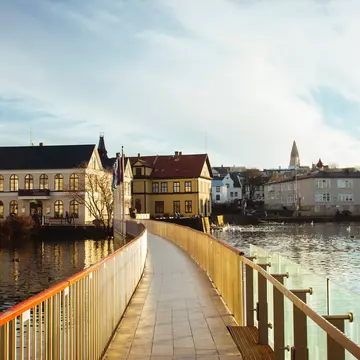
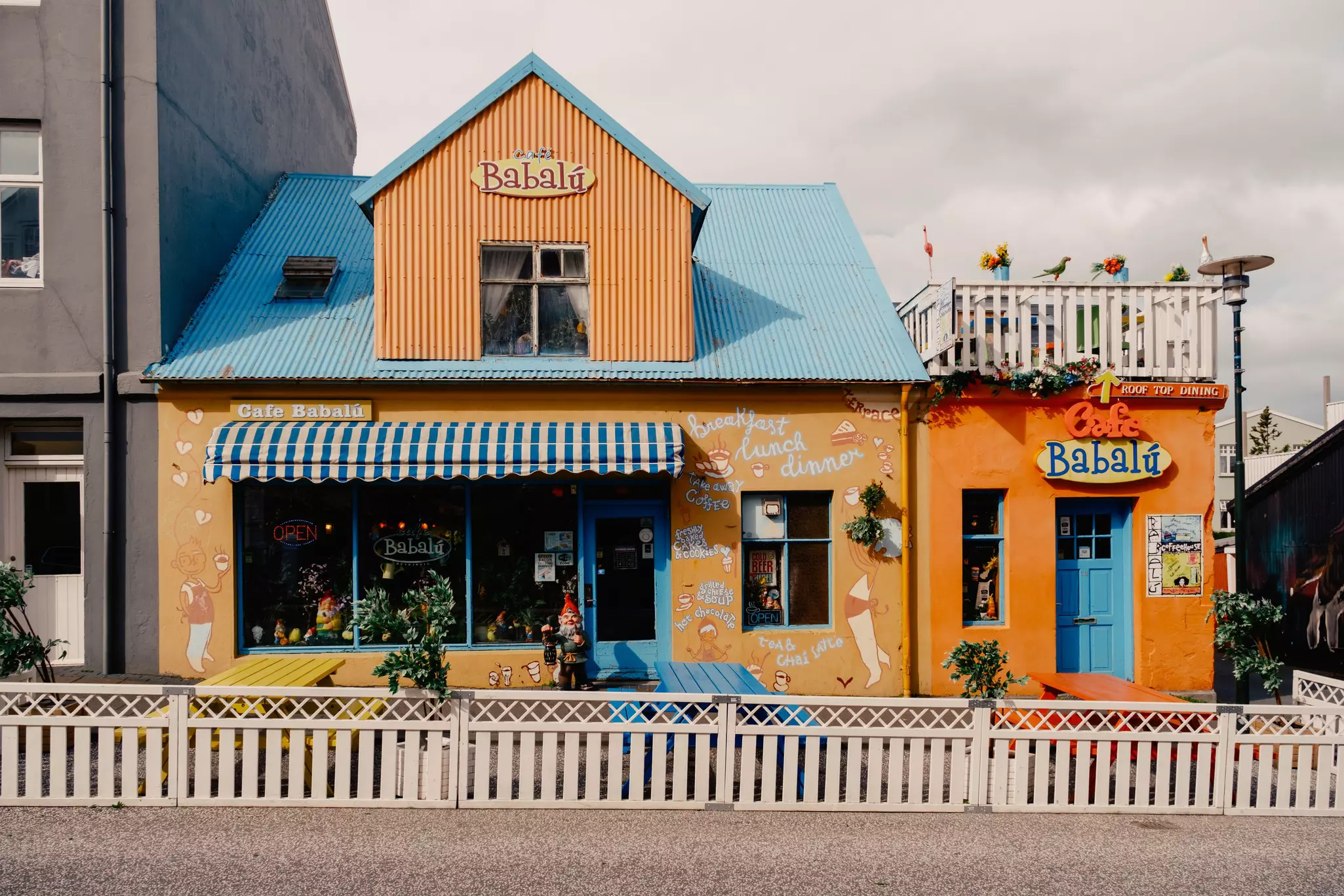
You can also stroll through the Gamla Reykjavik (Old Reykjavik) district, between the harbor and Tjörnin lake, for a history hit, checking out the city's earliest buildings, many of them built from wood covered by corrugated iron panels. Don't miss the excavated Viking longhouse at Aðalstræti - The Settlement Exhibition. Then continue south along the banks of Tjörnin to the National Museum for a deeper dive into Icelandic history.
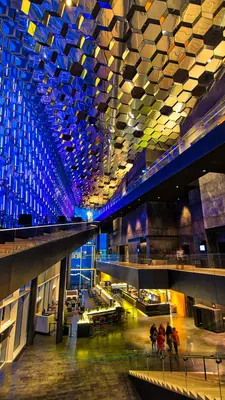
I love taking a walk around the Old Harbor, with the city's landmark concert hall glittering across the water. And I definitely recommend stopping for a meal at one of the many great seafood spots in the area, from high-end Matur og Drykkur to casual comfort food at the Grandi Mathöll (food hall) or craft beer at Lady Brewery.
The area around Grandi on the north side of the harbor is packed with sights, including kid-friendly places like the Saga Museum, Whales of Iceland and the Omnom Chocolate factory. It's also worth taking a closer look at the interior of the Harpa concert hall on the far side of the harbor.
And don’t miss hearing live music while you’re in town; locals know how to put on a good show. Grab a copy of the free Reykjavík Grapevine magazine from any coffee shop or bar for gig listings. You can warm up at Kaffibarinn on Bergstaðastræti, or in excellent brewpubs like Kaldi and Micro Bar on Laugavegur or Skúli, near Ingólfstorg square in the old town.
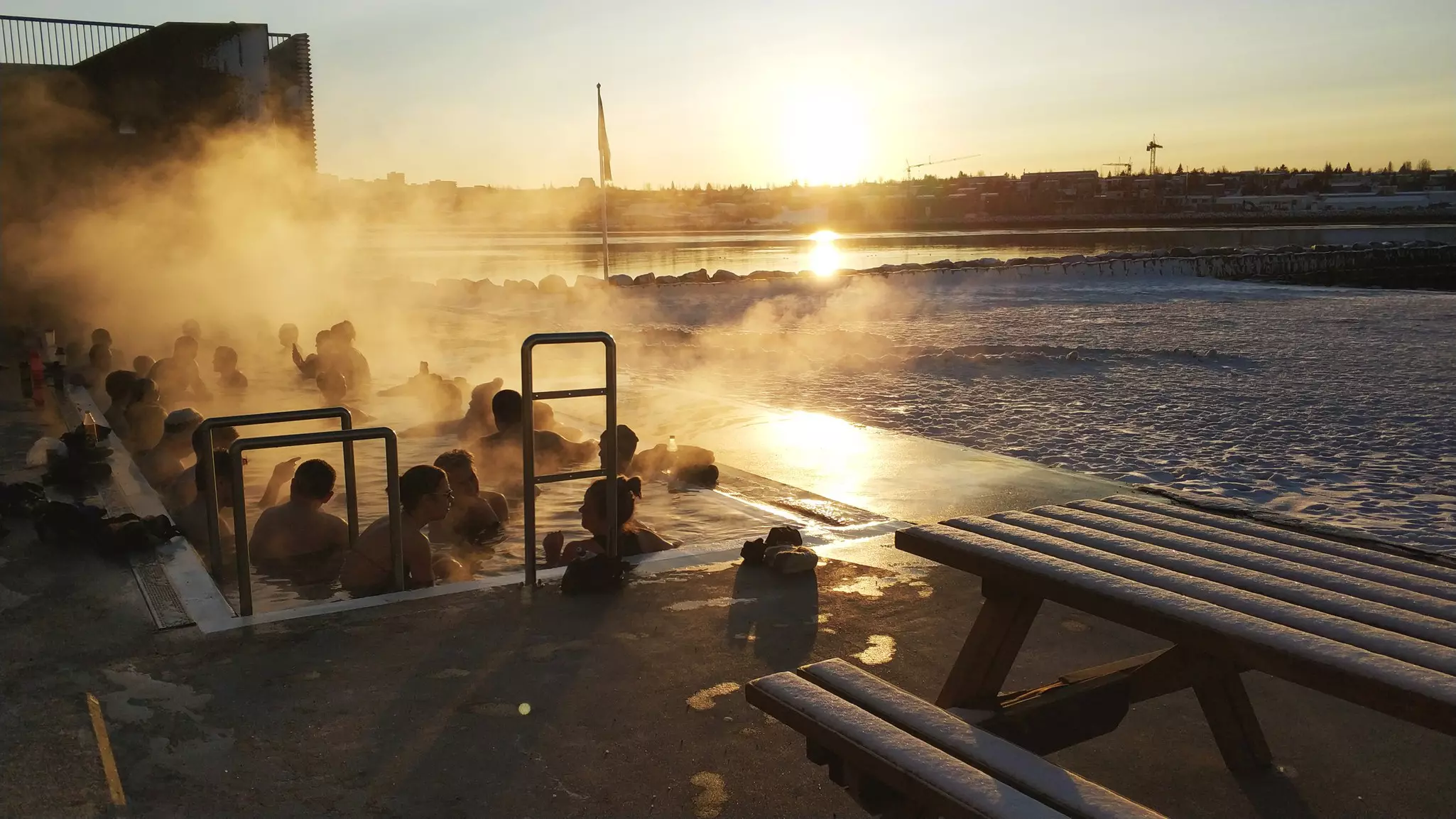
No matter the time of year, I love, love, love soaking in Iceland's geothermally-heated waters. Every town in Iceland has a pool or geothermal hot spring (or several), though it's wise to book ahead in peak season. In Reykjavík, I love the vintage pool and multiple hot pots at central Sundhöllin. It was designed in the 1930s by the same architect who created Hallgrímskirkja.
You can also head out to the windswept Seltjarnarnes neighborhood near the tip of the peninsula for a walk around the lighthouse, then a soak at its naturally heated pool. East of the center, the awesome Laugardalur pool complex abutting the city's botanic garden has twisting water slides, more art and a sculpture museum, and it's near the jumping-off point to remote Viðey Island, with its artworks and historic ruins.
Before you jump in, observe the required pool etiquette in Iceland. If you are going to swim or soak, you must shower using soap (without your swimsuit on) and wash your hair in the provided locker room. It’s basic hygiene and allows the pools to have minimal or no chlorine or chemicals added.
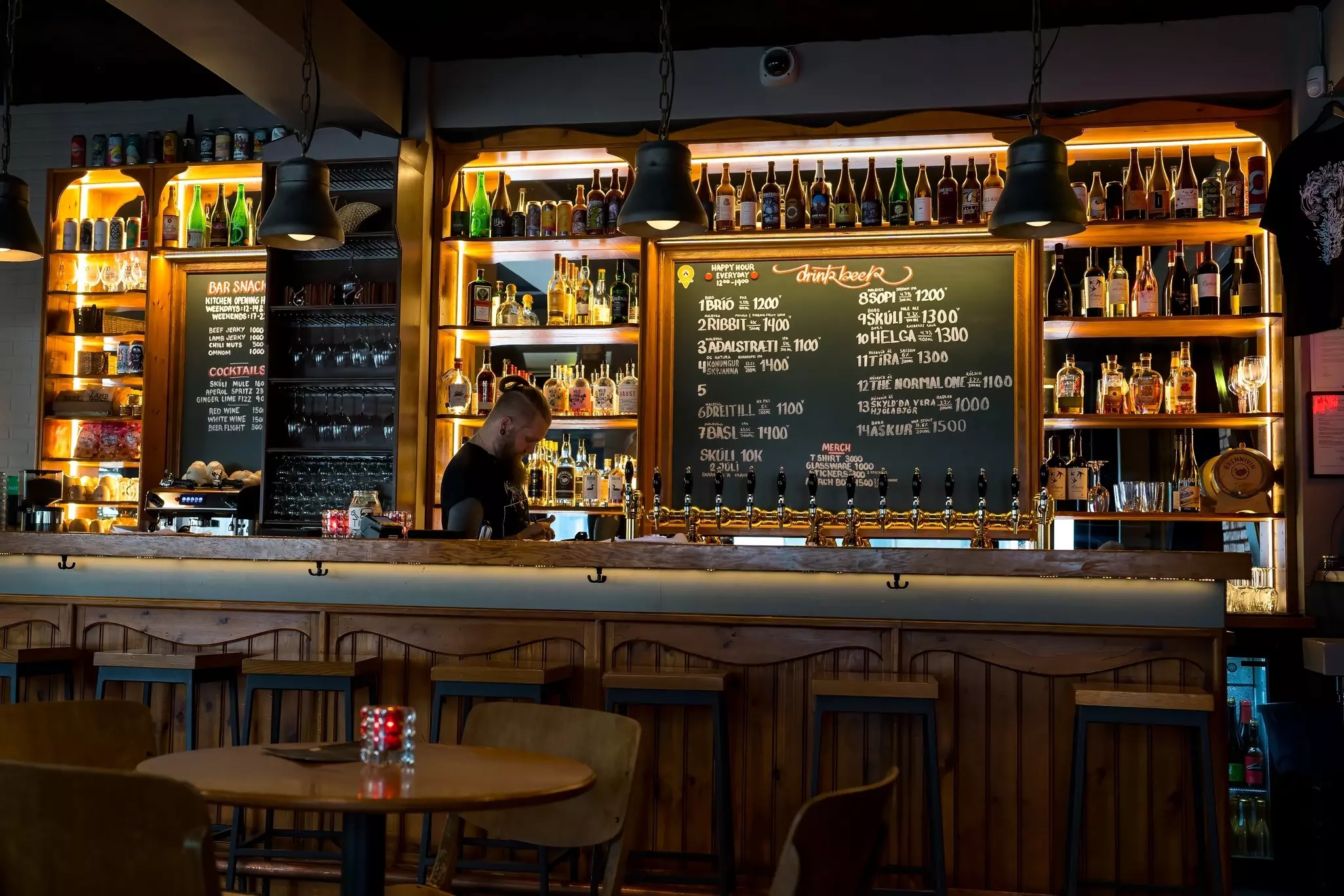
Iceland isn’t cheap, and Reykjavík is among the most expensive places in the country, especially for lodging. You can help yourself out by booking well ahead to get the best deals or visiting outside of high season. While central accommodation is more expensive, you'll be able to get around easily on foot, without an expensive hire car.
Bars and restaurants are pricey as well, with a bowl of soup and homemade bread costing as much as 2500 krónur (kr) – close to what a full meal might cost in southern Europe. To spread your budget further, combine some eating out with a fair amount of self-catering.
Another budgeting trick? Buy alcohol in the airport’s duty-free shop as you arrive for big savings, and have the odd inexpensive pylsur (hot dog) lunch, as an alternative to pricey sit-down meals. Walking around Gamla Reykjavík and the harbor, visiting free sights such as Hallgrímskirkja and the Harpa concert hall, and splashing in the city's geothermal swimming pools are all good low-cost ways to fill your time.
But the fact is, the cost of a trip to Iceland is well worth it. This is such a special country that no matter how many days you can afford, a visit will pay you back in lifetime memories. Plus, quality is generally high; your splurge of a trip should get you clean, well-run accommodations and delicious homemade food. Here are some sample costs.
Night in a boutique hotel: 36,000–55,000kr
A guesthouse room with a shared bathroom: 22,000–29,000kr
A hostel dorm bed: 5000–7000kr
Camping at a campground: 1500–2500kr
A bottle of beer in a bar: 1050-1700kr
Bowl of soup with bread: 1700–2500kr
A hot dog: 300-600kr
Meal in a cafe: 2500–5500kr
Main dish in a high-end restaurant: 4500–7000kr

The only thing you can predict about the weather in Reykjavík is that it is going to be unpredictable. A sunny 16°C (60°F) day can easily turn to storms and clouds, and snow can fall any time from October to April. Always pack warm layers and something waterproof and always bring them with you when you hike. Bringing swimwear and a towel is also essential – you don't want to miss out on swimming in Iceland's geothermal pools.
Most Icelanders speak impeccable English, making travel for anyone who can get by in English rather easy. Some of the older generations do not, however, and in general, learning a few expressions, like takk fyrir (thank you), is simply polite and more fun.
Despite the summer festival vibe in the capital, always be respectful of its residents. Though Reykjavík can get busy, people live right in the center, and overtourism and jacked-up apartment prices are a real concern, as is the pressure tourists are placing on natural resources. Take particular care to stick to marked paths when walking in nature to reduce erosion, which can harm both flora and fauna.
When a few Icelanders ate local species such as shark or puffin, it was possible to be sustainable, but when a million tourists do, not so much. When dining out, seek out restaurants with sustainable policies, such as Michelin-starred Dill on Laugavegur and Sól in Hafnarfjörður. Also, take care not to be noisy at night – many places to eat and drink are in residential areas.
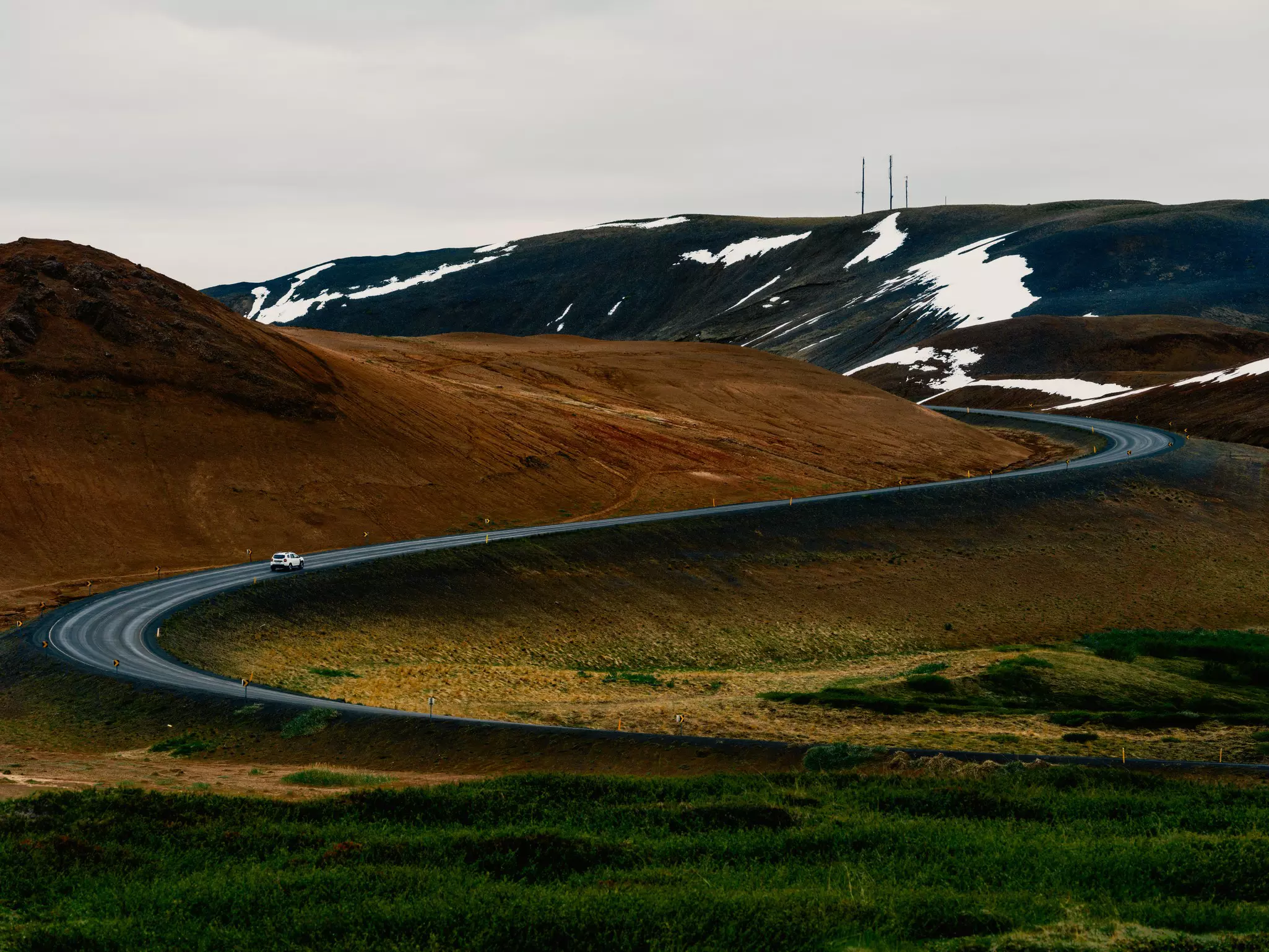
Aside from its cold winters, Reykjavík is like any other European city, but exploring the surrounding volcanic and glacial landscapes requires special care and attention, and you may need a 4WD vehicle for some routes inland from the coast. However, several local apps can help you plan for safe travel if you leave the capital.
Protect Iceland's truly unspoilt nature by staying on marked roads. Only camp in designated camping areas and use proper toilets for your pit stops. Check the weather conditions on the Vedur website and road conditions on the Umferðin website before leaving for the day. If you're going hiking, register at Safe Travel and learn about staying safe in Iceland's challenging (and sometimes potentially dangerous) terrain.
The online resources Visit Iceland and Visit Reykjavík are superb, and the well-informed and engaging Reykjavík Grapevine website and magazine is great for listings of live music and cultural events. Entertaining and informative podcasts to get you in the mood include All Things Iceland and Stories of Iceland.
Reykjavík does a lot to make life easier for visitors and locals with disabilities, with wheelchair-friendly buses and access ramps at many sights and places to eat, drink and stay. If you have mobility needs, Sjalfsbjorg.is rents out mobility equipment and provides curated lists of accessible hotels, restaurants and transportation options. If you plan to travel on the Flybus from the airport, contact them ahead to book a wheelchair space.
Explore related stories