On December 16, 1773, a group of Bostonians known as the Sons of Liberty snuck onto three ships moored in Boston Harbor. The Beaver, the Dartmouth and the Eleanor were carrying tea from the British East India Company. The interlopers began smashing chests and throwing their contents into the harbor, destroying more than 92,000lb of tea in only three hours. The Boston Tea Party, as it became known, was one of the key events that led to the Revolutionary War and the creation of the United States as an independent nation.
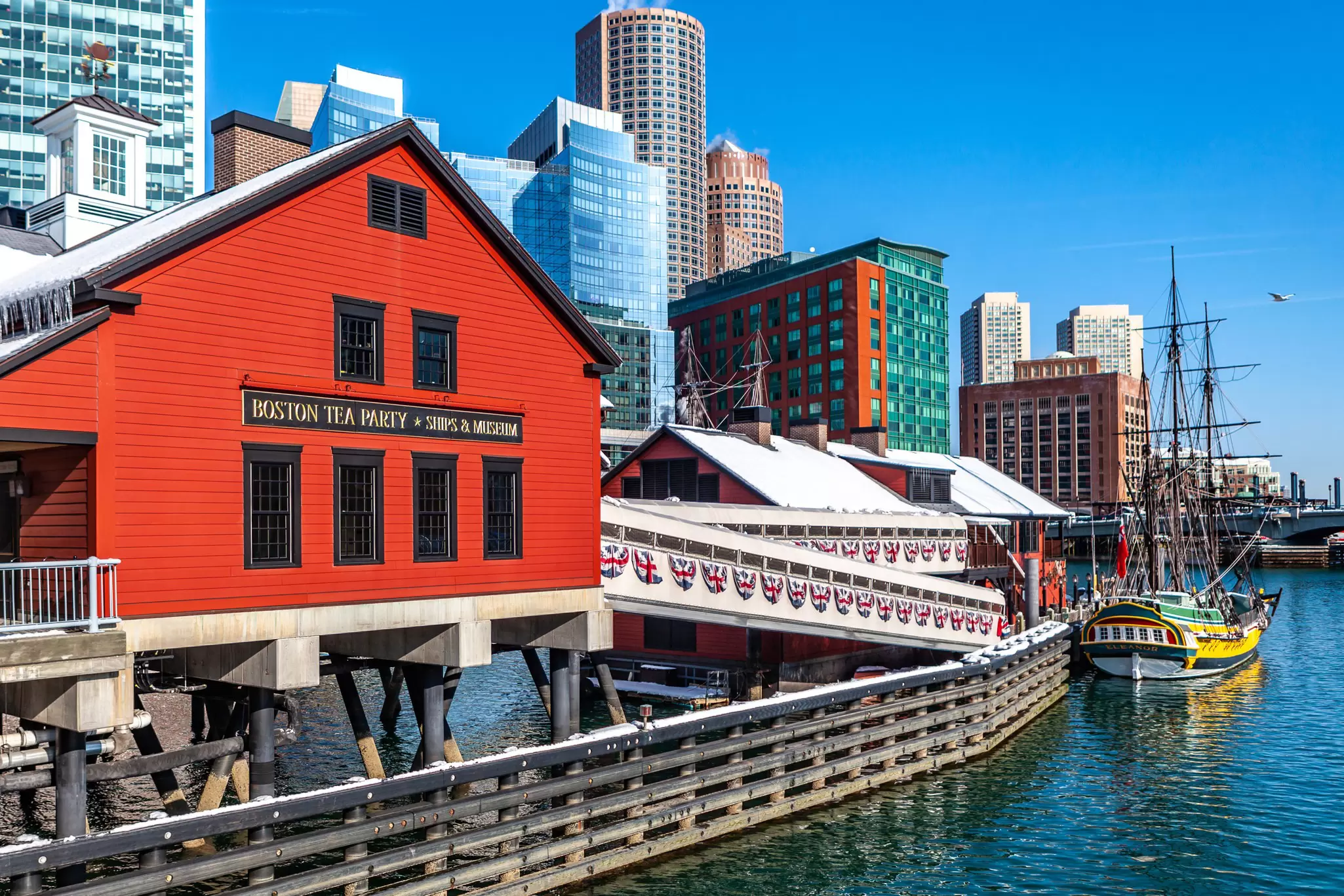
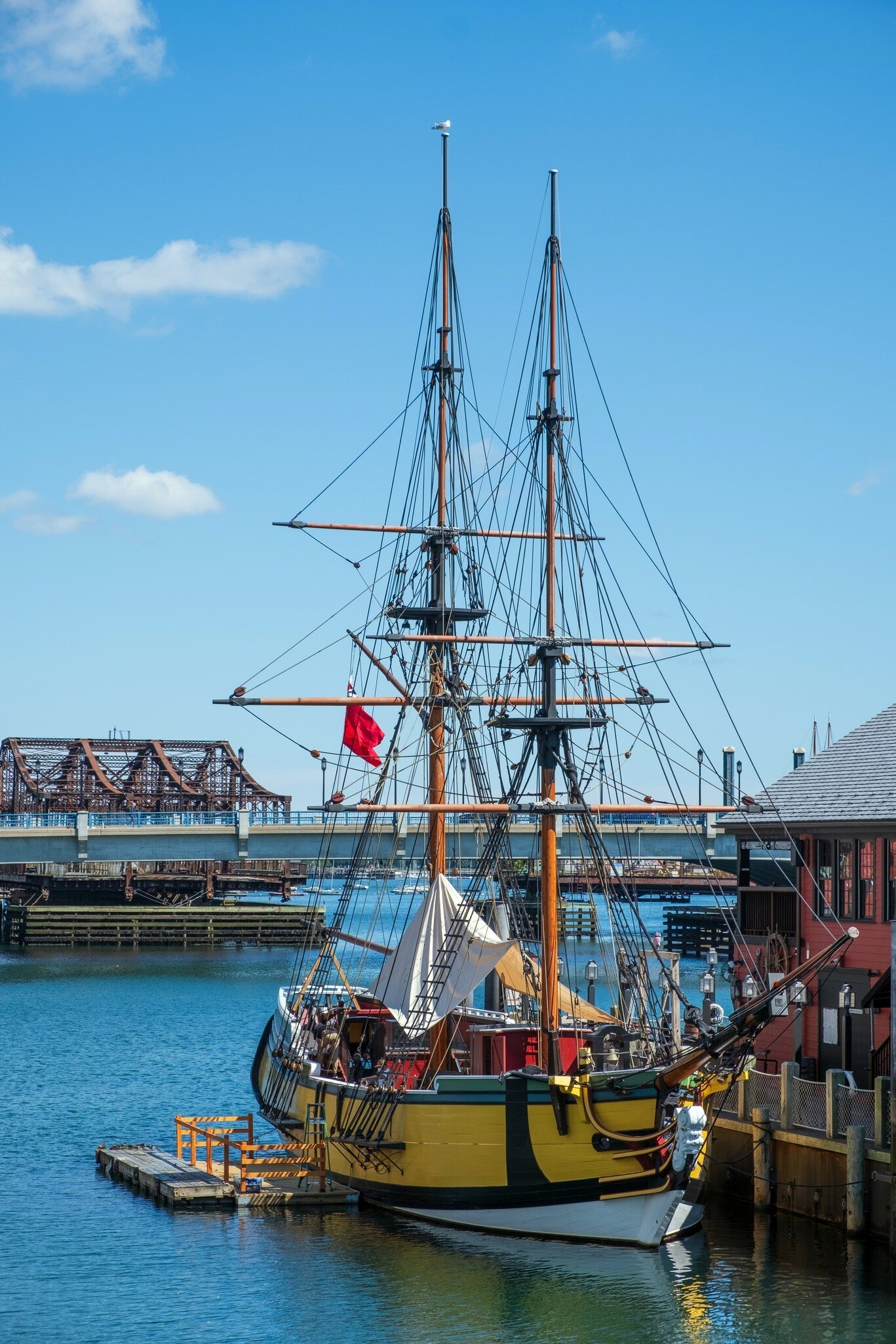
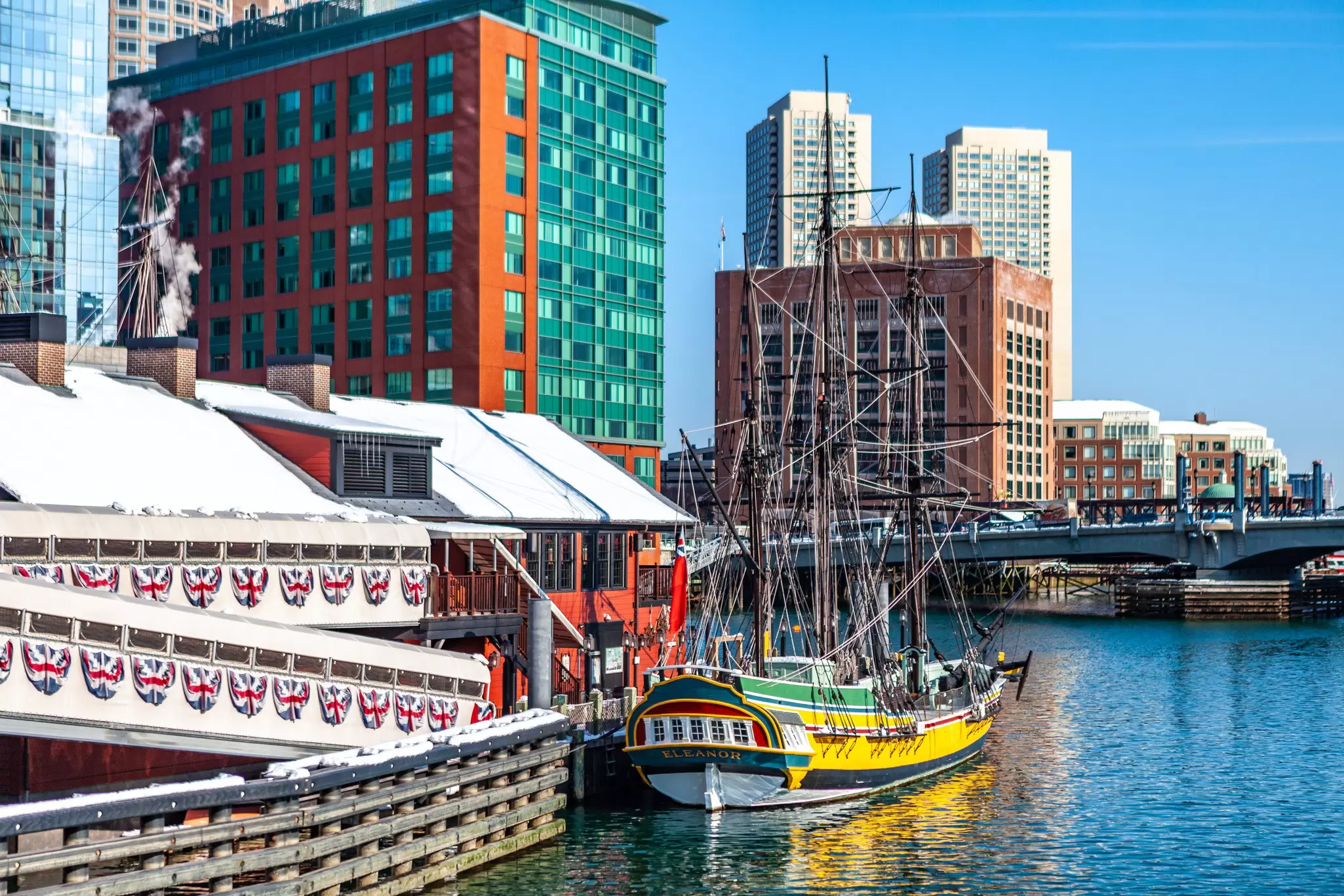
Full-scale replicas of two of these 18th-century ships now comprise the Boston Tea Party Ships & Museum, where entertaining costumed interpreters take you through some of the events precipitating these confrontations between Bostonians and the British. You then board the ships and reenact the historic tea dumping.
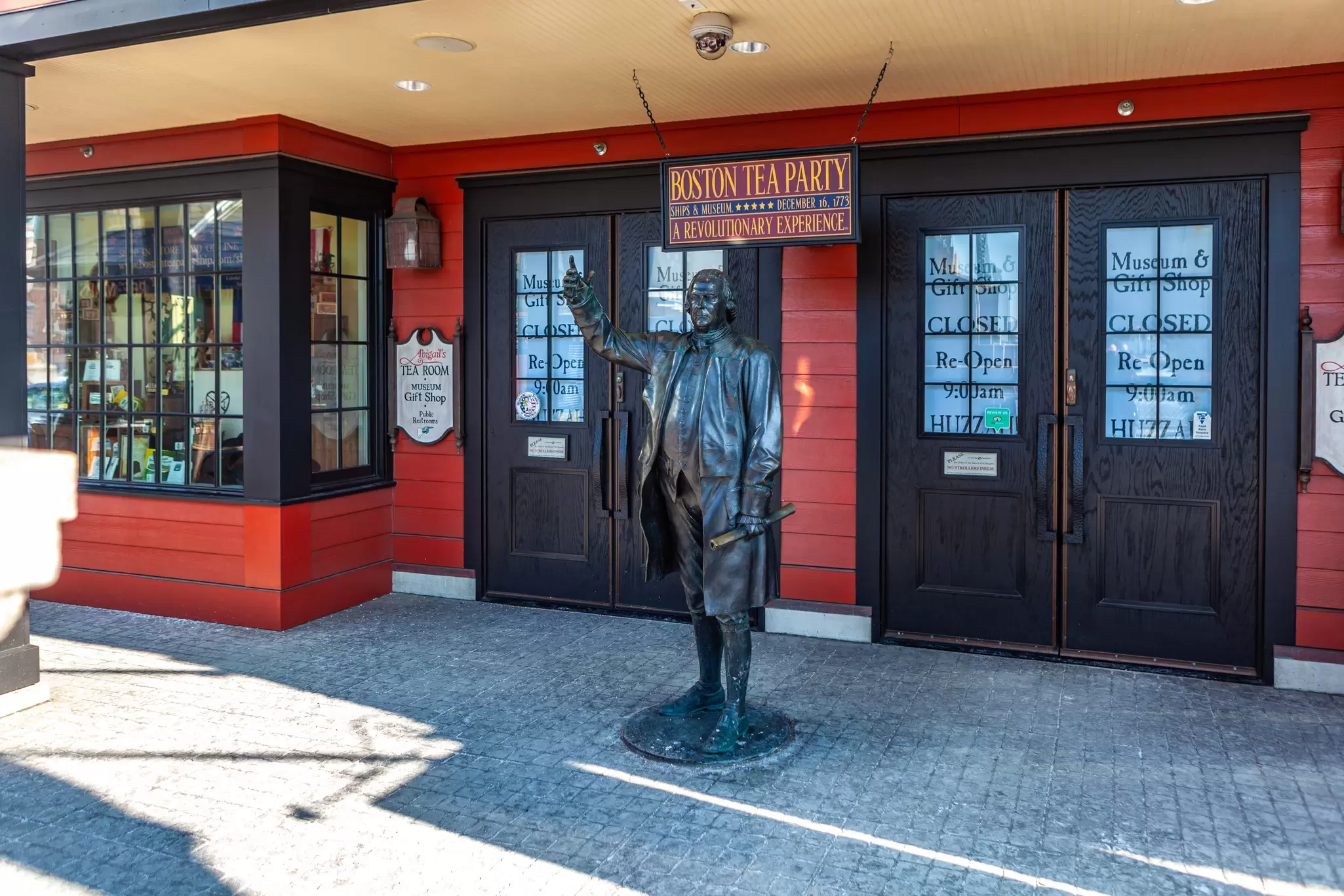
The story continues inside the museum, with talking portraits and other multimedia presentations that the interpreters and visitors interact with. You can also watch a film about the start of the American Revolution in 1775, detailing the famous ride by William Dawes and Paul Revere to warn that British troops were poised for attack.
At Abigail’s Tea Room, the museum’s cafe, you can do a tea tasting, sampling five varieties of the teas that were thrown overboard in 1773. During the Boston Tea Party Reenactment every December, actors dump tea into the harbor just like Bostonians did in 1773.
Why the Fuss Over Tea?
Bostonians were protesting the increasing control that Britain was exerting on its colonies, particularly because they had no say in the new taxes or other government decisions. The specific event precipitating the Boston Tea Party was Britain's granting to the British East India Company a monopoly on tea sales in America. In December 1773, after the first tea ships sailed into Boston and colonists had crowded the Old South Meeting House to consider their next steps, 100-plus men walked to Griffin’s Wharf to perform their tea-laden act of civil disobedience.