Aug 10, 20268 min read
18 things to know before visiting VietnamAug 10, 2026
8 MIN READ
Writer
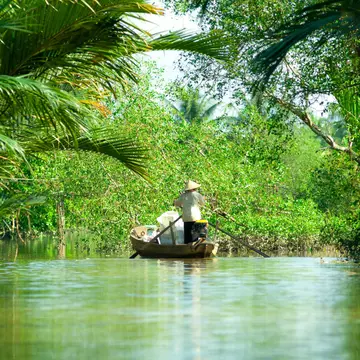
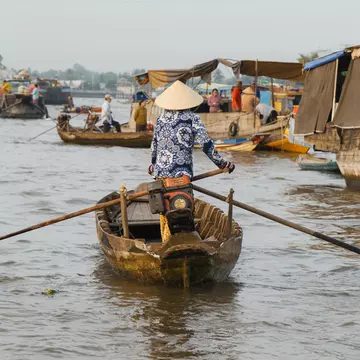
Boats on the Hau River at Can Tho, Vietnam. Adrien Jean for Lonely Planet

Writer
Lonely Planet may earn a commission from affiliate links on our site. All recommendations and reviews reflect our own independent opinions.
If I've learned anything after two decades of living and traveling in Vietnam, it's that a little planning goes a long way.
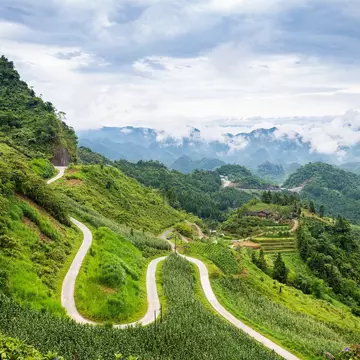
First, there’s deciding where to go. Hike near Sapa or motorbike through Ha Giang? Tombs and temples in Hue or picture-perfect Hoi An? Coffee shop hop around Hanoi or cocktail bar crawl in Ho Chi Minh City? You might want to do it all, but unless you have many months to explore, you'll need to be at least a little choosy.
Then there are the practical questions. Do I need a visa? How’s the weather? Do I tip? Familiarizing yourself with the practicalities of traveling in Vietnam can greatly enhance a trip – and help avoid disaster. Before booking anything, here’s everything you need to know.
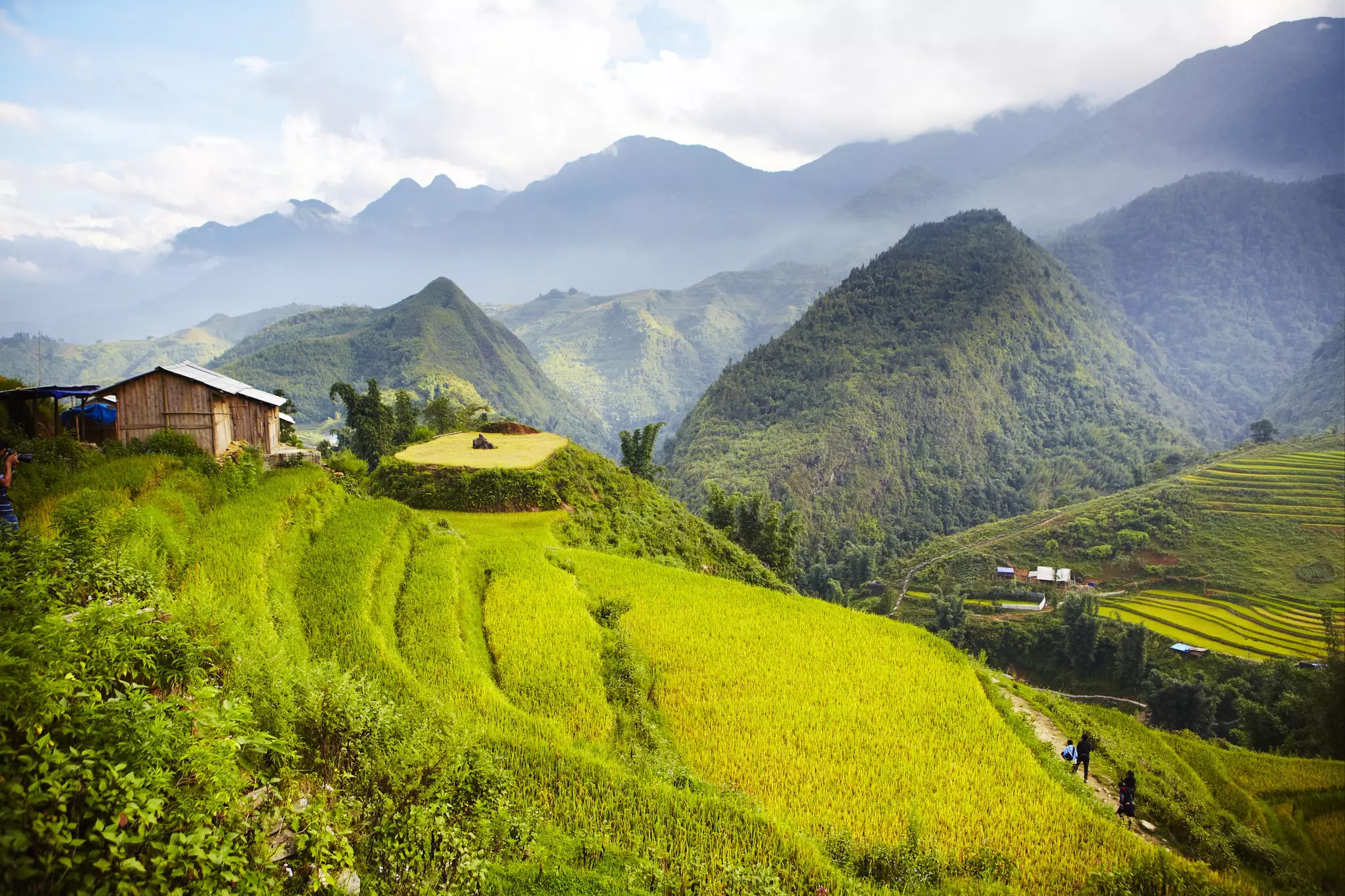
First-time visitors sometimes try to squeeze Hanoi, Halong Bay, Ninh Binh, Sapa, Hoi An, Da Nang, Hue, Dalat, Nha Trang, Ho Chi Minh City and the Mekong Delta into 2 weeks. It's possible, but absolutely not recommended as you'll spend a lot of time in airports, on buses and waiting for trains. Vietnam is best enjoyed at a slower pace, with time for lazy cafe afternoons and spontaneous detours. If you only have 2 or 3 weeks, consider sticking to one or two of the three regions (northern, central and southern). Save the full north-to-south journey for a trip of at least a month.
There isn't a single month when the weather is warm, dry and pleasant everywhere in Vietnam. If good weather is a priority, plan your itinerary around it. As a general rule, northern Vietnam is at its best from October to December, central Vietnam from March to May, and southern Vietnam from December to February. It's also worth knowing when to avoid certain places. The caves in Phong Nha, for example, are often flooded and inaccessible in October.
Many travelers can now enter without a visa, but the list isn't necessarily intuitive – don't assume that because you hold a strong passport, you automatically qualify for visa-free entry. The most reliable place to check is usually your passport's foreign affairs or foreign office website. If you need an e-visa, which is delivered to your inbox and you present at immigration, apply at least 2 weeks – and ideally 1 month – before departure. You can apply through Vietnam's official e-visa website.
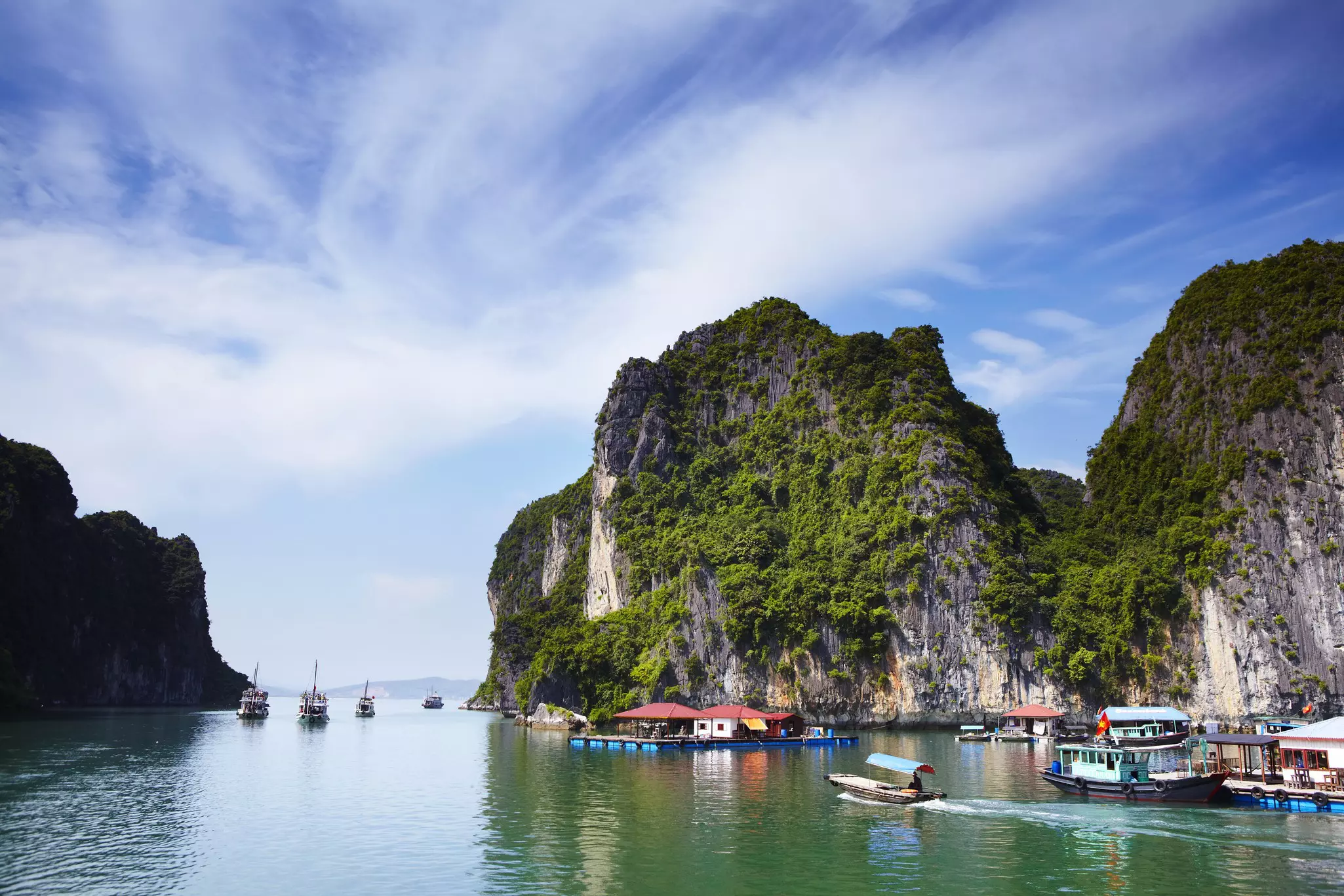
Vietnam's headline attractions deserve their popularity, but they're only part of the story. Try swapping one famous stop for somewhere quieter: Cao Bang instead of Ha Giang, Quy Nhon instead of Nha Trang, Lan Ha Bay instead of Halong Bay. You might also consider spend more time in a quieter place, like Hue or Ninh Binh, and less time in an overcrowded one, like Hoi An or Da Nang.
Cards are becoming more widely accepted, particularly in cities, but cash is still king in street kitchens, local markets, taxis and smaller family-run businesses. ATMs are everywhere, including small rural towns, though they often have withdrawal limits of 3,000,000d. If this isn’t enough, reinsert your card and make another withdrawal.

Stay connected abroad with an eSIM
Holafly eSIM provides unlimited mobile data with no hidden fees, giving you peace of mind wherever you travel. Stay connected even after your plan ends with Always On. Use code LONELYPLANET for an exclusive discount.
Lonely Planet may earn a commission from affiliate links on our site. All recommendations and reviews reflect our own independent opinions.
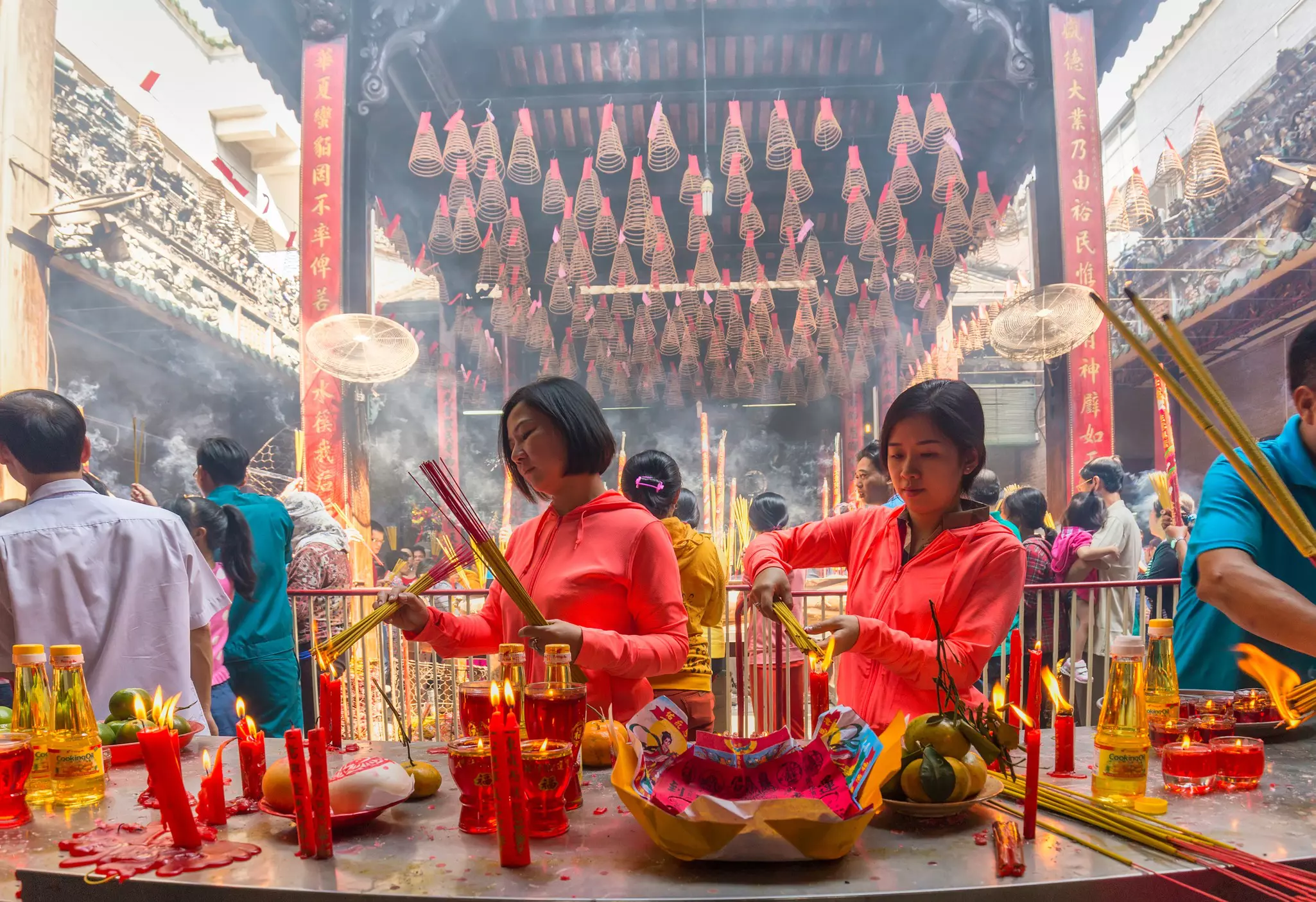
Vietnam's Lunar New Year, known as Tet (don’t call it Chinese New Year here, even though it falls at the same time), is the country's biggest celebration. Flights, trains and buses fill up weeks in advance and many local businesses close while families celebrate. Tet always falls in January or February, but the precise days change every year and the public holiday days are reported a few weeks in advance on English-language news websites like Vietnam News and VN Express. If you're traveling during Tet, book everything well ahead.
The best recommendations come from people, not algorithms. Sponsored listings, outdated information and fake reviews are common with apps like Google Maps. Large language models like ChatGPT tend to recommend more tourist-oriented restaurants. Instead, ask your hotel receptionist or a friendly cafe owner where they like to eat, or consult a guidebook. That said, some apps are invaluable. Ride-hailing services such as Grab and Xanh SM make getting around Vietnamese cities easy, while also helping you avoid taxi scams.
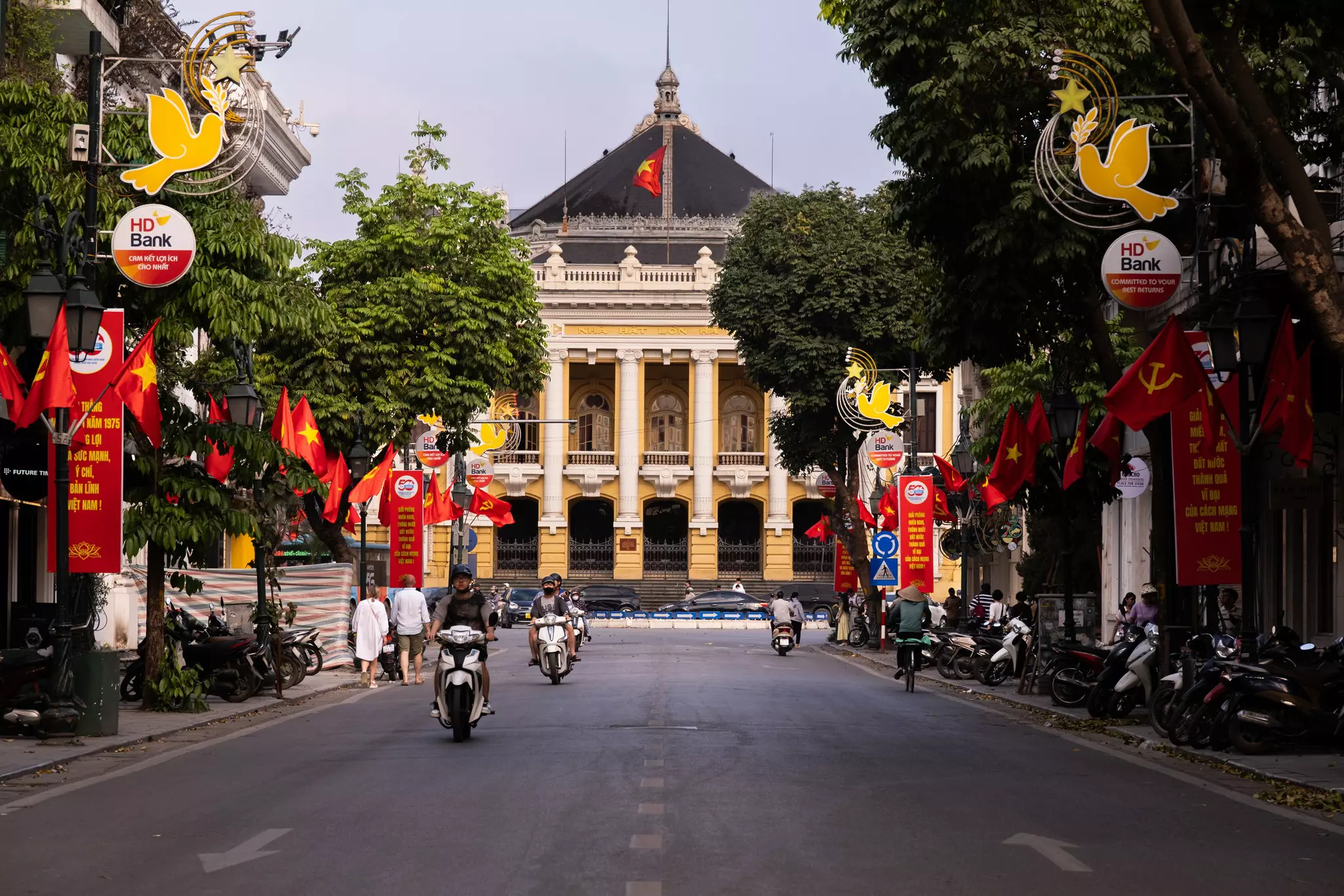
Vietnam is generally relaxed when it comes to everyday clothing, but context matters. A good rule of thumb is to dress similarly to most people around you rather than taking cues from a single individual. You might see men hanging around neighborhoods without a top, but that doesn't mean it's appropriate to stroll through city streets the same way. Likewise, you may spot young Vietnamese women entering temples or pagodas in revealing clothing, but don't assume that's the norm or widely accepted.
The Vietnam War is called the American War over here, and it remains an important episode in the country's recent history. Keep an open mind and remember that local perspectives may differ from those you've heard elsewhere. Don't feel you need to avoid the subject altogether – even if you're from the United States or one of its wartime allies (note: that includes Australia, South Korea and others) – but it’s worth approaching the topic delicately.
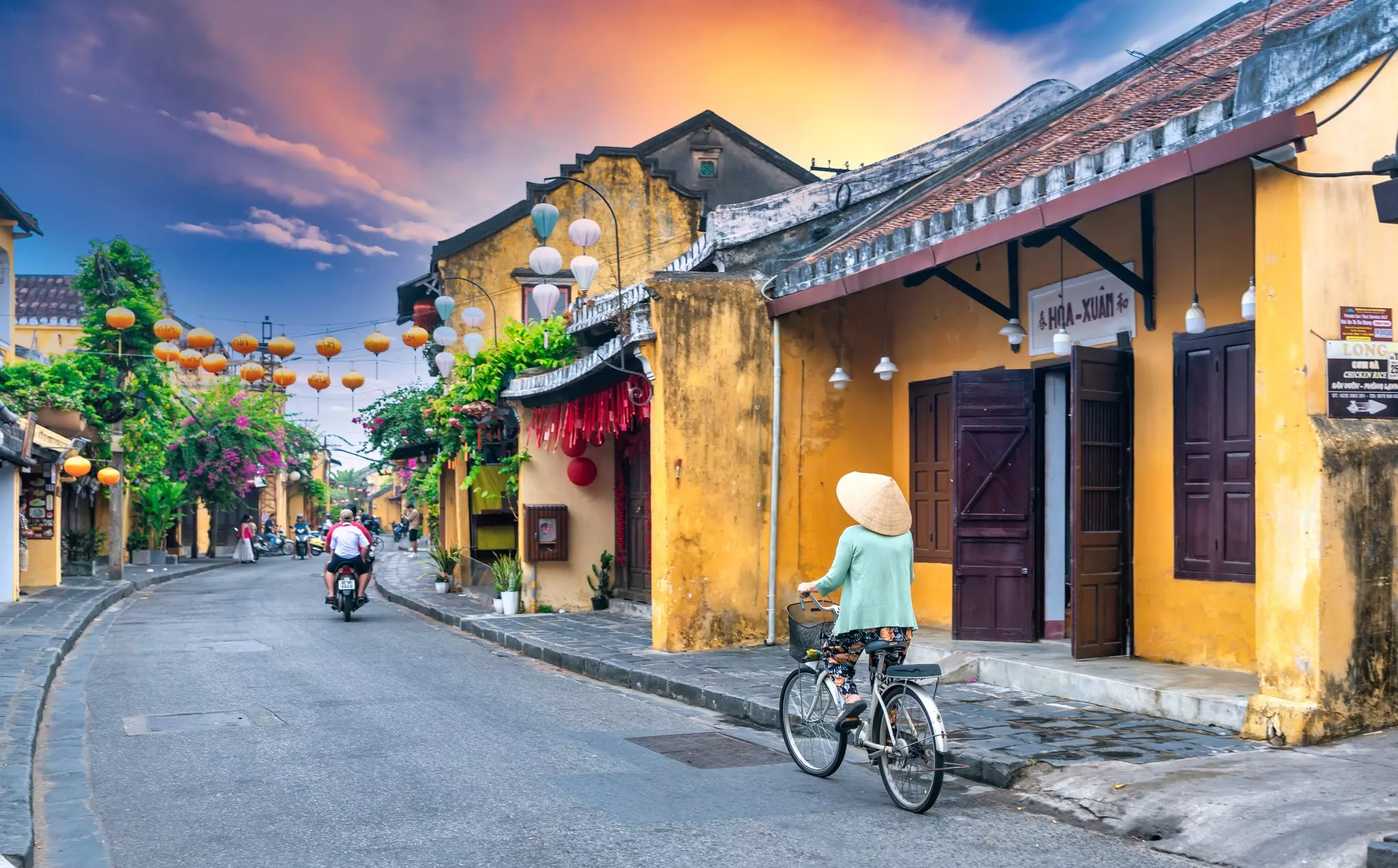
Vietnamese social etiquette is complex and subtle, but also forgiving when it comes to visitors. If you're unsure what to do, take a moment to watch the people around you. Remove your shoes if everyone else has, avoid eating too quickly or appearing greedy when sharing a meal with new Vietnamese friends and greet older people politely. A smile and a laugh go a long way in Vietnam, so if you realize you've made a social faux pas – big or small – don't panic. A quick apology, a little humility and a good-natured smile are usually the best response.
At first glance, the miasmic stream of motorbikes in big cities seems impenetrable, and zebra crossings don’t count for very much. The trick is to walk slowly, steadily and predictably – never dart across the road, change direction suddenly or hesitate halfway. Drivers are used to weaving around pedestrians, but accidents are far more likely when someone makes an unexpected move.
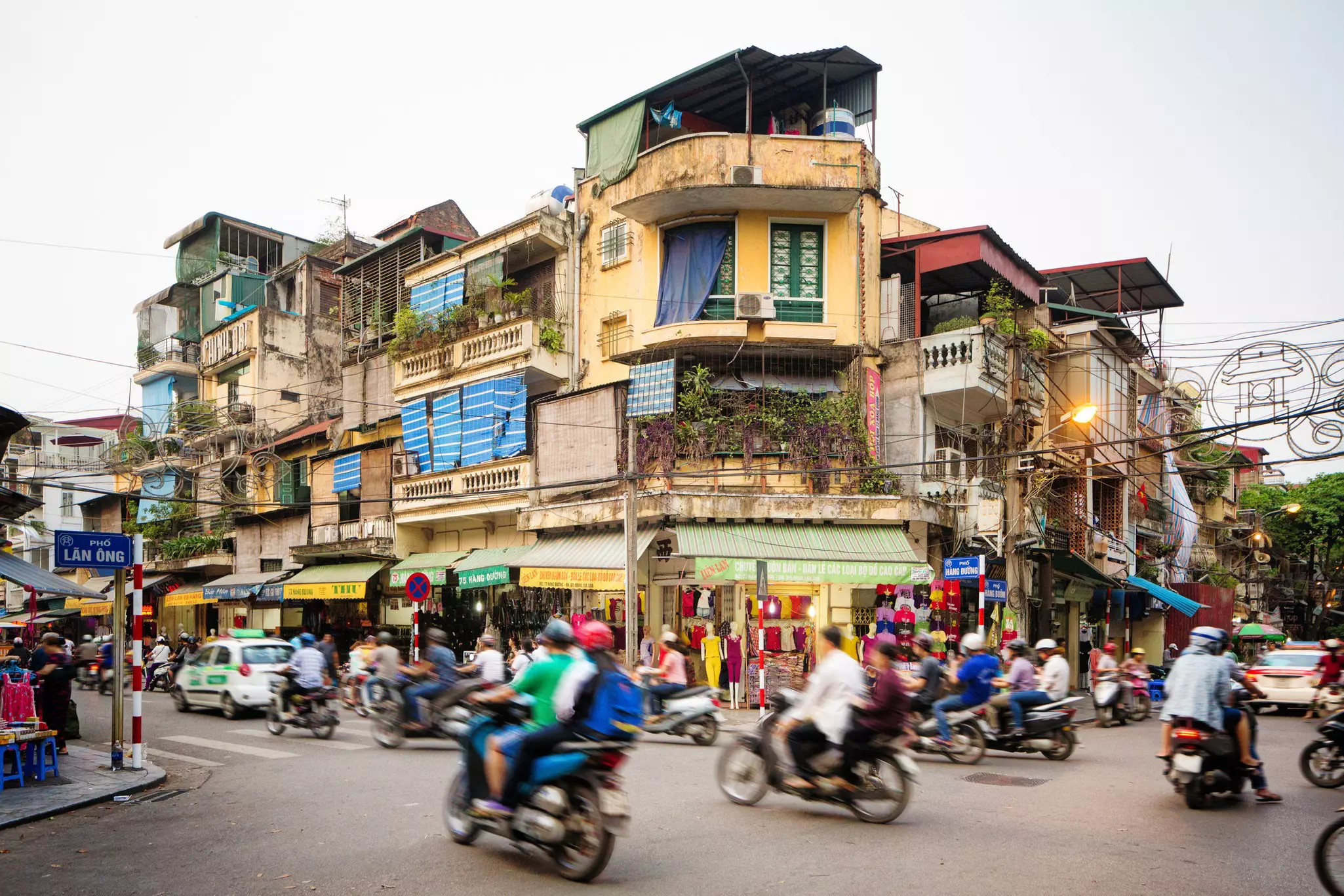
Exploring Vietnam on two wheels looks idyllic on the socials, but local traffic can challenge even experienced riders. If you decide to rent one, make sure you're legally licensed, covered by insurance and comfortable riding in busy conditions. If not, understand that you're taking a risk – physically, financially and legally – should something go wrong.
Tap water isn't generally considered safe to drink for anyone – including the Vietnamese. This is good for visitors, as it means that bottled water is widely available, filtered water is used for coffee or tea and ice is generally safe.
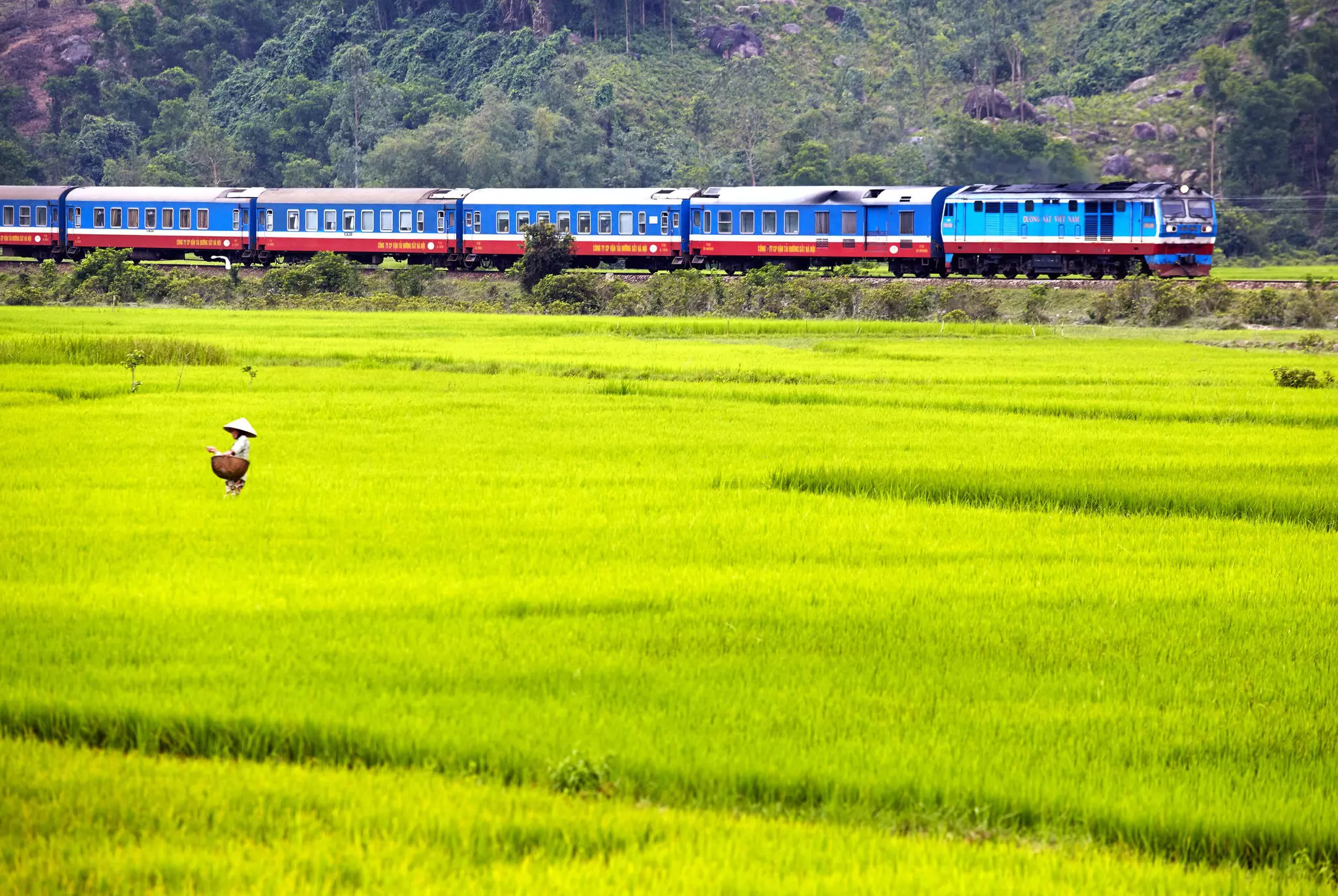
Getting around Vietnam is usually safe, but there have been a handful of serious transport accidents involving tourists in recent years. You can't eliminate risk entirely, but you can minimize it by making sensible decisions. If it's rush hour in a major city, consider taking a car instead of a motorbike. If you have a boat trip planned and the weather turns rough, see if you can postpone it. And if a driver appears tired or intoxicated, simply ask them to stop and walk away.
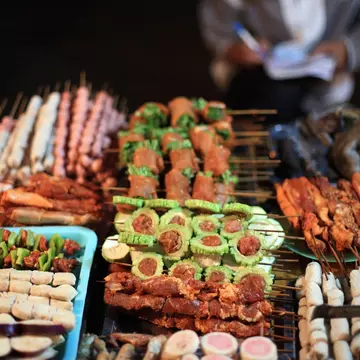
Some of Vietnam's best meals are only available for a few hours each day. A pho stall might open at sunrise and close by mid-morning, while another vendor appears only in the evening. When asking a new friend for a food recommendation, find out when it’s open. If you’ve seen a street kitchen you want to come back to, try to return around the same time.
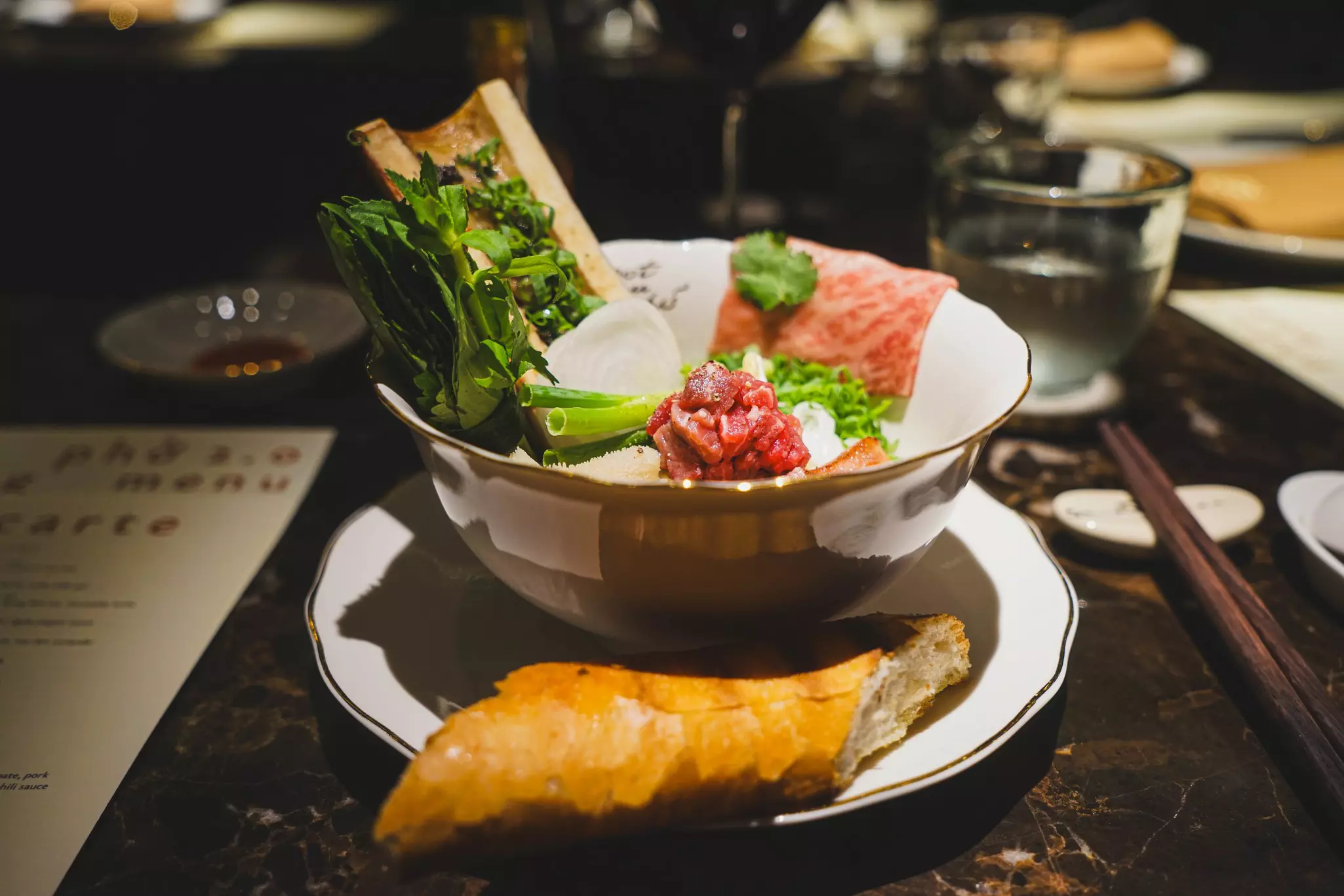
Many restaurants specialize in just one or two dishes (or types of dishes), even if the menu offers other options. As a general rule, order the specialty. Don’t order pho in a restaurant where everyone is eating rice. Likewise, don’t order fried rice in a restaurant where everyone is eating noodles. When in doubt, look around and see what everyone else is eating. If nearly every table has the same bowl or plate, that's probably what you want.
Avoid sticking chopsticks upright into a bowl of rice, as this resembles incense burned for ancestors. Don't use your chopsticks to spear food or point at people, either. If you're sharing dishes in a formal setting, use the communal serving utensils when they're provided.
Most Vietnamese don't tip in restaurants or taxis, though leaving extra in more high-end establishments is appreciated. The exceptions are tour guides, private drivers and masseurs, who generally expect a tip unless it's made clear that this is included in the price.
To continue planning your trip to Vietnam, check out our Vietnam guidebook .
Book your Vietnam trip with Lonely Planet Journeys
See Vietnam how it's meant to be seen
Planned by local experts and tailored to you, Lonely Planet Journeys handles the logistics so you can just enjoy the trip. Tell us what you want and we'll build your Vietnam itinerary from scratch, or browse our bookable trips to get inspired.

Explore related stories