11 top things to do in Key West, Florida
Dec 3, 2025
12 MIN READ

Writer
Duval Street, Key West. Shutterstock

Writer
Lonely Planet may earn a commission from affiliate links on our site. All recommendations and reviews reflect our own independent opinions.
Key West is the continental USA’s far frontier. Edgy, eccentric and just plain fun, this 7-sq-mile island at the end of the Florida Keys buzzes with nonstop life. The place looks and feels like a tropical oasis, with moonflowers blooming at night and Caribbean-style homes so romantic that it’s hard not to sigh as you stroll by them.
Beyond its obvious allure, Key West is not without contradictions. On one side of the road, there are literary festivals, bougainvillea-bedecked villas, gourmet restaurants and expensive art galleries. On the other, you may see an S&M fetishist parade, frat boys staggering down Duval St and grizzly dive bars filled with bearded burnouts.
Yet it’s exactly these contrasts that make Key West so memorable, and the sheer variety makes finding a groove easy for any visitor. One thing that brings all comers together? Nature, which plays a starring role here – especially in the beautiful sunsets celebrated each night at Mallory Square.
Whatever your preferences, read on for our picks of the best things to do in Key West.
1. Get close to the ecosystem at the Florida Keys Eco-Discovery Center
A much beloved nature center and science museum that’s the flagship of the Florida Keys National Marine Sanctuary, the Florida Keys Eco-Discovery Center is one of the best places in the Keys to learn about the extraordinary marine environments of South Florida. After a significant upgrade, the free-to-enter center is an even better all-around destination for learning about the local ecosystems. The emphasis is on interactive and virtual experiences: visitors are able to simulate diving into reefs, paddling through mangrove coasts and doing similar activities that bring the work of marine biologists to life.
Local tip: Walk along Key West’s beaches from May to October and you may notice the occasional brightly colored, roped off area and low-intensity lighting on buildings. These measures protect the vulnerable nests of sea turtles, who return to their birth beach to lay eggs and bury them in the sand to incubate. Do as the locals do and leave the nests alone.
2. Discover Key West’s rich history at local museums
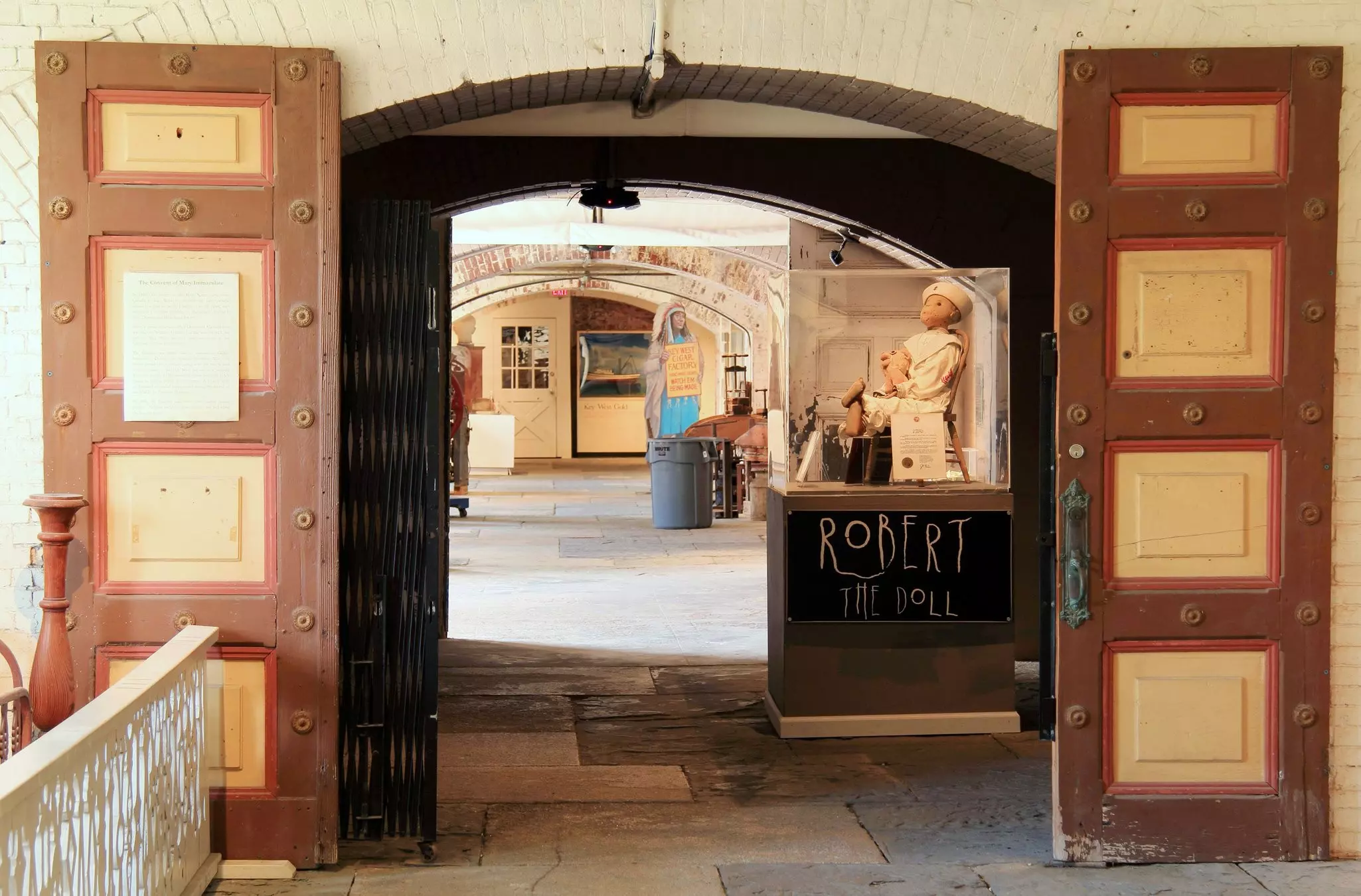
Built in the 1860s to defend Key West from a potential Confederate attack, Fort East Martello Museum now serves a new purpose: preserving the past. You’ll find memorabilia exploring Key West’s role in the Civil War and from its industrial heyday, alongside the folk art of Mario Sanchez, a self-taught son of a cigar roller, and sculptures by Stanley Papio, who turned scrap metal into works of chaotic, anarchic beauty. Perhaps the most haunted thing in Key West is also kept here. Robert the Doll, a child’s toy from the 19th century, reportedly causes much misfortune to those who question its powers. Indeed, the doll looks like it’s about to step out of a Stephen King novel and devour your soul…so that’s fun.
For a less creepy but no less fascinating glimpse into Key West’s complicated history, pay a visit to the Mel Fisher Maritime Museum. It’s best known for its collection of gold coins, rare jewels and other treasures scavenged from Spanish galleons by 20th-century treasure hunter Mel Fisher and crew. Beyond all the bling, a thought-provoking exhibit covers the trade in enslaved people. Artifacts from the wreck of the Henrietta Marie, a merchant slave ship that sank in 1700, throw light on how central this nefarious institution was in an often romanticized Old Florida.
Local tip: A block from the Mel Fisher Museum is Kermit’s Key Lime Shop, a popular place to relish all things key lime flavored. The frozen, chocolate-dipped key lime pie bar is especially delicious.
3. Tour a Southern White House
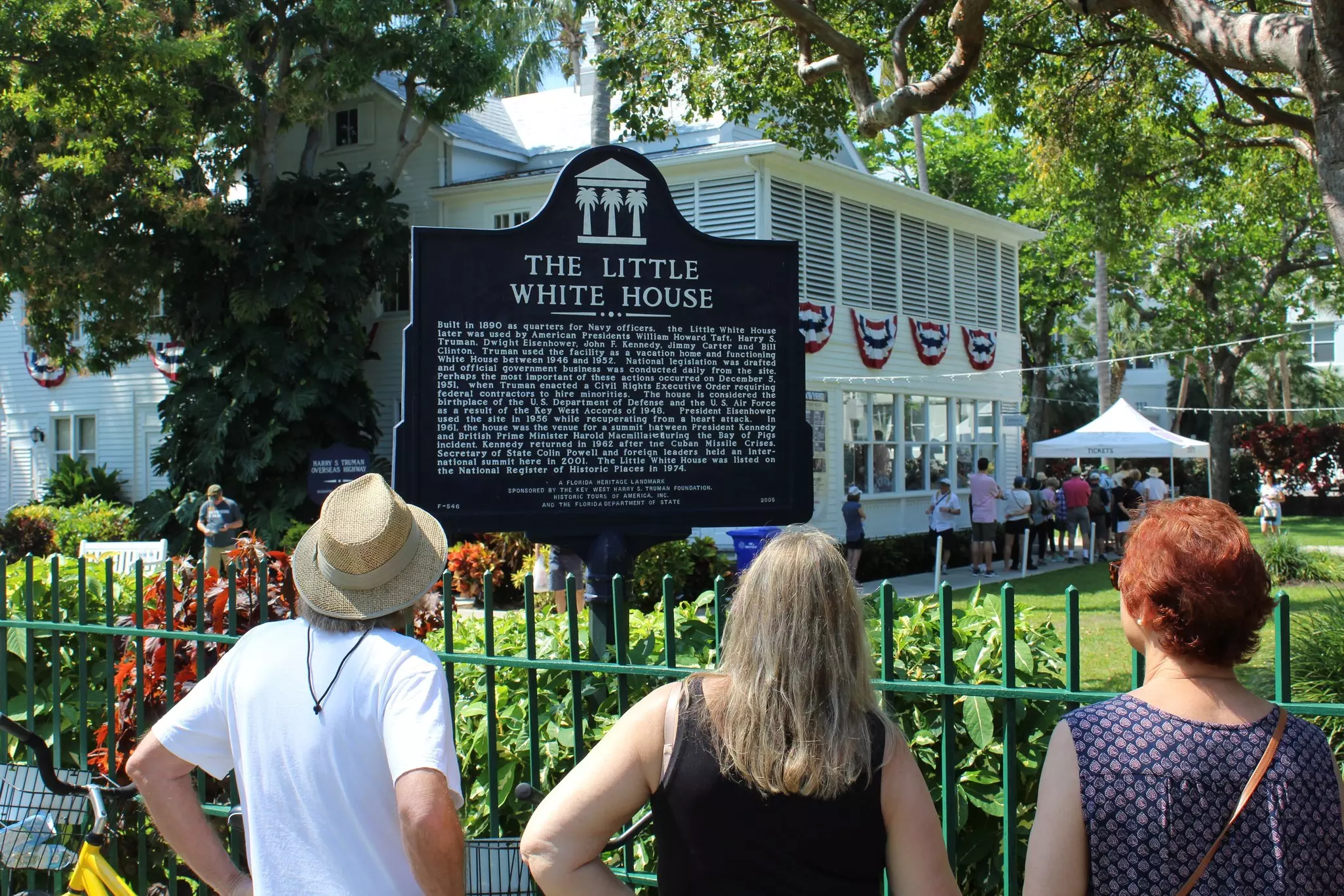
A sprawling 1890s mansion (a former naval officer’s residence) is where US President Harry S Truman vacationed when he wasn’t molding post-WWII geopolitics. The president first came to Key West in 1946, after a doctor told him that he needed a warm-weather break. After one visit, he vowed to make a point of returning every year.
Plenty of dignitaries and bigwigs joined him at the Little White House. In March 1948, when the president convened the Joint Chiefs of Staff (the heads of the American military) here, they drafted the Key West Agreement, a policy that had a huge bearing on the organization and function of the armed forces. Today, the Little White House is beautifully preserved and one of the finest buildings on the entire island.
Planning tip: The site is open only for guided tours (though one small gallery with photographs and displays is open for drop-in visits). While plenty of Truman’s possessions are scattered about, the real draw is the guides, each of whom is intensely knowledgeable, quirky and helpful.
4. Spot birds and butterflies in local gardens
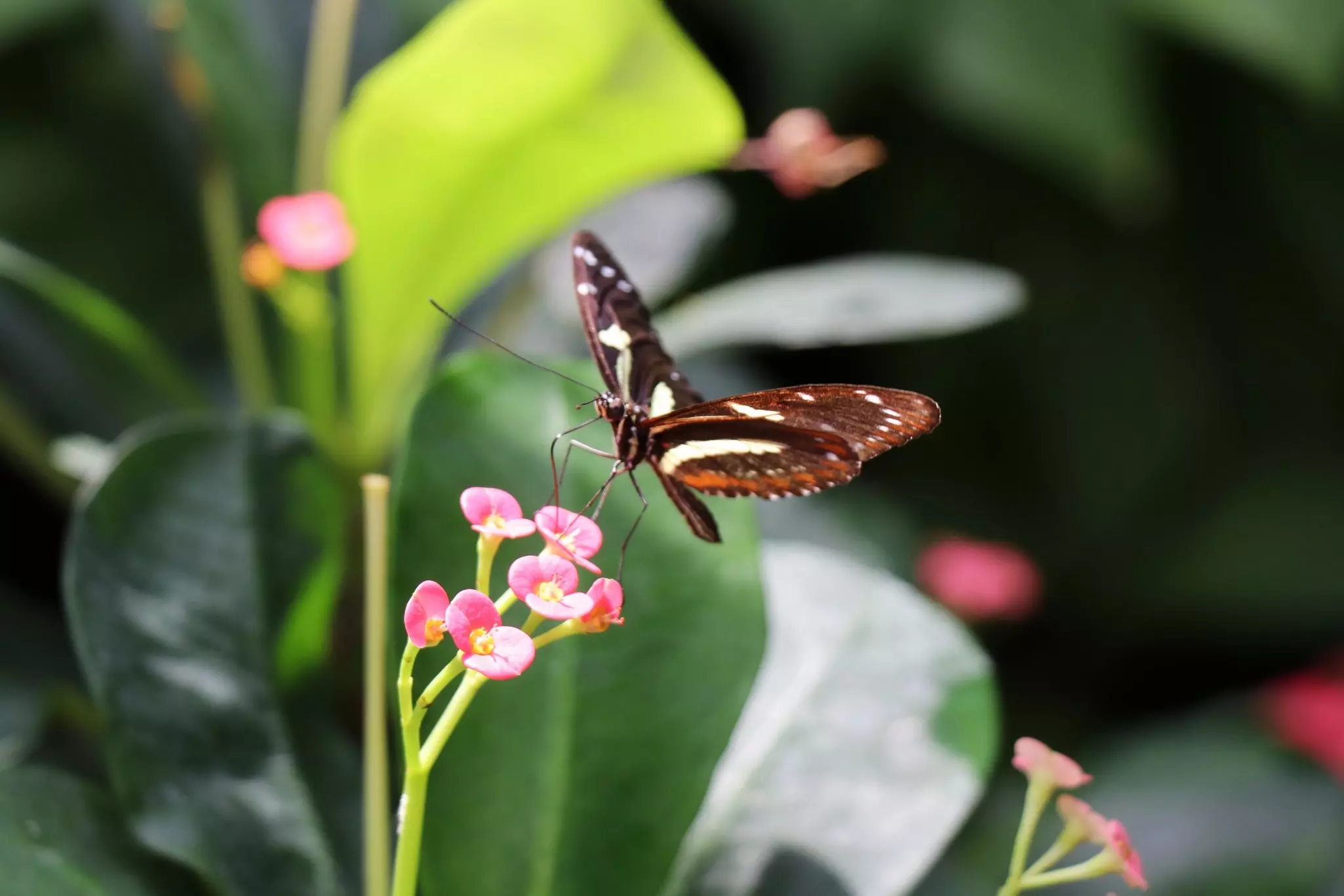
The Key West Butterfly & Nature Conservatory is a domed escape that allows folks to stroll through a lush, enchanting garden of flowering plants, tiny waterfalls, colorful birds (including flamingos) and up to 1800 fluttering butterflies, representing some 50 species from around the world. The shimmery blue morpho butterflies winging past are particularly captivating – although you could say this of any of the iridescent residents, all of which are tiny, flapping miracles. Don’t miss the small viewing area where butterflies emerge from their chrysalides, most frequently in the morning. There are birds here, too, specifically butterfly-friendly ones with glorious palettes of rainbow feathers.
Another spot for meeting winged friends is Nancy Forrester’s Secret Garden, the brainchild of an environmental artist and fixture of the Keys community. In her backyard oasis, visitors can encounter a veritable flock of chatty rescued parrots and macaws. Forrester herself gives a daily overview of these marvelously intelligent and rare birds (“Parrot 101,” as she calls it). This secret garden is a great place for kids, who often leave inspired by the memorable hands-on interactions with the birds.
Local tip: Musicians are welcome to bring their instruments to play in Forrester’s yard. The birds particularly love the sound of flutes.
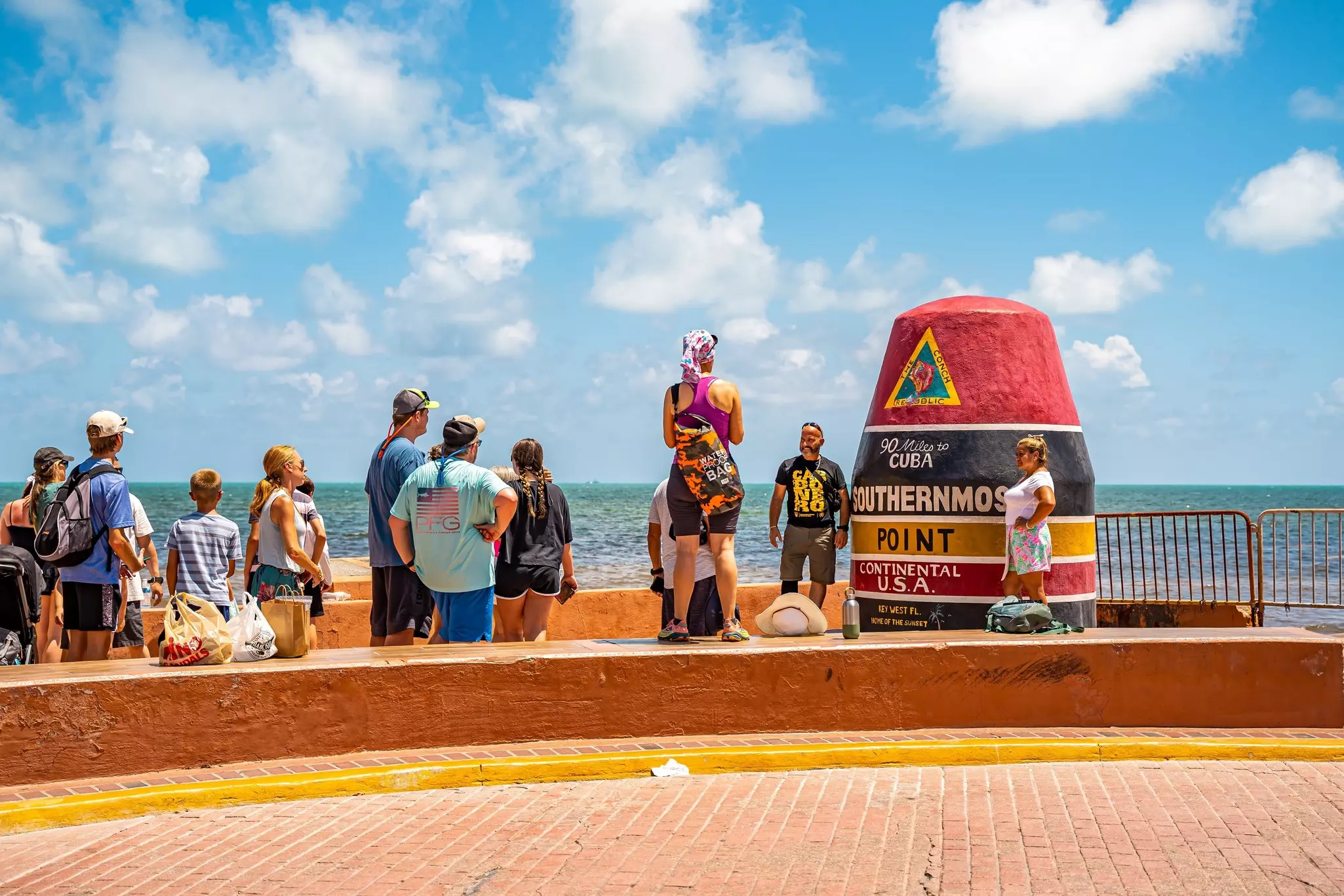
5. Take a selfie at Mile Marker 0 and the Southernmost Point buoy
US Route 1 runs through 14 states and the District of Columbia, stretching nearly 2400 miles along the USA’s Eastern Seaboard. As for its starting point? Mile 0, of course, in the center of Key West. Mile 0 markers are highly uncommon, making this one quite the photo opportunity. You can find the sign at the corner of Whitehead and Fleming Sts.
Far more people gather to snap destined-for-Insta pics at the Southernmost Point buoy, at the corner of Whitehead and South Sts. While it’s not even technically at the continental USA’s southernmost point, it’s still an eye-catching marker – with crowds to match.
If that’s not enough southernmost charm for you, a retro postcard-esque mural at 284 Margaret St displays waves, palm trees and “Greetings from Key West, Florida – The Southernmost City in the USA” for a sunny, colorful backdrop. Consider it a strong candidate for that next holiday card.
Planning tip: The Southernmost Point buoy usually has a long line of folks waiting their turn for a snap. While the line can move quickly, visit early in the morning for your own (crowd-free) photo shoot.
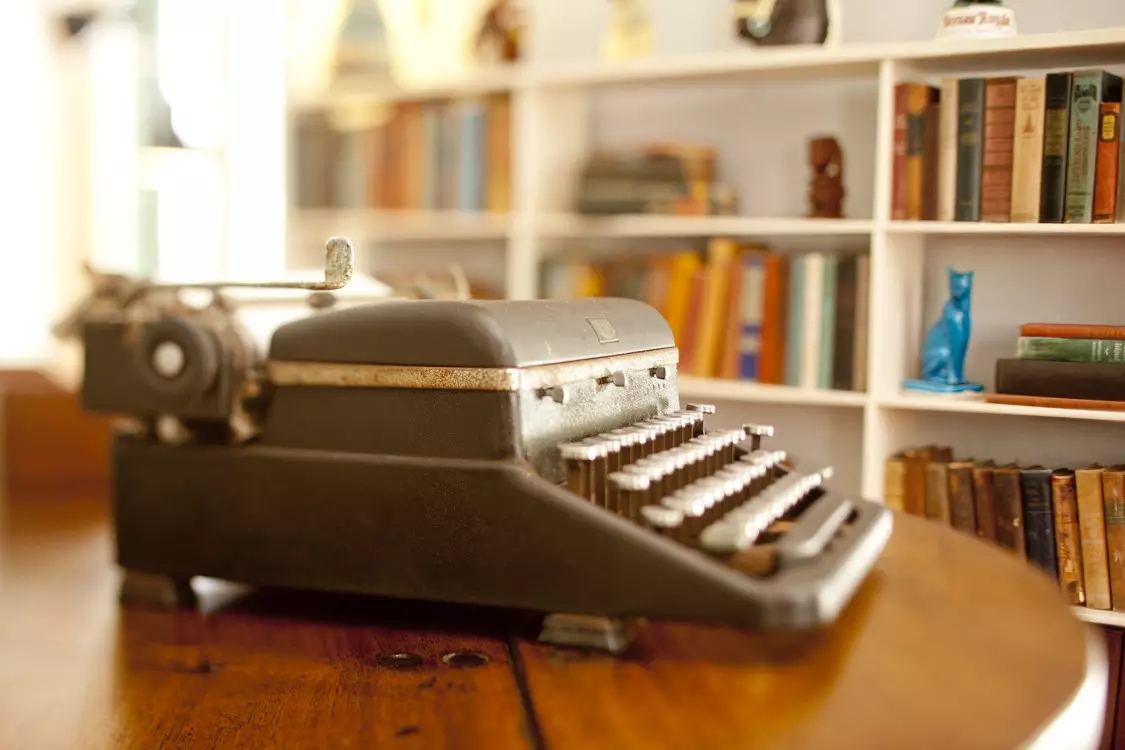
6. Spot the cats at the Hemingway Home
Key West’s most famous resident, Ernest Hemingway, lived in a gorgeous French colonial house on Whitehead St from 1931 to 1940. The Short Happy Life of Francis Macomber and The Green Hills of Africa were produced within these walls, as were many cats. (At least maybe? The cats could have been owned by a neighbor.) Today, their descendants rule these grounds. About half of them are polydactyl (six-toed) and regularly purr about; in total, some 60 cats prowl the grounds.
Even if it weren’t the residence of one of the USA’s most famous novelists, the home would be worth a visit. Built in 1851, it looks like a tropical wedding cake. Apparently costing twice the purchase price of the house itself, the pool is where Hemingway liked to swim in the nude – hence the high brick walls.
Local tip: Touring his house is not the only way to nerd out over the renowned author. At Sloppy Joe’s, Hemingway “pissed away” so much money that he stole a urinal, turning it into a fountain that’s on display in the museum. Sloppy Joe’s has since moved, its original, Hemingway-era space now occupied by Captain Tony’s. There’s a vigorous debate about which watering hole has the truer connection to the author; visit both to decide for yourself.
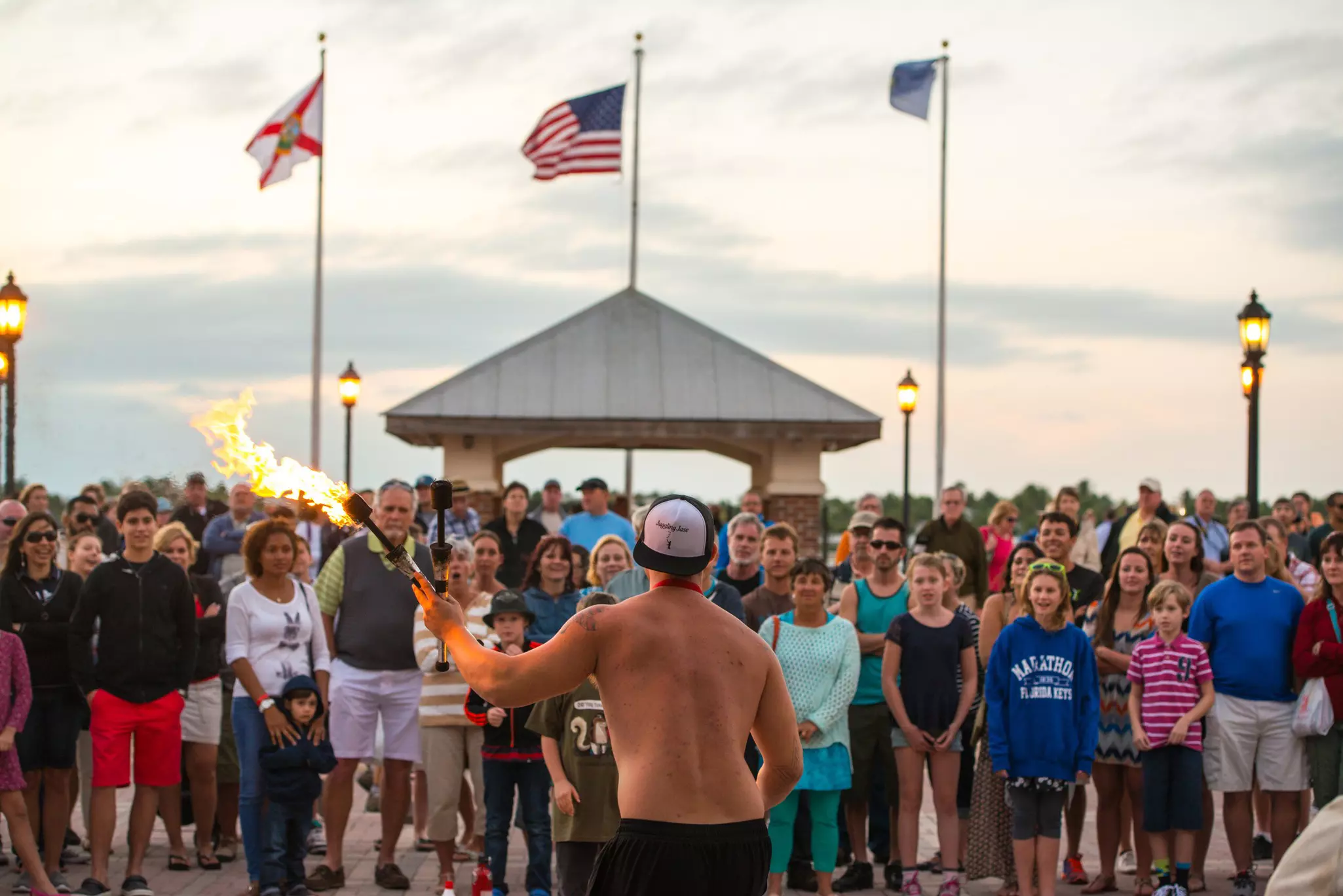
7. Celebrate the sunset at Mallory Square
Sunset in Key West is a visual spectacle, and the nightly party at Mallory Square takes things to the next level. The celebration kicks off 2 hours before the sun dips and is never the same two nights in a row.
The scene contains all the energies, subcultures and oddities of life in the Keys, concentrating them into one torchlit, family-friendly, kind of touristy yet playfully edgy street party. The waterfront location is magnificent, and food vendors often congregate here. The kitsch tableau of performers may include a dog walking a tightrope, a man swallowing fire and acrobats tumbling and sassing each other. The showmanship and camaraderie of the performers is matched by the energy of the crowds and the dying fires of the day.
After the last rays of daylight, you’ll find yourself positioned at the top of Duval St, ready to begin the Duval Crawl. (Lucky you.) The main drag of Old Town Key West, Duval is lined with historic and neon-covered buildings, its upper reaches packed with bars, restaurants and plenty of party people partaking of it all.
Local tip: When you set out from Mallory Square, you’ll want to pace yourself as two of Duval St’s biggest dive-bar draws, Hog’s Breath Saloon and Sloppy Joe’s, lie right at the beginning.
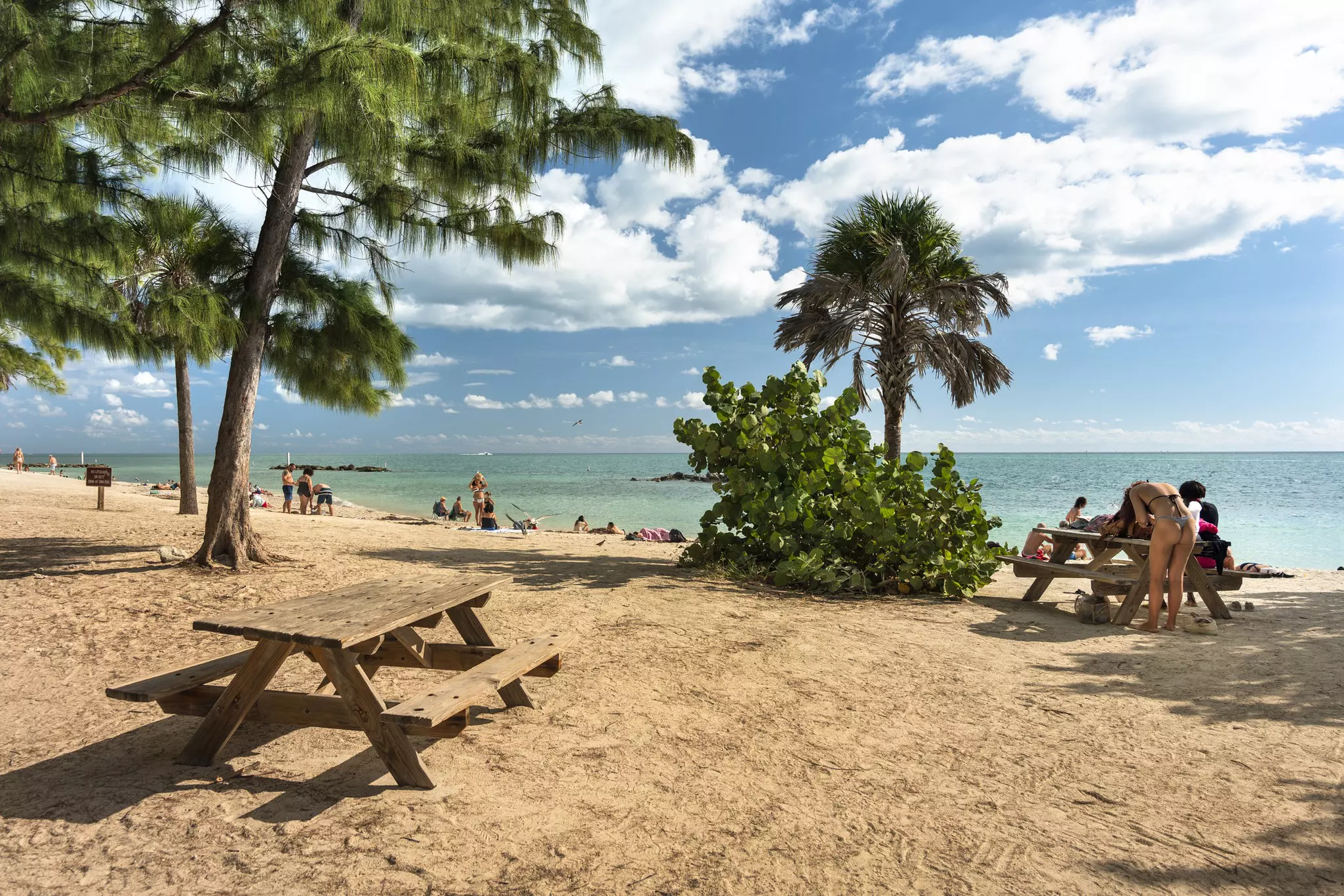
8. Lie out at local beaches
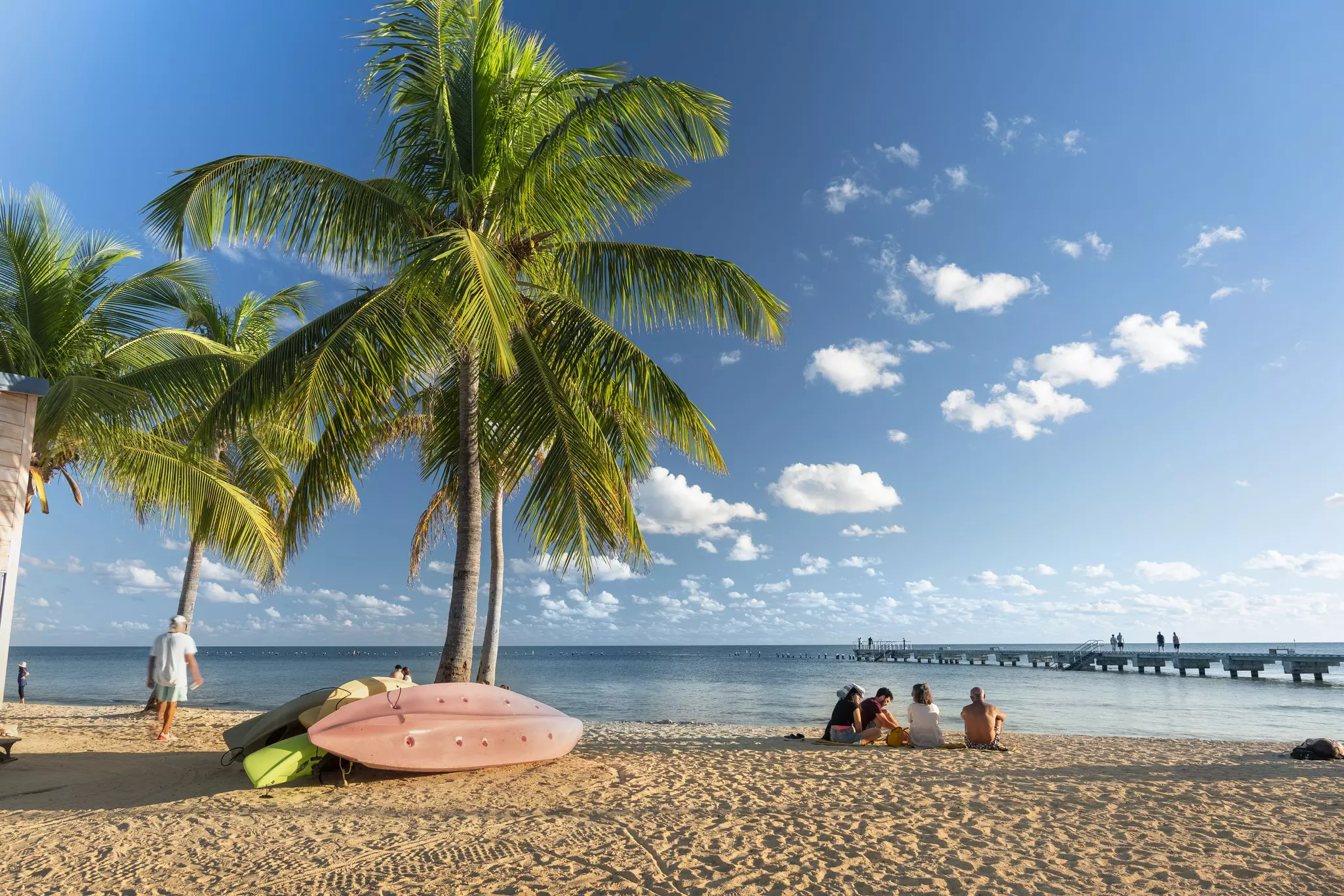
Fort Zachary Taylor Historic State Park is home to an impressive 19th-century fort, but most people come for the beach, one of the best in the Keys. Expect white sand to lounge on (though it’s rocky in parts), water deep enough to swim in and tropical fish under the waves. The beach is also a great spot to watch the sunset – a fine alternative to the mass mayhem of Mallory Square. (Note that the park closes immediately after sunset.)
For a free dose of white sand, the half-mile stretch at Smathers Beach is the largest public beach in town. Come spring break, it’s beyond packed with college bros and gals; make your plans to avoid or join in accordingly. Higgs Beach is another free option, with a long wooden pier perfect for admiring the turquoise water below.
Local tip: Fort Zachary Taylor figured in both the US Civil War and the Spanish-American War. You can see just how on the third weekend of each month, when reenactors conduct demonstrations.
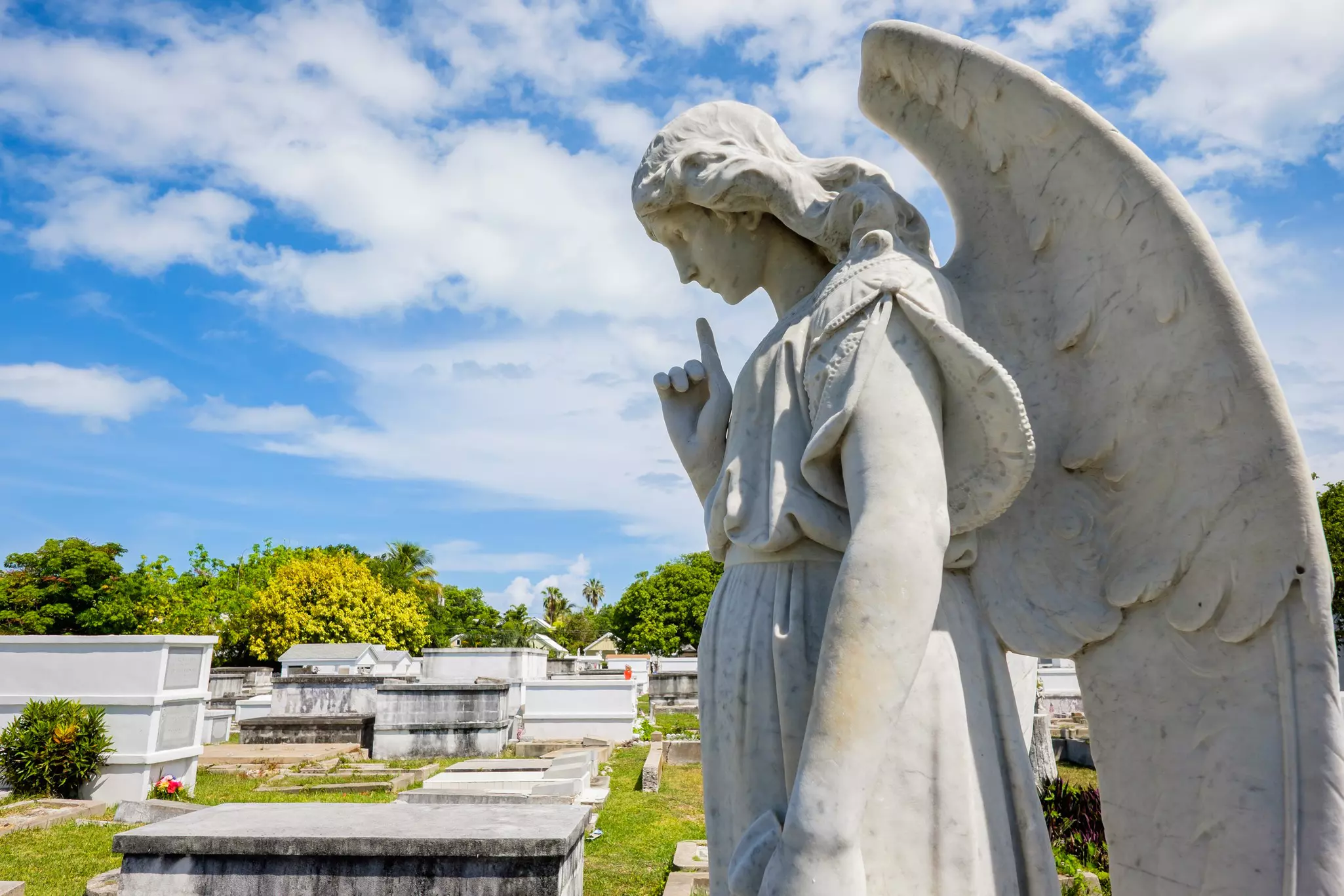
9. Have a laugh (really) at Key West Cemetery
A darkly alluring gothic labyrinth beckons at the center of this pastel town. Built in 1847, Key West Cemetery crowns Solares Hill, the highest point on the island (with a vertigo-inducing elevation of approximately 16ft). Here, some of the oldest families in the Keys rest in peace. In close proximity to one another, too: with space at a premium on so small an island, the mausoleums stand practically shoulder to shoulder.
A particular delight are the (unsurprisingly) quirky things you can spot on some gravestones. Among the classics are BP “Pearl” Roberts’ tombstone, which reads, “I told you I was sick”; and that of Edwina Lariz, forever marking a “Devoted Fan of Singer Julio Iglesias.” For history buffs, a large monument honors the 260 US soldiers who were killed aboard the USS Maine in Havana in 1898.
Detour: Uncover more of Key West’s spooky side with Ghosts & Gravestones' 1-hour part-trolley, part-walking tour.
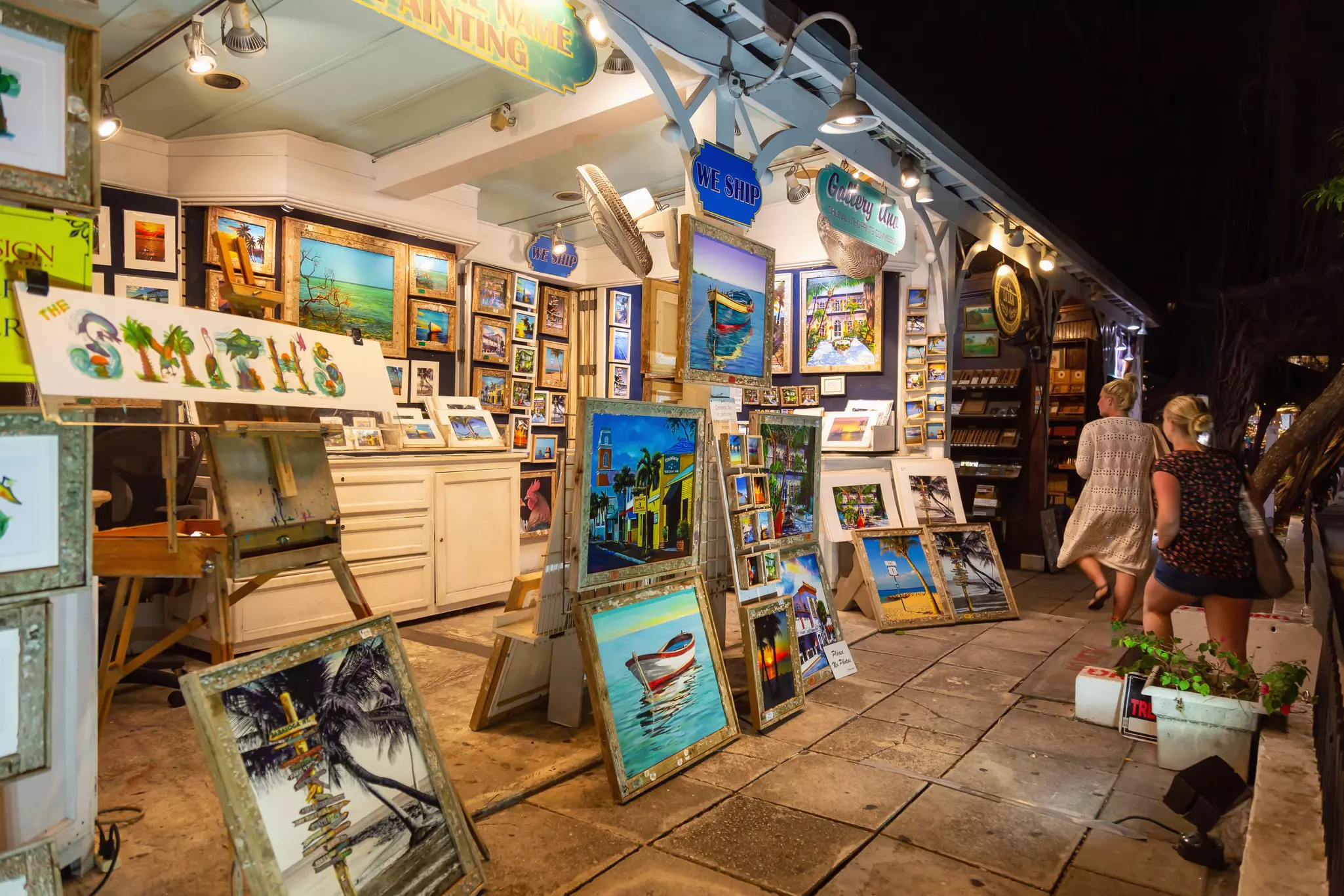
10. Snag some sunny art to take home
Key West has always been a haven for artists – something on vivid display in the town. The Wyland Gallery of the Florida Keys has an incredible pulse on the scene and hosts regular shows, selling works heavy on depictions of sunsets and marine life.
The nonprofit Studios of Key West houses some dozen artists’ studios in a three-story space. It hosts some of the best art openings in Key West on a regular basis, as well as open-studio showcases, readings, literary and visual workshops, art auctions, painting boot camps and concerts. Its popular residency program helps explain the constant rotation of creative talent on the island.
Local tip: At the studios, don’t miss Hugh’s View, a rooftop deck that offers a fine perspective over town. It’s open to the public on Tuesdays, 6–8pm.
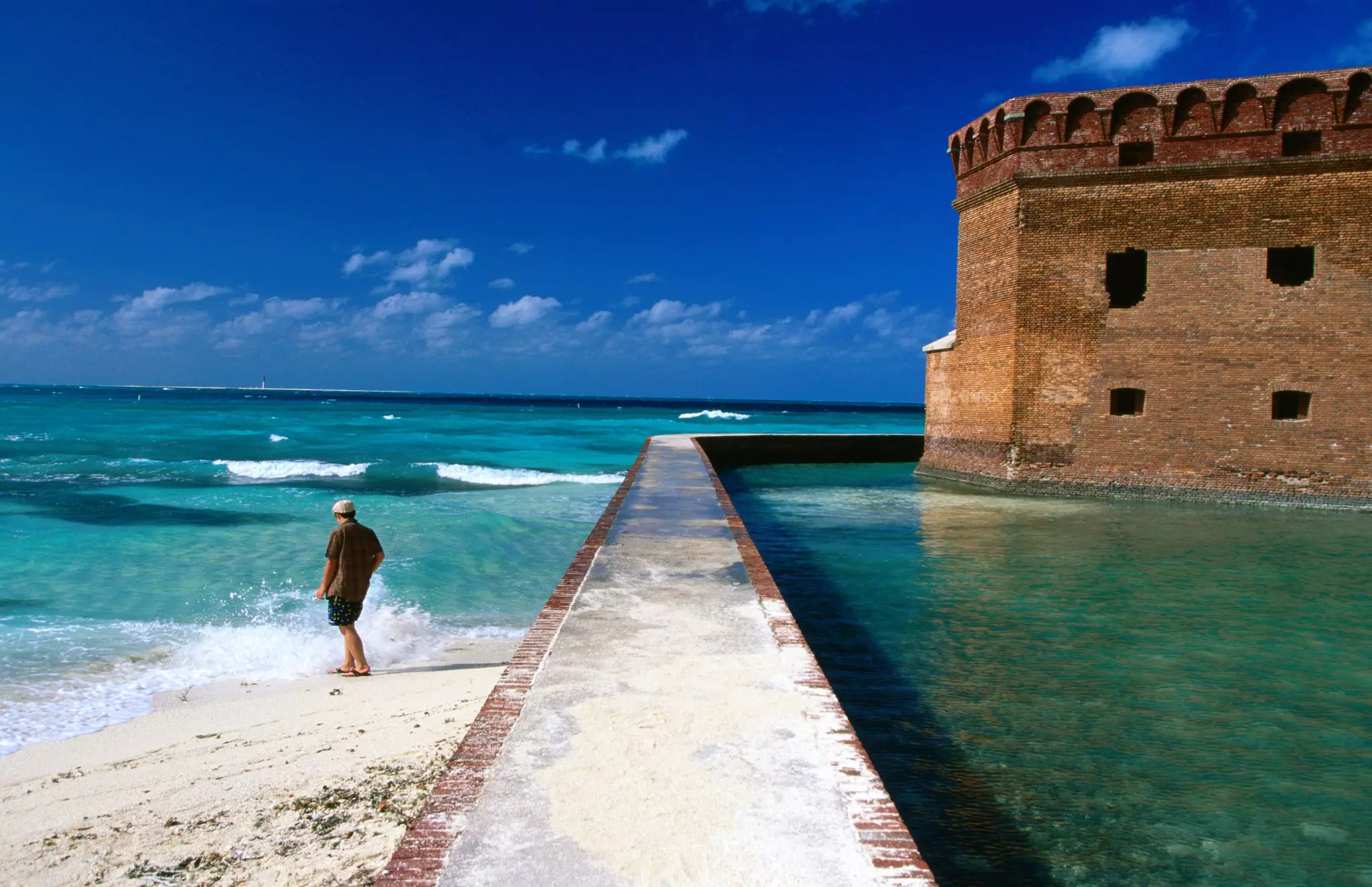
11. Catch a ride to Dry Tortugas National Park
Perhaps the most remote of the USA’s national parks, Dry Tortugas lies even further out in the Gulf of Mexico than Key West. Once you’ve made the long journey, you can look forward to vivid coral reefs, a massive Civil War fortress and secluded beaches like no other. On paper, the Dry Tortugas covers an extensive area – over 70 sq miles. In reality, only 1% of the park (about 143 acres) consists of dry land, on seven islands, meaning much of the park’s allure lies underwater. The marine life is quite rich here, with the opportunity to see tarpon, sizable groupers and lots of colorful coral and smaller tropical fish, plus the odd sea turtle gliding past.
Planning tip: Getting to Dry Tortugas requires a 2-plus-hour ferry ride aboard the Yankee Freedom or a private boat charter. Key West Seaplane Adventures takes up to 10 passengers on a half-day tour (flight time is 40 minutes each way). Reserve any transportation well in advance.
This article was adapted from Lonely Planet’s Miami & the Keys guide, published in August 2025.