Oct 19, 202611 min read
Rockies Versus Sierra: Two Ways to Road-Trip the American WestMar 9, 2026
8 MIN READ
Contributors
Discover these historic sites and monuments that tell the story of America. Orhan Cam/Shutterstock
Contributors
Lynn Brown, Dana Givens
Lonely Planet may earn a commission from affiliate links on our site. All recommendations and reviews reflect our own independent opinions.
Black culture has shaped much of American history and the cultural impact of the US around the world. After the murder of George Floyd in 2020, conversations around race and injustice moved to the center of American discourse. It's never been more critical to preserve sites that hold significance in American history and learn from them.
There are Black sites and monuments across the country that preserve moments in time that either sparked a revolution or bore witness to the resilience that inspired these movements. There are also numerous monuments and places that signify the fullness of Black culture for you to discover in the USA.
Whenever you plan a trip to any of the following places in America, put these remarkable sites on your itinerary. Read on for where and how to visit them.
Washington, DC
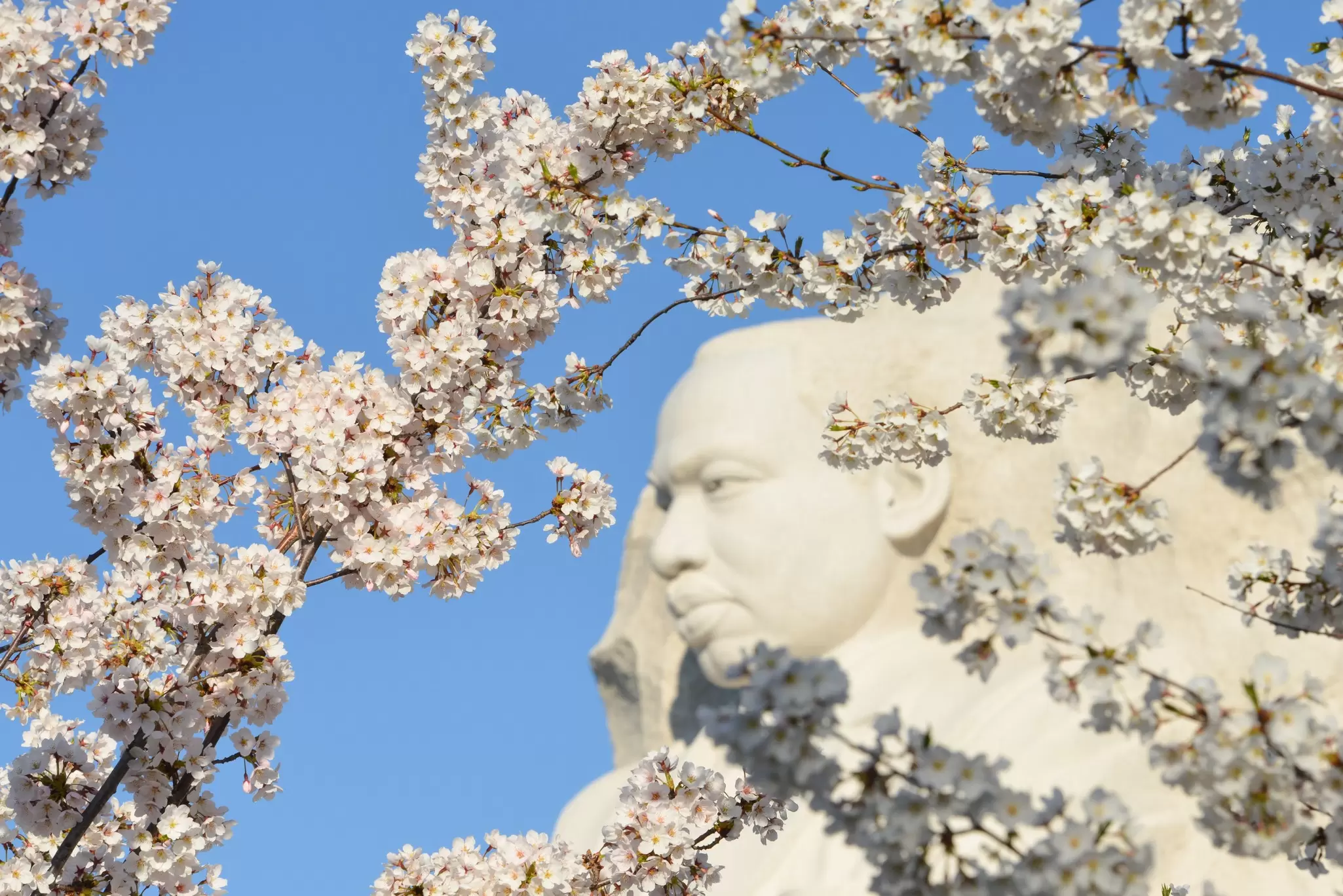
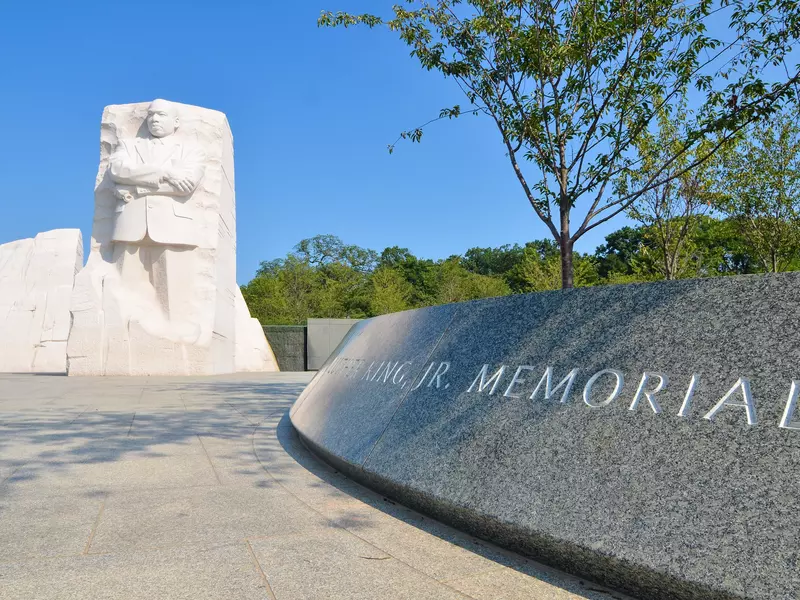
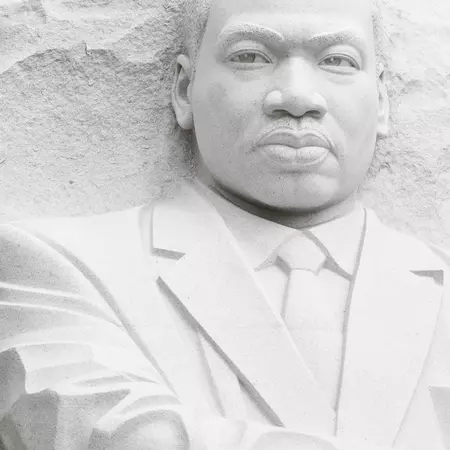
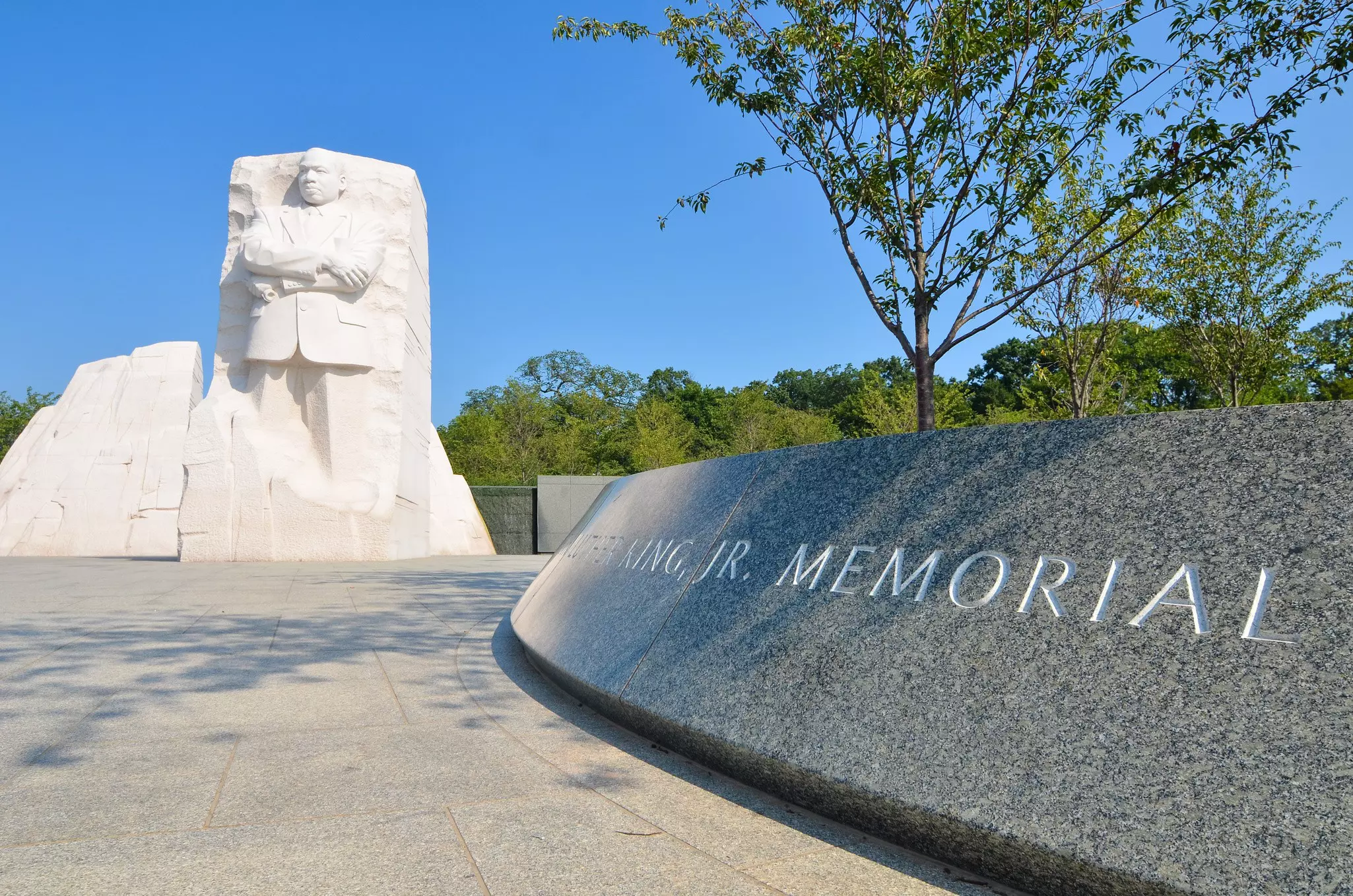
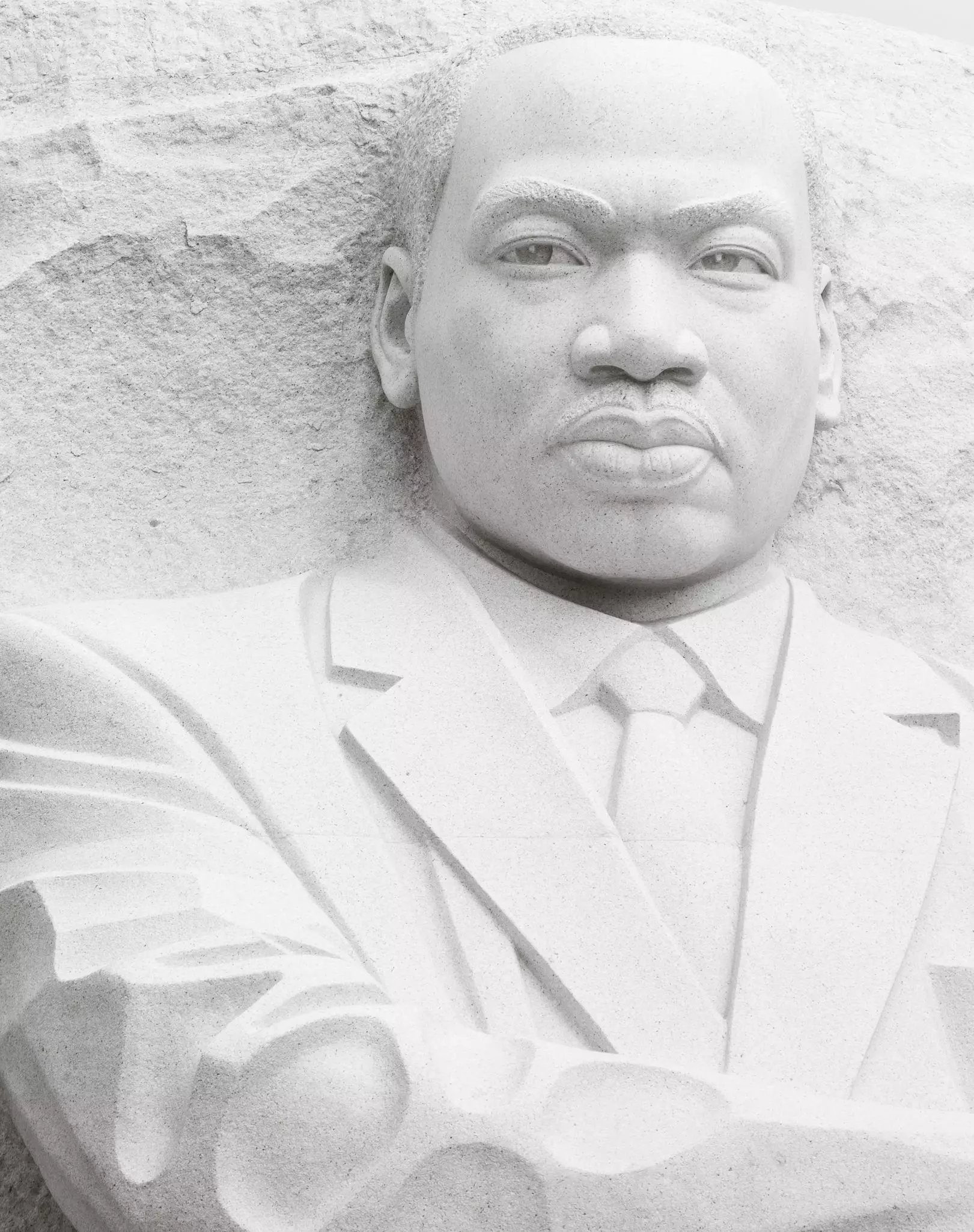
In a city filled with iconic monuments and historic sites, the astounding 30ft-tall Martin Luther King Jr Memorial is a must-see. The sculpture, unveiled in 2011, depicts the famous Civil Rights activist carved in granite with a few of his most famous quotes etched in the stone.
Planning tip: It's open 24 hours a day, but the early morning is the best time to visit for photography.
Washington, DC
Frederick Douglass was a prominent abolitionist and Black scholar who was crucial in helping end slavery. You can learn all about Douglass’ life and see how the scholar lived via a tour of his Anacostia home. The house, which Douglass lived in from 1877 until his death in 1895, became a part of the National Park Service in 1962.
Planning tip: Tours are free, but you're encouraged to reserve ahead to guarantee a spot during busy times (spring and summer). Reservations cost $1 and can be made online or on the phone.
Daytona Beach, Florida
Author, philosopher and educator Howard Thurman is regarded as one of the architects of the nonviolent movement. Much of his philosophical work became a foundation for the Civil Rights protests. Today, visitors can tour his home and learn more about the man who inspired some of our greatest Civil Rights activists, such as Dr Martin Luther King Jr.
Planning tip: Tours are on from Wednesday through Saturday. If you want to visit outside that time, get in touch.
Jacksonville, Florida
During the Jim Crow era, beaches in the US were either segregated or whites-only. Jacksonville’s American Beach became the only refuge for Black residents after being purchased by the Black-owned Afro-American Life Insurance Company in the 1930s. From that moment and through the 1950s, American Beach became a popular destination for Black travelers as one of the only beachfront properties where Black visitors could vacation peacefully. In 2001, American Beach was listed on the National Register of Historic Places.
Cambridge, Maryland
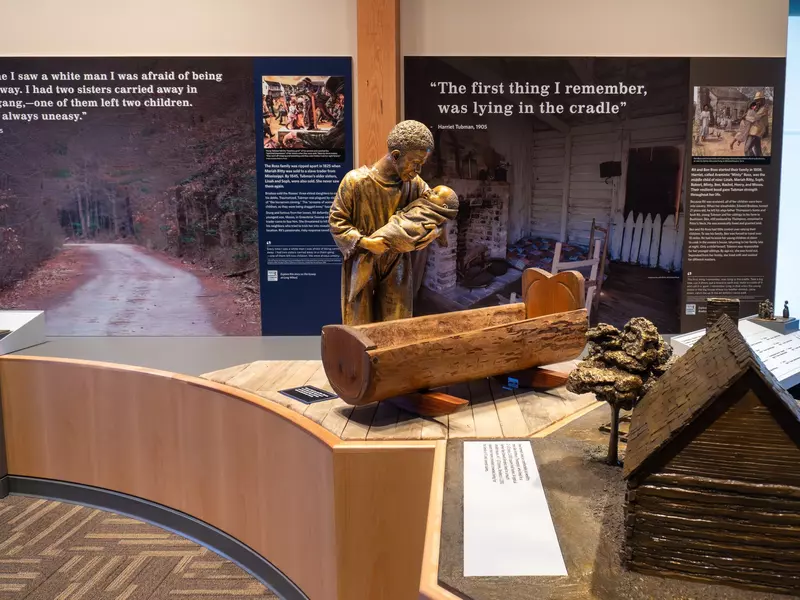
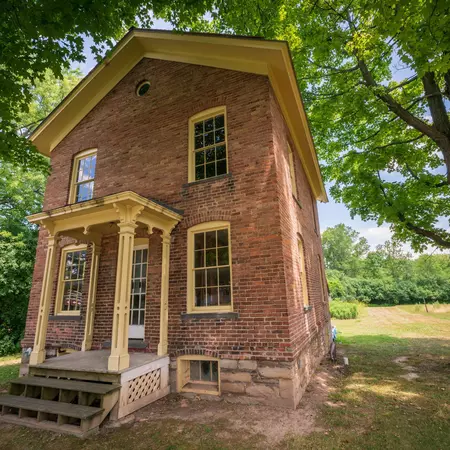
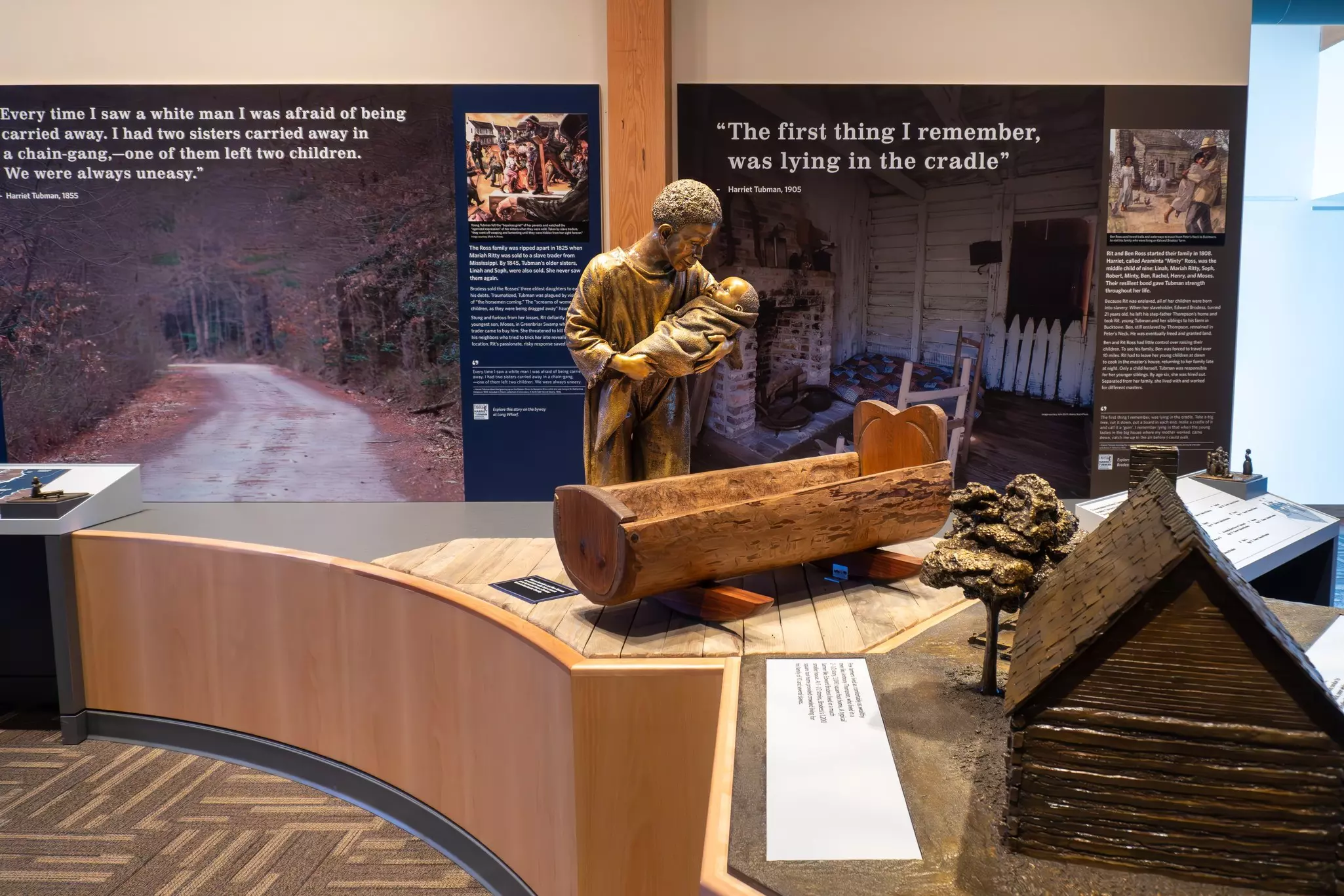
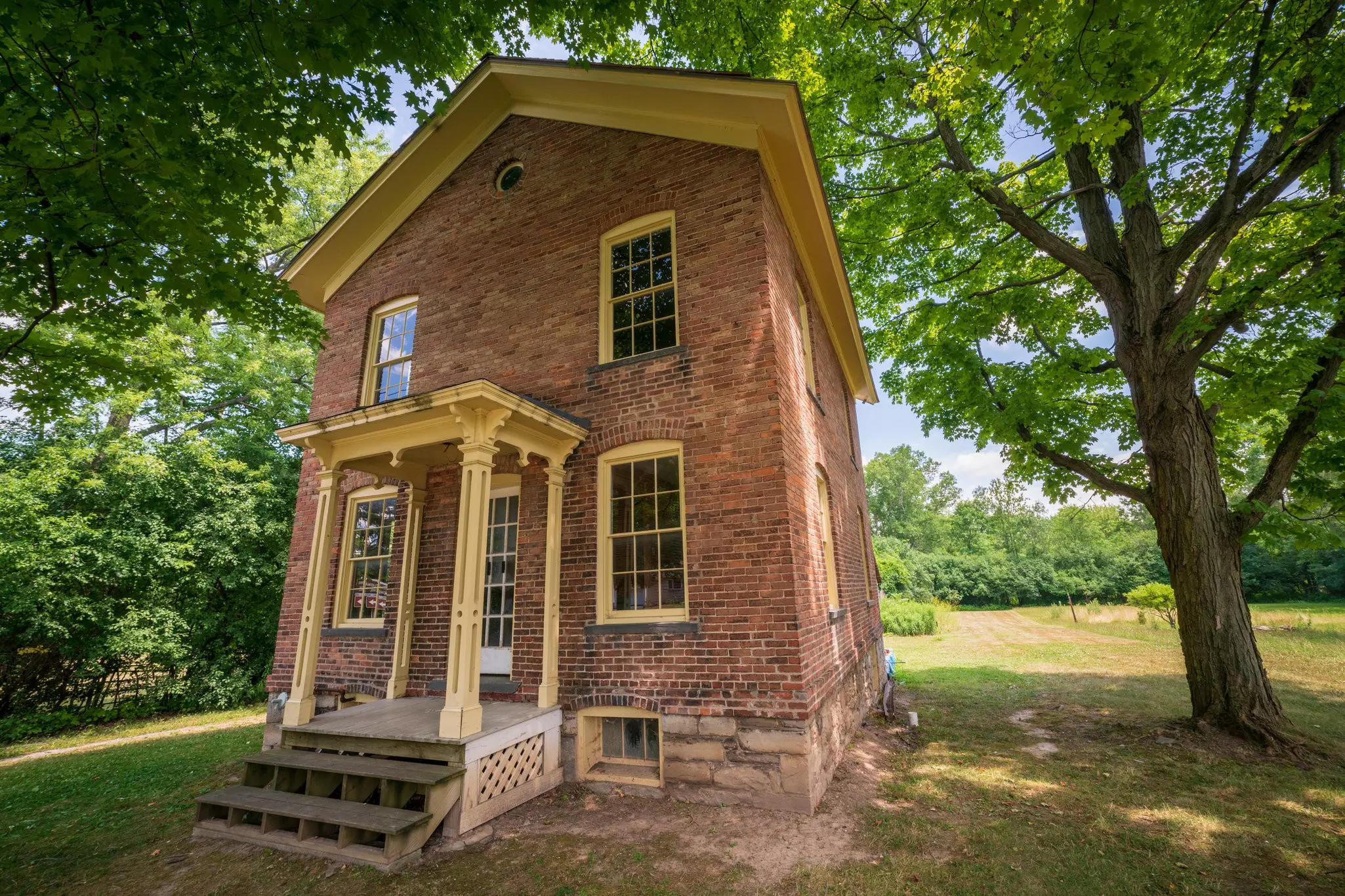
After being named a national monument in 2013 by then-President Barack Obama, the Harriet Tubman Underground Railroad National Historical Park has attracted visitors from all walks of life to learn about the woman people called "Moses." The site contains four notable stops along with the historic underground network, including the Jacobs Jackson House, Bezel Church, Stewart's Canal and James Cook Home Site.
Planning tip: Leave at least 90 minutes for your visit. Also note: it is closed on Monday and Tuesday.
Chicago, Illinois
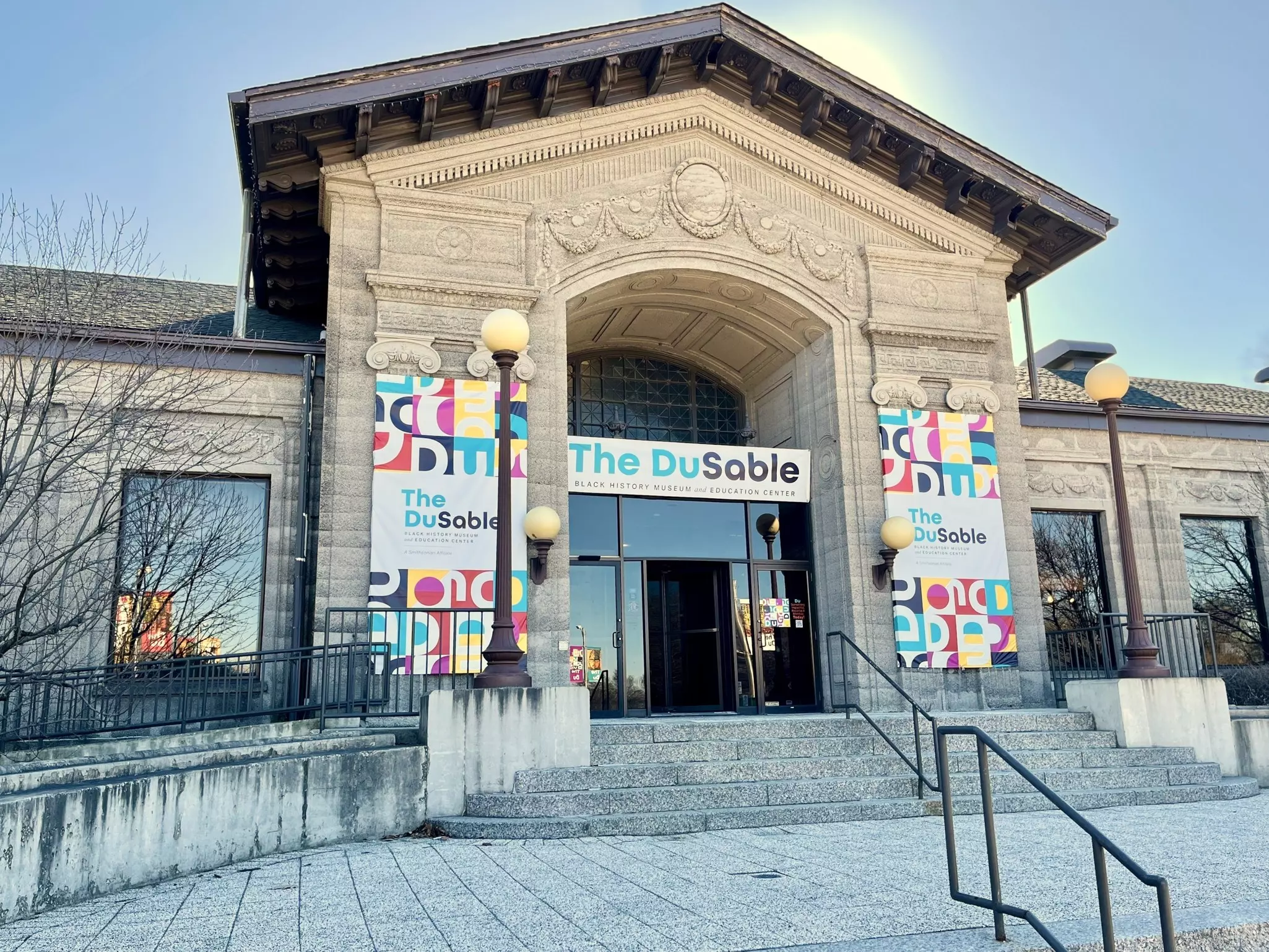
The first independent museum of African American culture in the US, the DuSable Museum was founded in Chicago in 1961 by artist and activist Margaret Taylor-Burroughs, who originally ran it out of her own home. The exhibitions here speak to the struggles African Americans have faced historically, as well as those that continue into the modern era.
Planning tip: Entry is free on Wednesday. Also note: it's closed on Monday.

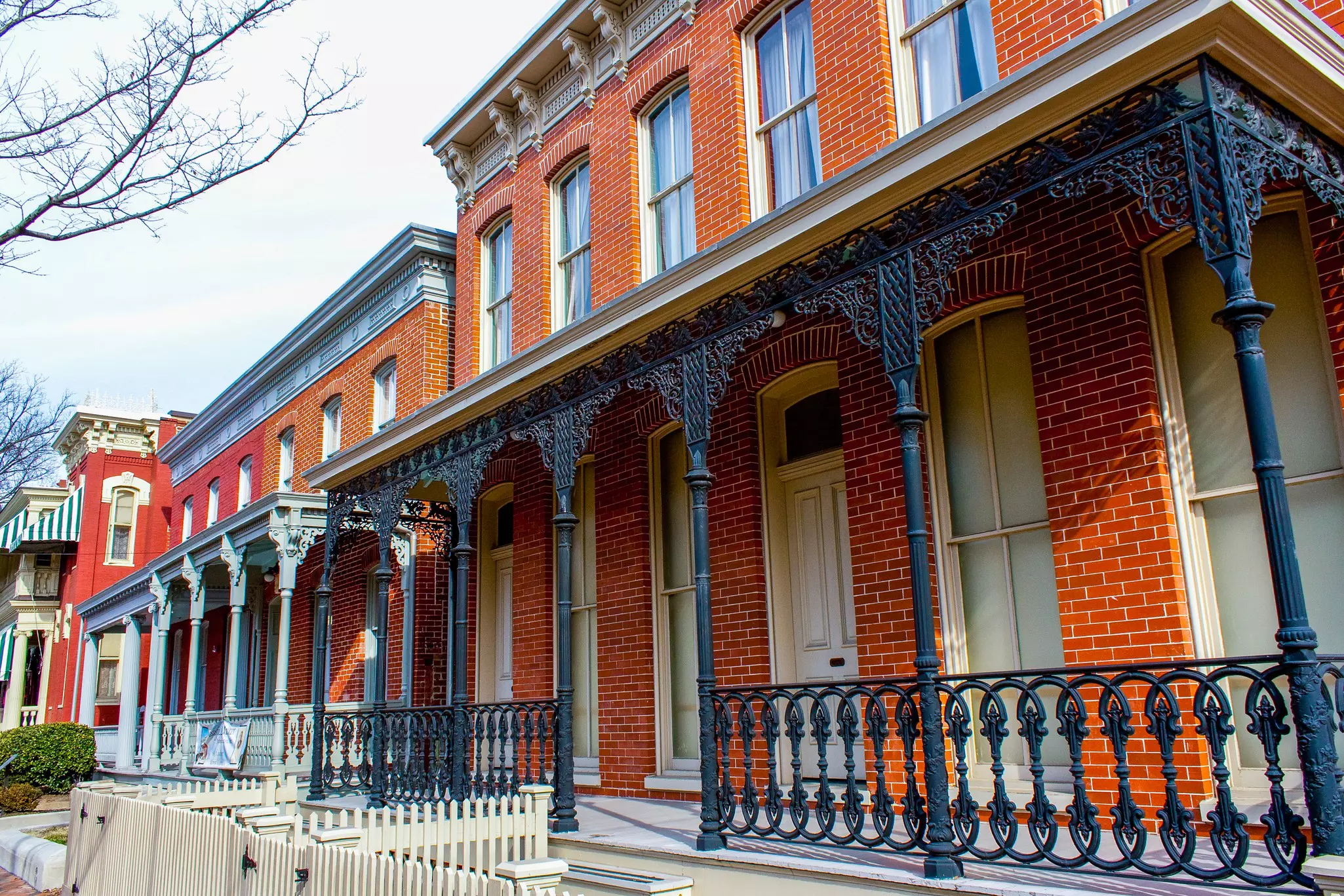
Richmond, Virginia
Virginia native Maggie L Walker was the first Black woman to found a bank and became a prominent businesswoman who helped the Black community in the Richmond area. Guided tours through the Maggie L Walker National Site provide insight into the woman who was a big proponent of Civil Rights and the economic empowerment of Black Americans.
Tulsa, Oklahoma
As the center of the Black community, churches have always played a major role in African Americans’ push for equality. Mt Zion Baptist Church in Tulsa was one of those places. Located in the historic Greenwood neighborhood, the church was destroyed during the 1921 Tulsa Race Massacre (the same year it was dedicated). It was officially rebuilt in 1952 and is a testament to the resilience of the Black community living there today.
Planning tip: Allow time to visit the Greenwood neighborhood and other significant sites such as the Greenwood Rising, Black Wall Street History Center.
Boston, Massachusetts
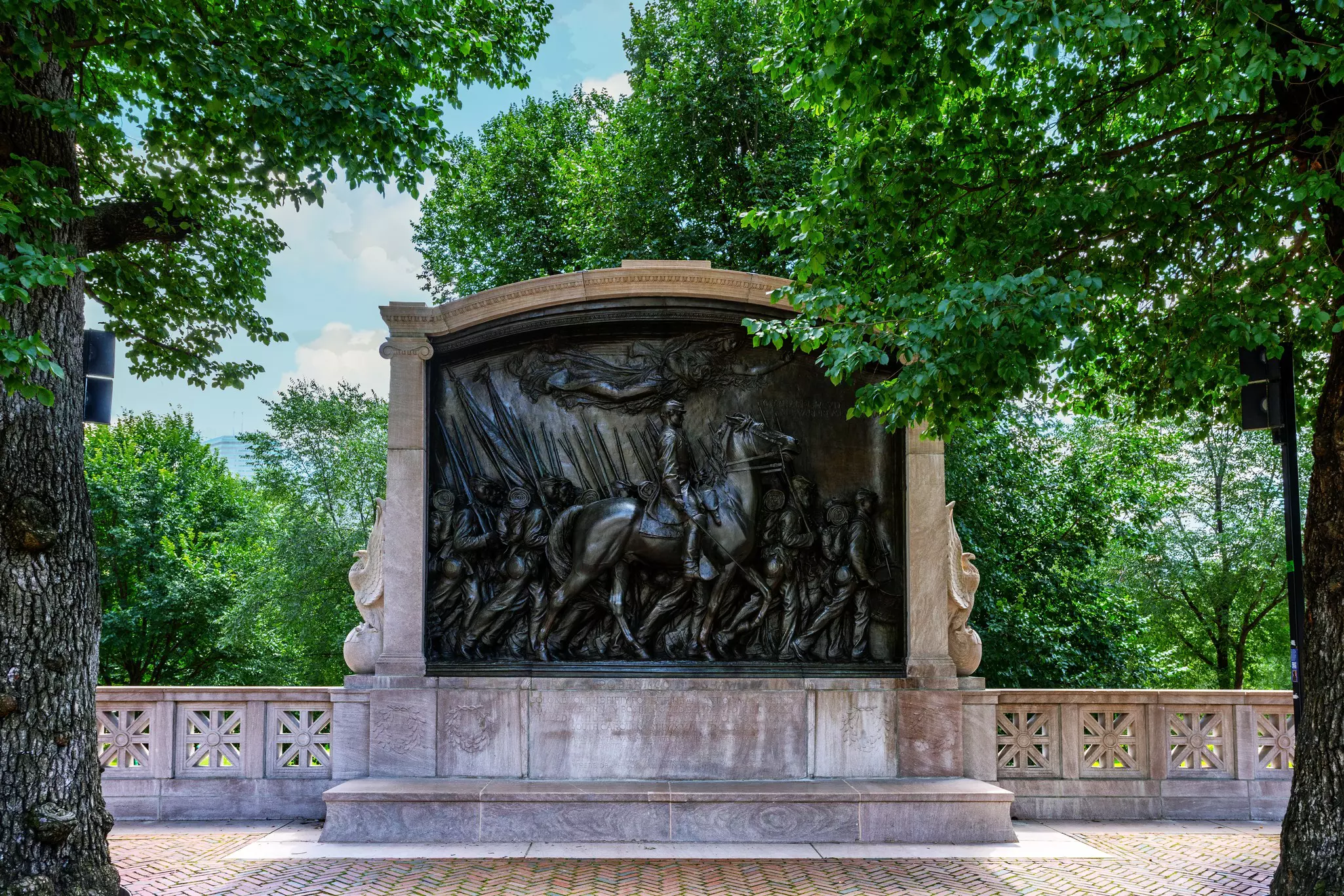
Located in Boston's Beacon Hill neighborhood, the African American National Historic Site houses 15 Civil War-era structures connected to the city's Black community. Some of its more notable points of interest include the Robert Gould Shaw monument, the Museum of African American History's African Meeting House and the oldest African American church in the state.
Little Rock, Arkansas
The Little Rock Nine were forever cemented in American history when they became the first group of students to desegregate a high school in Arkansas. Former state NAACP (National Association for the Advancement of Colored People) President and newspaper publisher Daisy Bates allowed her home to become a meeting spot and safe place for the students. Despite the threat of violence, Daisy and her husband, Lucius Christopher Bates, persevered.
Planning tip: Today, the house, which is a National Historic Landmark, is private property and not open to the public.
Memphis, Tennessee
Memphis’ Mason Temple served as one of the focal meeting grounds for the Civil Rights Movement in the 1950s and 1960s. It is also the place where Martin Luther King Jr made his famous “I’ve Been to the Mountaintop” speech on the eve of his assassination.
Nashville, Tennessee
Opened in 2021, NMAAM is the only museum in the world expressly celebrating the important role African Americans have had in creating what we know as American music. The exhibitions run the gamut from exploring the importance of religion in African American music to music's role in the Civil Rights movement.
Planning tip: Reserve your free timed-entry passes ahead of your visit and expect to stay at least 2 to 3 hours.
Birmingham, Alabama
Bethel Baptist Church was one of the epicenters of the Civil Rights movement in Birmingham, Alabama, and the parsonage here was home to the legendary pastor and activist Rev Fred L Shuttlesworth. Built in 1926 in the historically black neighborhood of Collegeville, this church was the headquarters for the Alabama Christian Movement for Human Rights (ACMHR), an organization focused on desegregation and voting rights, created after the state of Alabama outlawed the NAACP. The church and parsonage were bombed three times, and visitors today can still see the cracks in the foundation created by these attacks.

St Helena Island, South Carolina
The Penn Center is a collection of historic buildings on the site of the former Penn School. Opened in 1862, three years before emancipation, this was the first school for African Americans in the South. While the school itself is no longer in operation, visitors can still explore the more than 50 historic buildings, as well the on-site museum that tells the story of the Penn School and of the Gullah/Geechee people, a distinct African American community who live in this region.
Houston, Texas
Though the name of the museum is a nod to the nickname given to Black soldiers who served on the Western frontier, the Buffalo Soldiers National Museum is actually dedicated to all the African Americans who served in the US military, both historically and today. The museum has exhibitions on historical uniforms worn by Buffalo Soldiers, Black women who served in the military, early technology used by these soldiers and more. It also produces a variety of educational and artistic programs to teach about the legacy and struggles of Black soldiers.
Planning tip: The museum is closed for renovations until summer 2026; check online for updates.
Book your United States trip with Lonely Planet Journeys
See United States how it's meant to be seen
Accommodations, activities and ground transportation all taken care of, so you can focus on the fun part. Tell us what your dream trip to United States looks like, and our local experts will build it from scratch. Or start with one of our itineraries and make it your own.

Explore related stories