Oct 19, 202611 min read
Rockies Versus Sierra: Two Ways to Road-Trip the American WestSep 1, 2026
13 MIN READ

Writer
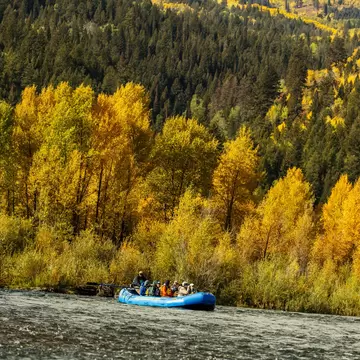
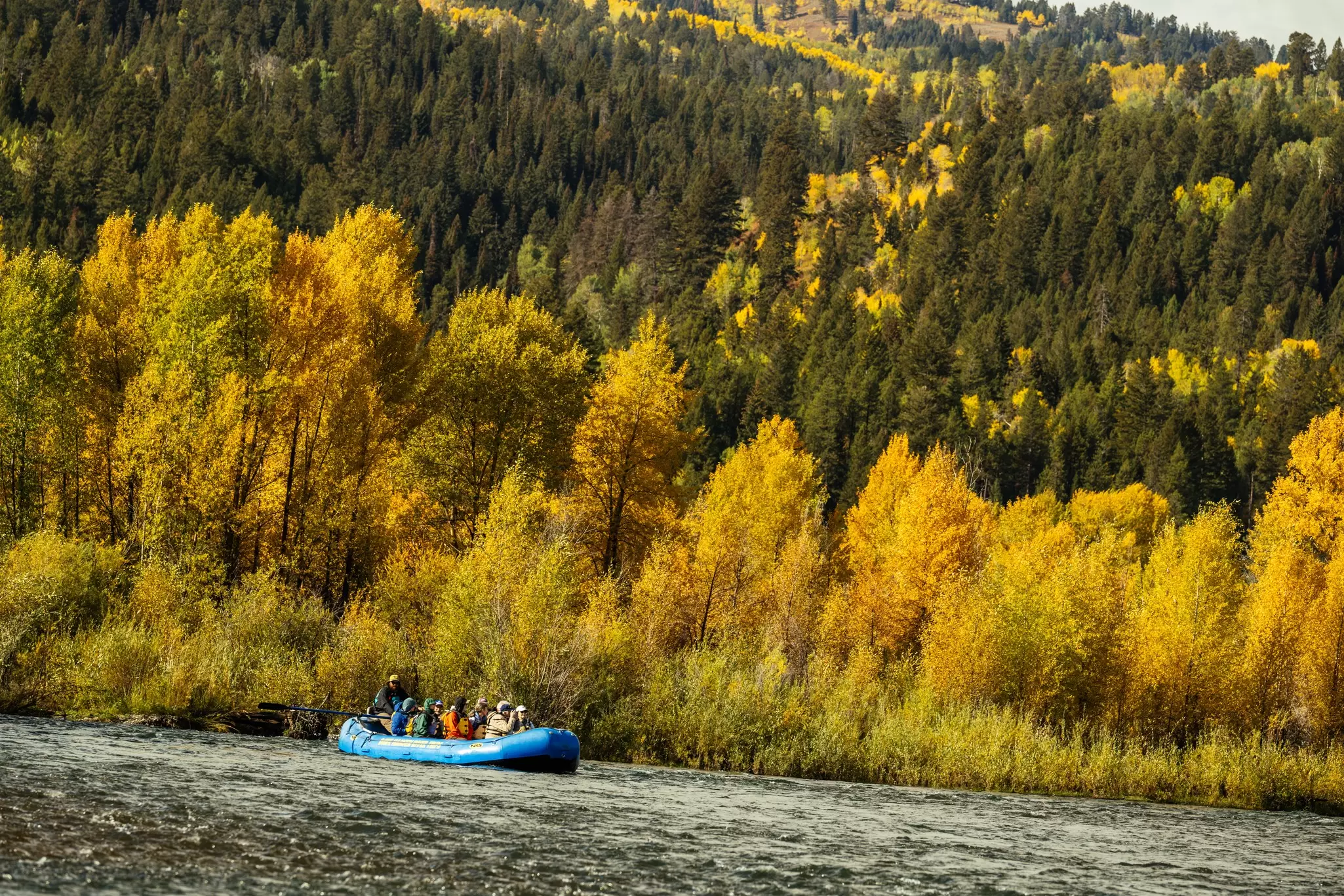
Float trip on the Snake River in Grand Teton National Park, Wyoming. Katelyn Perry/Lonely Planet
Writer
Highlights
Editors round up 15 national parks for fall road trips from Virginia to California.
Shenandoah near DC and Acadia in Maine offer classic East Coast fall color.
Head to Yellowstone for geysers and roaming wildlife, or Great Smoky Mountains for fall color.
Yosemite sees far fewer fall crowds; Guadalupe Mountains in Texas blazes with rare Southwest color.
Lonely Planet may earn a commission from affiliate links on our site. All recommendations and reviews reflect our own independent opinions.
US national parks are known for stunning, mind-bogglingly diverse landscapes, and fall reveals a quieter, shier side. As summer crowds fade and cooler weather sets in, vibrant foliage transforms forests and mountains, wildlife becomes more active, and brisk pine-scented air encourages cozy campfires and serene hikes.
Fall is fleeting, especially at high elevations where winter arrives early. Along with unpredictable weather, some park services, sections of parks and local businesses close mid-season. But if you time it right, autumn offers a magical, more grounded park experience.
Here are 15 of the best US national parks to drive to this fall.
Best for top-tier leaf-peeping
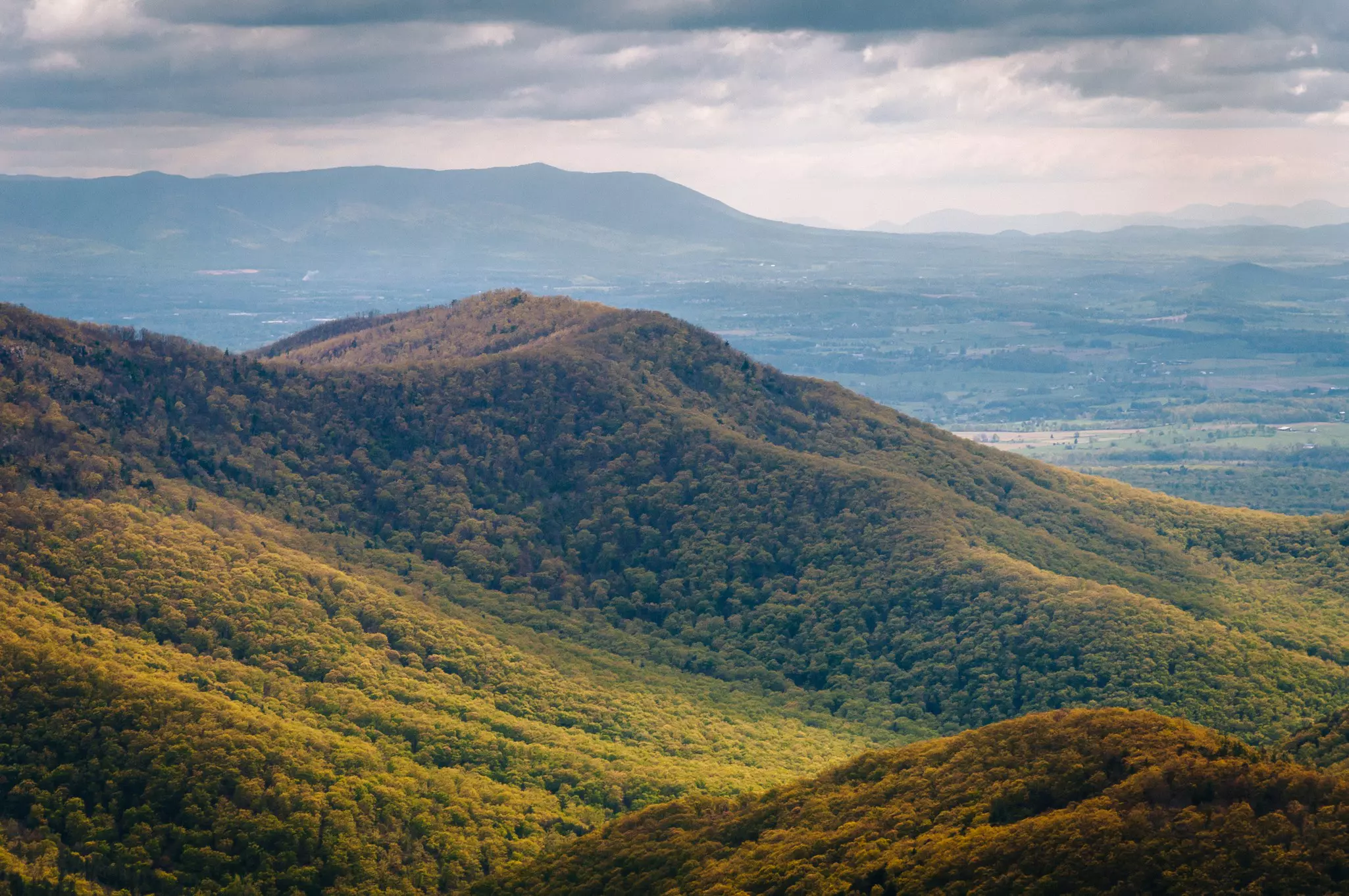
Two hours from Washington, DC, Shenandoah makes an easy fall getaway. Seemingly everyone has the same idea, though, so prepare for heavy crowds, even on weekdays. Cruise Skyline Drive to hit dozens of overlooks, then hike Old Rag (day-use tickets required) or Hawksbill, the park’s highest point, for birds-eye views over rolling golden hills. Colors typically peak late, sometimes lasting into early November.
Planning tip: It’s best to start the Skyline Drive route just south of Front Royal; from here, you’ll snake over Virginia wine and hill country. Numbered mileposts mark the way; there are lots of pull-offs. Our favorite is around Mile 51.2, where you can take a moderately difficult 3.6-mile loop hike to Lewis Spring Falls.
Best for scratching that autumn-in-New-England itch
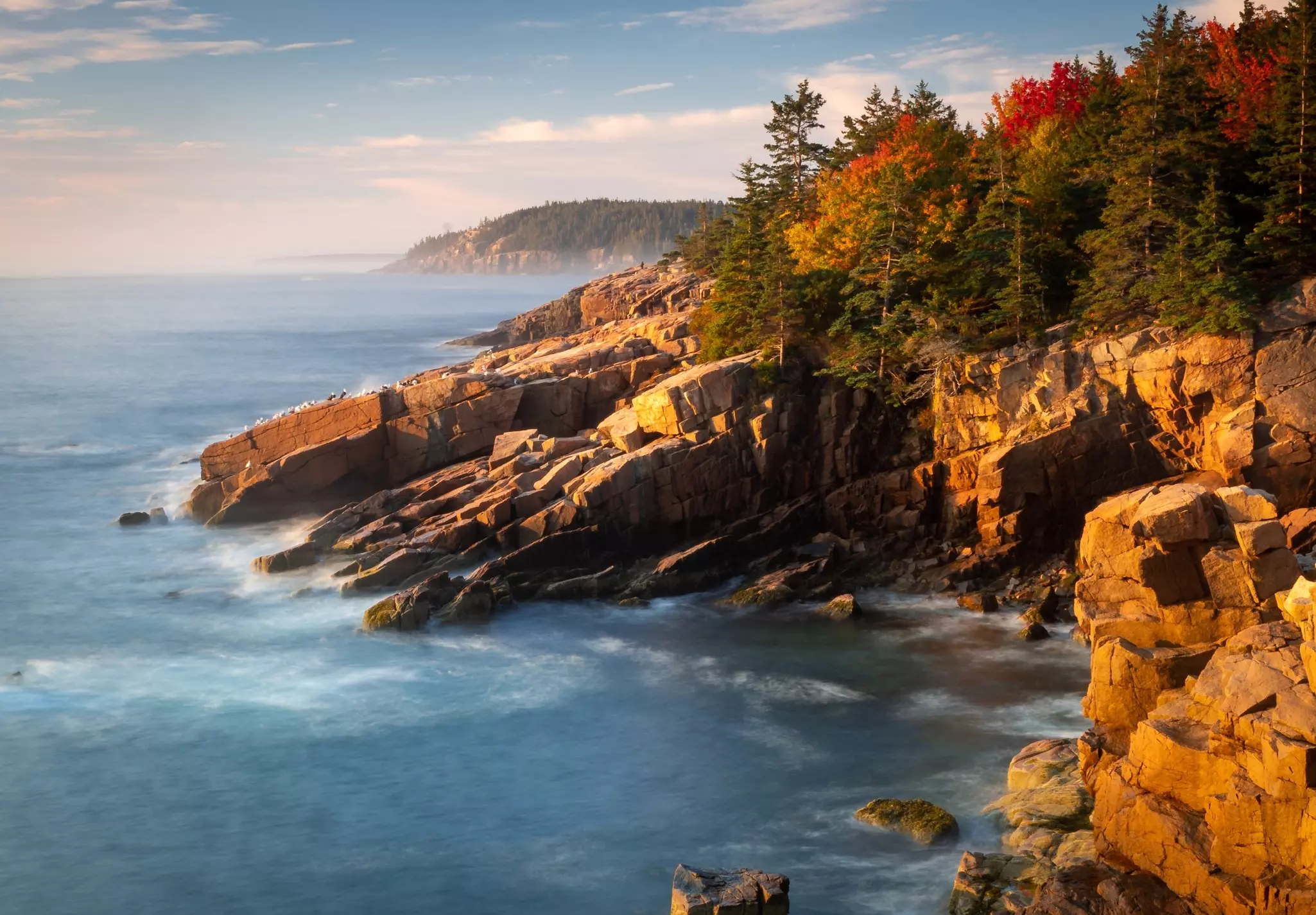
New England’s only national park delivers big on fall color, with crimson maples and golden birches punctuating the famously rugged coastline. Hike a classic, like Cadillac Mountain at sunrise or Beehive, then ditch the crowds for the quieter Schoodic Peninsula, where you can tidepool, watch for elusive moose, and catch the sunset behind Cadillac from Ravens Nest.
Planning tip: The campgrounds at the park fill up quickly, so plan ahead. There are four, unless you have a horse with you, which gives you access to a fifth with an on-site stable. Alternatively, Haborside Hotel is a property that's New England chic with every luxury you could need, while Salt Cottages offers a retro feel at an approachable budget with fun amenities like a game room, a pool and fire pit s'mores.
Best for larch madness without the crowds
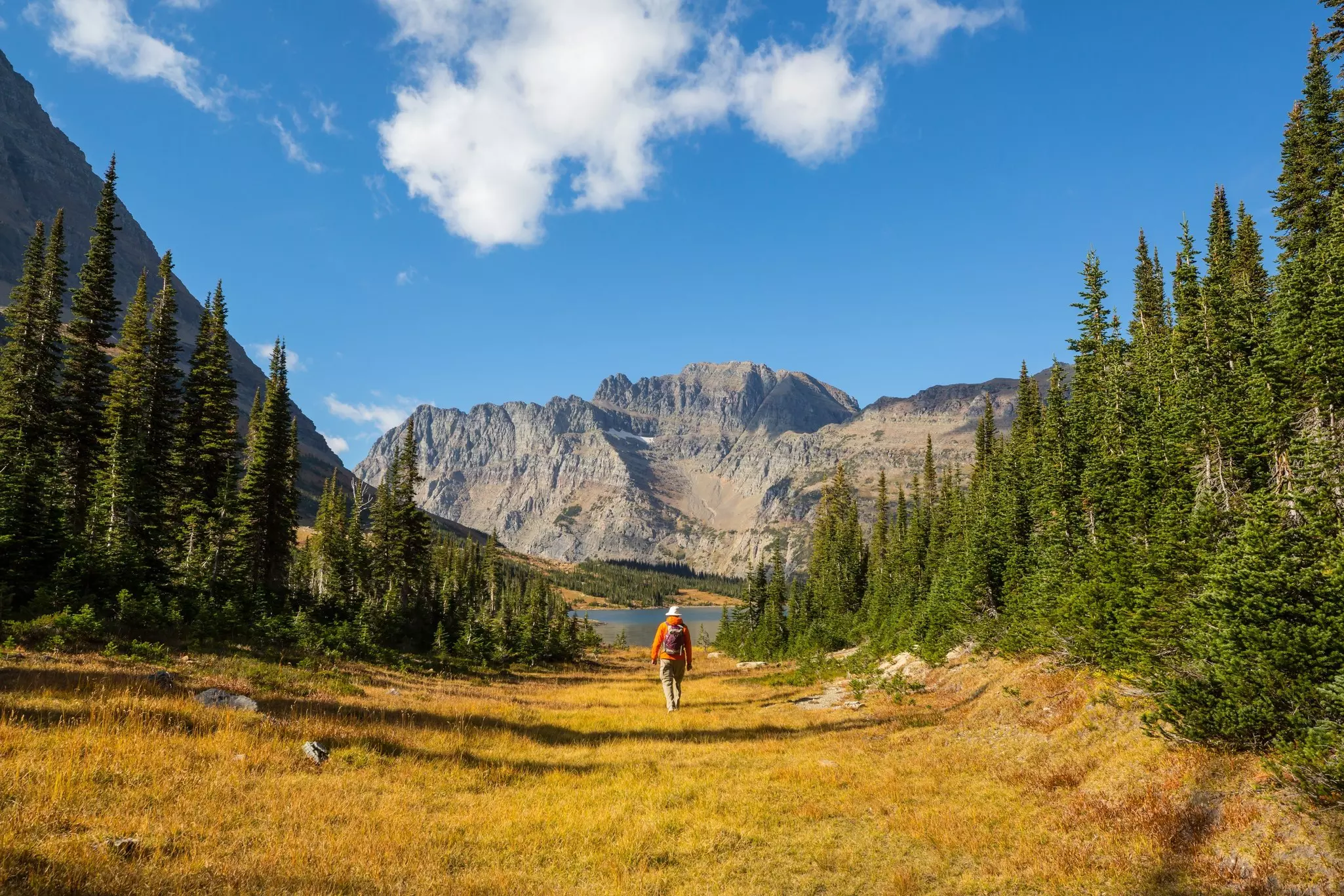
October brings Glacier’s golden hour – literally. Western larches blaze against evergreens, wildlife abounds, and Going-to-the-Sun Road (usually) remains open. Stroll Lake McDonald, hike Hidden Lake, explore lesser-visited Two Medicine and take in Highway 2’s roadside color show. With no timed-entry or campground reservations, you’ll experience a quieter park. Pack for both sunshine and snow, and brush up on bear safety.
Planning tip: The park's 1562 sq miles is divided into five regions, each with its own ranger station. It's handy to plan your day (and maybe some meals) based on where you enter and plan to leave the park. In West Glacier, eat at Belton Chalet for its 100-year-old fireplace and scenic views. In East Glacier, go for Serrano's Mexican Restaurant, while in Whitefish, grab a coffee at Montana Coffee Traders.
Best for an unsung fall escape
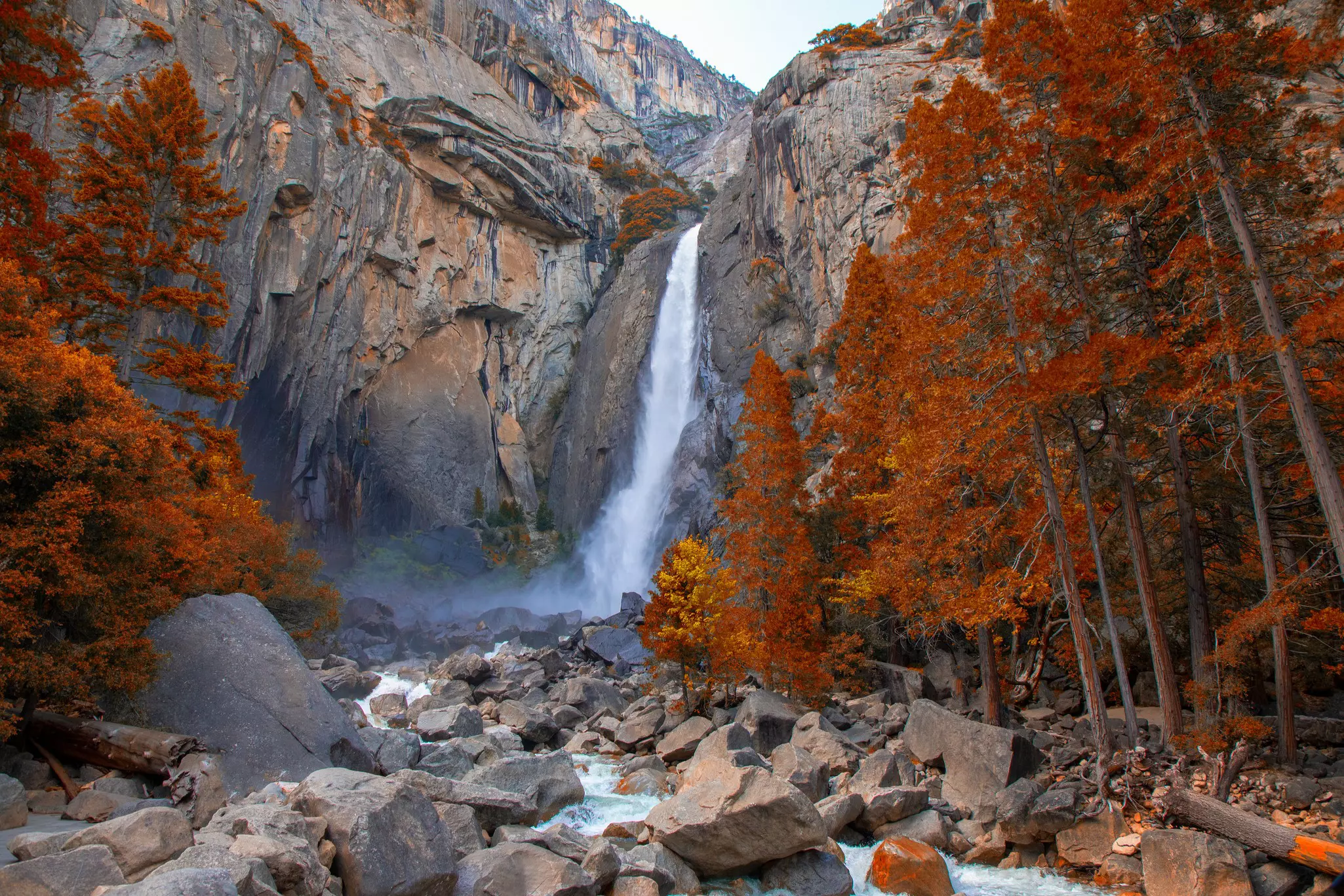
Stunning year-round, fall gets overlooked in Yosemite. Enjoy fewer crowds, no reservation requirements and a sweet spot with trails and roads open. Elm, oak and big leaf maples color Yosemite Valley, while quaking aspens dot the passes. Peak varies with elevation, so you may catch it in the valley but miss it higher up (or vice versa). After the must-see spots, detour to Wawona Swinging Bridge, where cottonwoods create a rainbow of fall color.
Planning tip: There are some excellent towns and roads to explore around the park as you approach. Hwy 140, which parallels the bed of the long-defunct Yosemite Valley Railroad, is one of the most scenic, especially the section that meanders through Merced River Canyon. The springtime runoff makes this a spectacular spot for river rafting, with many miles of class III and IV rapids. Most folks visiting from the San Francisco Bay area take Hwy 120 into the park, entering Yosemite at the Big Oak Flat Entrance. From there, it’s 22 miles to Groveland, an adorable town with restored gold-rush-era buildings and lots of visitor services. About 15 miles east of town, Rainbow Poolis a popular swimming hole with a small cascade.
Best for a classic mountain retreat
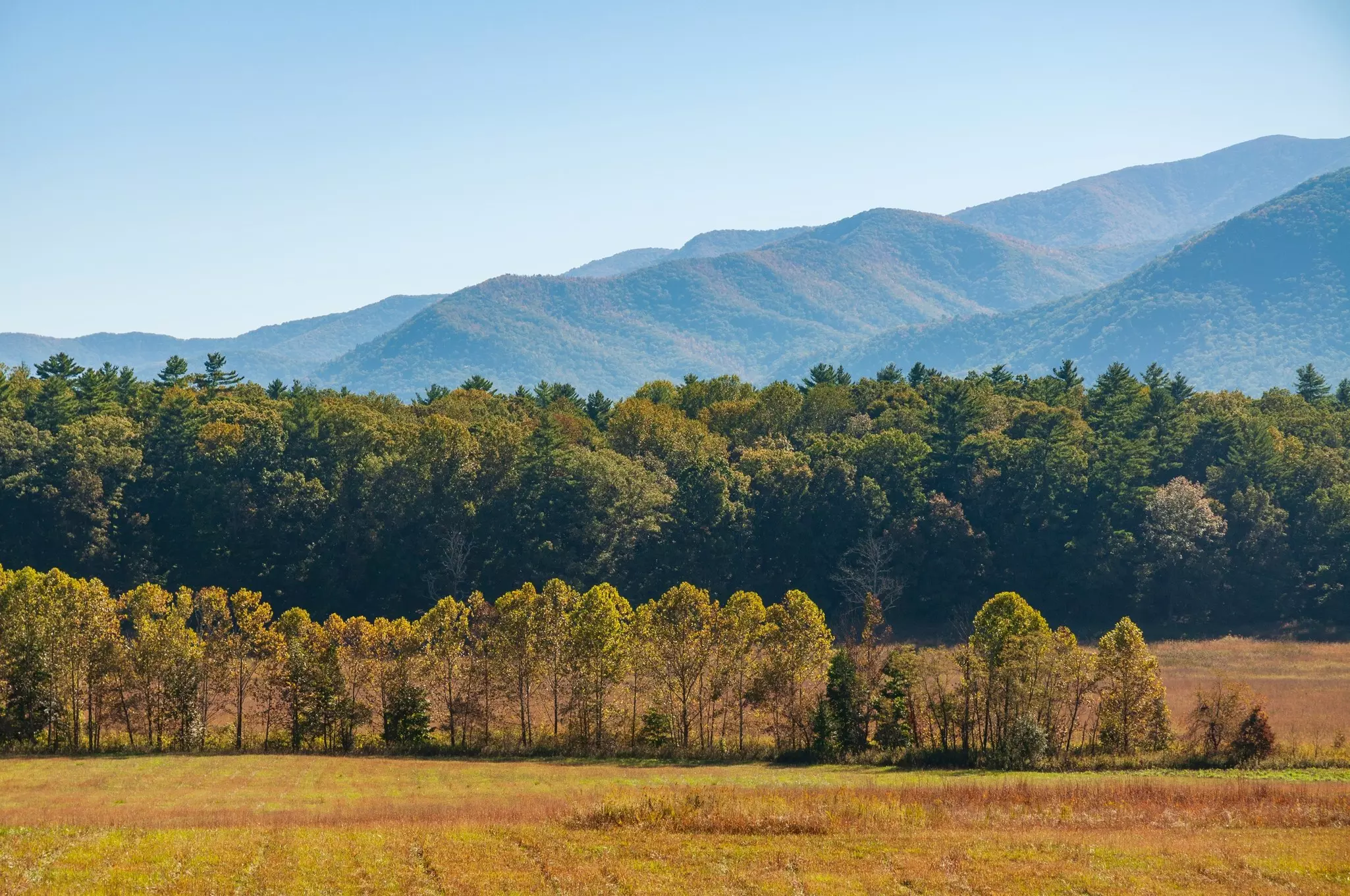
The country’s most visited national park, the Smokies’ peak season is fall – but the color kaleidoscope from nearly 100 deciduous tree species, asters and frequent bear sightings is worth the traffic. Get the best views from Kuwohi (formerly Clingman’s Dome), the park’s highest point, or hit quiet trails in Cosby or Townsend. Outside the park, ride aerial trams and hit harvest festivals in Gatlinburg and Pigeon Forge.
Planning tip: Cades Cove is a beloved part of the park. Many consider it a national treasure, thanks to its poignant cultural legacy, telling pioneer architecture and plentiful wildlife. An 11-mile loop road encircles the cove, with parking areas at the base of the various sights. The loop is open to traffic from dawn to dusk except on summer Wednesdays and Saturdays, when bikers and hikers rule the road. Pick up the self-guided auto tour booklet ($1) from any visitor center or at the entrance to Cades Cove itself.
Best for refined Western charm and in-your-face views
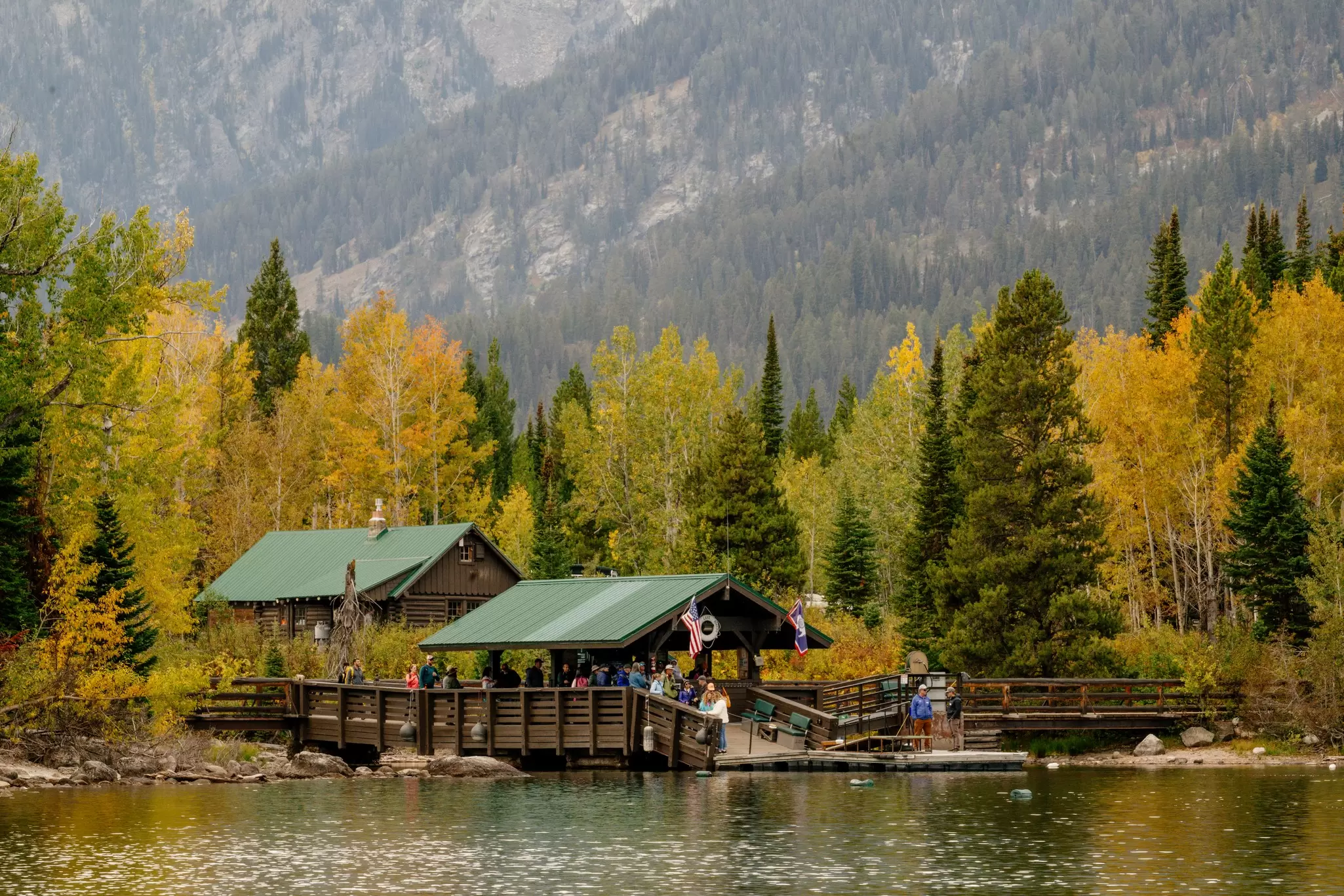
I may be biased – we loved our fall honeymoon here – but red and gold against the jagged, snow-dusted Tetons is spectacular. Just driving around, you’ll likely spot elk, bears or moose; for better odds, catch sunrise or sunset at Oxbow Bend. For incredible pizza, views and a well-curated wine shop, head to Dornans. Jackson Hole adds to the experience, with the legendary Million Dollar Cowboy Bar, chic rustic lodging and gondola rides at Jackson Hole Mountain Resort.
Planning tip: Here are our favorite spots for wildlife spotting: Oxbow Bend is a scenic river bend populated with moose, elk, sandhill cranes, ospreys, bald eagles, trumpeter swans, Canada geese, blue herons, white pelicans and…oh, yeah, abundant mosquitoes. Willow Flats Turnout offers views of a freshwater marsh that’s home to birds, moose, elk and beavers. Blacktail Ponds features ospreys, eagles and moose. At Antelope Flats, you'll catch bison and pronghorns at home on the range. Swan Lake is the spot to see beavers, trumpeter swans and geese.
Best for wildlife and geysers galore
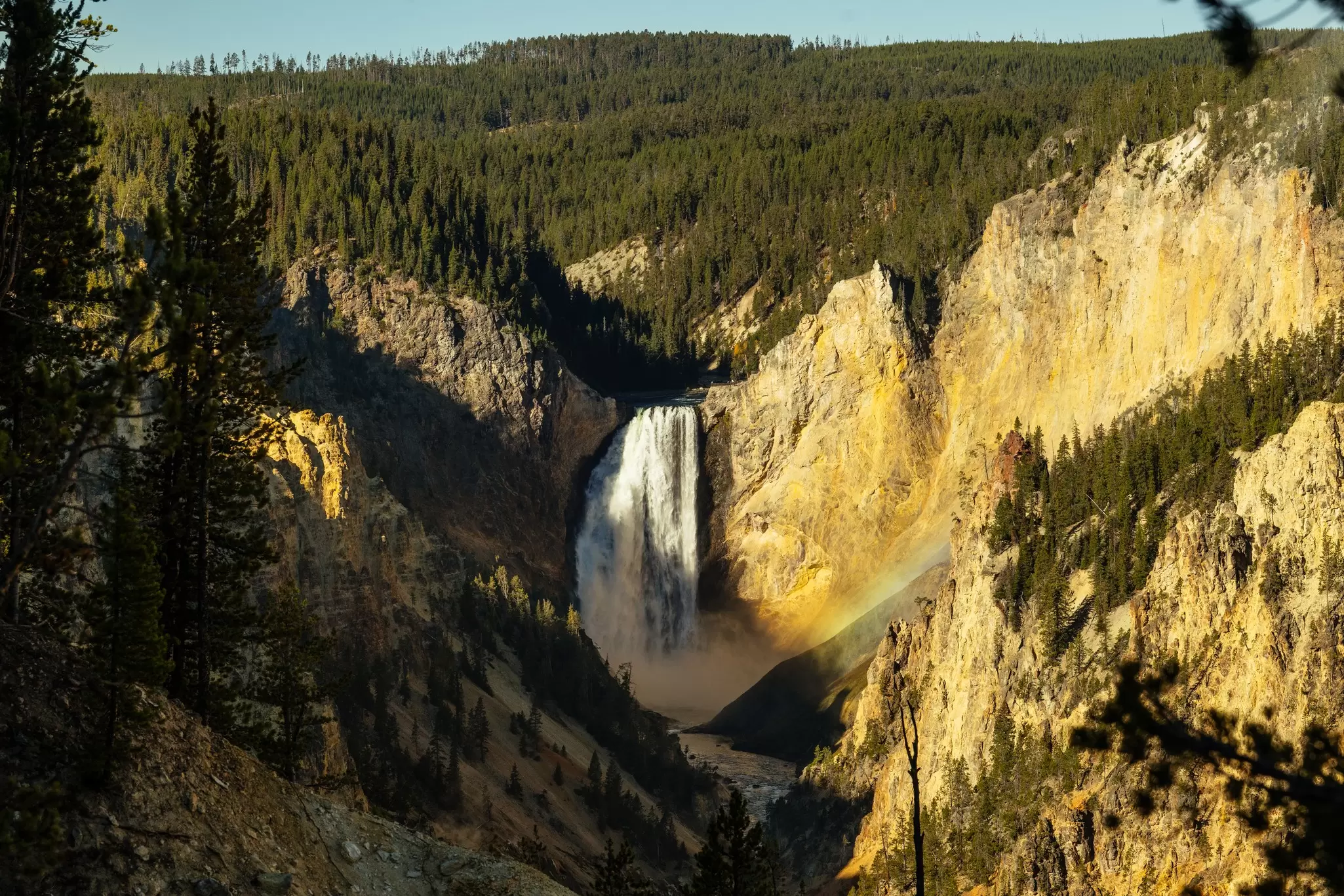
Grand Teton’s neighbor, Yellowstone adds geothermal drama to the seasonal show. Bison, elk, bears and wolves roam aspen and cottonwood-studded valleys, while steam rises from geysers and hot springs. Animal traffic jams are common, especially near Lamar Valley, the “Serengeti of North America.” While Old Faithful and the Grand Canyon of the Yellowstone remain busy, fall sees fewer crowds in the park overall.
Planning tip: From boardwalk strolls explaining the interior plumbing of a geyser to guided wildlife-watching at dawn and short guided hikes, the commentary from the park’s ranger-led activities will really enhance your understanding of the park. Check times in the park newspaper, Yellowstone Today. At the very least, catch the nightly campfire talks given at most park campgrounds, some of which are aimed specifically at young families. If you’re nervous about hiking by yourself and would prefer to hike in a group, rangers also lead free guided walksto several places in the park.
Best for feeling like you landed on Mars
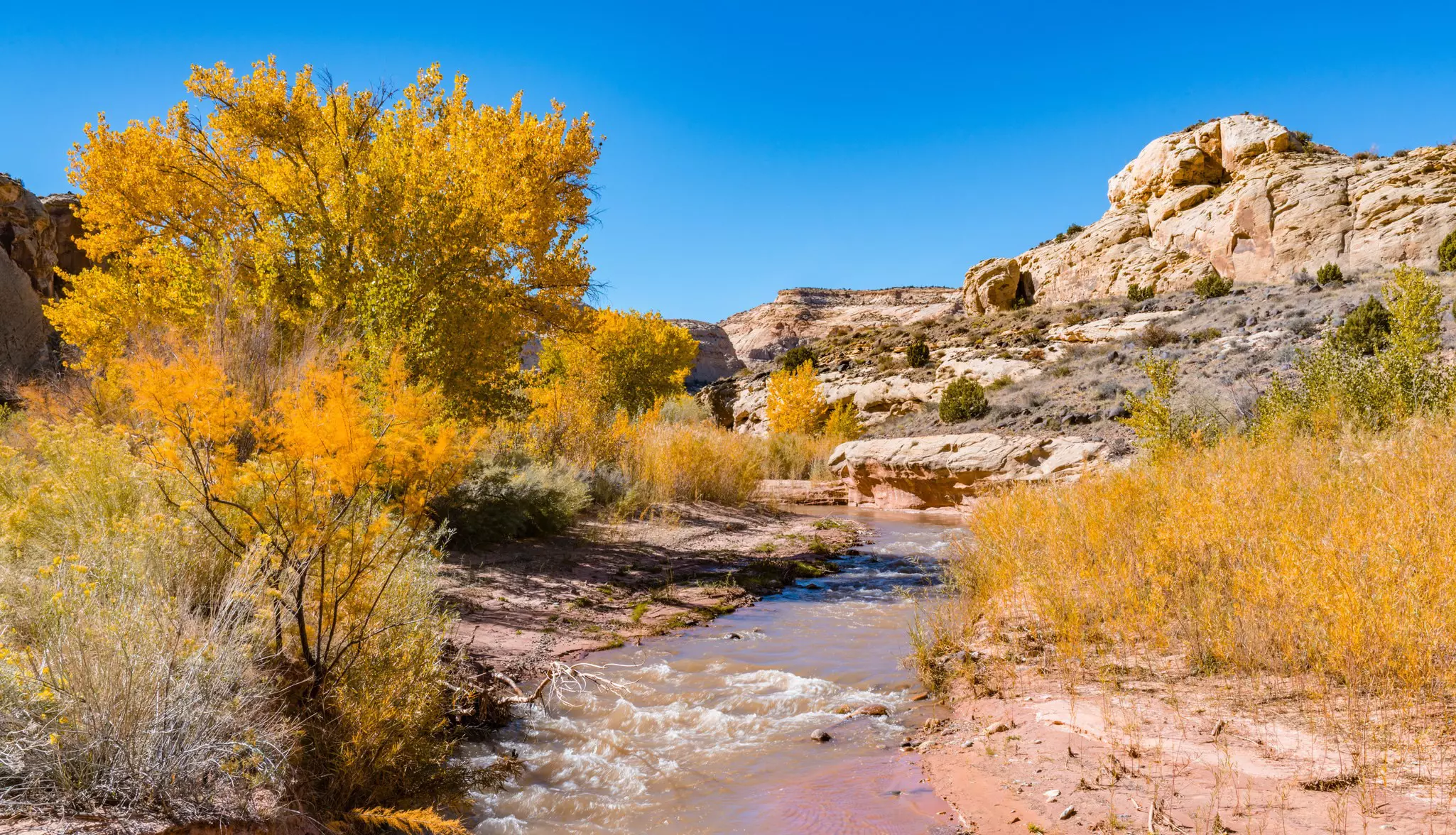
Famous for its otherworldly landscapes, Utah’s least-visited national park surprises for a brief stint with bright yellow cottonwoods and perfect hiking weather. Pick your own apples in the historic Fruita orchards (BYO bags and cash), then savor pie from Gifford House. Book a Jeep tour to explore remote backcountry gems, and take in the International Dark Sky Park’s ultra-clear night skies from inside a glamping dome at Skyview Hotel.
Planning tip: For the best views, head east into Capitol Reef from Torrey on Hwy 24. There is no entrance station; driving this route is free. Be sure to stop at turnouts along the way and then pull over at Chimney Rock, the towering reddish-brown rock formation 7 miles east of Torrey. A half-mile east of Chimney Rock, turn right toward Panorama Point and drive 0.8 miles along a graded dirt road to the Gooseneck Overlook. An easy 0.1-mile walk from the parking area over rock slabs takes you to this viewpoint above Sulphur Creek, which twists through the canyon in elegant S-curves. From the parking area, it’s an easy 0.4-mile stroll to Sunset Point, where the ambient light on the cliffs and domes is best for photographers in the late afternoon.
Best for unassuming Midwestern charm
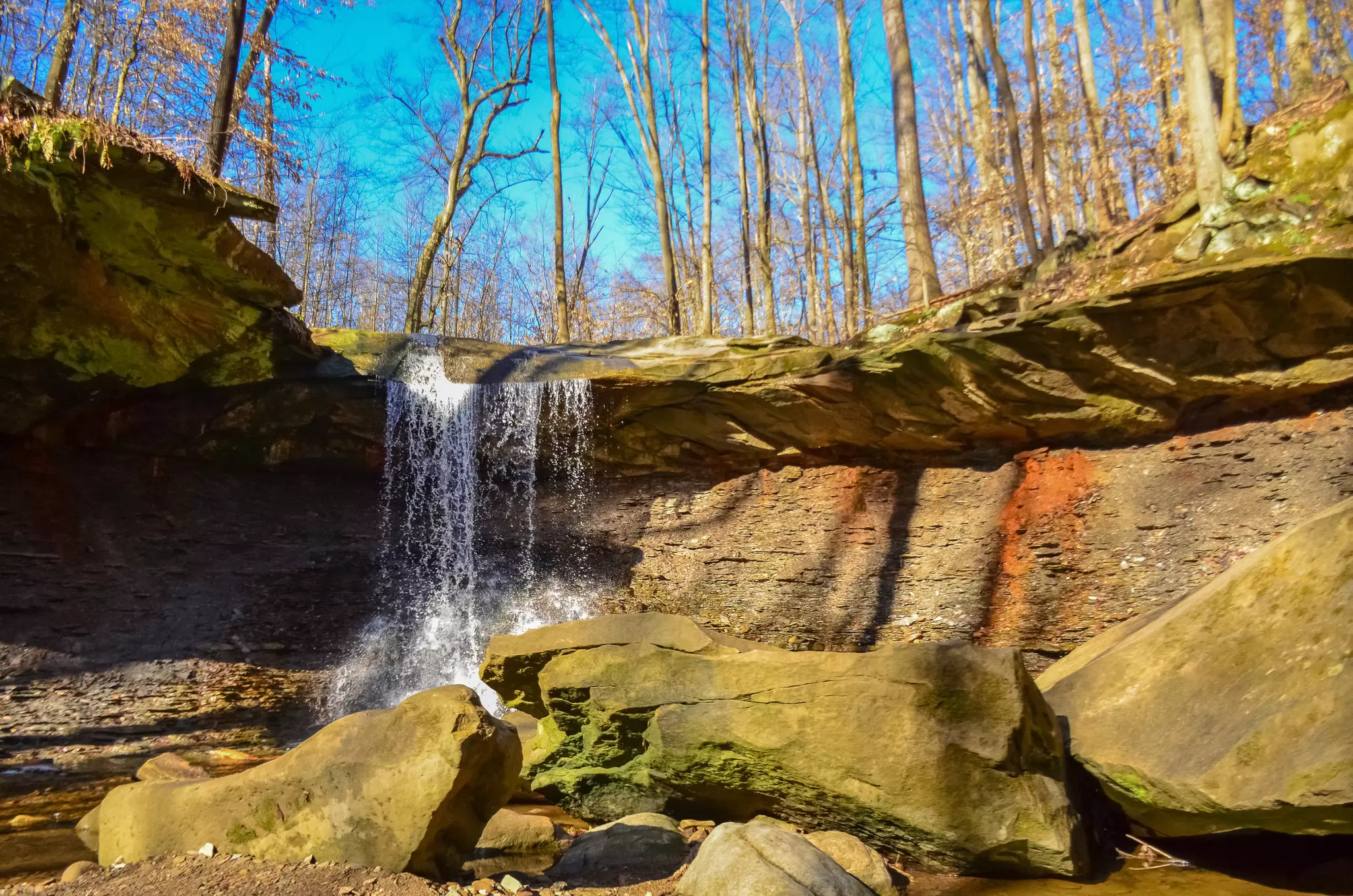
This underrated park just south of Cleveland comes alive in autumn. Rugged bluffs, waterfalls like Brandywine and Blue Hen and historic covered bridges serve as the backdrop for brilliant foliage. Hop the Cuyahoga Valley Scenic Railroad for a relaxing color tour, but book early, especially for the Oktoberfest ride. Inside the park, Szalay’s Farm and Market honors harvest season with apples, pumpkins, hayrides and a corn maze.
Planning tip: The 65-ft cascading Brandywine Falls are among the park’s top attractions. Carved by Brandywine Creek, the falls once powered mills built by the area’s early settlers. A boardwalk brings you to the waterfall’s gorge, where you can inspect the high-quality Berea Sandstone (which accumulated some 320 million years ago).
Best for marveling at Washington’s tallest peak
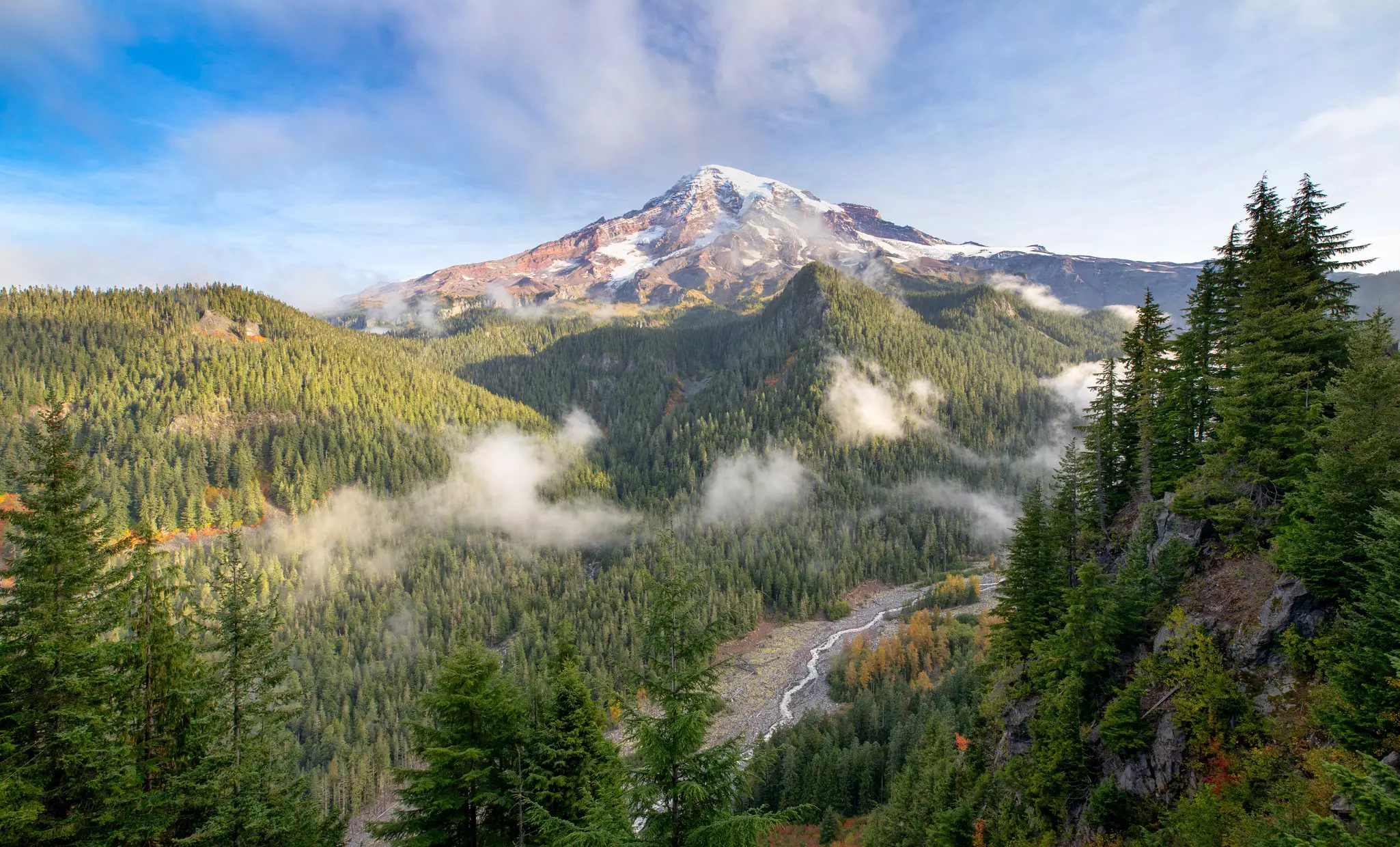
Most of Mount Rainier’s seasonal color comes not from trees, but vivid ground cover – scarlet paintbrush, elderberries and golden grasses, creating a jewel-toned carpet. In this setting, just 2 hours and 30 minutes from Seattle, Washington’s tallest peak looms, often with fresh snow. Don’t miss Reflection Lakes and Skyline Trail for iconic views, and hike the unmarked Naches Peak Loop for larches.
Planning tip: Longmire is worth a stop to stretch your legs or gain an early glimpse of Rainier’s mossy old-growth forest. In 1883, a certain James Longmire was here on a climbing trip and noticed the hot mineral springs that bubbled up in a lovely meadow opposite the present-day National Park Inn. He and his family returned the following year and established Longmire’s Medicinal Springs, and in 1890, he built the Longmire Springs Hotel. Since 1917, the National Park Inn has stood on this site – built in classic ‘parkitecture’ style – and is complemented by a small store, the tiny Longmire Information Center & Museum and a few important trailheads.
Best for rafting adventures and Shenandoah-caliber scenery
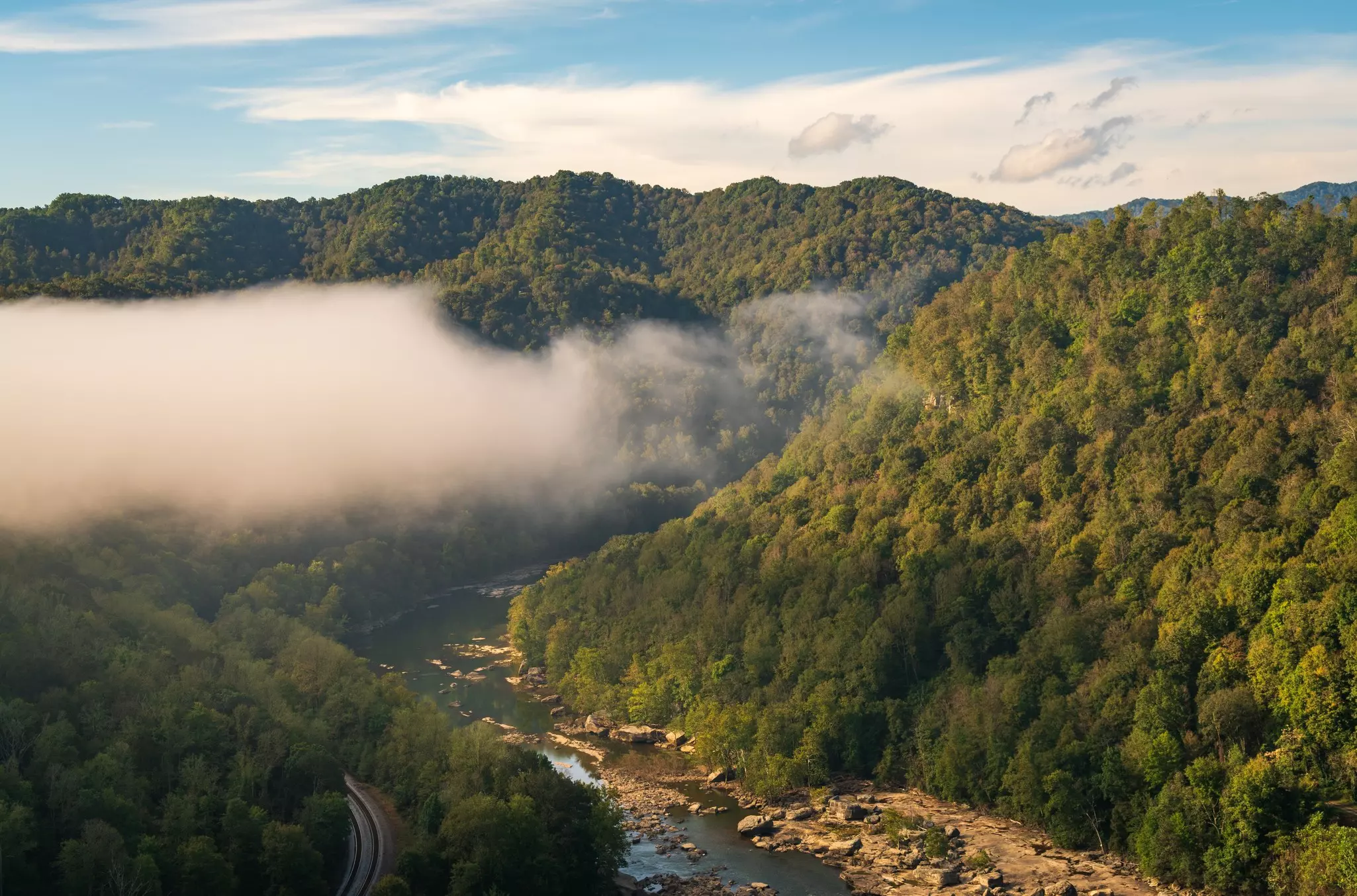
Substantially less crowded than nearby Shenandoah (but equally scenic), New River Gorge’s mosaic of foliage wraps around one of America’s oldest rivers. Fall rafting is a major draw, with beginner-friendly runs on the Lower Gorge and challenging whitewater on the Gauley River. Time your trip for the third Saturday in October, Bridge Day, when thrill-seekers BASE jump from the New River Gorge Bridge.
Planning tip: The New River Gorge is split into two sections: a 7021-acre park portion that includes whitewater rapids, hiking and mountain biking trails, rock climbing spots, waterfalls, a former coal-mining town and the magnificent New River Gorge Bridge, the longest single-arch bridge in the Western Hemisphere and the third-highest bridge in the United States. The other 65,165 acres of the area have been designated as a national preserve, where hunting and fishing are permitted.
Best for a quintessential Rocky Mountain high
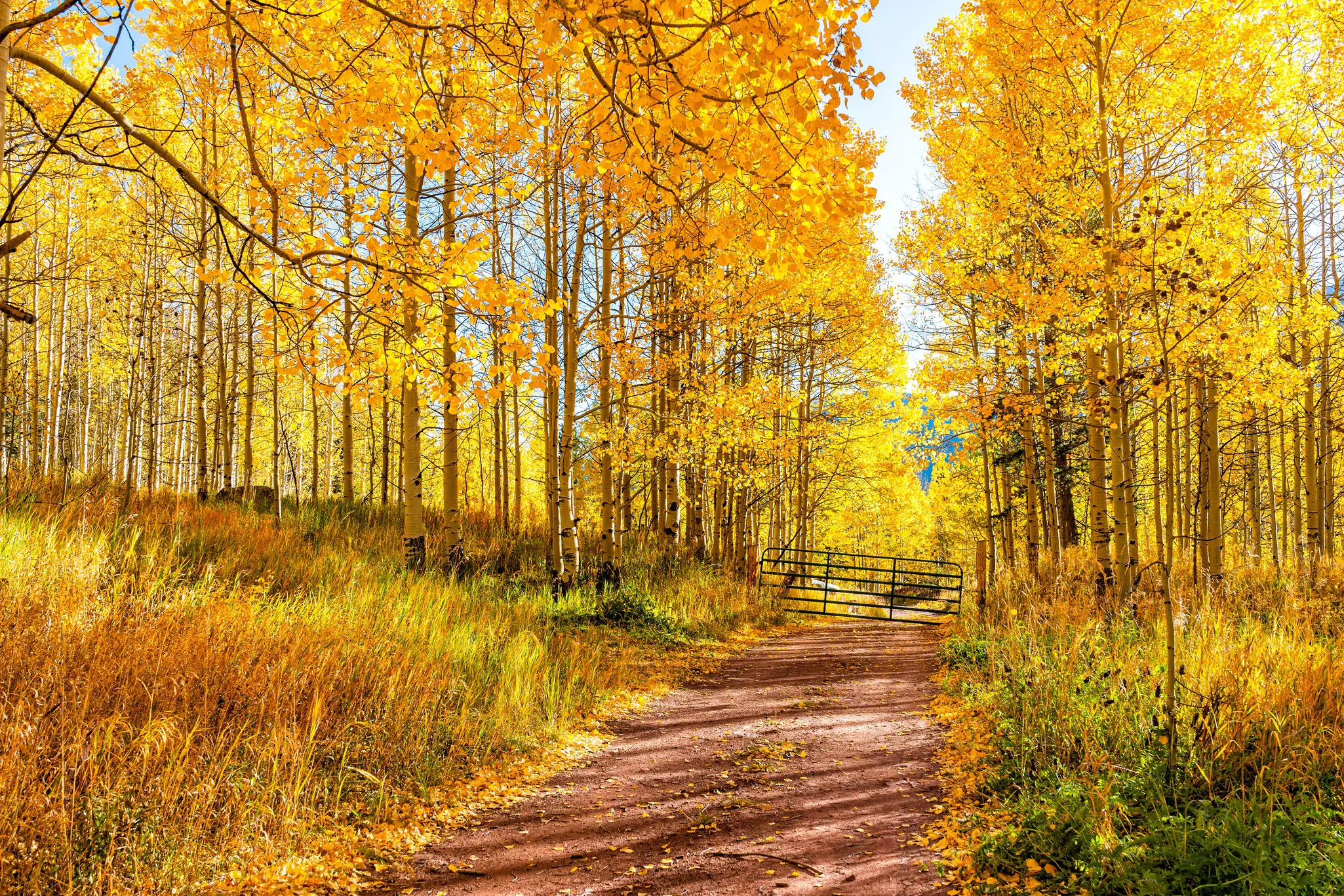
It’s hard to top fall in Colorado; Elk bugle constantly, complementing the snow-capped Rockies scenery. Peak color typically lands in the third and fourth weeks of September, with Trail Ridge Rd, Old Fall River Rd, most trails and campgrounds remaining open another few weeks. For leaf-chasing hikes, try Cub Lake, Dream Lake and Alberta Falls. The short Alpine Ridge Trail takes you above 12,000ft into the tundra, no summit required.
Planning tip: With more than 300 miles of trails that traverse all aspects of its terrain, the park is suited to hikers of all abilities. Those with kids in tow might consider the easy hikes to Calypso Falls in the Wild Basin or Gem Lakes in the Lumpy Ridge area, or Twin Sisters Peak south of Estes Park, while those with unlimited ambition, strong legs and enough trail mix will be lured by Longs Peak. Regardless, it’s best to spend at least one night at 7000-8000ft prior to setting out to allow your body to adjust to the elevation.
Best for solitude and stellar stargazing
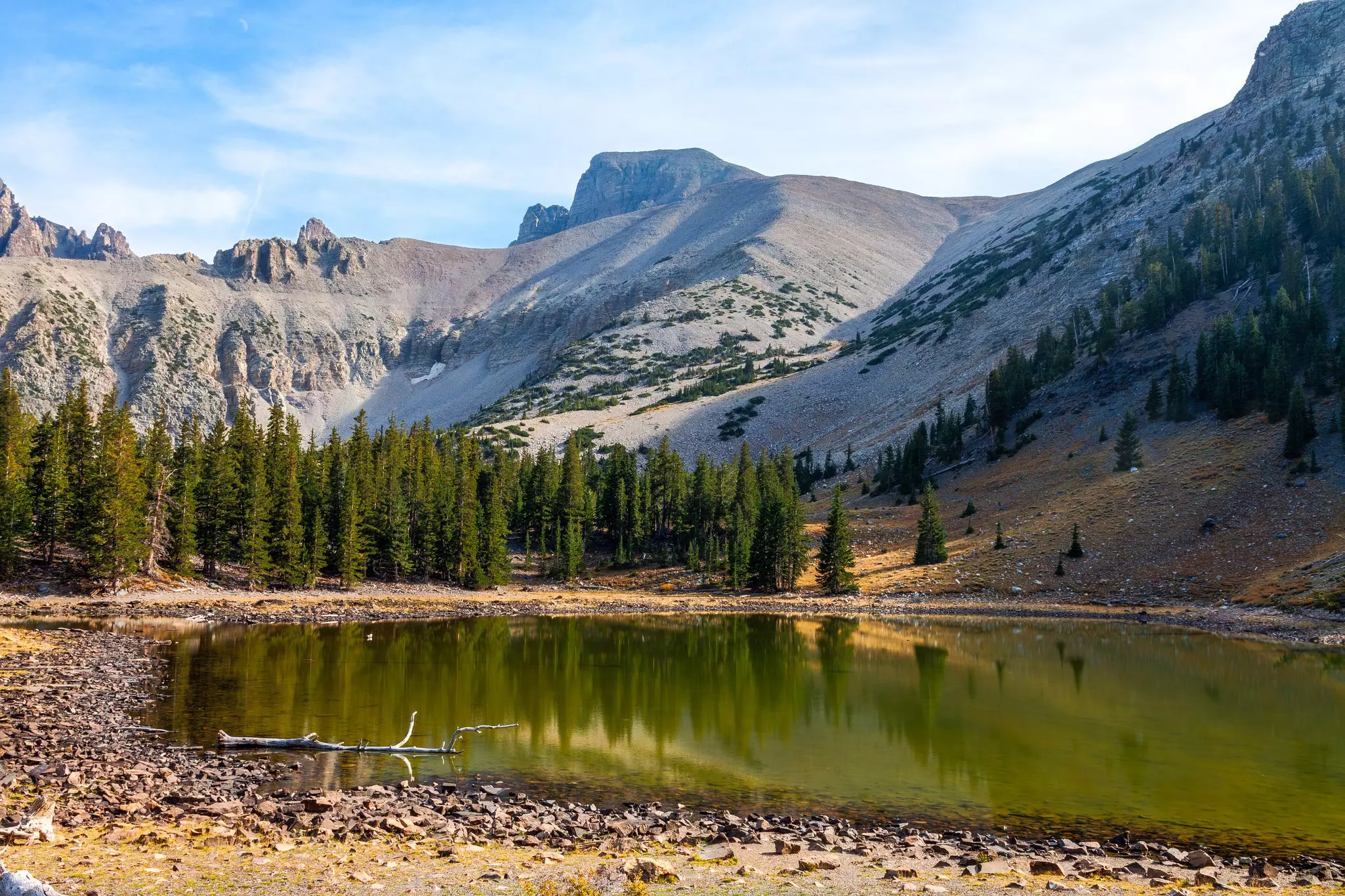
In a state synonymous with deserts and gambling, aspen groves and 13,000-foot peaks surprise visitors. Autumn welcomes early snow and pine nut season, and you may not see another soul. Hike the Bristlecone Trail to the oldest trees on Earth, reserve a Lehman Caves tour (including accessible options) and look to the sky come nightfall for some of the world’s best stargazing.
Planning tip: The park’s five developed campground s are open during summer; only Lower Lehman Creek is available year-round. Next to the visitor center, a simple café stays open from May through October. The nearby village of Baker has a gas station, a basic restaurant and sparse accommodations.
Best for exploring above and below ground
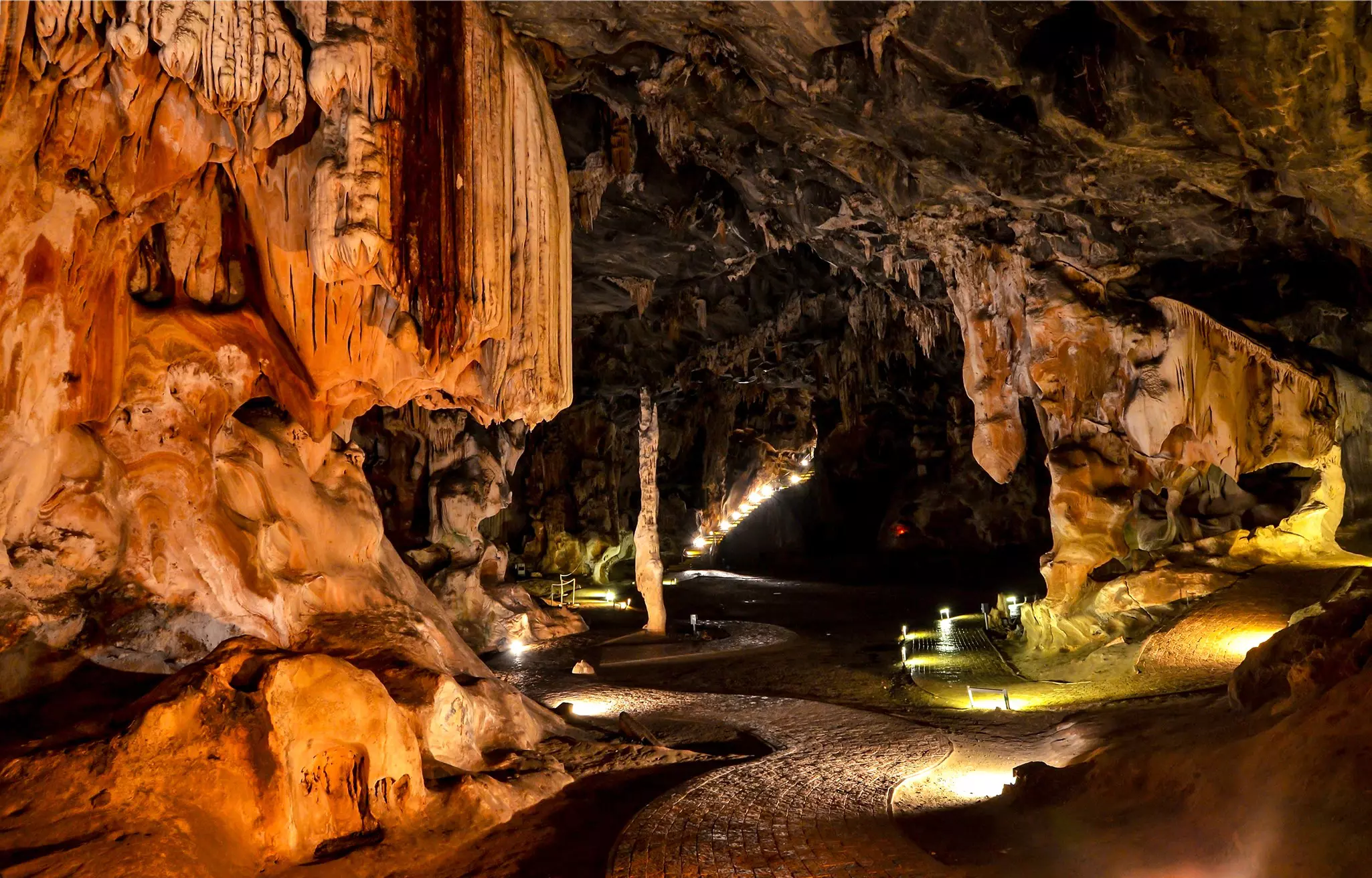
Home to the world’s longest cave system, Mammoth Cave also shines above ground in late October, when the forest erupts in color. Book cave tours well in advance, especially the uber-popular Historic Tour, as the autumn schedule is limited. On the surface, hike Heritage Trail to Sunset Point for panoramic views or take advantage of the cooler, drier weather (and no ticks!) by renting a kayak to paddle the Green River.
Planning tip: In addition to the caves, the park also contains 85 miles of trails – hiking is allowed on all of them, plus 60 miles are designated for horseback riding and 25 miles for mountain biking.
Best for rare Southwest fall color
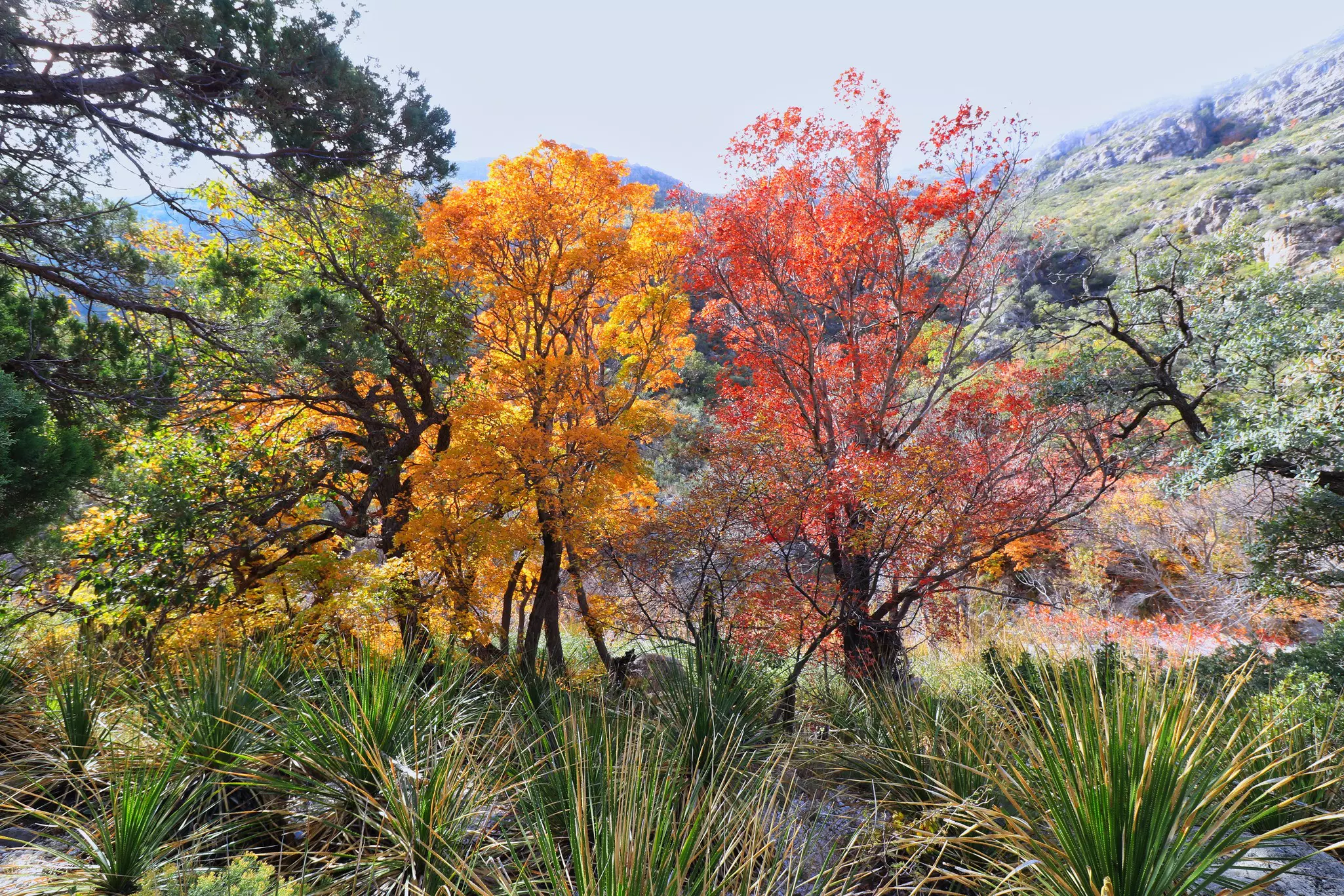
In this remote Texas gem, bigtooth maples glow yellow, red and orange in October and early November. The unexpectedly striking foliage lights up McKittrick Canyon, a top spot for leaf peepers willing to put in the steps, while Texas’s highest point, 8751-ft Guadalupe Peak, towers nearby. The rarity of fall color in the region means the normally quiet park fills to capacity on weekends; arrive early.
Planning tip: The park is one of the best places in the world to see Permian-era fossils (approximately 299 million years ago). The period ended with the most devastating mass extinction the Earth has ever experienced. Additionally, watch for three species of horned lizards in the park: the Texas Horned lizard, Roundtail Horned lizard and the Mountain Short-horned lizard.
Book your United States trip with Lonely Planet Journeys
See United States how it's meant to be seen
Accommodations, activities and ground transportation all taken care of, so you can focus on the fun part. Tell us what your dream trip to United States looks like, and our local experts will build it from scratch. Or start with one of our itineraries and make it your own.


Explore related stories