Mar 31, 20265 min read
The Best Time to Visit TexasMar 25, 2026
11 MIN READ
Writer
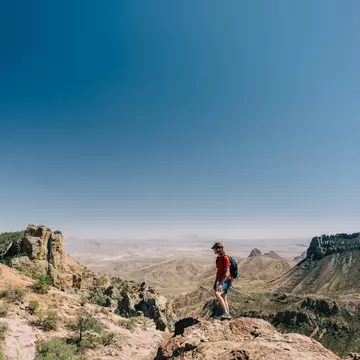
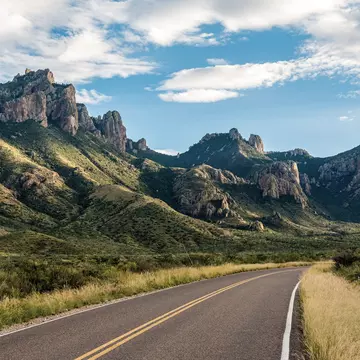
A hiker in the Chisos Mountains of Big Bend National Park, Texas. Cindy_Giovagnoli/Getty Images

Writer
Lonely Planet may earn a commission from affiliate links on our site. All recommendations and reviews reflect our own independent opinions.
Everything is bigger in Texas, but the state's two national parks are true giants. Big Bend National Park in West Texas covers a staggering 1252 square miles of the Chisos Mountain range and the Rio Grande basin. Meanwhile, the state’s highest peaks and colorful fall foliage lure hikers to 135-sq-mile Guadalupe Mountains National Park.
While Big Bend and Guadalupe Mountains are the state's only national parks, it also enjoys other National Park Service sites and state parks. The sheer scale of Texas ensures locals and visitors enjoy a wealth of pristine seashores, hikes through incredible scenery, historical and cultural sites that educate and inform, and family campsites that allow you to drift off under starlit skies. This is our pick of Texas's top 11 natural areas.
Best for stargazing
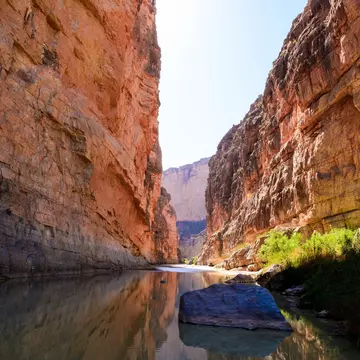
See what makes this destination one of the best national parks for spring break. Rising like a rock-walled fortress from the Chihuahuan Desert, the jagged Chisos Mountains anchor Big Bend National Park, which sprawls across 1252 sq miles. Hiking trails twist across the forested slopes of the Chisos and the aptly named Window View Trail unveils a mountain-framed view of the sunset from the Chisos Basin. Beyond the mountains, the desert reveals its secrets via roadside pull-offs and hiking trails. There, you can examine historic frontier ruins, dinosaur fossils and desert flora up close. The recommended Ross Maxwell Scenic Drive ends with a view of the sheer limestone walls of Santa Elena Canyon. See it all for an entry fee of 30 US dollars (US$) per vehicle.
What sets Big Bend apart from other national parks? Its vast dark skies, where stars, planets, galaxies and comets strut their celestial stuff. Thanks to the remote location and lack of intrusive artificial light from cities and highways, the park earned a gold-tier International Dark Sky certification in 2012. If you can, spend a night in the park or at nearby Big Bend Ranch State Park and attend one of its evening stargazing events. Keep in mind that there are no first-come, first-served campgrounds in Big Bend, all of them require advance booking. Try to secure your reservation six months in advance to avoid disappointment.
Beyond stargazing, popular activities include hiking, cycling and paddling on the Rio Grande, which separates the park from Mexico. The upper 69 miles of the 196-mile-long Rio Grande Wild & Scenic River runs alongside the national park and Amistad National Recreation Area, a hotspot for boating and watersports that is 230 miles east of Big Bend by car.
Planning tip: Due to high temperatures in summer and chilly mountain conditions in winter, the best seasons to visit are spring and fall. Cell service is limited in many parts of the park; check conditions and download maps before you arrive.
Best for fall foliage
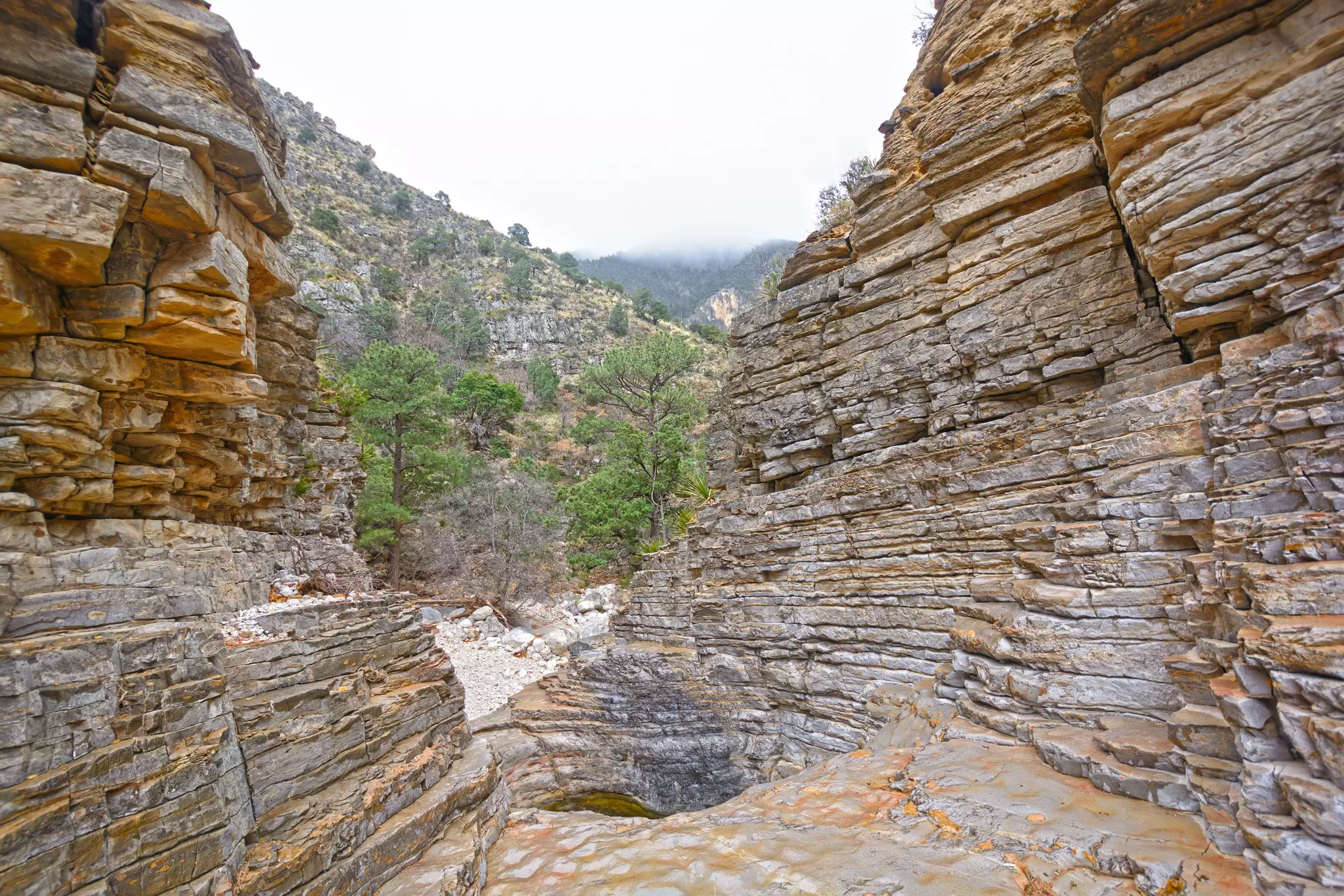
How do most people find this secluded national park? Usually by accident, while driving between El Paso and Carlsbad Caverns National Park in New Mexico. The lack of crowds is just one of this remote reserve’s many perks. More than half of the park is federally designated wilderness and, to keep things wild, there are no paved roads. You won't find any formal lodging or restaurants either. What you will find is the highest point in Texas, alongside gypsum dunes, deep canyons and an exposed 265-million-year-old fossilized reef, which formed when a vast tropical ocean covered the region.
The park is 110 miles east of El Paso and 42 miles southwest of the visitor center at Carlsbad Caverns. Every fall, leaf peepers from across Texas converge on McKittrick Canyon for its colorful foliage display, one of the state's best. Bringing the brightest colors are the bigtooth maples, which blaze yellow, orange and red from mid-October through mid-November. Check the Fall Colors Report for the latest information on the annual color show.
Over 80 miles of hiking trails cross through the park’s canyons, riparian woodlands and deserts. The Guadalupe Peak Trail climbs past pinyon pines and Douglas firs to the peak known as "The Top of Texas." The summit towers above the rest of the state at a height of 8751ft. Visitors can pay the park's US$10 entrance fee via cash or card at the Pine Springs Visitor Center.
Planning tip: There are three developed campgrounds in the park and spaces at Pine Springs and Dog Canyon can be booked through the government's recreation portal. Cell service is limited in certain parts of the park – ensure you've downloaded any maps or necessary info before you arrive.
Best for time travel
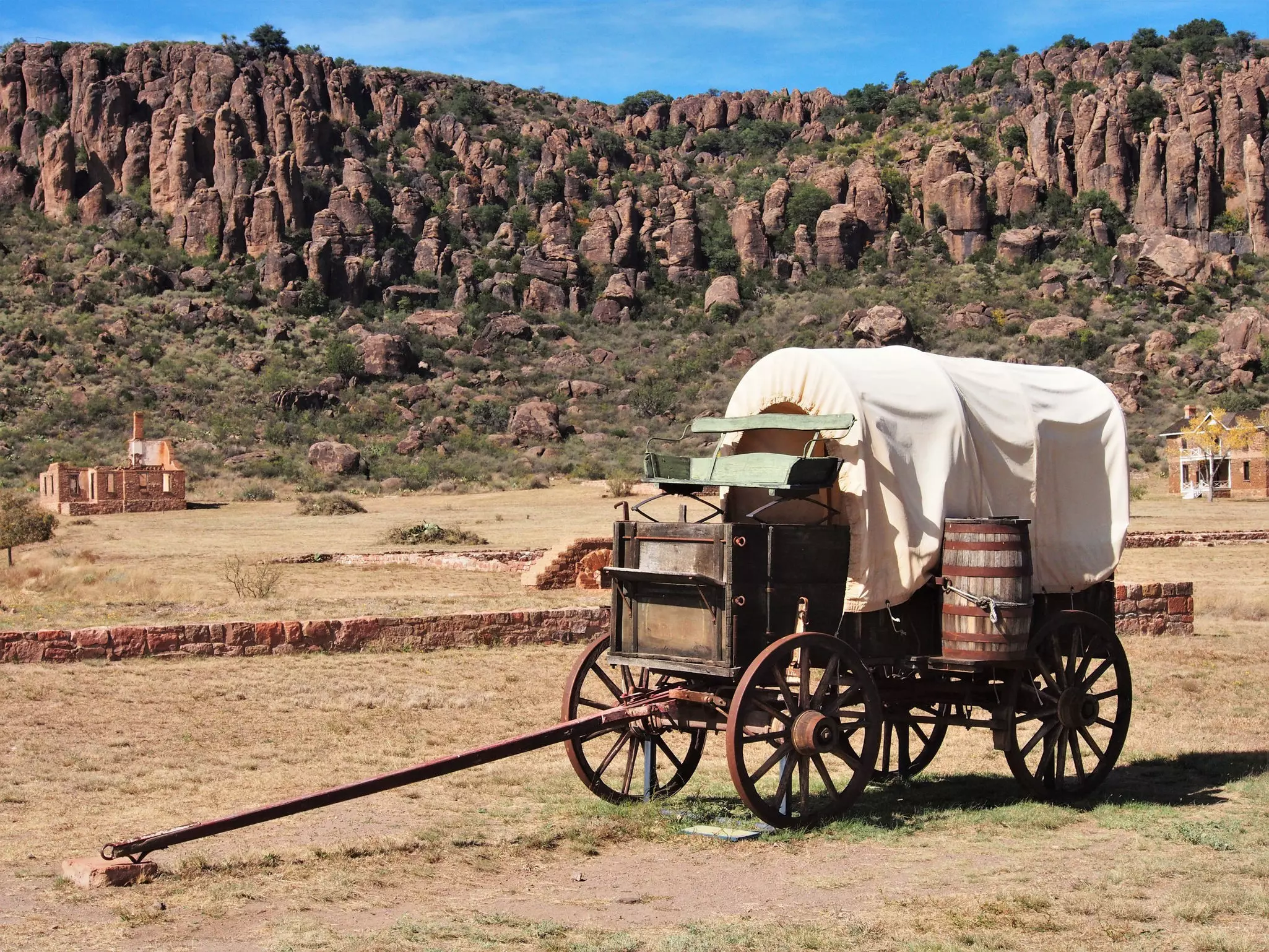
Fort Davis feels eerily timeless. Red-brick houses stand along Officers’ Row beneath Sleeping Lion Mountain, just like they did in the 1880s. Periodic bugle calls are a literal blast from the past, reminding visitors of the fort’s military past. In summer, reenactors in period garb station themselves at buildings around the fort’s parade grounds.
Visitors can step inside the barracks, commissary, hospital and other buildings. Inside, you’ll learn what life was like for the soldiers sent here to protect mail coaches and freight wagons on the San Antonio-El Paso road from Comanche and Apache attacks. From 1867 to 1881, Fort Davis was staffed exclusively by black cavalry and infantrymen who enlisted after the American Civil War to help the frontier effort.
Hikers can follow the Fort Access Trail into Davis Mountains State Park, where sunsets cast a vivid glow across the scrubby mountains. The Civilian Conservation Corps built the first section of Indian Lodge – known for its striking white exterior – in the 1930s. Today, it's an atmospheric hotel with a pool, adobe-walled rooms and a big program of ranger activities. Park entry is US$20 per vehicle.
Planning tip: If you're visiting with kids in tow, ask at the Interpretive Center about the Junior Ranger Program. Little explorers get an activity pack with lots of fun tasks that can earn them ranger badges.
Best for beaches
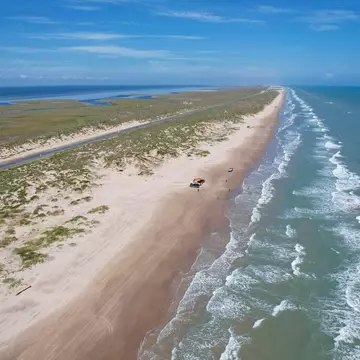
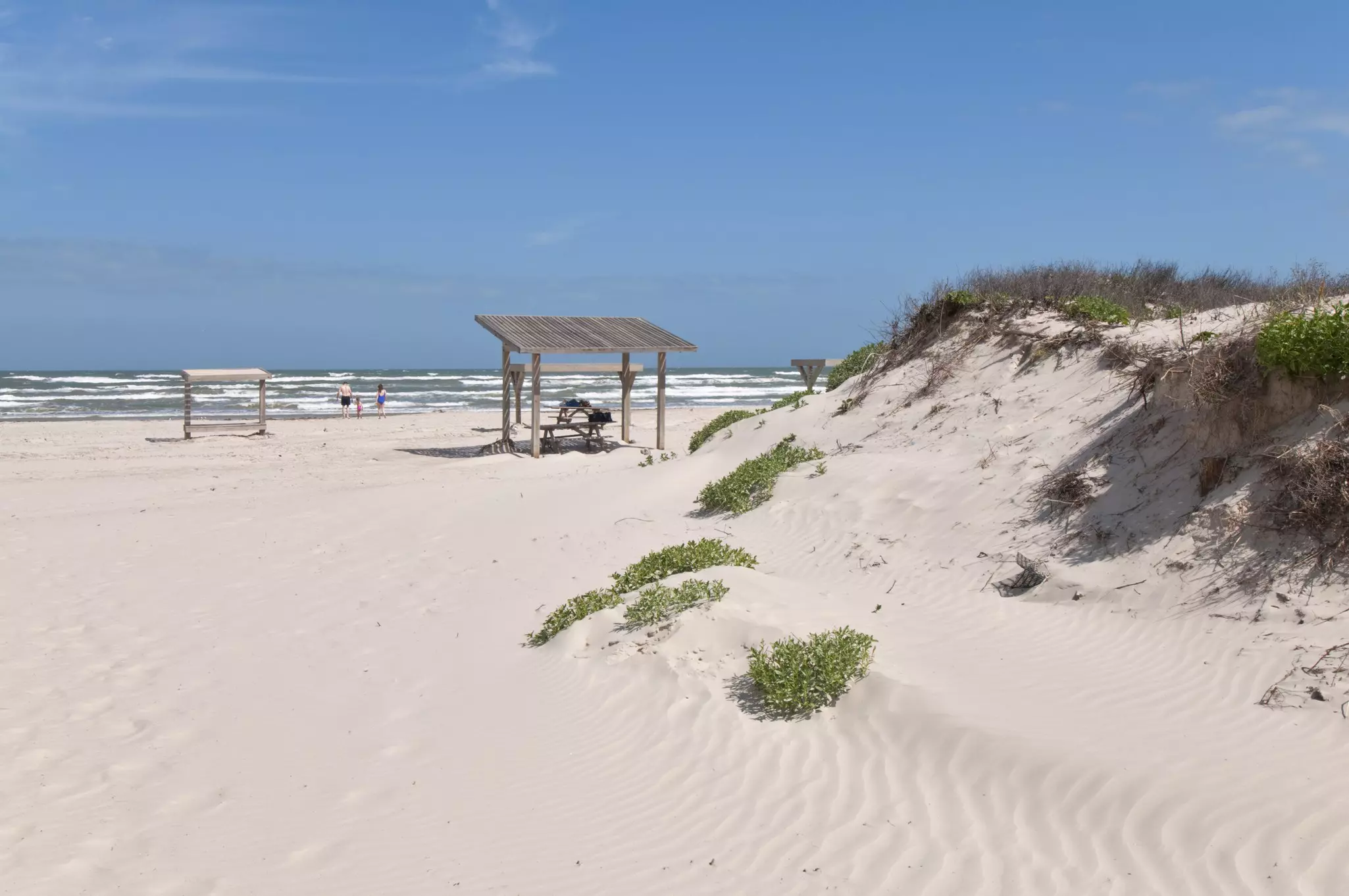
Padres Island National Seashore is a southeast Texas coastline haven for both humans and wildlife. Within this protected reserve, you’ll find windswept beaches, rounded dunes, flat grasslands and tidal flats, strung out along a skinny, 70-mile-long barrier island between the Gulf of Mexico and the Laguna Madre. The seashore is a favored nesting and resting spot for Kemp’s Ridley sea turtles and more than 380 species of birds have been spotted here.
Fun activities include windsurfing, canoeing, kayaking, and driving on the beach. Paddlers and windsurfers gather on the hyper-saline lagoon, which is tangibly saltier than the ocean, and sport-fishing is popular in both the Gulf and the lagoon. There are two developed campgrounds at the park and three primitive camping areas. Expect an entry fee of US$25 per vehicle.
Planning tip: The National Seashore is on North Padre Island about 25 miles from Corpus Christi, not the commercially developed South Padre Island.
Best for geology fans
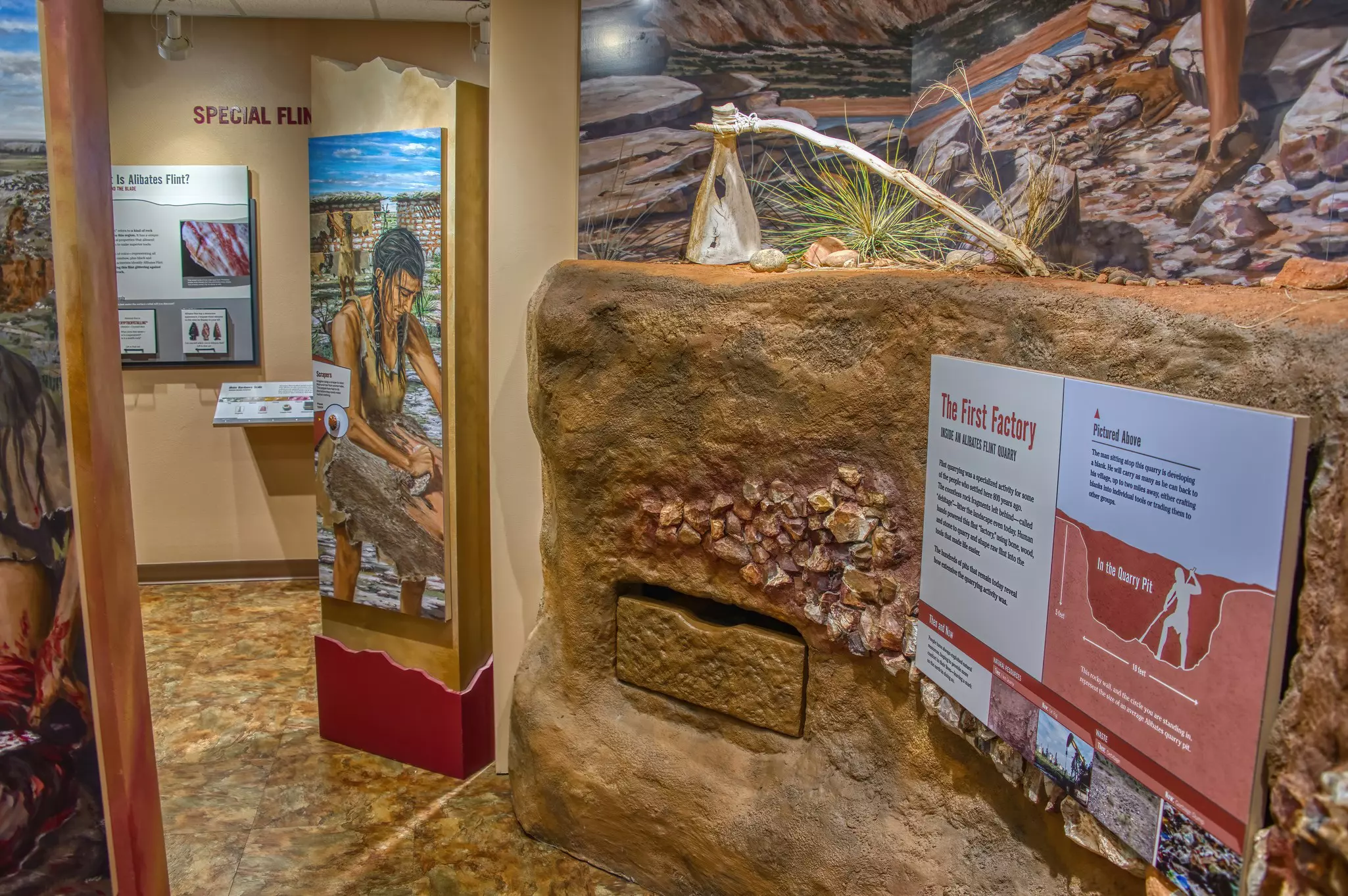
Humans arrived 65 million years too late to coexist with dinosaurs, but they did share the high plains of the Texas panhandle with mammoths and other Ice Age animals about 13,000 years ago. Prehistoric mammoth hunters harvested the colorful Alibates flint for spear points and for tools for stripping carcasses of meat. Later, Native American hunters used the flint for darts and eventually for arrowheads for their bows and arrows. The indigenous peoples that lived in Antelope Creek dug hundreds of quarries to find the strongest pieces. Learn all this and more during a free visit to Alibates Flint Quarries National Monument.
Today, rangers lead daily two-mile hiking tours of the quarries, which were used between 1150 and 1450 CE. Add to the experience by camping at one of the eleven free campgrounds at the adjacent Lake Meredith National Recreation Area, a man-made lake along the Canadian River 40 miles northeast of Amarillo that has become a major water sports adventure zone.
Planning tip: There are ten RV sites that are bookable for a small fee, but all other camping is on a first-come, first-served basis.
Best for a sense of history
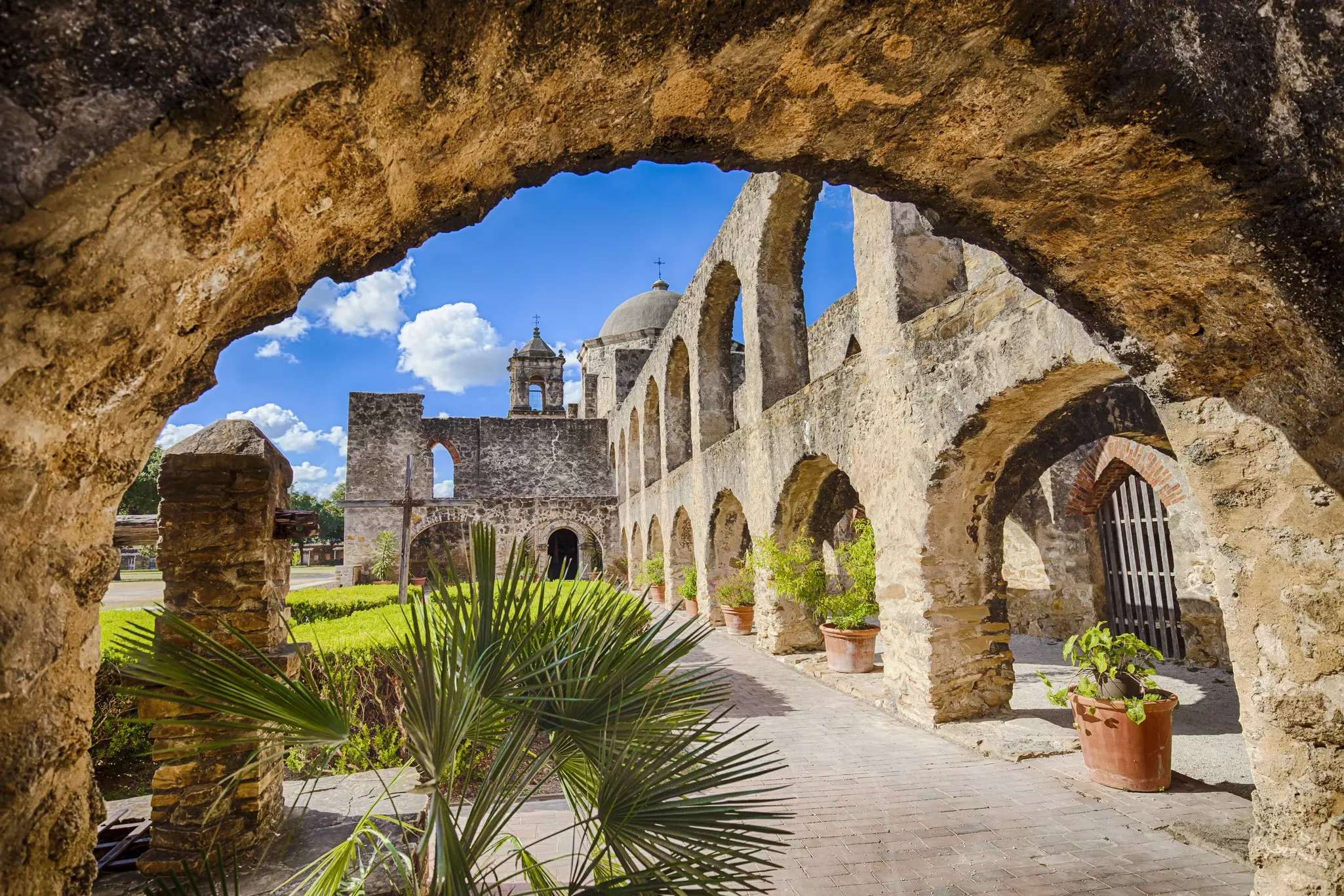
Four Spanish colonial missions – Concepción, San José, San Juan Capistrano and Espada – flank the 6½-mile Mission Trail. This trail stretches south from the outskirts of downtown San Antonio along the San Antonio River. Constructed in the early 1700s during the Spanish colonial expansion effort, the missions dramatically altered the religion, language and lifestyles of the region's indigenous peoples, the Coahuiltecans.
Mission Road connects the four missions, but you can also get here on the more peaceful Mission Reach Hike & Bike Trail (and bike rentals are easy to find in San Antonio). The hiking and cycling trail also links to the Alamo, the first San Antonio mission and a legendary battleground during the Texas Revolution. The historical park’s main visitor center is located at Mission San José.
Planning tip: Religious services are still held in all four missions, and park entry is free.
Best for paddling
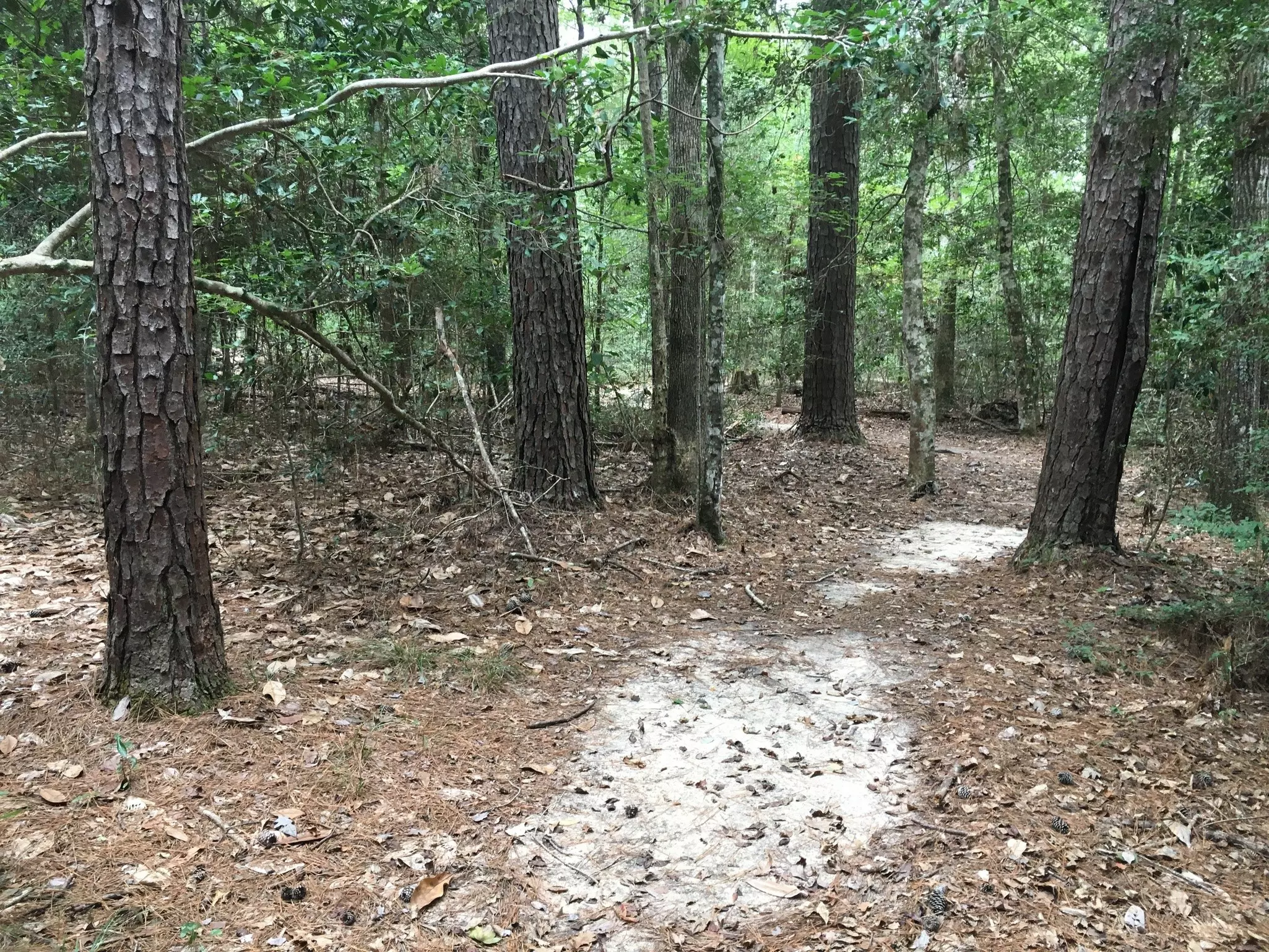
Three paddling trails meander through the Big Thicket National Preserve in southeast Texas, a one-time hideout for Civil War draft dodgers. Depending on the route, paddlers can wind through cypress bayous or trace the edge of the white-sand creek and river beaches. To make a night of it, hike or paddle to primitive back-country sites – just pick up a free permit at the visitor center.
Paddling isn't the only activity at this sprawling preserve. This free-to-visit reserve's hiking and biking trails cross nine different ecosystems. The uplands are filled with longleaf pines and the forested slopes are thatched with beeches, magnolias and loblollies. At lower levels you'll find primordial swamps haunted by bald cypress and tupelo trees – and lurking alligators. Look out for carnivorous pitcher plants in well-watered areas.
Planning tip: Though the waters are calm, they can vary depending on the weather. When water levels are low, keep an eye out for exposed sandbars and logs. High water levels can cause hazardous conditions.
Best for followers of the national story
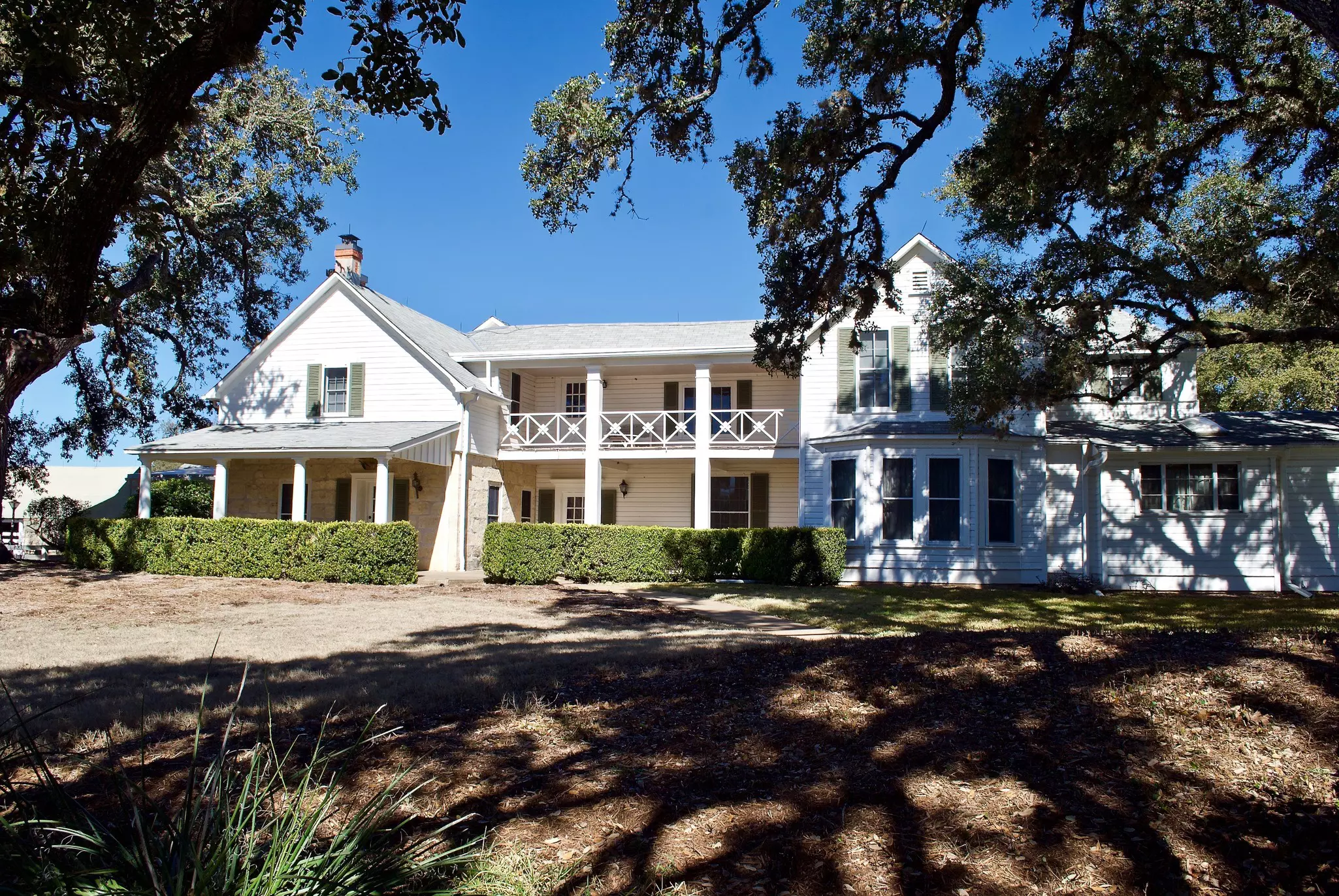
Maintained by the Texas Parks and Wildlife Department, Lyndon B Johnson's country ranch in Stonewall, dubbed the Texas White House, offers a fascinating glimpse of the personal interests and working habits of America's 36th president. While Johnson may have been far from the action in Washington, DC on his trips home, his well-outfitted presidential office and on-site airplane hangar reveal he was never far removed from the issues confronting the country during the turbulent 1960s.
The historical park charges no entry fee and encompasses Johnson's childhood home in Johnson City and the green acres of the family ranch. The oak-shaded family cemetery, where LBJ and his wife Lady Bird are buried, is on the grounds of the ranch.
Planning tip: Note that the ranch house has been temporarily closed as part of the ongoing rehabilitation project. Even so, you can still view the humble house that was the former president's birthplace.
Best for war stories
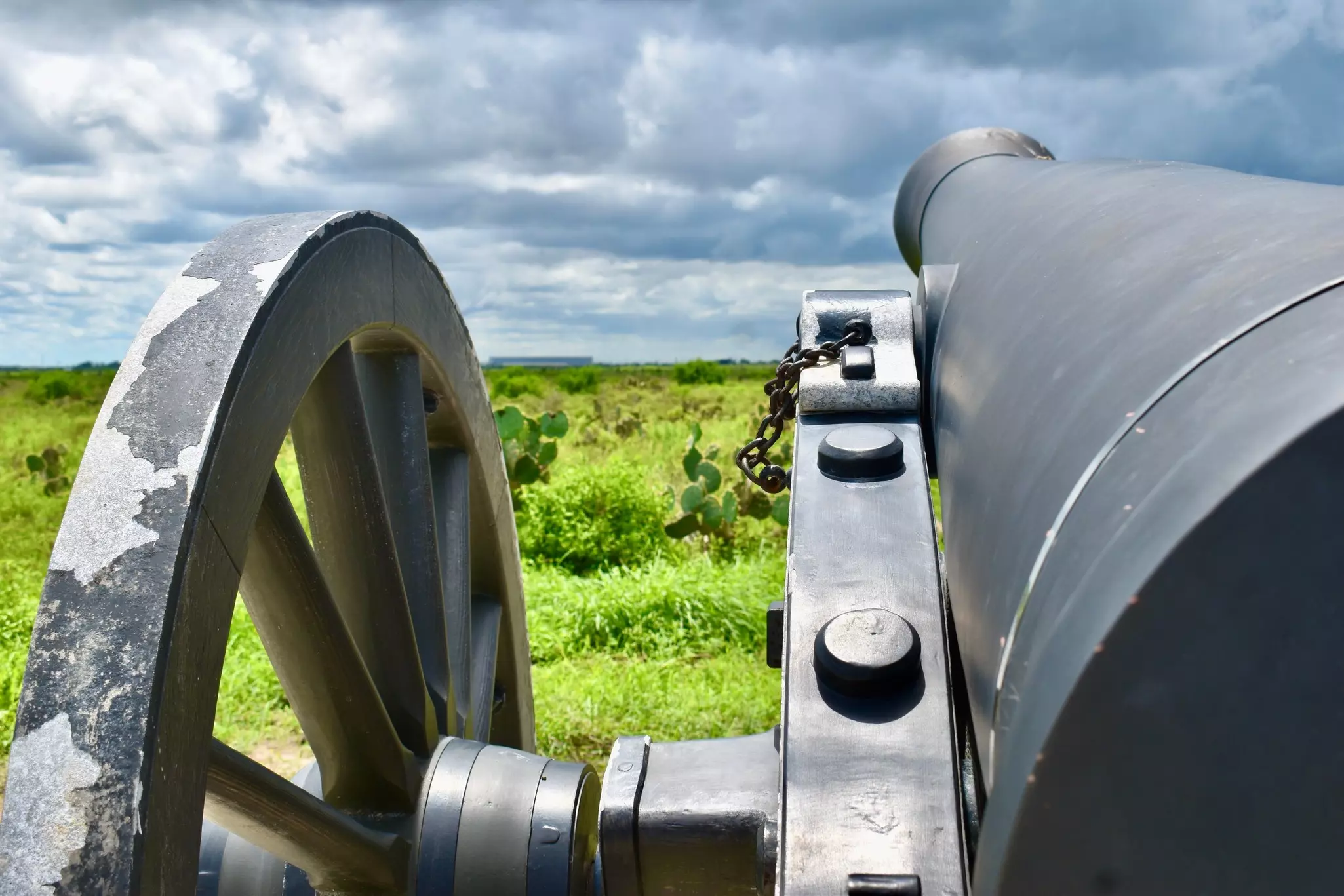
There are few better places to learn about the US-Mexican War than the park where the first battle took place. At Palo Alto Battlefield National Historical Park, visitors can tour the only National Park Service site dedicated to interpreting and telling the story of this historic conflict.
Start your free visit to by grabbing a park and trail guide from the visitor center. Next, join one of the park's free Living History Program events during which historians detail what happened during the Battle of Palo Alto. Sometimes, they even perform live weapons demonstrations.
Best for watersports
Make the most of warm weather months at Amistad National Recreation Area. Located on the banks of the Rio Grande and Amistad Reservoir, this spot provides watersports enthusiasts with everything they need for hours of fun. Enjoy free park entry, but expect to pay US$4 for a daily Lake Use Pass or US$50 for an annual pass.
For swimming, head to Amistad's Governors Landing and Diablo East swim areas. Prefer boating? Find boat ramps at spots like Rough Canyon Marina and Spur 454. Divers can explore the cove at Diablo East and anglers can clean their catches at stations in Rough Canyon and Pecos. Paddle trails make the recreation area great for kayaking and canoeing, too. When you're ready for off-water adventures, try birding – the region is home to species such as the curve-billed thrasher and golden-cheeked warbler.
Explore related stories