Jul 17, 202615 min read
The Ultimate Road Trip Through TuscanyJul 17, 2026
15 MIN READ

Writer
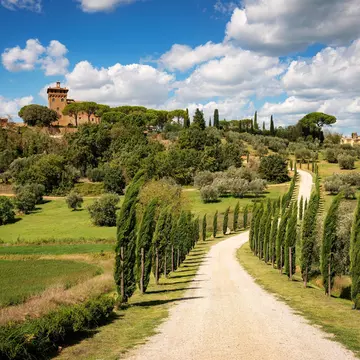
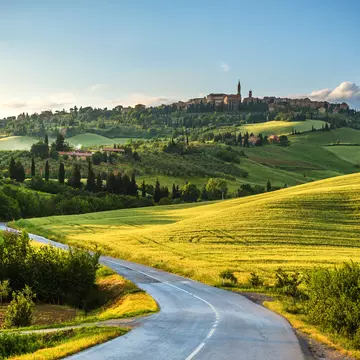
A view over the countryside around Pienza, Tuscany. Jarek Pawlak/Shutterstock

Writer
Highlights
Lonely Planet's editors map a 14-day Tuscany road trip from Florence to the Maremma coast.
Begin with the art museums and monuments of Florence then take the back route to elegant Siena.
Head through UNESCO-listed Val d'Orcia and Pienza, then taste Brunello wines in Montalcino.
History buffs should linger in Pitigliano's Etruscan caves before ending on Orbetello's beach-lined coast.
Lonely Planet may earn a commission from affiliate links on our site. All recommendations and reviews reflect our own independent opinions.
No Italian itinerary would be complete without a road trip through Tuscany. While city stops such as Florence, Siena and Pisa can be mobbed in summer, escaping into the Tuscan countryside offers a true taste of la dolce vita ("the sweet life") that Italy delivers so well.
Beyond the Renaissance magic of Tuscany's medieval cities, twisting two-lane roads cut through hilly landscapes dotted with cypress trees, connecting stone-built hamlets, vineyards, farms and ancient castles. As you weave between legendary centers for art and architecture, exploring on two or four wheels will give you a chance to soak up the charm of rural Tuscany and its rich culture and cuisine.
We've put together the perfect 14-day itinerary through Tuscany, starting in the must-see city of Florence and ending in the Maremma region on the coast. This is a road trip of a lifetime, taking in world-class wineries, UNESCO World Heritage sites and memorable farm stays. We've included detours at each stop, and since most towns are close to one another, you can tailor this flexible itinerary to your preferences or follow it as it is.
Trip length: 14 days; 320km
When to arrive: Avoid the summertime crowds in spring (April to May) or fall (September to October); temperatures are lower than in summer but the weather is still warm enough for spending time outdoors.
Where to start and end: Fly into Florence, then exit Tuscany via Civitavecchia. From here, you can head onward to Rome by road or Sardinia or Sicily by sea.
Things to know: Tuscany is one of Italy's most historic regions, and in the center of most of its towns and villages – typically known as the centro storico – you'll find a tight tangle of lanes that is often closed to non-resident drivers, with steep fines for non-compliance. Familiarize yourself with the road signs marking a Zona Traffico Limitato (ZTL), follow the road rules carefully, and be ready to park outside the center and enter on foot. With Florence's heavy traffic, you may want to see the Tuscan capital without a car, picking up a vehicle when you are ready to move on and see more of Tuscany.
What to pack: If you're here from late spring to early fall, bring clothes for warm days, sunscreen and a hat, plus warmer layers for the evening. In summer, bring a generous supply of patience – queues at the major sights can seem endless.
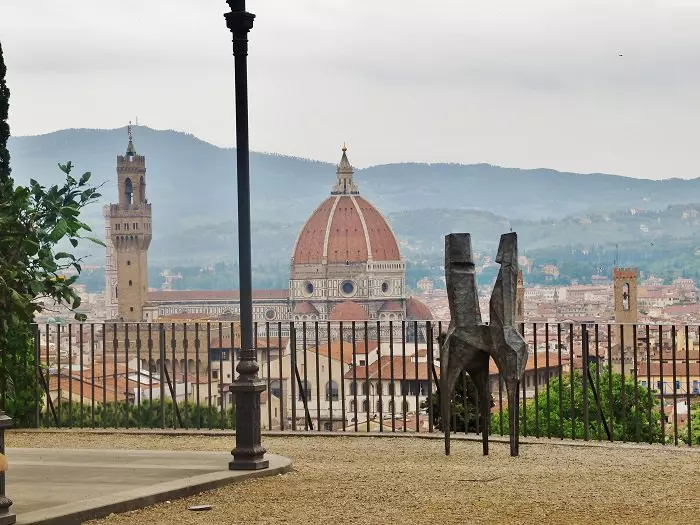
Vibes: Maximum tourist bustle, but magnificent food, architecture and art.
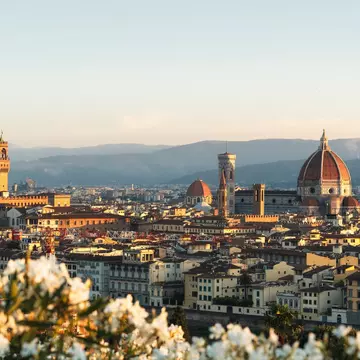
Do: With 2 days, there'll be time to take in such landmarks as the Duomo di Firenze, Florence's iconic, dome-topped cathedral, and browse the masterpieces at the Galleria dell'Accademia – home to Michelangelo's David – and the Galleria degli Uffizi – home to Botticelli's Birth of Venus. However, you'll want to arrive at any of these sights soon after opening to beat the queues. Leave some time aside to get to know the contemporary side of Florence, meet its cosmopolitan people, and discover beyond the obvious.
Alongside stops at the star sights, take a stroll through Ponte Vecchio, explore Florence’s oldest market in Sant’Ambrogio, check out the crucifix attributed to Michelangelo inside Brunelleschi’s Basilica di Santo Spirito, and devote an afternoon to the walk up to Piazzale Michelangelo and the Abbazia di San Miniato al Monte to see the sun setting over the city.
Eat: You'll eat well in Florence, even if you're not quite ready for the city's beloved lampredotto (tripe sandwich). Go large at posh Strozzi Bistro, try the steak (Florence is famous for it!) at Mattacena, sample the rigatoni at Trattoria 13 Gobbi. Also make time to enjoy a negroni with chocolates and a view at Caffè Rivoire, or graze aperitivo bites at unpretentious Il Vinile.
Stay: On a short trip to Florence, you might consider an upmarket stay at Antica Torre di Via Tornabuoni 1, namechecked by Dante, or waking up to a Duomo view at Palazzo Niccolini al Duomo. For midrange comfort, try Antica Dimora Johlea, or roam around Ponte Vecchio from Hotel La Scaletta.
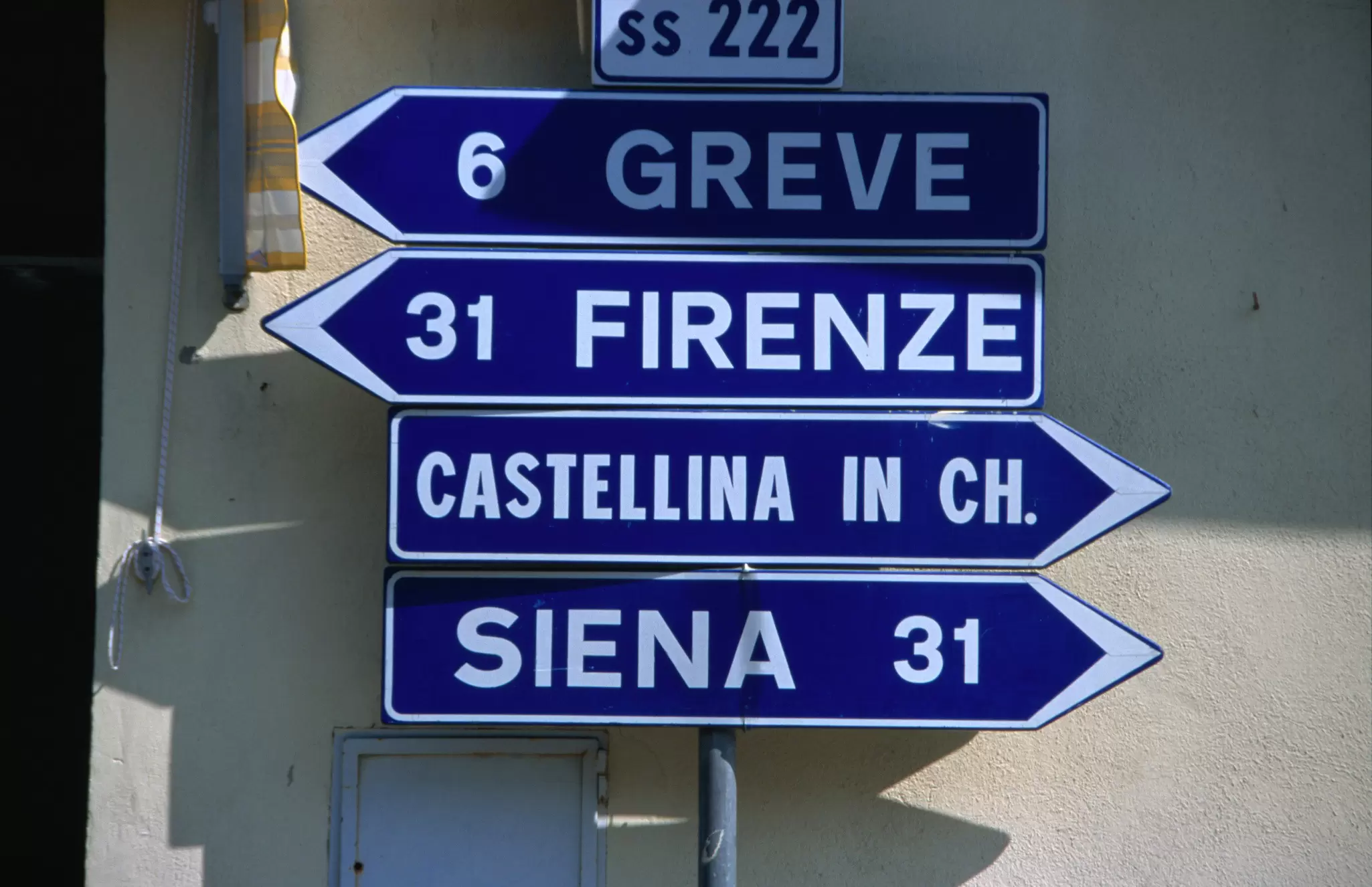
The drive: When you're ready to move on from Florence, a drive of less than an hour along SR222 will take you past vineyards and olive groves to genteel Greve in Chianti.
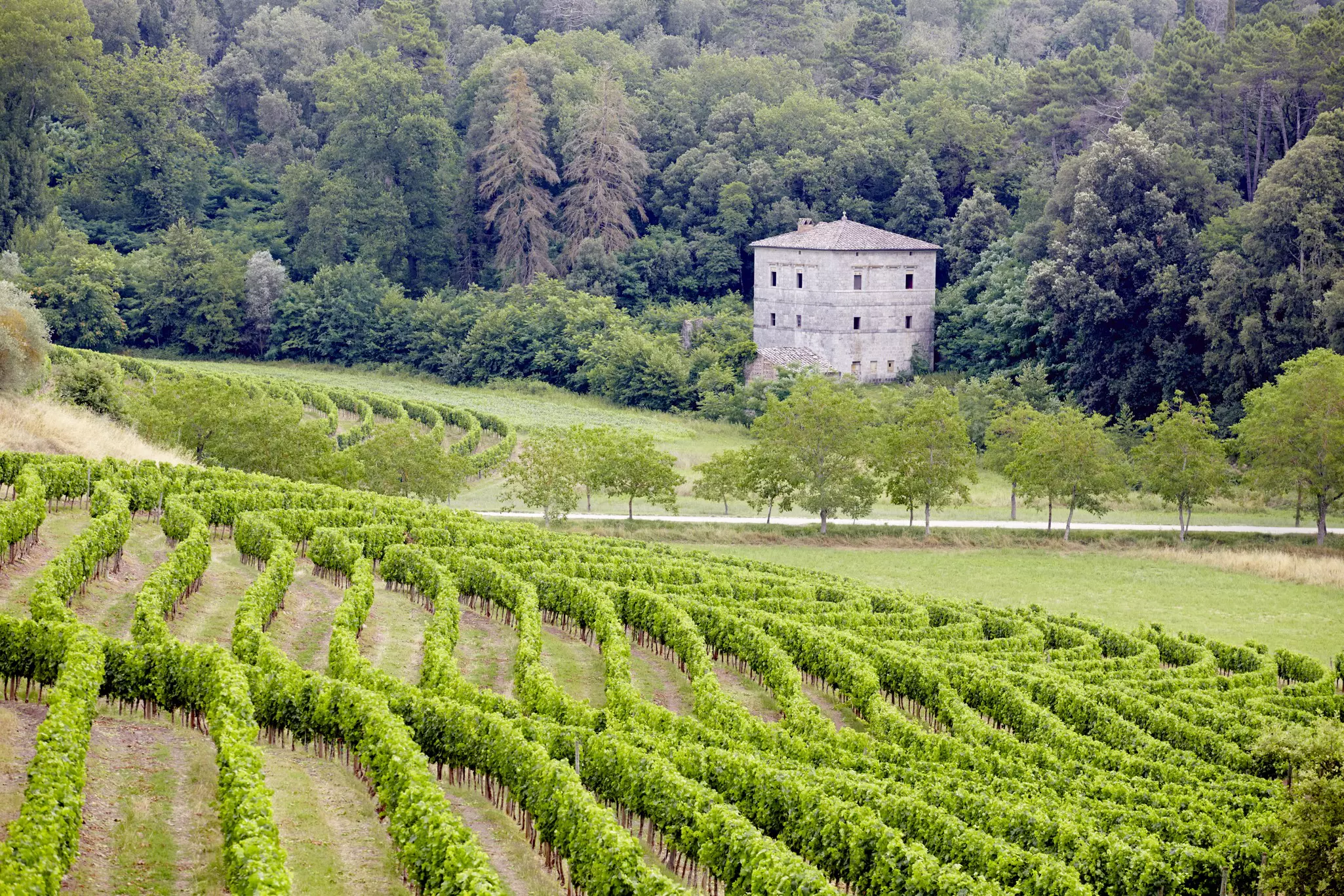
Vibe: Gorgeous views over vineyards that will have you stopping at every corner for photos.
Do: After the bustle of Florence, dial down the energy level and explore the winelands south of the city, journeying along the Via Chiantigiana, the picturesque road connecting Florence with Siena. Stay in one of the many agriturismi (farm stays) near the medieval town of Greve in Chianti and go winery-hopping to taste one of the products that defines the Tuscan experience.
The town square in Greve in Chianti, Piazza Matteotti, greets visitors with quaint arcades and the city’s
Museo del Vino, your introduction to Tuscany’s best-known wine and its history. Rather than combining vino and driving, you can rent an electric bike from Officina Ramuzzi and go quaffing at the historic Castello Di Verrazzano estate, or the Viticcio Winery, just north of the village.
Eat: At Cantine Mirabilis (Enoteca Falorni), in the heart of Greve in Chianti, you can try the region’s wine labels, paired with flavors rooted in these hills. It's set in an antique wine cellar stacked with bottles.
Stay: With a bigger budget, pair elegant rooms with wines produced on the premises at the Castello di Gabbiano, set in a medieval castle in a garden of grapevines. For more pocket-friendly accommodation in Greve in Chianti, try the area's agriturismi (rural homestays) – find listings at Agriturismo.it.
The drive: On your way from Greve in Chianti to Siena, stop at the walled medieval town of Monteriggioni; it was once a stop on the Via Francigena, the medieval pilgrimage route from Canterbury in England to Rome. Today, you'll follow a short detour off the SR222.
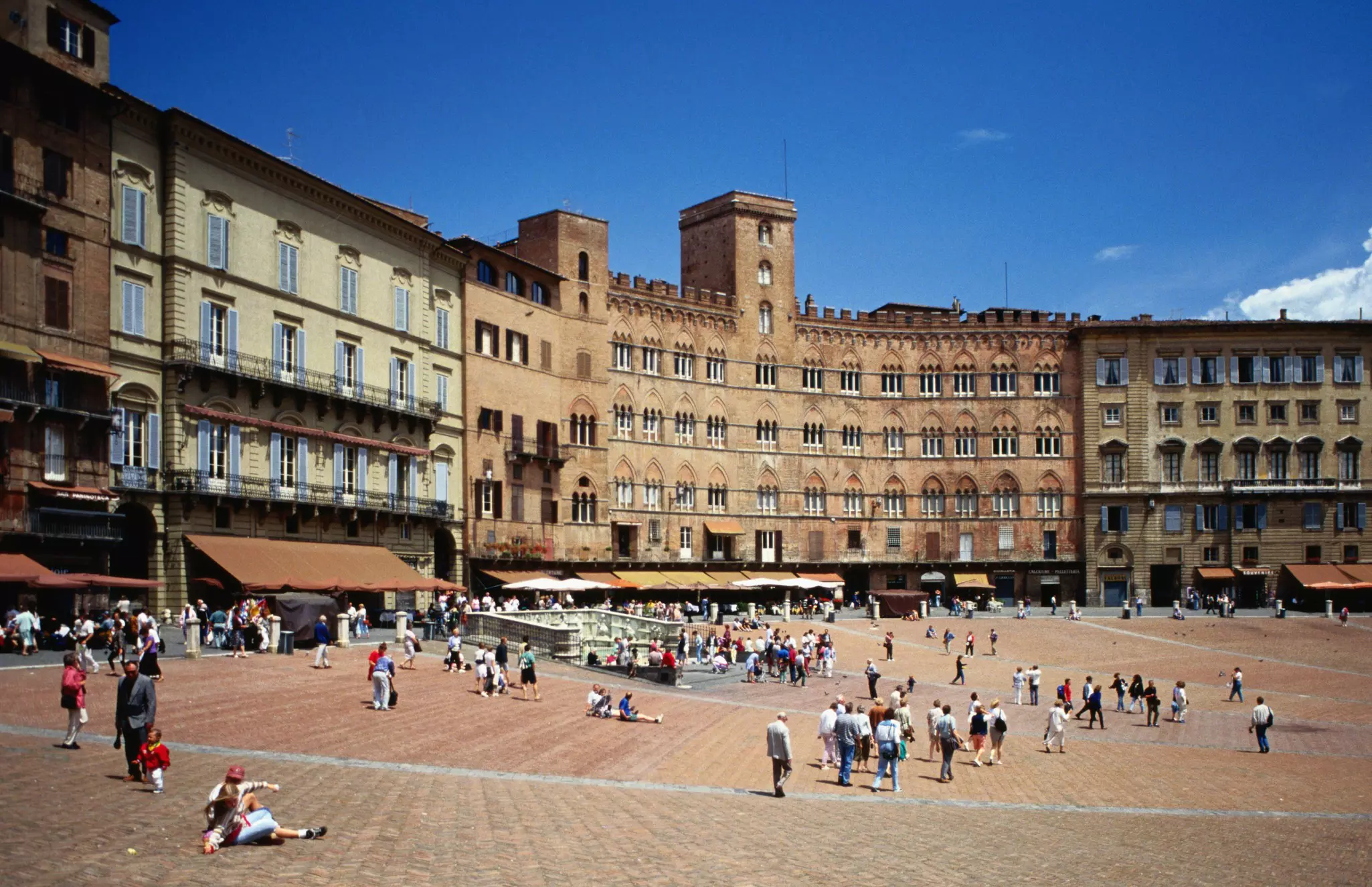
Vibe: Busy but truly grand – surround yourself with some of Tuscany's most iconic architectural masterpieces.
Do: Architectural gems abound in the elegant city of Siena, though you can expect some company while you admire the churches and palazzi (palaces). Take a couple of days to explore the city’s attractions, starting with the sloping Piazza del Campo – the setting for the bareback horse races of the Palio di Siena in July and August – and its Palazzo Pubblico. This grandiose palace has functioned as the center of power in Siena since the 13th century, and the artworks inside reveal centuries of history.
Focus your second day on Siena's religious architecture. Blending elements of Romanesque and Gothic architecture, the intricate facade of Siena’s Cattedrale di Santa Maria Assunta dominates the piazza that has functioned as the core of the city’s religious life since the Middle Ages. Originally established in 1179, the cathedral is famed for its wealth of sculptures and its marble mosaic floor depicting scenes from the Old Testament.
In the same area, you can admire the Spedale di Santa Maria della Scala, a medieval charitable hospital that functioned till the 1980s. Inside, alongside displays on Siena's history, you can view a 13th-century altar and frescoes by Sienese masters. The Pinacoteca Nazionale showcases more work from the talented painters of the Siena school, rescued for history in the 18th-century by local abbots Giuseppe Ciaccheri and Luigi de Angelis
Eat: Breakfast on cornetti (croissant-like pastries) at Pasticceria Buti, with half a century of baking history. Lunch on handmade pasta, cheeses, cold meats and the like at Osteria Boccon del Prete or Osteria Il Vinaio. For dinner, consider a romantic meal at Osteria Le Logge, showcasing classic Sienese dishes and wines.
Stay: Siena caters to all budgets, from pocket-friendly rooms at Alma Domus to accommodation with a hint of the Renaissance at Antica Residenza Cicogna. At any price point, you'll get a touch of history, and if your room faces outward, a medieval view.
The drive: When you leave Siena, consider taking the backroads southwest of the city to visit the incredible Abbazia di San Galgano, a Gothic roofless abbey near Chiusdino (1 hour). Alternatively, head straight to Pienza via the SS2 and SS146 (1.5 hours), passing through highly photogenic countryside.
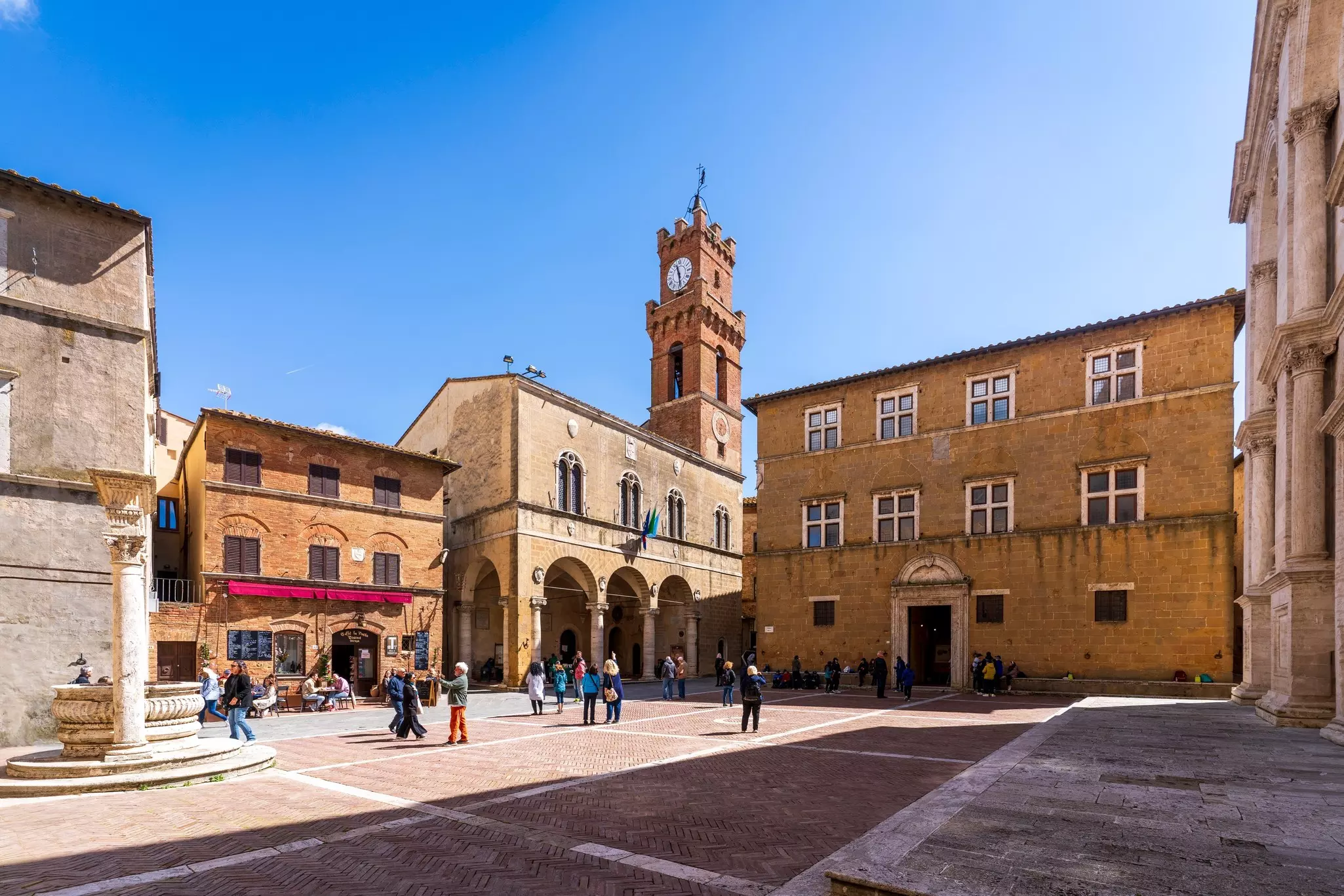
Vibe: Foodie and cinematic, taking in some of Tuscany's tastiest treats and most scenic landscapes.
Do: From Siena, drive south towards the UNESCO-listed Val d’Orcia through the landscapes of the Crete Senesi area – marked by rolling hills and fields of gray clay that produce grains, sunflowers, herbs, white truffles and Chiusure artichokes, as well as fodder for the sheep whose milk is used to produce pecorino cheese.
Make a brief stop at the Abbazia di Monte Oliveto Maggiore, founded in the 14th century by Saint Bernardo Tolomei, before continuing to utopian Pienza, the "ideal Renaissance city" – a filming location for the original Gladiator film. Refuel with a plate of pici pasta (traditional Tuscan pasta) and some pecorino cheese, before exploring the picture-perfect landscapes and stone-built hamlets throughout Val d’Orcia, with its iconic wheat fields and ancient cypress trees.
Before leaving Pienza, visit Piazza Pio II, constructed in only 3 years by Bernardo Rossellino in the 15th century. Here you'll find the Cattedrale dell’Assunta, with its slender white bell tower, and two grand palaces – the Palazzo Borgia, donated by Pope Pius II to Cardinal Borgia (now housing the art-filled Museo Diocesano), and elegant Palazzo Piccolomini.
Eat: Do a taste test of the region's pecorino cheeses (with a glass of Tuscan red) at La Taverna del Pecorino or Enoteca Marusco e Maria, or settle in for a romantic meal at Trattoria Latte di Luna – a great spot to try authentic Val d’Orcia cuisine beyond cheese.
Stay: Immerse yourself in the landscapes and explore by bike from Agriturismo Le Macchie, a
nature-immersed 17th-century farmhouse south of Monticchiello. Otherwise, stay in the heart of Pienza at La Bandita Townhouse, a lovely, luxurious boutique hotel built in a former convent, steps away from Pienza’s main square.
Detour: As you drive on from Pienza, retracing your steps on SS146, be sure to make a photo stop at the hillside chapel Cappella della Madonna di Vitaleta, between Pienza and San Quirico d’Orcia (30 minutes). Tucked into a small grove of trees, it's one of the most striking chapels you'll see anywhere. Get from San Quirico d'Orcia to Montalcino via the SS2 and SP14 (30 minutes).
Vibe: A gentler Tuscany, off the art and architecture trail.
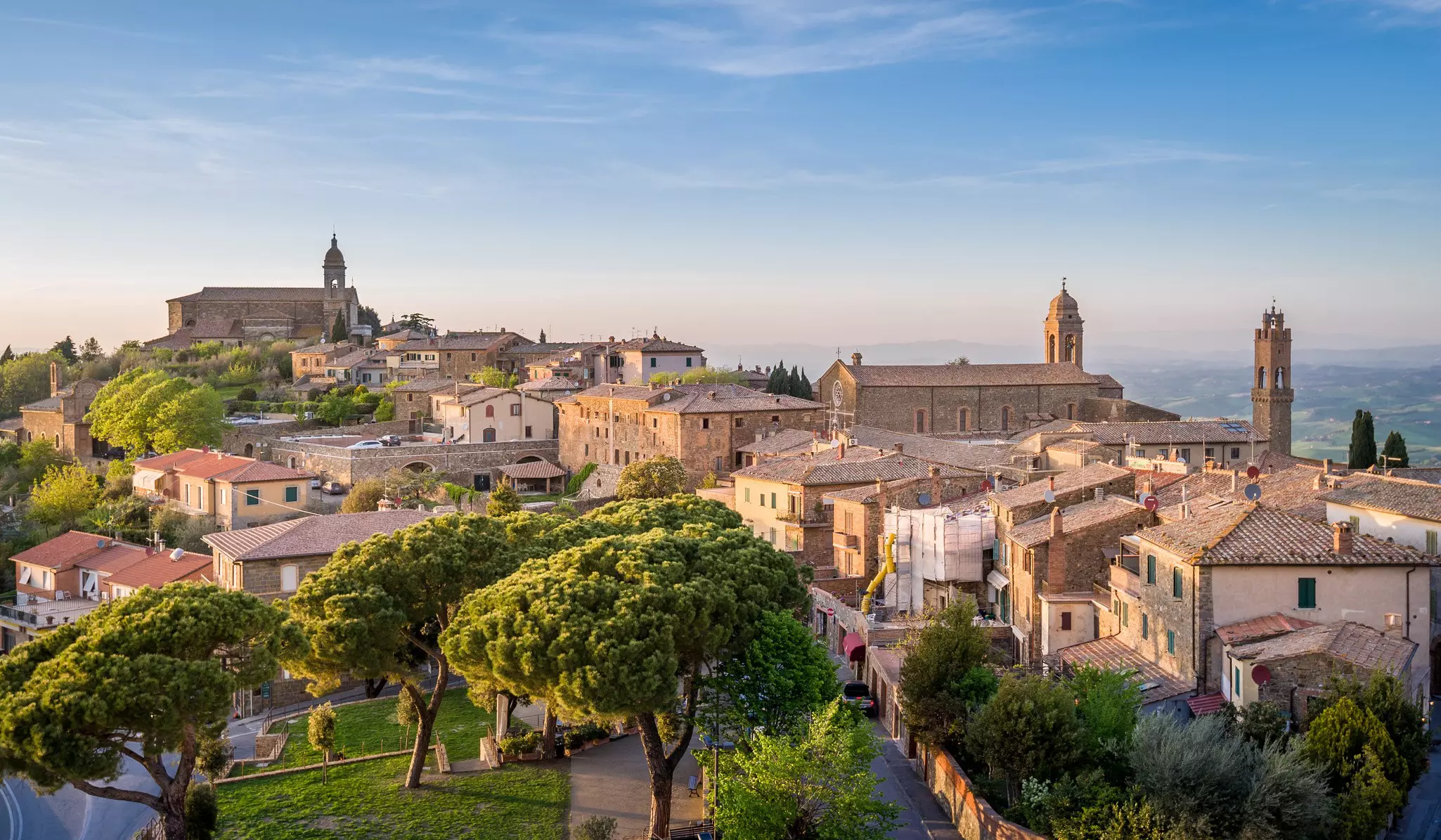
Do: As you leave the Val d’Orcia behind, stop for a day in the fortified town of Montalcino, the hilltop home of Brunello di Montalcino wine. To sample this prestigious wine (known for its high level of tannins, acidity and alcohol), visit the Tempio del Brunello wine museum and the surrounding enotecas (wine bars).
Or, for a deeper immersion into Montalcino viticulture, nominate a designated driver and head to the countryside for a tasting at one of the area's historic wineries, such as Ciacci Piccolomini D'Aragona or Fattoria dei Barbi. The name "brunello" refers to the wine's "brown" grapes – actually Sangiovese grapes growing to their full potential in the hills around Montalcino.
Be sure to investigate the town's imposing fortress, dating back to 1361 and housing a highly respected enoteca. You'll spot its angular towers as you start climbing the hill to Montalcino’s historic center. Carrying the Medici’s coat of arms – the famous six-ball emblem – this defensive structure is one of the most imposing forts in central Tuscany.
Eat: Enjoy wines and Tuscan food with a view at agreeably informal Vineria Aperta, or dine in town at Enoteca Grotta del Brunello, or family-run Osteria di Porta al Cassero.
Stay: Slip into a pool amid the vineyards at Borgo Canalicchio di Sopra, a stone-built winery with elegant villas for guests, or sleep in a former bishop's residence at Villa le Prata.
The drive: Founded in the 8th century CE, the Abbazia di Sant'Antimo is a worthwhile stop as you continue further south from Montalcino along the SP55 (30 minutes). To reach the Città del Tufo region, meander between sleepy villages and towns of terracotta-tiled houses on the SP160 (1.5 hours). Stop in on pretty Castel del Piano and the Tibetan treasures of the MACO Museo di Arte e Cultura Orientale in Arcidosso.
Vibe: Hints of pre-Roman history in the hills, en route to the coast.
Do: This leg of the route is a road trip within a road trip. Tuscany’s deep south is known for its hilltop hamlets, built on formations of volcanic tuff, that have been inhabited since Etruscan times. The Città del Tufo area combines astounding archaeological sites with charming towns connected by the twisting SP22. Tour Sorano, Sovana and Pitigliano to see the best of the Etruscan-era caves and necropolises.
Set amid rocky outcrops, Sorano is one of the oldest settlements in the region, inhabited since Etruscan times and dominated by the 12th-century Fortezza Orsini. Even more impressive are the Etruscan
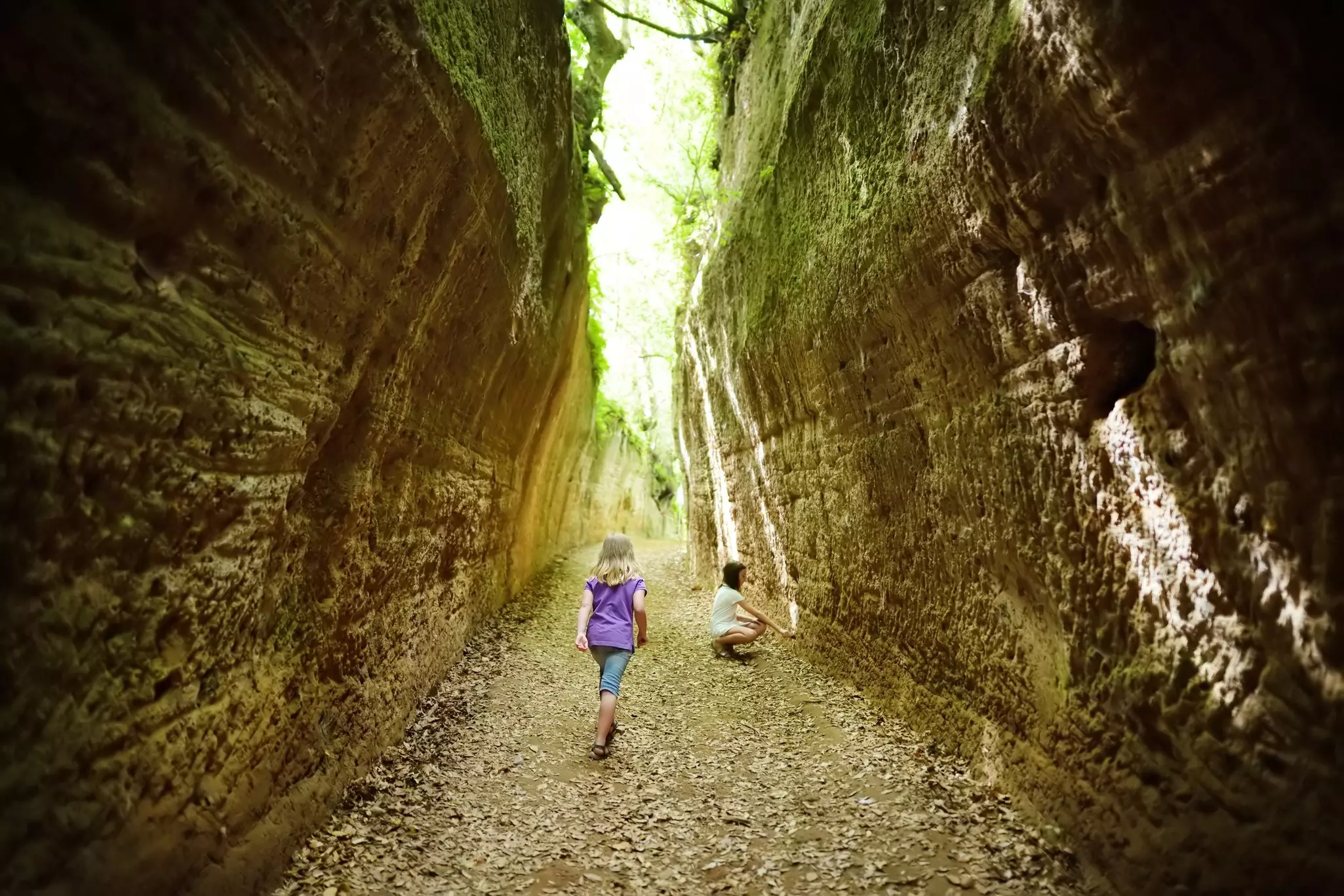
remnants found in Sovana, dominated by the 11th-century Rocca Aldobrandesca castle. Next to the monumental necropolis, dating back as far as the 7th century BCE, you can find the Via Cava di San Sebastiano, one of 15 trench-like, rock-cut passages in the area.
The largest of the Città del Tufo, Pitigliano combines Etruscan relics, the 14th-century Palazzo Orsini – now home to an interesting museum – and buildings recalling the town's Jewish heritage. In the late 16th century, refugees fleeing new laws restricting the rights of Jewish residents in Rome and Florence built a new life here, creating the town's 1598 synagogue. Discover more at the La Piccola Gerusalemme (Museo Ebraico di Pitigliano) museum.
Eat: All of the Città del Tufo villages have friendly family-owned restaurants serving local cuisine – try Ristorante Fidalma in Sorana or Pitigliano's Hostaria del Ceccottino.
Stay: Stop over in friendly small hotels such as Sovana's Sovana Hotel & Resort, or check out some of the intimate local agriturismi.
The drive: En route from Pitigliano to the coast along the SR74, consider a detour north for a dip in the thermal waters in the spa town of Saturnia (1.5 hours), where sulfurous waters pour into pools (free to access) at a constant 37°C. Alternatively, save the bathing for the seaside – Orbetello is about 1.5 hours southwest of Pitigliano along the SR74.
Vibe: Sun, sand, sea and nature on the Maremma coast.
Do: Conclude your journey with a restful break on the coast in the Maremma region, exploring wild beaches and protected wildlife reserves near the coastal town of Orbetello, set on a peninsula jutting into the lagoon. Before reaching the coast, stop in at the Giardino dei Tarocchi, a quirky garden with monumental sculptures, just south of the SR74.
The enduring symbol of Orbetello is the Mulino Spagnolo, a cylindrical grain-grinding tower dating back to the Sienese era and restored during the 16th century when this stretch of coastline was administered by Spain. Other Spanish-era monuments include the 1692 Polveriera Guzman, a former gunpowder magazine now housing Orbetello’s Museo Archeologico, and the Palazzo del Podestà, once the residence of Spanish viceroys.
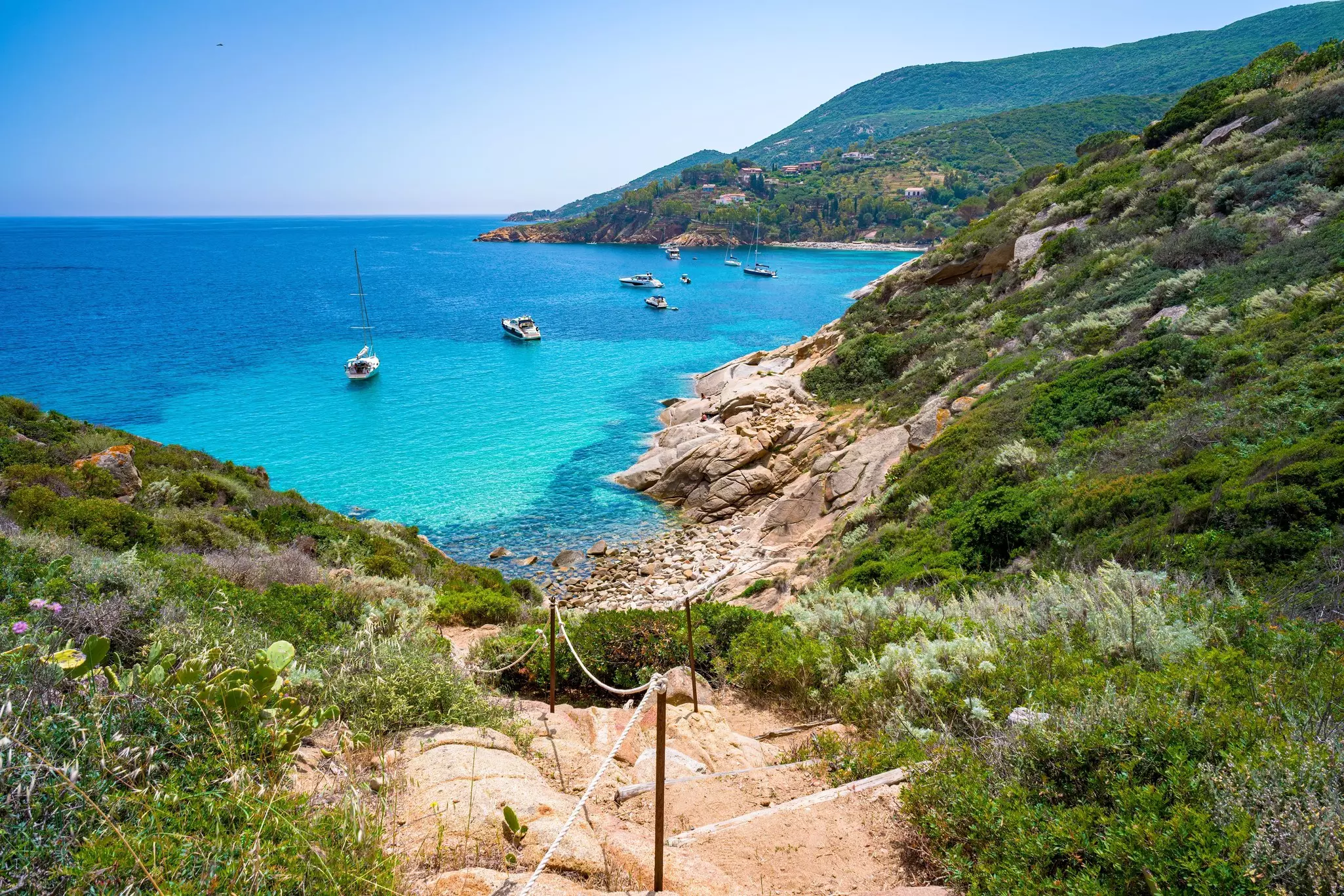
Beyond the town limits are long sandy beaches and the WWF-protected Riserva Naturale Duna Feniglia, where deer, wild boars, foxes and other animals live between the lagoon and the open sea. The best of the beaches along the two sandy tombolos that connect Monte Argentario with mainland Tuscany are at Feniglia and Giannella, where the 6km-long, tree-lined sands are perfect for taking in the sunset over the Mediterranean.
If time allows, extend your trip and hop on the ferry from Porto Santo Stefano to reach Isola del Giglio, the second-largest island of the Tuscan Archipelago, for an extra dose of Mediterranean sunshine. A 3-hour hiking trail links the island's three villages, or you can recline on the white-sand beaches around Giglio Porto – start at magnificent Cala delle Cannelle and Le Caldane, a short walk south from the ferry terminal.
Eat: If you stay out by the beaches, you'll likely eat at your accommodation; in Orbetello town, sample Maremma staples at homey La Mi Casa or L’Asino d’Oro. Isola del Giglio has seafood with a view at Da Maria, dining in a lighthouse at Faro di Punta Fenaio and meals with a beach-club vibe at Hotel L’Arenella.
Stay: Orbetello has plenty of places to stay, but some of the best are out by Gianella beach. You can camp or stay in bungalows at Camping Village, or relax in minimalist rooms with a sunset view at Villa Ambra. On Isola del Giglio, camp by the sea at Campeggio Baia del Sole, stay at a working farm at Pardini’s Hermitage or enjoy tasteful boutique rooms by the water at La Guardia.
The drive: End the drive in Civitavecchia, a 1-hour drive south along the coast on the E80 highway.
Explore related stories