May 11, 20264 min read
The 9 Best Free Things to Do in Reykjavík Apr 17, 2026
5 MIN READ

Writer
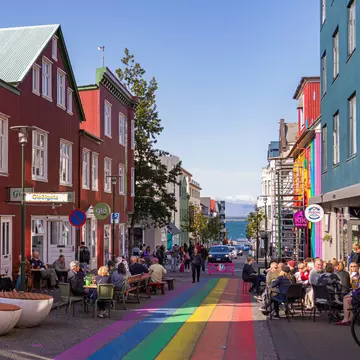
Klapparstigur, a street in the Laugavegur district of Reykjavík, Iceland. Ruben M Ramos/Shutterstock

Writer
Lonely Planet may earn a commission from affiliate links on our site. All recommendations and reviews reflect our own independent opinions.
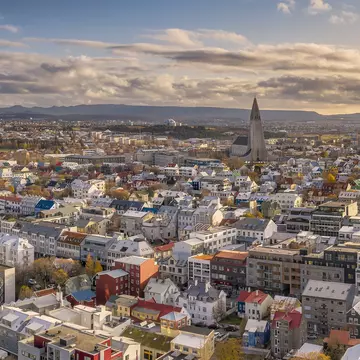
In a country renowned for its rural geographic wizardry, Reykjavík is a humming urban core. Approximately 350,000 people live in Iceland, nearly two-thirds of them in greater Reykjavík.
The city may not be a sprawling, high-rise-clad capital – there are only 10 formal districts in all of Reykjavík – but each area carries a distinct punch, from the museum- and shopping-filled center to a quiet retreat on the outskirts with an open-air museum.
With a comprehensive city bus system, rentable scooters and pedestrian-friendly streets, Reykjavík is easy to explore. Find your ideal base among its top neighborhoods.
Best for convenience and nightlife
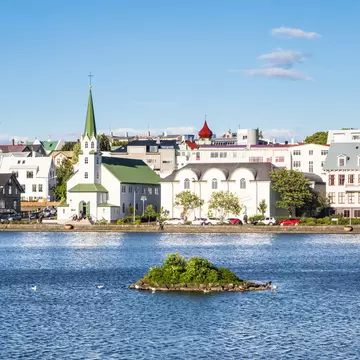
If you’re going to experience a crowd anywhere in Iceland, except around a luggage carousel at Keflavík International Airport, it will be in Reykjavík’s downtown, known as Miðborg. Within its confines – which are dotted with mom-and-pop shops, high-end boutiques with parkas and snow gear, and two- and three-story residences with colorful rooftops – you’ll find Iceland’s biggest consumer thoroughfare, Laugavegur. If you’re looking for an evening on the town, this is the spot, with time-tested staples like the hostel bar-restaurant Kex, saloon-esque Prikið and laid-back Kaffibarinn offering great opportunities to sample the local nightlife.
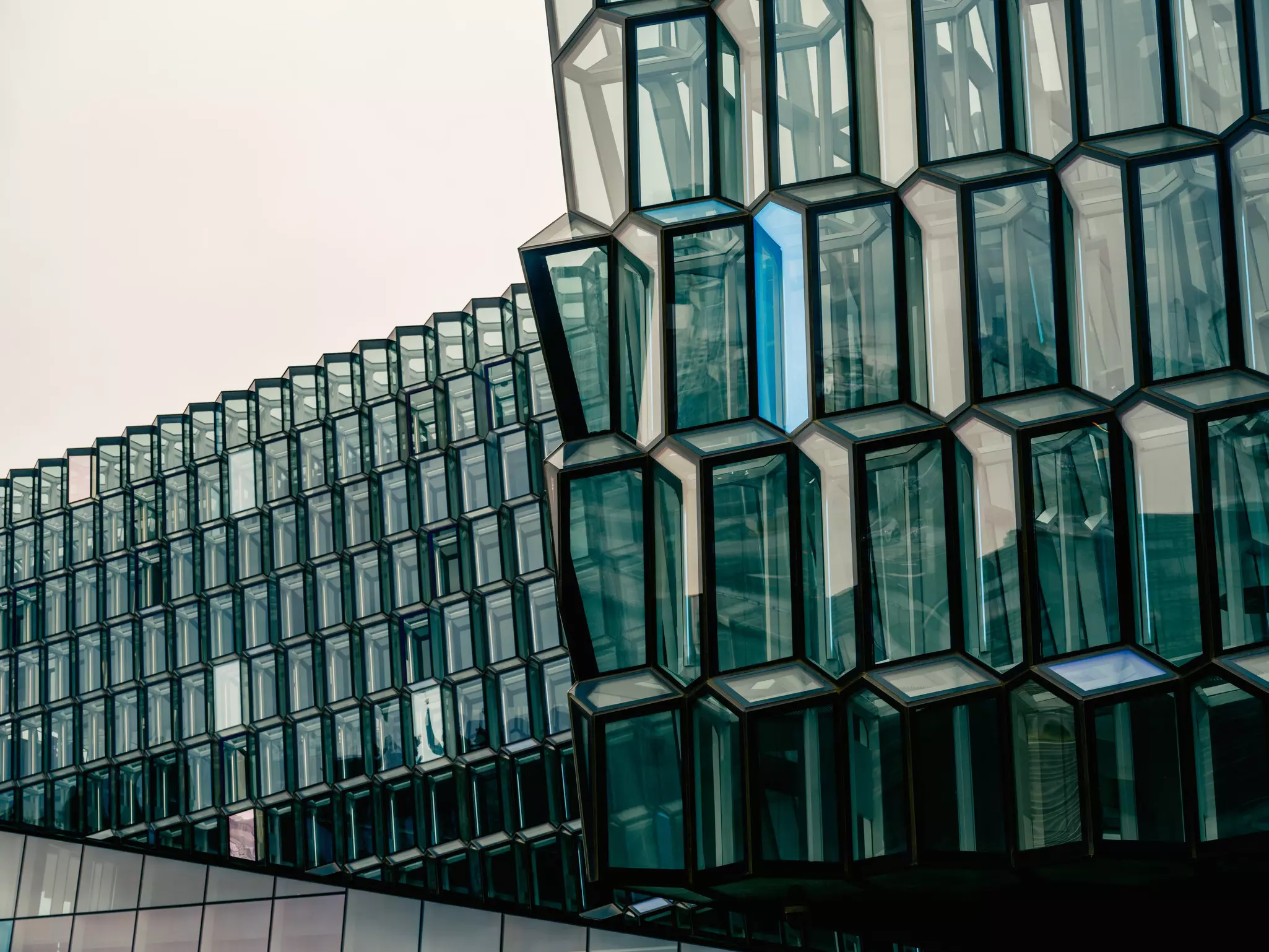
Miðborg is also the epicenter for cultural happenings: the National Museum of Iceland, National Gallery of Iceland and the very adult and quirky Icelandic Phallological Museum are all here. And on the northern edge of the neighborhood overlooking the Old Harbor sits the all-glass Harpa concert hall – the place in town to catch symphony and opera performances.
Amid all the activity in Miðborg, there are plenty of quiet places to escape, too. To dip your toes in some geothermal water without leaving city limits, head to the Nauthólsvík Geothermal Beach, just south of Reykjavík City Airport.
If convenience and options are what you seek, Miðborg should be your home base.
Where to eat: Fiskfélagið embellishes Icelandic seafood with far-flung inspirations like Fiji coconut and Spanish chorizo.
Where to stay: Don’t let the Exeter Hotel's simple exterior fool you. This is a stylish, industrial-chic property with a bakery, restaurant and sauna.
Best for outdoor activities
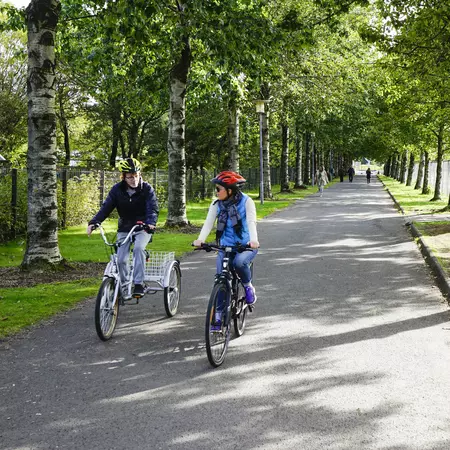
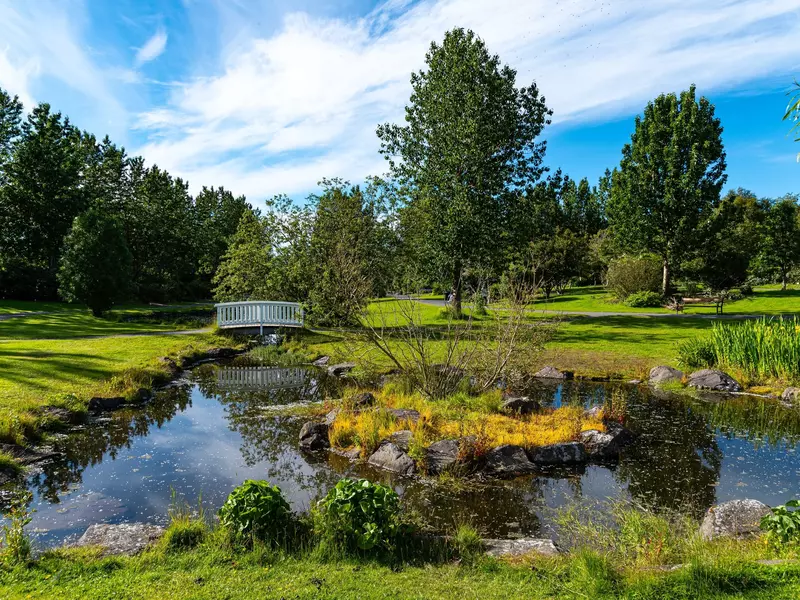
This is the district where Reykjavík residents get their sweat on. In the heart of Laugardalur is a massive green space that includes the vast Laugardalslaug outdoor pool complex, the Iceland national soccer team’s stadium, an ice rink and – when temperatures aren’t too frigid – running tracks. Right there as well are the Reykjavík Family Park & Zoo, a botanical garden and, on the neighborhood's southwestern edge, the Reykjavík Art Museum–Ásmundarsafn and sculpture garden.
Where to eat: Flóran's sun-dappled tables fill a greenhouse at the botanical garden next to a flower-lined terrace (summer only). Dishes feature wholesome local ingredients.
Where to stay: A bit quieter and more residential than its Miðborg neighbor to the west, Laugardalur has a few big-name hotels along Suðurlandsbraut, like the Hilton Reykjavík Nordica and Reykjavík Lights by Keahotels, each with panoramic mountain and park vistas.
Best for local life
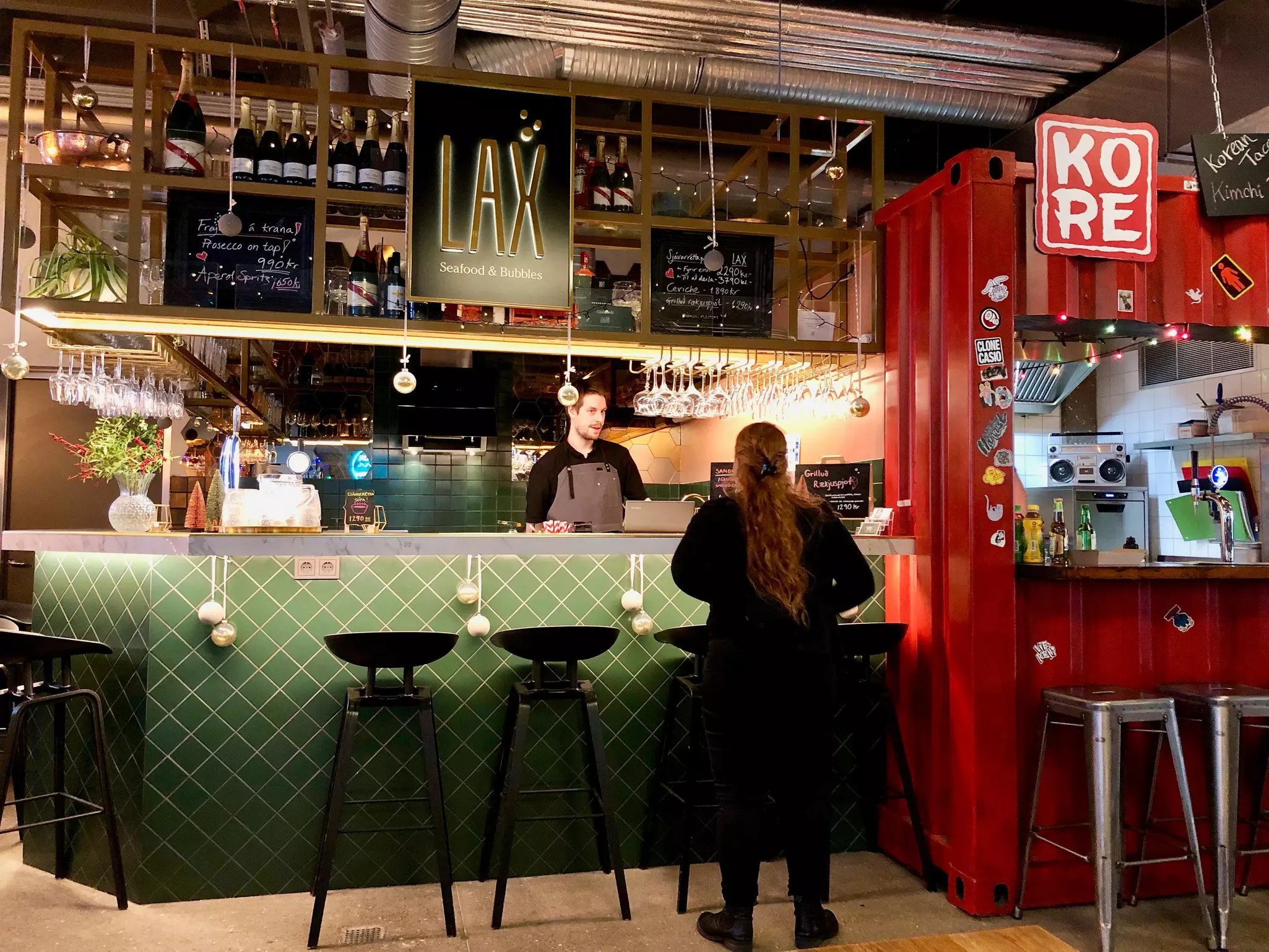
This district strikes a wild balance of industrial, trendy and traditional Icelandic charm. Along and around the warehouse-studded Fiskislóð in the northern part of Vesturbær, you’ll find some of Reykjavík's biggest draws and trendiest eats, including the highly publicized FlyOver Iceland flight simulation, Omnom Chocolate ice cream shop and factory, and Grandi Mathöll food hall.
At the southern end, in a region known as the Old West Side, the district emits a super-residential vibe. It was the first area to be developed in Reykjavík, dating back to the late 1800s, and has the city’s most refined and in-demand real estate.
Vesturbær is a top choice for short-term apartment rentals and visitors looking for quiet, along with easy access to the city’s center.
Where to eat: Kick back in the airy and relaxed bar area at Forréttabarinn for creative plates loaded with seafood, as well as duck, beef and lamb dishes.
Where to stay: Grandi's simple, spacious rooms are steps from the harbor; some rooms have balconies and expansive city views.
Best for a small-town feel
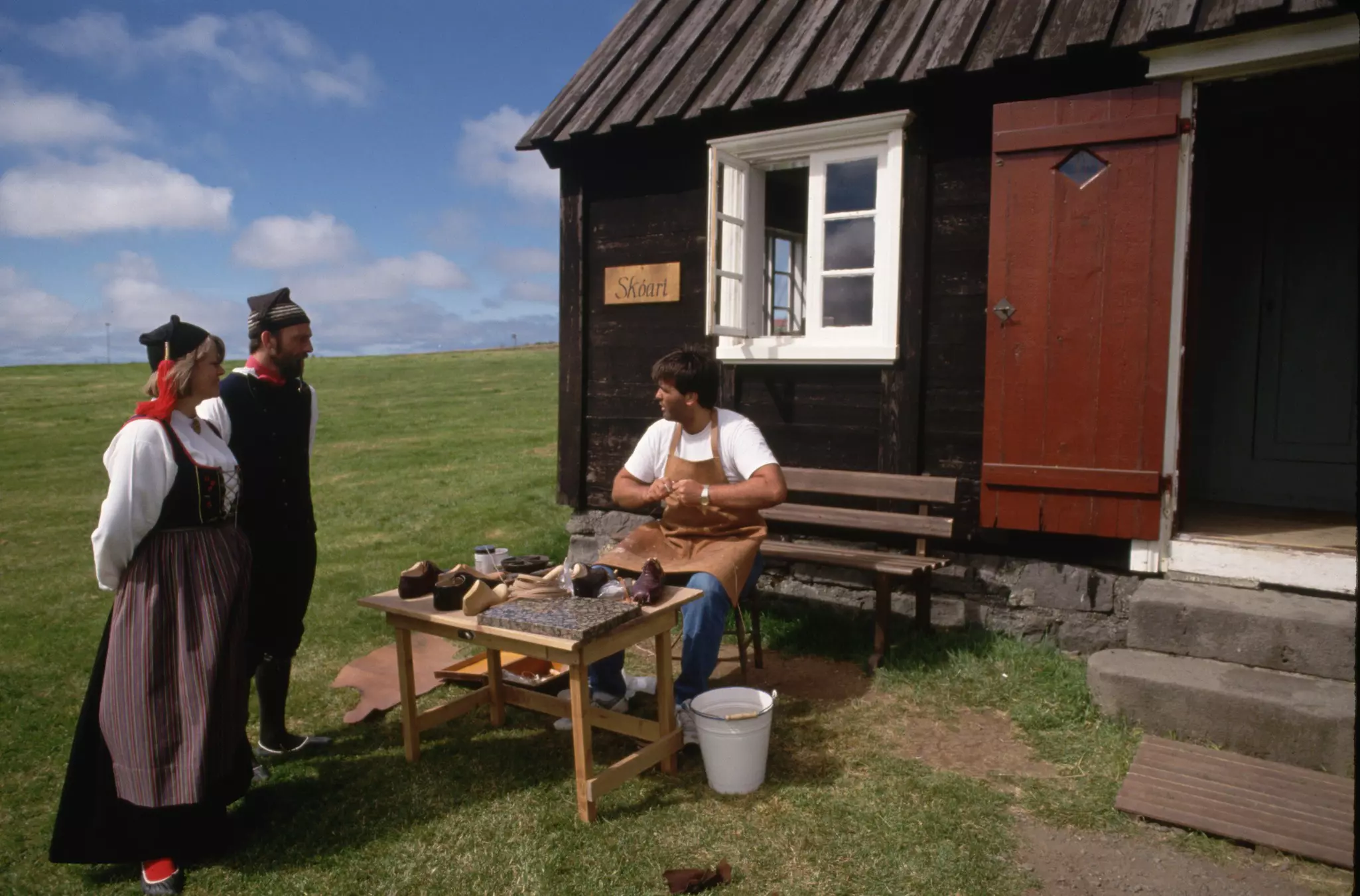
Approximately 6 miles southeast of Reykjavík’s center, the Árbær district still sits within city limits, and for those seeking an urban retreat with a small-town feel, it does not get any better. Outdoor lovers rejoice in the neighborhood's Elliðaárdalur recreation area, which includes the Elliðaá River and a waterfall (Kermóafoss). And for the quintessential Icelandic swimming experience, head to the Árbæjarlaug pool.
On the cultural front, the Árbær Open Air Museum is a favorite for locals and tourists alike. The space has more than 20 buildings, many of which were moved from around Reykjavík to create a model traditional village, town square and farm.
Where to stay: As charming as Árbær is, the hotel scene is nonexistent, and B&B options are very limited. Plan for a day trip – and likely not an overnight stay – here.
Best off the beaten path
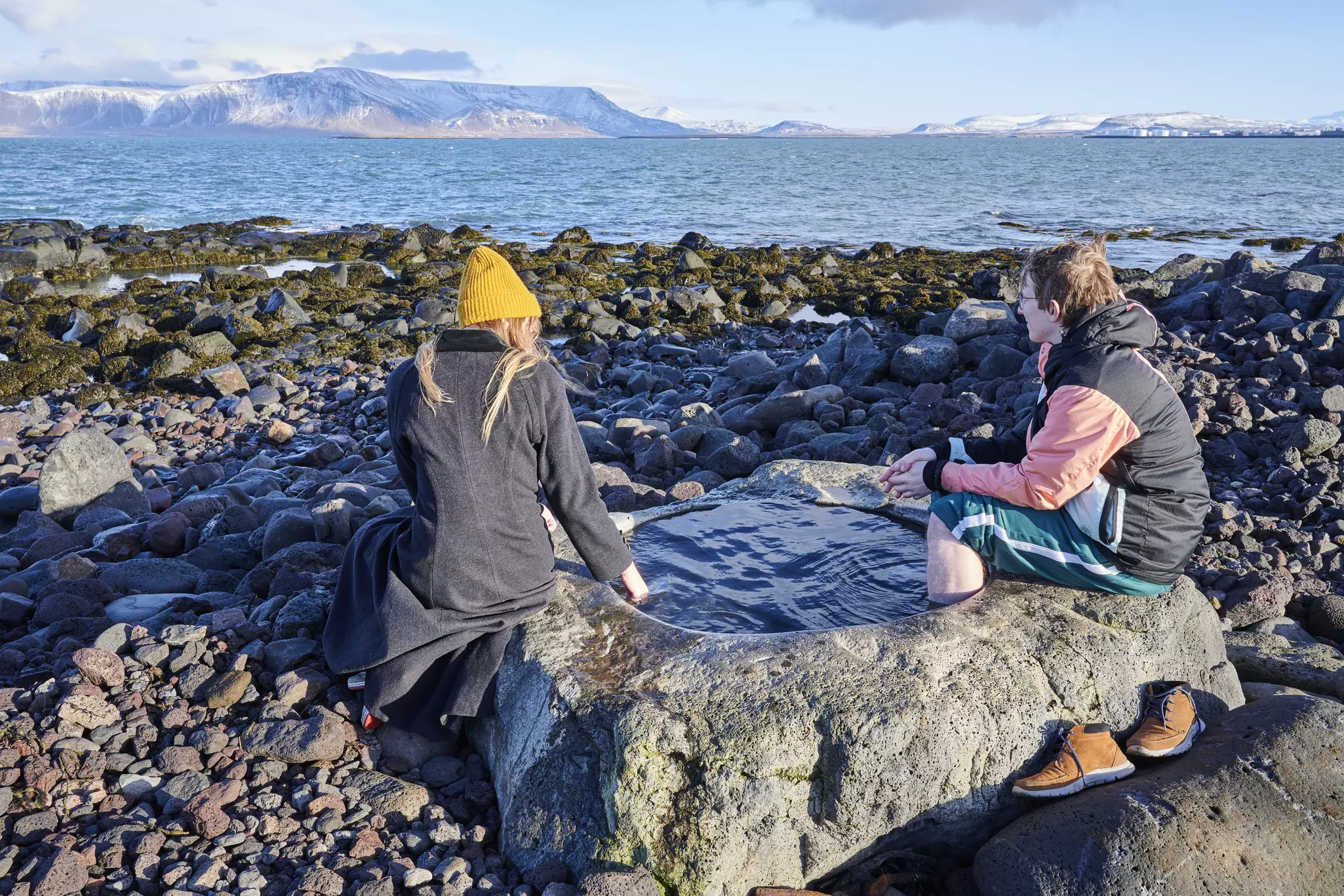
While not within Reykjavík’s borders, the Seltjarnarnes Peninsula geographically feels like it should be. Where Árbær gives a countryside vibe, Seltjarnarnes – west of Vesturbær - is as dreamy as a shore-landscaped area gets. Here you’ll find a nine-hole golf course on the water, the Seltjarnarness pool complex and the area’s best spot for catching the northern lights, the Grótta lighthouse.
Where to eat: If you’re feeling peckish, pop into one of Reykjavík’s best Italian restaurants, Raðagerði Veitingahús; it has a solid menu of pizzas and bruschetta, plus great brunches.
Where to stay: This neighborhood is mostly residential, with minimal B&Bs, so if you’re lucky enough to snag a room at the Blue House B&B, do it. If not, Seltjarnarnes is just a 10-minute bus or car ride west of Reykjavík’s heart.
Explore related stories