Sep 1, 20269 min read
Where to Stay in Tokyo: Best Areas and HotelsMay 21, 2026
5 MIN READ
Contributors
People on a beach in Kamakura, Kanagawa Prefecture, Japan. 18th Studio/Shutterstock

Contributors


Rebecca Milner, James Wong
Highlights
Writers James Wong and Rebecca Milner pick seven beaches near Tokyo.
Head to Onjuku in Chiba for surf competitions or laid-back Zaimokuza near Kamakura.
Katase Higashihama by Enoshima suits day-trippers; Zushi Beach pairs cafes with windsurfing.
Relax at quiet Isshiki, seek evening fireworks at Atami Sun Beach or stroll Southern Beach.
Lonely Planet may earn a commission from affiliate links on our site. All recommendations and reviews reflect our own independent opinions.
Tokyo is famous for many things – temples, nightlife, cuisine...but not beaches.
Yet not far from the city limits, the prefectures of Kanagawa, Chiba, and Shizuoka have thriving beach scenes. While calling these spots world-class would be overstating the case (head to Okinawa for that), if you’re in and around the capital during the summer and crave a surf-splattered break from the heat, you’ll have numerous options. You can seek out quiet local beaches and ones that draw thousands, gentle coves for families, and reef breaks for surfers.
Peak season is July and August, when many beaches erect temporary huts, host festivals and put on fireworks displays. Note that the Japanese sun is strong: many locals wear hats or hide under beach umbrellas.
Curious to join them? Here are the seven best beaches within a 2-hour radius of Tokyo.
Best for laid-back surfer vibes
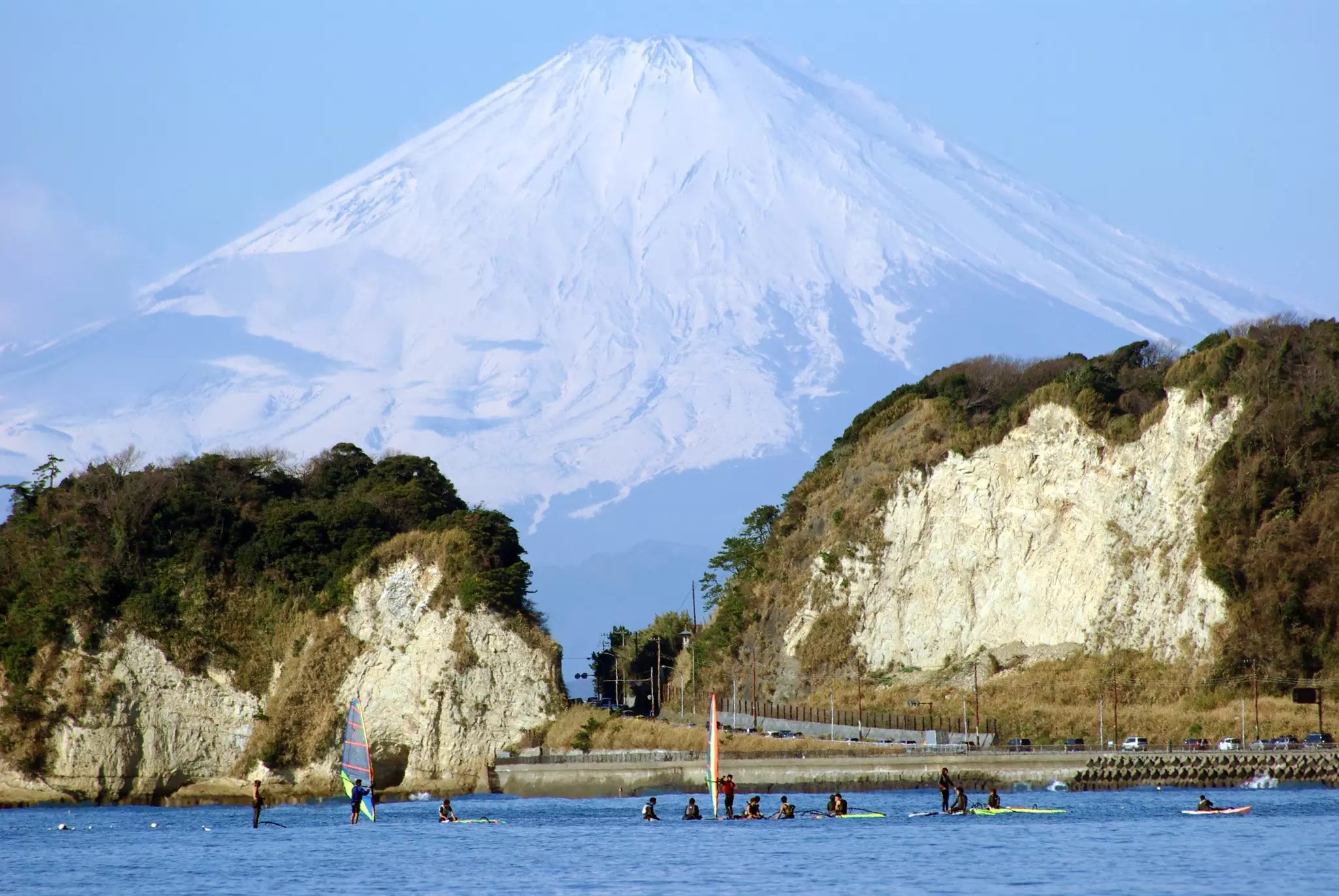
Though Kamakura is only an hour’s train ride from Tokyo, this seaside town has a laid-back surfer energy that feels a world away from the big city. Of Kamakura's five beaches, Yuigahama is the most popular, and the first one you reach if you're walking from the train station. It can also get incredibly crowded, especially on weekends.
For more space, keep walking instead to Zaimokuza, a broad stretch of sand fronted by waters that are generally gentle. On clear days, look east for stunning views of Mt Fuji.
Best beach for easy access from the city
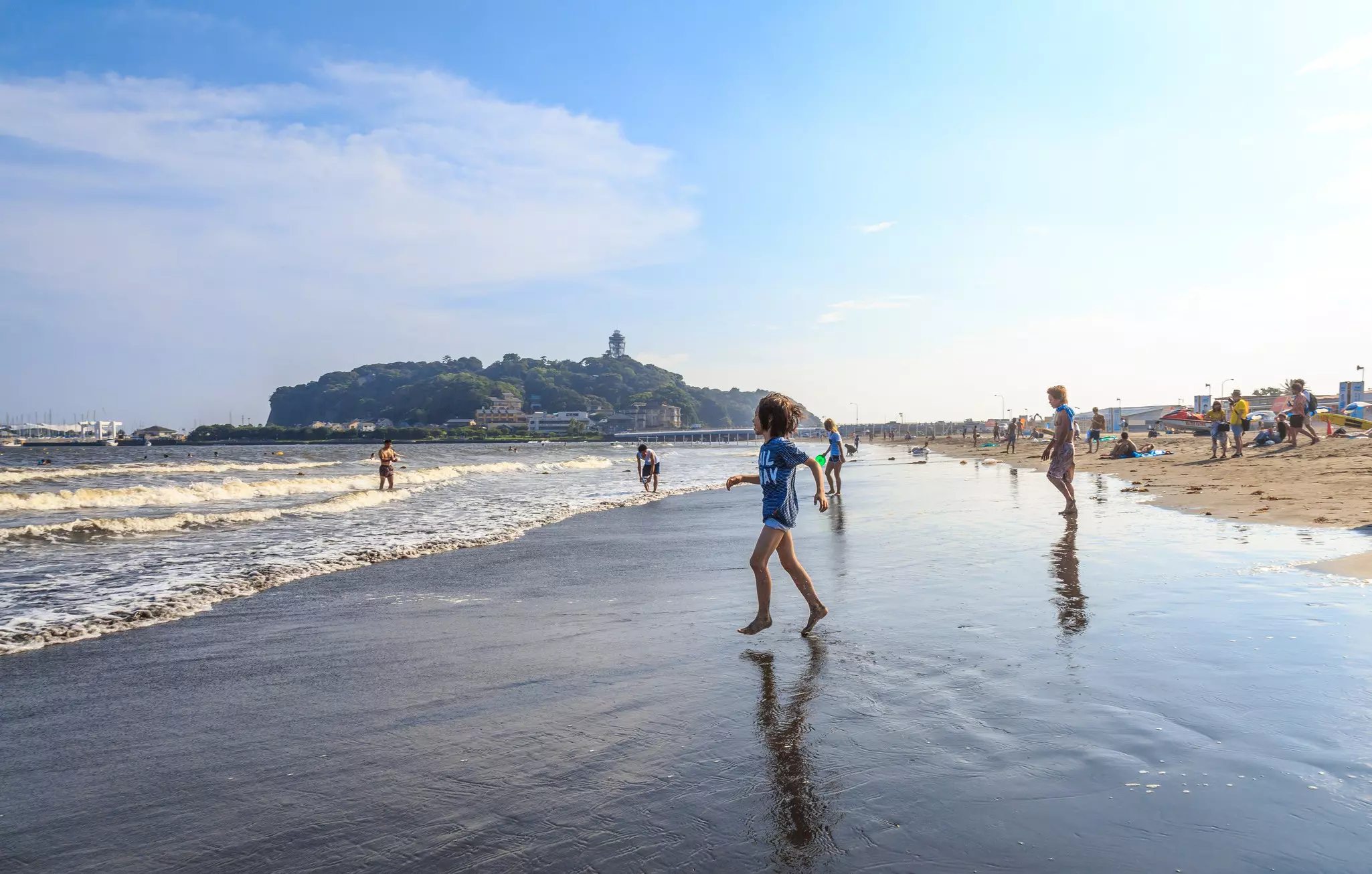
If you're short on time, head to Katase Higashihama, right by Enoshima Island. Just a short walk from the station, this strand has a relatively relaxed attitude toward tattoos, alcohol and pets compared to other Japanese beaches. And there’s a big range of amenities, including toilets, showers, chair and umbrella rentals, parking, shops and restaurants.
We can’t say it’s the prettiest beach (the dark sand looks a bit like cigarette ash) – but you can hardly see it what with all the beach umbrellas. Katase Higashihama is particularly popular with Tokyo teens and students.
Best beach for relaxation
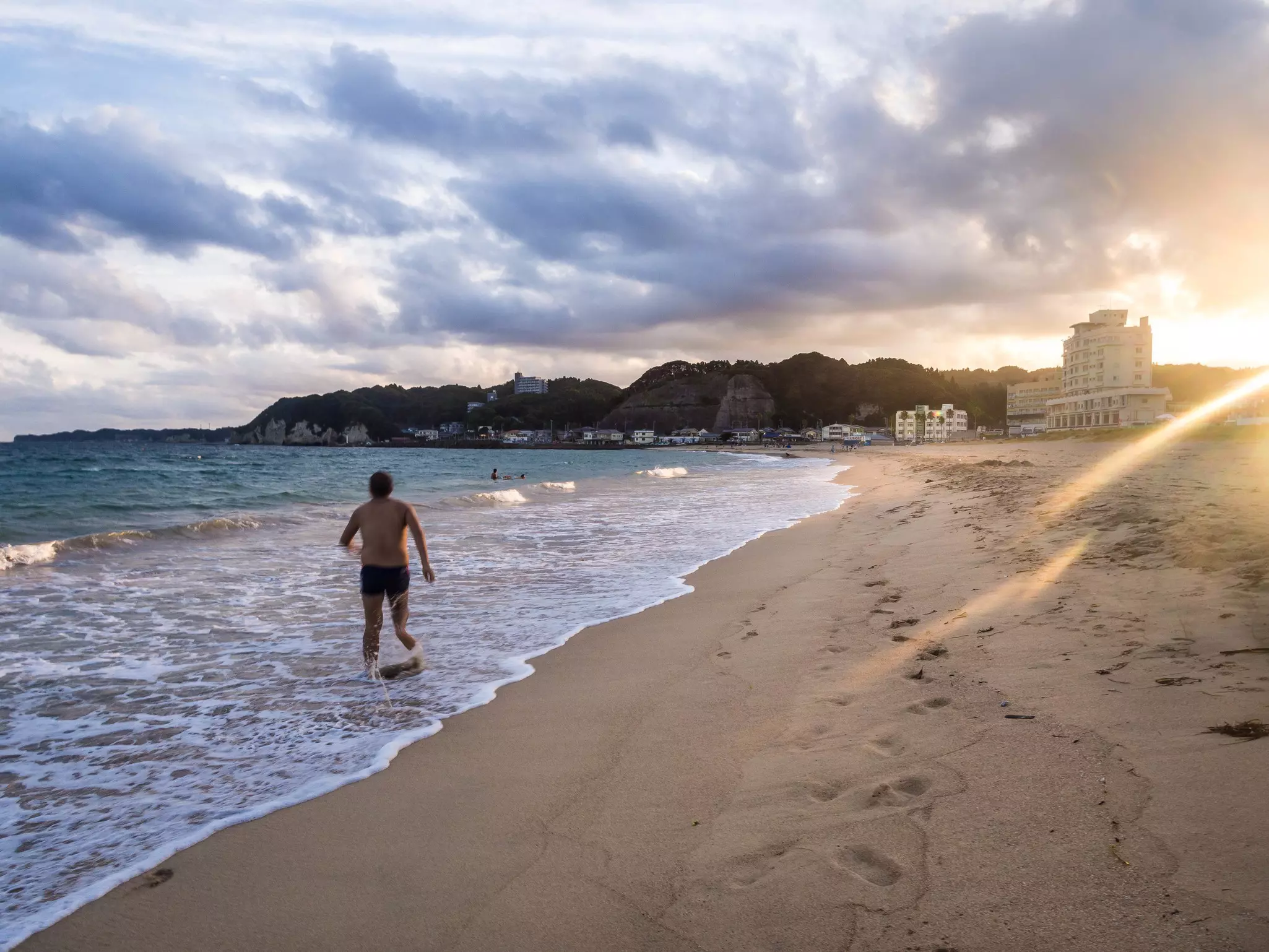
Just a 15-minute bus ride away from busy town of Zushi lies pretty Isshiki Beach. The rock formations and greenery of the beach create a coastal enclave that is distinctly quieter than what’s found nearby. And the lack of direct train access gives Isshiki Beach more of a local feel.
Visitors come to relax by the water, laying out towels to sunbathe or read in peace. Temporary facilities are set up each summer to cater to their needs.
Best beach for surfers
Head southeast for Chiba’s Onjuku Beach and discover a surfer’s paradise. This crescent-shaped beach holds frequent surf events and competitions, thanks to swells that nearly always break. Beach huts and rental shops provide all the gear you need, including surfboards, bodyboards, paddleboards and wetsuits. As a bonus, the beach itself is lovely, with powdery sand and bright blue waters.
Best beach for cafe culture and windsurfing
Zushi Beach is extremely popular for all beach activities. And for those who are less interested in the sand than in the cafe scene, the coastline is dotted with coffee shops, bars and restaurants right by the action. (Look out for Beach Muffin, a vegan cafe specializing in delicious handmade baked goods.) If you’re feeling more active, the far end of the beach, by the marina, is one of the best spots for windsurfing near Tokyo.
Best beach for an after-dark scene
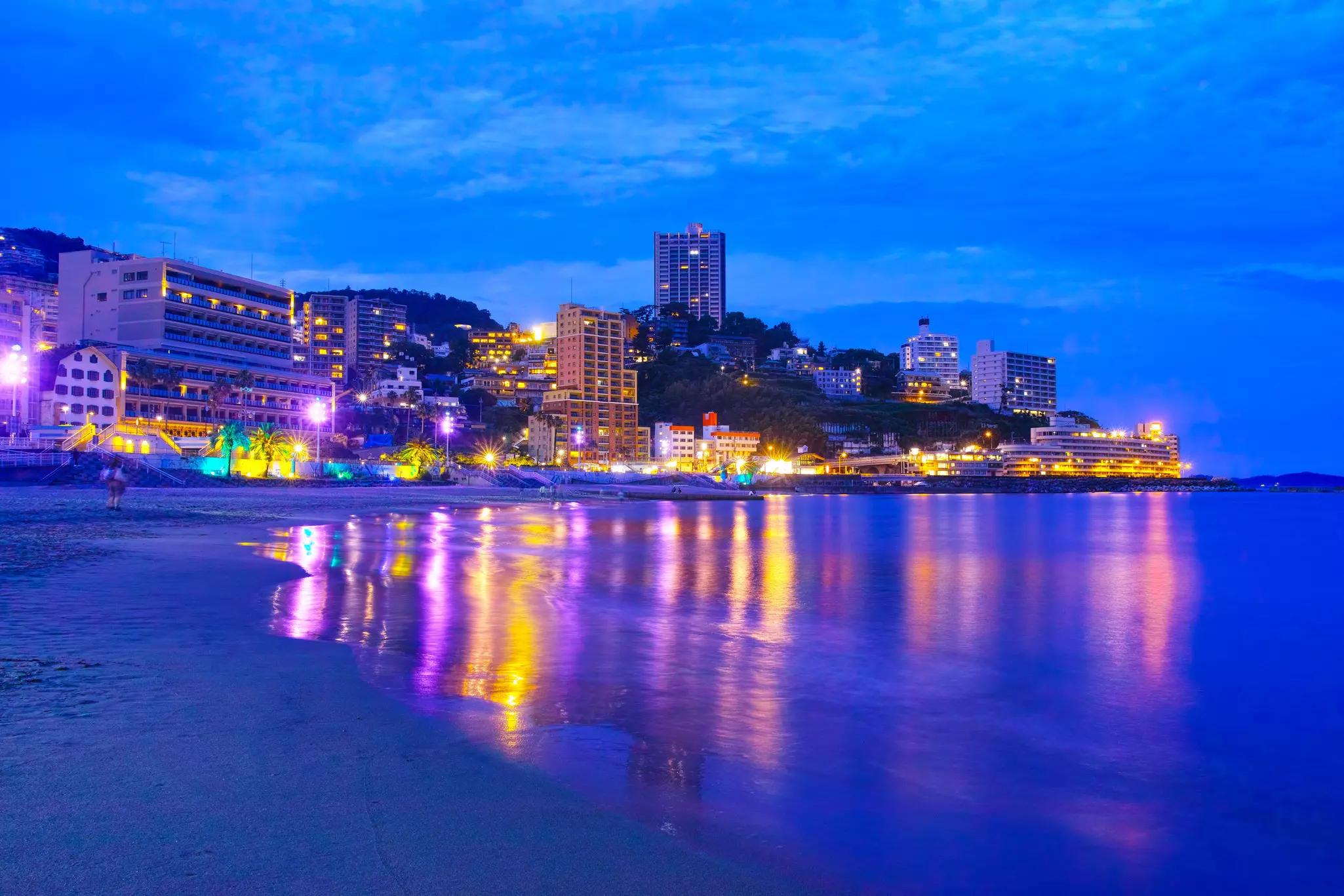
For those seeking to extend beach hours, the fun doesn’t end at dusk over at Atami Sun Beach. This sandy beach is lined with palm trees that light up blue from sunset until 10pm. In the summer, regular fireworks displays add to the colorful spectacle. Events draw in large crowds, creating a festival atmosphere – without the fumes, for smoking is forbidden here.
Best beach for leisurely strolls
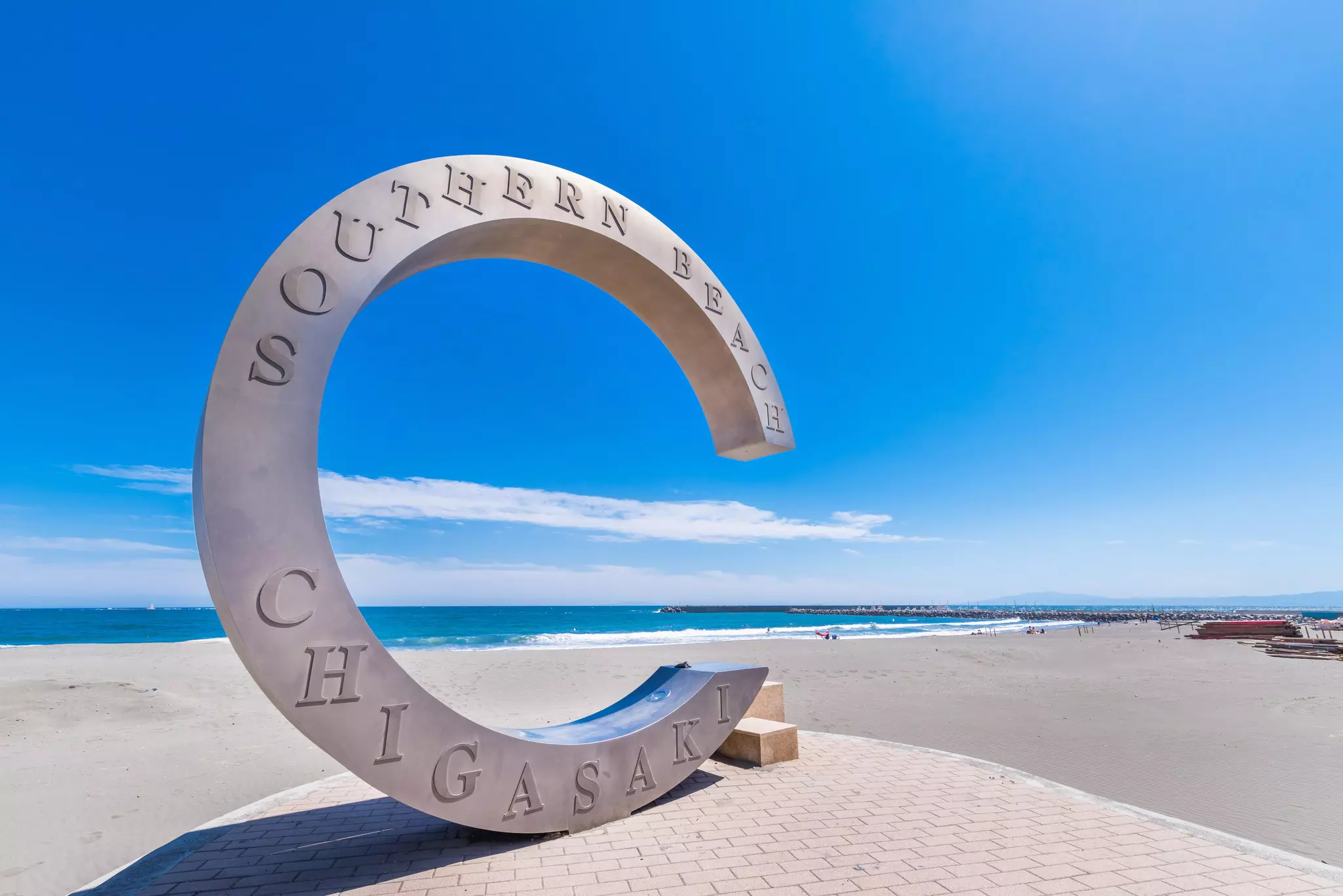
Walking Southern Beach in Chigasaki serves up visual delights at any time of year. Beyond the beach’s “Southern C” monument – a famous photo opp – numerous restaurants and small businesses line the coastline. From the beach, you can see Enoshima Island in the east, Mt Fuji in the west, and large rock formations including Eboshi Iwa, a hat-shaped rock, in the ocean. The beach is packed in summer for fireworks and events, making it a superb spot for people-watching.
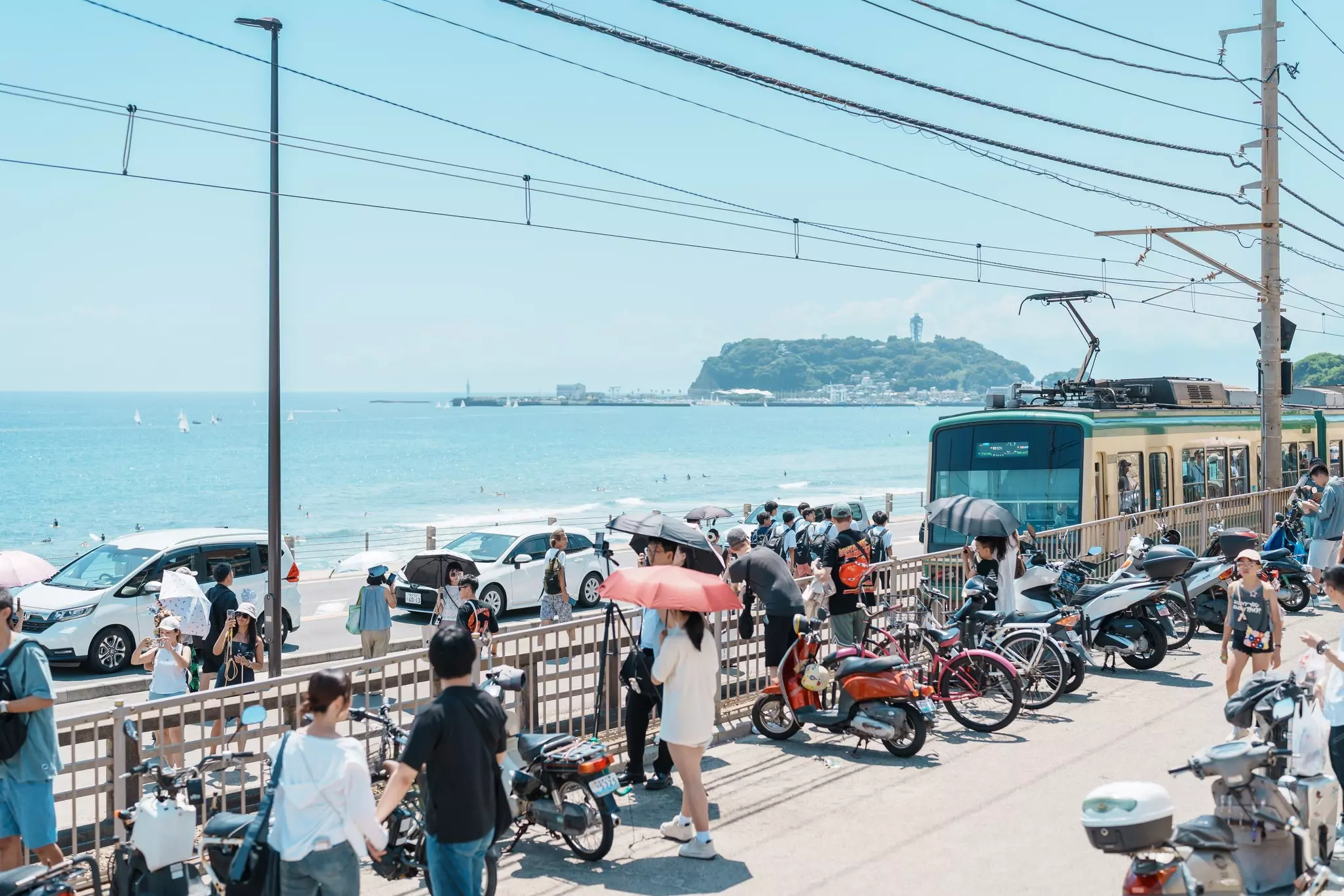
Beaches in Japan have an official season that usually coincides with the summer school holiday from mid-July through August. During this time, popular beaches like Katase Higashihama will have umi-no-ie – “beach huts” that rent umbrellas and chaises, and sell drinks and (not very good) food. This is also when lifeguards are present. A visit outside of the official season is possible – indeed, this is when the beaches are at their most pleasantly uncrowded.
Most beaches are equipped with public toilets and showers open year-round. In the absence of huts, there is usually a convenience store nearby to pick up supplies. Despite a lack of garbage cans, Japanese beaches tend to be clean: Japanese beachgoers pack up their trash and take it home with them, and visitors should do the same.
Keep a lookout for individual beach rules when you enter – think restrictions on swimming, noise or alcohol. Nudity is widely prohibited.
Kamakura and Zushi beaches have a no-visible-tattoo policy.
Explore related stories