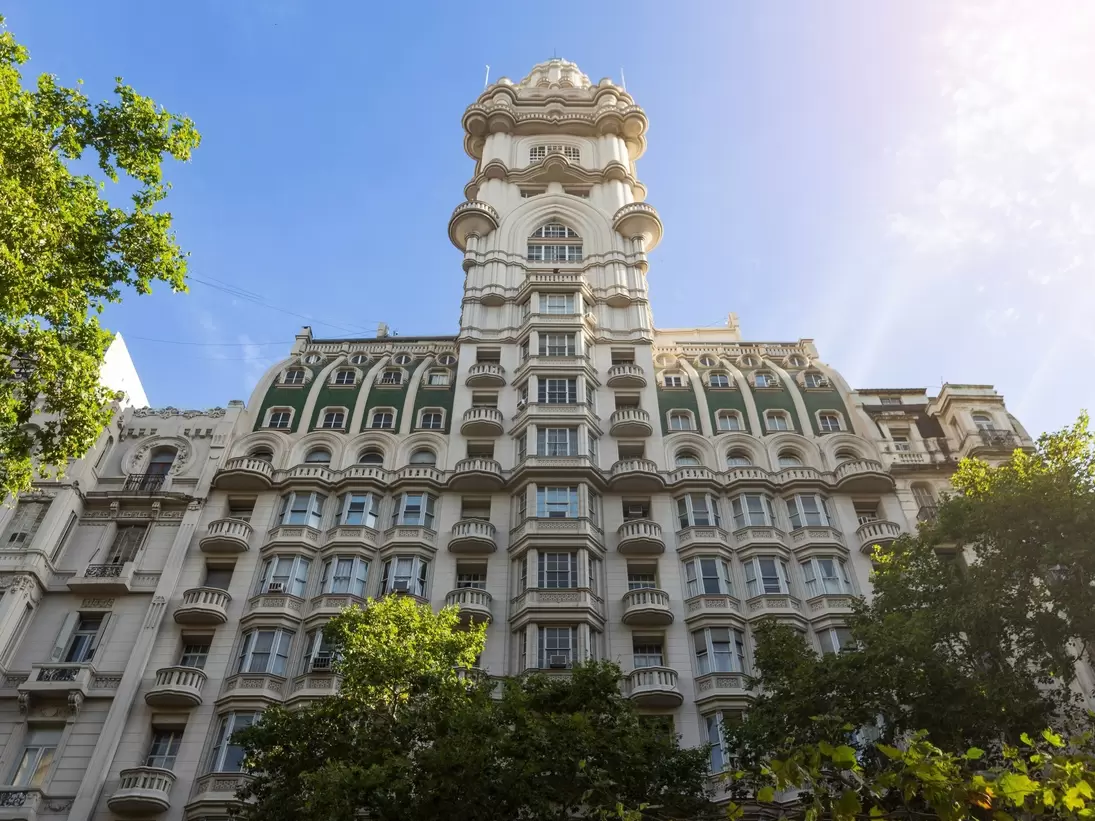
"Welcome to hell," says the tour guide at Palacio Barolo (palaciobarolo.com.ar; daily tours, book online). This office building, completed in 1923 and financed by businessman Luigi Barolo, is a hallmark of Art Nouveau architecture in Buenos Aires. Architect Mario Palanti's design includes numerous references to Dante's narrative poem Divine Comedy. Palacio Barolo's height (100m) is a reference to each canto (song); and the number of floors (22) mirrors the number of verses per song.
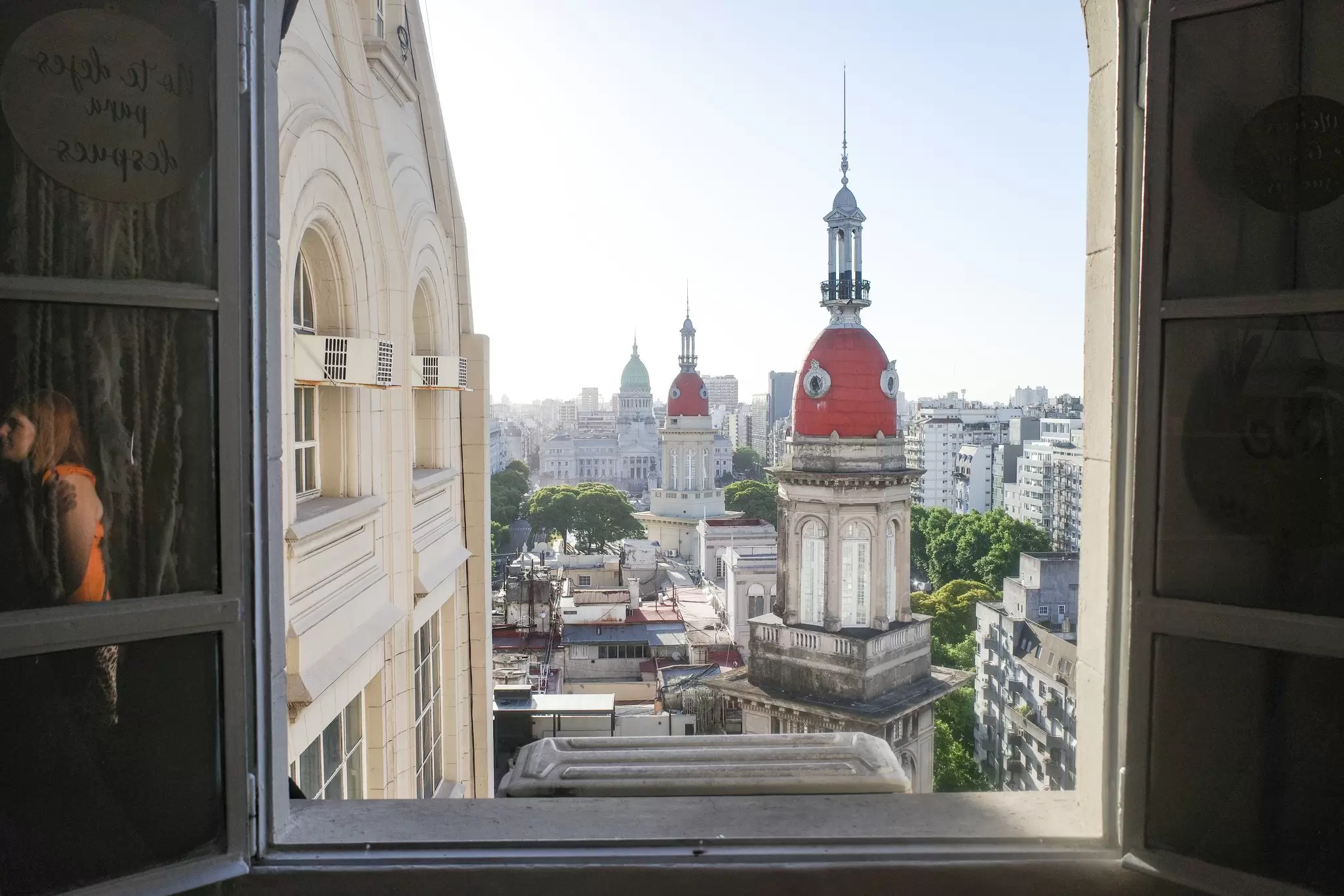
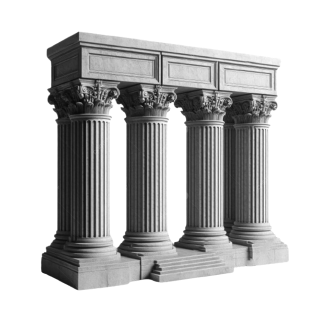
The building features three distinct levels, symbolizing Hell, Purgatory, and Paradise. The tour begins on the first floor (Hell) depicted with columns with dragons and Gothic floors. As you ascend, the construction becomes simpler until you reach "Heaven." The guide explains Barolo's life, the exquisite construction details of the building and the Masonic world. From the 14th floor, it's a six-flight climb of stairs to the 20th-floor observation deck for views of the city and, on clear days, the coast of Uruguay.
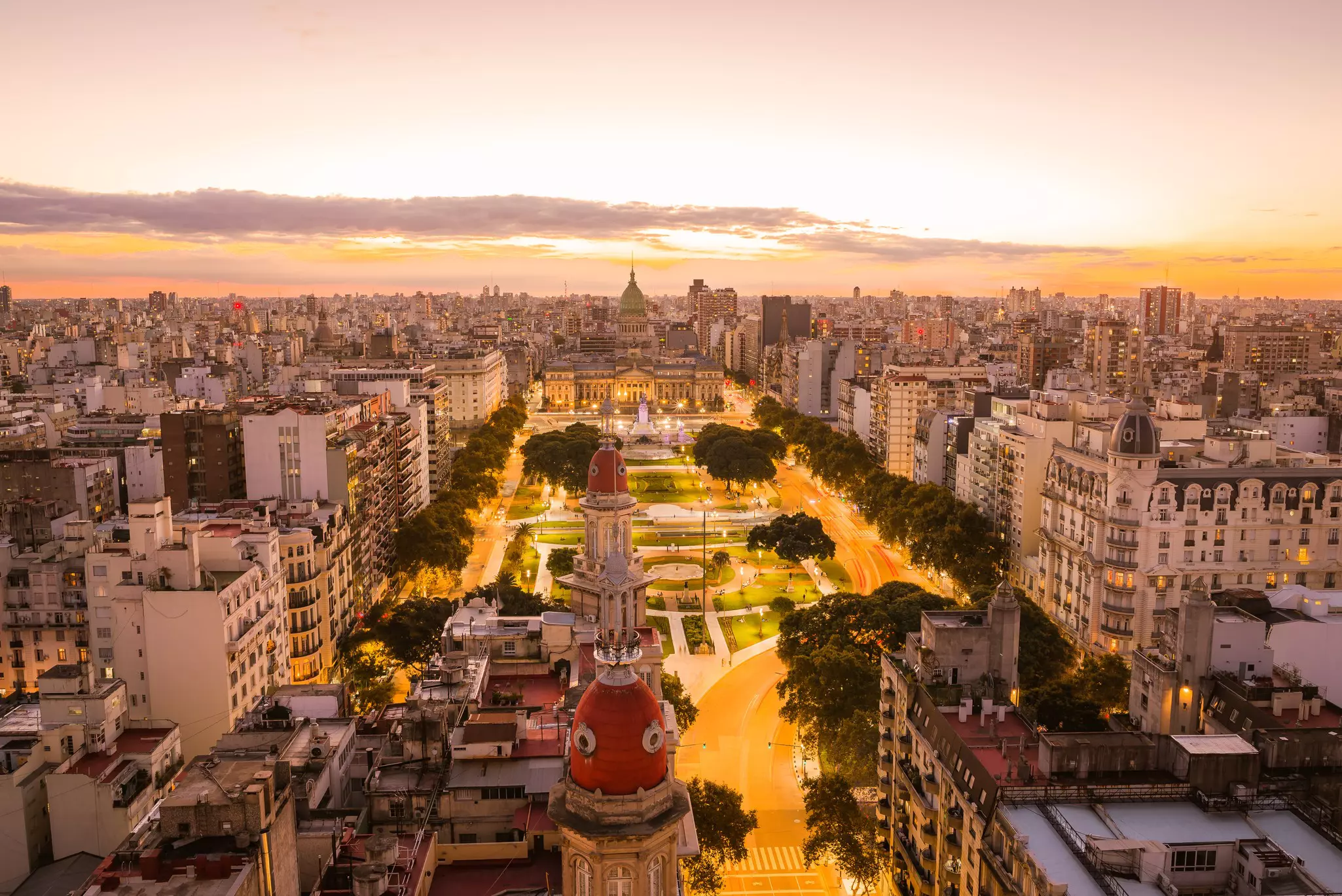
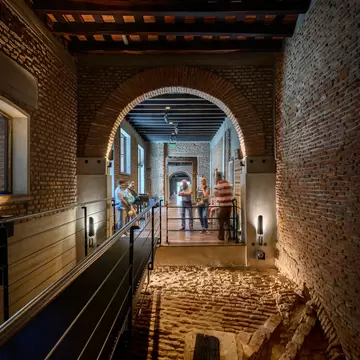
Two floors up, at the top of the building, a large lighthouse illuminates the city from 100m high. This last climb is very narrow and may not be suitable for everyone. At the end of the hour-and-a-half tour, nab a glass of wine on the seventh floor where there's a museum about the building. Day time tours are good for seeing the Río de la Plata, night tours offers more beautiful city views.
Salón 1923 (salon1923.com), on the palace's 16th floor, wonderful views of the Obelisco and Avenida de Mayo, along with tapas and cocktails. Check Palacio Barolo's website for opening hours.