Advertisement

Grettislaug Campsite in Reykhólar, Iceland. Daniel Dorsa for Lonely Planet
Iceland is famous for its spectacular natural attractions. And also for being spectacularly expensive.
Yet you don’t have to go all out to tick Iceland’s dramatic landscapes off your bucket list, no matter when you decide to visit the island country. Getting outdoors on your own tends to cost more in calories than in krónur. The country’s numerous pools offer better value than its tourist-oriented lagoons. And even certain accommodations are comfortable for your wallet...without being short on comfort.
Advertisement
Here are some tips for traveling in Iceland on a budget.
1. Pick the right kind of flight
For such a small, remote country, Iceland has a large number of flights, and serves as a hub connecting North America with continental Europe. Accordingly, you can usually find reasonable fares on Iceland flights from numerous carriers. (Search engines such as Dohop or Skyscanner are good resources for flight deals.) Peak season months include June, July and August, meaning prices tend to be lower during other months – but there will also be fewer flights. Travelers from London Gatwick and Manchester who want to explore the wonders of North Iceland should consider flying direct to Akureyri with EasyJet, instead of going via Reykjavík.
2. Choose one region – and explore it well
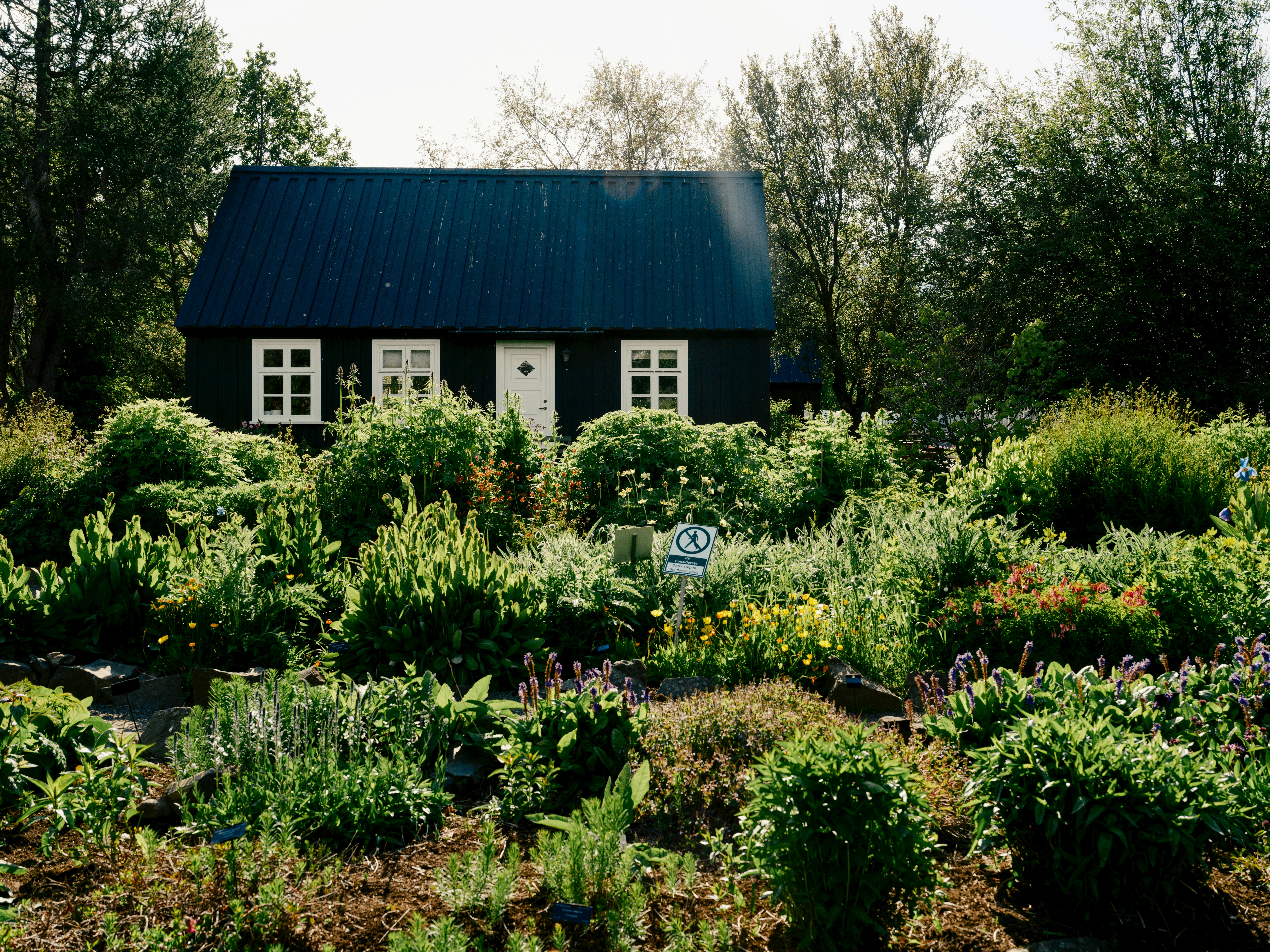
Driving the entirety of Iceland’s famous Ring Road isn’t possible for everyone – nor will your trip suffer if you can’t complete the full route. Save money on transportation by making one region your base camp, then visiting it thoroughly. This lets you slow down, find more peace and quiet in the spectacular countryside – and possibly discover something unexpected.
One area especially suited to such exploration is Hvalfjörður, about an hour’s drive from Reykjavík. Close to Þingvellir National Park, the region offers up many hiking routes, such as Síldarmannagötur over to Skorradalur valley, and to Glymur waterfall (open in summer only). In the North, Eyjafjarðarsveit, near, Akureyri has farm-fresh food, horseback riding, quirky museums and hiking opportunities, including up Kerling. If you’re not set on a specific destination, you could begin your trip planning by finding the most economical accommodation, then making that your base for exploring the surrounding region.
3. Consider budget hostels or farm stays
There are 18 HI (Hostelling International) hostels around Iceland, located everywhere from hip urban settings to the middle of nowhere. Rooms are typically double or twin, with shared bathrooms and kitchen facilities. While rates vary, a double room usually runs about 20,000kr per night in the shoulder season, and 30,000kr in the summer. Rates are lower in the off-season, though some hostels close then. Also check out KEX Hostel in Reykjavík, Backpackers in Akureyri and Tehúsið in Egilsstaðir. Farm stays offer another take on hospitality, allowing you to learn about Icelandic rural life while enjoying nature (and often simple lodging).
4. Stay at a boarding school turned hotel in summer
In summer only, the Edda hotels (now part of the Iceland Hotel Collection by Berjaya) welcome visitors, serving as dorms for students the remainder of the year. At the two locations – in Akureyri and near Egilsstaðir – rates for double rooms are as reasonable as you’ll find in Iceland, around 20,000kr per night, with shared bathroom facilities. Both hotels are centrally located in their respective regions, and make for good bases for exploring nearby attractions.
Advertisement
5. Rent an RV for a road trip
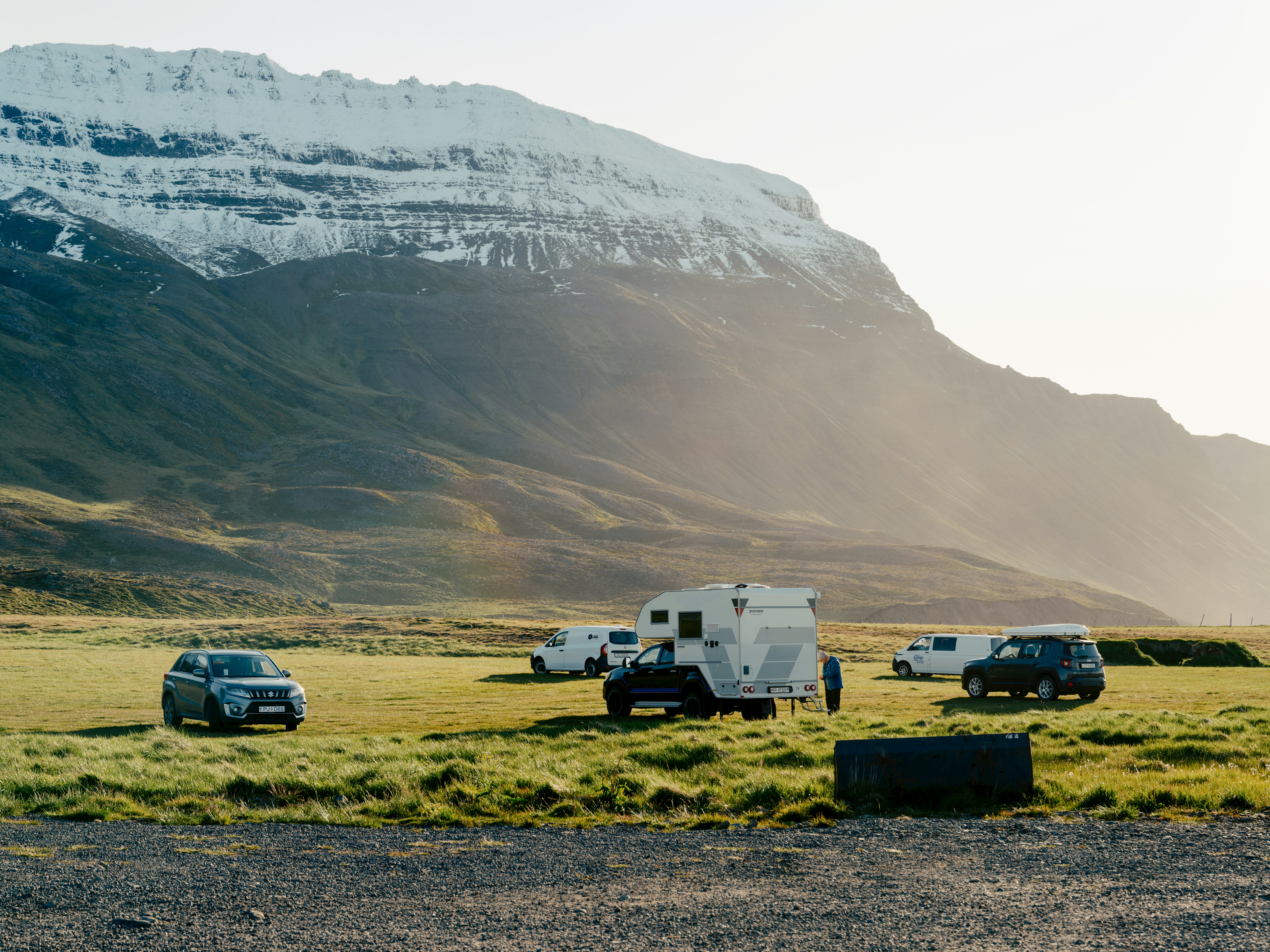
If you’re planning a road trip, why not bring along your own bed? Renting a camper or RV is not just a cost-effective option for lodging; it gives you increased flexibility. A two-person camper van costs around 17,000kr per day to rent during peak season, but prices sometimes drop to as little as 7500kr per night in other seasons; price your own trip out with the popular rental companies CampEasy and Indie Campers. Keep in mind that you’ll be required to stay at campsites overnight, paying the same rate as other campers. And note additionally that not all campsites are open year-round.
6. Rent a summer house for your group
Icelanders love breaks in country cottages in every season (even though they’re known in Icelandic as sumarbústaðir, or “summer cottages”). While many families have their own or rent one from their labor union, visitors, too, can rent cottages, with an inventory of more than 500 to choose from. This is a great way for families or groups of travelers to save on accommodations. For a mini cottage experience, try camping pods.
7. Look for last-minute deals or home swaps
If you’re comfortable with spontaneity, it could pay off to browse booking sites like Hotels.com or Booking.com. Sometimes a good deal pops up last-minute due to cancellations, which you can jump at if the timing fits your schedule. Airbnb is an option, too, with a range of options, from rooms to villas – and a price range to match. Icelanders are avid travelers themselves, so if you’re up for trading homes and even vehicles, try platforms like Homelink and Intervac.

8. Embrace the elements in Iceland’s national parks
It doesn’t get simpler – or more budget-friendly – in Iceland than bringing a tent and sleeping at one of Iceland’s many campsites. Some of them are located in nature reserves or national parks, such as Skaftafell and Ásbyrgi in Vatnajökull National Park, and Þórsmörk, a forested oasis in the southern highlands. Free to enter, national parks have some of the country’s most beautiful campsites, with costs between 1500kr and 2500kr per adult per night. You can also rent a tent for as little as 1050kr per night. Keep in mind that nights are chilly even in the height of summer, so bring warm clothing and blankets. In other seasons, camping is for hardened adventurers only.
9. Buy a Reykjavík City Card
Iceland’s capital has a lot to offer, and you can experience it all with the Reykjavík City Card. The 24-, 48- or 72-hour card gives you access to a large selection of museums and galleries; every swimming pool in Reykjavík; and the Family Park and Zoo. The pass also functions as a bus ticket and includes various discounts. A 24-hour card costs 6100kr – an investment that quickly pays off as you sightsee in the capital. You can even use it for the ferry to Viðey island and the bus to Mt Esja, popular for hiking.
10. Save meals out for special occasions
To save money, avoid cafes and restaurants, and instead stock up on food at supermarkets (Bónus, Krónan and Nettó are the best-value ones). Make lunch packs, plan on picnics and (if you have access to a kitchen) aim to cook your own dinner. For alcohol, go to the state-run wine store, or plan ahead and save money by stocking up at duty-free when you fly in. If you do want to eat out, you can sometimes find good deals, especially for lunch. For example, the fish of the day plus a soft drink at Slippbarinn at Reykjavík Marina runs a relatively reasonable 2900kr. Also, most bars have happy-hour specials.
11. Soak up Icelandic bathing culture as Icelanders do
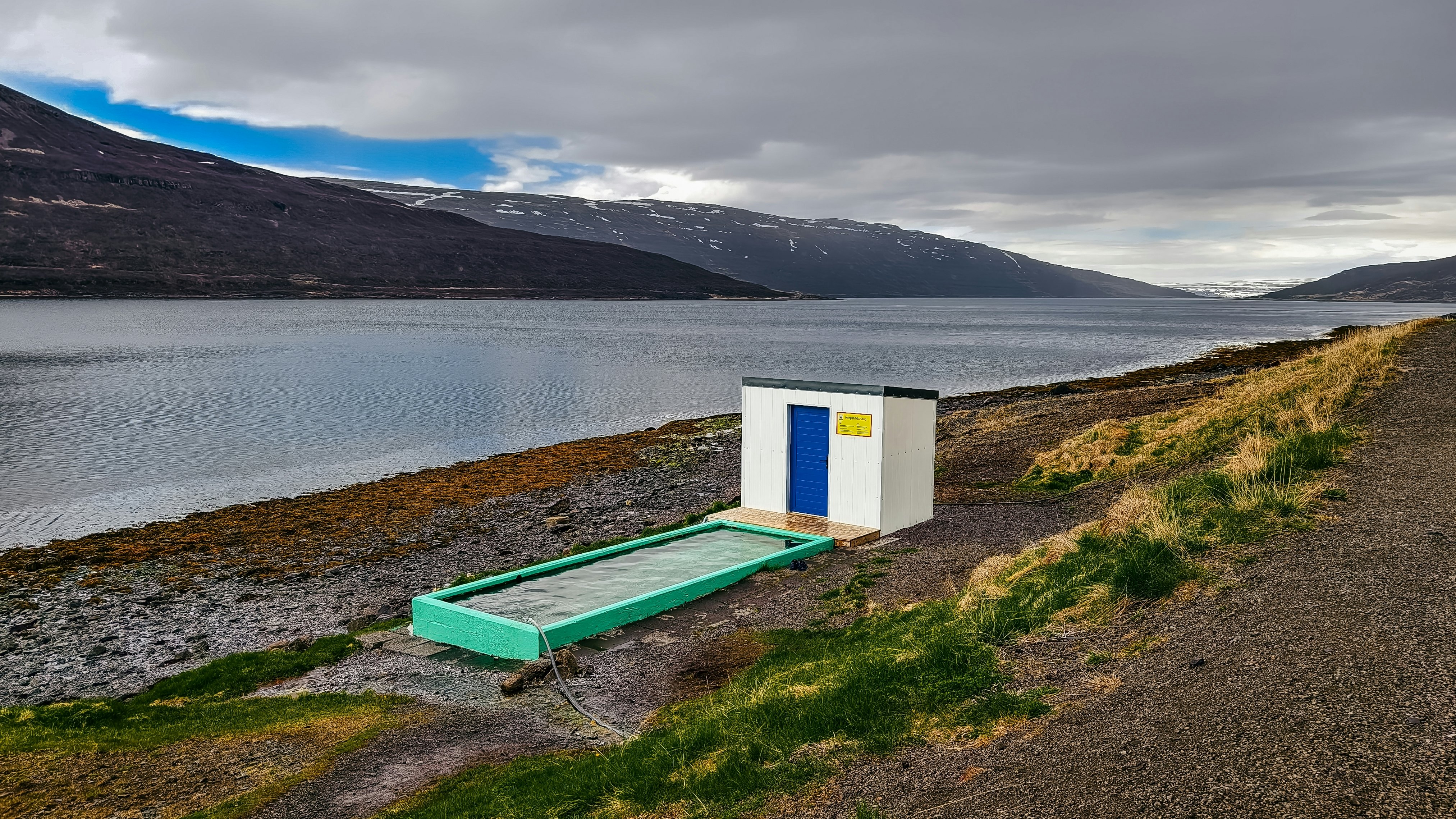
Bathing doesn’t have to leave your finances feeling blue. Taking a dip in a chic spa bath can cost northward of 7000kr – but only 1000kr or so in a public pool. What’s more, children often swim for free. Found throughout the geothermally active island, these public facilities usually have slides – and always have a hot tub. Since having a soak is an Icelandic mainstay, you’re sure to meet plenty of locals in the water. Popular among sea swimmers, beachside hot tubs are also an economical choice. These include Nauthólsvík in Reykjavík, Guðlaug in Akranes, Drangsnes in the Westfjords, and Hauganes in the North.
12. Weigh the cost of bus fares vs car rental and rideshares
Check bus routes in the Reykjavík area on Straeto, and consider getting a Klapp card. You can, for example, buy a 24-hour pass for 2750kr or a 10-ride pass for 6900kr. Children 11 years and younger ride the bus for free.
If you’re traveling in a group, bus fares can quickly add up – which means it might be cheaper to share a taxi, including from Keflavík Airport (50km from Reykjavík). Hreyfill is one of the larger taxi providers. Also, compare prices from various car-rental agencies: they’re usually lower during the off-season. Car sharing is another cost-effective option. In Akureyri, public buses are free; most other towns in Iceland are small enough to explore on foot.
13. Enjoy nature...for free
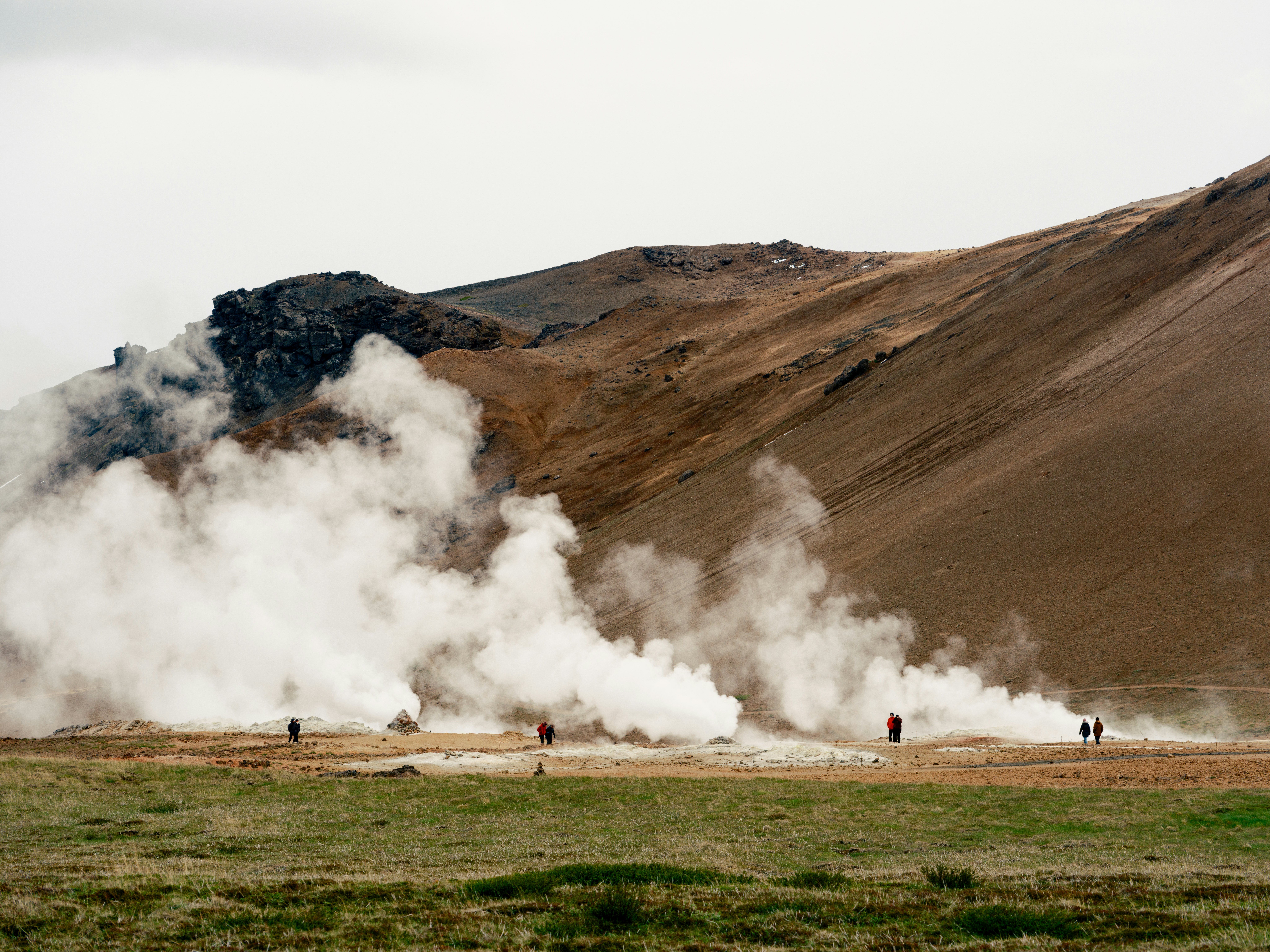
Wherever you base yourself in Iceland, pay attention to the nature that surrounds you. Stroll the nearest beach. Hike the nearest mountain. Find the nearest forest (see Wapp for trails). Here, even the least-known natural attractions can amaze. When in doubt, ask the locals. Around Reykjavík, Úlfarsfell, Heiðmörk or Grótta are many people’s favorite spots. In Akureyri, they might mention Kjarnaskógur or Krossanesborgir. In Egilsstaðir, Selskógur would likely come up.
Iceland may be pricey, but the fresh air, birdsong, rustling of leaves, crashing of waves, mountain views and the connection with nature are free to enjoy – and truly priceless.
14. Compare the price of flights with buses
The 6.5-hour bus ride from Reykjavík to Akureyri costs about 13,000kr one way. If you’re lucky, you can get a plane ticket for less (see Icelandair and Norlandair), and the flight takes just 40 minutes – though you'll miss out on a road trip experience and sightseeing out the window. If you’re planning a lot of excursions, it might make sense to rent a car or even join a tour. Many Iceland visitors also take advantage of carpooling.
Daily costs in Iceland (during peak season)
Dorm bed in a hostel: 8000 Icelandic krónur–10,000kr
Basic hostel room for two: 27,000–31,000kr
Self-catering apartment (including Airbnb): 20,000–43,000kr
Public transport ticket in Reykjavík: 670kr
Coffee: 650–800kr
Sandwich: 650–1800kr
Dinner for two: 7000–24,000kr
Beer/pint at the bar: 1500kr
Swimming pools: 1200–1400kr
Average daily cost per person (meals, accommodation and activities): 25,000–45,000kr
Advertisement