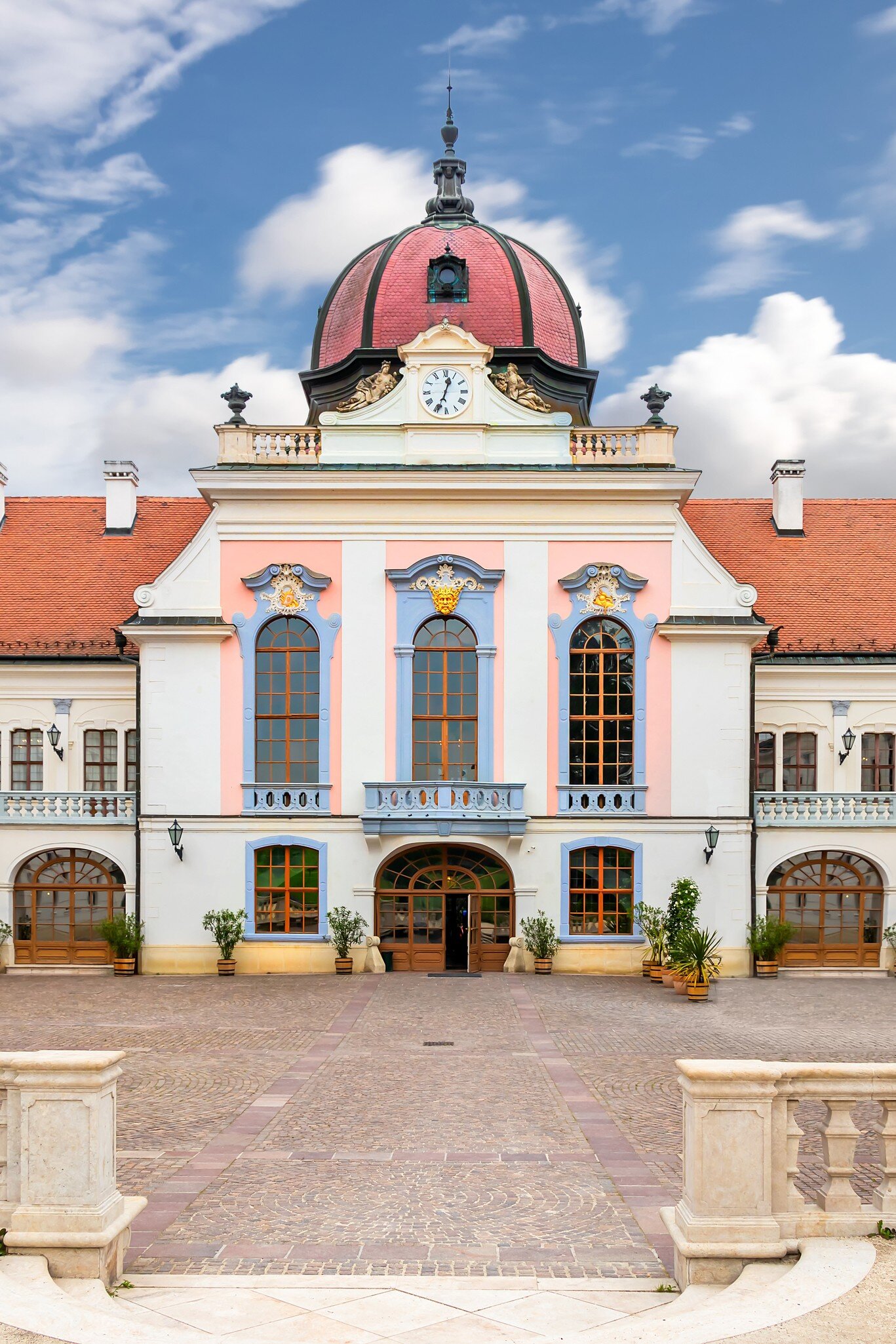
The town of Gödöllő, 30km northeast of Budapest, is full of lovely baroque buildings, monuments and parks, but the real reason everyone visits is the Gödöllő Royal Palace, Hungary’s largest baroque manor house and a fully restored national treasure both historically and architecturally. But the palace is not just an ogle-worthy museum – it's also a very active cultural venue.
The Gödöllő Royal Palace History
Austrian Antal Mayerhoffer, one of the leading figures of baroque-rococo architecture in Hungary, designed the residence in 1735 for Count Antal Grassalkovich, a powerful nobleman and confidante of Empress Maria Theresa. It was enlarged as a summer retreat over the next decades by the count’s heirs. The Hungarian state purchased and remodeled the palace in the mid-19th century and presented it to Emperor Franz Joseph as a coronation gift in 1867. It soon became the favored residence of his consort, the much-loved Habsburg empress and Hungarian queen, Elisabeth (1837–98), who was affectionately known as Sissi.
Between the two world wars, the regent, Admiral Miklós Horthy, also used it as a summer residence. The palace was largely undamaged during WWII, but German troops – and, after 1944, Soviet ones – stole or destroyed most of the furnishings. After the communists came to power, part of the mansion was turned into a barracks and the rest converted into an old people’s home. The rest was left to decay. Partial renovation began in the mid-1980s, and the main building finally reopened in 1996 with outbuildings following in 2010.
Touring the Palace
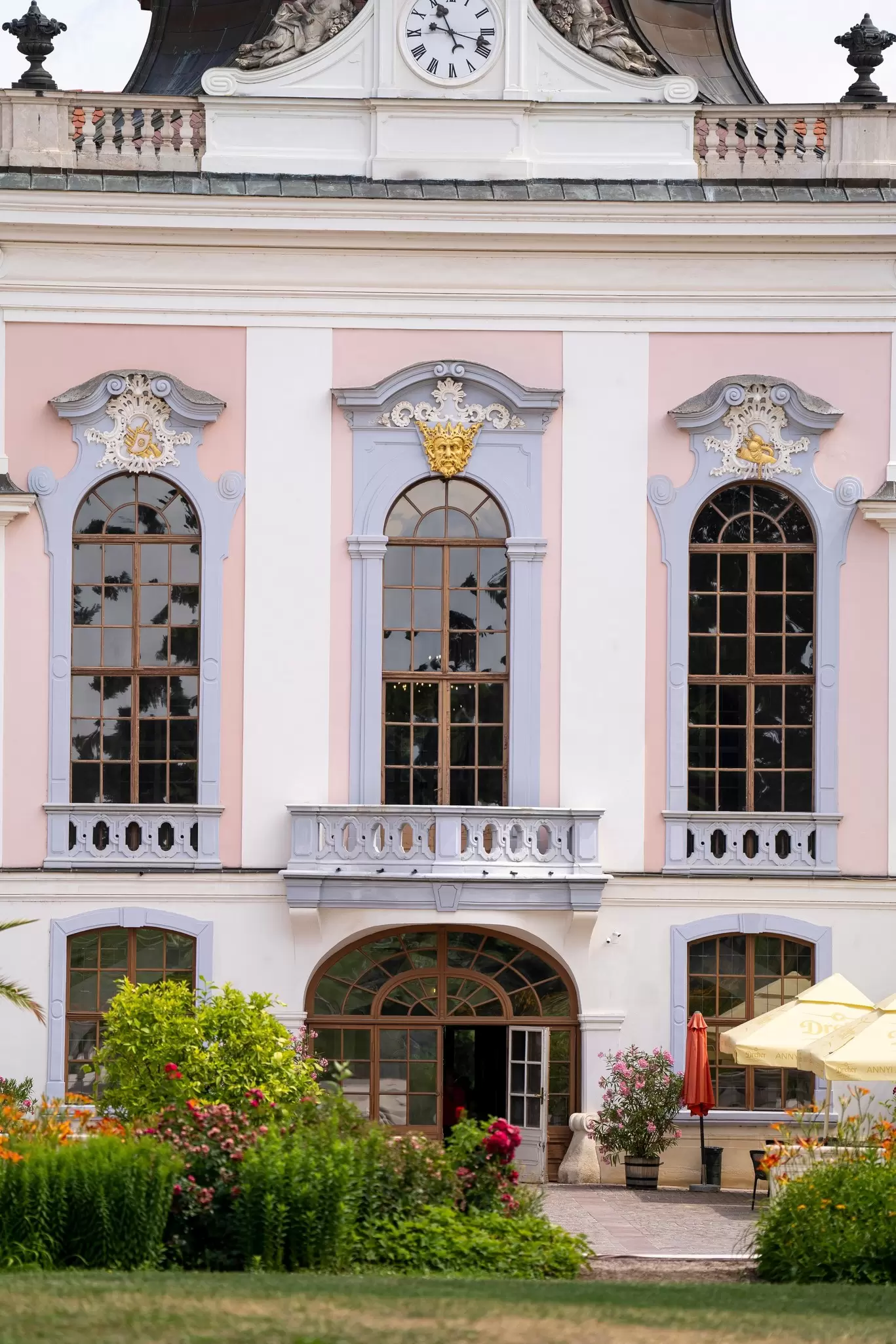
Visitors to Gödöllő can tour 32 of the palace’s rooms, which have been restored to the period when the imperial Habsburg couple was in residence. Franz Joseph’s suites (rooms 13–16), largely decorated in burgundy, are accessed via the Small Coronation Room, once the emperor's bedroom and now commemorating his crowning in 1867. Sissi’s private apartments (rooms 18–21) on the 1st floor, mostly lavender, are particularly impressive. In the first of these is Queen Elisabeth’s Reception Room, with a mosaic-like Secession-style oil painting of Sissi patriotically repairing the coronation robe of King Stephen with needle and thread. In between the royal couple’s living quarters is the opulent Ornamental Hall (room 17) – all gold tracery, stucco and chandeliers – where chamber-music concerts are held throughout the year. Maria Theresa's Room (room 22) is where the empress stayed when she visited the unfinished palace in 1751.
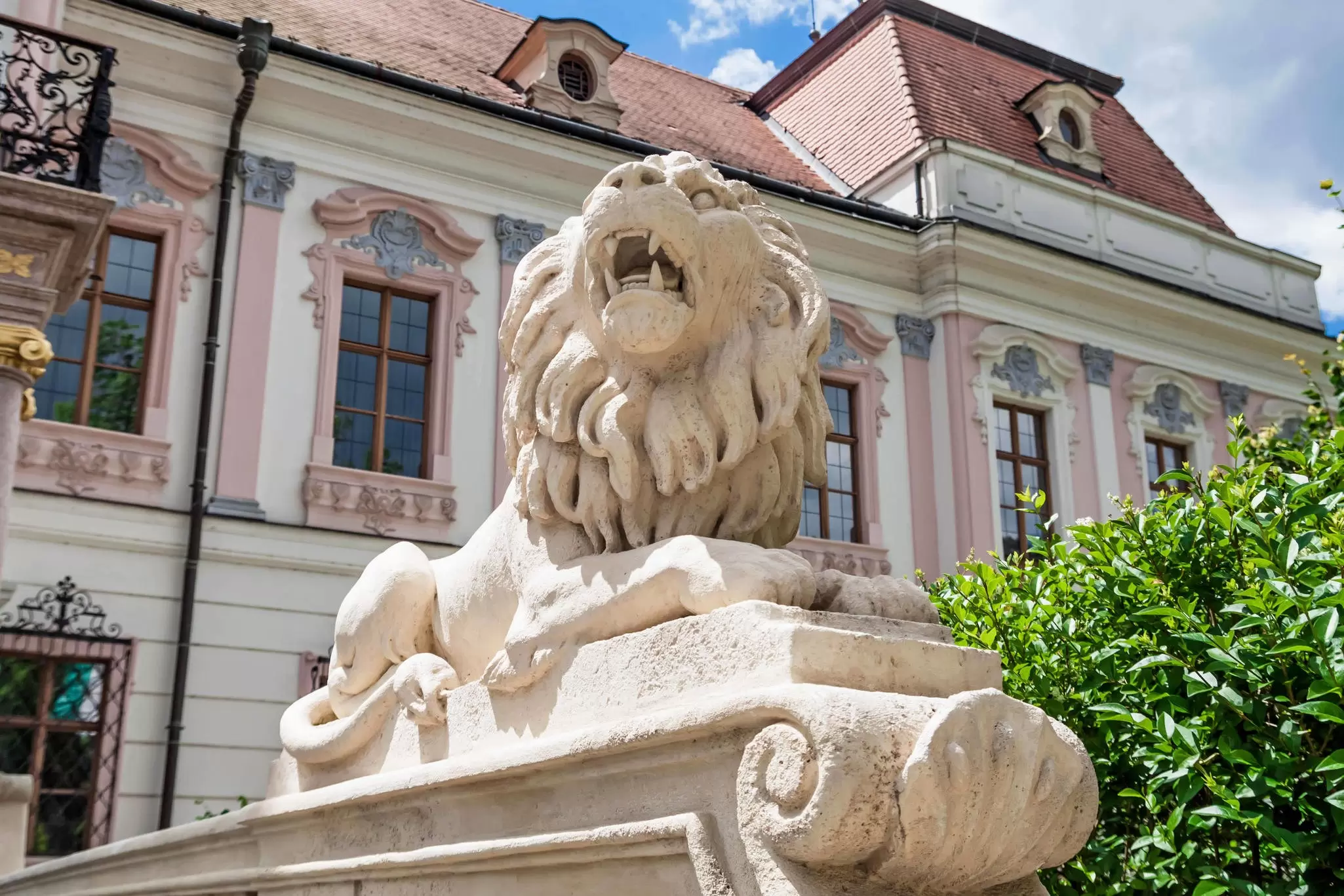
Other sections of the permanent collection before and after the private suites include the Grassalkovich Family Era Exhibition (rooms 5–12), which offers a glance at the palace during its first century (don’t miss the impressive Palace Chapel and the Oratory overlooking it along the way), and the Queen Elisabeth Memorial Exhibit (rooms 24–26), which looks at the queen's early life, her marriage to Franz Joseph and her assassination by Italian anarchist Luigi Lucheni, who stabbed her to death with a needle file in Geneva in 1898. It also examines her legacy, which continued to grow in the century that followed her death. This leads to a long corridor lined with portraits of notable Habsburgs. Three rooms on the ground floor trace the history of the palace from the interwar years up through the communist era.
Visiting the Outbuildings
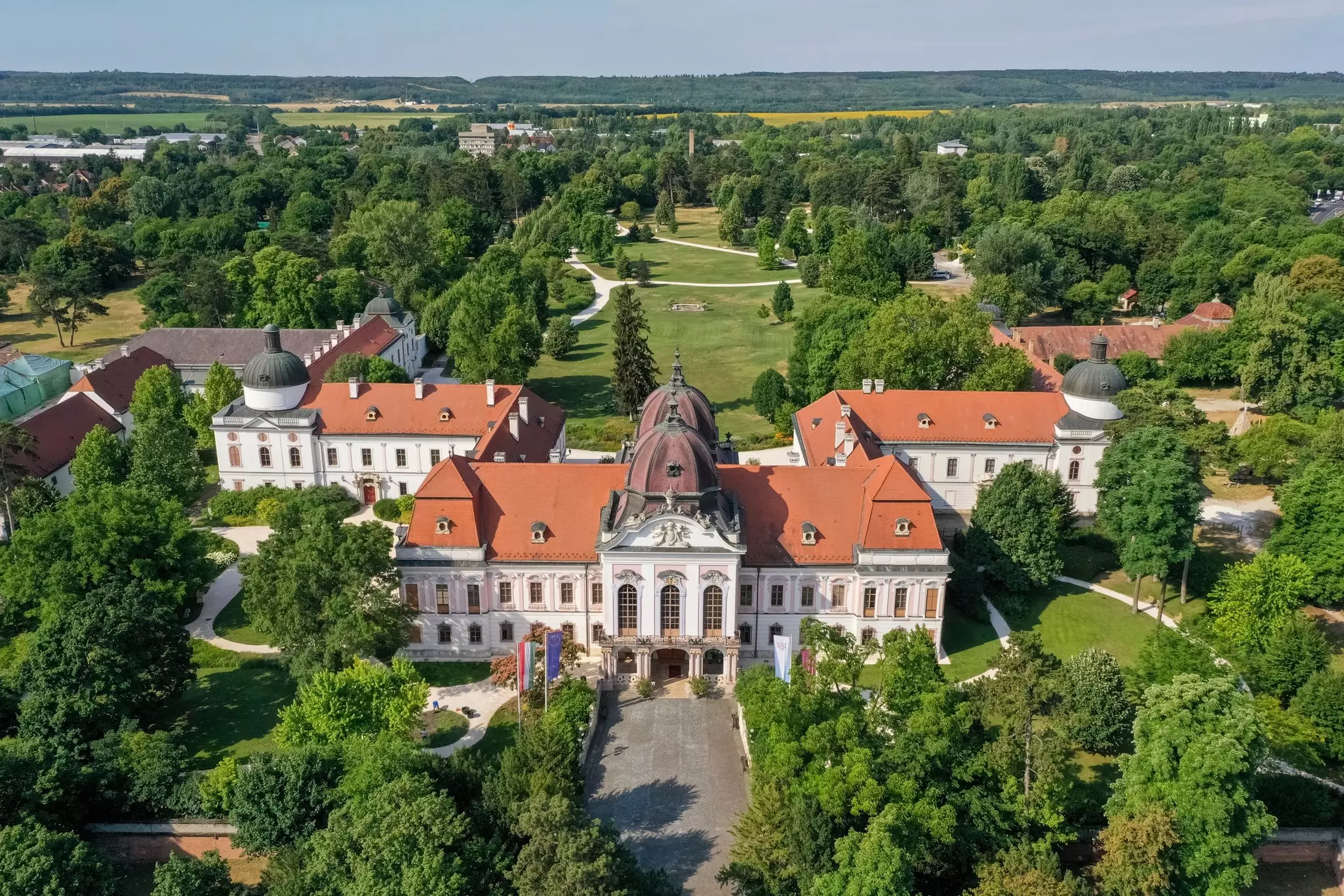
There are several other places to visit on the estate, but these must be seen with a guide and at an extra cost. These include the splendid 120-seat Baroque Theater, the riding school and stables, and Horthy's Bunker, a two-room, 55-square-meter shelter 10m underground built in 1944 for the then-regent and his family. Don’t miss the splendid 23-hectare parks surrounding the palace, which can be viewed on your own for free.
Restaurant Picks in Gödöllő
Pizza Palazzo: Popular Italian place serving pizzas and pastas; attached to the Szabadság tér HÉV station.
Smarni: Enlightened Hungarian favorites; in an outbuilding of the palace opposite the main HÉV train station.
Rub & Roll: Barbecue restaurant with grills and burgers; 20-minute walk from the palace.
Queen Elizabeth Restaurant: Stylish, silver-service Hungarian restaurant; in a hotel of the same name.