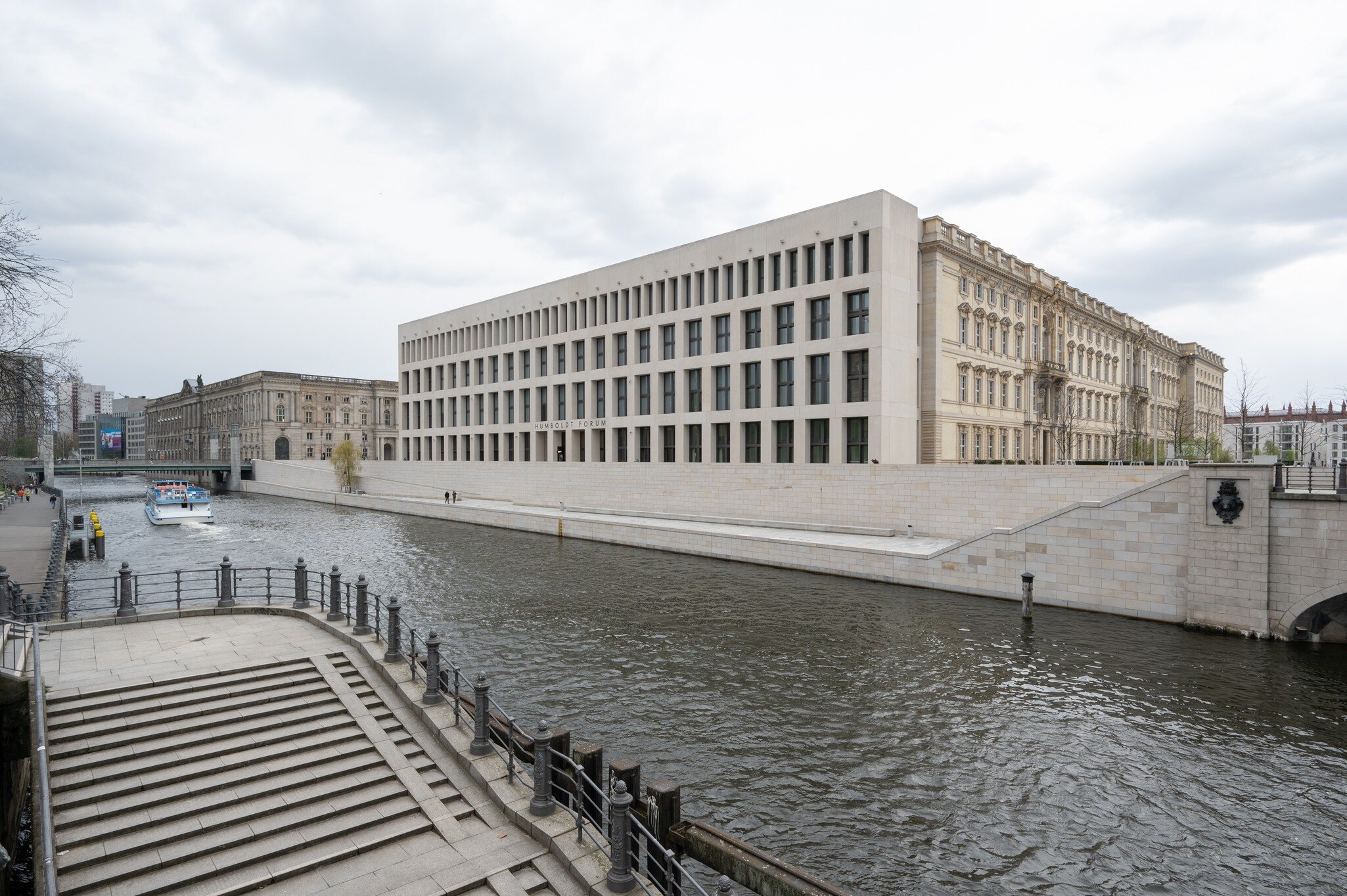
After 20 years of debate, planning, construction and delays, Berlin’s newest culture hub finally fully opened in 2022. Housed in a replica of the baroque Prussian city palace, the Humboldt Forum was named after Enlightenment-era brothers Wilhelm and Alexander von Humboldt. At its heart lies a vast museum of global ethnological artifacts, complemented by other exhibitions and cultural events with a global perspective.
Housed in a replica of the baroque Prussian city palace, the Humboldt Forum was named after Enlightenment-era brothers Wilhelm and Alexander von Humboldt. At its heart lies a vast museum of global ethnological artifacts, complemented by other exhibitions and cultural events with a global perspective
Demolition, Delays & Debate
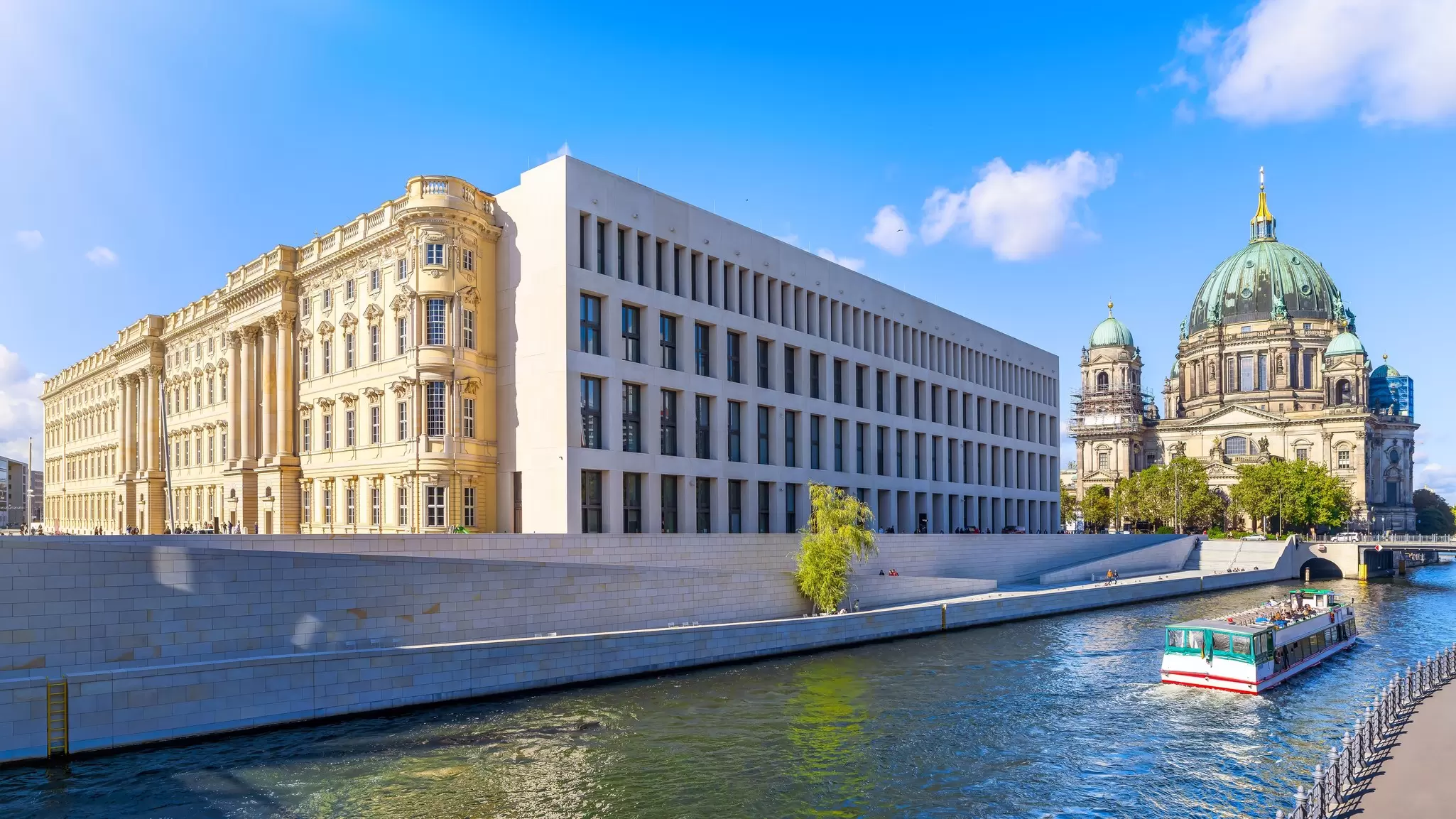
In 1950 the East German government demolished the barely war-damaged imperial palace, eventually replacing it with the Palace of the Republic – part parliament, part public entertainment venue. Alas, in 2006 the asbestos-riddled structure had its own date with the wrecking ball. Construction of the Humboldt Forum finally began in 2013, immediately shadowed by controversy.
Critics questioned whether resurrecting this symbol of imperial power was even appropriate, and concerns over ballooning costs and construction delays only added fuel to the fire. Close to the finish line, tensions reignited, this time over the forum’s core exhibits: the Ethnological Collections and Asian Art. Many argued these collections were a showcase of colonial plunder, looted from German colonies during the reigns of Kaisers Wilhelm I and II, the last occupants of the original palace. In response, curators took great pains to confront the colonial context and legacy of artifacts on display.
From the World to Berlin
Unless someone invents a time-travel teleporter, the dazzling collections of the Ethnologisches Museum and the Museum für Asiatische Kunst are your ticket to tapping into centuries of culture and creativity from across Africa, Asia, America and Australia.
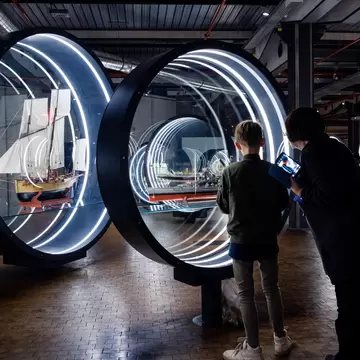
Wander from wooden outrigger vessels from Oceania to Hopi kachina dolls from North America, then whisk over to Asia to admire a reconstructed Buddhist cave temple, a Chinese throne room or a traditional Japanese tearoom. In the Africa section, the elaborate Mandu Yenu throne gifted to Kaiser Wilhelm II by King Njoya of Cameroon is quite the eye catcher. For an immersion in song, urban and nature sounds, spend some time in the sci-fi-esque Listening Room.
Keeping in mind the controversial origin of many of these pieces, the museum actively addressed how they were acquired, the circumstances of their collection and the ongoing impact of colonialism. Some artifacts, like the Benin Bronzes, have been returned to their home countries.
From Berlin to the World
While the ethnological exhibits bring the world to Berlin, Berlin Global (€7) flips the script by offering fresh perspectives on the city’s complex history and relationship with the world. The jazzily designed galleries explore such themes as revolution, fashion and entertainment through immersive installations, interactive media stations and fun artifacts. Highlights include the original entrance door from the original 1990s techno club Tresor and globe lamps salvaged from the Palace of the Republic.
What Else?
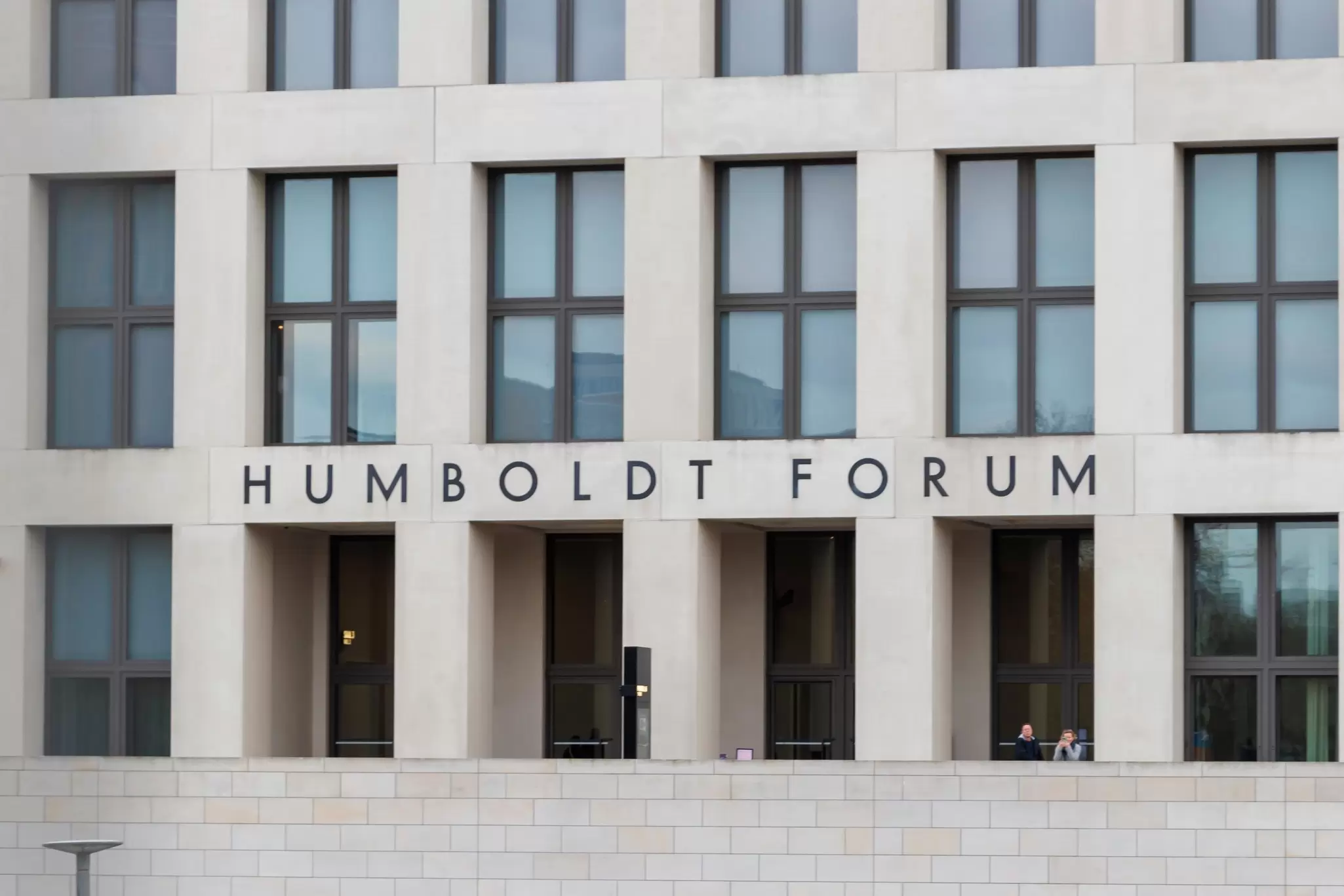
The Humboldt Forum is also home to several other exhibits, all free. For a quick overview of the site’s 800-year history, visit the Video Panorama, a 14-minute collage of stills and films displayed on a 27m-wide video wall. Afterwards, head to the Palace Cellar to see the remnants of the palace’s original foundation.
There’s also a small exhibit about the Humboldt brothers, who both contributed mightily to the intellectual landscape of the 18th and 19th centuries: Alexander as a naturalist and explorer, Wilhelm as a statesman, philosopher and founder of the Humboldt Universität.