Aug 19, 20268 min read
11 Best Places to Visit in PortugalDec 18, 2025
4 MIN READ
Writer
Plan your Portugal playlist with our recommendations. jazzzmonet/Shutterstock

Writer
Lonely Planet may earn a commission from affiliate links on our site. All recommendations and reviews reflect our own independent opinions.
Want to get under the skin of Portugal before you take your dream trip? From what to wear to which books and music to seek out so you can get to know the culture before you go, we've got you covered with expert local recommendations.
A Short Book on the Great Earthquake (Rui Tavares; 2020) Journey through the events that shook and shaped Lisbon in November 1755.
Journey to Portugal (José Saramago; 1990) Arguably the country's most famous modern literary figure spins tales of cultural discovery while traveling across Portugal.
The Book of Disquiet (Fernando Pessoa; 1982) The unedited fragments of text that were pieced together and published posthumously are described as an "autobiography of someone who never existed."
The Waltz (Nuno Duarte and Joana Afonso; 2015) This critically acclaimed zombie graphic novel set during the dictatorship follows a state inspector investigating a series of odd occurrences.

Capa de Honras (Rui Falcão; 2023) One of the few representations of the Mirandese language on camera, the short film is set at Christmastime in a village in the Trás-os-Montes region.
Glória (Pedro Lopes; 2021) This historical spy series is loosely based on true events around a small Portuguese town during the Cold War.
Lisbon Story (Wim Wenders; 1994) The drama-musical shot in Lisbon features former Madredeus lead singer Teresa Salgueiro. Originally meant to be a documentary, it was made for Lisbon's European City of Culture program.
Vitalina Varela (Pedro Costa; 2019) A Cape Verdean immigrant arrives in Portugal to follow her husband; the drama is full of starkly beautiful cinematography.
Variações (João Maia; 2019) This colorful biographical film covers Portuguese singer and gay icon António Variações.
2 de Abril (A Garota Não; 2022) Setúbal-born singer Cátia Mazari Oliveira, aka A Garota Não, sings about prevalent societal issues like the housing crisis.
Excuse Me (Salvador Sobral; 2016) The jazz and soul singer who won the Eurovision Song Contest in 2017 debuted with this album.
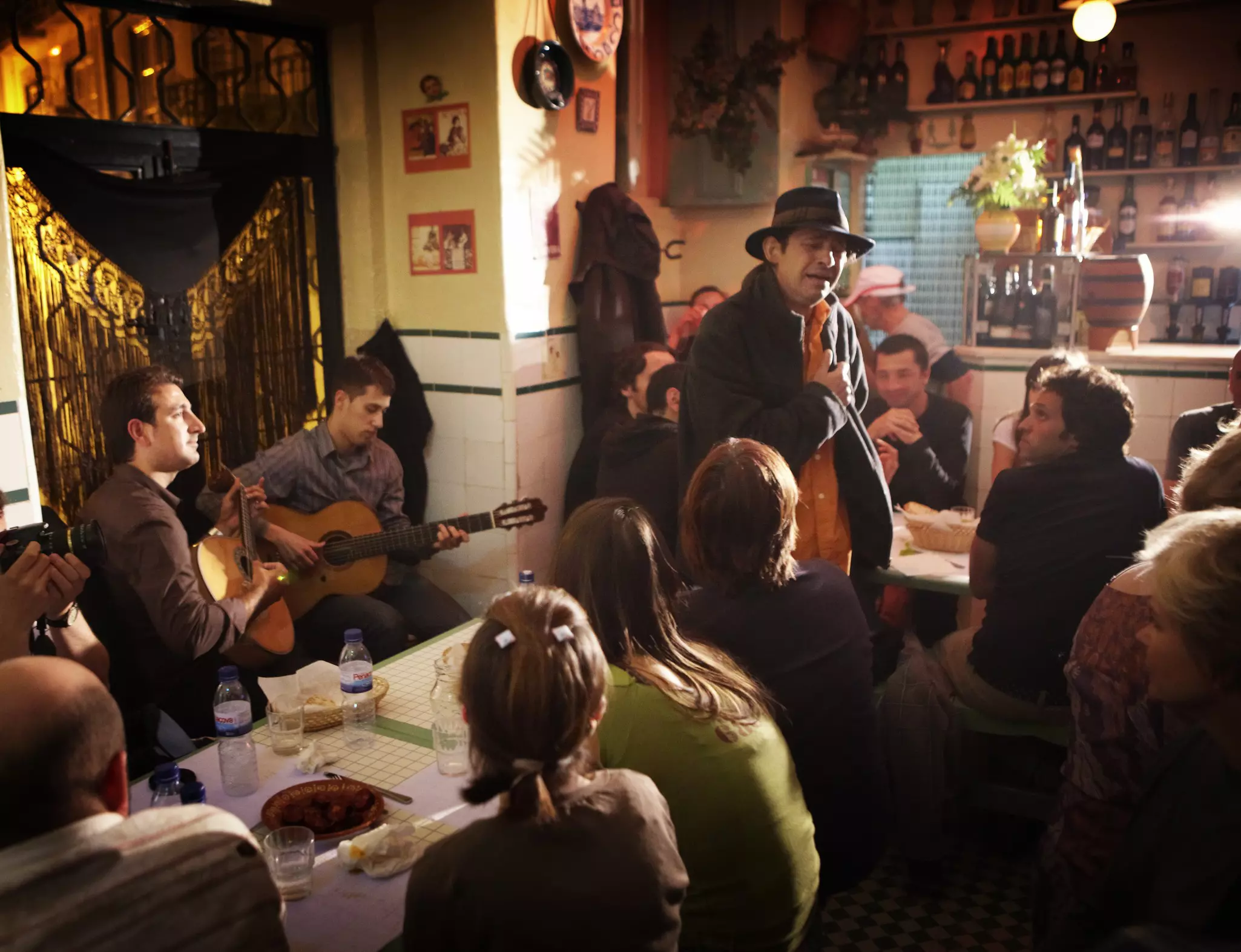
Mariza Canta Amália (Mariza; 2020) Fado singer Mariza pays tribute to Amália Rodrigues (the genre’s diva), singing her best-loved songs – perfect to get prepared before going to see fado live in Portugal.
O Monstro Precisa de Amigos (Ornatos Violeta; 1999) The alternative rock band led by Manel Cruz, which occasionally makes a comeback, officially went out with this final release.
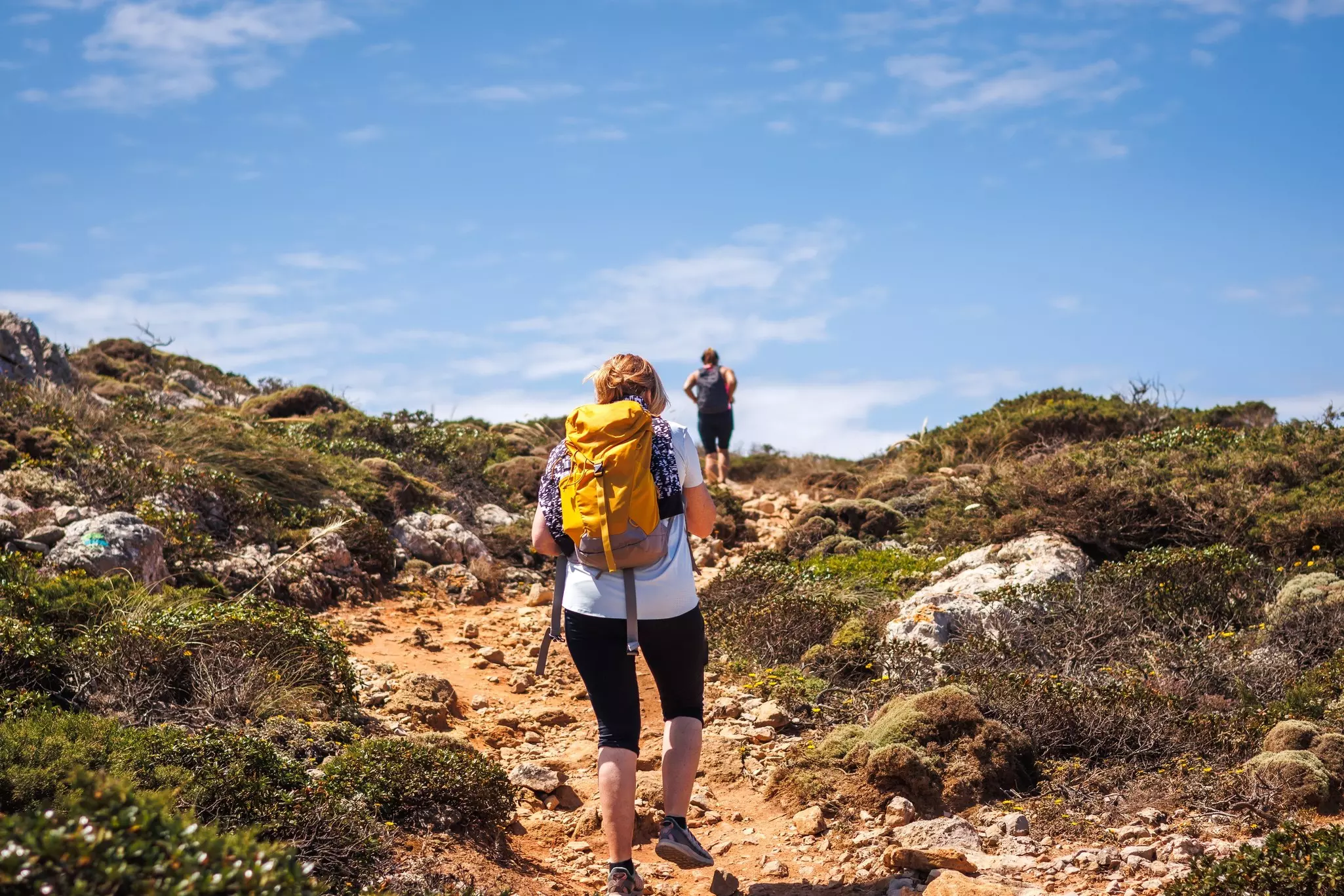
Layers With an average of 300 days of sunshine each year, Portugal is renowned for its warm climate. However, it does rain and even snows in the mountains. Many houses are poorly insulated, so it gets quite cold inside. You need to experience winter here to understand it. In the evenings, it can get windy, so always carry an extra layer.
Hat Even in winter, that sun is intense – and on a fresh, windy day, deceptively strong.
Comfy shoes Unless you’re going to a special ceremony, leave your shiny high heels or fancy shoes at home. It will be hard to tackle all those slippery cobblestones in them. Instead, bring flat shoes that you feel comfortable exploring in or hiking boots if you plan on hitting the trails.
Olá (oh-lah) Hello.
Bom dia (boñ dee-uh) Literally "good day" but also used to say "good morning."
Boa tarde (boh-uh taar-de) Good afternoon.
Boa noite(boh-uh noy-te) Good evening.
Tudo bem(too-doo bayñ) A short way of saying "how are you?"; can also act as a reply if you want to say "Everything is good."
Se faz favor(suh fash fuh-vor) The most common way to say "please"; you can also use it to call a server’s attention at a restaurant.
De nada(deh nah-dah) The equivalent of "you’re welcome."
Cafézinho A cute term for coffee. (The Portuguese like to add the suffix "inho" to many words to express affection or sometimes even sarcasm.)
Desculpe (desh-kool-pe) Mostly used to apologize, as in "sorry"; can also stand for "excuse me" when you want to approach someone for directions.
Socorro (soo-koh-roo) What you should shout if you need to cry for help.
Obrigado/obrigada (oo-bree-gah-doo/oo-bree-gah-dah) Thank you. If you identify as a man, you should say obrigado, while women should say obrigada. Many words have female and male versions in Portuguese, but this one is probably the first one you’ll use. Gender-neutral versions are slowly being introduced by adding an e at the end: obrigade.
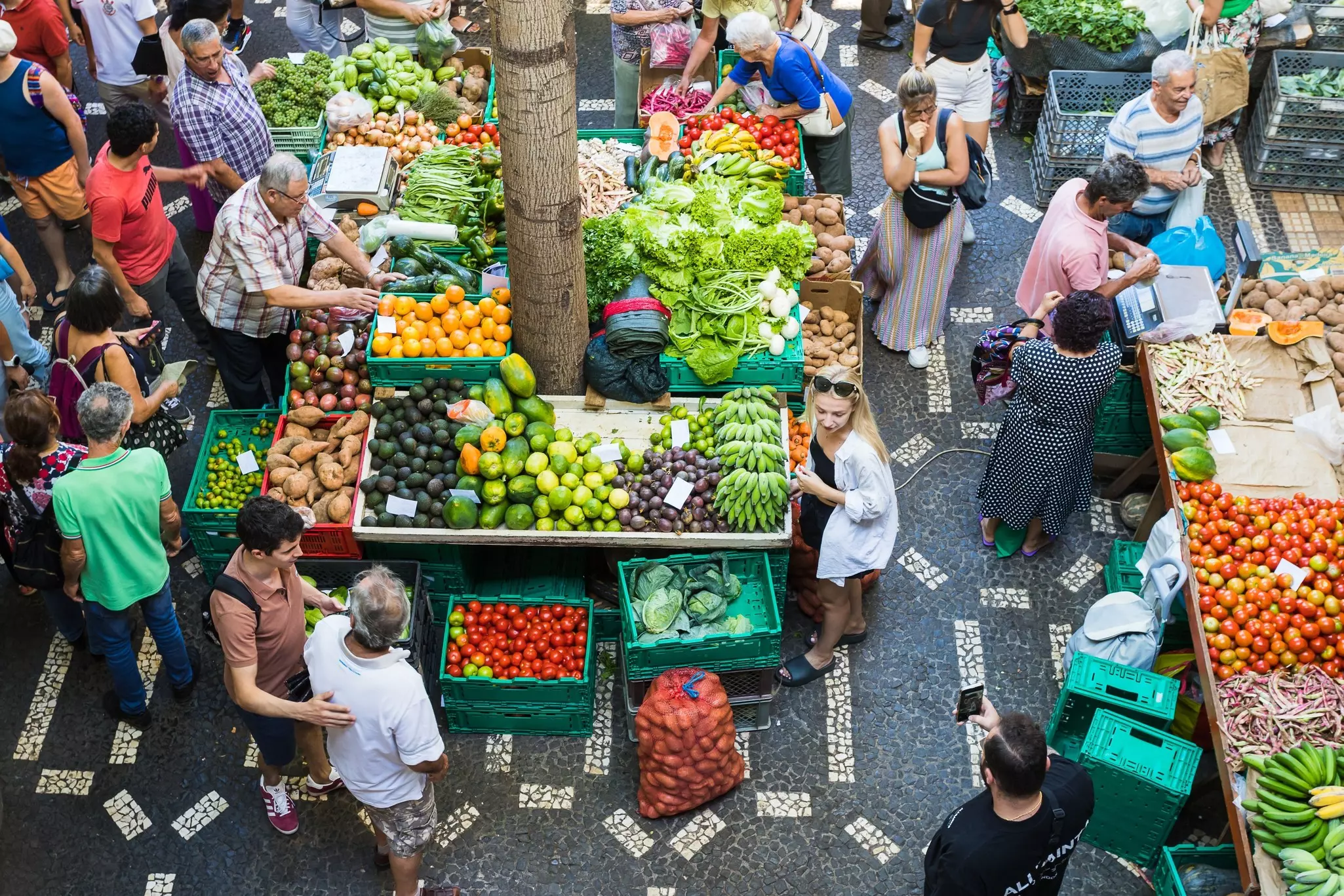
Portuguese is not the same language as Spanish. Even if locals don’t call you out, some people may get offended if you confuse the two.
There is no need to rush. Go with the flow, enjoy a sit-down meal at a restaurant or linger at a kiosk with a coffee.
More than the weather, small talk here often goes straight to football.
Book your Portugal trip with Lonely Planet Journeys
See Portugal how it's meant to be seen
Planned by local experts and tailored to you, Lonely Planet Journeys handles the logistics so you can just enjoy the trip. Tell us what you want and we'll build your Portugal itinerary from scratch, or browse our bookable trips to get inspired.


Explore related stories