Jul 15, 20266 min read
The Best Beaches near Portland, OregonApr 6, 2026
7 MIN READ

Writer
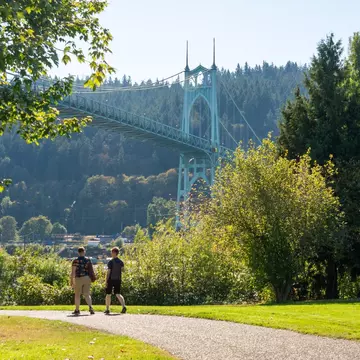
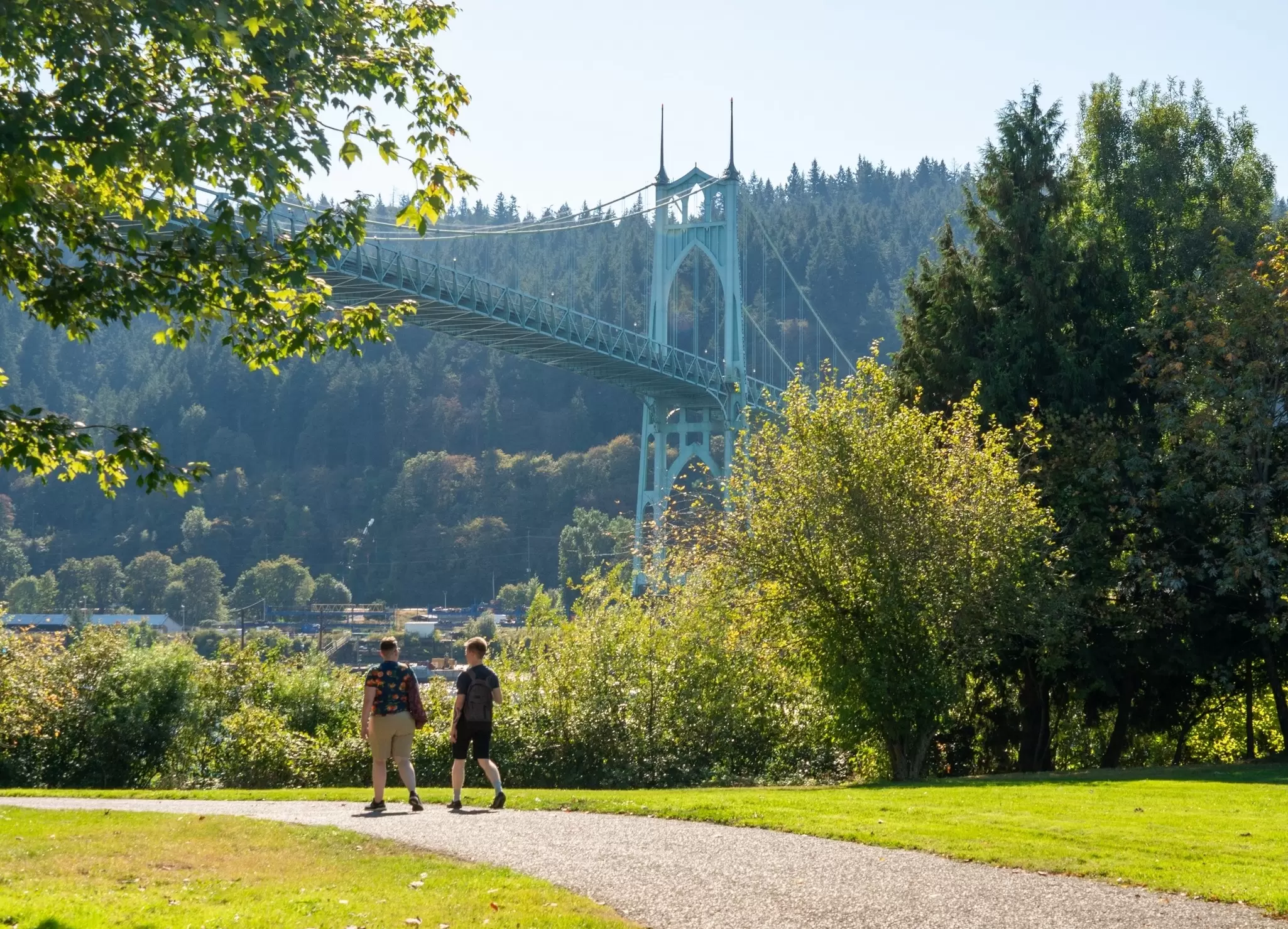
The St Johns Bridge spanning the Willamette River in Portland, Oregon. Leigh Trail/Shutterstock
Writer
Highlights
Writer Britany Robinson shares nine Portland tips covering rain, food, beer and outdoors.
Allow extra time at PDX – the new terminal has Blue Star donuts and Grassa pasta.
Rent a car to reach the Columbia River Gorge, Mt Hood and Willamette Valley.
Portland's IPAs run strong, so check the ABV; graze neighborhood food-truck pods for variety.
Lonely Planet may earn a commission from affiliate links on our site. All recommendations and reviews reflect our own independent opinions.
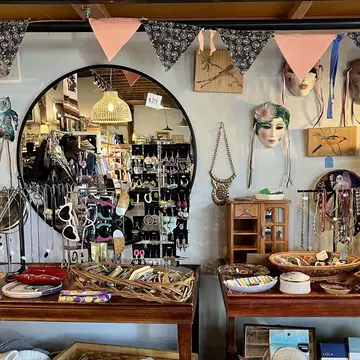
It was a reclaimed furniture store on Hawthorne Blvd that convinced me to move to Portland. Road-weary after weeks of driving cross-country, and still trying to decide where I wanted to land after living on the East Coast for most of my life, I popped in – and something clicked.
The kaleidoscope of colorful old furniture, the candy-jar abundance of funky light fixtures hanging from the ceiling, the mid-century paintings of mountains and rivers on the walls: I suddenly wanted to stay here awhile. I perceived a creative, whimsical yet cozy energy in that shop that I projected onto the city. And it just felt right.
Ten years later, I still call this city home – and it’s still funny to me that a single store convinced me to make such a major life change. I’ve since learned that Portland is richly layered, like a vintage armoire that’s been painted again and again. And that the city is both more delightful and more flawed than I ever could have imagined.
If you’re visiting Portland, you’ll want to get a little lost. Our food scene, bars, coffee shops, thrift stores and ample natural attractions make this a city in which your senses will guide you. Portland’s reputation often precedes it. But – I promise – it’s even better than whatever you’ve heard.
Before you embrace the unexpected in Portland, here are some helpful things to know.
And not because it takes a long time to get through security. Portland International Airport was already lovely, as far as airports go. But in the late summer of 2024, PDX revealed a new terminal that had been quietly under construction since 2020 – and it is perfectly, gorgeously Portland. There are trees planted throughout and a wavy wooden roof made from Douglas fir timber, all sustainably harvested within a 300-mile radius. Nostalgic flyers will appreciate the return of the iconic, groovy geometric carpet pattern that had been gone since 2015.
Count on stoping for a bite, too – for you won’t be scarfing down some price-hiked airport McDonald’s here. All of the shops and restaurants are local favorites. You can sample some of 90 local beers at Loyal Legion, order fresh pasta at Grassa or pick up a dozen artfully flavored donuts from Blue Star.
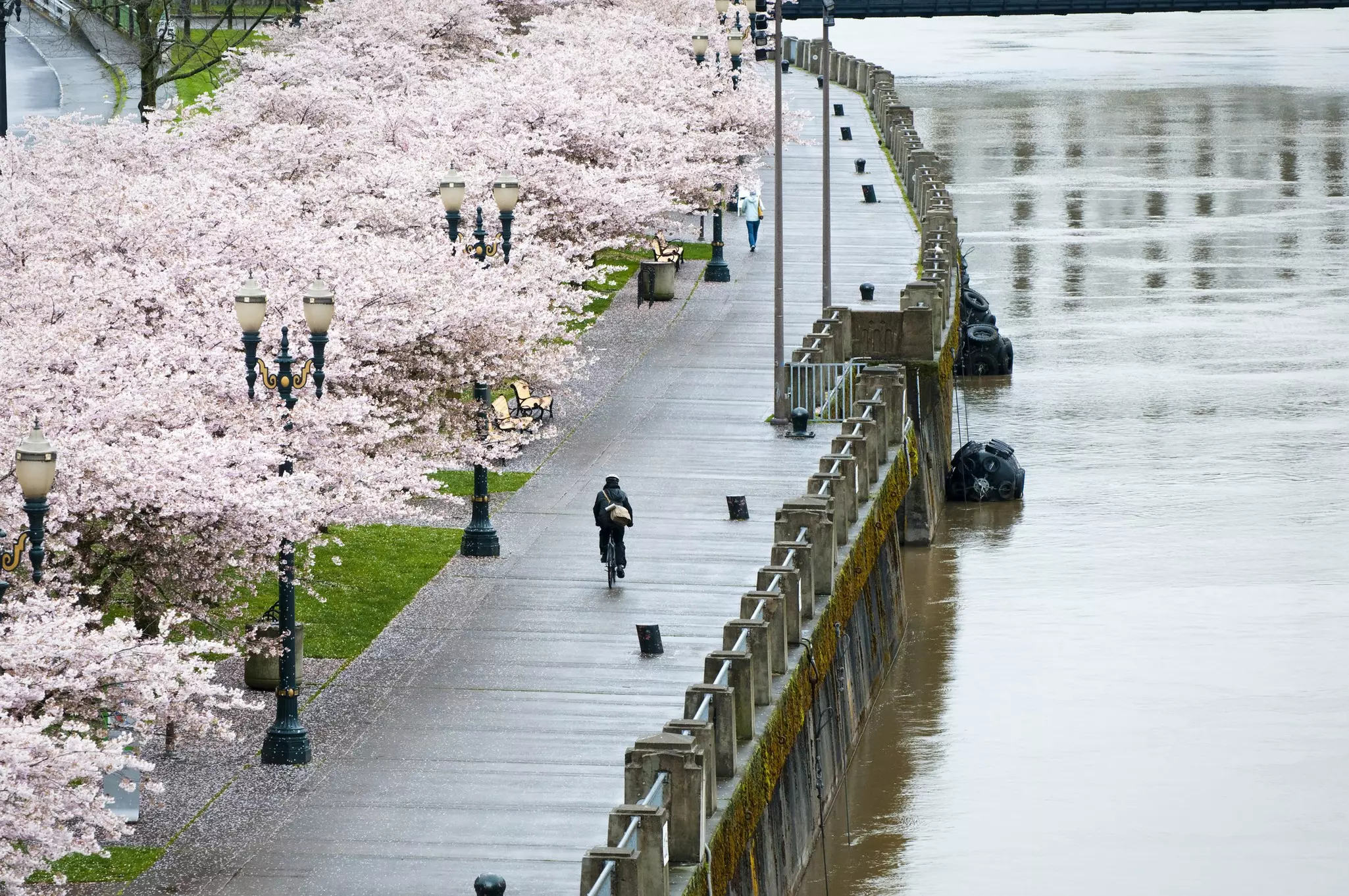
Outside of July, August or September, you’ll probably encounter rain in Portland. If you come in the winter months, it’ll rain a lot.
Perhaps you’ve heard that locals can spot tourists because they’re the only ones carrying umbrellas. After 10 years here, I no longer buy it. Sure, a good rain jacket and waterproof shoes can be more trustworthy than an unwieldy umbrella. Yet on extra-soggy days, it’s good to have a canopy of protection on hand.
A testament to our...unique way of perceiving things, Portlanders refer to the city’s sections as “quadrants” – even though there are six of them. We know it doesn’t make sense, but that’s just how it is.
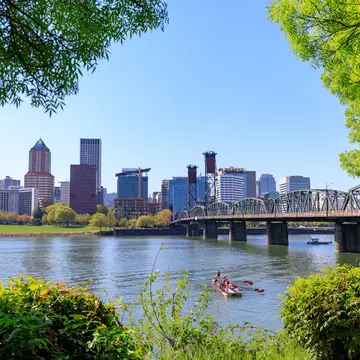
The main divisions of the city are the Willamette River, dividing the east and west sides; and Burnside St, which splits the north and south. Along these axes are the quadrants you’ll hear about most: Northwest (Forest Park and Slabtown), Northeast (Alberta Arts District and the Hollywood Theater), Southeast (Mount Tabor, Hawthorne and Division) and Southwest (downtown and Multnomah Village).
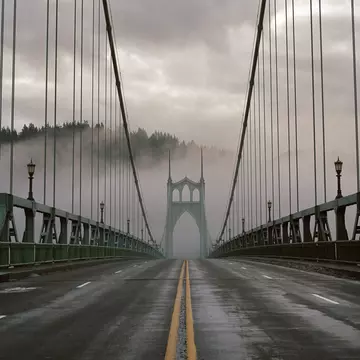
But then there’s North Portland, tucked into the crook of the Columbia and Willamette Rivers, where you’ll find old-Portland vibes and a stunning Gothic-inspired suspension bridge in St Johns. And while some Portlanders stop at five, in 2020 a slim slice of land in Southwest became South Portland – officially the sixth “quadrant.”
Within those six quadrants are 95 distinct neighborhoods to explore. So don’t sweat the math – just get exploring.
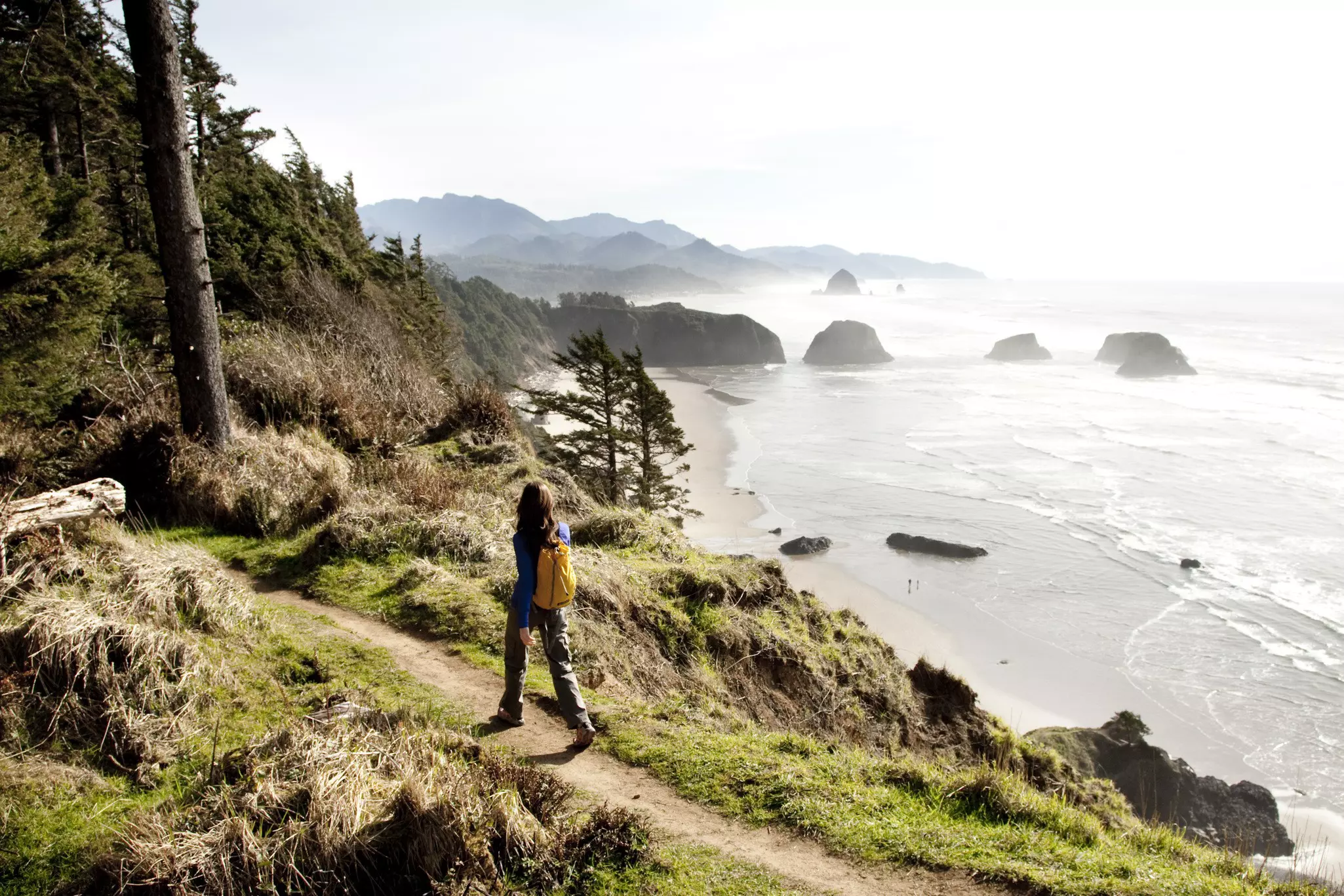
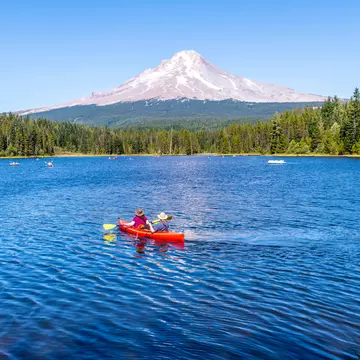
Portland’s access to the outdoors is unparalleled. Drive 30 minutes outside of the city, and the urban landscape melts away into farmland to the west or the dramatic beauty of the Columbia River Gorge to the east. Mt Hood’s snowy slopes are just over an hour away, while the coast is about two. The Willamette Valley, the promised land of Oregon pinot noir, is about an hour away.
To sample all this natural variety, I’d recommend a day trip or two – in which case you’ll want a car. A car also makes it a lot easier to get around in town. Just beware of passive drivers, daydreaming pedestrians and “two-way” roads that can barely fit one car. (We take turns here.)
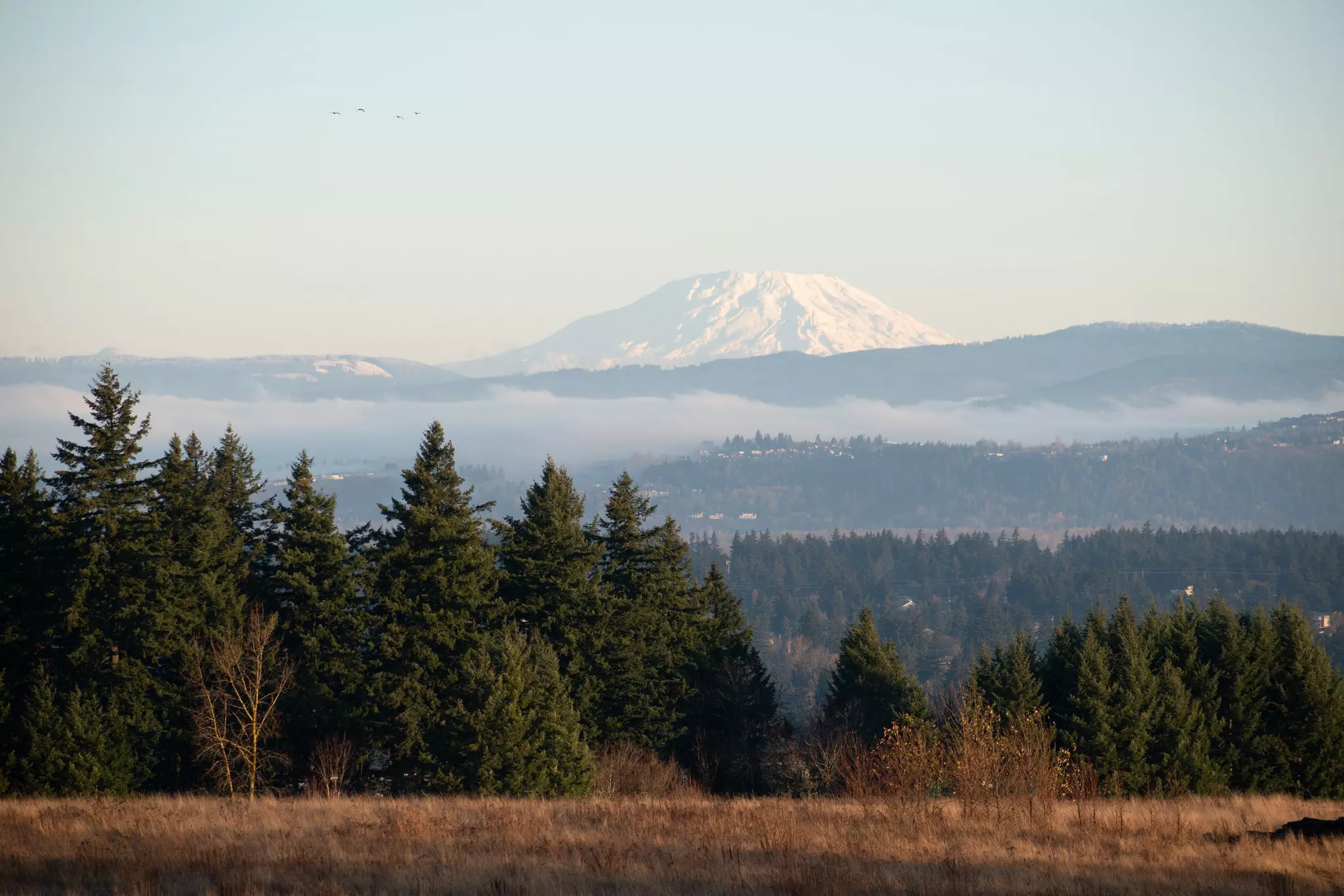
Less popular than Forest Park and Mt Tabor, this swath of preserved nature in deep Southeast Portland is worth a visit, especially on a clear day. Some 611 acres of meadowland and forest, Powell Butte Nature Park is home to an abundance of wildlife, including coyotes and birds of prey. The 8 miles of gently rolling trails are well marked and family-friendly.
The Mountain Loop Trail will bring you to the top of Powell Butte, an extinct cinder cone volcano, where you can stand in a ring of markers pointing the way to distant peaks, including active volcanoes Mt St Helens and Mt Hood.
If you’re trying to pack in activities from outdoor adventures to swank nights out, don’t worry too much about outfit changes. While you can find plenty of dining establishments where you’ll see magazine-worthy style on display, it’s also perfectly acceptable to wear activewear to dinner at most places in Portland.
If you’re rushing from a big day on Mt Hood straight to dinner in the city, there are plenty of places with top-notch food and where you’ll be comfortable plopping down in your yoga pants and beanie.
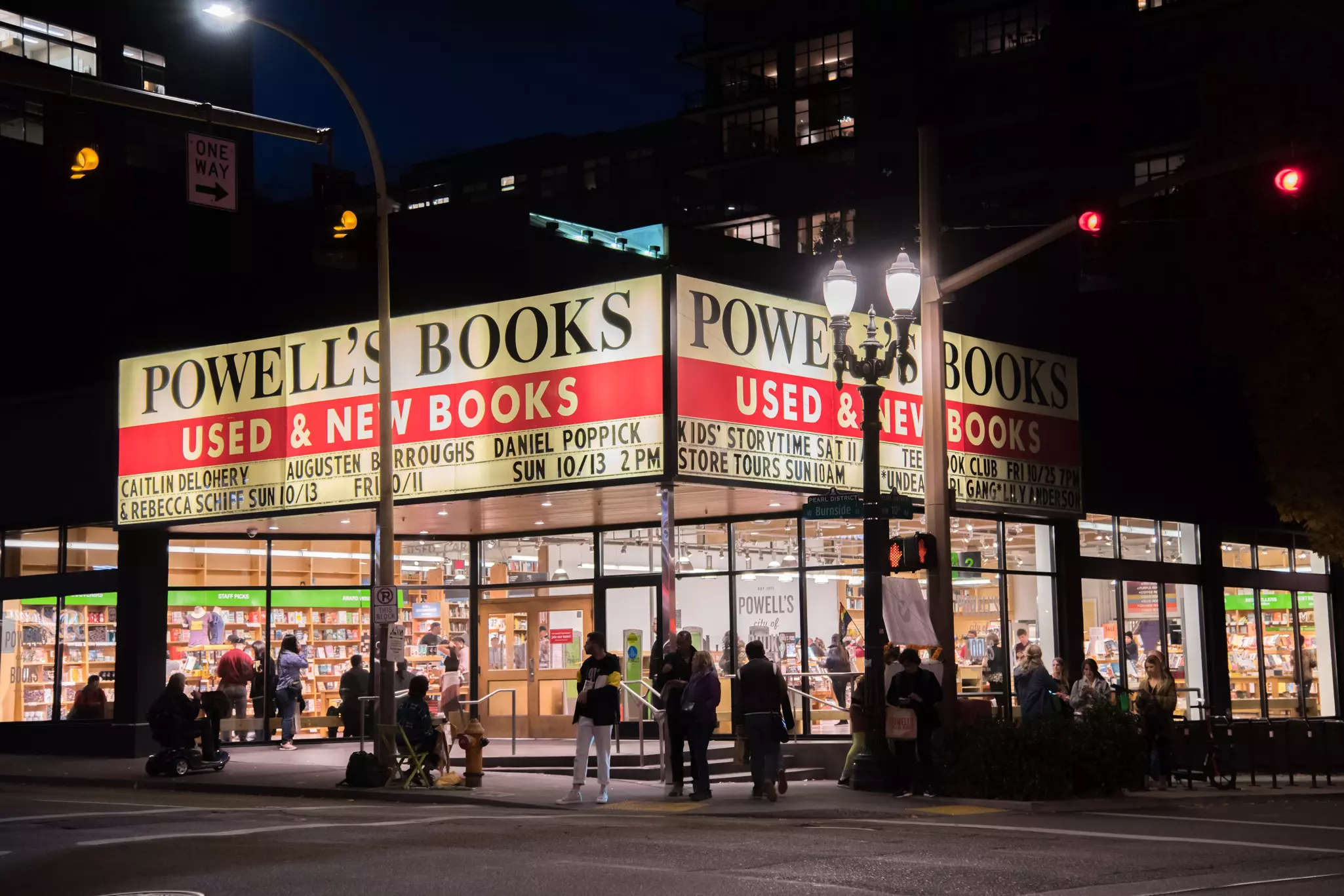
Portland is generally a very safe city to explore. But if you’ve read the news in recent years, you’ve likely heard some tales about our downtown. It’s true that the city’s core has suffered since the pandemic: the shift to remote work left office buildings empty, and businesses struggled without the weekday traffic. Many of them have closed.
Colliding social issues, including a housing crisis and a lack of mental-health and drug-addiction services, have exacerbated the issue of people living on the streets here. You will certainly see this if you visit downtown.
All that said, downtown is broadly safe, and local authorities and businesses have done much to revitalize the area in recent years. There are still beloved establishments in downtown Portland that shouldn’t be missed, like Powell’s City of Books and the Lang Su Chinese Garden. Still, as always, you should remain aware of your surroundings, know where you’re going and use common sense.
Climate change is fueling increasingly devastating wildfires across the West. Despite our notoriously wet climate, Portland is not immune. Summers are getting hotter and dryer, and wildfires are more frequently impacting the whole state.
If you’re visiting between July and October, you might experience days when smoke in the air can cause itchy eyes and throat – and, in extreme cases, headache or nausea. Check the air quality index (AQI) to determine if it's safe to be outside on these days. Anything over 100 can be unhealthy for sensitive populations, including children, the elderly and people with asthma. If the reading is over 300, everyone should stay indoors.
Portland is kind of obsessed with its IPAs, a style of beer that is extra hoppy and typically comes with higher-than-average alcohol content. Thankfully, most bars list the ABV on the menu, so you know what you’re getting yourself into.
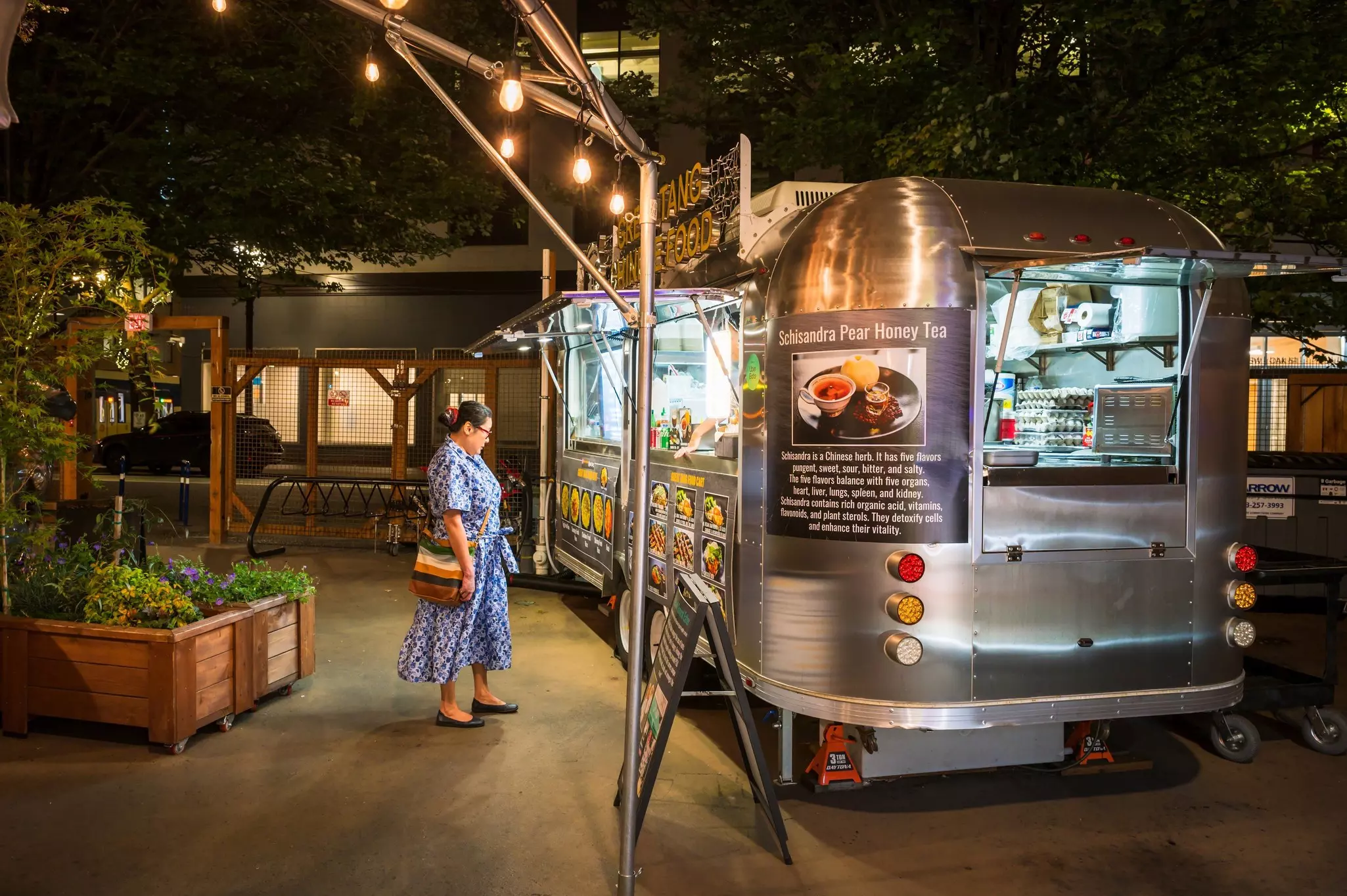
As for the food, you don’t have to “know where to go” to find excellent food in Portland: we keep the bar high, so it’s hard to go wrong. Food-truck pods are great destinations for traveling groups who want to try a little of everything; you’ll find them in every neighborhood.
We also have excellent farmers markets. On Saturdays, check out the PSU Farmers Market or the Hollywood Farmers Market to stock up on fresh, super-local produce.
Book your United States trip with Lonely Planet Journeys
See United States how it's meant to be seen
Accommodations, activities and ground transportation all taken care of, so you can focus on the fun part. Tell us what your dream trip to United States looks like, and our local experts will build it from scratch. Or start with one of our itineraries and make it your own.

Explore related stories