Sep 25, 20267 min read
The Best Places to Get Korean Food in Los Angeles, CaliforniaJul 16, 2026
10 MIN READ
Writer
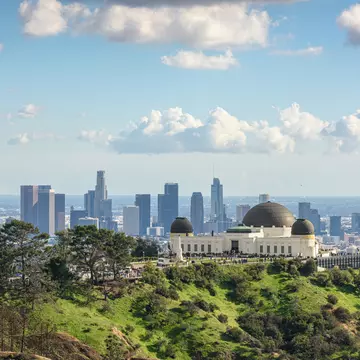
The Griffith Observatory and views of Downtown Los Angeles. Chones/Shutterstock

Writer
Highlights
LA-raised editor Acacia Gabriel shares tips on timing, transport, safety and food.
September through November is LA's "local summer" – warm, event-filled and less crowded.
Rent a car or use rideshare; public transit won't cover the city's far-flung sights.
Locals eat between 7pm and 9pm; book restaurants at least a week in advance.
Lonely Planet may earn a commission from affiliate links on our site. All recommendations and reviews reflect our own independent opinions.
From Venice Beach to the Hollywood Hills, a trip to Los Angeles feels like stepping into your favorite movie. However, the city can be a little overwhelming for the uninitiated. The freeways are busy, restaurants have lines out the door and famous sites can be flooded with tourists. Knowing a bit about the city can make a big difference.
Once you learn how to navigate Los Angeles, the city really starts to sparkle. You'll soon find yourself stumbling across stunning views and finding spots to escape in the mountains and by the beaches. And when you've adjusted to the city's rhythms, you can experience the best of everything, from music to nature to food.
Here's what you need to know before you visit Los Angeles, from tips on local etiquette to advice on getting around and staying safe.
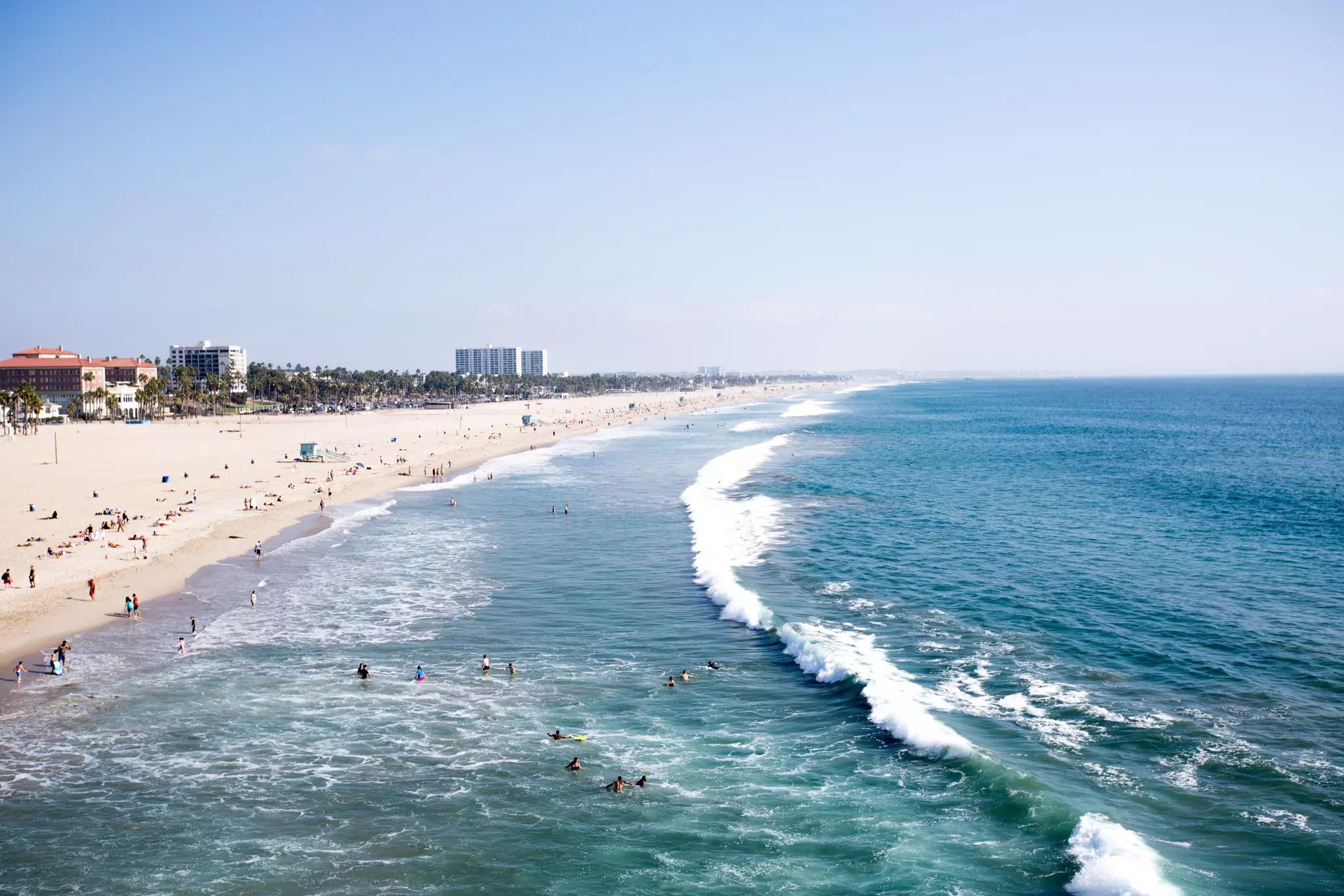
The best time to visit Los Angeles is in the fall. People who live in Los Angeles call September through November "local summer" because the days are still long and it's often warmer at this time than it is June. Most kids are back at school, and the summer rush has subsided. Fall is brimming with events, including one of the largest Día de Muertos celebrations in the country.
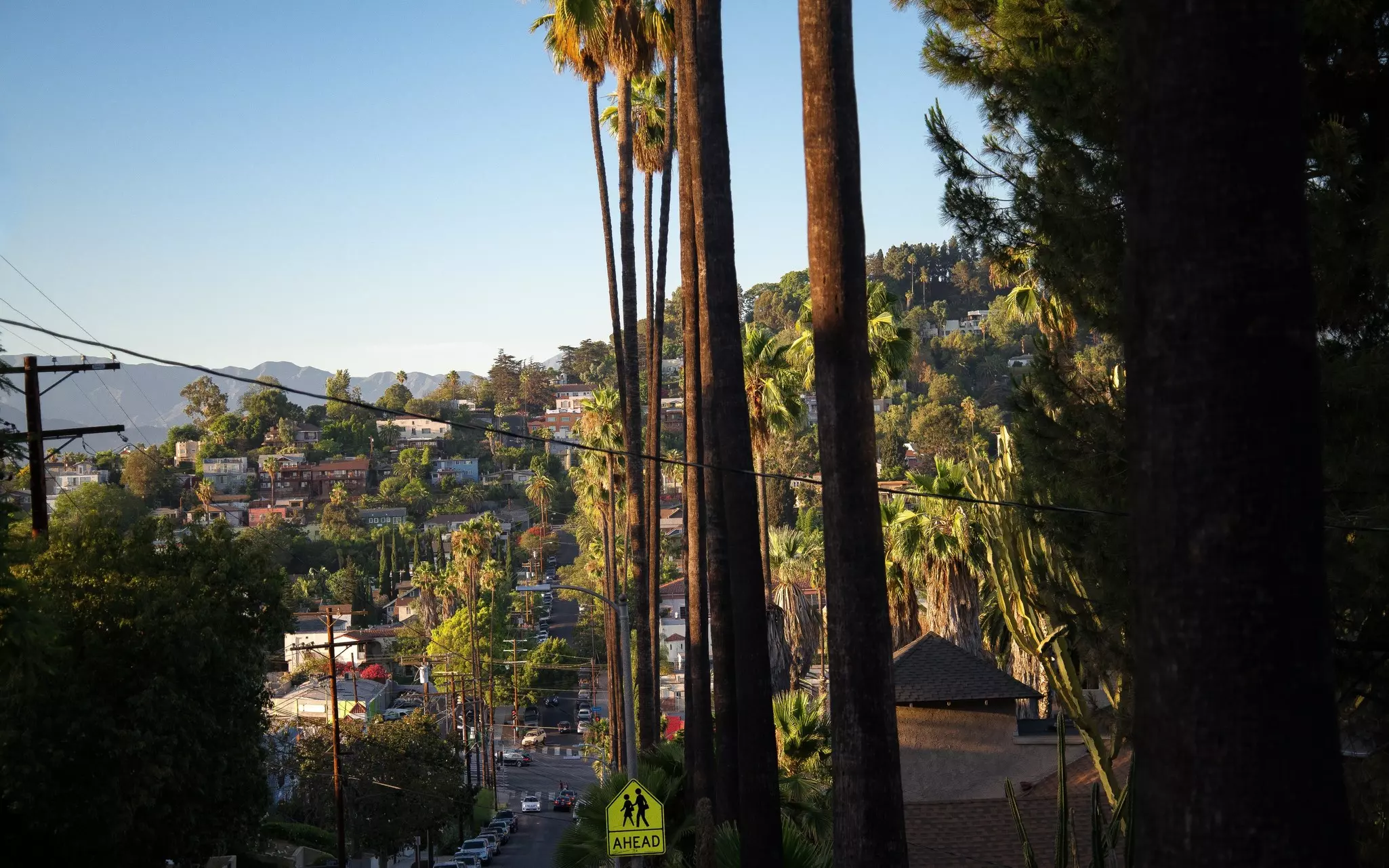
Los Angeles is a massive city and it can be tricky to get around, so it's best to give yourself 5 days to a week to explore the neighborhoods, enjoy the beach or take a day trip (or two!). You can even switch accommodations for a few nights to mix things up and get a taste of different areas.
Venice, Silver Lake, Santa Monica and DTLA are some of the best areas to base yourself out of. No matter where you stay, they are certainly worth exploring.
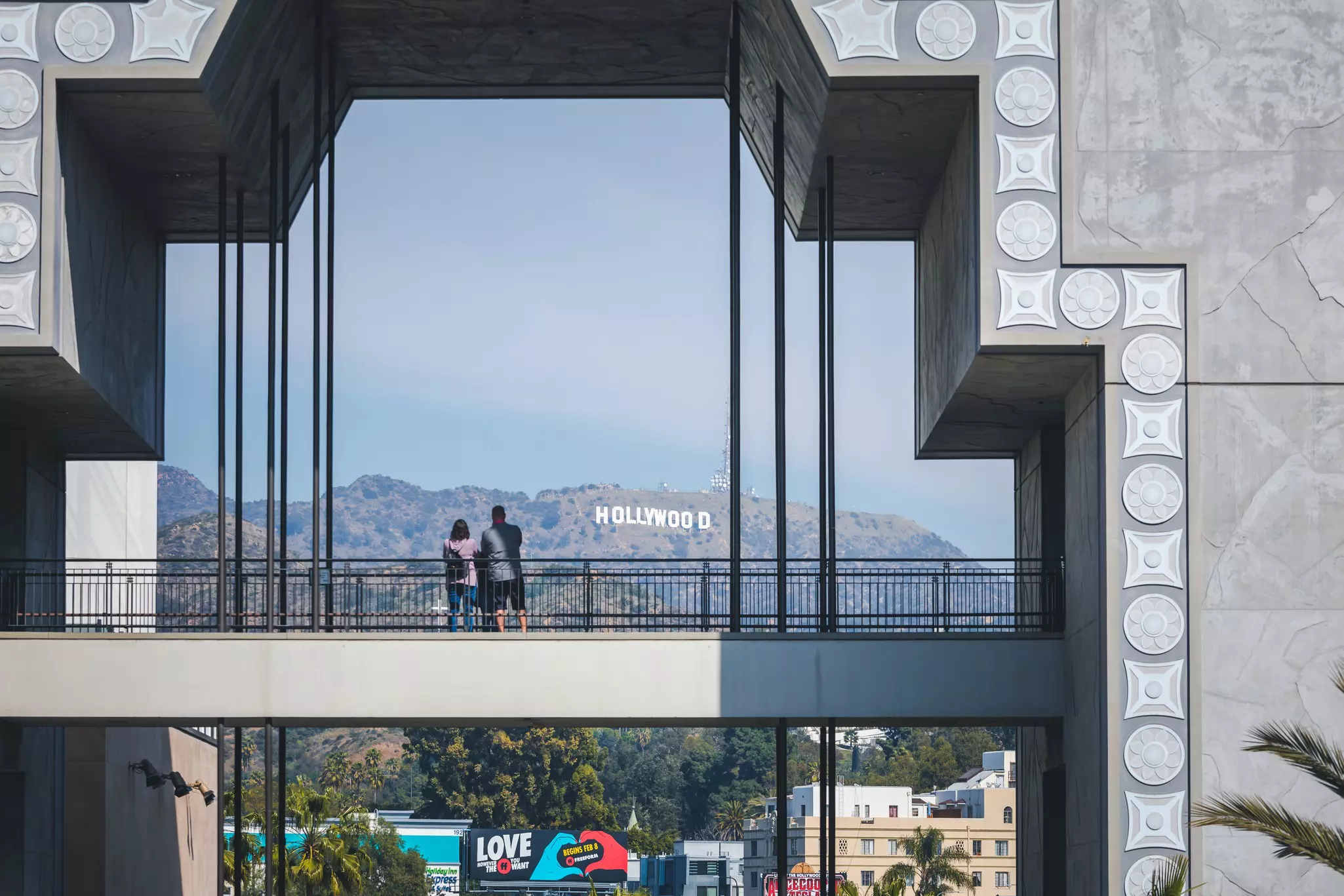
For all its movie stars and fashion icons, Los Angeles has a fairly relaxed dress code, especially when it comes to visiting the city's beaches. A mix of casual, trendy and comfortable is the typical fashion, with many locals trading heels for sneakers throughout the day. However, for more upscale restaurants, events and theater shows, dressing a little more formally is appropriate. In more exclusive neighborhoods, avoiding beachwear and baggy clothing can be the key to admission to bars and clubs.
The use and possession of cigarettes, e-cigarettes, vapes and cannabis is legal in Los Angeles. However, the city has very strict regulations regarding where you can light up. Smoking is prohibited in public spaces, including indoor areas such as offices, restaurants and bars, and most parks and beaches. If you do want to smoke, check the regulations in each county as rules vary.
Regardless of where you are, you cannot drive after consuming marijuana. If you ignore this rule, a misdemeanor driving under the influence (DUI) charge can lead to fines, 6 months in county jail, suspension of your driving license or even deportation if you're an international tourist.
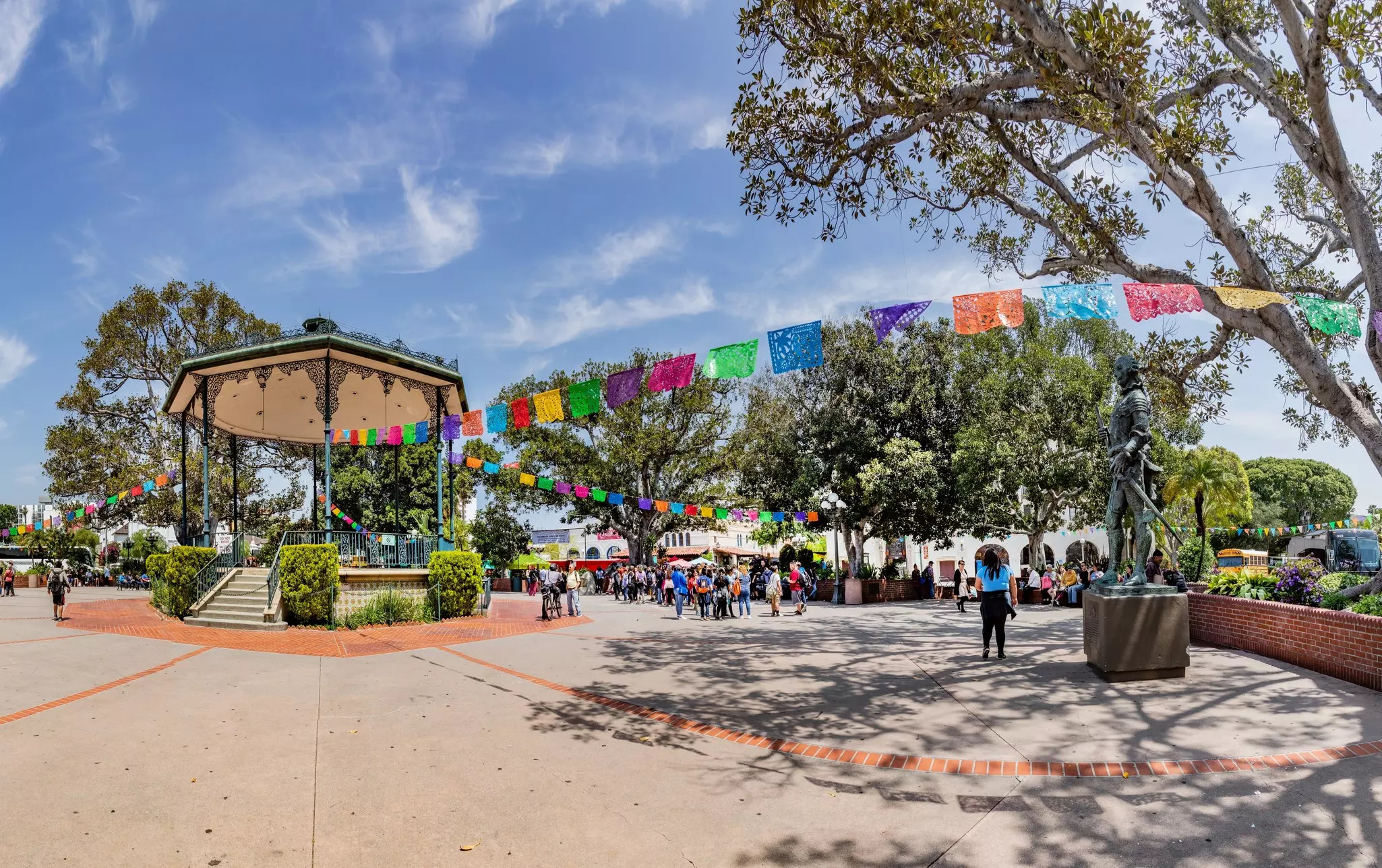
California is the second-most diverse state, just behind Hawaii, with an ethnic and racial diversity index of 69.7%, according to the most recent census in 2020. The city is also home to the nation's largest Hispanic and Latino population. Visitors to Los Angeles are in for a treat when it comes to sampling global cuisines, attending festivals hosted by diverse communities, and enjoying multicultural music and entertainment.
While embracing the city's cultural mix, be both curious and respectful, particularly when partaking in customs and activities that are unfamiliar to you. Approach conversations and interactions with sensitivity and avoid making assumptions about people. Several local cultural centers introduce visitors to the role of different communities in Los Angeles' story, including the LA Plaza de Cultura y Artes near Olvera St, the downtown hub of the city's Mexican community.
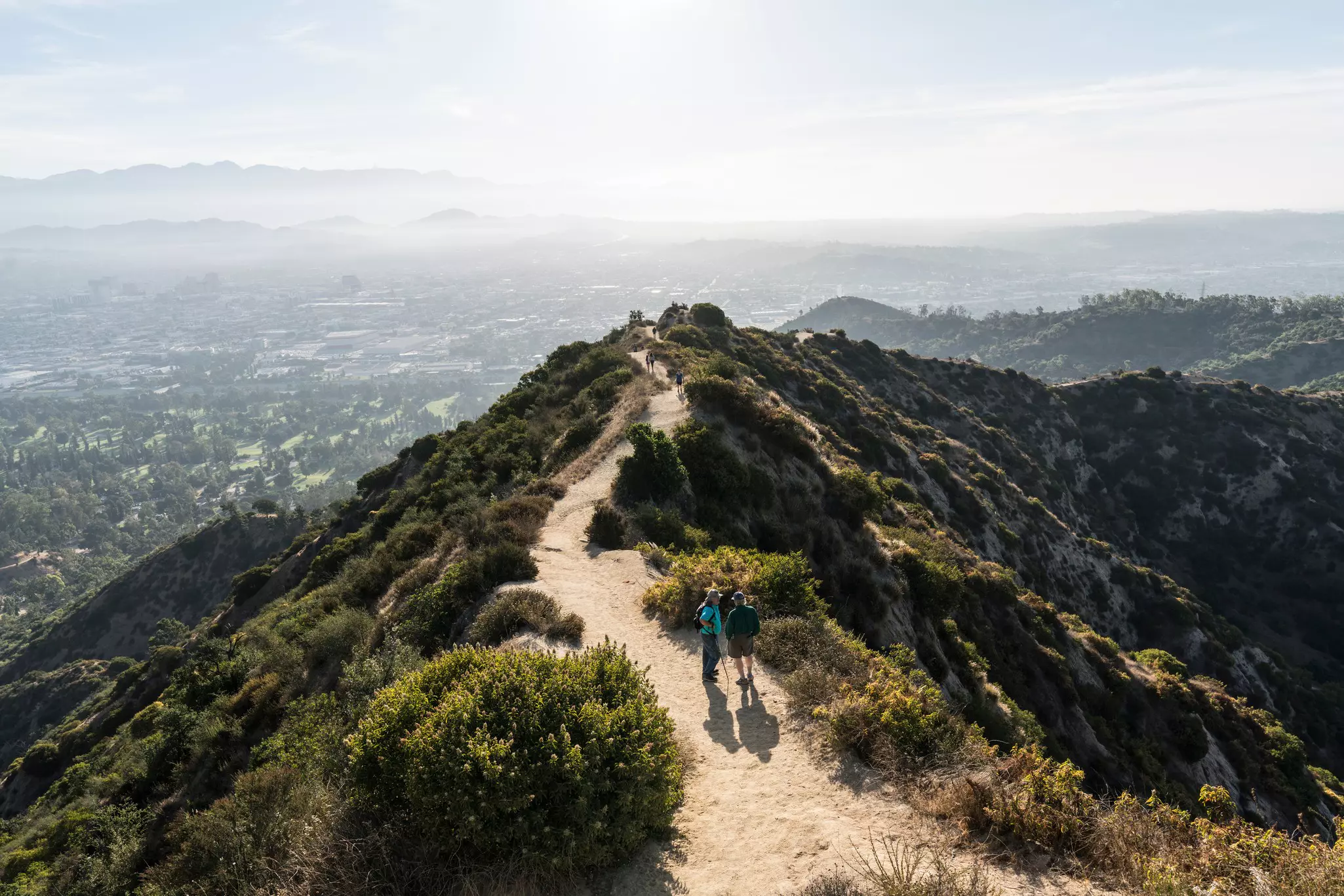
Whether you are surfing in Malibu or hiking in Griffith Park, always be respectful of the nature around you. This means packing up your trash or – even better – cleaning up any other trash you may see on the beach.
Bring reusable water bottles so you won't have to add to the waste collection burden on cliffside hiking trails. Also be alert to the risk of wildfires – bonfires are banned on most Los Angeles beaches and barbecues are only permitted using designated fire pits. In the event of wildfires, heed warnings from the authorities.
Homelessness is a complex issue in Los Angeles. Despite the city's wealth and many government initiatives, some 75,000 people go without a roof over their heads on any given night – a problem made worse by high levels of drug use. Seeing people living on the streets can be quite confronting, especially for children. It's important to educate yourself and your family about the issue ahead of your travels to Los Angeles.
Homelessness occurs in many parts of the city, and there can be associated social problems, but mostly it's a situation to deal with compassionately. If you encounter people in this situation, show kindness, respect their personal space and avoid confrontation.
For safety, it can be a good idea to travel in a group at night, as deprivation is linked to high crime levels in some districts, such as Skid Row, on the edge of downtown. Rather than walking at night, many locals prefer to get around by rideshare.
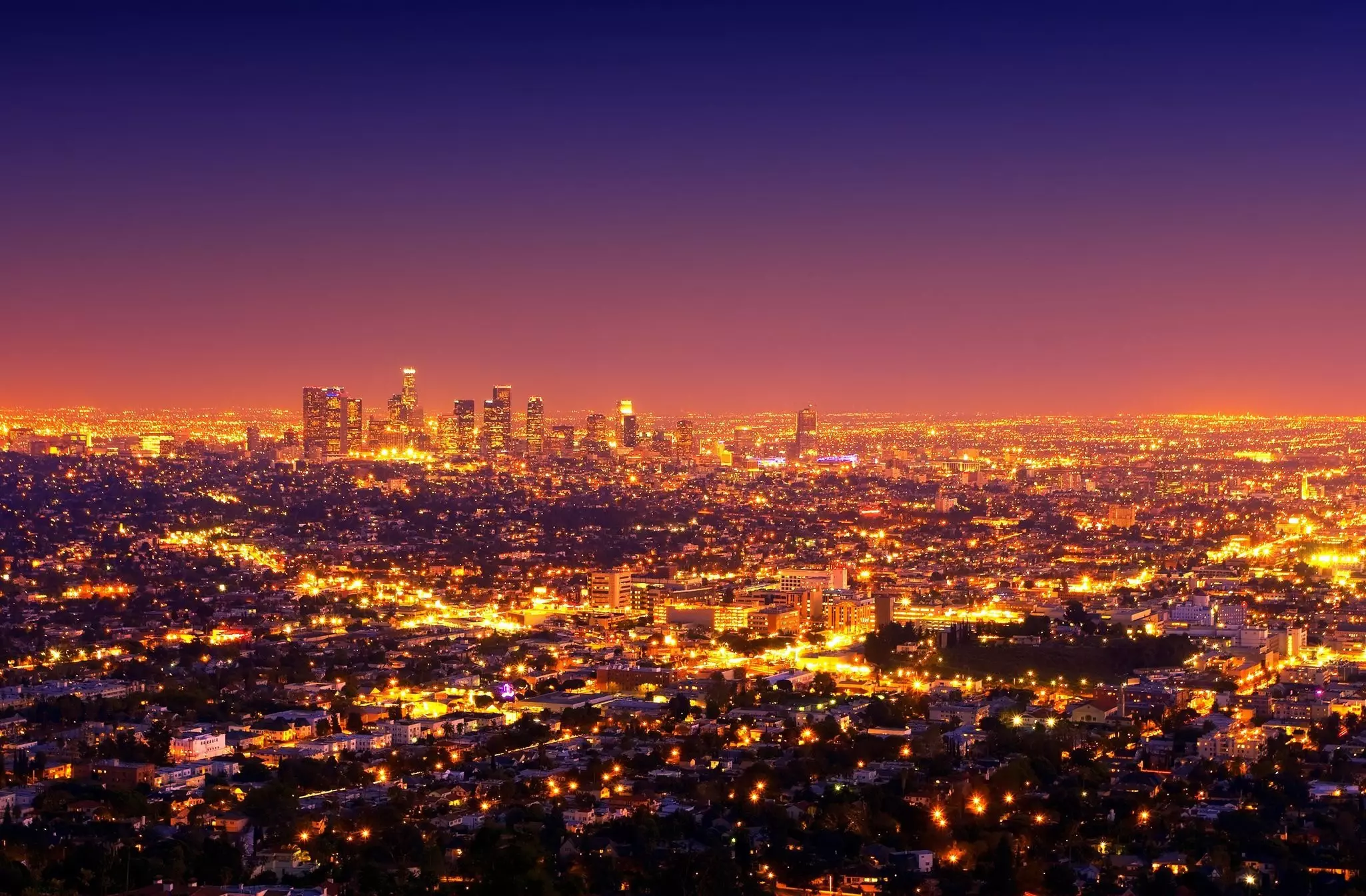
If you're visiting in spring and summer, keep in mind that contrary to popular belief, it can also get unexpectedly cold in Los Angeles. While this is particularly true during the weather patterns known locally as "May Gray" and "June Gloom," it can even apply during the generally warm summer months.
Locals often complain that 60ºF (16ºC) in Los Angeles feels colder than anywhere else. Pack appropriate outfits including a jacket for the nighttime and something you can breathe in during the sunny days.
It can also vary considerably depending on which suburb you find yourself in. Santa Monica can be rather chilly and cloudy while downtown Los Angeles (DTLA) and Hollywood swelter in the summer heat. Before your trip, don't just look up the weather for Los Angeles as a whole; search suburb by suburb or risk getting caught in the wrong attire.
On paper, the tap water in Los Angeles is safe to drink. However, the safety of doing so is a subject of ongoing debate. While contaminants in tap water do not exceed permitted levels, many locals choose to drink filtered or bottled water due to trace levels of chemicals such as arsenic, disinfection byproducts, and nitrates.
The quality of the water can also be affected if there was a recent wildfire, and many LA folks just think mineral water tastes better than the tap water. If you go hiking, remember to carry plenty of water, particularly in summer.
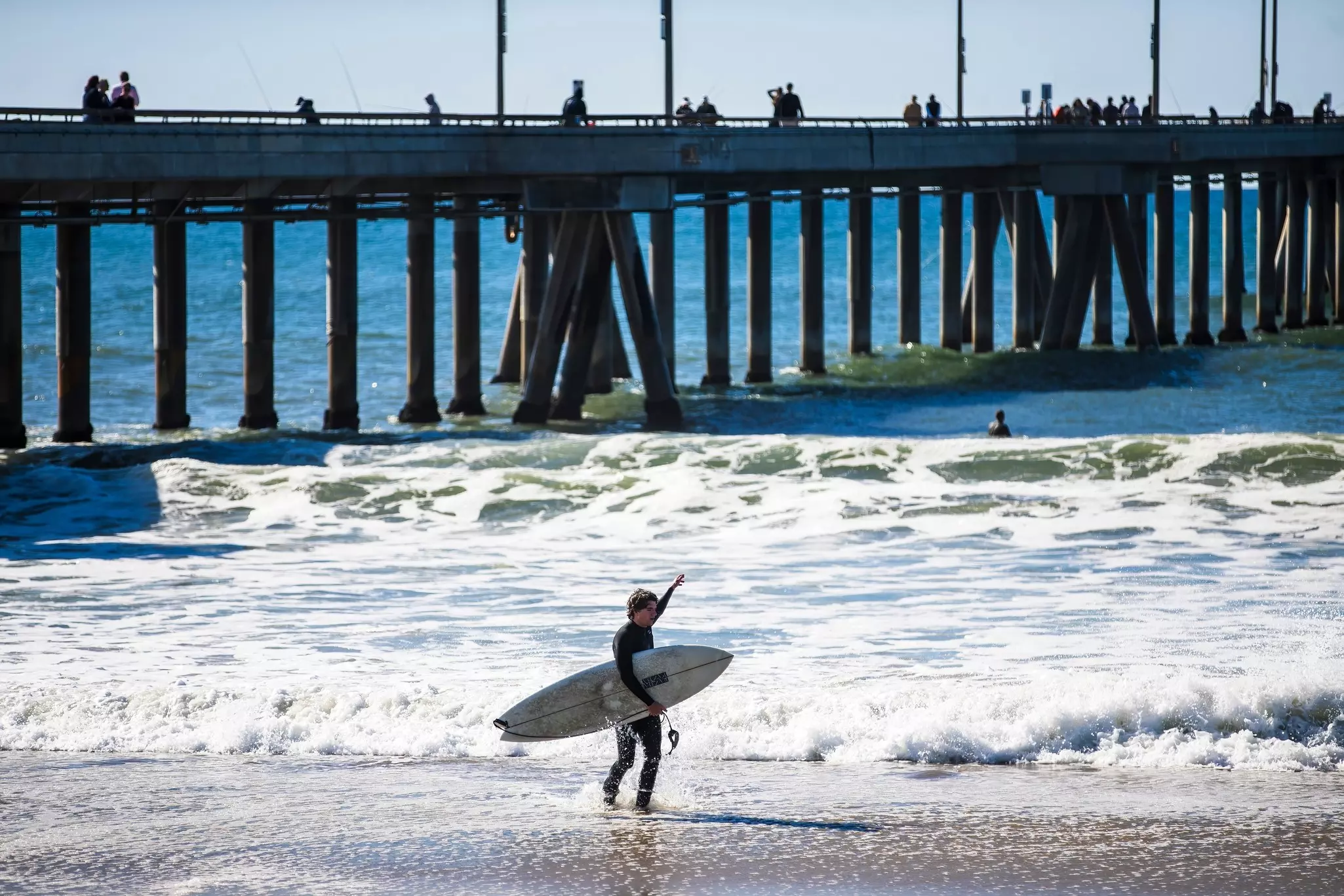
More common than earthquakes and wildfires is extreme heat. Temperatures can exceed 120℉ (49ºC) in some areas in summer. If you engage in outdoor activities such as hiking, stay hydrated, use high-factor sunscreen and avoid being outside during the hottest hours of the day, especially if you're not accustomed to high temperatures. Mornings and late afternoons are the best times to hike.
The good news is that the Los Angeles County and Los Angeles City authorities send out mass emergency notifications by telephone and text – opt in via their websites and keep your devices turned on and updated while traveling.
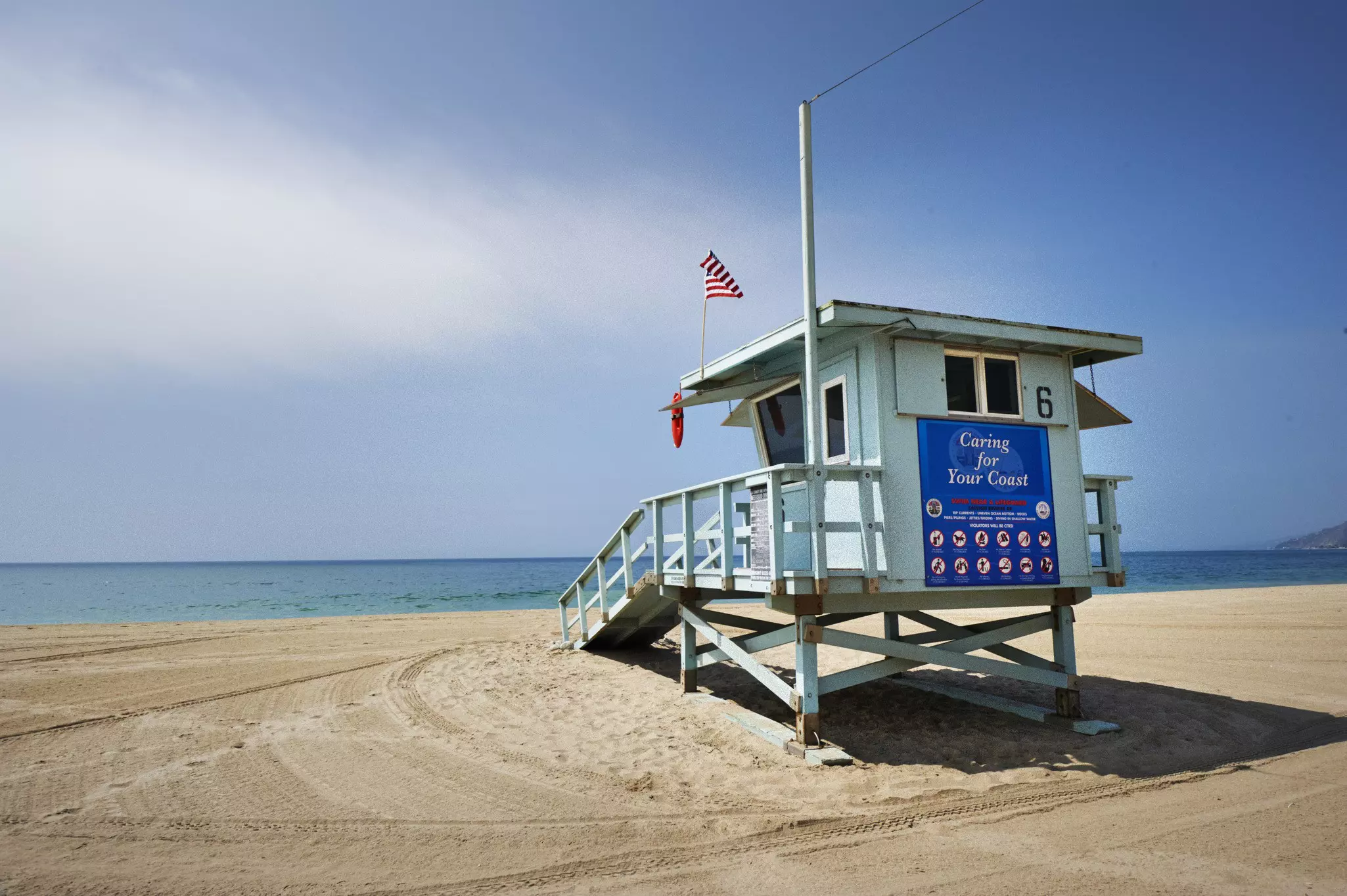
It's one thing to risk your bag not making it to your destination, but you're taking a bigger risk if you travel to Los Angeles without travel insurance that includes coverage for medical treatment. The threat of natural disasters in California is a reason to purchase travel insurance all by itself, but additionally, there is no universal healthcare system in the United States. If you don't have medical coverage, you could be left with an extremely hefty bill in a medical emergency.
While not a frequent occurrence, natural disasters are a feature of life in Los Angeles – and something visitors should be prepared for. The city is prone to earthquakes due to its position on the tectonically active Pacific Ring of Fire, and there are two to three tremors per year on average, though the last notable earthquake in 2008 caused only minor damage.
Familiarize yourself with emergency earthquake safety protocols such as "Drop, Cover and Hold On" and be ready to shelter under a table or desk (not in a doorway) if there is an earthquake during your travels. If you're driving and a tremor hits, stop away from buildings and power lines and stay in the car. The California Earthquake Authority has more safety advice.
Wildfires are also a problem in the Los Angeles area, especially when conditions are dry and windy. Keep up-to-date with fire reports and monitor the media for evacuation orders. Even if you're not in a fire zone, the air quality can quickly deteriorate due to the smoke and ash. If you have respiratory problems, stay indoors and use air purifiers where available.
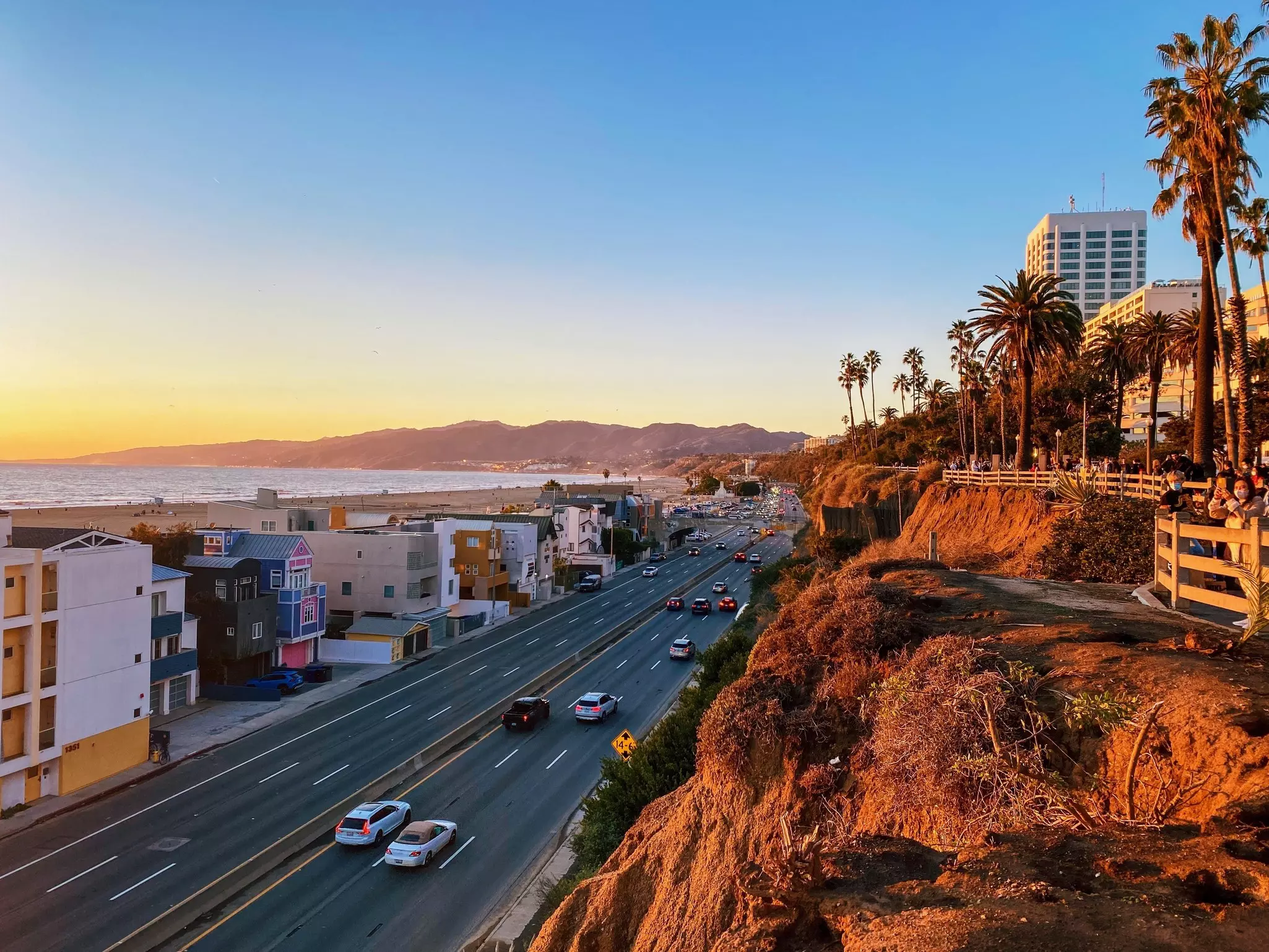
For such a big city, Los Angeles is somewhat short on public transportation. Buses and trains can get you to key destinations, but you will likely need a rental car (or a taxi or rideshare) to reach some of the sights. Plus, the traffic in the city can bring travel to a standstill. Always avoid traveling from one neighborhood to another during peak travel hours.
Visitors are often surprised by the sprawling layout of Los Angeles and just how far attractions are from one another. While in movie montages you often see the main characters visit the Hollywood sign and Santa Monica Pier in one morning, that would be a nightmare drive in real life. Map out the directions before your trip to see what you can reasonably fit into one day.
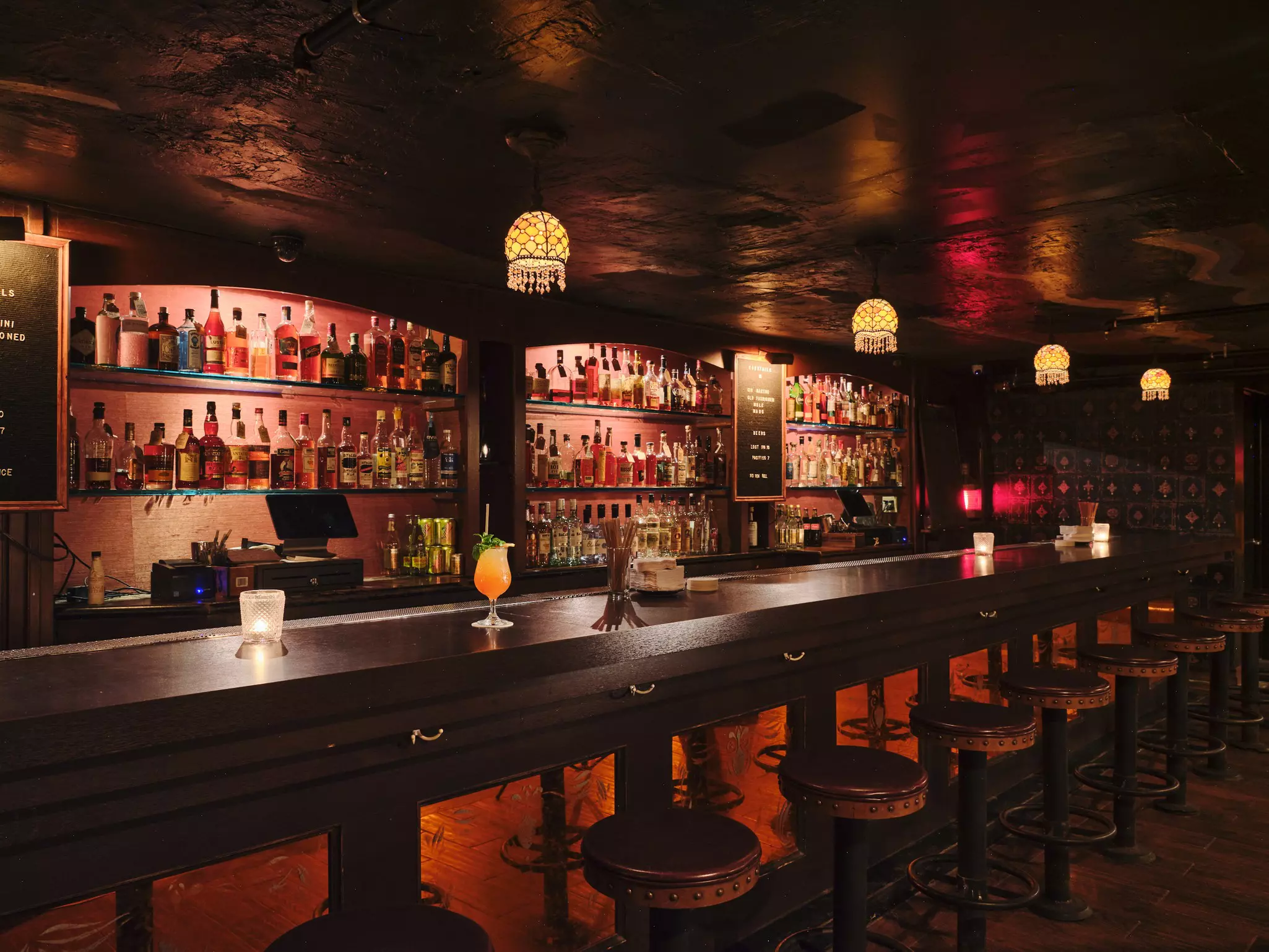
Los Angeles is home to more than 30,000 restaurants, and the city is famous for its international food scene. While the options are endless and you can always find somewhere that accepts walk-ins, reservations are recommended and often essential for the most popular spots.
Booking a week or two in advance will suffice for most places, but booking as soon as tables are released is the best way to secure a slot at Los Angeles' top restaurants – we're looking at you, RVR and Holbox! Many restaurants accept bookings through websites such as OpenTable and Resy. If you want to eat like a local, the prime time for dining is between 7pm and 9pm.
To continue planning your trip to Los Angeles, check out our book Los Angeles & Southern California.
Explore related stories