Feb 4, 20269 min read
12 Things to Know Before Visiting Everglades National ParkFeb 4, 2026
9 MIN READ

Writer
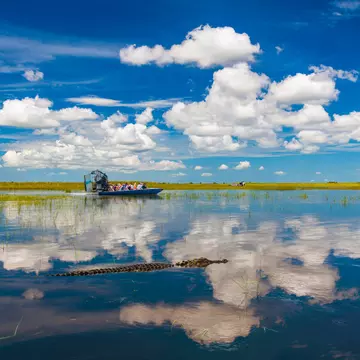
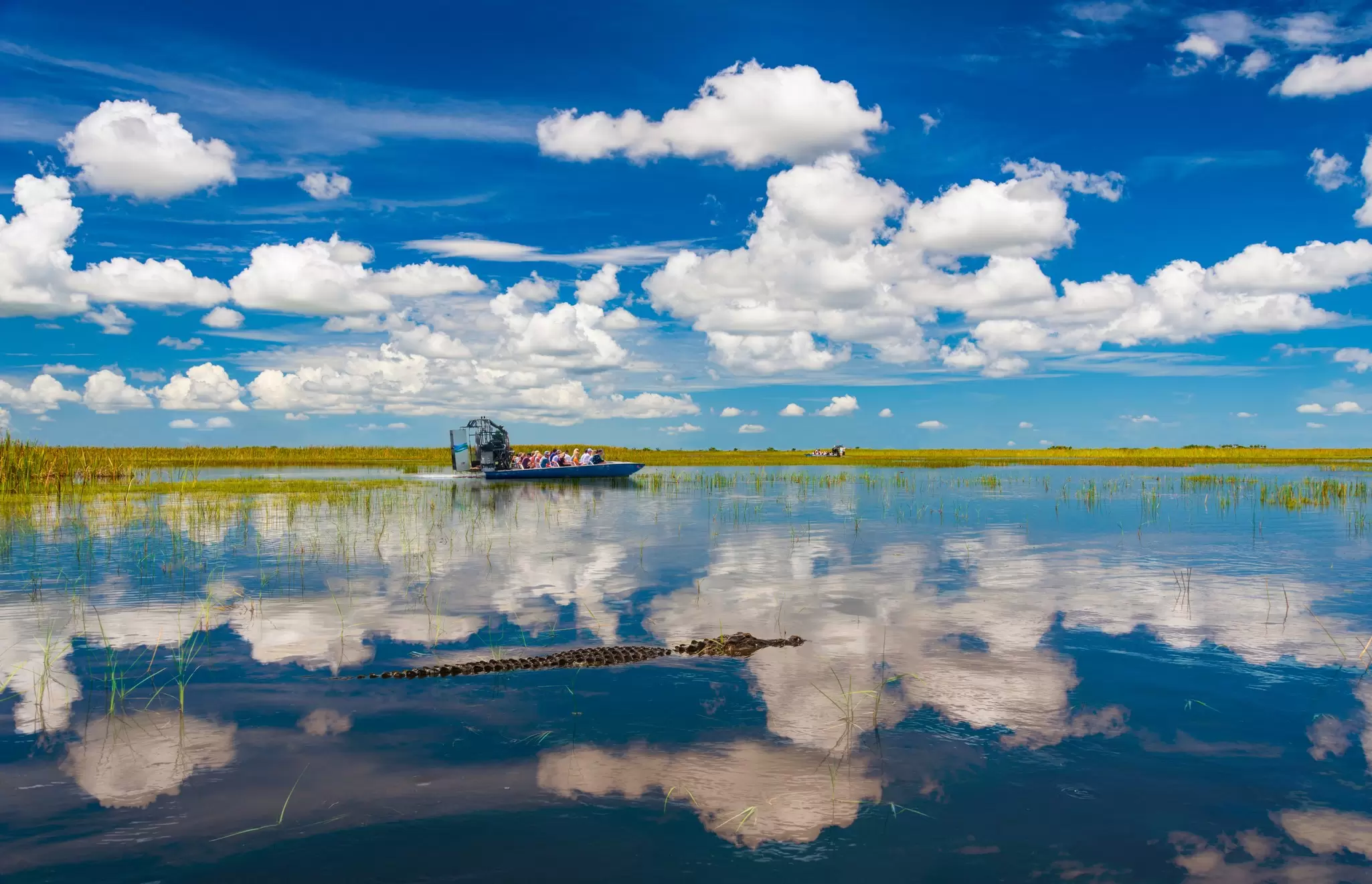
An airboat speeding across Everglades National Park in Florida. allouphoto/Shutterstock
Writer
Highlights
Writer Jesse Scott shares 12 Everglades tips, from wildlife safety to park access.
Visit in summer mornings to dodge snowbird crowds and choose your entry point by activity.
Keep limbs inside the boat and only swim in designated areas – wildlife may lurk below.
Stop at the HM69 Nike Missile Base and support Miccosukee-run operators on the Tamiami Trail.
Lonely Planet may earn a commission from affiliate links on our site. All recommendations and reviews reflect our own independent opinions.
Around an hour's drive from Miami, at the southern tip of Florida, Everglades National Park offers 1.5 million acres of natural wonder. Covering an area the size of Rhode Island, this complex and important ecosystem of wetlands, swamps, mangroves and forests is North America's biggest protected sub-tropical wilderness reserve. But what do you need to know before you visit the Everglades?
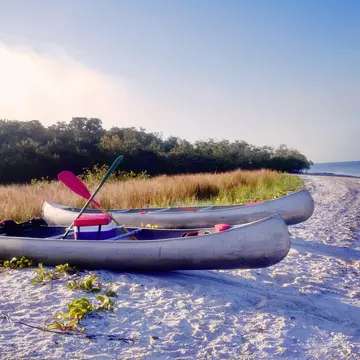
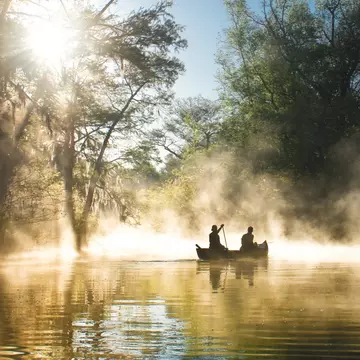
Well, the first thing to know is that this natural wonderland is easy to explore. Teeming with wildlife such as alligators, crocodiles, manatees and migratory birds, the park is laced with hiking and biking trails, dotted with campsites and crisscrossed by waterways navigable by kayak, canoe and boat.
On any given day, you might hear the Everglades' famous airboats whizz by, or the gentle splosh of wading birds, or the whir as fishers cast their lines into the placid waters. In the park's more silent and serene nooks, you're likely to hear nothing at all.
With a little insider knowledge, you can get even more out of your trip to Florida's famous wetlands. Having lived nearby for nearly a decade, guiding friends and families deep into the Everglades, I've gotten to know a few dos and don'ts, tricks and tips. Here's everything you need to know before you visit Everglades National Park.
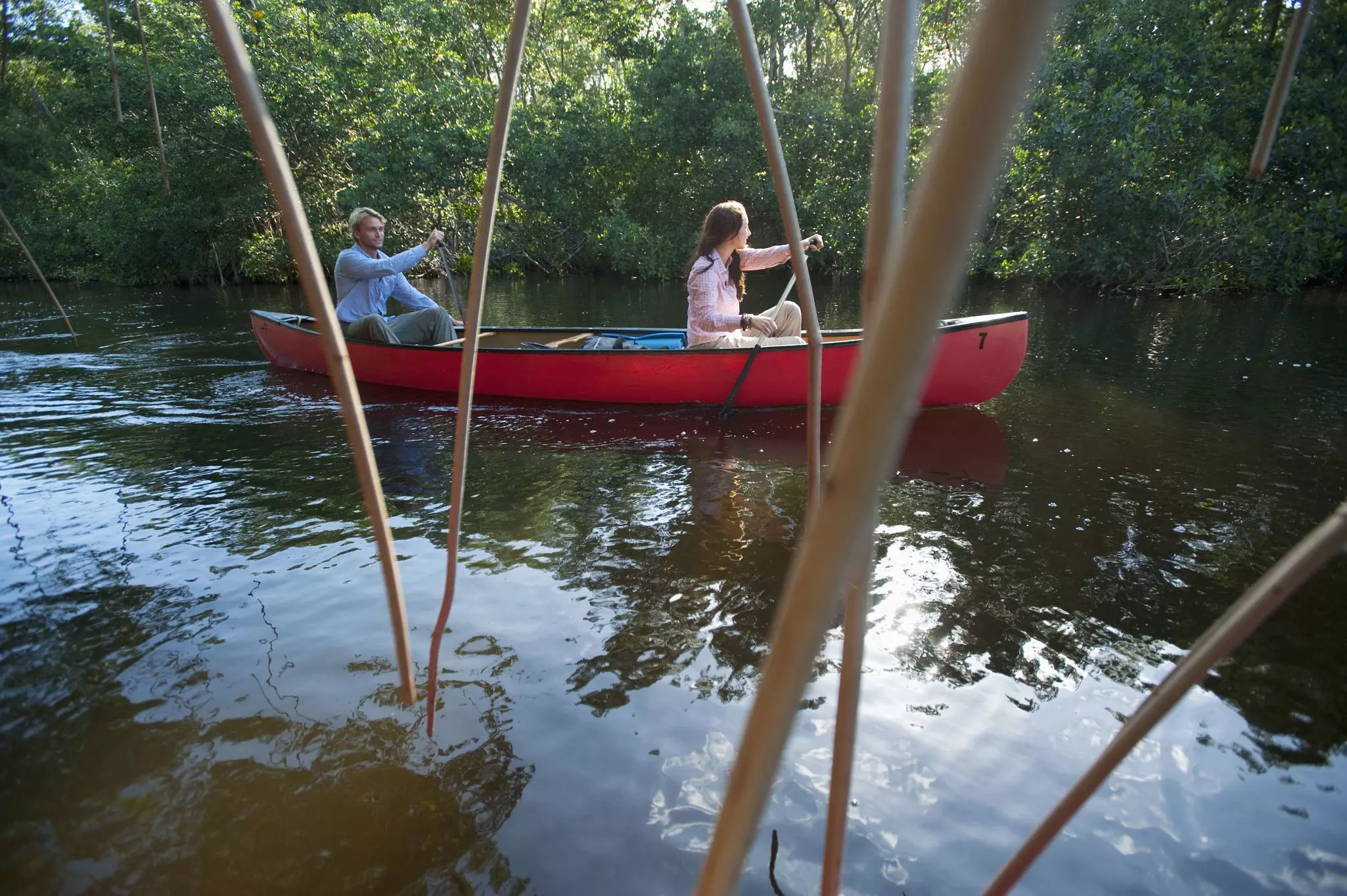
There's a joke that people in South Florida tell from the fall through to early spring (October–March): the leaves don't change, but the colors of the car license plates do. While the rest of the Eastern USA is freezing, Florida remains warm, so travelers from states to the north – known locally as snowbirds – migrate down here in droves to escape the cold weather. Expect Everglades National Park to be particularly busy at this time.
When choosing the best time to visit the Everglades, you can avoid the crowds by coming during the summer months (June–August). If you get up early and visit in the morning, you'll avoid the worst of the heat and humidity – the park is often muggy by noon, and temperatures regularly reach 90°F (32°C).
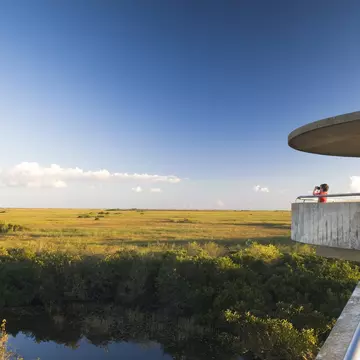
Everglades National Park has four entrances, so pick the most useful entry point for the activities you want to enjoy here. Two entrances are near the city of Homestead – the Flamingo Visitor Center is the gateway to an extensive network of canoeing facilities, while the Royal Palm entrance is primed for walking adventures, with several paved and well-packed dirt trails nearby.
The other two entry points are found west of Miami. Shark Valley is the busiest and is known for its gator-patrolled, 15-mile-long biking trail. The Gulf Coast Visitor Center in Everglades City attracts fewer people; it's primarily a gateway for boating and exploring nearby mangrove islands from the water.
Depending on where you are traveling from in Florida, and the traffic levels when you visit, it can take hours to drive between each park entrance, so grab a map and plan out your day to avoid wasted time on the highways.
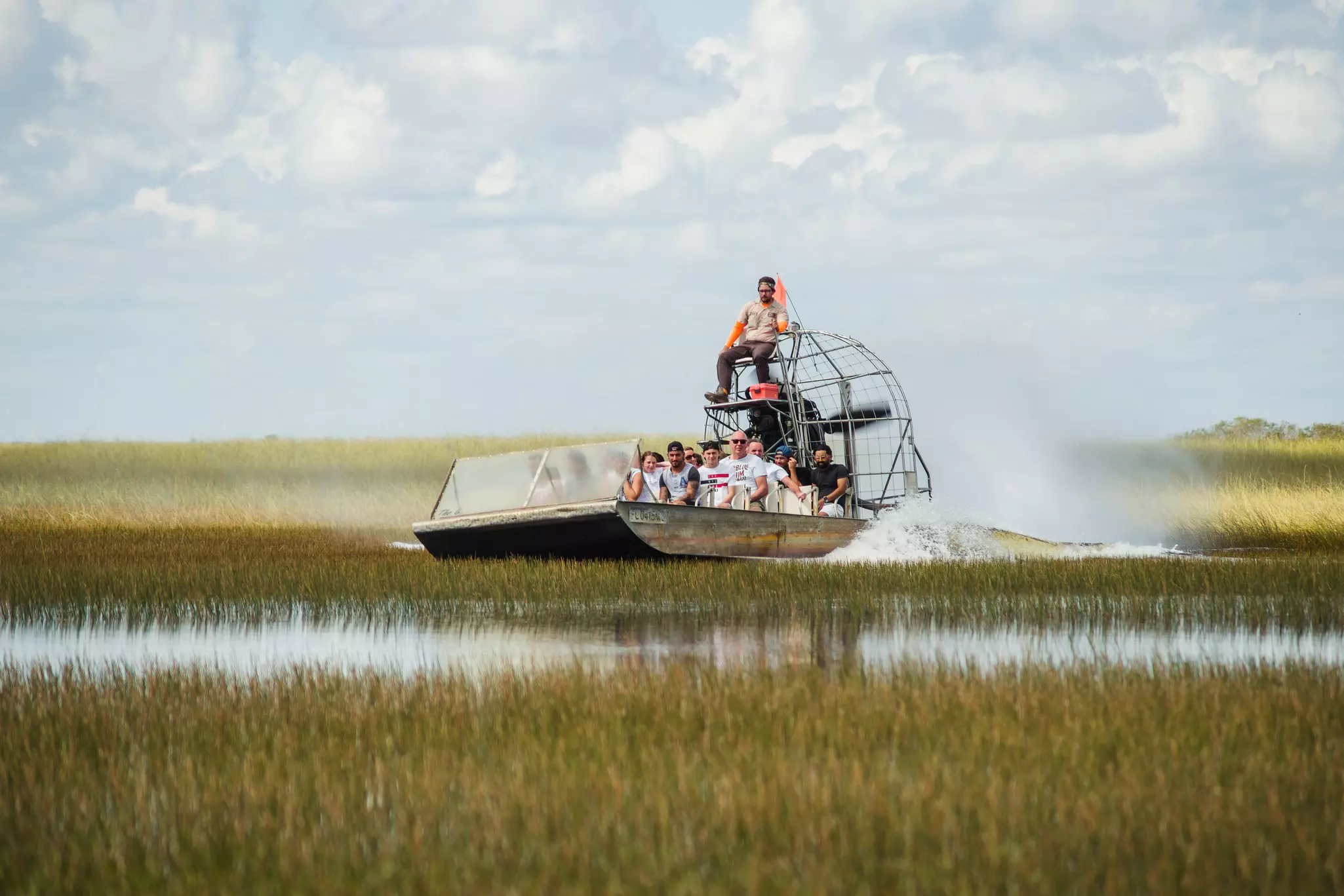
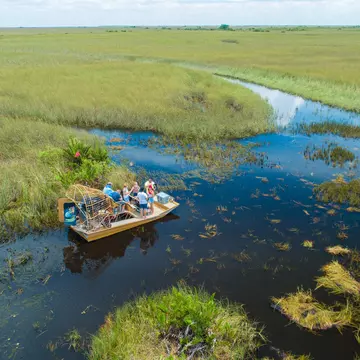
Airboats – flat-bottomed watercraft with giant fan propellers at the back – aren't just kitschy tourist vehicles for gawking at gators. They are actually vital for navigating the wet prairies, both in terms of helping preserve the vegetation and avoiding submerged debris that would damage a conventional motor boat.
Should you want to plan an airboat excursion, there are three authorized airboat businesses in the park offering tours: Coopertown Airboats, Everglades Safari Park and Gator Park. Bring clothes that dry quickly (you are likely to be hit by some spray), plus something to keep off the rain if the weather turns, and secure your sunglasses and hat with a leash.
The Everglades comprise a mix of saltwater and freshwater environments, equating to a fishing utopia. Fishers from across the world come here to try their luck for euryhaline fish species such as tarpon, bass, snook and redfish. If you plan to go fishing in the Everglades, Naples Gone Fishin' has a handy online guide with tips for different species.
When fishing independently, you'll need a license for both saltwater and freshwater fishing – two separate permits in Florida that you obtain from the Florida Fishing and Wildlife Conservation Commission. Cell service is extremely limited in the park, so save a potential headache by registering for the right license online ahead of your visit.
If you are embarking on a chartered fishing journey by boat, your captain should already have a license, but check beforehand.
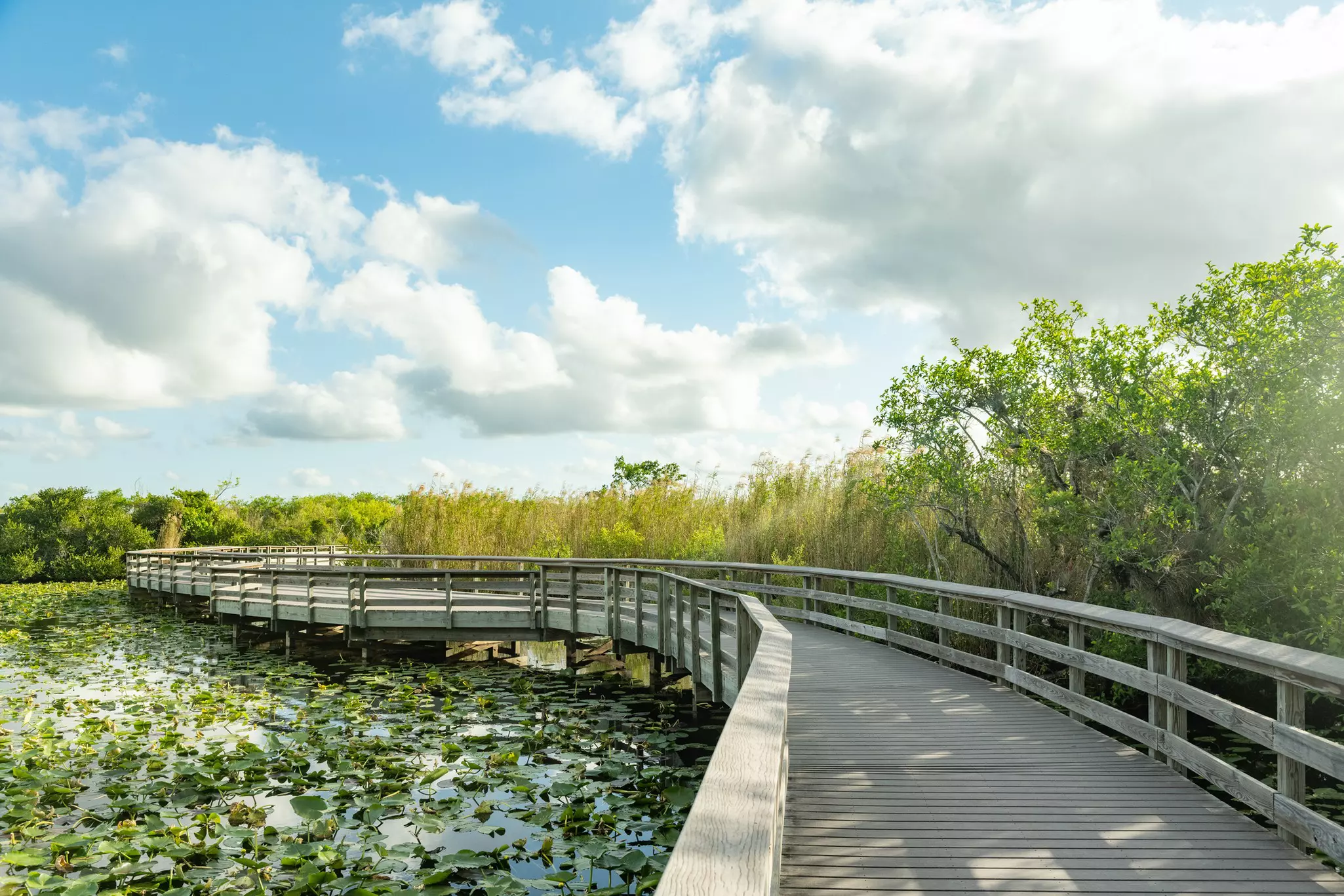
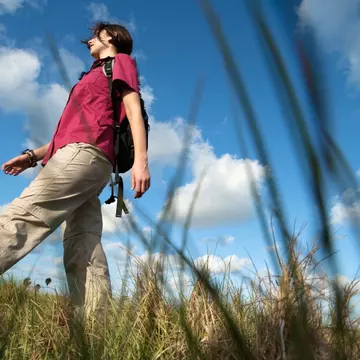
What do the popular Otter Cave Hammock Trail, Rowdy Bend Trail and Gumbo Limbo Trail have in common aside from awesome names? They're all humans only. You can't bring your pets with you to any of the walking trails in Everglades National Park. Besides, they probably wouldn't fare too well against camouflaged alligators anyway.
With the hot Florida climate, pets are best left at home. Leaving pets in the car while you walk, even if the windows are slightly open, is banned in Florida, as the heat can pose a serious health risk.
The Everglades has a number of wildlife sanctuaries where you can view the animals of the Everglades up close, but not all are genuinely animal-friendly, so do your research before visiting. Everglades Outpost is an ethical option if you want an up-close encounter. The nonprofit rehabilitates injured gators, reptiles, Florida panthers and other species, before releasing them back into the environment.
Fortunately, this is one park where it's easy to see animals in the wild. Consider seeking alligators along the biking trail at Shark Valley, watching blue herons in their natural environment along the Anhinga Trail, or seeing manatees coasting in the seagrass and mangrove habitats of Florida Bay.
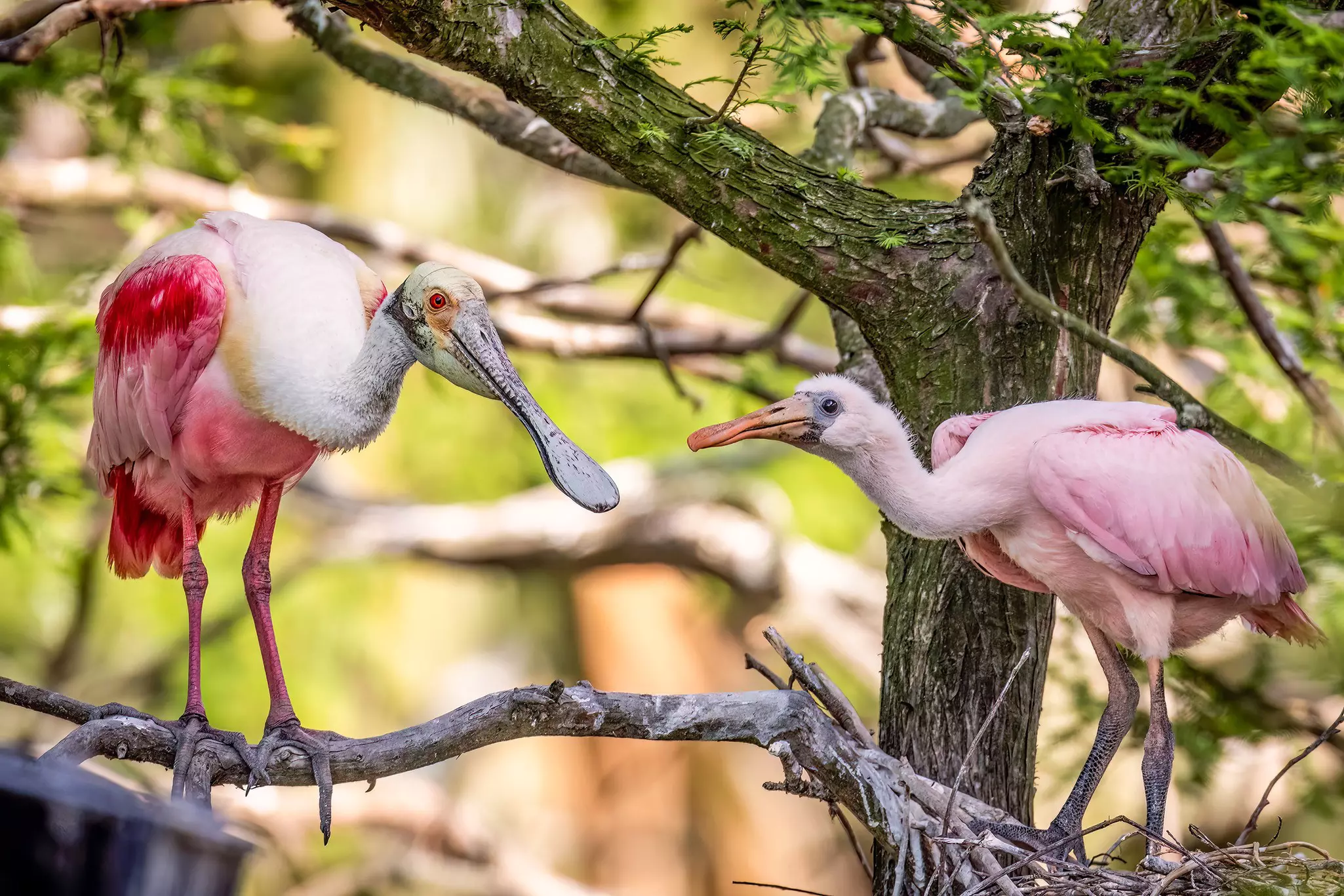
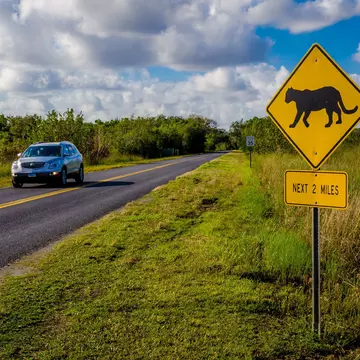
If you do have an encounter with a manatee in the open waters or a gator quietly lurking in the mangroves, observe from a distance. Refrain from feeding any wild animals, and if you see a visibly sick creature or a mother with young nearby, give them extra space as their defense mechanisms may kick in. Birds' nests – for the likes of wood storks and herons – are commonly seen, but don't go up to them to investigate as this can scare the mother away from her chicks.
Constructed after the Cuban Missile Crisis in the early 1960s, the HM69 Nike Missile Base was once a hub for protecting the US against a possible attack by the Soviet Union. Southwest of Homestead, the site has three missile barns, an assembly building, barracks and two missiles that you can examine. The Ernest F. Coe Visitor Center runs tours from December through March.
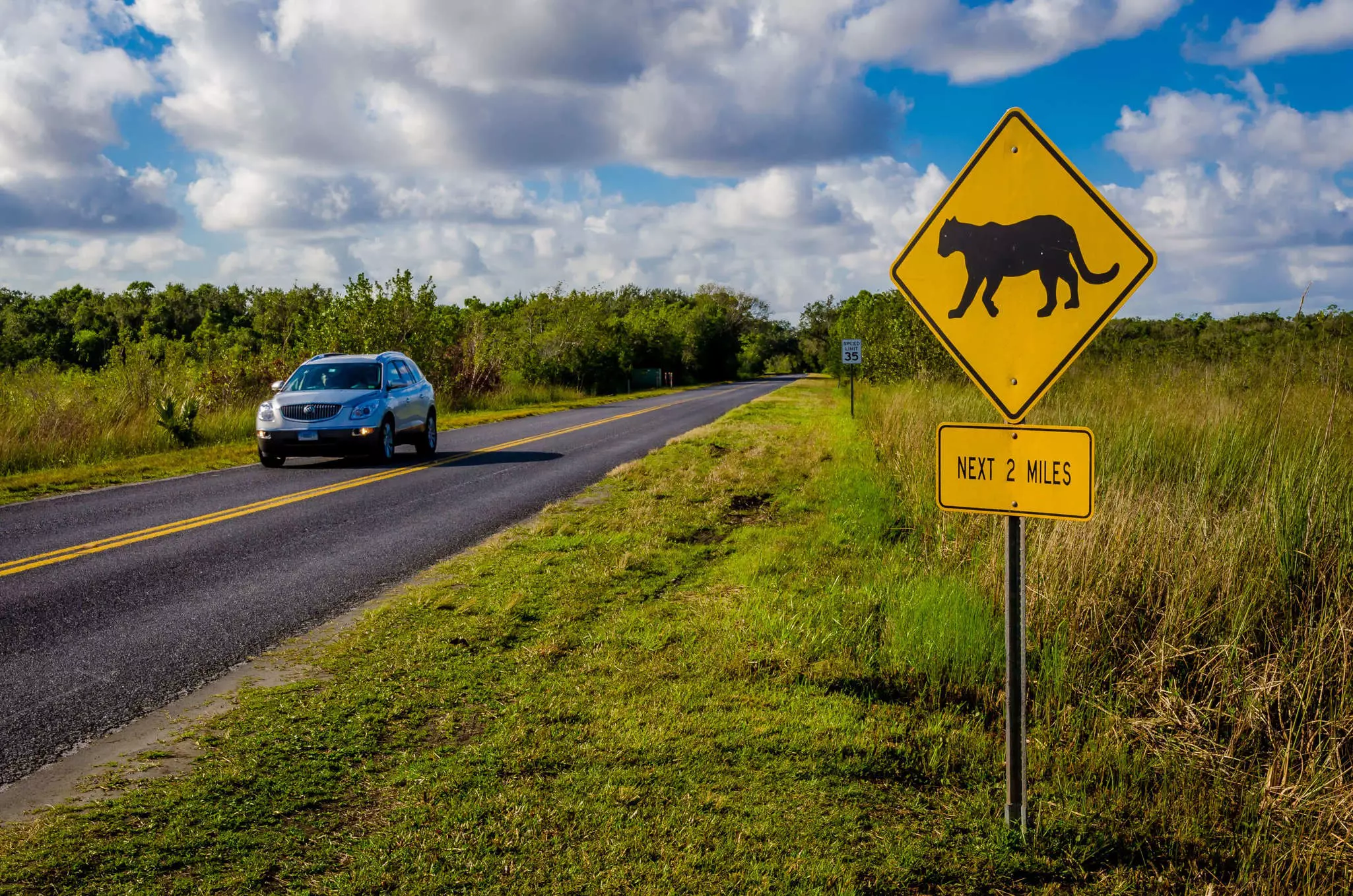
As well as being home to endangered or threatened species, such as the rare Florida panther and West Indian manatee, the Everglades provides drinking water for more than eight million Floridians. When you visit, remember that your actions – and what you may leave behind – have a lasting impact. In particular, collect and properly dispose of any trash that you create or find while exploring.
If you're looking to support the park's vitality, The Alliance for Florida's National Parks accepts donations, with funds supporting youth environmental education programs, ranger-guided tours, habitat protection programs and more. If you spot Burmese pythons – an invasive species that is causing havoc in the park – or any other non-native species, report the location to the Florida Fish and Wildlife Conservation Commission.
Indigenous people from the Calusa, Tequesta, Seminole and Miccosukee tribes have deep roots in the Everglades region. Along the Tamiami Trail (US Hwy 41), you can visit and support a number of Miccosukee-run businesses and tour operators, including the Miccosukee Casino & Resort and Miccosukee Village and Airboat Rides. At the village, there is a museum where you can learn more about the Miccosukee people, and tour exhibits devoted to traditional clothing, tools and beadwork.
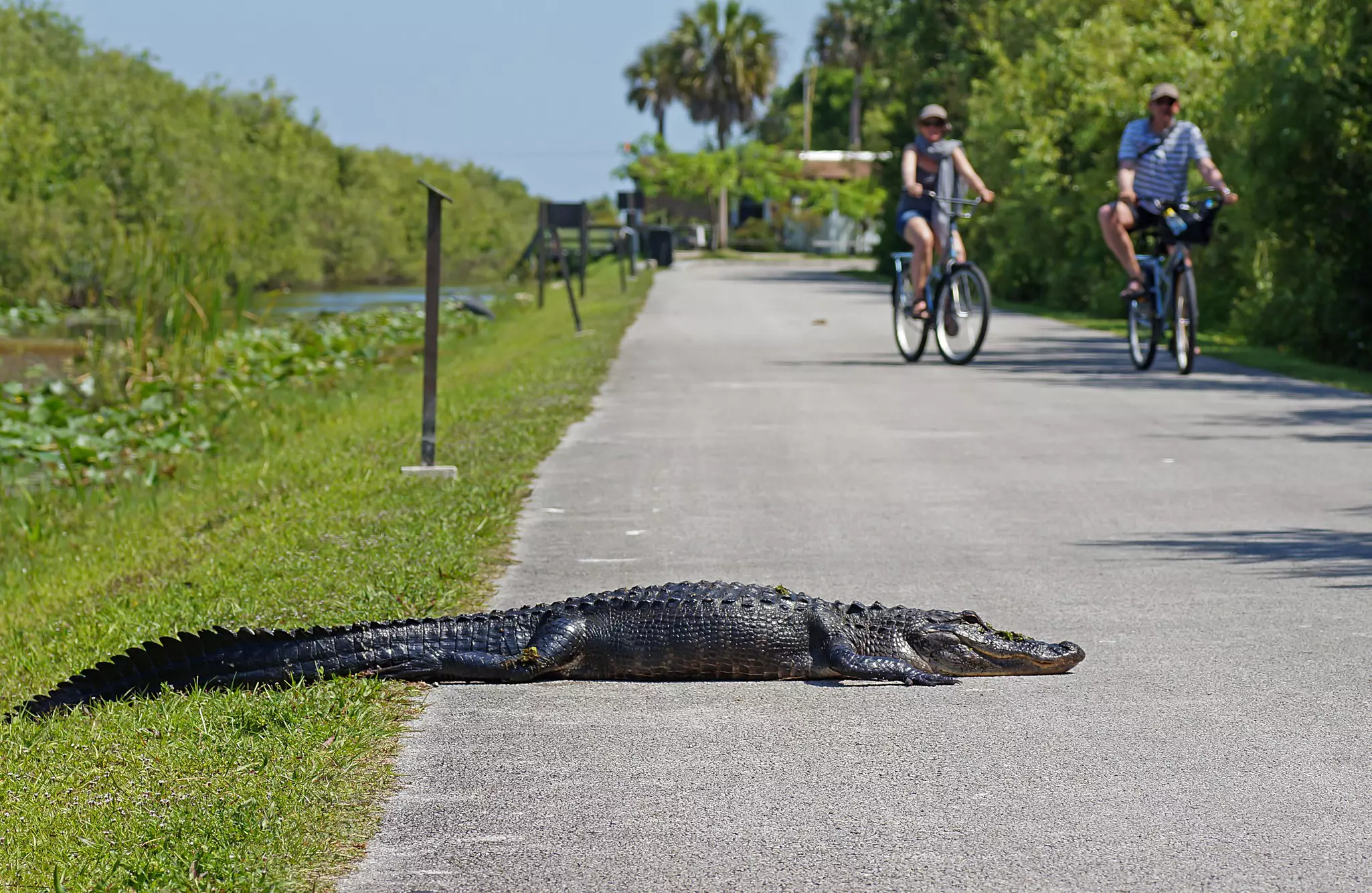
Alligator safety in the Everglades is something newcomers often worry about. Guides will advise you not to paddle around with hands or feet dangling in the water, and you should keep your distance from any gators that you spot, including while walking on trails or kayaking or canoeing in the Everglades. Bring a long camera lens or binoculars for up-close views.
During the scorching summer months, it can be incredibly tempting to take a quick dip in seemingly calm waters, but just remember that there may be alligators, crocodiles, snakes and more lurking below the surface. Only swim in designated safe swimming areas. The wildlife will generally leave you alone, so long as it's reciprocal.
Too many tourists and locals let their guards down in the Everglades every year, with painful results; they forget their sunscreen and sun gear and end up looking like a ripe tomato in the ensuing days. Pack more than enough sunscreen; whether you are canoeing around the Flamingo Visitor Center or birdwatching at Paurotis Pond, you'll need it. Also bring a sun hat, sunglasses and sun-protective clothing for your adventure, and set a timer for reapplying sunscreen.
Explore related stories