Mar 4, 20269 min read
12 of the Best Places to Visit in NamibiaSponsored by
Feb 12, 2026
8 MIN READ
Writer
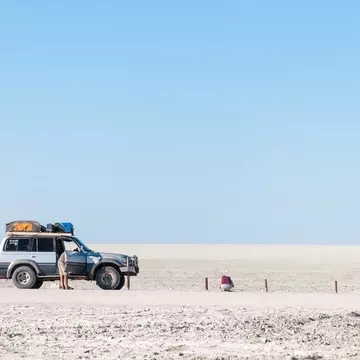
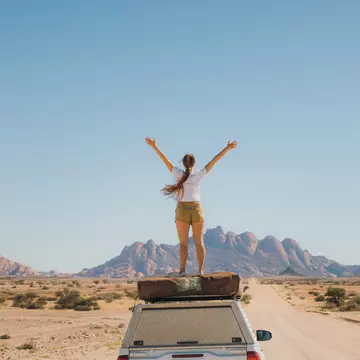
A 4WD on a gravel road in Namibia. Grobler du Preez/Shutterstock

Writer
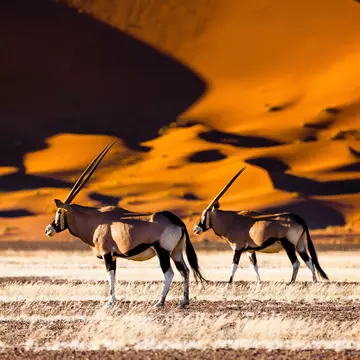
From millions of migrating wildebeest to majestic mountain gorillas to spotting the Big Five on safari, encounters with Africa’s extraordinary wildlife and epic landscapes always amaze. And with natural wonders that hold their own against any other country in Africa (or the world, for that matter), Namibia reveals the power of nature at its rawest and most epic. Few experiences compare to the adventure of a 2000+ mile drive across the country.
Wherever the journey takes you, life on the road in Namibia is a never-ending showstopper. This is a country of endless expanses, where the scenery constantly shifts, from quiver trees to scarlet deserts to roaring ocean tides.
So buckle up – and get ready for the road trip of a lifetime.
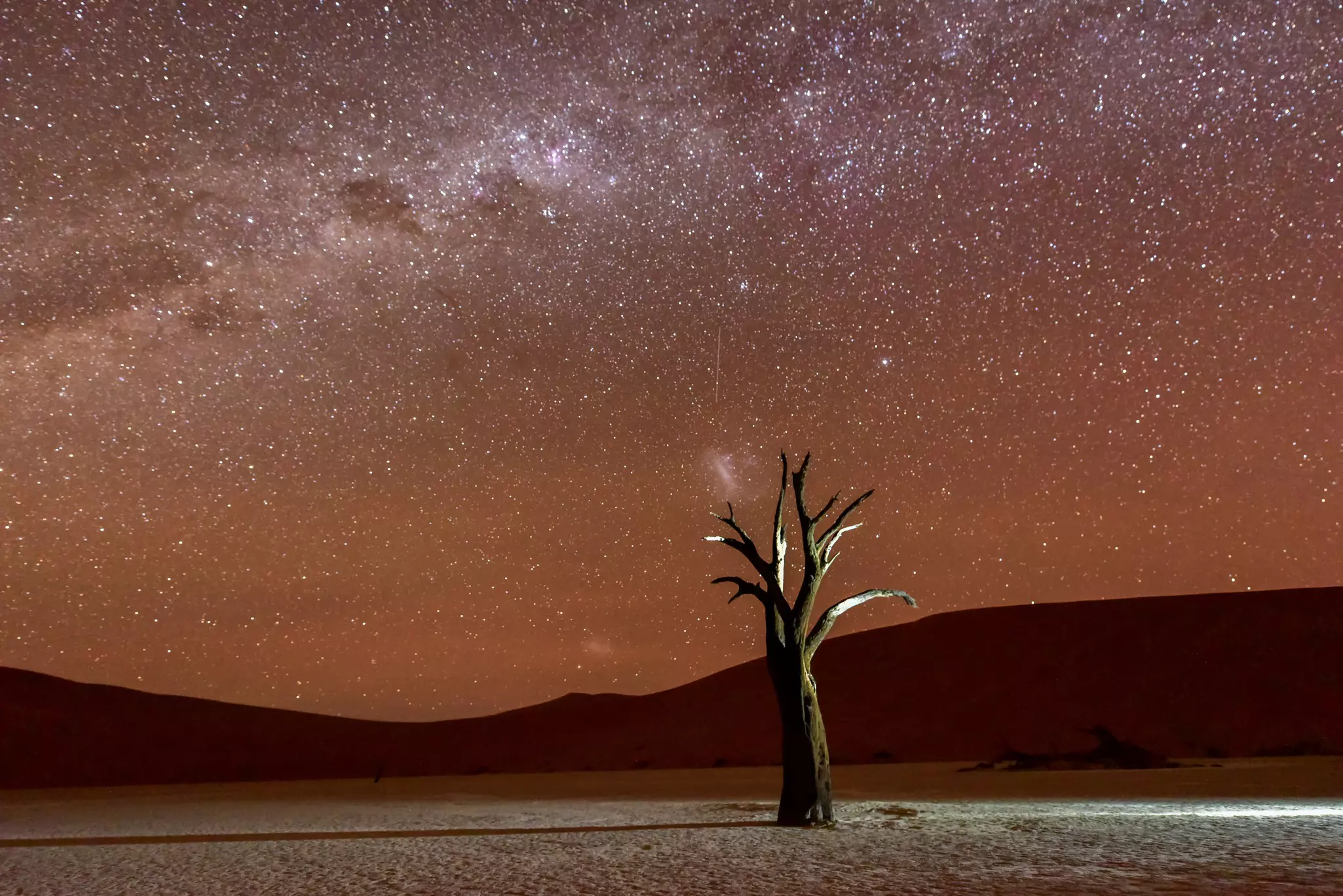
Namibia is a massive country (its very name means “vast place” in Nama), yet one of the least populated in the world. Located on the Atlantic coast of Southern Africa, within its borders are expansive and near-empty coasts, monumental desert dunes, mountain landscapes, an abundance of free-roaming wildlife – and very few population centers. With roads safe to traverse by 4x4, cross-country drives offer one of the few ways to take it all in.
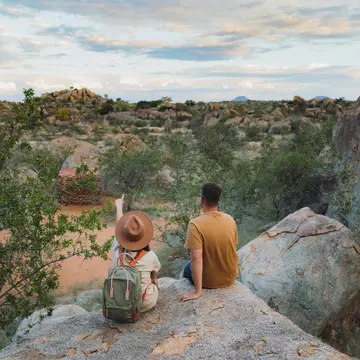
Hopping in a vehicle and into the Namibian wilderness makes for an adventurous getaway for couples of all ages, outdoors-oriented travelers, photographers or anyone who just wants to experience the thrill of being alone in the wild. On the mostly flat-land journey, you can expect big skies and wide-open panoramic views the whole time.
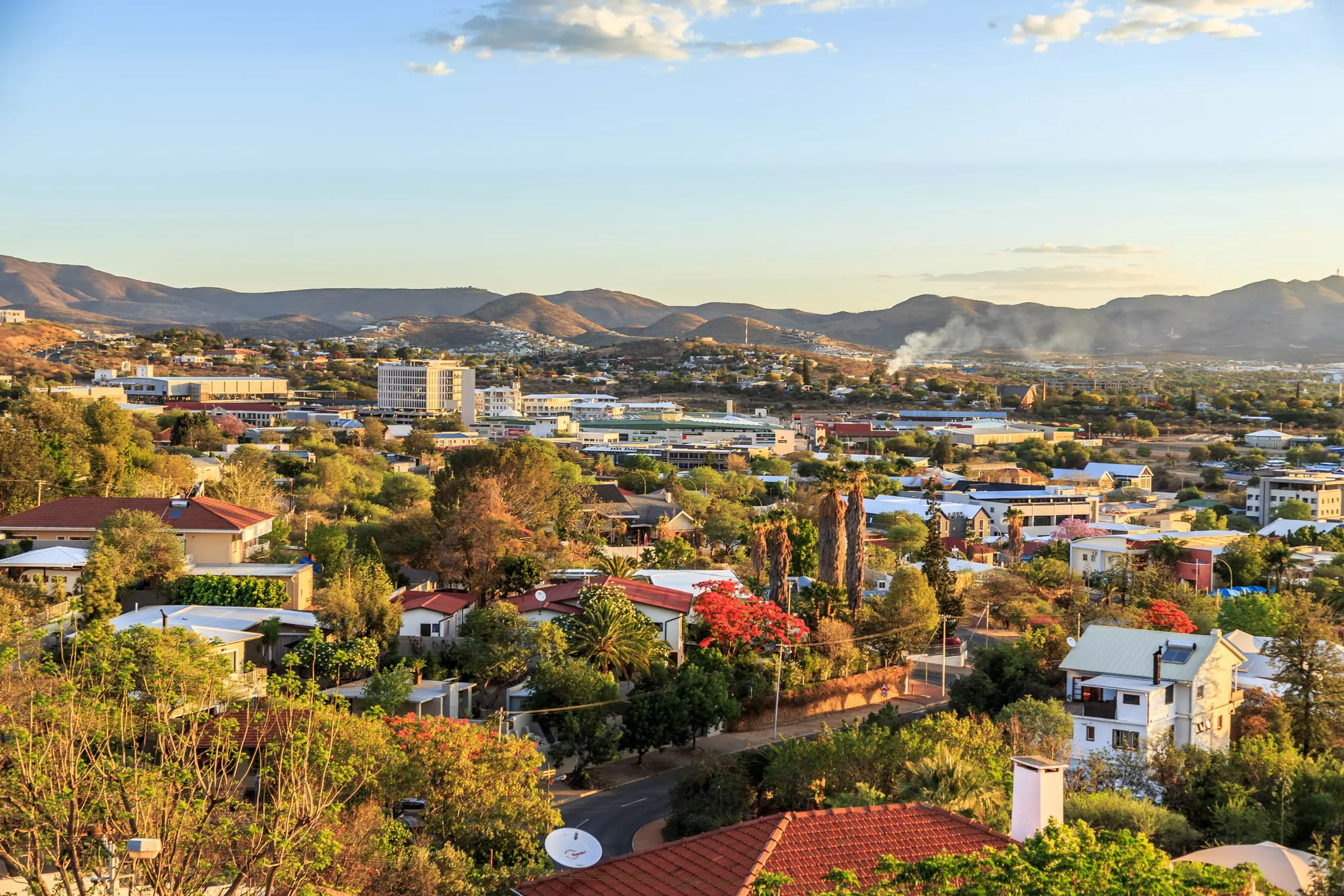
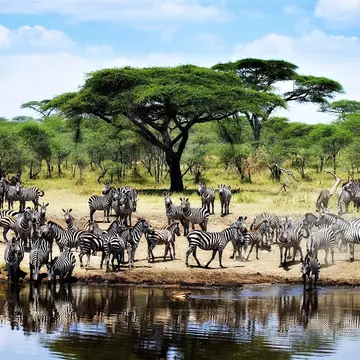
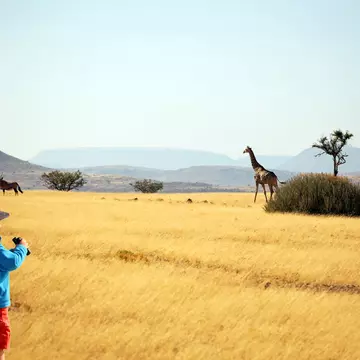
Namibia’s capital and largest city, Windhoek has a population 10 times larger than its next most-populous place. Accordingly, it serves as the starting point for just about any adventure in the country. Locals are ready to rent fully stocked vehicles, share local dishes and prepare you before you escape civilization entirely. But nature encroaches here, too: with several national parks and conservation spaces in the immediate area, don’t be surprised if you see giraffes, zebras or a herd of springbok within minutes of landing at the airport. Such sightings are only a taste of what’s to come once you set out.
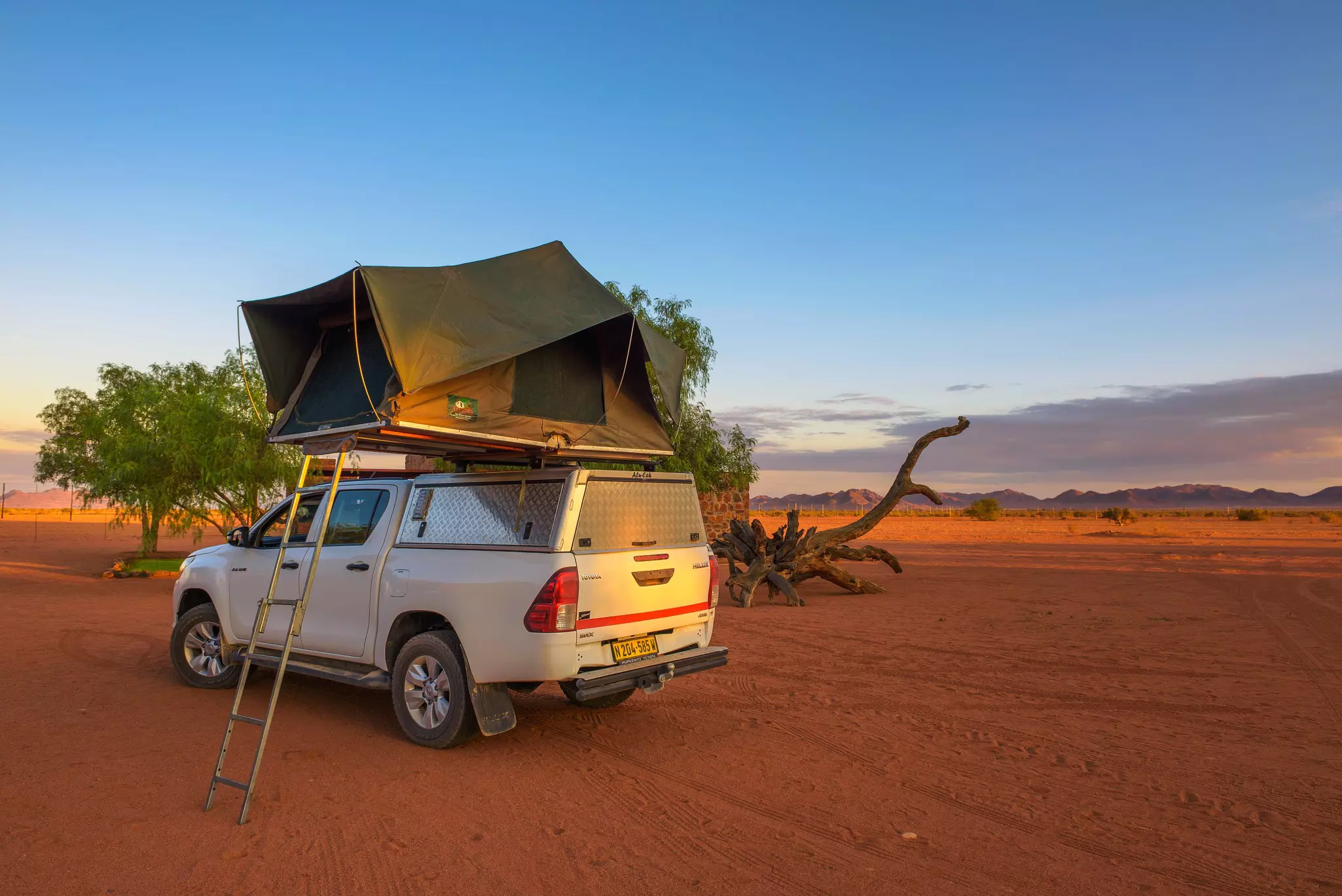
For a budget-friendly and truly immersive trip, road-trippers can consider sleeping atop their vehicles in equipped rooftop tents. This will appeal to free-spirited travelers: without the tether of hotel reservations, traveling for days in complete seclusion becomes possible. Paid camping sites are available throughout the country, each with shared bathrooms, seating areas and views of meandering wildlife. But you don’t need to limit yourself to official sites: many travelers simply pull over to the side of the endless desert roads and hunker down for the night to the beautiful sounds of nature.
Once parked, you can cook and enjoy a night under the stars, with no light pollution to obscure your view. If you choose to camp, packing layers of clothing is essential, since desert temperatures can fall below freezing at certain times of the year. Bug spray is crucial during the rainy season.
If you're looking for more comfort, check into the numerous ecolodges scattered throughout the country. While ecolodge rates aren’t cheap, the premium you’ll pay supports land stewards, helping fund efforts to preserve the surrounding communities and wildlife. At each property, you can expect thoughtfully prepared local dishes, comfortable rooms and glamping tents, as well as a variety of safaris led by expert guides. Namibia’s ecolodge offerings range in amenities and price, with the more-affordable ones forming clusters of up to a dozen camps, and ultra-luxury lodges boasting bungalows with private pools and solitary patios with views of animals gathering at watering holes.
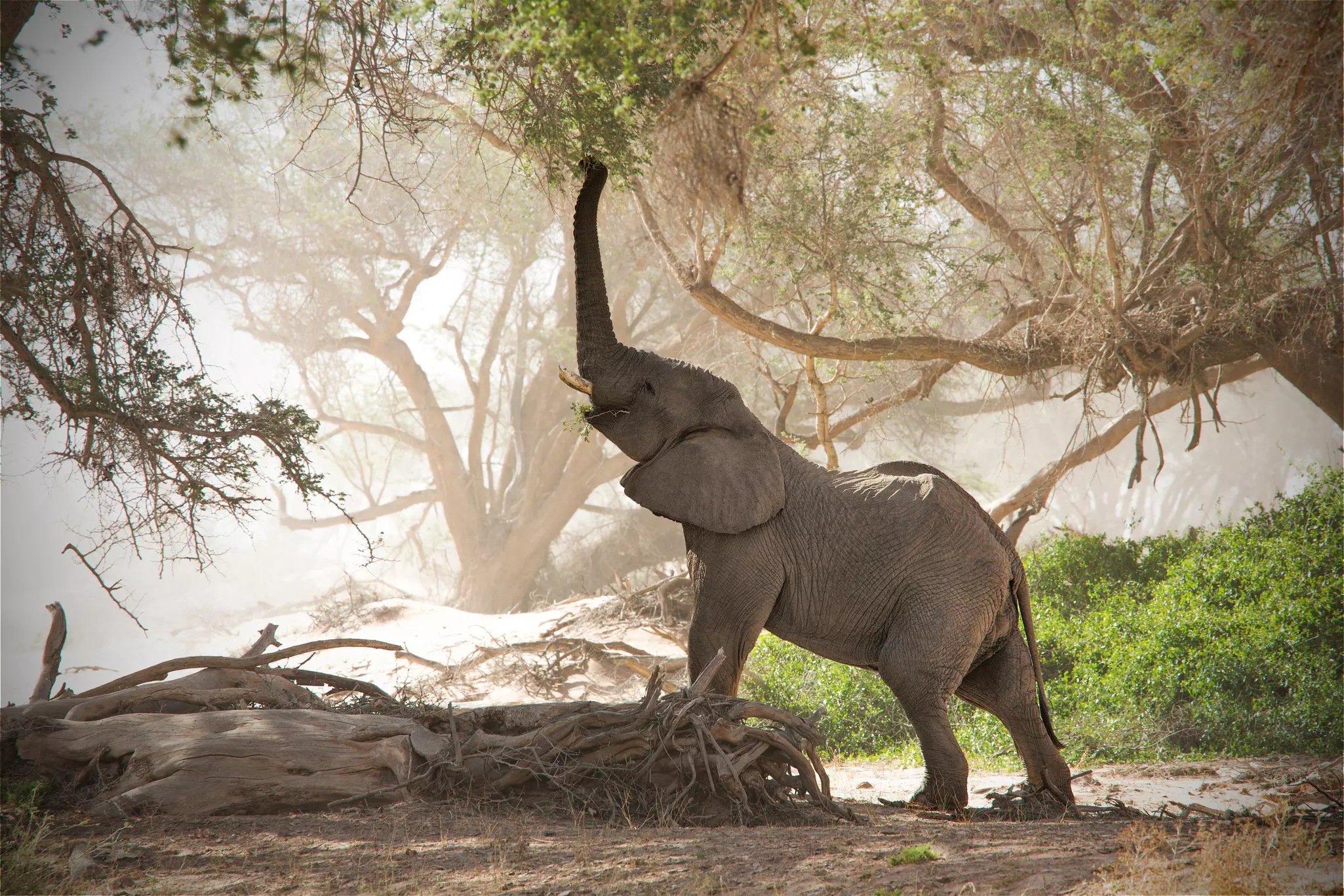
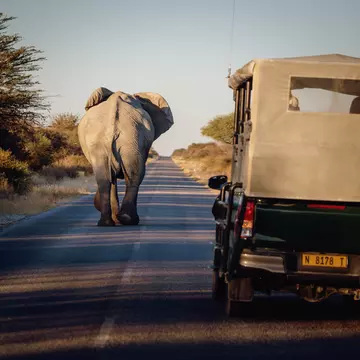
You’ll never forget tracking elephants in Namibia’s remote flatlands, one of Lonely Planet's Best in Travel top experiences for 2026. These desert-dwelling pachyderms, once widespread across Africa, are now found only here. Following the giant footprints of these gentle giants inspires wonder. Admiration, too: desert elephants brave the unthinkable, always protecting their herd – especially their young.
Since Namibia sprawls over 320,000 sq miles, it would take a trip of at least 3 weeks to cover the whole country. Which is why we recommend homing in on either a northern route or a southern route on an itinerary of 9 to 14 days.
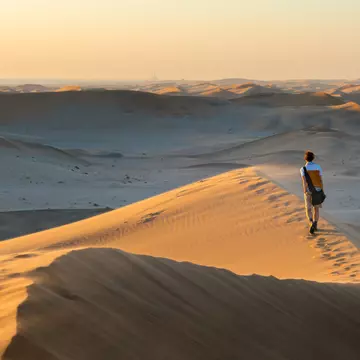
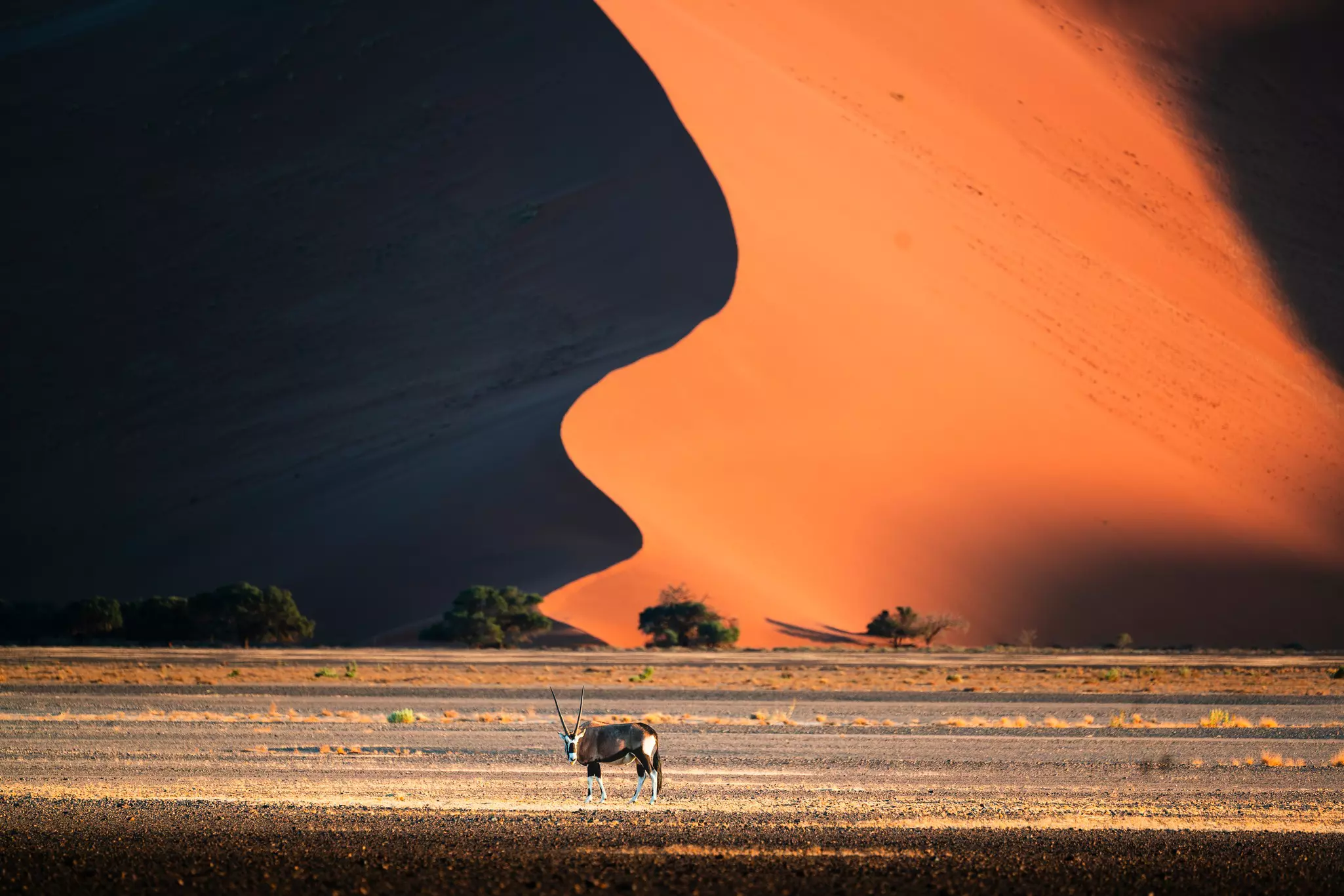
Sossusvlei, a UNESCO World Heritage Site, is Namibia’s most popular destination. Nestled in the center of the country, this is a spot that can be visited regardless of the route you take. Over 50 million years old, the sand in the dunes here has oxidized to a glowing orange-red hue – an otherworldly sight. You can take in the vistas from atop Dune 45, one of the world’s largest; running down it afterward is an absolute thrill. A bumpy ride and a short hike further on, Deadvlei is a white clay pan whose 900-year-old, skeleton-like camel thorn trees make it the most photographed spot in Namibia.
After that, you’ll head either north or south into Namibia’s hinterlands. Both north and south routes have their advantages, but wherever you set out, expect long, breathtaking drives beneath an infinite sky. Make sure you’ve downloaded plenty of playlists, and don’t set out without an old-school paper map of the country, as cellular data is patchy.
Travel Windhoek through the barren Kalahari Desert until you land at the Quiver Tree Forest (Quivers are centuries-old umbrella-shaped trees that are native to the area).
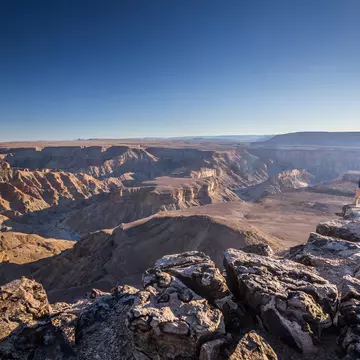
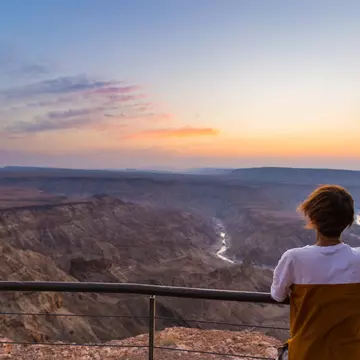
A bit farther south is Fish River Canyon, a 500-million-year-old geological wonder of Africa. You’ll be greeted by towering red rock formations that look like they landed from outer space. Ecolodges have swimming pools with lookout areas and bungalows built into the rocks.
Next, you can drive to the abandoned diamond-mining ghost town of Kolmanskop for an eerie glimpse into its rich past. Along the way, you’ll pass derelict houses that have been uninhabited for decades, where you can stop to explore and stretch your legs.
Further down the road, the landscape shifts again. Star Wars fans will think they've landed in Tatooine, and if you're very lucky, you might see a rare brown hyena in the distance. From there, you can travel east toward the Tiras Mountain Range, where many lodges offer guided astrophotography experiences, wildlife safaris, or the opportunity to relax with a view of the mesmerizing, brightly lit orange rocky mountains.
From Windhoek, head straight west to Swakopmund, Namibia’s largest coastal city. The dunes of the Namib expand all the way to this untamed section of the Atlantic Ocean. If you have an appetite for adventure, take a guided quad bike tour over the dunes and drive along the shore, looking for unique creatures along the way, and listening for the ominous hum of the sand’s friction in the wind.
A desolate drive to the north takes you to a hostile stretch of seaside desert known as the Skeleton Coast. Named for the rusting remnants of shipwrecks that have washed ashore, it is also a graveyard of bleached whale bones.
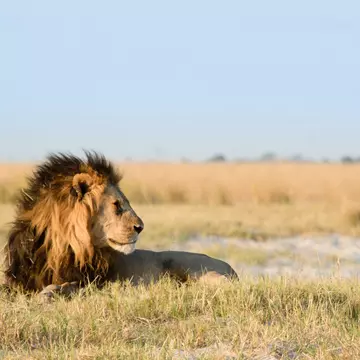
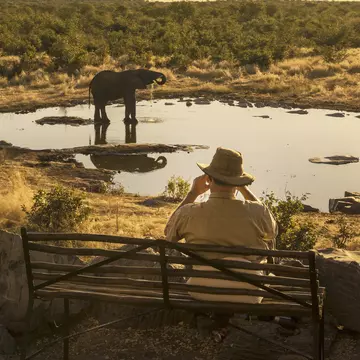
If you’re craving a traditional wildlife safari, head northeast to Etosha National Park, a 100-million-year-old salt pan visible from space. Here you can see big game like cheetahs, giraffes, lions, elephants, and white and black rhinos. Expert guides take you to the best viewing spots and watering holes while teaching you about animal behavior and history.
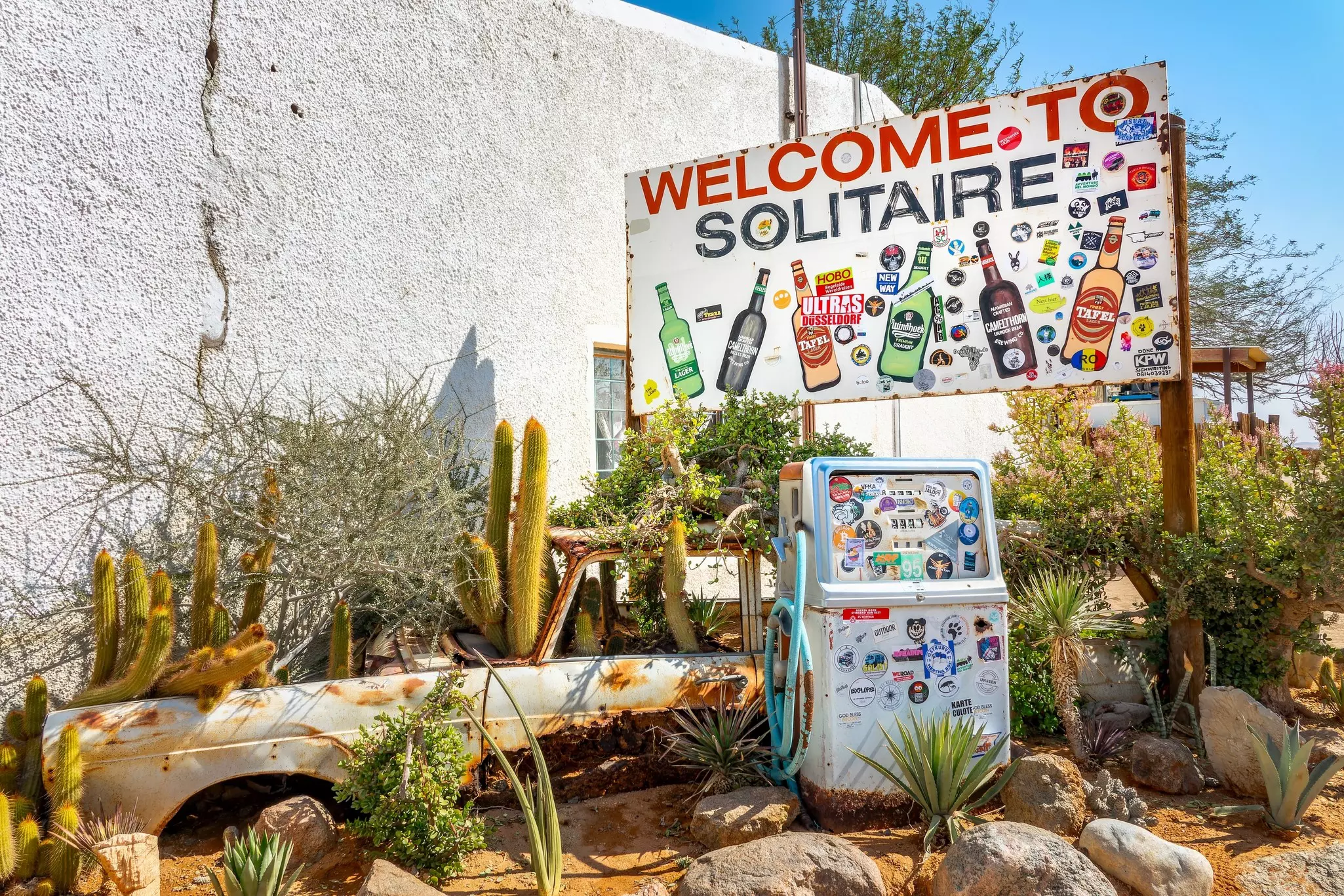
Thrilling though it is, traveling for many hours at a time can leave you wanting the occasional interaction. Luckily, road-trippers in Namibia can find a few memorable stops within its vastness. The location of the only gas station between Walvis Bay and Sossusvlei, the quirky town of Solitaire is filled with photogenic broken-down classic cars, odd signs and decor. And its famous bakery serves unforgettable apple pie.
A surprising Namibian specialty? Locally made gin. Visits to tasting rooms like Naute Kristall (between Keetmanshoop and Kohlmanskop) or Stillhouse Atlantic (on the coast, in Swakopmund) provide a nice break from hours of driving. Buy a bottle or two to use for your nightly sundowners – which will taste especially refreshing with pink tonic water.
Namibia has received accolades for its ecotourism practices and sustainable land management. As the first nation to establish environmental protection in its founding constitution (from 1990), Namibia prioritizes the preservation of land and wildlife across all aspects of travel. Many areas are designated as communal conservancies, allowing local communities to oversee their land and benefit directly from tourism dollars. Which means that however you choose to experience this varied wilderness, you can be sure that your visit contributes to its prosperity and goodwill.
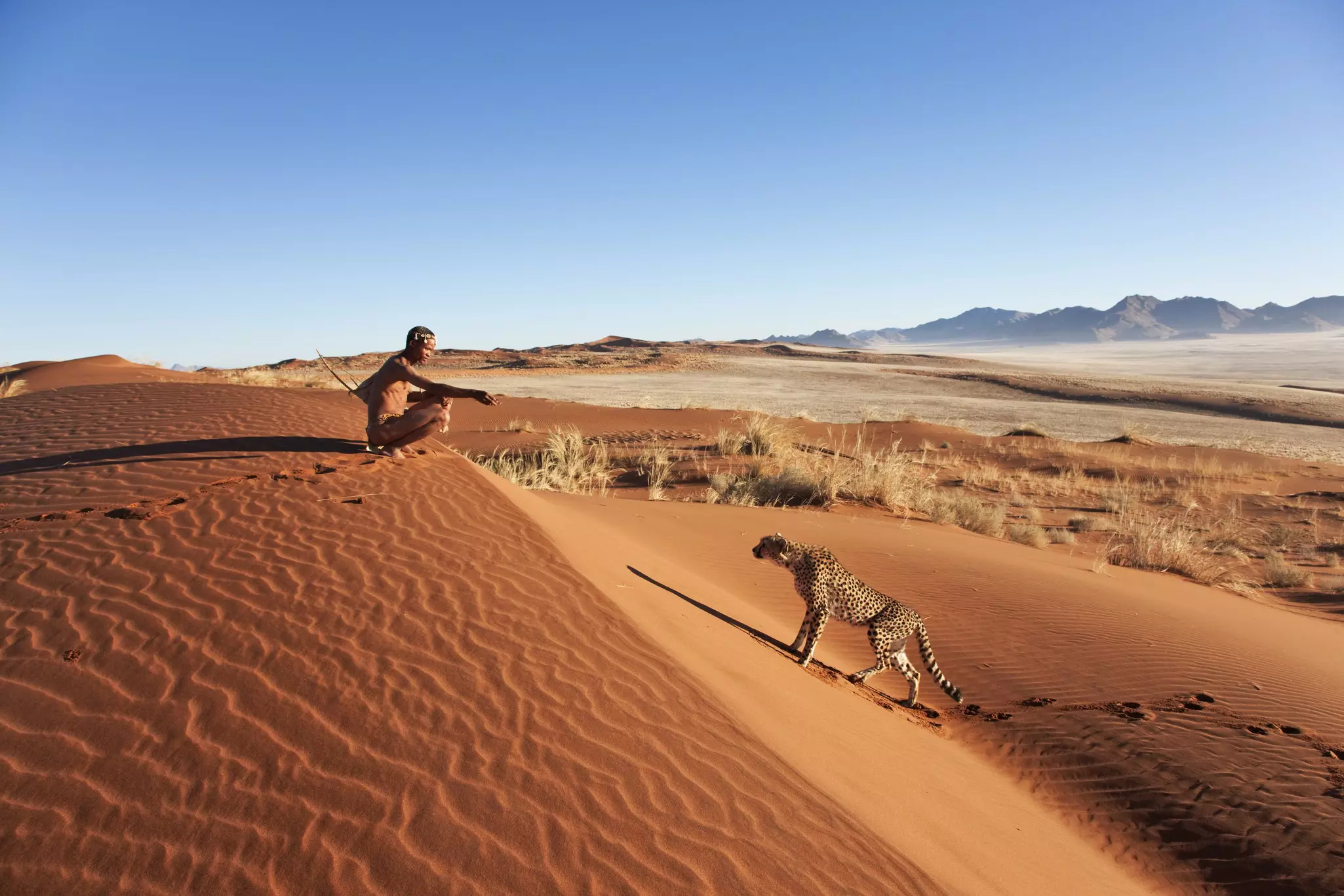
Villages of Indigenous tribes such as the Himba, Herero and San (one of the oldest cultures in the world) offer travelers an unforgettable glimpse into early human civilization. Spending time with Namibia’s Indigenous people is an experience that will change your perspective on life.
Tour operators to help you plan your road trip in Namibia include Go2Africa, C Africa Safaris and Tours and Gondwana Collection.
Explore related stories