Dec 26, 20256 min read
Guide to Gorilla Treks in UgandaDec 26, 2025
6 MIN READ
Writer
Uganda, Bwindi Impenetrable National Park, Bwindi Impenetrable Forest, mountain gorilla

Writer
Lonely Planet may earn a commission from affiliate links on our site. All recommendations and reviews reflect our own independent opinions.
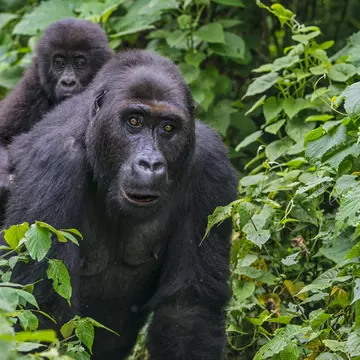
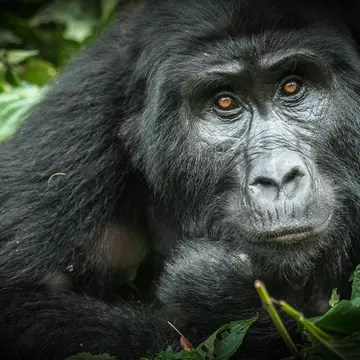
In the dense, mist-covered forests of Bwindi Impenetrable Park and Mgahinga in Uganda, trekkers move quietly through the undergrowth to watch mountain gorillas. We share 98% of our DNA with these majestic creatures. The opportunity to feed, interact and watch them display human-like gestures and emotions is one of those rare wildlife encounters that stays with you long after it ends.
Gorilla trekking brings you eye-to-eye with the mountain gorillas, one of the world’s most endangered great ape species. Uganda hosts roughly half of this population, offering an intimacy that traditional game drives simply can’t match. The global mountain gorilla population is approximately 1060, with 459 in Bwindi and 100 in Mgahinga.
Here is what you need to know to make the most of your gorilla trekking experience.
Uganda offers two prime destinations for encountering mountain gorillas in the wild: Bwindi Impenetrable National Park and Mgahinga Gorilla National Park. Both parks protect several habituated mountain gorilla families that are comfortable with limited human visits. Uganda offers 152 permits daily across 22 habituated gorillas in Bwindi’s four sections: Buhoma, Nkuringo, Rushaga and Ruhija. Mgahinga has two families.
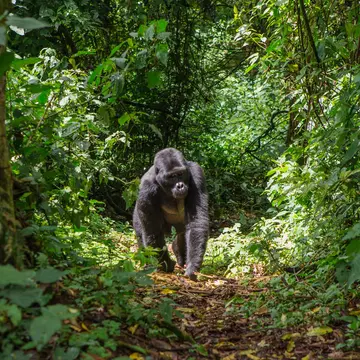
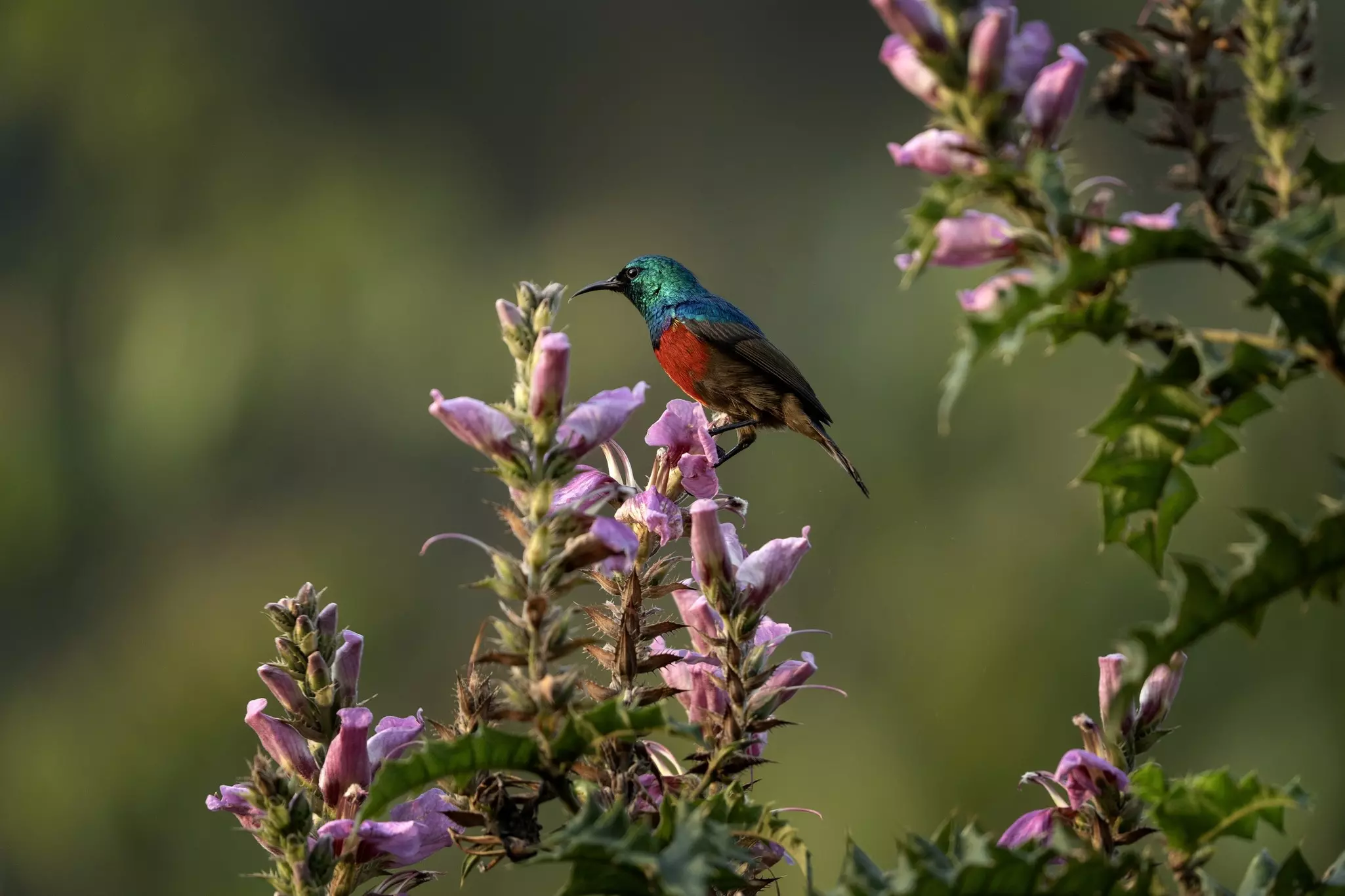
Sprawling and ancient Bwindi is renowned for its thick forest (where it gets the name “impenetrable”) and rich biodiversity, while Mgahinga is characterized by its dramatic volcanic slopes and bamboo zones overlooking the greater Virunga landscape (a group of forested mountains and volcanoes spanning Uganda, Rwanda and DRC that is the last home for the mountain gorillas). Trekking through these forests doesn’t just reveal the gorillas but also the forest itself which is alive with other wildlife including forest elephants, black and white Columbus monkeys, blue monkeys and olive baboons. Bird enthusiasts are also in for a treat as the forest holds over 350 recorded bird species like the hornbills, turacos, sunbirds and raptors.
When you arrive at Bwindi or Mgahinga, you check in at the park headquarters for a briefing on the trekking guidelines, gorilla etiquette and safety. Visitors are often welcomed by a cultural performance from the Batwaa community, the forest’s Indigenous community, before the trek begins. The trek can take two to six hours depending on the gorilla movements, with porters available to assist on steep sections. Once the gorilla family is located, you have at least an hour to observe them and take photos before heading back to the headquarters for a certificate and a well-earned meal.
As of 2025, a one-hour trekking gorilla permit for foreign tourists costs US$800 while the immersive gorilla habituation experience, which allows up to four hours with a gorilla family, costs up to US$1000 and US$1500. The fee includes park entry and the services of trained rangers and trackers. It excludes transport, accommodation, meals or tips. When you factor in lodges and a guided safari, the whole cost would go up to US$1500 to US$3000, depending your lodge choices. Yes, the price tag is significant, but it reflects the exclusivity and the conservation efforts.
Gorilla trekking permits are managed by the Uganda Wildlife Authority (UWA) and cannot be booked directly by the public. I secured mine through a licensed tour operator, and there are many others like Nkuringo Safaris & Lodges, Abercrombie&Kent, Volcanoes Safaris and Great Lake Safaris. They all handle logistics, recommend suitable accommodations and navigate remote terrain around both parks.
Permits can be reserved up to two years ahead mostly through the Association of Uganda Tour Operators (AUTO). They are non-refundable, though UWA offers partial reimbursements depending on how far in advance a cancellation or rescheduling request is made.
Most visitors arrive in Uganda via Entebbe International Airport then connect to other gorilla regions using domestic flights (small Cessna aircrafts) to airstrips like Kihihi, Kayonza or Kisoro depending on your lodge booking. Another option is by road, which is the route I chose.
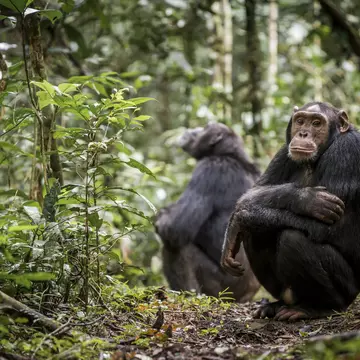
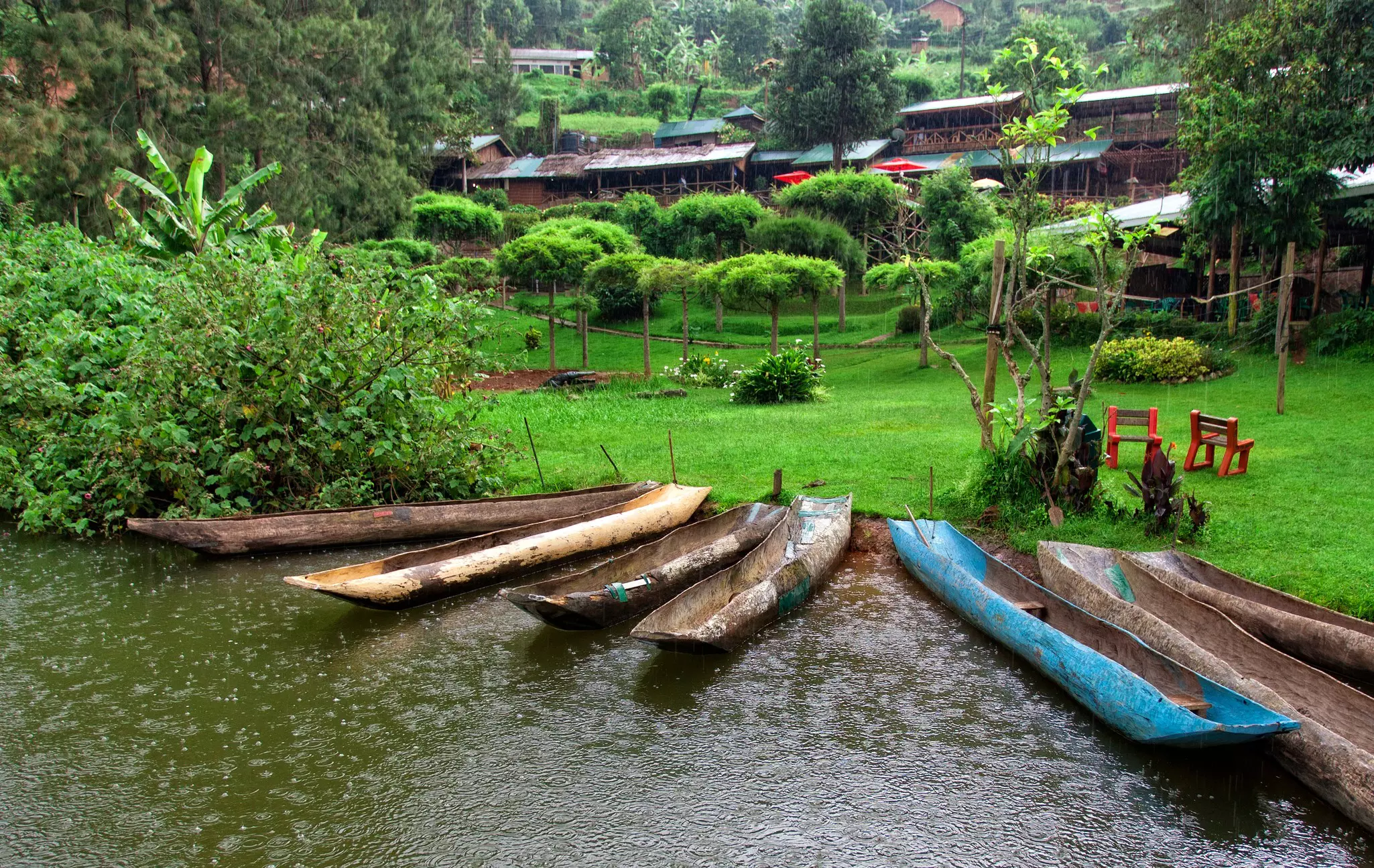
I recommend resting in Kampala before starting an eight-day road trip to Bwindi. The driver allowed me to make several stops to take in panoramic lake views, visit Lake Mburo National Park (where I saw the majestic Ankole cows), wander around Fort Portal town, enjoy a boat safari at Queen Elizabeth National Park, trek with chimpanzees at Kibale and canoe at Lake Bunyonyi.
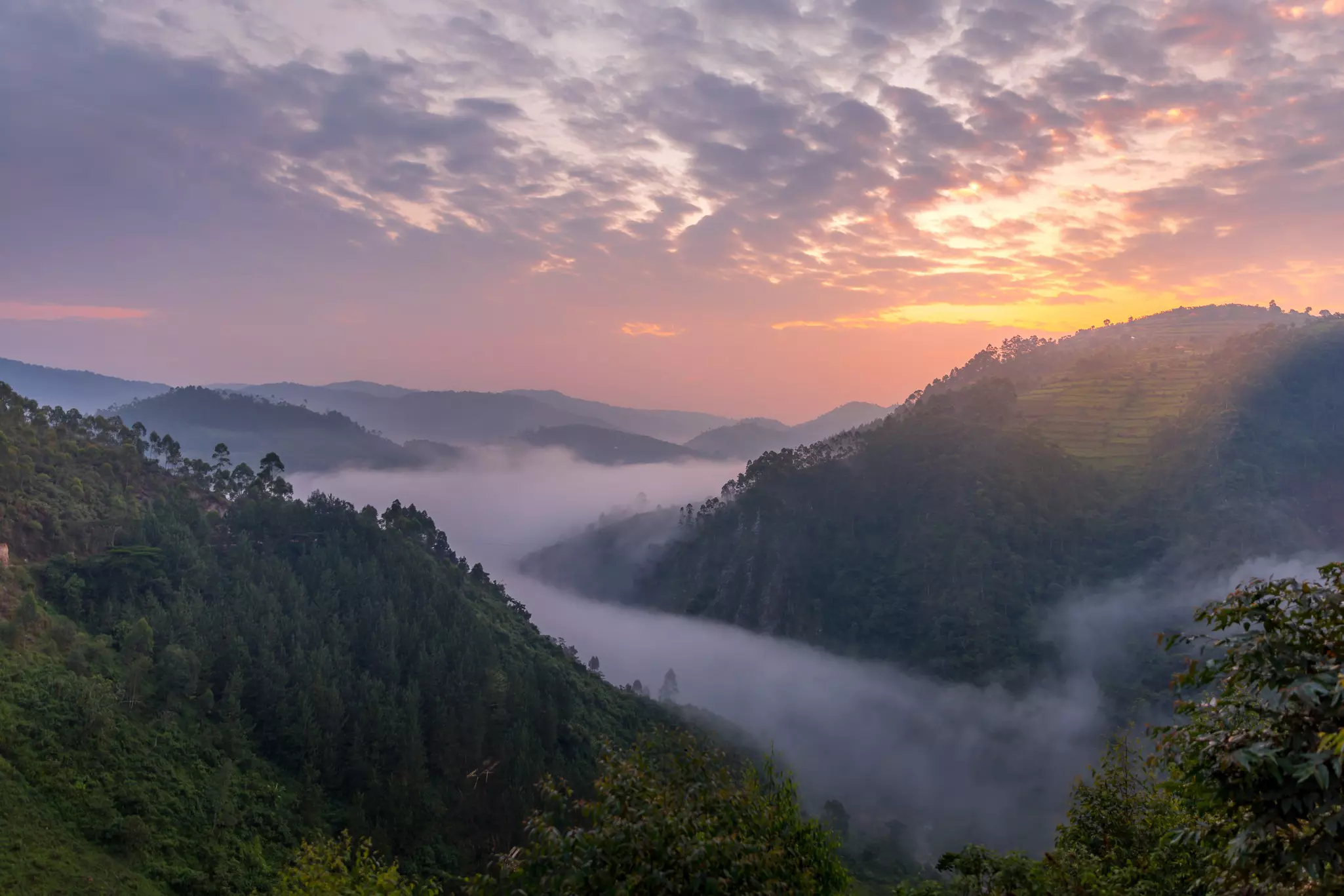
Gorilla trekking is possible throughout the year, but the most favorable months are the dry seasons like June to September and December to February. I traveled in November during long rains, and the trails were muddy, which made the hike more demanding. Even so, the landscapes were incredibly lush and there were noticeably fewer visitors. The drier months offer firmer trails, easier walking conditions and better visibility for spotting wildlife.
Wear waterproof hiking boots with good grip, long sleeves and trousers to protect from undergrowth, and bring a light weight rain jacket in case of showers. Hats and gloves are great for wetter or cooler months, and binoculars and a camera (turn off your flash) are a must to capture the experience fully. Also pack water, high energy snacks, insect repellant and sunscreen.
A moderate level of fitness is required. Gorilla trekking is physically demanding and hikes can last two to six hours through the dense forest, often on steep and muddy paths.
Hiring a porter can ease the journey, and trained rangers are always on hand to support.
Gorilla trekking in Uganda is ethical and safe if you do it responsibly. UWA carefully regulates trekking permits, limiting groups to no more than eight people per gorilla family, requiring surgical masks in every encounter (to prevent spreading human diseases and infections) and enforcing a minimum distance of 7 meters. Visitors must also avoid flash photography and follow the ranger’s instructions during the trek.
Guides and rangers are trained to ensure safety while minimizing the disturbance of the gorillas. Additionally, the trekking fees support conservation communities like the Batwaa, meaning each visit contributes directly to protecting wildlife and livelihoods.
Choosing the right accommodations will enhance your gorilla trekking experience. During my trip, I stayed at Gorilla Camp Uganda in Rushaga, combining affordability with ease of access to the trails. I also enjoyed the Batwaa dance while at the lodge, which gave me a closer interaction with the local community. Other options include Nkuringo Gorilla Lodge, which has an elevated view of the forested valleys and nearby hills, ideal if your trekking permit lands you in the southern part of Bwindi and Gorilla Safari Lodge in Rushaga. High-end lodges are expanding in the coming years, including the rebuilt A&K Sanctuary Gorilla Forest Lodge and Asilia Erebero Hills.
For Mgahinga National Park, Mount Gahinga Lodge is ideal. Its private balconies overlook the stunning views of Virunga volcanoes.
Book your Uganda trip with Lonely Planet Journeys
See Uganda how it's meant to be seen
Planned by local experts and tailored to you, Lonely Planet Journeys handles the logistics so you can just enjoy the trip. Tell us what you want and we'll build your Uganda itinerary from scratch, or browse our bookable trips to get inspired.

Explore related stories