May 25, 20268 min read
A Guide to County Donegal, IrelandMay 25, 2026
8 MIN READ

Writer
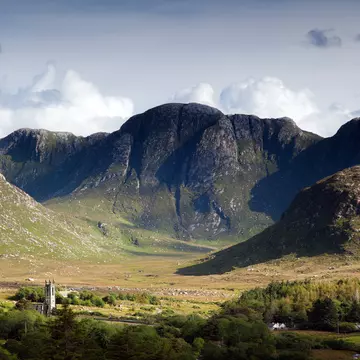
The Poisoned Glen in Dunlewey, Donegal. Willie Dillon/Shutterstock

Writer
Highlights
Inishowen-based writer Kathy Donaghy guides a first-timer's trip through County Donegal.
Visit May to September for the best weather; July and August bring town festivals.
Take a boat from Teelin Pier to Slieve League, among Europe's highest accessible sea cliffs.
Walk Pollan Beach to Carrickabraghey Castle, then try the chowder at Nancy's Barn, Ballyliffin.
Lonely Planet may earn a commission from affiliate links on our site. All recommendations and reviews reflect our own independent opinions.
The island's most northerly county packs a punch in terms of dramatic coastal scenery, meandering mountain roads and spectacular beaches. Donegal’s off-the-radar energy is a must for any intrepid traveller. With its jaw-dropping sea cliffs and hidden coves, it’s not unusual to find yourself the only person enjoying an endless Atlantic strand.
Renowned for its rich Gaeltacht (areas in Ireland where the Irish language, Gaeilge, is predominantly spoken) and traditional music heritage, it’s also home to some wonderful old pubs where you can grab a pint and start chatting to the welcoming locals at the bar. Often referred to as the "forgotten county," it’s a corner of Ireland that you’ll never forget and will keep returning to.
For most travellers, the best time to visit Donegal is between May and September, when the weather is best. June, July and August are typically the warmest months, with January, February and March being the coldest. School holidays in June, July and August can mean an increase in visitors to beach destinations, so bear this in mind when planning your trip.
Many towns and villages host summer festivals in July and August, and it’s a great way to soak up the atmosphere and experience the traditions and cultural associations of the place you’re visiting. Prices may also be higher in the summer months, and accommodation options are likely to book up more quickly.
Like anywhere in Ireland, rain is always a possibility – pack your waterproofs, or at least a light rain jacket. If you are considering travelling in winter, you’ll be rewarded with the sight of the raw power of the Atlantic Ocean unleashed, scenic walks entirely to yourself, and cosy, festive pubs.
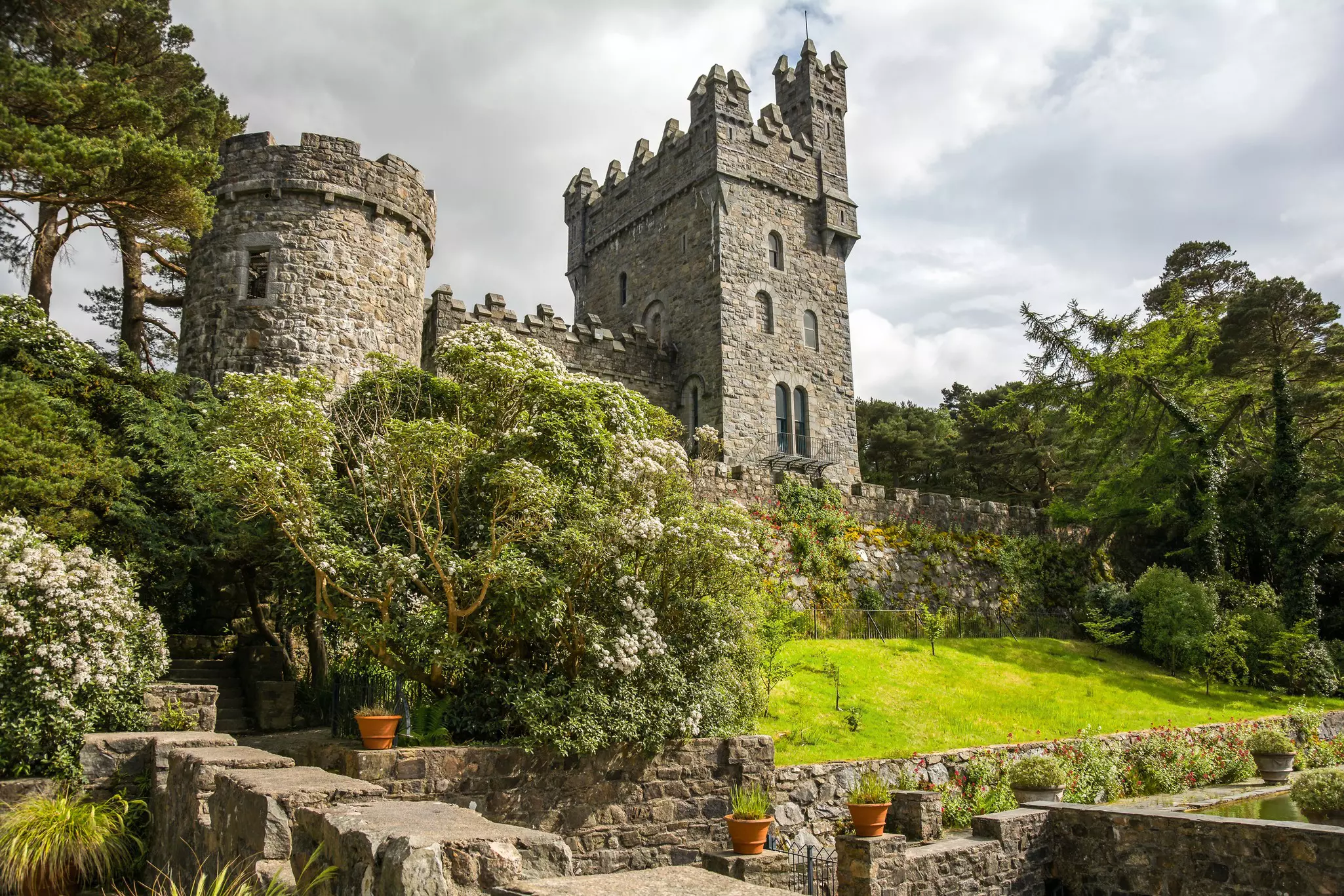
As Ireland’s fourth-largest county, you’ll need to concentrate on one or two particular areas if you only have a few days. Base yourself in the south-west of Donegal, where you have access to the Slieve League Peninsula, taking in the awe-inspiring sea cliffs by boat and stopping for a dip and a sauna at Teelin Pier. Make time for a trip to the fishing town of Killybegs for some fish and chips and a visit to St John’s Point. Glenveagh National Park is the jewel in Donegal’s crown in terms of outdoor adventures. With its castle, gardens, cycle and hiking trails, you could fill several days just meandering around the park.
If you have three or four days, drive part of Donegal’s stunning Wild Atlantic Way, stopping in Donegal Town for a visit to the historic castle. Adding on a trip to one of Donegal’s offshore islands is a wonderful way to experience life at a slower pace. Travel to Tory Island or Arranmore Island and soak up their rich, storied pasts, stopping for a pint and a traditional music session in one of the local pubs. Make sure to catch some waves in Bundoran or Rossnowlagh on your return to the mainland.
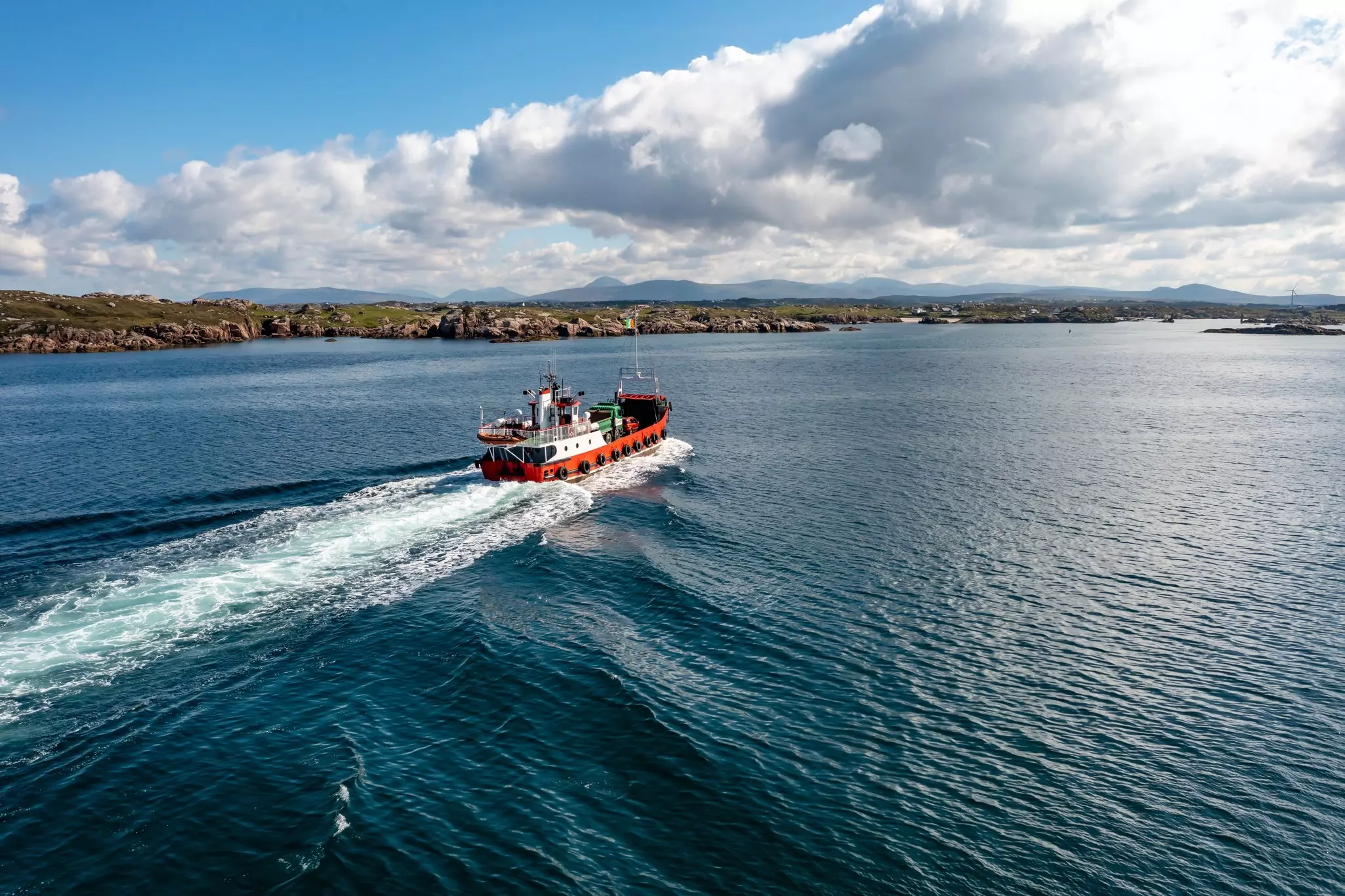
Flying into Donegal Airport from Dublin offers a stunning bird’s eye view of the county’s coastline. It is an unforgettable experience, so much so that for three years in a row, it was voted the most scenic airport in the world. There are two flights a day from Dublin Airport, which is a 3½-hour drive away, and Belfast City and International Airport are two hours away. Towns and villages in Donegal are well served by Local Link buses, but there are no trains.
The best way to see the county is by car – car rental firms are located in Letterkenny and Donegal Town, as well as at the airports, though these tend to be more expensive. The islands of Tory and Arranmore are served by multiple sailings every day.
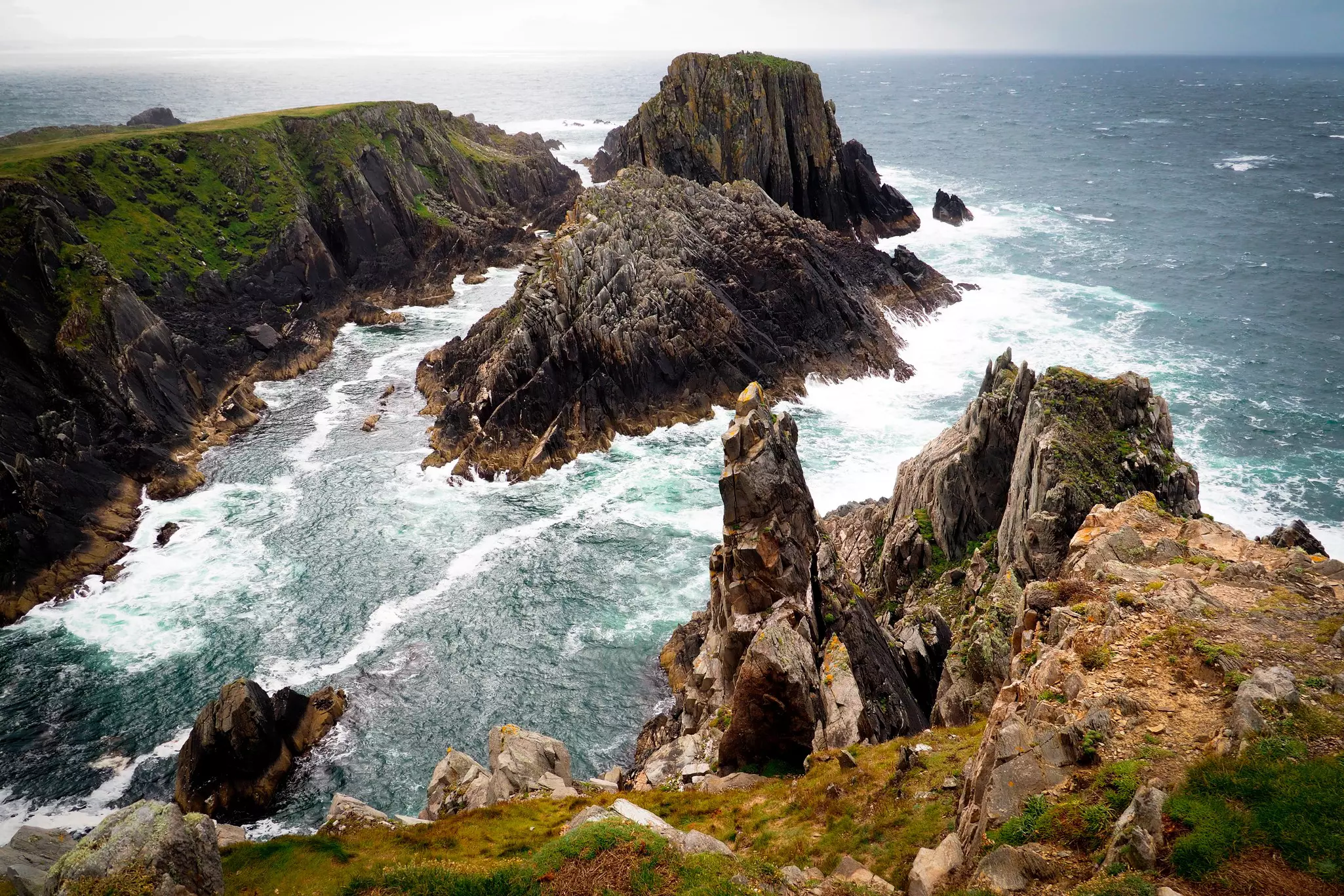
Known as "Ireland in miniature," the peninsula at the northern tip of Donegal has mountains at its centre and is almost completely surrounded by water, hemmed in by Lough Foyle, Lough Swilly and the Atlantic Ocean. From Banba’s Crown at Malin Head, you can walk along the edge of Ireland, taking in stunning sea views, keeping your eyes open for whales, dolphins and basking sharks. Stop for a pint at Farren’s Bar and refuel on their open crab sandwiches.
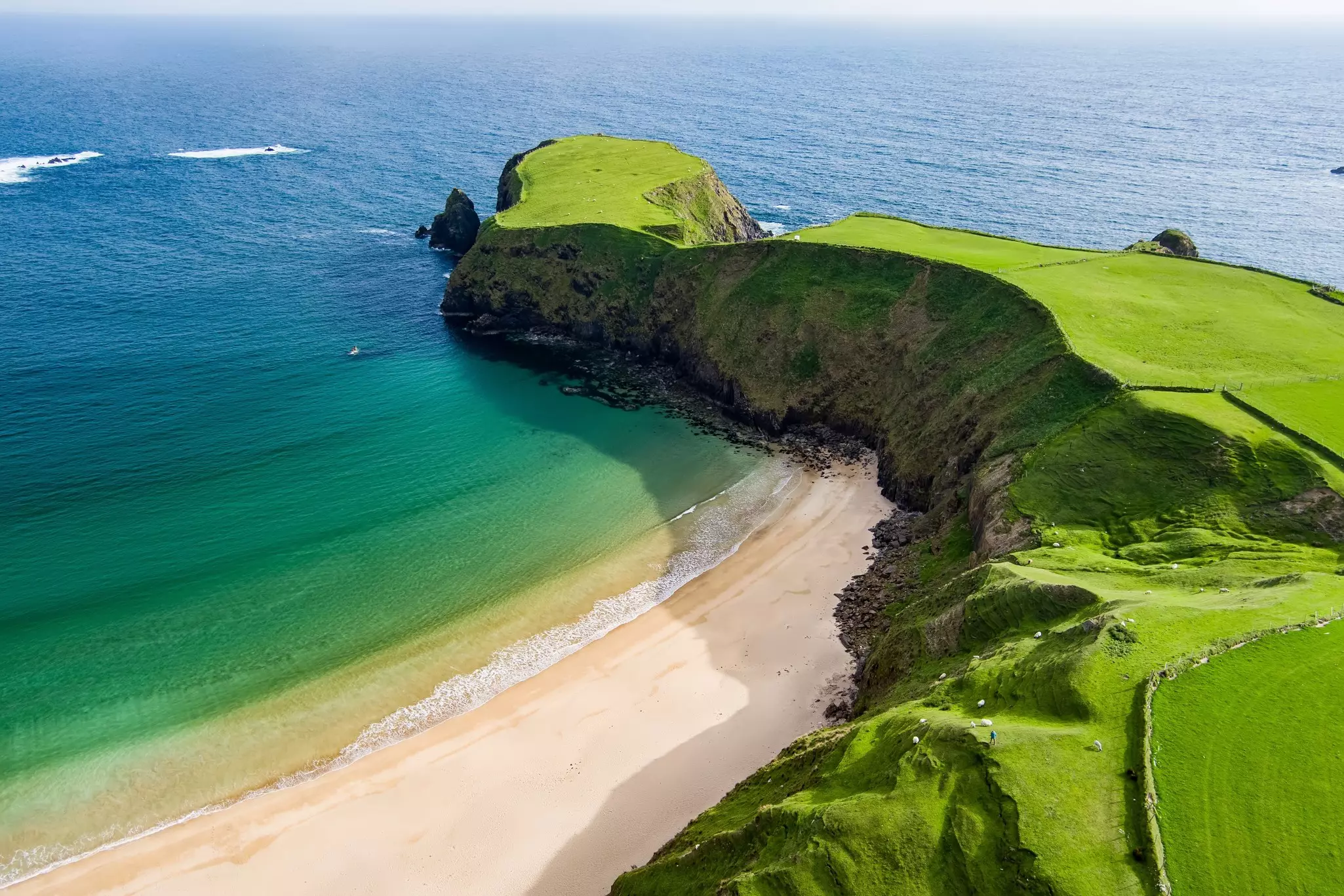
Standing at an impressive 601 meters, Slieve League are the highest accessible sea cliffs in Europe. You can take in the views from Bunglass Point or take a boat trip to the base of the cliffs from Teelin Pier. On a fine day, you can cool down with a refreshing dip off the boat. One of Donegal’s finest swim spots at Silver Strand, also known as Malinbeg Beach, is a 25-minute drive from the pier.
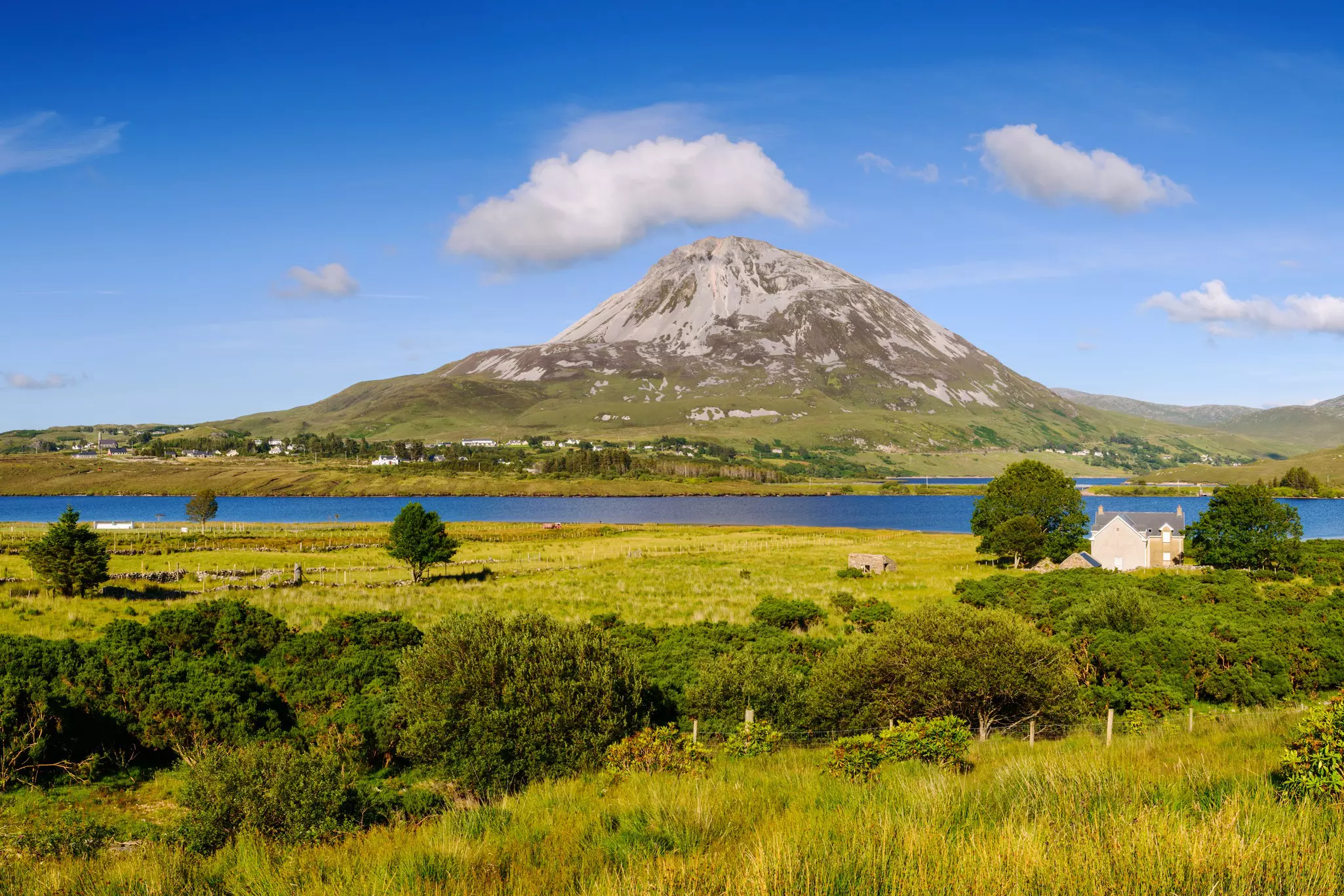
Standing at 751 meters tall, Errigal – in the heart of the Derryveagh Mountains – is the tallest and steepest of Donegal’s Seven Sisters range. The 4.5km hike takes around 1½ to 2 hours to complete, but on a clear day you’ll be rewarded with stunning views of Lough Altan and Dunlewey Lough below. In recent years, a lot of work has gone into making the path to the mountain's base more accessible. Experiencing the sunrise from Donegal’s peak is otherworldly.
Oideas Gael in the pretty village of Glencolmcille offers immersive residential courses in the Irish language (Gaeilge), catering for absolute beginners and those more fluent. Some courses mix art, poetry and hillwalking while also brushing up on your new linguistic skills. The local pubs host regular traditional music sessions, so you can sample the authentic Irish experience as you learn.
Whatever the weather, I love taking the coastal walk at Pollan Beach to Carrickabraghey Castle on the Inishowen Peninsula. Here, the waves are always giant rollers, and I love keeping my eyes peeled for the gannets and gulls as they dive bomb into the ocean. If you’re lucky and the sea is furious, the spray is thrown high into the air at a blowhole by the castle. I love to finish my bracing walk with a visit to Nancy’s Barn in the nearby village of Ballyliffin for a bowl of its award-winning seafood chowder.
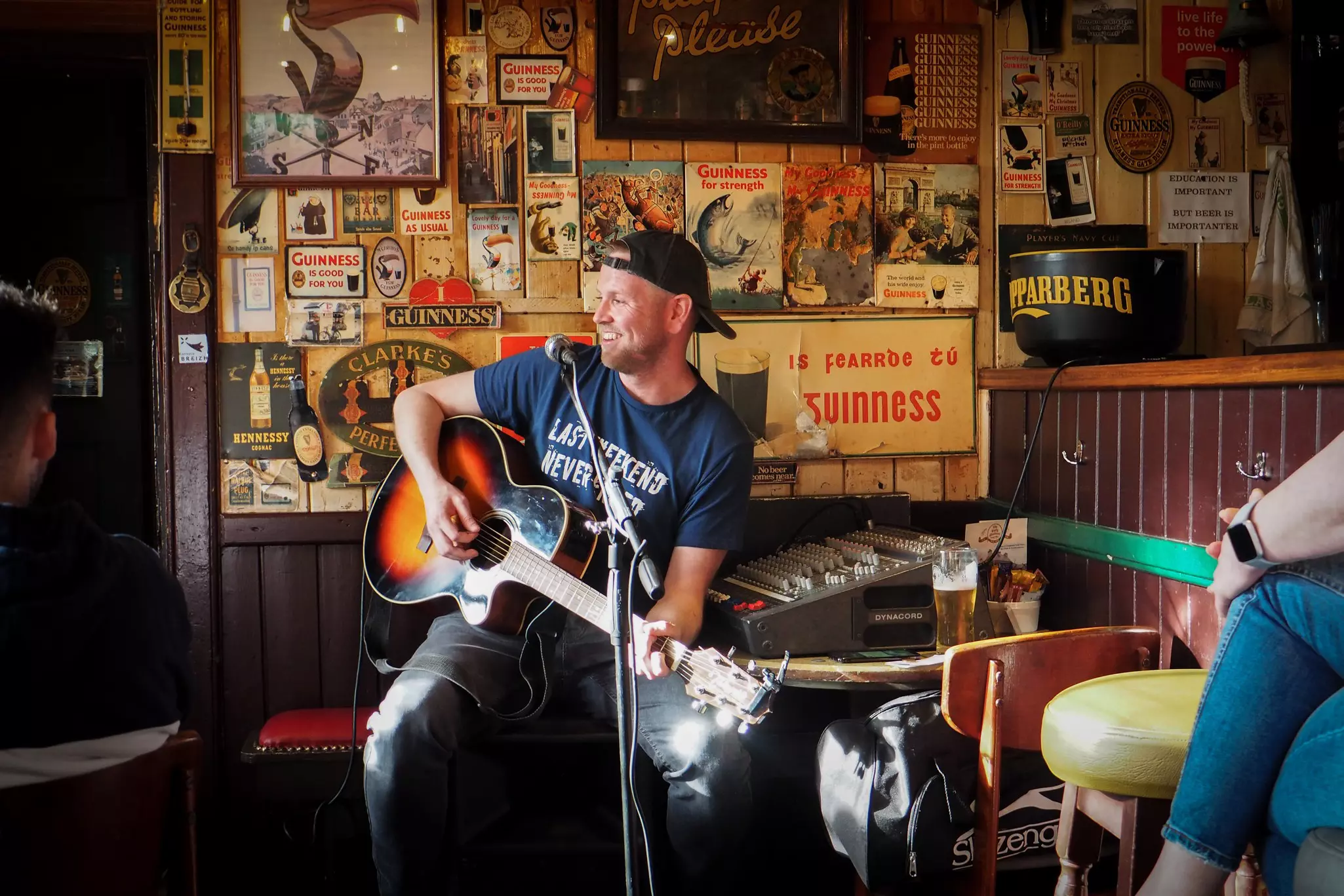
Donegal’s tourism infrastructure isn’t as developed as in other parts of Ireland, and it’s possible to get great value for money in hotel stays, especially midweek. Eating out is also cheaper than in many parts of the country.
Cash is king and many premises have "cash preferred" signs on their walls, although most take debit and credit cards. It is a good idea to withdraw cash from a local ATM, so you’re not disappointed if your card can’t be used at a beachside coffee van or small pub.
Overnight bed and breakfast at McGrory’s three-star hotel in Culdaff: from 165 Euros (€)
Boat trip at Slieve League: €28 per adult
Pint of Guinness at The Rusty Mackerel, Teelin: €6
Entry to the Castle at Glenveagh National Park: €10 per adult; children under 6 go free
Bike hire at Glenveagh National Park: €16.50 for 3 hours
Bowl of Chowder from Nancy’s Barn, Ballyliffin: €10.95
Sauna session at Cocoon Sauna Portnablagh Pier: €15
Turkey and ham Sunday lunch at Biddy’s O’Barnes in the Barnesmore Gap: €21
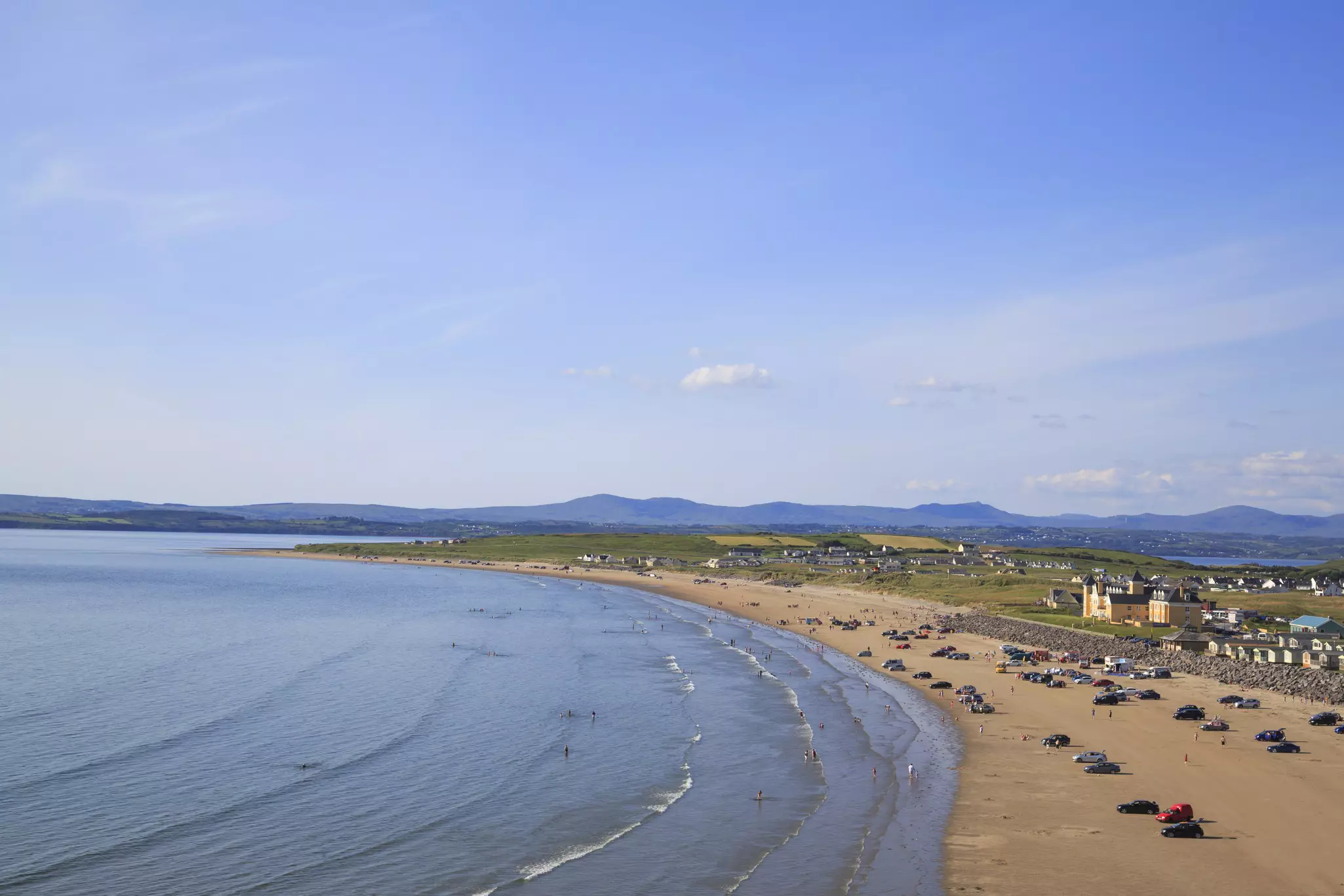
Donegal is a wild swimmer’s dream, but many beaches have dangerous currents; it’s best to check with locals if a swim spot is safe and to check the tides. Throughout July, there are lifeguards at the county’s Blue Flag beaches, and these are generally considered safe places to swim. Your togs and a towel are must-have items on any trip to the county.
Donegal’s terrain is hilly, boggy and mountainous. It’s possible to have four seasons in one day in the wilds of Glenveagh National Park or in the Derryveagh Mountains. If you are out and about, make sure to pack your wet gear and a few layers, as it gets colder the higher you climb.
Many towns and villages have festivals and events during the summer for all ages. It’s a good idea to check local newspapers for upcoming events or pop into local tourist offices to see what’s happening while you're there.
Explore related stories