Jul 23, 20268 min read
How to Visit Indonesia's Gili Islands on a BudgetJul 13, 2026
5 MIN READ

Writer
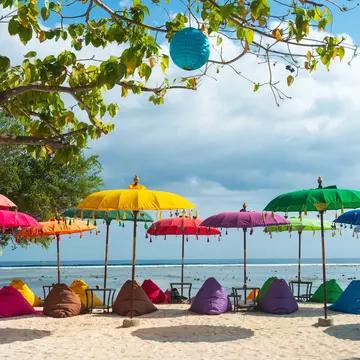
Gili Gede, Indonesia. Wissuta.on/Shutterstock
Writer
Highlights
Lombok-based writer Leyla Rose breaks down the best seasons to visit the Gili Islands.
July and August are peak season; Gili Trawangan parties nightly while Gili Meno suits honeymooners.
Visit April to June for dry-season snorkeling, or September for the Gili Festival on Trawangan.
October to November and January to March bring lower prices, spa days and quieter beaches.
Lonely Planet may earn a commission from affiliate links on our site. All recommendations and reviews reflect our own independent opinions.
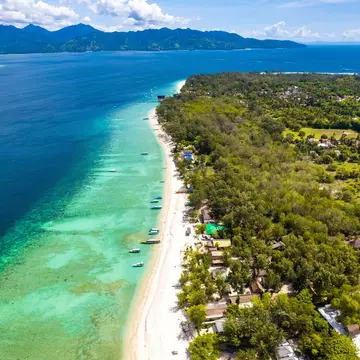
Gili Air, Gili Meno and Gili Trawangan – three islands off the coast of Lombok – are the ultimate tropical escape. Thanks to a ban on motor vehicles, the islands feel like a whole world away from Bali’s crowded streets, allowing you to soak up the peaceful atmosphere and fully disconnect among palm trees and powdery beaches no matter when you visit.
As a rule of thumb, Indonesia has two seasons: the wet season and the dry season. While it varies in each region, the dry season in central Indonesia (Bali, Lombok and the Gili Islands) runs from April to September, making it the best time to visit the Gili Islands if you want to enjoy the beaches and other outdoor activities. If you visit during the wet season (October to March), expect hot and humid days, tropical downpours and occasional thunderstorms.
That said, the weather in the Gili Islands isn’t as extreme as other places in Indonesia. The islands have their own microclimate and experience less rain than mainland Lombok. Temperatures remain constant throughout the year, ranging between 27–32°C (80–90°F).
To get the most out of your trip, here are the best times to visit the Gili Islands.
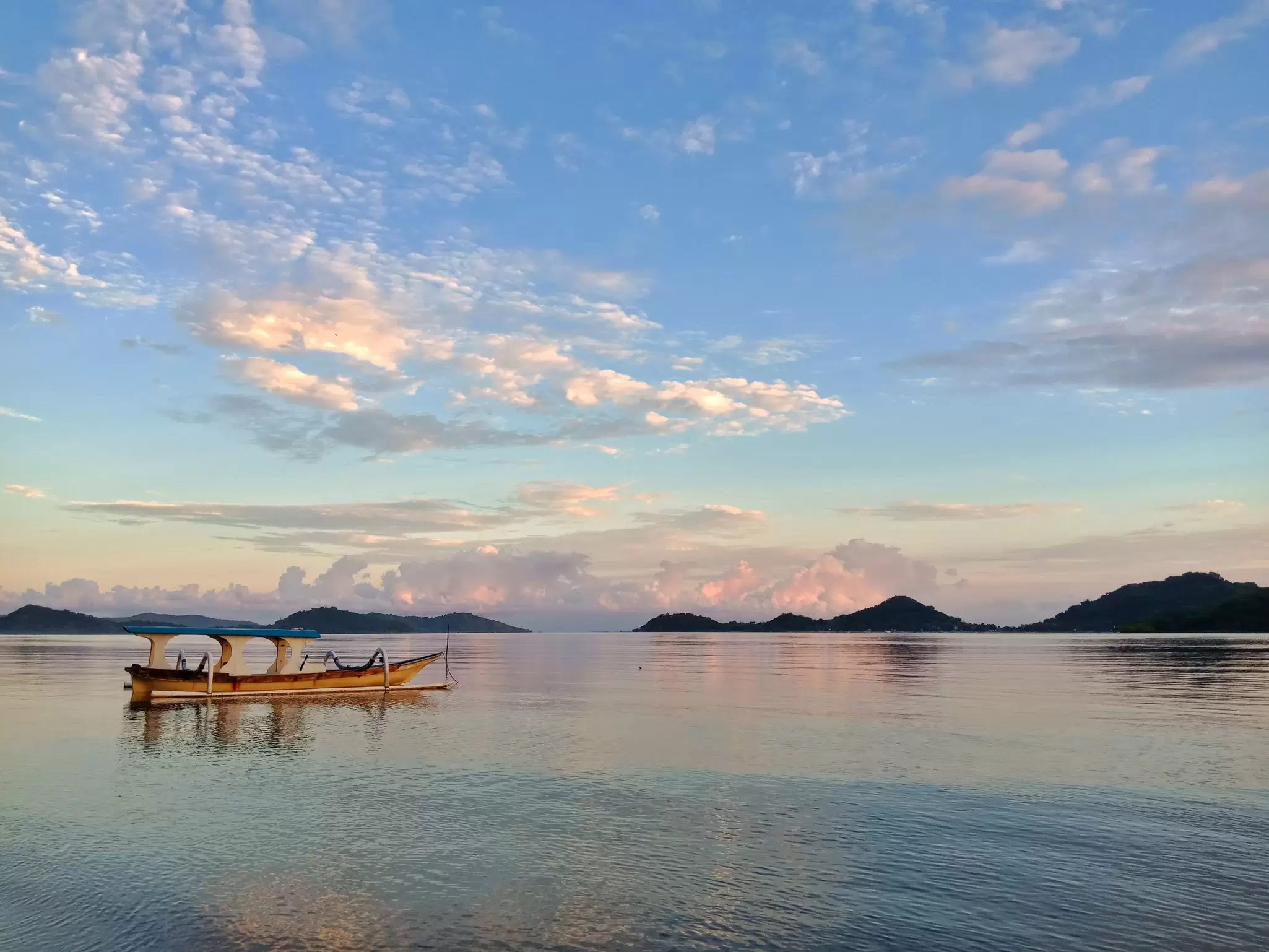
Weather in the Gili Islands in the dry season: July and August is peak tourist season in the Gili Islands, which coincides with the height of the dry season. It’s also when most of the northern hemisphere enjoys its summer vacations, so the islands see their fair share of European and American tourists.
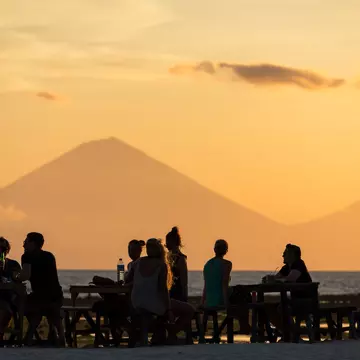
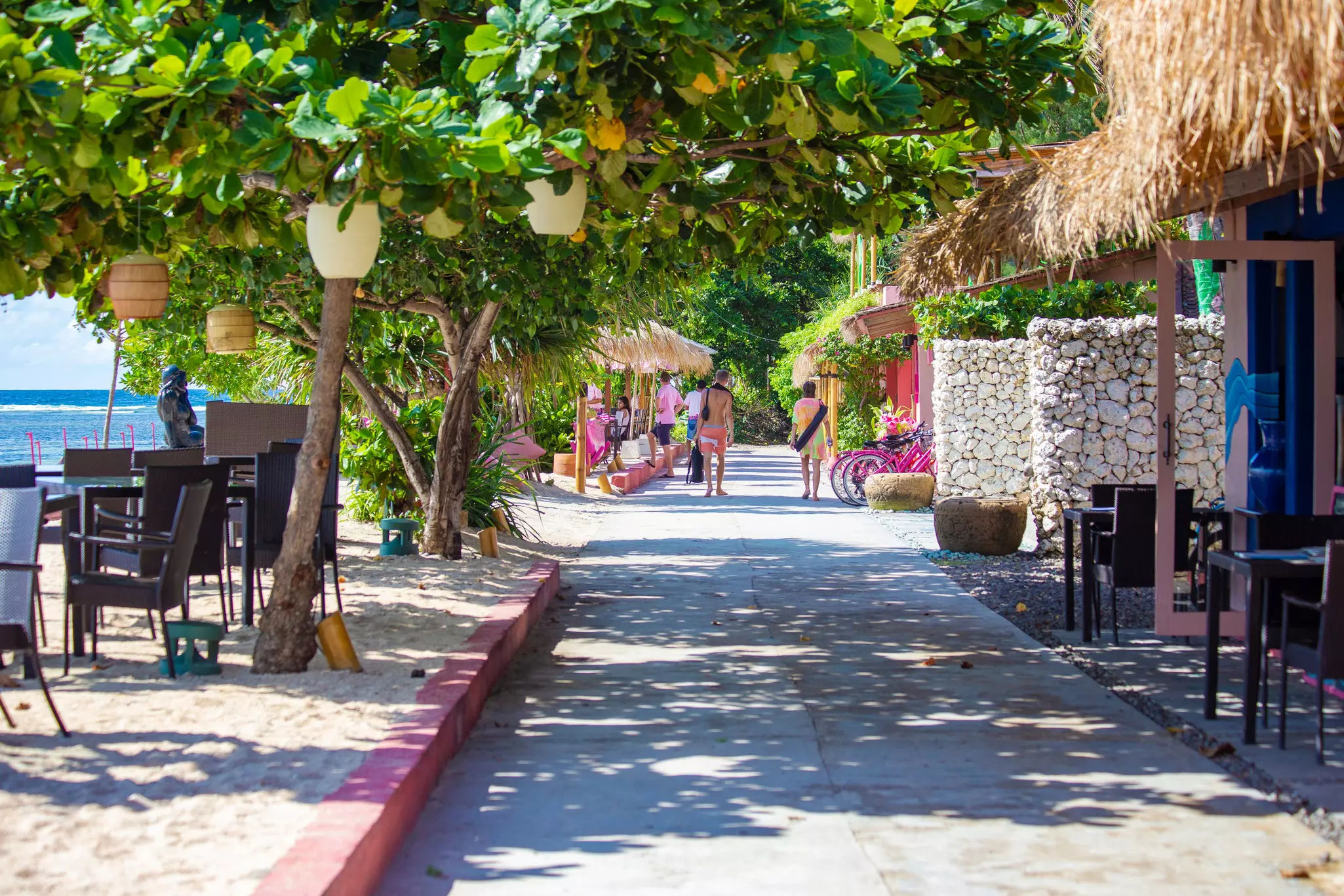
For nightlife, Gili Trawangan is the place to be. It certainly lives up to its reputation as a party island, with clubs, pubs and beach bars offering parties every night of the week. Gili Air has a more relaxed party scene, with a great selection of beach bars playing chilled out beats. If you’re not interested in partying but still want to visit the Gili Islands in high season, Gili Meno is the best pick for you. Known as the honeymoon island, it remains extremely quiet – the perfect place to unplug and unwind.
August 17 is Indonesia’s Independence Day, a public holiday during which local villages will hold traditional games and competitions. It’s a fun way to learn about the local culture, and visitors are welcome to join in the celebrations.
While the crowds add to the lively and festive atmosphere, the large number of tourists may make more difficult to get a seat at bars and restaurants, and diving and snorkeling sites will be crowded. You should also be prepared to pay inflated rates for accommodations.
December is another busy month for the Gilis, especially with Australian visitors enjoying their summer holidays, as well as those celebrating Christmas and New Year's. Although Islam is the main religion in Indonesia, Christmas is still celebrated in tourist hot spots, with hotels and restaurants offering festive menus and parties. December is the height of the wet season, so expect rain and clouds, usually starting in the afternoons.
Weather in the Gili Islands in the shoulder season: Visiting on either side of the peak season is a good way to beat the masses and high prices. The shoulder season also coincides with the beginning and end of the dry season in the Gili Islands. April to June is dry and sunny, with great conditions for outdoor adventures. It’s also a few degrees cooler, thanks to the Australian winter.
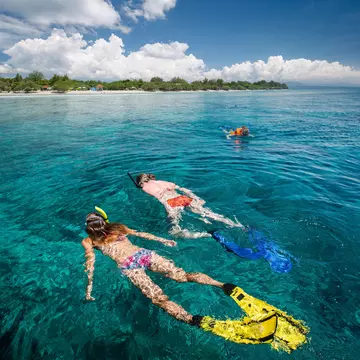
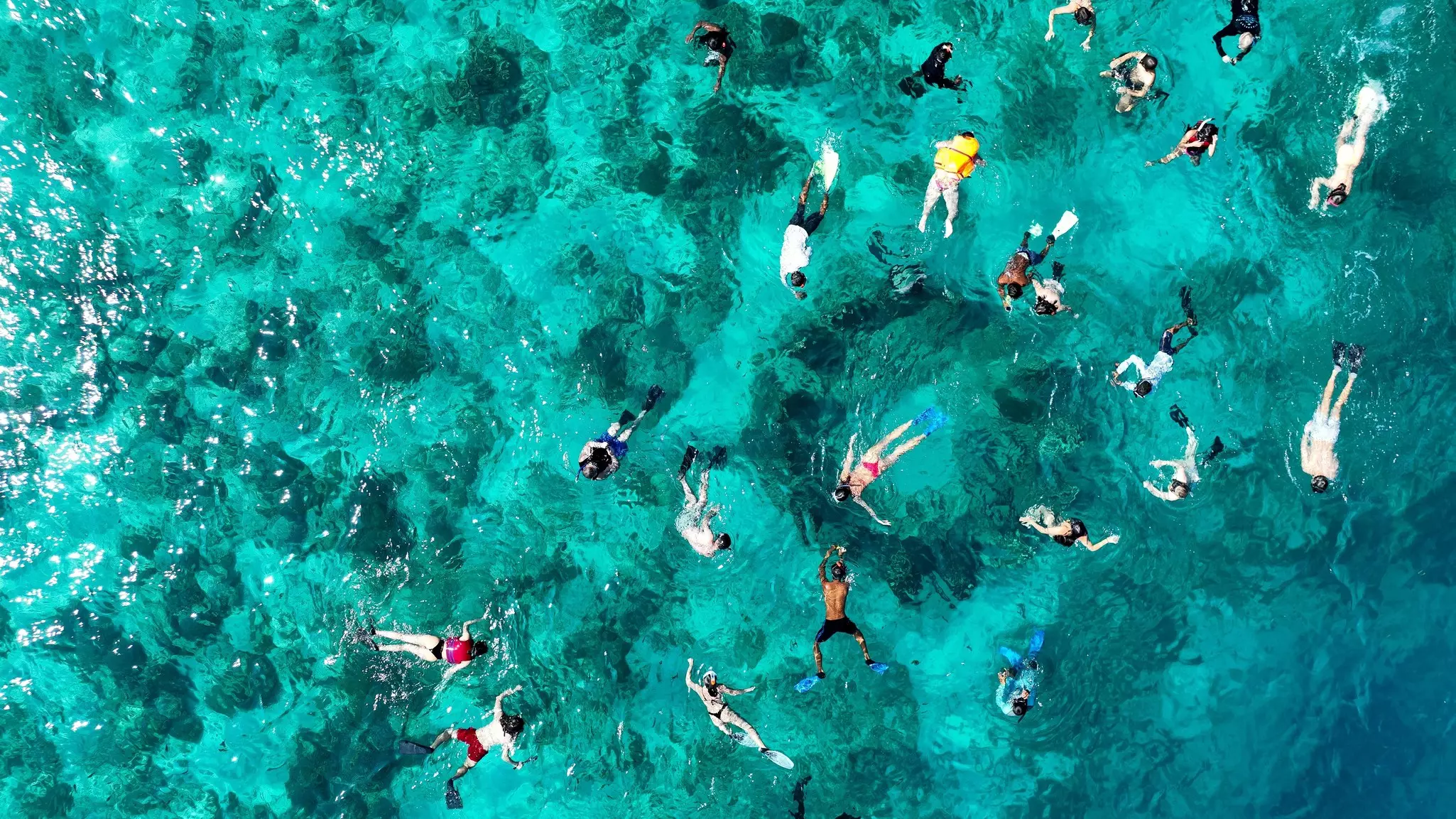
Although waves are slightly larger due to stronger winds, water visibility is excellent, so snorkeling and diving are a must. May to September is the best time to surf, and although the islands aren’t well known for surfing, there are still a handful of fun waves and rental shops across the three islands.
Although the big crowds haven’t arrived yet, the two weeks surrounding Easter (in March or April) can get quite busy. Nyepi, the Balinese day of stillness, is observed according to the lunar calendar, and it typically falls in the first or second week of March. Because everything in Bali closes and it’s forbidden to leave the house, many tourists choose to visit the Gilis for a few days.
In September, the crowds start to thin and the beaches aren’t as packed. It’s nearing the end of the dry season, but you can still enjoy amazing weather. The Gili Festival takes place on Gili Trawangan each September; the 4-day celebration features traditional Sasak cultural performances, live music, art exhibitions, food events and competitions.
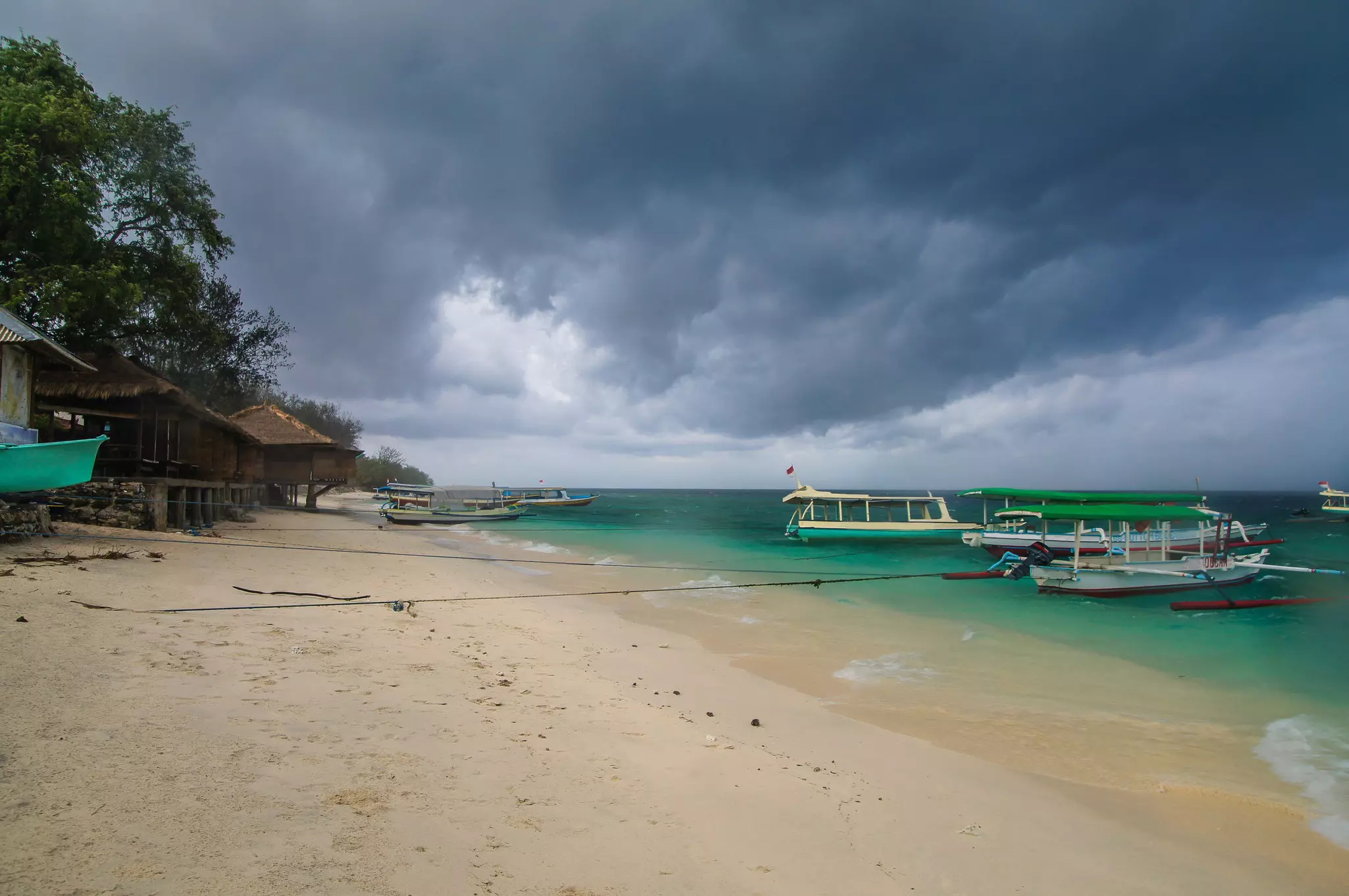
Weather in the Gili Islands in the wet season: October marks the start of both the rainy season and the low season in the Gili Islands. The crowds have all but disappeared, and the islands are quiet and relaxed for a couple months before a small spike in December and at New Year's. While you can still enjoy the beaches in the mornings, there’s plenty to do on wet afternoons, such as yoga classes, beauty treatments in the many spas and traditional cooking classes. Accommodation prices come down, and you’ll often get deals on day trips.
Bear in mind that although you can still snorkel and dive, the wet season means that water visibility isn’t quite as clear. If you’ve exhausted your options and are looking for more indoor activities, take a day trip to Lombok, where you can visit the museum and go souvenir shopping at the local markets (or one of the larger shopping malls in Mataram, complete with a cinema).
Lunar New Year falls between January and February. This is a big public holiday throughout Indonesia, and the Gilis are a popular destination for local tourists to spend a few days.
The Islamic month of Ramadan varies annually. During this time, most of the locals fast throughout the day, meaning that warungs (food stalls) across the Gilis and Lombok are closed until evening. However, restaurants and activities geared toward tourists usually remain open and operational as normal.
Book your Indonesia trip with Lonely Planet Journeys
See Indonesia how it's meant to be seen
Accommodations, activities and ground transportation all taken care of, so you can focus on the fun part. Tell us what your dream trip to Indonesia looks like, and our local experts will build it from scratch. Or start with one of our itineraries and make it your own.

Explore related stories