Jun 3, 20268 min read
Florida’s 13 Best BeachesJan 14, 2026
7 MIN READ

Writer
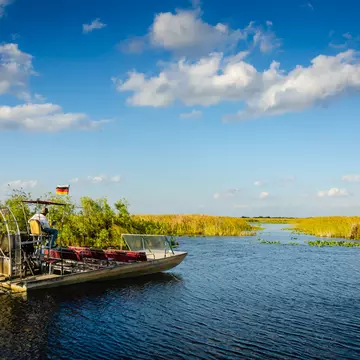
An airboat in the Florida Everglades. Sandra Foyt/Shutterstock

Writer
Lonely Planet may earn a commission from affiliate links on our site. All recommendations and reviews reflect our own independent opinions.
With spectacular year-round sunshine, never-ending entertainment and action-packed activities, there's certainly no bad time to visit Florida. But depending on your interests and what you're trying to find (or avoid) when you get here, there's likely to be a "best time" to come.
Although northerners consider sun-drenched Florida a four-season dreamland, the state's tropical and subtropical climate is subject to intense fluctuations. Temperatures also vary dramatically from the northern Panhandle to the southern Keys, especially during winter when there's a chilly bite to the northern air.
Summer (June to August) is often unbearably hot, though the rainy season (mid-May to mid-October) brings brief, biblical downpours providing respite from the heat. And, of course, there's the dreaded hurricane season from June through November.
Florida’s Gulf side has warmer water temperatures in the summer and cooler temperatures in the winter than its Atlantic side. Swimming off Marco Island on the Gulf in February means entering chilly 69°F (21°C) waters compared to Miami with its more tolerable 76°F (24°C) water temperatures.
Each season has its merits. Here's what you need to know to pick the best time to go to Florida.
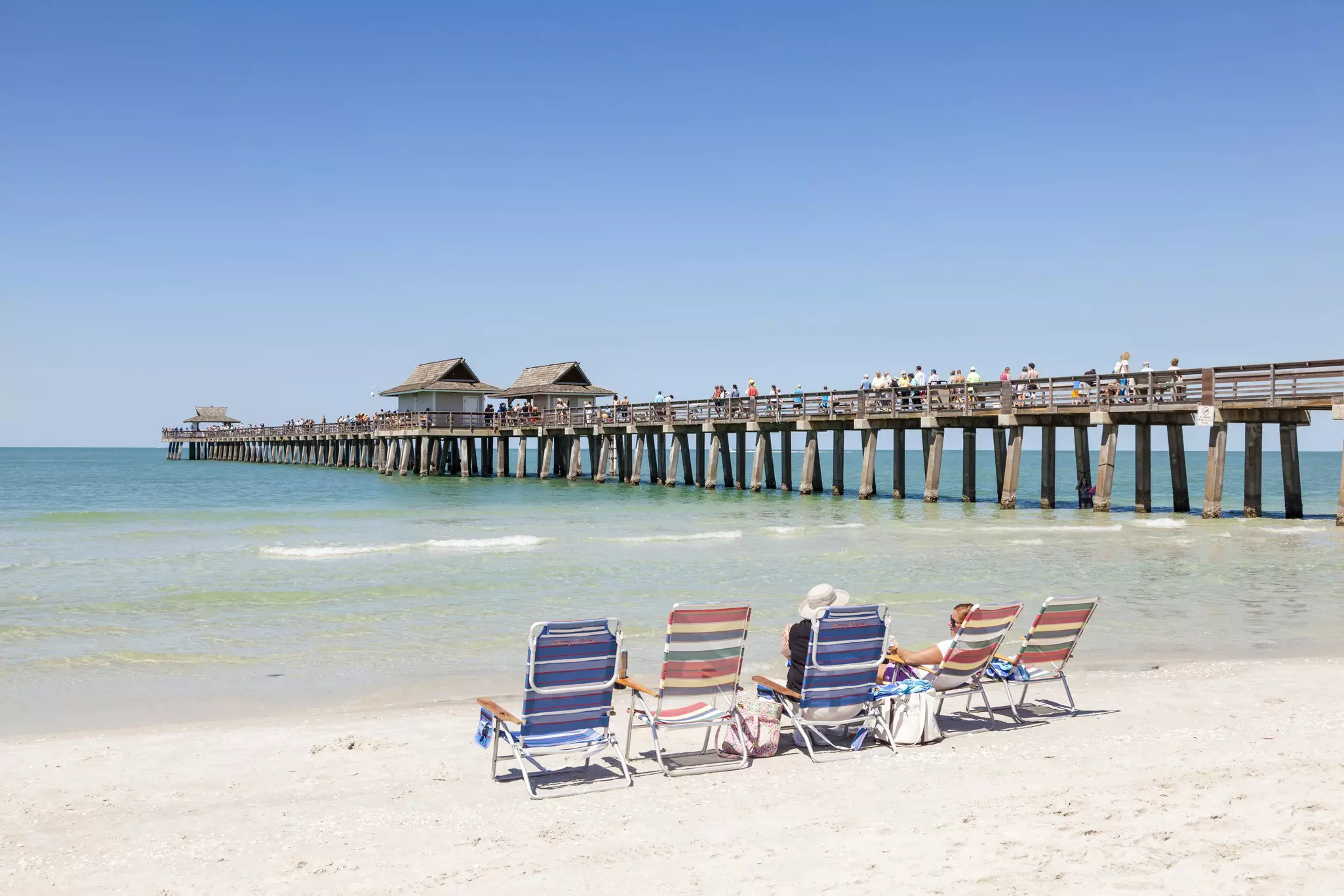
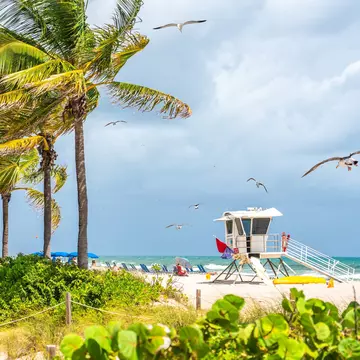
Weather in Florida in winter and spring: For maximum comfort, aim for a winter or spring visit. Plenty of snowbirds dot Florida's beaches until March or April, and they're here for smart reasons. The sun is shining, the weather is dry and (tolerably) hot, there's minimal rain (December is Florida's driest month), and the hurricane gods are fast asleep! However, unless you enjoy cooler temperatures, avoid the Panhandle at this time of year.
There are some big events on the calendar at this time, from college football to Miami's Art Deco Weekend, the Florida State Fair, the Edison Festival of Light in Fort Myers and Mardi Gras in Pensacola.
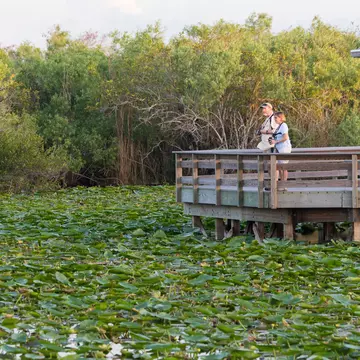
You've watched them being wrangled on reality shows – now's your chance to encounter gators, crocs and Burmese pythons in the wild in Florida's famed Everglades. Adventurers can pitch a tent at serviced campgrounds or canoe into the untamed and unforgiving wildlands at Everglades National Park.
If you're pressed for time – or courage – we'd recommend an exhilarating airboat ride at Sawgrass Recreation Park. You may not encounter pythons, but you'll definitely see plenty of gators and turtles. December and January provide drier conditions and lower water levels, making it easier to spot an assortment of wildlife. You'll also avoid high temperatures and mugginess…and those pesky bugs!
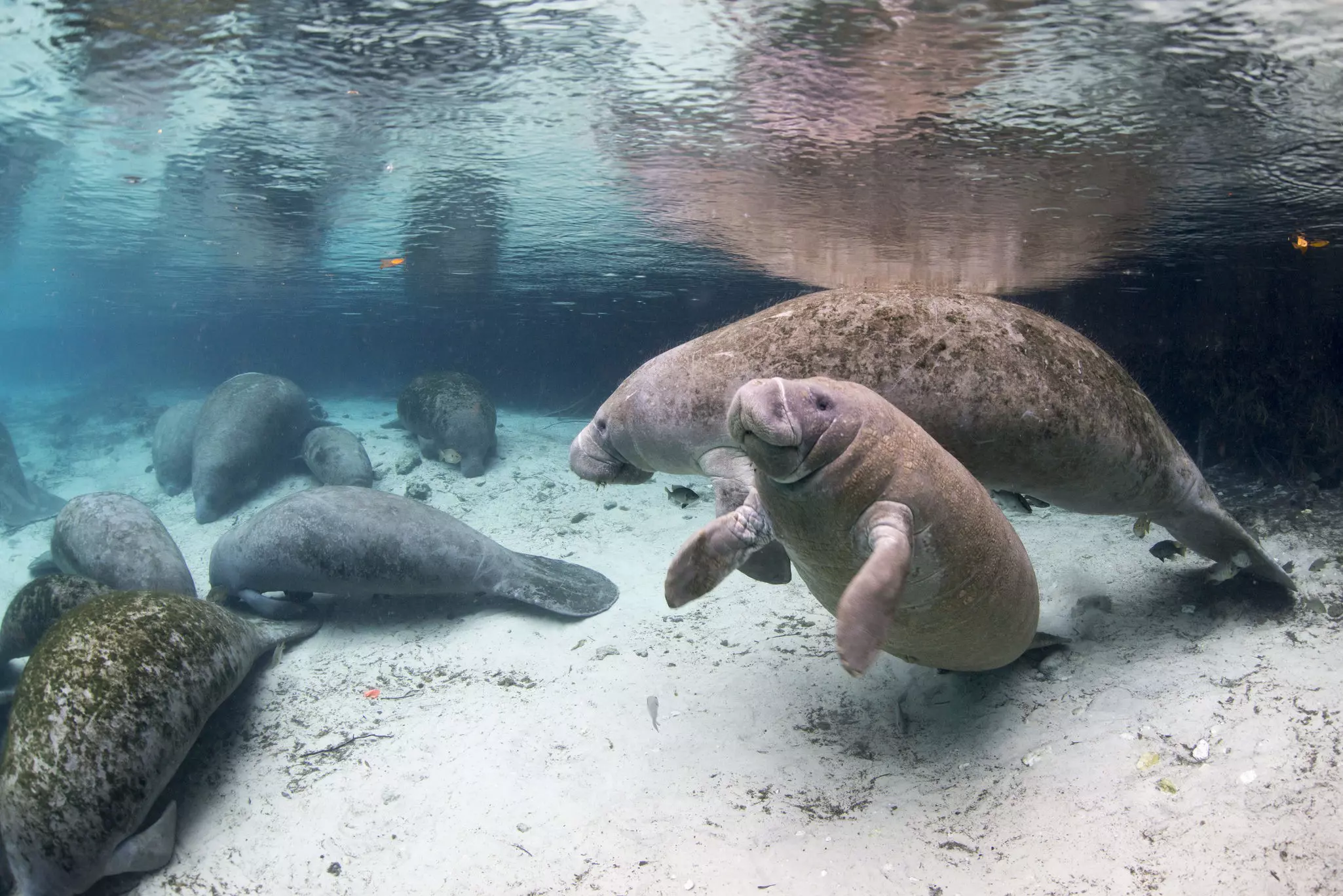
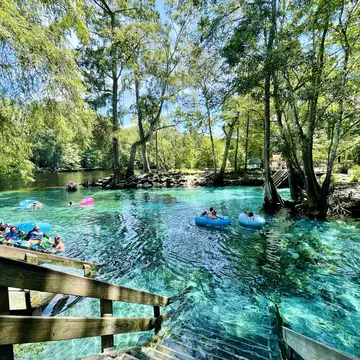
Among the Sunshine State's most anticipated visitors, manatees return to Florida's many warm springs each winter, fleeing cooling ocean waters. The highest numbers gather from December to February; great spots to encounter them include Manatee Lagoon at West Palm Beach (they cluster around warm-water outflows from a nearby generating station) and Blue Spring State Park. Alternatively, you can take the plunge and swim respectfully with these "gentle giants" in their natural habitat at Crystal River National Wildlife Refuge (named for its glass-clear waters). Dubbed "the manatee capital of the world," it's the only place in Florida where human interaction with manatees is legal, and training and guidance are provided.
Hordes of party-seeking spring breakers descend on Florida beaches during the March break (which runs into April for some colleges and campuses). Many bars and nightclubs eagerly await this pilgrimage, knowing weeks of raucous, endless partying are on visitors' energy-packed agendas. Daytona Beach, Miami, Panama City Beach and Jacksonville are the big hot spots these days.
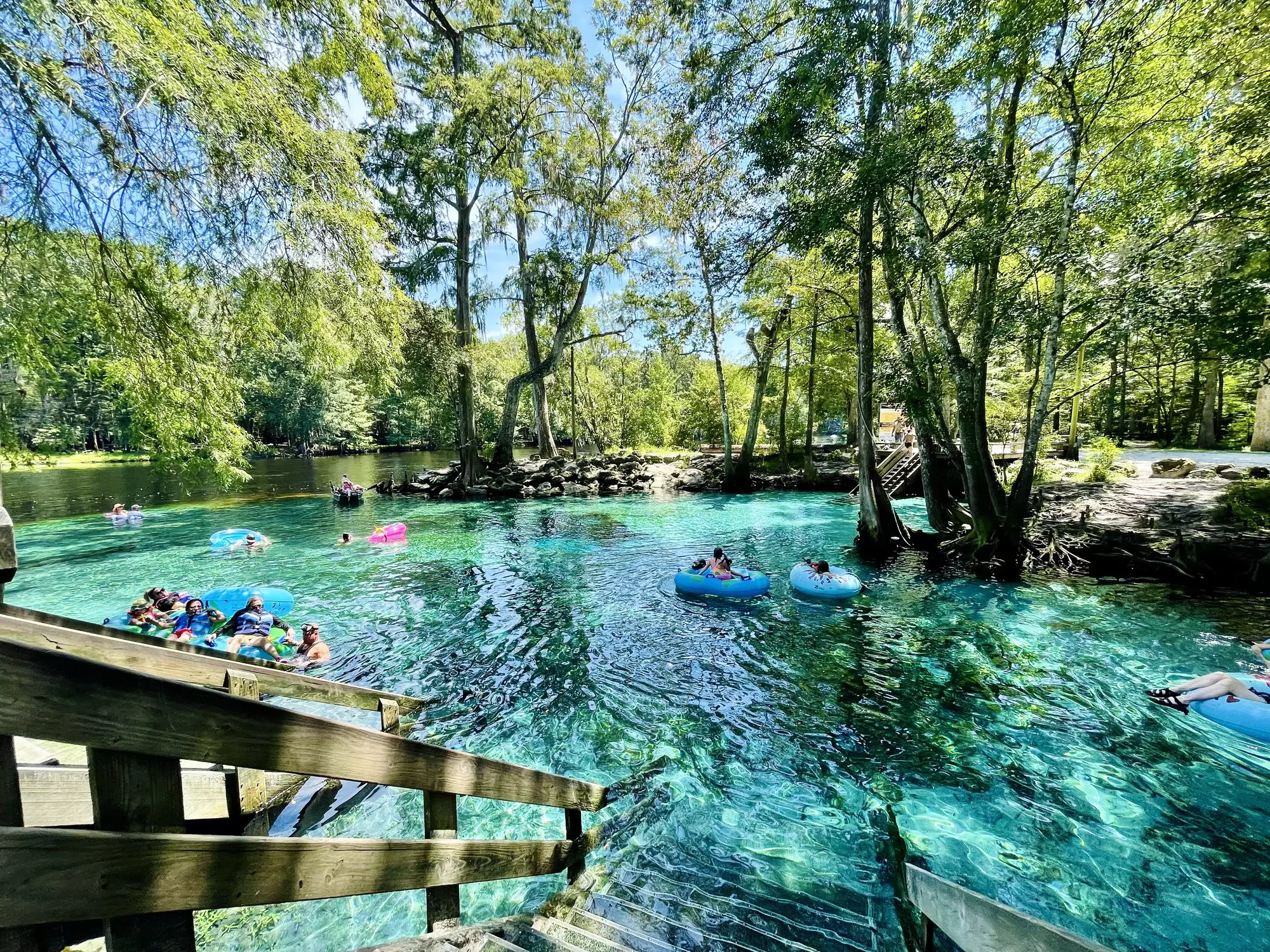
Weather in Florida in summer: Pack your waterproof sunblock! Summer brings sweltering heat, encouraging many to desert the beach and keep cool in the water.
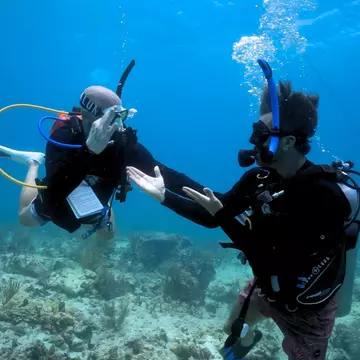
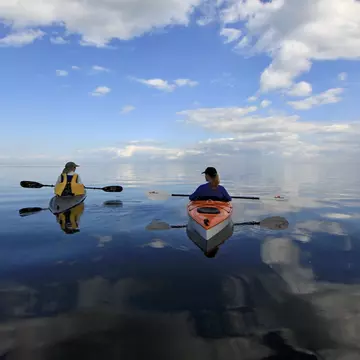
Swimming, snorkeling, diving, surfing, paddle-boarding, kitesurfing and kayaking are all popular activities at this time of year, with a motherlode of water sports rental shacks available at popular seaside spots. Different beaches cater to different activities, so be sure to research them ahead of time.
Although they're seen year-round in Florida, dolphin sightings are more common during the summer mating season (late May to August). A great place to view frisky dolphins in the early morning or mid-afternoon is on the Gulf Coast near the town of Destin. Popular viewing spots also include Henderson State Beach Park, Okaloosa Island Pier, Miramar Beach and Crystal Beach. Guided dolphin excursions are an excellent way to see these playful and rambunctious creatures.
In May and October, the gorgeous southern beaches are blissfully uncrowded, the sun's shining, there's little rain, and the ocean feels like bathwater (though hurricanes can occasionally activate in October). You can also find plenty of off-season bargains. Diehard sun worshippers, however, should wait until June to August for the ultimate sizzle!

Despite political tugs-of-war, Florida remains a favorite destination for LGBTQ+ vacations. June is, of course, Pride Month, with countless rainbow-themed celebrations. Parades and festivities happen throughout the state, including Key West Pride, Miami Beach Pride, Stonewall Pride in Wilton Manors, and Wynwood Pride in Miami.
Orlando attracts tens of thousands to its annual GayDays event, where participants don red shirts to identify themselves during theme park visits, drag bingo sessions, hotel takeovers and pool parties.
Crowds converge again in October for Orlando's Come Out With Pride, featuring colorful parades, cheeky stage entertainment and a spectacular fireworks display.
The Florida experience is all about supply and demand. Kids are back in school by September, and the snowbirds are yet to arrive, so deals can be found everywhere. Likewise, a slump in tourism follows the indulgence of the Christmas holiday season, with hotel prices plunging as much as 50% before climbing again for spring break.
Theme parks, tourist attractions, restaurants and hotels have to compete harder for your vacation dollars, so this is a good time to pick some low-hanging fruit – the best discounts are usually offered early in September and can continue until Thanksgiving.

These are typically the slowest months for tourism in Florida. There's more room to spread your beach towel and shorter queues at attractions, and you'll avoid the summer crowds invading the theme parks, and spring break, when hordes of college students pack beaches and bars. Late October brings Halloween fun at theme parks and FantastFest in Key West.
With 230 days of glorious sunshine each year and more than 1000 manicured courses to choose from, Florida is heaven for golfers. Florida's luscious landscape was built for golf, with its sandy greens, gently rolling hills and plentiful pockets of water. You might even catch a wayward gator waddling across the green. Diehards prefer to tee off from late September to May, when drier conditions prevail, and there's a lower risk of heavy rainfall or storms.
The Atlantic hurricane season runs from June 1 through November 30. Keep an eye on the National Hurricane Center’s latest forecasts before and during your trip to see what may be coming your way.
Even in winter, daytime highs can reach the low 80°Fs (27°C), so you'll want to bring lightweight, breathable fabrics to stay cool and feel less sweaty. Things can cool off in the evenings, and even in summer, it's wise to pack a light jacket for breezy walks by the ocean.
Rain is a year-round possibility, so bring a lightweight waterproof, and don't forget a hat to protect yourself from the sun. Water shoes are handy for saturated trails and in the Everglades. Bring sandals or flip-flops for the beach and walking shoes for urban wanders and hikes.
Explore related stories